REVIEW · BARCELONA
Barcelona: Catalan Paella Cooking Class
Book on GetYourGuide →Bookable on GetYourGuide
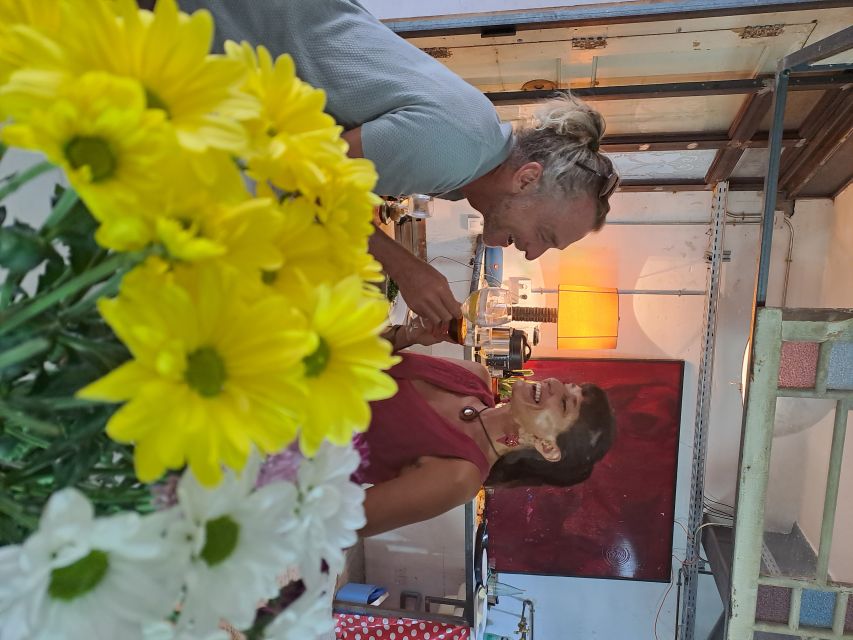
Paella, but make it Catalan. This 2.5-hour workshop focuses on the original Catalan arrossada and how Catalans think about rice, not just how to follow a recipe. I like the hands-on guidance in a restored kitchen with historic materials, so it feels like you’re learning the method, not watching from the sidelines.
I also like the location: you’re close to Park Güell, so you can pair this with a classic Barcelona day without spending the afternoon commuting. One possible drawback to consider is that the final meal can look different from what you expect from photos, since every session may produce a slightly different presentation.
In This Review
- Key highlights you’ll actually care about
- Where Catalan paella happens near Park Güell
- Inside the restored kitchen: what small-group means
- The Catalan arrossada lesson: rice as the heart of the meal
- How a 2.5-hour class flows (and how to get the most)
- The guide matters: language, teaching style, and Catalonia talk
- What you’ll taste and why it’s not just a demo plate
- Price and value check: what $112 buys you
- Who this suits best (and who may want something else)
- Before you go: quick planning tips for a smooth day
- Should you book this Catalan paella class?
- FAQ
- How long is the Catalan paella cooking class?
- What is the price per person?
- Where is the meeting point?
- What style of paella will I learn?
- Is the class in a small group?
- What languages are the instructors available in?
- Is free cancellation available?
- Can I reserve now and pay later?
- Who is the experience provider?
Key highlights you’ll actually care about
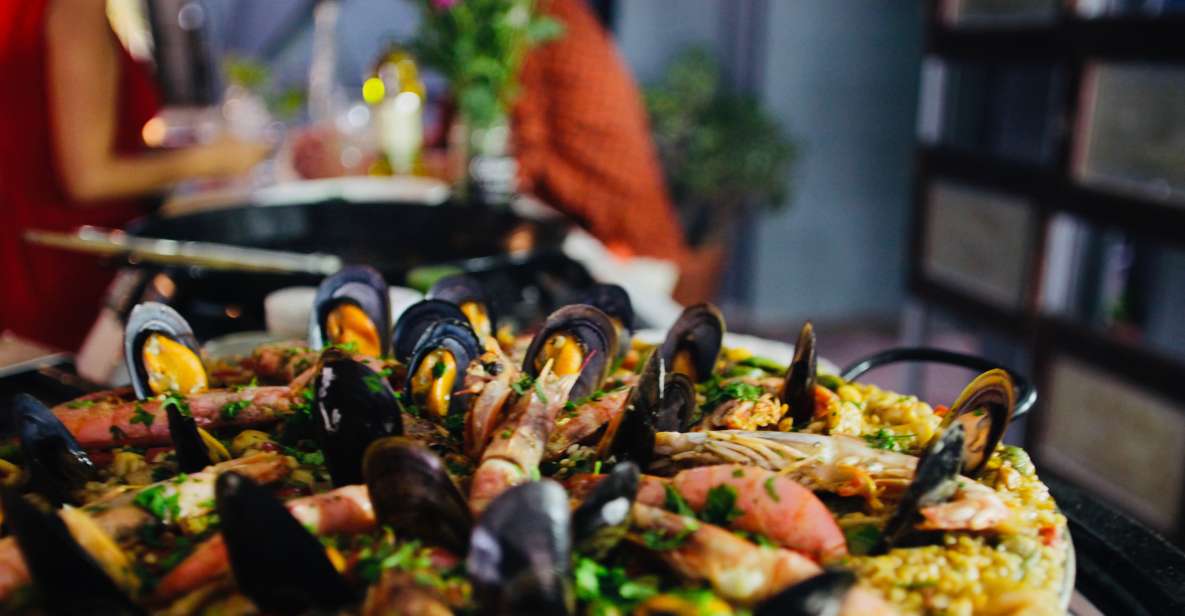
- Catalan arrossada focus: you learn the Catalan style of rice cooking.
- Small groups: more attention at the stove, not a crowd-watch vibe.
- Restored kitchen setting: historic materials make the learning feel special.
- Multiple language options: Catalan, English, or Spanish during instruction.
- Conversation-led experience: the guide adds Catalonia context, not just cooking steps.
Where Catalan paella happens near Park Güell
This class takes place in Catalonia, right in Barcelona, and the meeting point is Jaume Puigvert 13B. Once you find the big glass door, you’re in the right place. What’s practical here is the neighborhood math: you’re only a few minutes on foot from Park Güell, which makes it easy to slot into a day that already includes Gaudí.
If you’re the type who likes to move efficiently, this setup is a win. You can plan a morning walk near Park Güell, take a break, then come back for the cooking class without the stress of long transfers.
Inside the restored kitchen: what small-group means
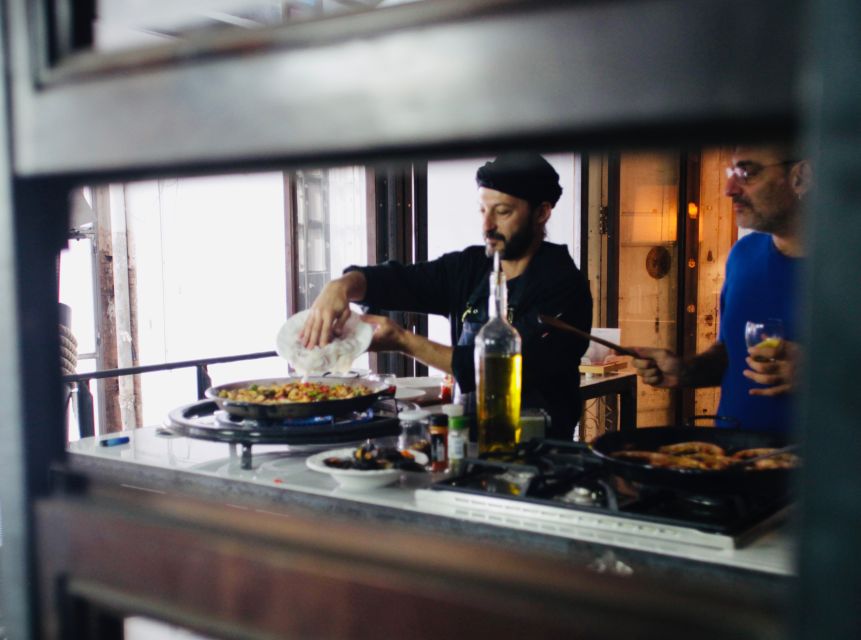
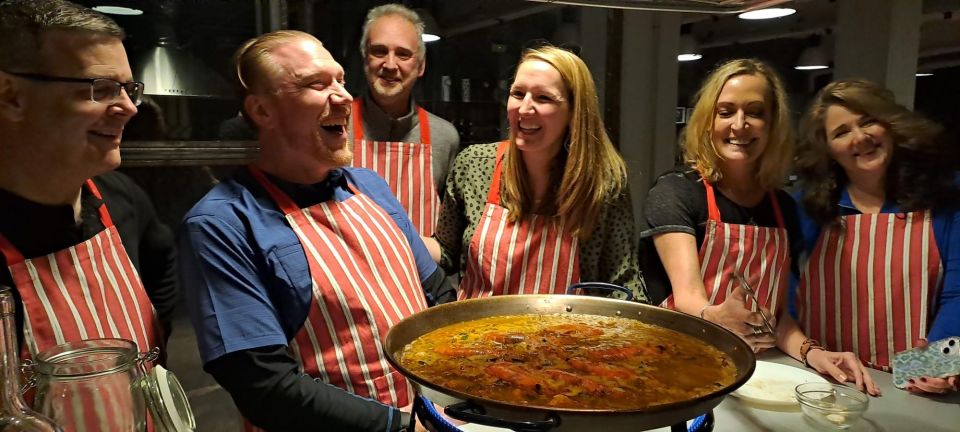
One reason people get excited about this activity is the kitchen itself. It’s restored and uses historic materials, so it doesn’t feel like a generic cooking studio. You’re also in small groups, which matters because paella isn’t a set-it-and-forget-it dish. You need guidance at the moments that count.
In a larger group class, you often wait your turn and hope the details stick. Here, the small setup is what makes the instruction feel personal, including the chance to ask questions as you cook.
The Catalan arrossada lesson: rice as the heart of the meal
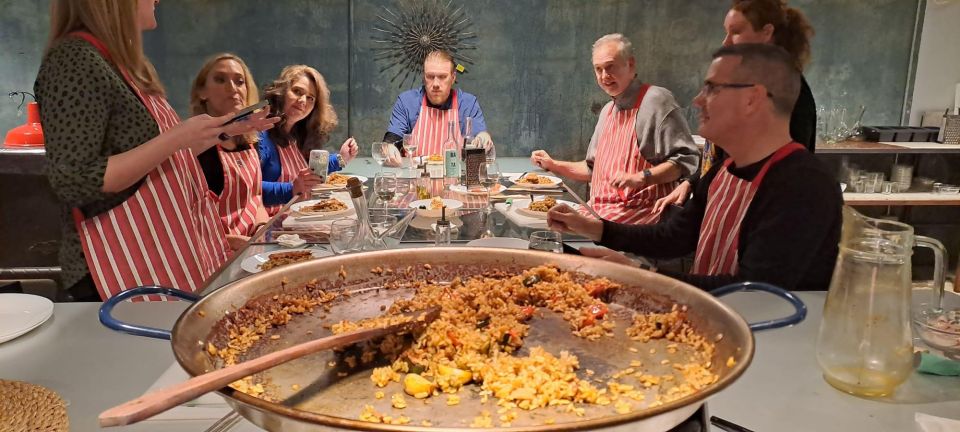
The heart of this workshop is Catalan paella style, specifically the original arrossada approach. Catalan gastronomy is directly tied to rice cooking culture, and that’s the angle the class teaches. Instead of treating paella like a single dish, you learn how rice timing and technique connect to Catalan cooking habits.
You’ll be guided step-by-step through making Catalan style paella, with an emphasis on the rice method. That’s valuable because the real skill isn’t memorizing one recipe—it’s understanding how the process creates the final result. When you go home, you can apply the same logic to your next rice dish, even if ingredients differ.
How a 2.5-hour class flows (and how to get the most)
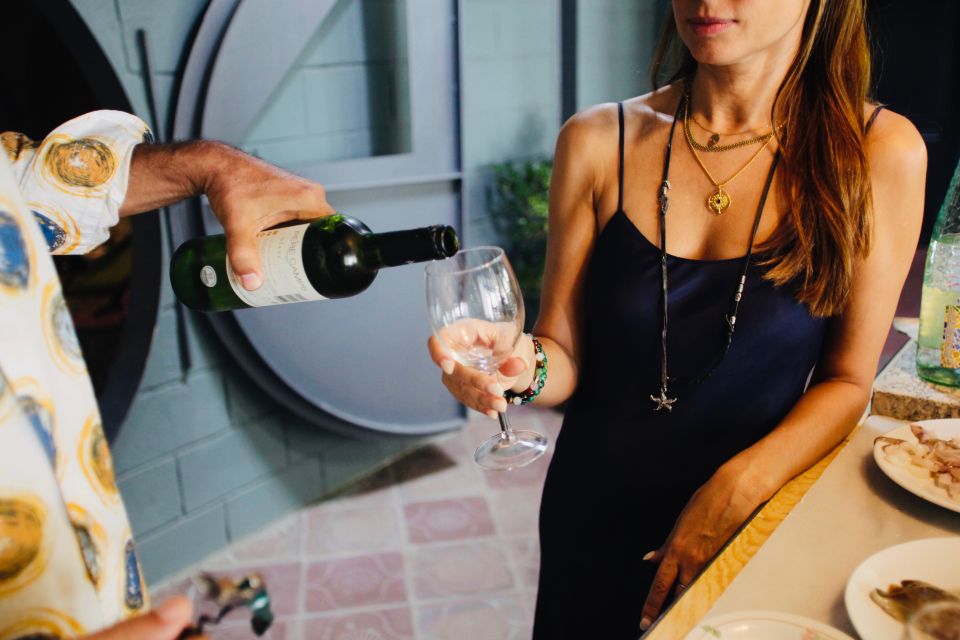
The duration is 2.5 hours, so the pace stays focused. You can expect a structured rhythm: you arrive, meet the instructor, get the method explained, and then work through the cooking process while you’re still learning. Cooking classes like this are at their best when you treat it like an active workshop, not a meal you watch happen.
Here’s how I’d make sure you get maximum value from your time:
- Come hungry, but not so hungry you can’t think. Paella technique needs attention.
- Ask at least one question while the method is being explained, not after the pan is already done.
- Take note of the rice steps the instructor stresses. Those cues are usually the difference between a good result and a repeatable result.
The class format is also a good match for people who like a clear plan. You’re not wandering through half the city before you cook. You’re learning and doing in one concentrated block.
The guide matters: language, teaching style, and Catalonia talk
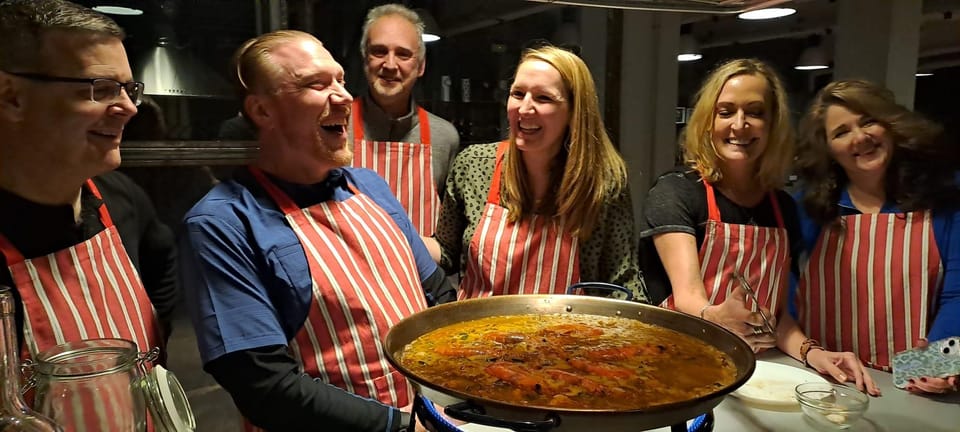
Instruction is available in Catalan, English, and Spanish. That matters because food learning works best when you can actually understand the finer points—especially around technique and timing.
You’ll also get more than just cooking talk. The experience is designed to share Catalan gastronomy as part of daily culture, so you’re not stuck with silence between steps. The atmosphere described in past sessions tends to be friendly, with good conversation and a sense of shared focus while you cook together.
One name that comes up for this class experience is Marc. People have highlighted the combination of strong paella tips and lively, accommodating conversation. Even if the guide roster varies by date, the teaching goal stays the same: give you a true taste of Catalonia life and cuisine, not only a lesson in heat and stirring.
What you’ll taste and why it’s not just a demo plate
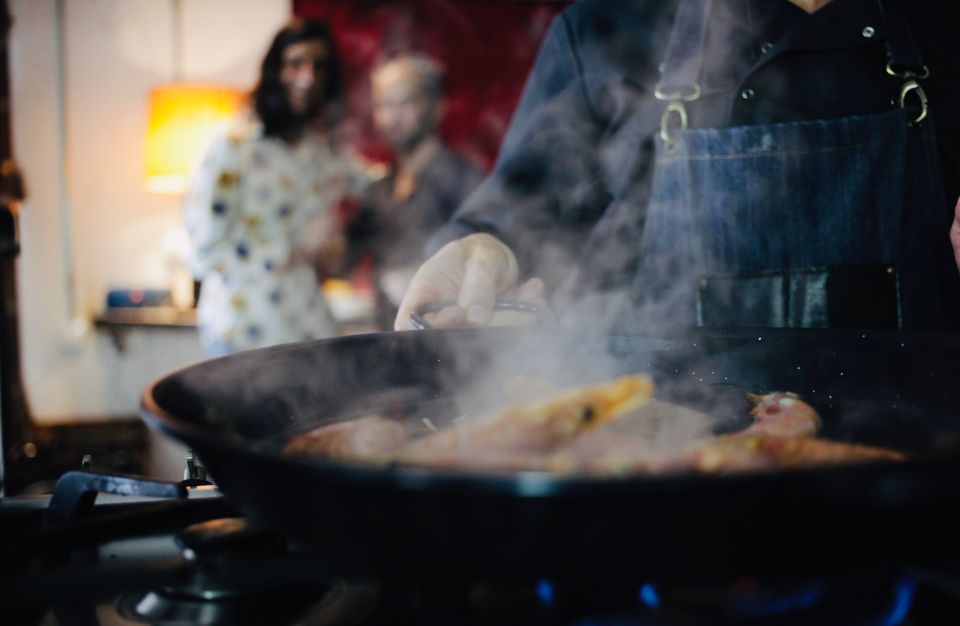
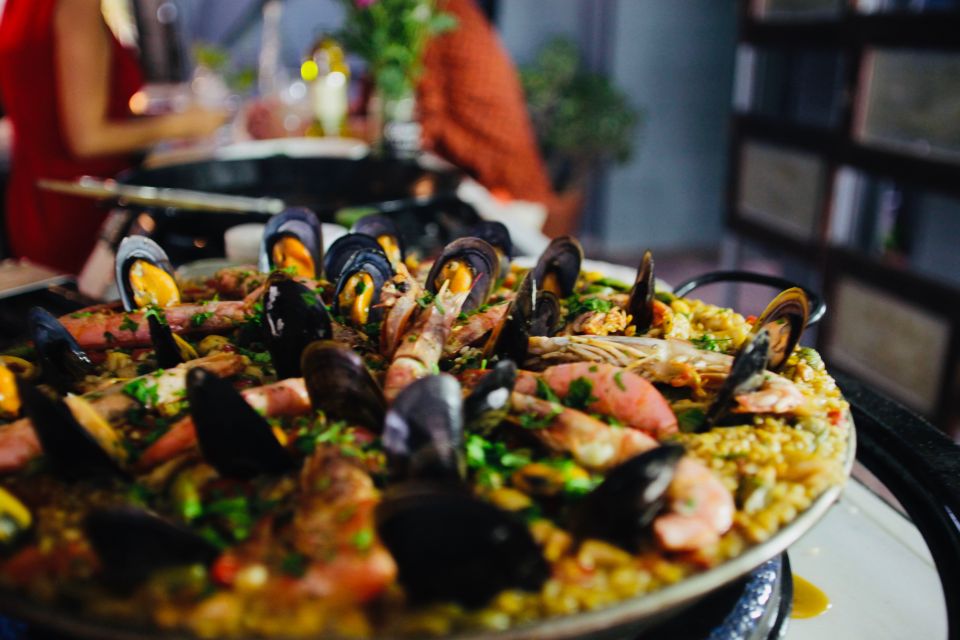
Paella cooking classes can be tricky. Some are mostly show-and-tell, and you end up with a small bite that doesn’t feel like a meal. This one is built around making Catalan paella style and tasting your creation, so you should expect food that’s part of the point.
The key is that you’re not learning a random version of paella. You’re learning the Catalan style arrossada concept. That means the cooking approach is the lesson—how Catalans connect rice cooking to local food habits. If you care about the why behind the dish, this angle makes the meal more meaningful.
Price and value check: what $112 buys you
At $112 per person for 2.5 hours, this class sits in the middle of the “serious cooking experience” range. The value comes from three things that aren’t just marketing:
- You cook in a small group, so you’re not paying for crowd entertainment.
- You’re taught Catalan arrossada, the specific Catalan rice method, not a generic paella template.
- You learn in a restored historic kitchen, which makes the experience feel more grounded in the place you’re visiting.
If you’re the type who wants to bring home a skill, that’s where the price starts to make sense. You’re paying for a repeatable method and a better understanding of rice cooking. If you only want a fun snack and don’t care about technique, you might feel the cost more strongly than someone who plans to re-create the method later.
Who this suits best (and who may want something else)
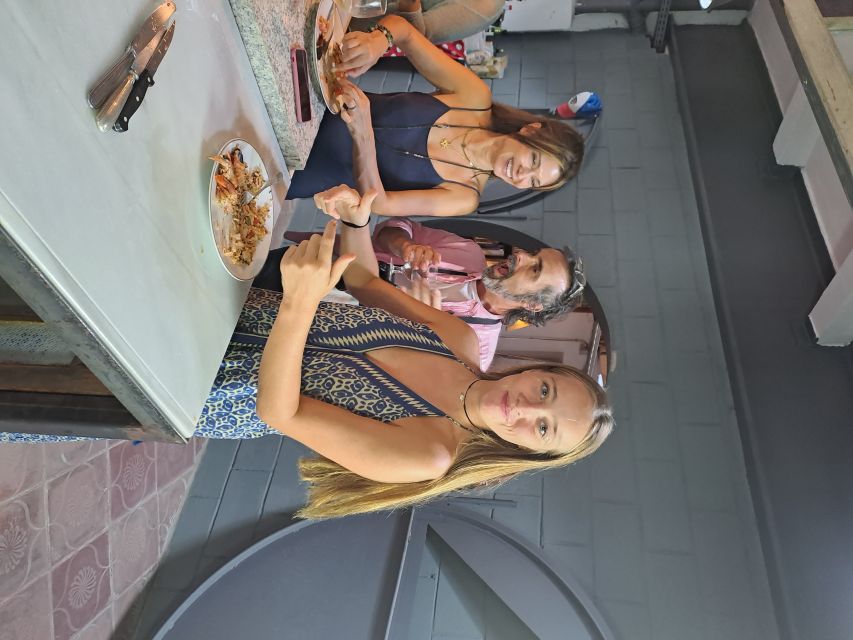
This class is a great fit if you:
- Want a hands-on food activity in Barcelona that doesn’t require complicated planning.
- Like Catalan culture and want it explained through food.
- Prefer small groups and direct interaction with the instructor.
- Are near Park Güell and want a convenient activity that fits into the day.
It might be less ideal if you:
- Are tightly attached to how a dish looks in photos. One session has been called out for photo expectations not matching the made dish.
- Want a long, multi-stop tour that includes lots of extra sightseeing. This is concentrated on cooking in one place.
Before you go: quick planning tips for a smooth day
Since the kitchen is close to Park Güell, you can plan this as part of a themed Catalan day. I’d keep your schedule flexible around the class time so you’re not rushing in from elsewhere in the city.
Also, bring a mindset that helps cooking classes work for you: slow down. Even with a short duration, paella technique rewards calm attention. When you’re relaxed, you absorb the key rice cues faster.
Should you book this Catalan paella class?
Book it if you want a focused, small-group cooking experience that teaches Catalan arrossada—where the rice method is the real takeaway. The location is practical, the kitchen setting is part of the charm, and the teaching is offered in English, Spanish, and Catalan.
Skip it if you mainly want a quick photo moment or you expect everything to match promotional images exactly. But if you’re interested in learning how Catalans cook rice for paella, this is the kind of class that can make you smarter—and hungry in a good way.
FAQ
How long is the Catalan paella cooking class?
The class lasts 2.5 hours.
What is the price per person?
It costs $112 per person.
Where is the meeting point?
Meet at Jaume Puigvert 13B. Look for the big glass door and go inside.
What style of paella will I learn?
You’ll learn Catalan paella style, specifically the original arrossada approach.
Is the class in a small group?
Yes. The class is described as a small-group experience.
What languages are the instructors available in?
The instructor can teach in Catalan, English, and Spanish.
Is free cancellation available?
Yes. You can cancel up to 24 hours in advance for a full refund.
Can I reserve now and pay later?
Yes. The option to reserve now & pay later is available.
Who is the experience provider?
The experience provider is Barcelonadelights.