REVIEW · GUIDED
From a Roman Village to a Resort Town: A Self-Guided Walking Tour of Sitges
Book on Viator →Operated by VoiceMap Audio Tours · Bookable on Viator
Sitges can be a lot to take in. This self-guided audio walk is a smart way to see the town’s big landmarks at a comfortable pace, with geo-aware directions that keep you moving. You’ll start right at the boardwalk in front of Pic Nic beach bar and follow a route that ties together centuries of Sitges—from rum lore to Modernisme art.
I especially like two things: the offline VoiceMap access (audio, maps, and geodata are ready on your phone), and how the commentary is simple to use and easy to follow in English. One catch to plan for: you’ll need your own smartphone and headphones, and the route includes some hills, so comfortable shoes really matter.
In This Review
- Key takeaways before you go
- Why this Sitges route feels like a story, not a checklist
- Price and timing: $11.99 that can fit real travel days
- Starting at Pic Nic beach bar: getting your bearings fast
- Along Platja de la Ribera: centuries of Sitges in seafront form
- The Bacardi Monument: rum history you can actually see
- Xiringuito and beach-bar culture in one pass
- Baluard Plaza: the 1700s defense structure with serious presence
- Church of St Bartholomew and Saint Tecla: the photo magnet
- Palau de Maricel and the artist-building logic of Modernisme
- Museu de Maricel and the “why” behind the art movement
- Museu del Cau Ferrat: where Santiago Rusinol fits in
- Rusinol monument stories: art, attitude, and a warning label for context
- Cap de la Vila: finishing in the old-town heart
- How the VoiceMap app keeps the experience smooth
- Who should book this (and who might skip it)
- Should you book this Sitges self-guided walking tour?
- FAQ
- How long is the Sitges walking tour?
- Is the audio tour available in English?
- Where does the tour start?
- Where does the tour end?
- Do I need my own headphones?
- Are museum tickets included?
- Can I use the tour offline?
- Can I cancel and get a refund?
- What time is the tour available?
Key takeaways before you go
- Geo-aware offline audio helps you stay on track without constant map-checking
- Your pace, your stops: walk 45 minutes to an hour, or pause longer to look and photograph
- A tight highlights loop: Bacardi Monument, Xiringuito, Baluard Plaza, and the Church of St Bartholomew and Saint Tecla
- Modernisme-focused landmarks: Palau de Maricel, Museu de Maricel, and Museu del Cau Ferrat
- Santiago Rusinol comes to life with stories tied to the buildings and monuments you pass
- Great value for $11.99 with lifetime access, so you can redo it when you want
Why this Sitges route feels like a story, not a checklist
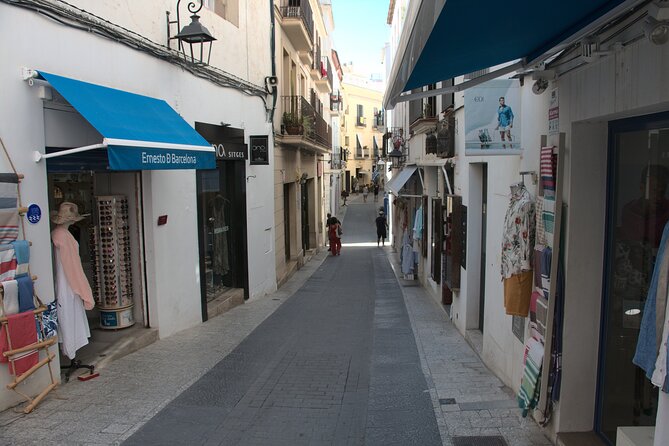
Sitges is one of those places where you can feel layers moving over each other. This route links the seafront promenade to the old-town center, so the town reads like a timeline instead of a string of sights.
What makes it work for you is the format. You control the walking pace, you can linger at viewpoints, and you only hear the next bit when you’re actually there. That turns random sightseeing into a guided experience without the crowd pressure.
Price and timing: $11.99 that can fit real travel days
At $11.99 per person for a 45-minute to 1-hour walk, this is the kind of activity that won’t bully your schedule. You’re paying for the audio guidance, offline tools, and lifetime access—not for museum tickets you might not use.
Also, you’re not locked into a fixed group pace. If the light is good at the church steps or you want a longer pause at a terrace, you can. If you’re tired after a long day in Barcelona, you can shorten the walk by moving straight through the stops.
Starting at Pic Nic beach bar: getting your bearings fast
The tour begins on the boardwalk in front of Restaurant Pic Nic, on Passeig de la Ribera. It’s a good starting spot because you immediately get the seaside setting, plus a clear line-of-travel as the audio ramps up.
Early on, you get a quick sense of Sitges and how the experience is meant to work. Then you’ll move along Platja de la Ribera, listening as the shoreline becomes the backdrop for the town’s older roots. If you like to orient yourself before you dive into details, this start style helps a lot.
Practical note: bring your own headphones and make sure your phone battery is healthy. Since everything is delivered through the VoiceMap app, you’ll want the screen and audio ready before you step out.
Along Platja de la Ribera: centuries of Sitges in seafront form
This part is all about rhythm. You walk the boardwalk, the sea stays close, and the audio helps you connect what you see now to what shaped the town.
Expect the commentary to set up key names and themes, so later stops feel less random. Even if you’ve seen Sitges before, this “move while you learn” approach makes it easier to notice details you might otherwise miss.
The Bacardi Monument: rum history you can actually see
Next up is the Monumento a Bacardi, tied to Facundo Bacardi Masso, a Sitgetan connected to rum history. The audio frames the monument so you understand why it’s here and why that story belongs to Sitges, not just to a brand.
This stop is also a quick photo opportunity because it’s a landmark you can spot as you pass. If you like to connect local geography to famous names, this is one of the most fun listening moments on the route.
Xiringuito and beach-bar culture in one pass
The tour then goes by Xiringuito, described as the first beach bar in Spain. It’s a small shift in tone, from monuments and defense to everyday seaside culture.
You may not spend long here, but it’s useful context. It reminds you that Sitges isn’t just churches and museums—it’s also a lived-in resort town with long-standing beach traditions.
Baluard Plaza: the 1700s defense structure with serious presence
When you reach Baluard Plaza, you’ll get the story of an imposing structure where the military defended the town in the 1700s. This is one of those stops where the audio helps you read the architecture as protection and planning, not just stone.
It’s also a contrast moment. After beach landmarks and entertainment culture, you get the heavier side of the town’s history. You’ll likely pause more here if you enjoy thinking about how towns survived—plus the structure tends to give strong angles for photos.
Church of St Bartholomew and Saint Tecla: the photo magnet
Soon you’ll arrive at one of the most photographed sites in Sitges: the Church of St Bartholomew and Saint Tecla. The audio around this spot helps you understand why the church is such a central visual reference point for the town.
If you’re the type who always ends up taking pictures at churches, this will feel natural. If you’re less into religious architecture, the value here is the guidance that explains the church as part of Sitges identity, not just a pretty facade.
A practical tip: take a moment here to look at the area from different angles before moving on. Since you’re on a self-guided track, you can do that without feeling like you’re holding up a group.
Palau de Maricel and the artist-building logic of Modernisme
Now the walk shifts into Modernisme territory. You’ll have the chance to marvel at Palau de Maricel, a magnificent building associated with bringing in artists to the town.
The audio makes this kind of architecture click. Instead of treating the building as a standalone showpiece, you learn how it connects to Sitges becoming a magnet for creativity. If you’ve visited other Catalan Modernisme sites, you’ll recognize the pattern: art and place influence each other.
Museu de Maricel and the “why” behind the art movement
As you pass galleries and museums, the route highlights Museu de Maricel and explains how this artistic movement and its members helped shape the Sitges you see today. This is one of the best uses of audio guidance on the tour because it gives you context while you’re actually in the right street and looking at the right frontage.
You’ll come away with more than names. You’ll understand the theme: Sitges didn’t just happen to have art—it pulled it in, supported it, and turned it into part of the town’s public face.
Keep expectations practical, though: the tour does not include museum entry tickets. So think of these stops as “see the setting and learn the story,” with optional museum visits only if you choose to pay separately.
Museu del Cau Ferrat: where Santiago Rusinol fits in
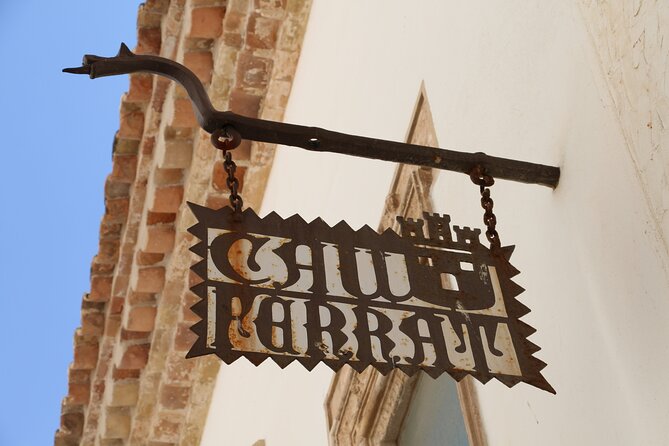
Next comes Museu del Cau Ferrat, linked to Santiago Rusinol, a leader in the Catalan Modernist movement. Even if you don’t go inside, the audio helps you connect the museum to the larger network of influence around Modernisme in Sitges.
If you enjoy artist stories, this segment matters. You’ll hear about why Rusinol was important and how his presence tied to the town’s cultural pull.
Rusinol monument stories: art, attitude, and a warning label for context
The tour continues past a monument of Santiago Rusinol, where you’ll get a couple of stories about his hedonistic lifestyle and his role in Catalan Modernism in Sitges.
This is entertaining listening, but use it as a cultural lens, not literal moral instruction. The point is to understand why the art world around Rusinol had personality and provocation—and why that vibe left traces in how Sitges developed.
Cap de la Vila: finishing in the old-town heart
Finally, you’ll stroll through Cap de la Vila plaza, an area once known as the end of the village and now part of the town’s centre. This ending feels satisfying because it ties your walk back to a sense of place rather than stopping cold at a random point.
The tour concludes along Carrer Primer de Maig by the promenade, so you can easily keep wandering on your own afterward. I like this style of ending because it doesn’t feel like the tour is yanking you away from the best part of town.
How the VoiceMap app keeps the experience smooth
This is built for self-navigation. You get offline access to audio, maps, and geodata, which is exactly what you want in a place where you might wander a bit past the immediate route.
The geo-aware feature is what makes it feel effortless. You’re not constantly checking your phone to figure out where you are; the audio is designed to move with you. In English, the commentary is presented by John, and the delivery is clear enough that you can listen while still keeping your eyes on the street and the views.
One more practical point: use your best walking shoes. The tour mentions some hills, and Sitges doesn’t flatten everything for you just because you have a nice audio tour in your pocket.
Who should book this (and who might skip it)
This walk is a strong match if you want:
- a low-cost, self-paced way to see major Sitges sights
- an English audio guide that explains what you’re looking at
- a route that works well for a short visit, where you still want meaning
You might choose something else if you prefer a traditional guided group tour with live Q&A, since this experience is audio-led. Also, if you don’t want to use your own smartphone for audio (and you don’t have headphones), this one isn’t ideal.
Should you book this Sitges self-guided walking tour?
Yes, if you’re the type who likes to learn while walking and you want control over your stops. For $11.99, you’re buying a compact route that covers the town’s key landmarks—from Bacardi Monument and Xiringuito to Modernisme sites like Palau de Maricel, Museu de Maricel, and Museu del Cau Ferrat—with lifetime access to revisit later.
Book it if you value an experience that avoids the crowd-management headache. Skip it only if you don’t want to bring your own smartphone and headphones, or if hills and walking time are a problem for you.
FAQ
How long is the Sitges walking tour?
It runs about 45 minutes to 1 hour.
Is the audio tour available in English?
Yes, it is offered in English.
Where does the tour start?
It starts at Restaurant Pic Nic, Passeig de la Ribera, 73, 08870 Sitges.
Where does the tour end?
It ends in Carrer Primer de Maig by the promenade, at QUEEN APARTMENT BY BLAUSITGESCarrer Primer de Maig, 1, 08870 Sitges.
Do I need my own headphones?
Yes. Smartphone and headphones are not included.
Are museum tickets included?
No. Tickets or entrance fees to museums or attractions are not included.
Can I use the tour offline?
Yes. It includes offline access to audio, maps, and geodata through the VoiceMap app.
Can I cancel and get a refund?
Yes. You can cancel for free up to 24 hours in advance for a full refund.
What time is the tour available?
It lists hours as Monday through Sunday from 12:00 AM to 11:59 PM.