REVIEW · L ESTARTIT
From L’Estartit: Snorkeling Trip to the Medes Islands
Book on GetYourGuide →Operated by Medaqua · Bookable on GetYourGuide
Salt water on a short timetable is a rare treat. This snorkeling trip runs you from L’Estartit out to the Medes Islands Marine Reserve—a protected set of seven islands about a mile offshore—with a guide to help you find the best spots and keep things safe. You start with an eco-briefing, get fitted with wetsuit + gear, then swim in small water groups while the boat waits close by.
I especially like two things: the wetsuit and gear are included, so you’re not hunting for rentals, and the personal snorkel tube you keep after the trip feels like a thoughtful souvenir. One thing to consider: the main snorkeling window is about 50 minutes, so it’s not a slow, all-day float. If you want hours and hours in the water, you may feel a little rushed.
In This Review
- Key things to know before you go
- Medes Islands: Why This Spot Matters Off the Costa Brava
- Getting Started at Medaqua: Gear, Timing, and a Smooth Dock Day
- Eco-Briefing + Water Groups: How the Trip Keeps You From Wandering
- What You’ll See Underwater: Fish, Plants, and Protected Marine Reserve Life
- The Boat Deck Time: Swimming Later, Sunbathing Now, Cruise If Weather Plays Nice
- Duration and Pacing: Does 2.5 Hours Feel Worth It?
- Price and Value: What $45 Really Buys You
- Comfort, Safety, and Who This Tour Suits Best
- Tips So Your Day Starts Easy and Stays Fun
- Should You Book This Medes Islands Snorkeling Trip?
- FAQ
- Where do I meet for the Medes Islands snorkeling trip?
- What snorkeling equipment is included?
- How long will I spend snorkeling?
- Is the trip good for kids or first-time snorkelers?
- What should I bring with me?
- Is food and drinks included?
- Is it wheelchair accessible?
Key things to know before you go
- Small water groups (8–10) means you’re not lost in the crowd.
- Eco-briefing first helps you use your snorkel setup and know what you’re looking for.
- 50 minutes of snorkeling followed by extra time on the boat deck for soaking up sun.
- Seven islands nearby puts you in a protected zone right off the Costa Brava.
- Wetsuit + live vest make it easier to stay comfortable and confident.
Medes Islands: Why This Spot Matters Off the Costa Brava
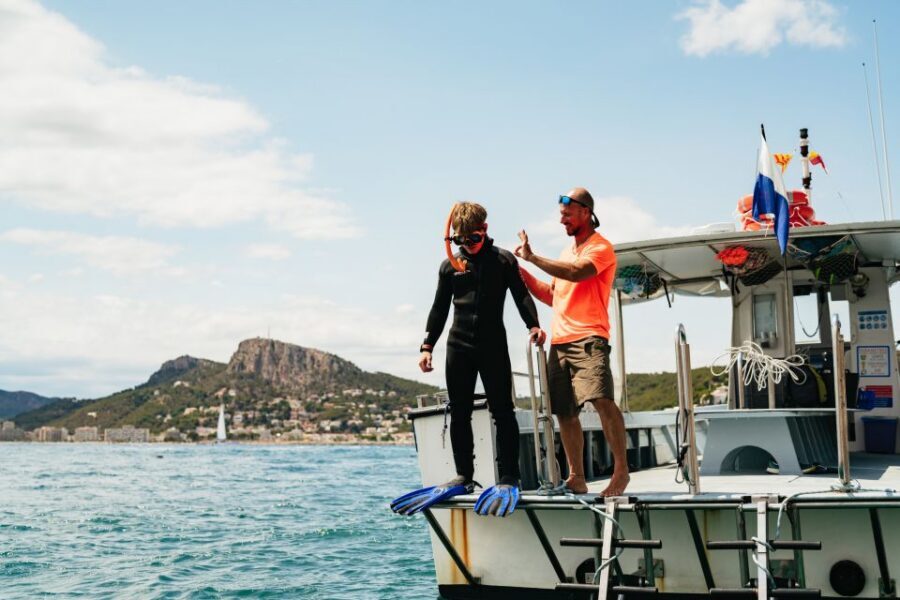
If you’ve only done snorkeling where visibility is mediocre and you spend half your time watching your own bubbles, this is a nice change of pace. The Medes Islands Natural Marine Reserve is one of the best-studied underwater areas in the Mediterranean. The point isn’t just that it’s pretty—it’s protected, which helps explain why the sea life is easier to spot than in places that are constantly disturbed.
From L’Estartit, the islands are close enough that you’re not committing your whole day to a long transfer. Expect a short hop out, a structured swim session, and then a relaxed finish on the boat. That mix is great if you’re pairing this with beach time in town, or if you want an active outing that still feels controlled and low-stress.
Also, the tour’s format does something smart: it matches the underwater experience to your time on the water. You get an eco-briefing so you can actually notice things (fish behavior, plants, and the underwater “read” of the place), then you spend your best oxygen-and-attention window snorkeling in the reserve. After that, you’re not stuck—you can rest, watch the coastline, and take in the islands from above the water.
You can also read our reviews of more tours and experiences in L Estartit.
Getting Started at Medaqua: Gear, Timing, and a Smooth Dock Day
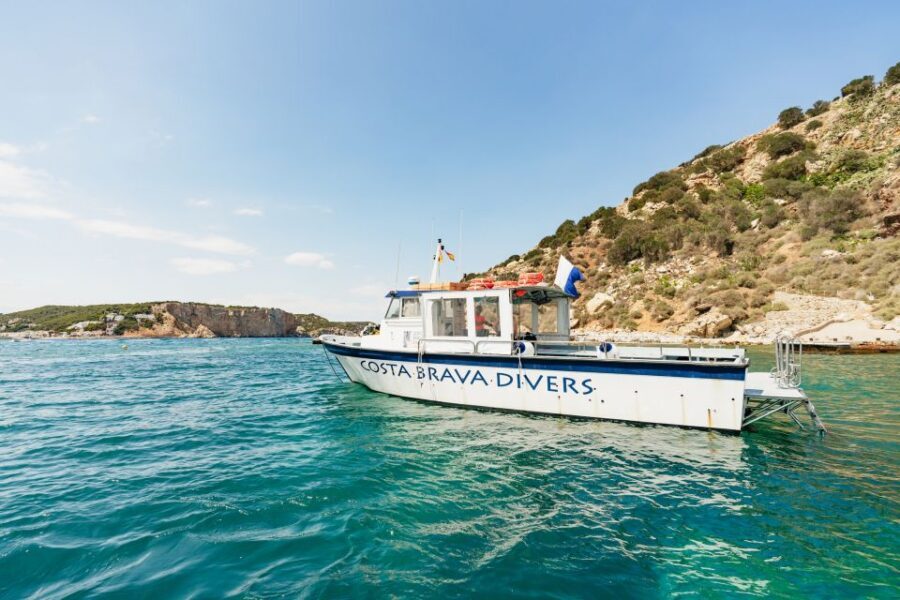
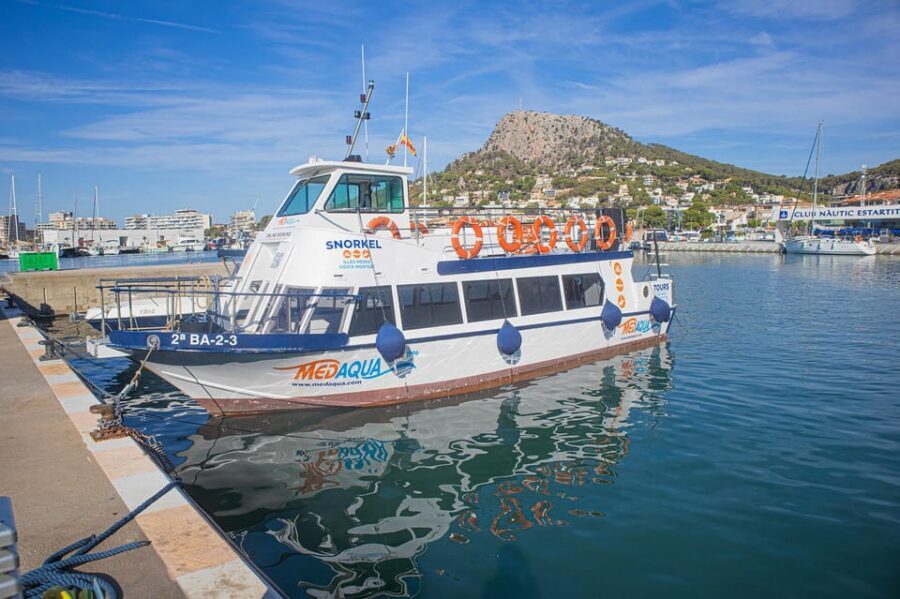
You’ll meet at Medaqua and exchange your voucher in the office before you begin. After that, you’ll head toward the boat area with a short walk and then a brief transfer before the main departure. It’s simple, but it’s worth knowing so you don’t arrive expecting a giant shuttle process.
Once you’re set up, the crew gets you ready fast. You’ll receive snorkeling gear, a live vest, and a wetsuit. The guide also brings you through how the equipment works and what you’re likely to see once you’re in the water. That briefing matters because snorkeling isn’t hard—but it can feel weird your first time. Having someone show you how to use the snorkel and get comfortable helps you spend your time watching the sea, not fixing your mask.
Practical tip: parking near Medaqua can be a little confusing. If you’re driving, one helpful warning is that a car park across the office may be private for a nautical club. If you hit that snag, use the bigger free sandy parking near the beach. You’ll lose less time, and you’ll be in a calmer mood when you show up.
Eco-Briefing + Water Groups: How the Trip Keeps You From Wandering
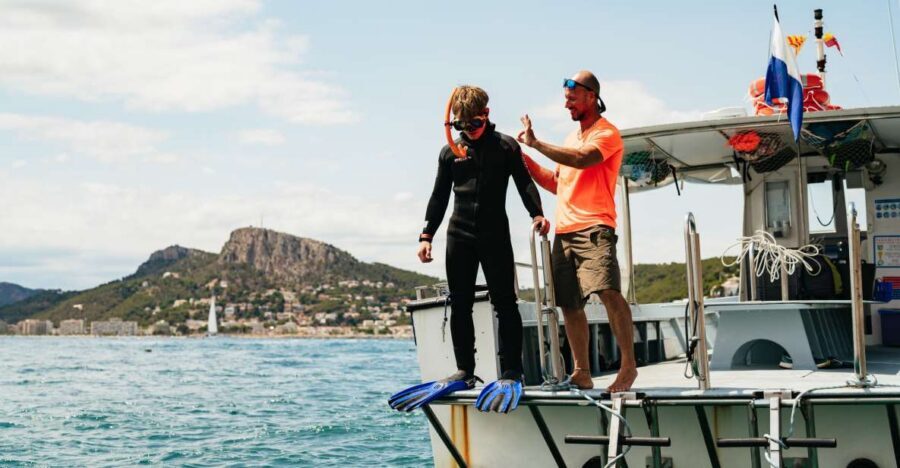
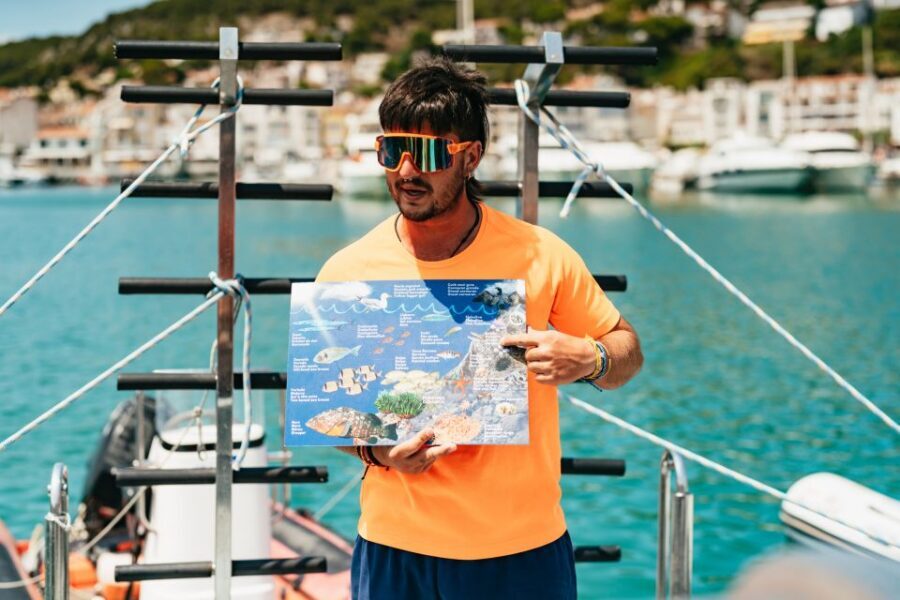
The best snorkeling trips are equal parts nature and choreography. This one is built around that idea. After you’re onboard, the guide runs an eco-briefing to set expectations and explain your equipment. Think of it like a quick “what to do, where to look, what’s normal” session.
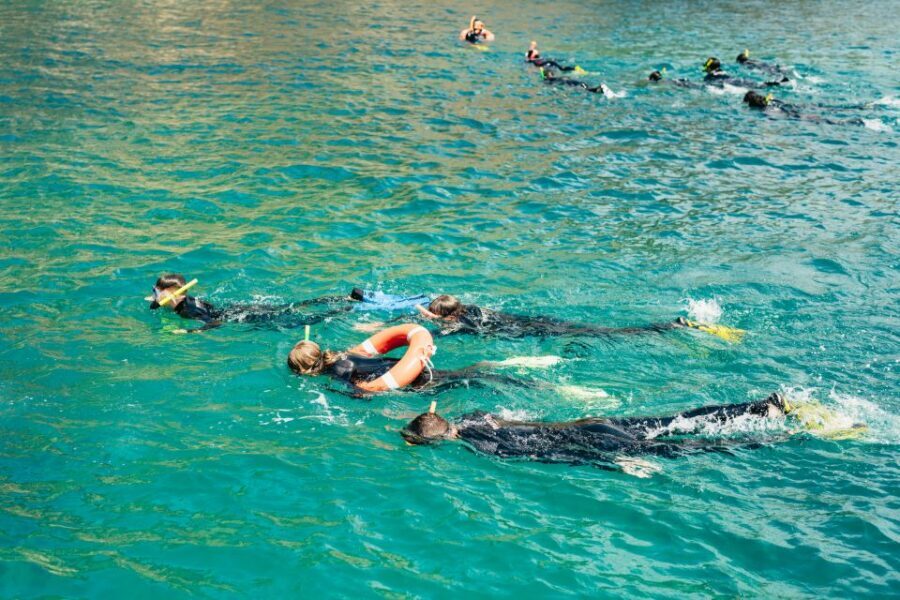
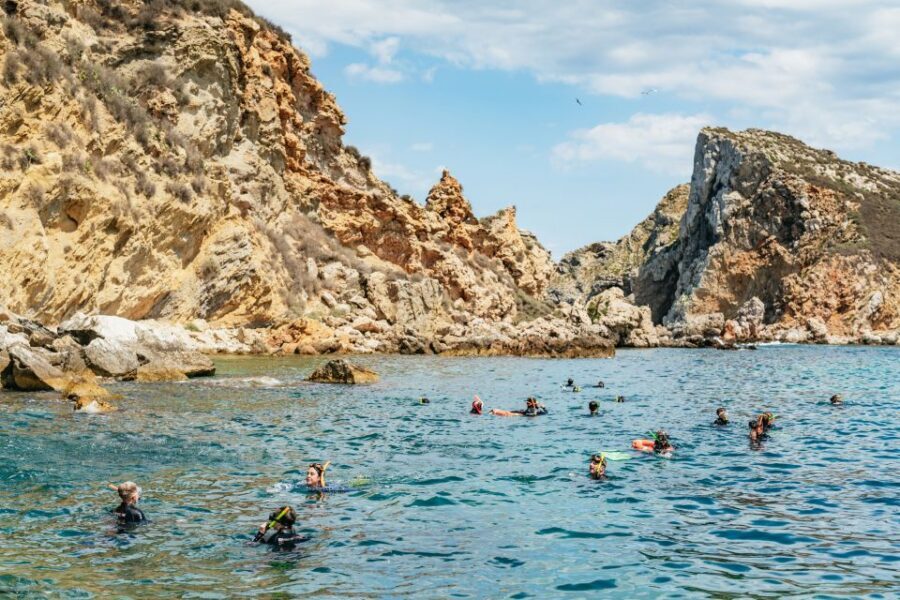
Then you hit the water in groups of 8 to 10 with a guide. That group size is important. Too large, and you spend your time chasing your guide’s fins. Too small, and you lose the social energy. Here, the crew can manage the swim flow, point out marine plants and fish, and still keep everyone close enough for safety.
You’ll snorkel for about 50 minutes. During that time, the guide helps you find the best spots around the Medes Islands so you’re not just swimming randomly, hoping for a miracle. You also get the benefit of the crew being nearby. The boat is there as your “base” once you finish each segment.
One more small but meaningful detail from the on-water experience: the trip is designed to support different comfort levels. Some guides use aids like swim rings so you can rest without feeling like you have to power through the whole swim.
And about language: instructors work in Catalan, English, French, and Spanish, which makes a big difference when you’re learning how to breathe through a snorkel without panicking.
What You’ll See Underwater: Fish, Plants, and Protected Marine Reserve Life
In places where the water is clear but the sea life is scarce, snorkeling can feel like watching an empty room with good lighting. Here, the reserve setting improves your odds.
You can expect to see a mix of fish and marine plants. The guide is there to point out what matters—where you’re likely to find fish and what to notice about the underwater environment. In plain terms: you’ll probably spend more time actually looking instead of just swimming.
A lot of guests also mention standout moments like seeing larger fish such as groupers and barracuda, plus the smaller stuff that makes underwater areas feel alive. Even when the wildlife feels “average” in abundance on a given day, you’re still snorkeling in a protected zone with lots of structure—rocks, plants, and the kinds of underwater textures fish hang around.
One detail that’s easy to underestimate until you’re there: the boat often does more than just take you to the water. The tour format can include spots where you’re close enough to underwater features that you might appreciate the wetsuit. Some participants specifically note that the provided wetsuits make it easier to enjoy a cave area during the trip. Even if you don’t love cold water, the gear helps you keep your focus on what’s in front of you.
The Boat Deck Time: Swimming Later, Sunbathing Now, Cruise If Weather Plays Nice
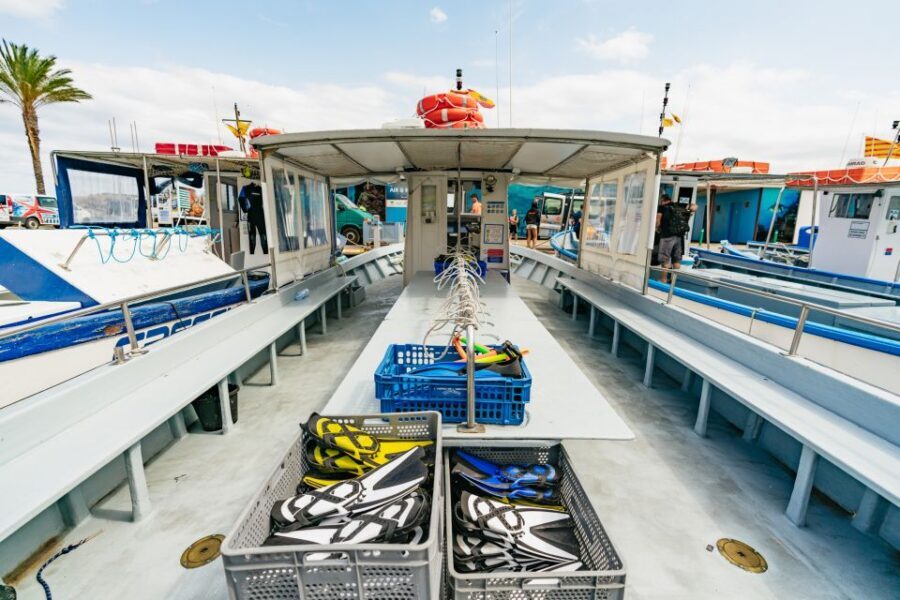
After snorkeling, you’ll return to the boat and get time for swimming or relaxing on deck. This is where the trip feels like a balanced day instead of a single workout mission. If you like your schedule light, you’ll enjoy the downtime. It also helps you cool down, dry off a bit, and reset your energy.
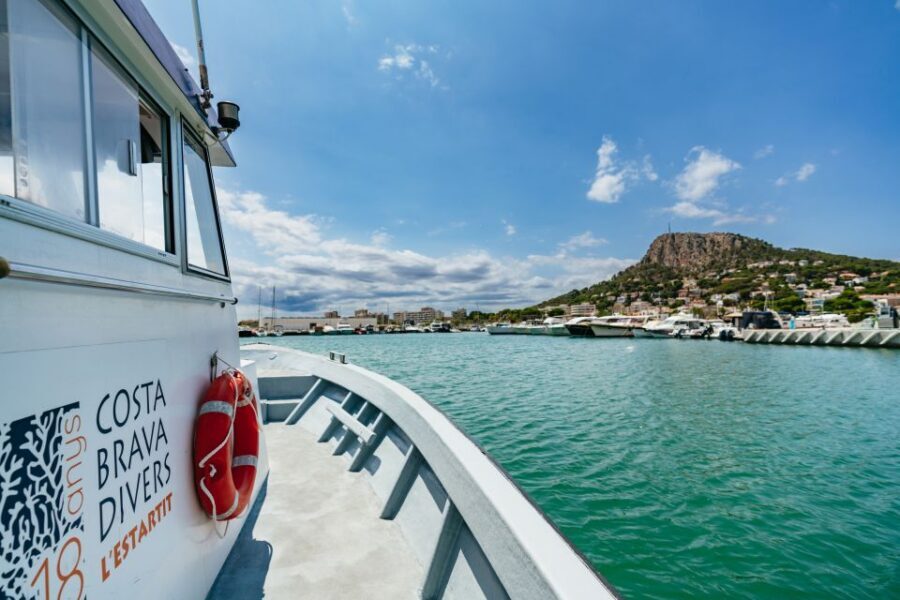
If the weather is good, you’ll also take a short cruise around the islands before returning to the harbor. This is a nice bonus because it gives you a different perspective on the day. Underwater, you’re focused on fish and plants. On deck, you can look back at the Estartit coast and the outline of the islands, and it makes the marine reserve feel more real.
Even if it’s cloudy, the boat time is still part of the value. One guest noted the trip worked well even in rain. Another said a thunderstorm affected the timing at sea, which can reduce the “full” feeling of the experience—but you still get the structured snorkel portion.
So yes, weather matters. But the tour doesn’t collapse without sunshine. You’re still getting your gear, guidance, and the core snorkeling experience.

Duration and Pacing: Does 2.5 Hours Feel Worth It?
Let’s talk time like an adult. Total duration is listed as about 2 to 2.5 hours. That’s not a full morning or full afternoon block. It’s more like a solid plan you can slot between other activities in the region.
Here’s the pacing logic:
- You spend the early part getting prepared and out to the islands.
- You snorkel for about 50 minutes, which is long enough to settle into a rhythm and still short enough that most people don’t get exhausted.
- After you get back, you get extra swim/deck time—so the day doesn’t end the second you finish your snorkel segment.
- If weather allows, you add a short cruise, which helps stretch the experience beyond just gear + water.
That setup is great if you want an active highlight without a huge time commitment. It’s less ideal if you’re the kind of snorkeler who wants to stay down for a long stretch every chance you get. For that, you’d need a longer water-focused plan.
Price and Value: What $45 Really Buys You
At $45 per person, the headline question is: is this just a boat ride with gear, or do you actually get enough underwater value?
Here’s what you’re paying for in practical terms:
- Guide support (eco-briefing + helping you find spots)
- Snorkeling gear
- Live vest
- Wetsuit
- Personal snorkel tube that you can keep as a souvenir
Most people end up spending extra money on rentals and basic “maybe you’ll need it” items elsewhere. Here, those essentials are baked into the price. That makes it feel like better value than doing snorkeling independently in an area you don’t yet understand.
Also, the “format value” is real. Being in a protected reserve is one thing. Having someone help you use your limited snorkeling time well is another. That’s why many guests rate this highly: it’s not just access to water, it’s help turning that water time into a proper experience.
Comfort, Safety, and Who This Tour Suits Best
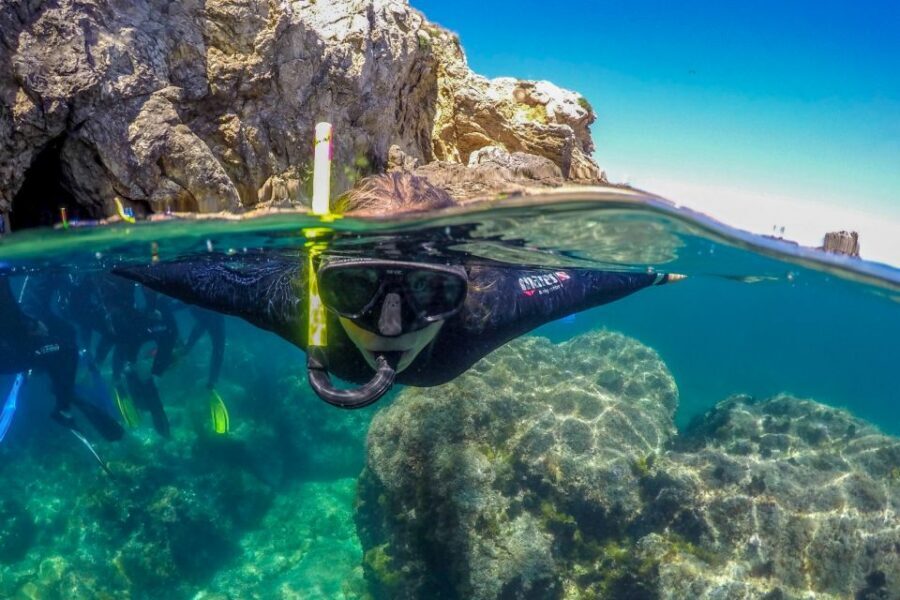
Safety is handled in the structure: you’re given a live vest, you start with an eco-briefing, and you’re in the water with a guide and a manageable group size. That matters especially if you’re new to snorkeling.
This trip also seems family-friendly in the real world. Multiple groups in the feedback describe taking kids—such as a 9-year-old and even a 6-year-old first-timer—and feeling well supported by the instructors. One guide named Regina stood out for coaching a shy first-time snorkeler and staying close the whole time. Another guide named Frieda was praised for extremely helpful instruction and building confidence.
If you’re wondering whether it’s for you, here’s the practical fit:
You’ll probably like it if you:
- want a short, guided snorkeling experience with less guesswork
- prefer structured groups and a boat nearby
- want gear provided so you can travel lighter
You might not love it if you:
- need long stretches of unsupervised water time (this is guided and paced)
- have mobility needs that make boat transitions difficult—note the operator marks it wheelchair accessible, but also says it is not suitable for people with mobility impairments
Tips So Your Day Starts Easy and Stays Fun
A few small prep moves can make a big difference on a trip like this:
Bring swimwear, a towel, drinks, and sunscreen. You’ll want water and shade planning because you’ll be on deck, and you’ll likely be out long enough to get sunburned fast.
Don’t plan on eating a full meal during the activity. Food and drinks aren’t included, so pack something simple if you’ll be hungry later, or at least bring water during the tour. Also, avoid smoking and don’t feed animals—those rules are part of keeping the reserve healthy and the experience safe.
If you run warm, think about wetsuit comfort. One participant mentioned they later learned wetsuits can be optional. You can’t count on every crew always treating it the same way, but it’s a fair question to ask when you’re getting fitted: if you’re overheating, say so early.
And watch the clock. People sometimes underestimate how quickly 2.5 hours can pass when you’re enjoying yourself. That’s good news if you like fast-paced fun. Just don’t schedule your next activity at the exact minute you expect to be back—build a little buffer.
Should You Book This Medes Islands Snorkeling Trip?
Book this if you want value-rich guided snorkeling with gear included and a protected underwater site that gives you a realistic chance to see fish and marine plants. It’s also a smart choice if you’re traveling with kids or you’re new to snorkeling, because the structure, group size, and briefing are designed to help you feel comfortable quickly.
Skip it only if you’re aiming for an all-day underwater session or you hate the idea of short, guided time blocks. The tour is what it is: a focused 2-hour-plus experience built for doing snorkeling well, then relaxing on deck.
If your ideal day is simple—gear on, sea life spotting, a little cruise if the weather cooperates—this one fits neatly.
FAQ
Where do I meet for the Medes Islands snorkeling trip?
You meet at the Medaqua activity center. You must exchange your voucher in the office there before the tour begins.
What snorkeling equipment is included?
The tour includes snorkeling gear, a live vest, and a wetsuit. You also get a personal snorkel tube that can be kept as a souvenir.
How long will I spend snorkeling?
You’ll snorkel for about 50 minutes in the water, then you’ll return to the boat for swimming or relaxing on deck.
Is the trip good for kids or first-time snorkelers?
The information you have plus multiple family experiences suggest it can work well for first-timers and children, especially because guides provide instruction and you snorkel in small groups with support.
What should I bring with me?
Bring swimwear, a towel, drinks, and sunscreen.
Is food and drinks included?
No. Food and drinks are not included, so plan to bring what you need.
Is it wheelchair accessible?
It is marked wheelchair accessible, but it also notes it is not suitable for people with mobility impairments. If that applies to you, it’s worth checking with the provider before booking.