Your senses get challenged fast.
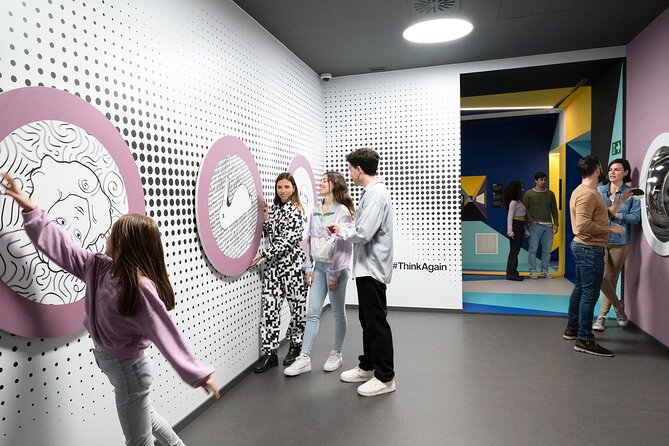
Paradox Museum Barcelona is a hands-on science playground built around the idea that your brain can be tricked by visual and tactile cues. I like 70+ interactive exhibits that keep you moving, and photo-friendly rooms where the surprise is part of the fun. One caution: if you want a traditional, in-depth museum with long explanations, this can feel a bit light and short.
I also appreciate how the visit is set up like a quick series of experiments. Expect a timed visit of about 1 hour 15 minutes, and you’ll use a mobile ticket, which makes entry straightforward. It’s easy to find, and the timed slots help avoid a crush in the rooms.
If you’re traveling with a pushchair, the museum’s staff is ready to help, including with lift access. And if you rely on a service animal, you’re not left out.
In This Review
- Key highlights before you go
- Paradox Museum Barcelona: Your Brain Meets Its Match
- How the 1 hour 15 minute visit really works
- Interactive rooms that make sense-bending photos easy
- What you learn about senses and paradoxes (without a lecture)
- Staff help and real-world comforts
- Price at about $19.55: is it good value?
- Who should book this in Barcelona—and who might not
- Should you book Paradox Museum Barcelona?
- FAQ
- How long is the Paradox Museum Barcelona visit?
- What is included with the ticket?
- Do I need a physical ticket?
- Is the museum near public transportation?
- Is there free cancellation?
- Are service animals allowed?
Key highlights before you go
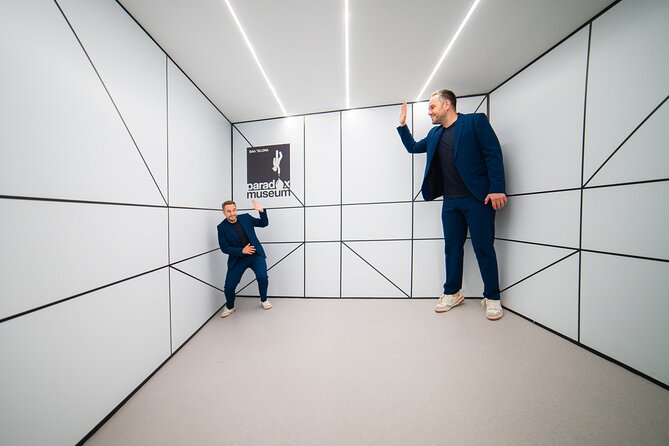
- 70+ paradox-based, interactive exhibits designed to trick your senses with both sight and touch
- Timed entry that can keep things from getting overly crowded
- Photo and video-friendly rooms, where the illusion is the point
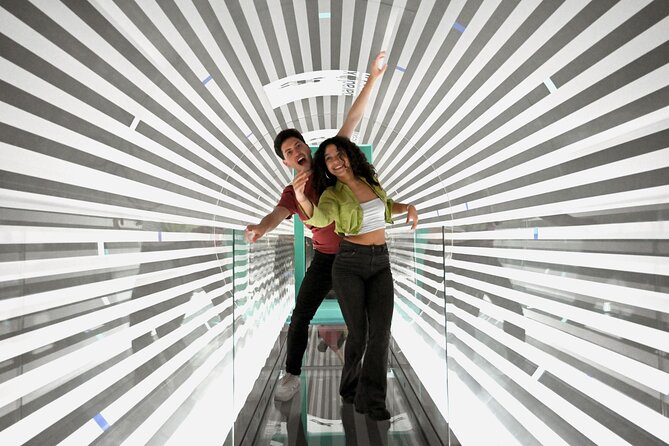
- A tunnel experience that can feel strange in a fun way
- Helpful staff, including assistance with pushchairs and lift access
Paradox Museum Barcelona: Your Brain Meets Its Match
This is a museum that treats your body like part of the exhibit. Instead of reading one big wall of text, you’re nudged into experiments—where what you see and what you feel can disagree.
The core theme is paradoxes: famous ideas and brain quirks that show how perception works. The museum describes itself as home to the world’s largest collection of paradox-based exhibits, and the overall vibe matches that claim. You’re not waiting for one big moment. You’re collecting lots of smaller “wait, what?” moments as you move from room to room.
I like this style because it works for mixed groups. Some people want the hands-on element. Others want the photos. The museum is built so both are natural parts of the flow.
How the 1 hour 15 minute visit really works
You’re looking at roughly 1 hour 15 minutes on-site. That’s a sweet spot. Long enough to try multiple rooms, short enough that you don’t feel stuck when you’re tired or traveling with kids.
The visit runs on appointment times, and that matters more than you might think. Timed entry tends to make the experience feel calmer. Instead of shuffling with a large crowd, you can spend a little more time on the exhibits that pull you in.
Plan your expectations around pace:
- If you’re curious and move slowly, you’ll still fit everything in.
- If you’re more in a photo mode, you might speed through and still feel satisfied.
- If you want heavy reading, you’ll probably want a different kind of museum as well.
Also, you’ll walk. It’s not a sit-and-watch show. The point is interaction, and that takes steps, turning, and trying things more than once.
Interactive rooms that make sense-bending photos easy
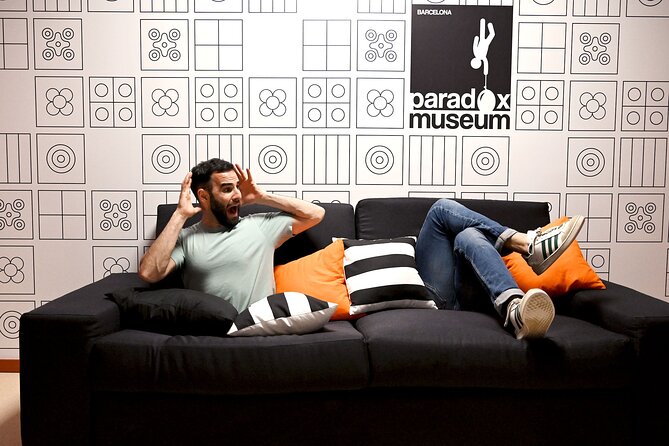
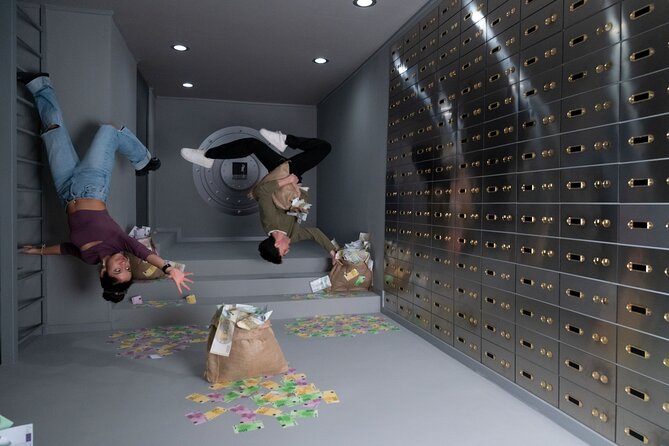
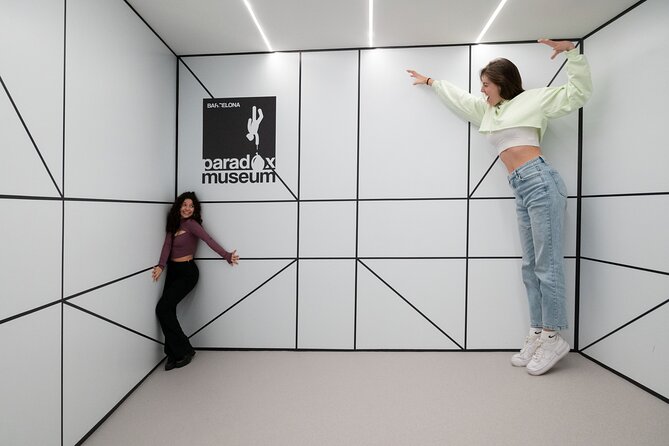
The museum is designed for the kind of photos that don’t look staged. You’re taking pictures while doing the experiment, not just posing in front of a sign.
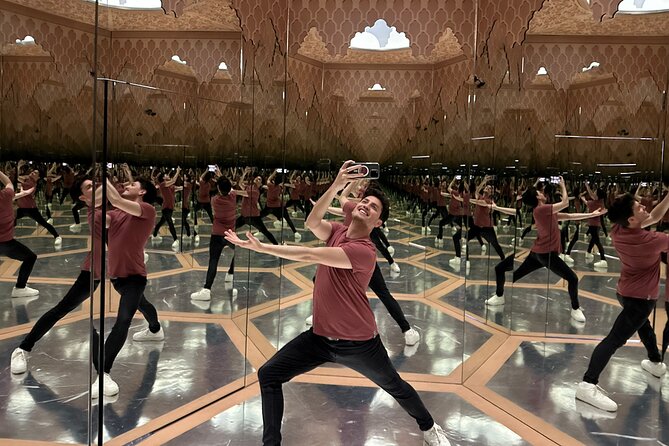
From the way the experience is described, you should expect rooms built around different combinations of visual and tactile stimuli. In plain terms: you might look one way and your brain insists the story should be different. Then you touch something, and the sensation contradicts your expectation again.
One standout type of moment is the tunnel experience. There’s a tunnel room that creates an unusual sensation—described as strange, but also funny. That’s a good example of what this museum does well: it makes your reaction part of the show.
If you like souvenirs, that matters. A lot of museums give you photos where everyone looks like they’re visiting. Here, your pictures tend to look like you’re taking part in something.
What you learn about senses and paradoxes (without a lecture)

You won’t walk out with a stack of essays in your head, but you will leave with a more practical idea: perception is not a camera. Your brain edits what it receives.
The museum focuses on how your brain and senses can be tricked through sensory input. That includes the visual side—so your eyes and brain can be fooled together—and the tactile side, where touch can create a false sense of what’s happening.
Another nice feature is that you’re not stuck only with made-up visuals. The museum highlights famous scientific ideas and paradoxes from around the world. The payoff is that you can make connections later, when you notice illusions in everyday life.
I also like that the tone is playful. It makes the subject approachable. You’re not being tested. You’re being invited to see how easily your interpretation changes.
Staff help and real-world comforts
This is the part that keeps the museum from feeling like a gimmick. Staff support can make a big difference, especially if you’re managing a group or moving around more slowly.
One practical detail from the experience descriptions: staff are helpful with a pushchair, including access via the lift. That’s a big deal in a hands-on museum. It means you’re less likely to hit dead ends when you want to experience the rooms in the right order.
You’ll also want to know that service animals are allowed. For a short, interactive stop, that can be important for comfort and planning.
The museum is also described as near public transportation, so it’s a good fit as an add-on day activity. You don’t need a long commute to make it worth it.
Price at about $19.55: is it good value?
At $19.55 per person, the price lands in that category of experiences where you’re paying mostly for access and interaction—no guided tour is listed as part of the ticket, but the exhibits themselves do the work.
For value, here’s the honest way to judge it:
- If you enjoy hands-on experiments and sensory puzzles, the ticket price starts to feel fair fast. You’re essentially buying entry into a large set of “try it yourself” rooms.
- If you prefer quiet museums with lots of reading, you may feel like you’ve paid for an hour of novelty rather than depth.
The 1 hour 15 minute duration matters here too. You’re not paying for an all-day time sink. You’re buying a timed experience that can refresh your day in Barcelona without stealing half of it.
Also, admission and access to the exhibition areas are included, so you’re not looking at surprise add-on costs for basic entry. Just budget for your own food and drink, since they’re not included.
Who should book this in Barcelona—and who might not
This museum is built for people who like doing more than watching.
It’s a strong fit if:
- You’re traveling with kids or teens who enjoy interactive rooms and quick surprises.
- Your group mixes ages, and you need something that doesn’t require one shared interest.
- You want a fun, photo-friendly stop that doesn’t demand a deep knowledge of science ahead of time.
It might be less ideal if:
- Your idea of a great museum is long exhibits, deep explanations, and a slow pace.
- You’re looking for a kid-focused attraction that holds attention for a whole afternoon. This one is more of a concentrated visit.
One review-style takeaway that lines up with the setup: people who expected a bigger adult-style museum sometimes felt the experience passed quickly and didn’t go as far into explanation as they wanted. On the other hand, people who like interactive science rooms tend to leave satisfied because the museum delivers what it promises—hands-on, sensory, and surprising.
Should you book Paradox Museum Barcelona?
I’d book it if you want a straightforward, timer-friendly activity in Barcelona that plays with perception. At around $19.55, you’re paying for access to a large set of interactive exhibits built to be tried and photographed, with timed entry that can keep things comfortable.
Don’t book it as your main science stop if you’re craving lots of text and heavy theory. Think of it as a playful brain-tester. If that sounds like your kind of time, you’ll likely have a good hour and change.
If you’re traveling with kids, I’d especially consider it. It’s the kind of place where movement and reactions are the entertainment. And if your group includes pushchair users or you need lift access, the staff support is a real plus.
FAQ
How long is the Paradox Museum Barcelona visit?
The experience lasts about 1 hour 15 minutes.
What is included with the ticket?
Your ticket includes entrance to Paradox Museum Barcelona and access to all exhibition areas.
Do I need a physical ticket?
You’ll use a mobile ticket.
Is the museum near public transportation?
Yes, it’s listed as near public transportation.
Is there free cancellation?
Yes. You can cancel for a full refund up to 24 hours in advance of the experience start time.
Are service animals allowed?
Yes, service animals are allowed, and most travelers can participate.