REVIEW · GOTHIC QUARTER TOURS
Barcelona: Gothic Quarter Walking Tour
Book on GetYourGuide →Bookable on GetYourGuide
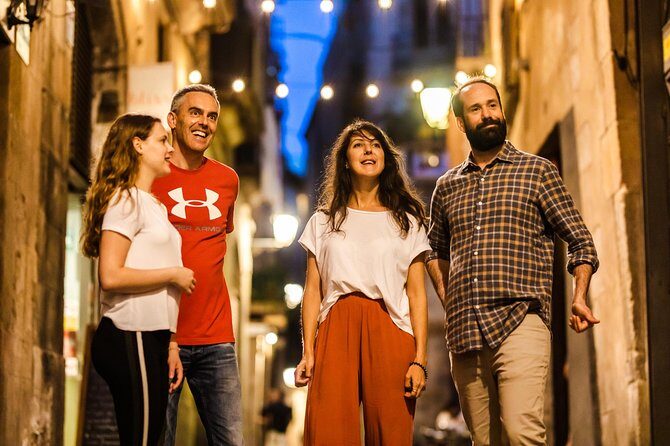
A street map won’t explain this city. This guided walk links Roman remains to medieval Barcelona, then ties it all together with major sights like the Cathedral and Catalan Gothic churches. You’ll also hit the everyday pulse of the area, from Las Ramblas to Mercat de la Boqueria.
I especially like how much the guide can change your perspective, turning tight alleyways into something you can actually place in time. And I love the way the tour stacks big icons—like Barcelona Cathedral’s gargoyles—with neighborhood stops such as Plaça Reial and El Born. When guides like Teresa are on hand, the storytelling tends to land, and it makes you want to keep looking up as you walk. If you end up with someone like Adele, you’re more likely to get practical, easy-to-use suggestions for what to do next in the city.
One consideration: it’s only 2 hours, so you’ll see the main highlights and key viewpoints rather than having long, slow stops everywhere. Also, you’ll spend time in busy pedestrian areas, so plan for standing, especially around the market and main avenues.
In This Review
- Key things I’d prioritize on this Barcelona Gothic Quarter tour
- Why this Gothic Quarter walk works so well for first-timers
- Where you start at Pl. d’Urquinaona and how the tour sets the pace
- Roman remains you can actually spot while walking
- Ciutat Vella’s medieval lanes: legends and layout in real space
- Las Ramblas and Plaça Reial: an easy shift from alleys to city life
- Mercat de la Boqueria: how to make sense of a market in motion
- Barcelona Cathedral and the gargoyle moment you shouldn’t skip
- El Born and Santa Maria del Mar: Catalan Gothic built by locals
- Price and value: is $29 worth it?
- Who this tour fits best (and who might want something else)
- Should you book the Barcelona Gothic Quarter Walking Tour?
- FAQ
- FAQ
- How long is the Barcelona Gothic Quarter walking tour?
- Where does the tour start and end?
- How much does the tour cost?
- What’s included in the price?
- Is food and drink included?
- What languages are available for the live guide?
- Is the tour wheelchair accessible?
- Is a private group available?
- Can I cancel for a refund?
- What should I bring?
Key things I’d prioritize on this Barcelona Gothic Quarter tour
- Roman ruins in the middle of modern streets: you’ll learn how ancient Barcelona connects to what you see today
- Barcelona Cathedral focus: time built around the building’s most distinctive details, including gargoyles
- Mercat de la Boqueria without getting lost: you’ll know what to look for in the market’s chaos
- Plaça Reial break: a quick pause in a Napoleonic-era square popular with artists and travelers
- El Born + Santa Maria del Mar pairing: a strong neighborhood-to-church contrast in Catalan Gothic style
Why this Gothic Quarter walk works so well for first-timers
If you’re visiting Barcelona for the first time, the Gothic Quarter can feel like one long maze. This tour fixes that fast, because the guide gives you a timeline while you’re walking, not after you’re already tired. You get places plus context, and that’s what helps the streets start making sense.
The best part is the range. You’re not stuck in only one style or one century. You’ll move through Roman traces, medieval lanes, Catalan Gothic architecture, and then land in lively urban spaces like Las Ramblas and the Boqueria market. In two hours, you get a wide-angle view of what makes Ciutat Vella tick.
Where you start at Pl. d’Urquinaona and how the tour sets the pace
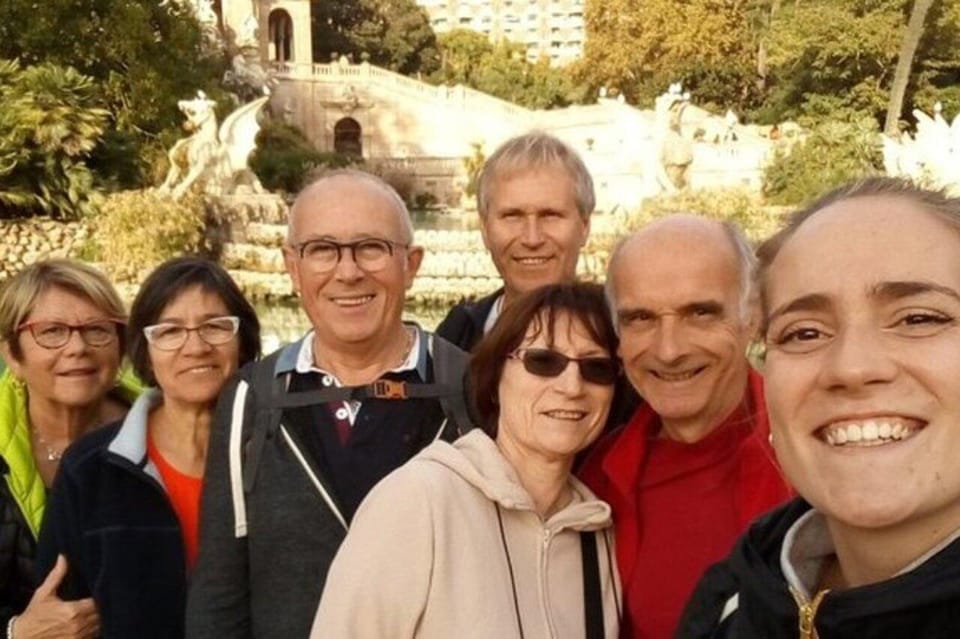
The tour begins at Pl. d’Urquinaona, 6 and ends back at the same place. That matters more than you might think. You avoid the stress of “how do I get back?” and you can focus on noticing details as you go.
Because it’s a walking format, the pacing is naturally built around short stops and movement. That’s ideal if you like getting your bearings quickly and then wandering later on your own. Bring comfortable shoes, since the route is clearly designed to cover multiple districts and major landmarks on foot.
Language options are also a big part of the experience quality. The live guide is offered in English, French, Italian, and Spanish, so you’re not stuck reading subtitles while everyone else understands the story.
Roman remains you can actually spot while walking
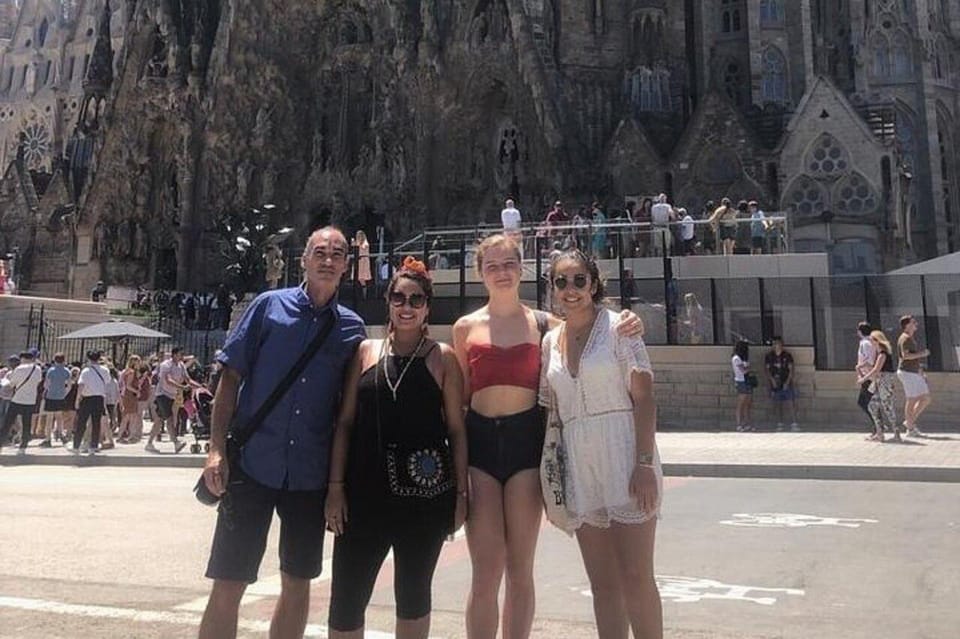
One of the most useful goals of this tour is helping you recognize Roman Barcelona in the middle of later layers. The Gothic Quarter isn’t just medieval-looking buildings. Roman traces are scattered around the area, and the guide helps you connect those clues to the city’s earlier life.
What I like about this approach is that it trains your eyes. Instead of treating ruins as random “cool stuff,” you learn what they were, why they mattered, and how that ancient presence influenced later development. That’s the difference between seeing old stones and understanding what they represent.
As you walk through Ciutat Vella, you’ll get explanations that show how the area grew from a Roman village into a medieval marvel. That kind of storytelling makes the alleyways feel purposeful, not just picturesque.
Ciutat Vella’s medieval lanes: legends and layout in real space
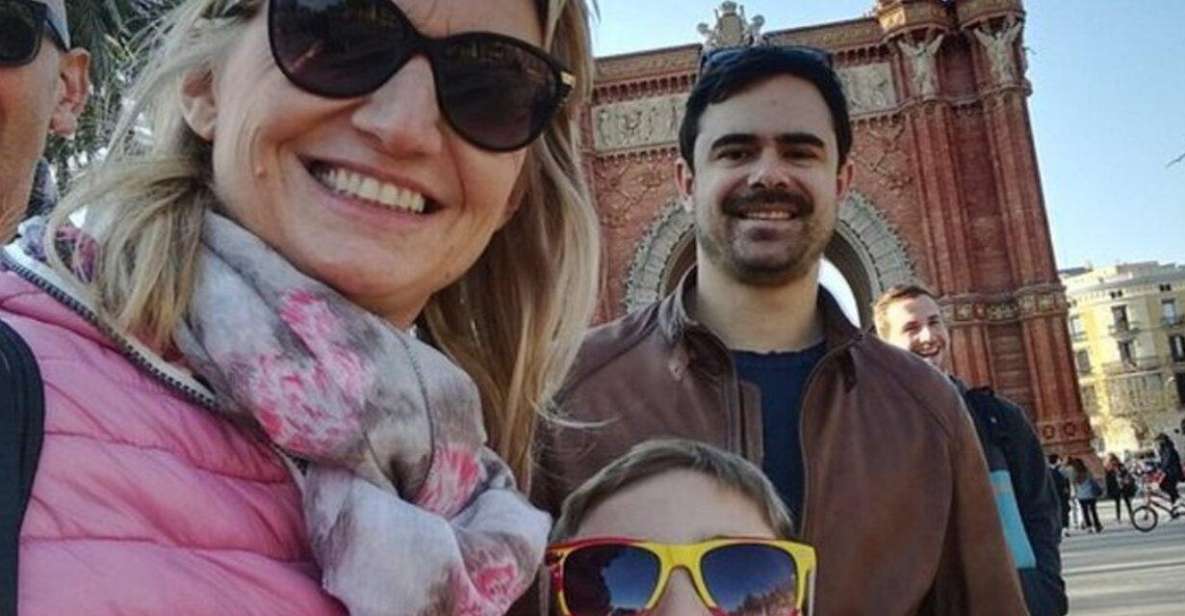
After the Roman connection, the tour leans into the medieval structure of the quarter. You’ll be walking through narrow lanes and classic Gothic-style streets where the city’s layout carries its own kind of history. This is where the guide’s sense of place really helps.
If you enjoy urban history, this is one of your best “value moments” because you’re learning from the environment itself. You’re not paying to sit in a room. You’re using the streets as the textbook, and the guide helps you read it.
Also, if you’re traveling with limited time, this stop style is a win. A walking tour can cover more ground than many museums, and it helps you decide what you want to return to later.
Las Ramblas and Plaça Reial: an easy shift from alleys to city life
Then you step into the public energy of Las Ramblas. This stretch is lined with bars and restaurants and shows plenty of street life, including artists along the way. It’s the sort of place where you can watch the city in motion while the guide keeps tying it back to what you’re seeing elsewhere.
Right after that, you get a chance to slow down at Plaça Reial, a Napoleonic-era square that’s known for art and for drawing in travelers. I like this break because it breaks the “constant walking” feeling. It also gives you a clear visual contrast: medieval lanes and Roman traces on one side, then open space and street culture on the other.
Mercat de la Boqueria: how to make sense of a market in motion
Mercat de la Boqueria is one of the most famous stops in Barcelona, and it can be overwhelming if you show up cold. This tour helps you use the time more intelligently by giving you what to look for and how to read the market’s layout.
You’ll see a market bursting with life, color, and food energy. Since food and drink aren’t included, your focus should be on observation: ingredients, stall styles, and the general rhythm of the place. Even if you plan not to snack, you’ll come away with a better sense of what kind of food culture this city runs on.
Practical tip: bring cash only if you actually plan to buy something, and keep your attention on your personal space in crowded aisles. The tour’s value here isn’t getting fed for you. It’s helping you not lose your bearings in the busiest parts.
Barcelona Cathedral and the gargoyle moment you shouldn’t skip
Then you land at Barcelona Cathedral, a standout stop on the Gothic Quarter route. The tour includes time to see the Cathedral’s impressive gargoyle sculptures, which are one of those details that look better when someone points them out.
This is the kind of moment where a guide earns their fee. You’re walking past details people often miss, and you can leave knowing what you just saw and why it matters. Even if you’re not into architecture nerd stuff, this is an accessible entry point into Gothic design language—especially because gargoyles are the visual hook.
El Born and Santa Maria del Mar: Catalan Gothic built by locals
After the Cathedral, the tour moves into El Born, described as a neighborhood that blends old and new. That blend matters because it’s part of Barcelona’s rhythm today. You’re not just touring a historical theme park. You’re seeing how living neighborhoods keep the old fabric active.
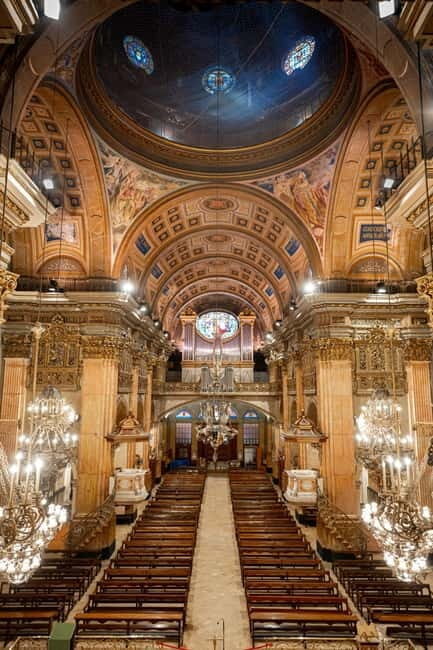
From El Born, you head to Basilica de Santa Maria del Mar (St. Mary of the Sea). This church is a strong example of Catalan Gothic architecture. What makes it especially meaningful in this tour format is that it’s tied to neighborhood effort—built by the people of the area themselves.
I like ending here because it gives you a clean emotional payoff. You start with Roman traces, move through medieval streets, then finish with a monumental church that represents community pride. It’s a satisfying arc, and it gives you something real to remember after the walking.
Price and value: is $29 worth it?
At $29 per person for a 2-hour guided walk, the value is mostly about interpretation, not logistics. You’re paying for an expert guide, plus a customizable experience that can adjust to your group and interests.
Because food and drink aren’t included, you’re not paying for meals. That’s fine. It keeps the tour’s cost down and lets you choose how you want to handle the market stop and any later dinner plans.
If your goal is to see the right landmarks and understand what they are while you’re there, this is the kind of deal that works. If your goal is to linger for hours at one monument, you might feel like the pace is a bit fast. But for a first pass through Ciutat Vella, it’s strong value.
Who this tour fits best (and who might want something else)
This tour suits you if you want a focused walk through Barcelona’s center with clear stops: Roman remains, Gothic architecture, and two of the area’s most memorable public spaces—Las Ramblas and La Boqueria. It’s also a good fit if you like having a plan for when you first arrive, because it helps you decide where to wander next.
You should consider another format if you want a slow, sit-down pace with long time inside buildings. This route is built for movement and viewpoint learning, so it’s not trying to replace a full-day museum day.
One more note: the live guide is offered in multiple languages, and the tour is wheelchair accessible. That means you can match it to your needs rather than forcing your trip to adjust around language barriers.
Should you book the Barcelona Gothic Quarter Walking Tour?
If you’re short on time and you want your first Barcelona neighborhood walk to feel organized and meaningful, I’d book this. It gives you a practical “storyline” through Roman remnants, medieval streets, and major landmarks like Barcelona Cathedral and Santa Maria del Mar, plus a real-world look at Las Ramblas and Mercat de la Boqueria.
If you hate crowds or you need lots of long breaks, go in with realistic expectations. It’s a compact route and you’ll be in busy pedestrian zones. Still, that’s also what makes it effective: you’re learning the city as it’s actually lived in, not staged behind ropes.
FAQ
FAQ
How long is the Barcelona Gothic Quarter walking tour?
The tour lasts 2 hours.
Where does the tour start and end?
It starts at Pl. d’Urquinaona, 6 and returns to the same meeting point.
How much does the tour cost?
The price is $29 per person.
What’s included in the price?
You get a customizable tour and a live guide.
Is food and drink included?
No. Food and drink are not included.
What languages are available for the live guide?
The guide is available in English, French, Italian, and Spanish.
Is the tour wheelchair accessible?
Yes, the tour is wheelchair accessible.
Is a private group available?
Yes, private group options are available.
Can I cancel for a refund?
Yes. You can cancel up to 24 hours in advance for a full refund.
What should I bring?
Wear comfortable shoes.