REVIEW · GIRONA
Girona: History and Gastronomy Small Group with Tastings
Book on GetYourGuide →Operated by Girona Experience · Bookable on GetYourGuide
Old Girona tastes better on your feet. This small-group outing strings together Barri Vell street scenes with classic views of the Onyar River, then rewards you with a focused food-and-wine stop. It’s a smart way to cover a lot of ground in a short time without turning your day into a map-reading contest.
I especially like the way the guide explains the Jewish quarter and helps you spot the city’s key sights from outside, not from some rushed bus window. And I’m a big fan of crossing the Onyar by the Eiffel Bridge area for those postcard-y angles that actually make sense once you’ve walked the nearby streets.
One thing to consider: Girona has plenty of steps and slopes, so this walk is not a great fit if you have mobility issues. Wear comfortable shoes, and plan to move at a steady pace.
In This Review
- Key highlights you’ll feel right away
- Walking Barri Vell from Plaça de Sant Feliu
- Medieval Girona explained through the Jewish quarter
- Rambla rhythms and crossing the Onyar by the Eiffel Bridge
- The end-of-tour tasting: cheeses, anchovies, Iberian ham, and Xuixo
- Wine (and non-alcoholic options)
- Timing tip: plan a bite before you go
- How much you’re paying (and why it can still be a good deal)
- Small group, guide style, and language comfort
- Who should book this Girona tour (and who shouldn’t)
- FAQ
- How long is the Girona history and gastronomy tour?
- Where does the tour start?
- What languages are the guides?
- What is included in the price?
- Is wine included, and what if I don’t drink wine?
- What foods and products do you taste?
- Is the tour suitable for people with mobility impairments?
- What should I bring?
- Final verdict: should you book it?
Key highlights you’ll feel right away
- Plaça de Sant Feliu meeting point with the guide standing beside The River Cafe
- Barri Vell walk for monument spotting explained from outside so you know what you’re looking at
- The medieval Jewish quarter often cited as Europe’s best-preserved from that era
- Onyar River crossings, including the route near the Eiffel Bridge
- Tasting menu built from Girona and Catalonia classics, from anchovies to Iberian ham to Xuixo
- Small group vibe, with guides who stay friendly and open to questions
Walking Barri Vell from Plaça de Sant Feliu
You’ll start in the old-quarter heart at Plaça de Sant Feliu, with the guide standing beside The River Cafe. If you arrive a few minutes early, you can get your bearings fast—this part of Girona is compact, but it’s easy to get turned around if you’re not orienting yourself from the start.
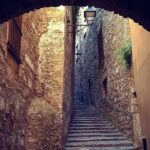
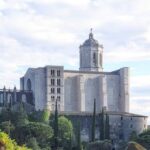
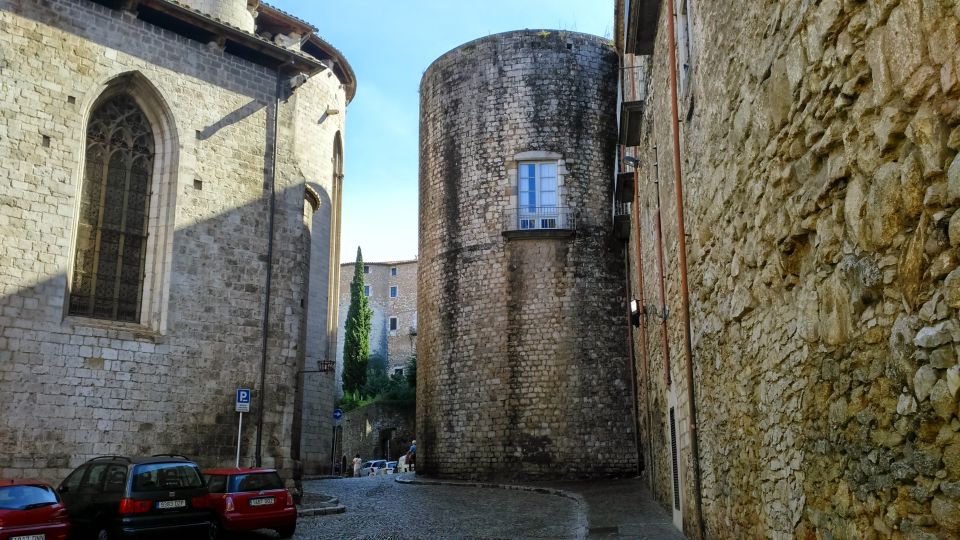
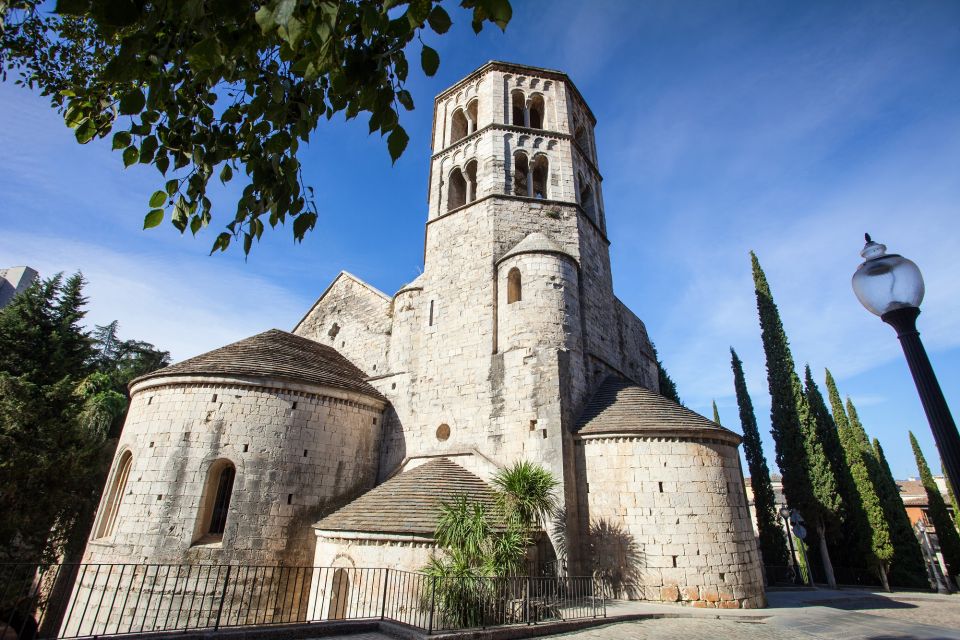
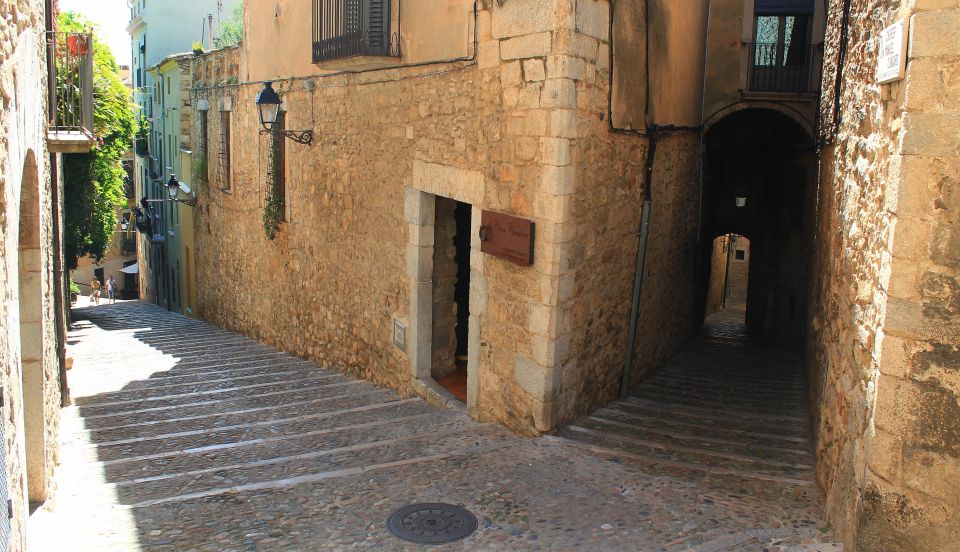
From there, the walk focuses on Barri Vell (Old Town) and the surrounding medieval lanes. The guide’s job here isn’t to recite names like a phonebook. It’s to point out what matters: how the quarter developed over time, which streets and corners helped shape daily life, and which monuments are worth looking for from street level.
A practical note: this tour is built for walking. Girona’s center is full of gentle uphill sections and sudden steps, so even if you’re fit, you’ll still want comfortable shoes with good grip. And because it’s a walking-and-tasting setup, you’ll keep your hands free—no luggage or large bags.
You can also read our reviews of more tours and experiences in Girona.
Medieval Girona explained through the Jewish quarter
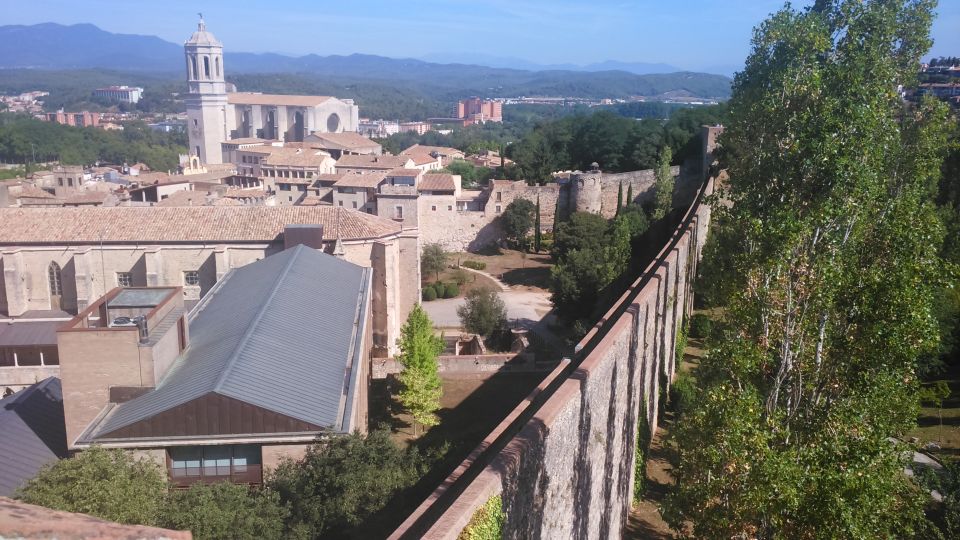
One of the strongest reasons to book this experience is the emphasis on the Jewish quarter, the medieval neighborhood that’s described as the best preserved in Europe from that period. Girona’s old Jewish quarter isn’t just a history lesson on paper. As you move through the streets, you can read the city’s past in the layout and the way neighborhoods sit next to each other.
The guide doesn’t treat it like a distant museum. You’re moving through the area and learning what you’re seeing—why this community mattered, how it shaped the city, and what to notice as you pass key points. It’s one of those tours where you come away with mental bookmarks. Later, if you wander on your own, you’ll recognize the street logic instead of feeling like you’re just walking in circles.
Also, the “from outside” approach is genuinely useful here. Many city tours rush you through viewpoints. This one slows the story down enough that you understand what you’re looking at before you’re asked to move on.
Rambla rhythms and crossing the Onyar by the Eiffel Bridge
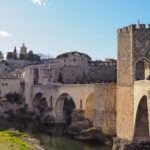
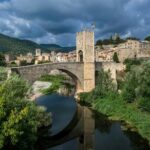
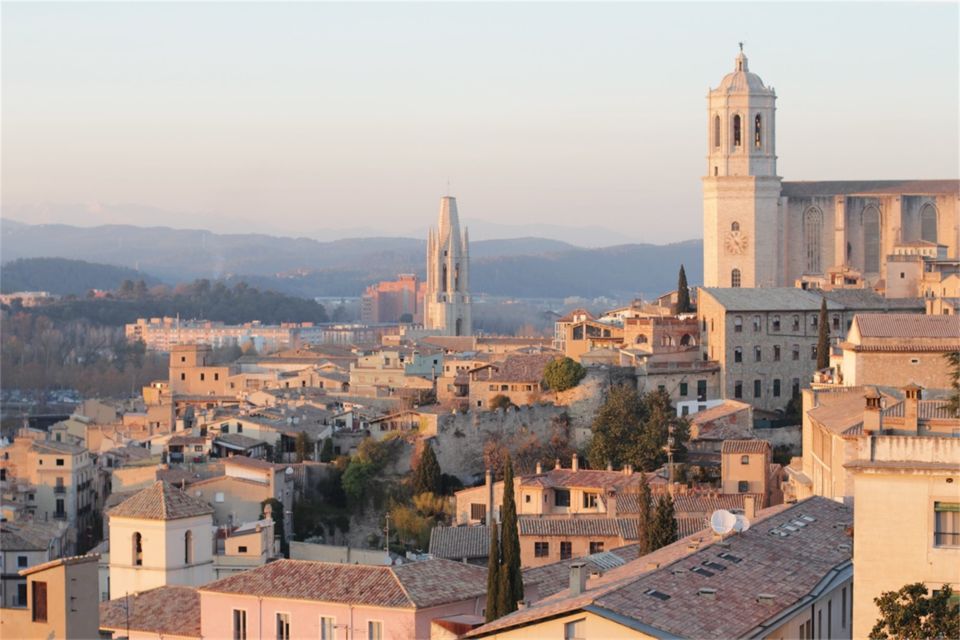
Girona’s Onyar River is where the city gets visually dramatic—quiet stretches of water, stone edges, and a row of buildings that photographers love for a reason. The tour brings you to the broader areas around the river and includes the Rambla feel, so you get both the historic lanes and the city’s more open public spaces.
Then comes the big visual payoff: you cross the Onyar via the route associated with the Eiffel Bridge. I like that the bridge moment isn’t random. Walking up to it lets you understand how the river relates to the old streets behind you. You’re not just stopping for a quick photo—you’re aligning your sense of place.
If you’re a visual learner, this part helps you lock in the city’s geography. Afterward, you’ll likely find it easier to plan a self-guided stroll—like where to return for photos or how to link nearby streets without doubling back.
The end-of-tour tasting: cheeses, anchovies, Iberian ham, and Xuixo
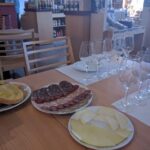
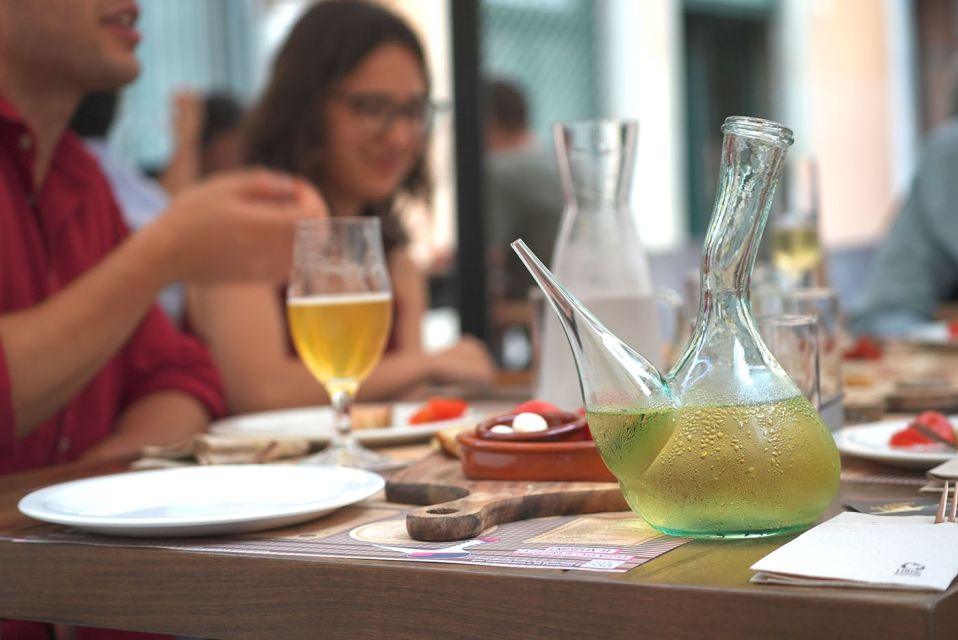
This is the part that makes the tour feel like more than a history walk. You finish with a specialized tavern stop that’s designed around Girona’s food identity: small portions, like tapas or pintxos, so you can sample a range without getting knocked out mid-walk.
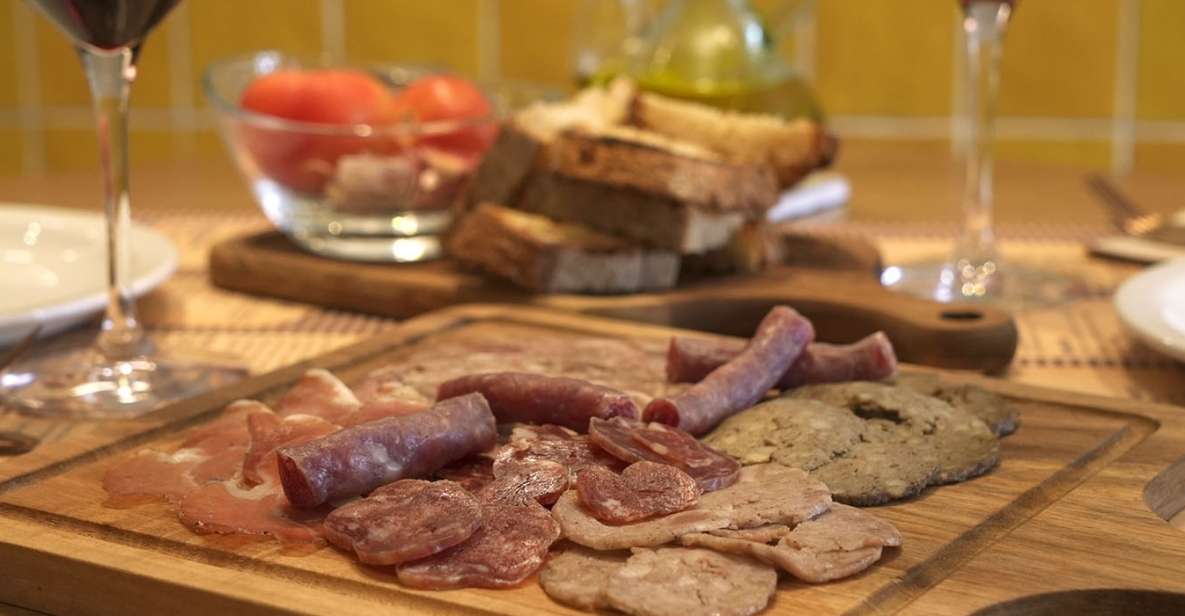
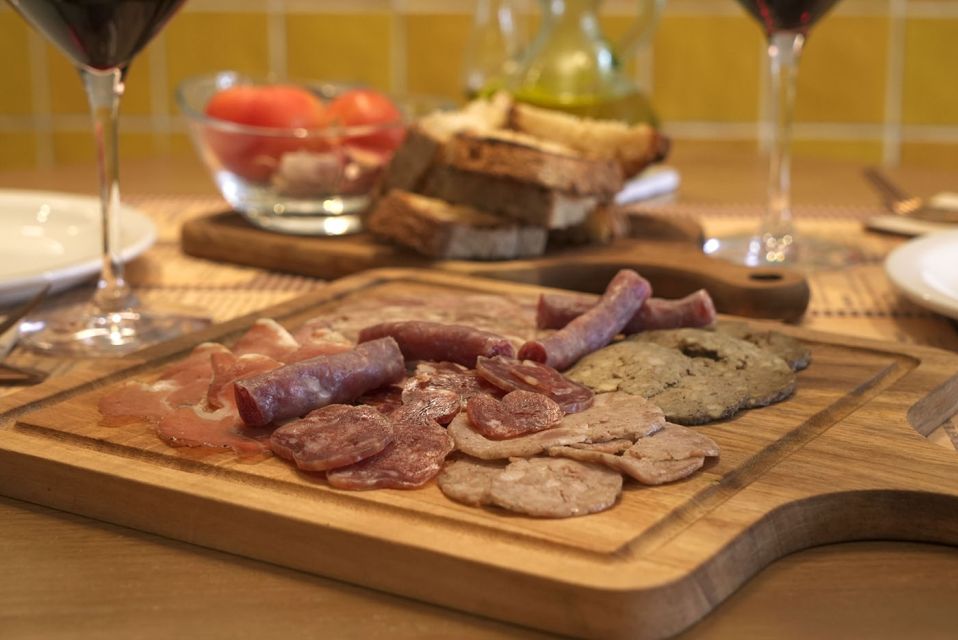
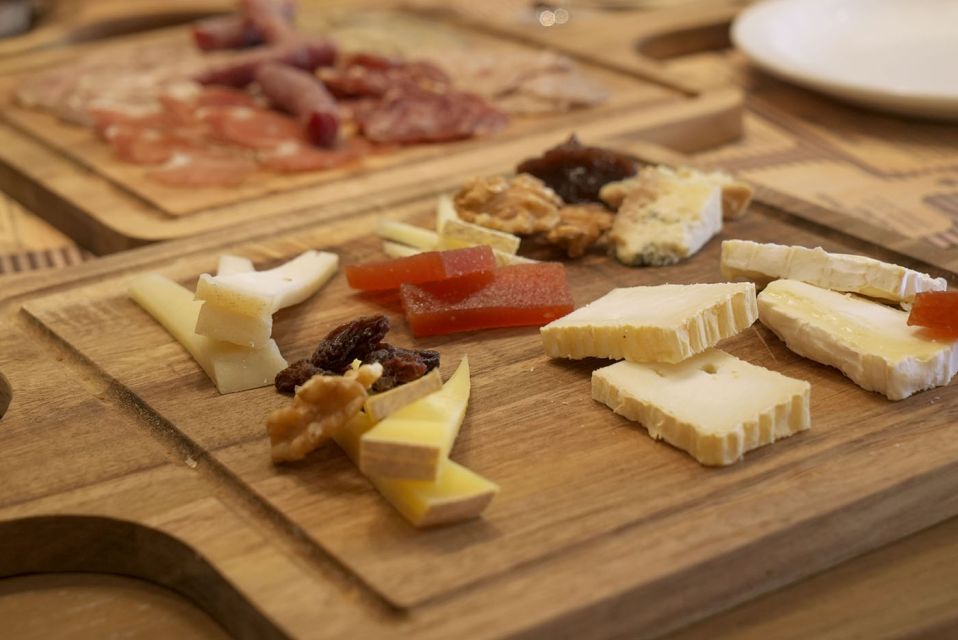
The tasting lineup (as described) includes local cheeses and sausages, plus Catalan favorites like anchovies from La Escala and Iberian ham. Girona’s known for quality ingredients, and the menu is built to show that variety: salty, savory, and fatty-rich items paired with what you’re drinking.
You’ll also taste a classic sweet from Girona: Xuixo. That matters because too many food tours stop at savory only. Here, you get the full arc of a meal—salty bites leading into something pastry-sweet.
Wine (and non-alcoholic options)
Wine is a big part of the experience, and the guide frames it through the region. The province has more than 50 wineries, and the local pride is the D.O. Empordà. Expect white, rosé, and especially red wines, with a focus on quality that stands up to other Spanish—and even French—wine regions.
If you don’t drink wine or can’t, you’re not stuck. The tasting can include beer or other non-alcoholic drinks instead, so you still get the full food pairing experience.


Timing tip: plan a bite before you go
Here’s the small scheduling gotcha: the food and wine happen at the end of the tour. If you roll into the meeting point hungry, you might feel a little impatient while you’re walking through the historic quarters. If you want an easy day, I’d suggest having a light snack before you meet—then you can enjoy the tasting without stressing about timing.
How much you’re paying (and why it can still be a good deal)
At $117 per person for 3.5 hours, this isn’t the kind of bargain tour where you mainly pay for steps and a generic map. You’re paying for a specialized local guide plus an organized walking route through the old quarter, and then an actual tasting stop with multiple items and drinks.
What makes it good value is that the money goes toward two things that are hard to assemble on your own:
- A route that connects history + sights in a logical order, instead of you randomly bouncing between neighborhoods.
- A tasting designed around the area’s key products, including specific Catalan standouts like La Escala anchovies and Xuixo.
If you already know how to wander Girona and you’re happy piecing together tastings on your own, it might feel like a splurge. But if you want someone to explain what you’re looking at while also handling the food stop, the structure justifies the price.
Small group, guide style, and language comfort
This is a small group tour, and the biggest benefit of that is pacing. In a group where everyone fits comfortably, it’s easier for you to ask questions about what you’re seeing—especially in the Jewish quarter, where details can be subtle.
Language coverage is Spanish and English. That matters because Girona history is layered, and you’ll want clear explanations, not just a few headlines. The guide style also seems to keep things light without skipping the facts. Even if you don’t love history, the explanations should make it easier to care.
You’ll also get a clear start and end. After the walk and tasting, the tour lists two possible drop-off areas: Plaça de la Independència or Plaça dels Mercaders. That’s helpful because you’re not left stranded at some “good luck, see you later” spot.
Who should book this Girona tour (and who shouldn’t)
This experience is a good match if you:
- Want a compact half-day plan that mixes streets, river views, and food
- Like the idea of tasting multiple local products in small portions
- Want a guided explanation of the Jewish quarter and major old-town sights
- Appreciate pairing food with Empordà wine (or a non-alcoholic alternative)
It’s not a great match if you:
- Need a tour that’s friendly to mobility impairments. Girona’s steps and slopes are part of the route, and the tour isn’t designed around that.
- Are traveling with lots of bulky luggage (the tour disallows large bags).
If you’re somewhere in the middle—like you walk fine but hate steep climbs—still go in with realistic expectations. Bring good shoes and don’t plan to add a long hike the same day.
FAQ
How long is the Girona history and gastronomy tour?
The duration is about 3.5 hours.
Where does the tour start?
You meet at Plaça de Sant Feliu, with the guide beside The River Cafe.
What languages are the guides?
The live tour guide offers Spanish and English.
What is included in the price?
Included are a specialized local guide, a guided visit to the old quarter, and a tasting of food and drinks from the area.
Is wine included, and what if I don’t drink wine?
Wine is part of the tasting. If you don’t like wine or can’t drink it, you can taste beer or other non-alcoholic drinks instead.
What foods and products do you taste?
The tasting includes items such as local cheeses and sausages, anchovies from La Escala, Iberian ham, the Girona sweet Xuixo, and other local products.
Is the tour suitable for people with mobility impairments?
No. The tour notes that Girona’s steps and slopes can be difficult and that it is not suitable for people with mobility impairments.
What should I bring?
Bring comfortable shoes.
Final verdict: should you book it?
I’d book this if you want a guided Girona half-day that combines the city’s old streets with a focused food-and-drink finish. The pacing fits well, the tasting targets recognizably local favorites (including La Escala anchovies and Xuixo), and the guide explanation helps the sights feel connected instead of random.
Skip it if walking on uneven ground and up-and-down streets is hard for you. If that’s not an issue, this is the kind of Girona experience that leaves you knowing the city’s layout—and tasting it at the same time.