Dalí in one day sounds like a lot. That’s the fun part: you’ll move from Barcelona’s Gaudí streets to Dalí’s mind, then out to the coast that fed his imagination. You’ll love how the tour builds in real structure (guided stops, included tickets, hotel pickup) so you’re not hunting schedules.
Two things I really like: first, Dalí Theatre-Museum and Dalí House tickets are included, so you can focus on the story instead of ticket math. Second, private hotel transfers mean no squeezing into taxis or public buses before a full 12-hour day—your guide and driver just handle it.
One consideration: this is long and packed, with a good chunk of the day spent on the road and timed entry windows. If you get a guide who keeps explanations short (or runs through rooms in multiple languages), you might feel like you saw objects without enough context.
In This Review
- Key things to know before you go
- A 12-hour Dalí day from Barcelona: what you’re signing up for
- Hotel pickup and the Barcelona warm-up on Passeig de Gracia
- Figueres drive: from Pyrenees foothills to Dalí’s hometown
- The Dalí Theatre-Museum in Figueres: the centerpiece that earns its hype
- Dalí.Joyas: design years, precious materials, and 1941–1979 ideas
- Cadaqués walking time plus Cap de Creus nature stops
- Portlligat and the Salvador Dalí House: silver roof statues to studio details
- Price and value: $372.45 per person for a full-day private format
- Who this private Dalí museum and Cadaqués tour suits best
- Should you book this Dalí Museum, Figueres & Cadaqués Private Tour?
- FAQ
- What time does the tour start?
- Do I get hotel pickup and drop-off?
- What tickets are included?
- How long is the tour?
- Is the tour private?
- What language is the tour offered in?
- Is food included?
- Are there any extra costs besides the tour price?
- Does the tour include time in Cadaqués and Cap de Creus?
- What’s the cancellation rule?
Key things to know before you go
- Hotel pickup in Barcelona city keeps the morning stress low and saves you time at the start.
- Dali Theatre-Museum is the anchor stop, with both guided touring and included entry.
- Dali.Joyas is a specific, focused exhibit tied to Dalí’s own jewel design years (1941–1979).
- Cadaqués + Cap de Creus adds sea-and-cliff scenery and a nature break between museums.
- Portlligat and the Salvador Dalí House are about atmosphere and detail, not just photos.
- The day runs about 12 hours, so plan for a full-day pace and wear comfortable shoes.
A 12-hour Dalí day from Barcelona: what you’re signing up for
This tour is built for people who want more than a quick photo stop. You start early (8:30 am) and end late enough that it still feels like a full day, not a half-day museum hit. Expect a steady rhythm: museum, museum, town walk, nature time, then Dalí’s own house and studio area.
You’re also getting a nice mix. Barcelona gives you context for why the region’s art scene matters. Figueres and the Dalí Theatre-Museum give you the emotional core of Dalí’s world. Cadaqués and Cap de Creus then explain the outer mood—sea light, wind, and the rugged coast that shows up again and again in his thinking.
The biggest practical trick: treat it like one big “art day” and not like a grab-and-go sightseeing list. If you’re tired by mid-afternoon, you’ll notice it most at Portlligat, where the house visit rewards attention.
Hotel pickup and the Barcelona warm-up on Passeig de Gracia
The day begins with pickup from your hotel or apartment in Barcelona city, anywhere you stay. You’ll ride out with a guide who uses the route to get you oriented fast—think major central sights like Catalunya Square and the Barcelona Cathedral area, then down to Passeig de Gracia.
This part matters more than it looks. You’ll pass the Gaudí buildings people talk about all the time—the Batlló and the Pedrera among them—so when you later see the surreal world of Dalí, you’re not going in blind. It’s a quick primer on Catalonia’s art attitude: bold, theatrical, and impossible to ignore.
If you’re the type who likes to know where you’re sitting and what you’re passing, this morning pacing is a win. You’ll have just enough orientation without it turning into a separate city tour.
Figueres drive: from Pyrenees foothills to Dalí’s hometown
Once you leave Barcelona, you head toward Figueres, Dalí’s birthplace. It’s about 15 kilometers from the Mediterranean Sea, at the foot of the Pyrenees, and the whole area sits near natural parks. In other words: it’s not just a detour to a museum—it’s a regional shift.
The drive also changes the feel of the day. Around the coast and in this inland-to-coast transition, you start picking up why Dalí could be both dramatic and precise. The light, the distance, and the way the terrain breaks open help make the later stops at Portlligat feel connected rather than random.
One thing to consider: this is a long day, and driving time is real time. If you’re prone to motion sickness, bring what usually helps you.
The Dalí Theatre-Museum in Figueres: the centerpiece that earns its hype
Figueres’ star stop is the Dalí Theatre-Museum, and it’s the kind of place that only works when you slow down. Dalí built it in his own way, on the ruins of the old municipal theatre, and it’s often described as the largest surrealist work of its kind.
What makes a guided visit valuable here is not just pointing at famous pieces. It’s the connections—how Dalí’s odd choices tie back to his life, his inspirations, and the way he wanted to control your experience as a visitor. Guides praised for their storytelling styles (names like Marcelo and Ventura pop up) tend to do exactly that: connect what you see to why he made it.
Practical note: plan to spend real attention time inside. This isn’t a museum where you can skim and still feel satisfied. If your guide’s approach is quick or overly split by multiple languages, you can end up with a tour that feels like a checklist. The good version feels like you’re being coached to see details you’d miss on your own.
Dalí.Joyas: design years, precious materials, and 1941–1979 ideas
Right after the main museum time, you’ll hit Dalí.Joyas, a permanent exhibition focused on Dalí’s jewelry designs from 1941 to 1979. This stop is a smart change of pace if you felt museum overload.
Here’s what’s built into the exhibit: you’ll see the 37 gold and gemstone jewels from the Owen Cheatham collection, plus two later jewels, and you’ll also get 27 drawings and sketches Dalí made to plan the pieces. That mix of objects and planning is huge.
Why it’s worth your time: it turns Dalí from just an art-style name into a working designer. You can look at a jewel and then understand how he generated the concept—materials, proportions, and the way his drawings translate into real, wearable objects.
If you’re thinking you only want the headline museum rooms, don’t skip this one. For many people, it’s where the day starts to feel hands-on and surprisingly methodical.
Cadaqués walking time plus Cap de Creus nature stops
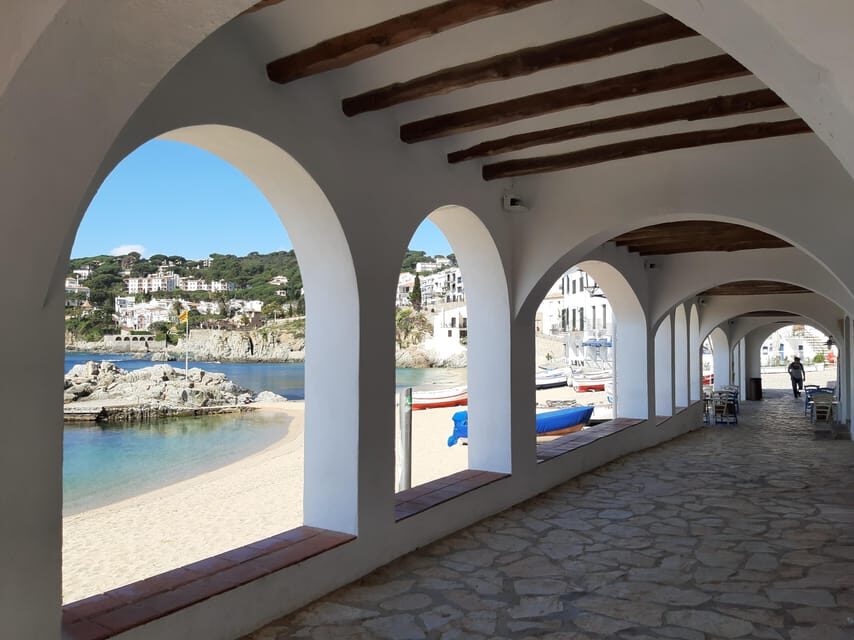
After Figueres, you’ll drive to Cadaqués and get around two hours in town. Cadaqués is known for its white houses and that sleepy-looking coastal character. Even with a short walk, it’s a good reset: less indoor crowding, more air, and a chance to let the Dalí input settle in your brain.
Then the tour moves to Cap de Creus National Park. This is at the most northeastern point of the Iberian Peninsula. It was Catalonia’s first marine-terrestrial park, and it protects a large part of the Cape Creus area. The park’s standout is its geological setup—structures and outcrops that create what feels like a one-of-a-kind setting.
This part is where you should dress for real conditions. Coastal areas can feel colder and windier than you expect, especially outside peak summer. Bring layers. If you’re tempted to wear only light clothing, wait until you feel the wind once you arrive.
You’re not spending hours hiking here. It’s more about viewpoints and atmosphere—why Dalí could be obsessed with light and shoreline textures.
Portlligat and the Salvador Dalí House: silver roof statues to studio details
The final stretch brings you to Portlligat, in the Cadaqués municipality, in a cove within the Cap de Creus natural park. Dalí chose it partly because of the calmness and the way the place shaped his days. The house is famous not just for what’s inside, but for how it looks from far away—especially the silver statues on the roof.
Expect about 1.5 hours for the house visit portion that includes guided entry and navigation through the home areas. The second house segment focuses on what’s inside: rooms decorated by Dalí himself, and spaces that show his daily life style.
The most interesting aspect of the house experience is that you’re not just looking at furniture. You’re learning about the tricks and techniques Dalí used. The tour notes include details like his efforts to get early sun rays into his bedroom and his studio working methods. That’s the point: Dalí wasn’t only creating art, he was building a routine around perception.
Also, the “house” portion can be affected by pacing. If explanations are too brief, you may miss the behind-the-scenes thinking that makes the rooms feel personal. The best guides turn the visit into a story about how Dalí lived, not just how the rooms look.
Price and value: $372.45 per person for a full-day private format
At $372.45 per person, the price can feel steep at first glance. But what makes it easier to justify is what’s included.
You’re not paying just for transport. Your ticket costs for Dalí Theatre-Museum and Dalí House are included, along with entry to Dalí.Joyas. You also get a professional local guide and private vehicle round-trip from your Barcelona hotel or apartment.
When you compare typical museum ticket purchases plus taxi or separate transfers, the private format looks more sensible. The tour also bundles time-saving decisions: you’re not trying to coordinate between Figueres and Cadaqués while managing tickets and entry timing.
My practical rule: if you’re the kind of traveler who gets annoyed by logistics, this price can feel like money spent for sanity. If you’re a super independent planner and you love building your own routes, you may be able to do it cheaper on your own—but you’d still need to handle the same long-distance pacing and entry coordination.
Who this private Dalí museum and Cadaqués tour suits best
This fits you if:
- You want guided context, not just a self-guided gallery walk.
- You care about both museums and place-based atmosphere (town + coast + park).
- You prefer private hotel pickup over public transport on a long day.
- You’re traveling in a group that benefits from one shared schedule.
It may not be ideal if:
- You only want a short museum visit and hate long driving days.
- You’re extremely flexible with schedules and like spontaneous stops more than a set route.
- You’re on a tight budget and can handle coordinating tickets and transport yourself.
A quick tip that often changes the experience: during the house and museum parts, ask follow-up questions when something clicks. A good guide will happily link the weird details to the bigger picture.
Should you book this Dalí Museum, Figueres & Cadaqués Private Tour?
I’d book it if you want one day that feels intentional: Barcelona orientation, Figueres’ main Dalí-world stop, a focused jewelry exhibit, then coast time at Cadaqués and Cap de Creus, and finally the Dalí House with studio-life context.
I’d hesitate only if you’re the type who gets nothing from guided storytelling. In that case, the trip risks becoming too “see it, move on” for your taste, especially given the long day format.
If you do book, plan like a pro: comfortable shoes, layers for wind off the coast, and a mindset that this is one art-heavy day with multiple mood shifts. You’ll end it with a clearer sense of how Dalí built both his art and his environment.
FAQ
What time does the tour start?
The start time is 8:30 am, with pickup from your Barcelona hotel or apartment.
Do I get hotel pickup and drop-off?
Yes. They pick you up from any hotel or apartment in Barcelona city and drop you off afterward.
What tickets are included?
Entrance tickets to the Dalí Theatre-Museum and the Dalí House are included, and Dalí.Joyas entry is included as well.
How long is the tour?
It runs about 12 hours.
Is the tour private?
Yes. It’s a private tour/activity, so only your group participates.
What language is the tour offered in?
It’s offered in English.
Is food included?
No. Food or beverages aren’t included, though you can stop for meals on your own during the free time.
Are there any extra costs besides the tour price?
Gratuities are optional. Everything else listed as included is covered.
Does the tour include time in Cadaqués and Cap de Creus?
Yes. You get time in Cadaqués for a walking tour, and then you visit Cap de Creus National Park.
What’s the cancellation rule?
You can cancel for a full refund up to 24 hours in advance of the experience’s start time.