Moroccan food, but make it hands-on. This workshop is a simple idea done well: you shop for ingredients in and around La Boqueria, then cook a classic Moroccan meal in Barcelona with Hana. You get a real sense of how Moroccan flavors are built, from spice shopping to the slow-cook tajine setup.
I especially like two things: the ingredient-hunt part (you learn what to buy and why), and the fact that it is truly hands-on. You are not just watching while someone else works; you help with key steps like bread, soup, couscous, onions, and putting the meal together.
One thing to plan for: the tajine takes time to cook on a slow setting, so you may spend parts of the session doing other preparations and technique support while the tajine simmers, rather than one continuous stretch of cooking.
In This Review
- Key highlights you will actually care about
- Where it starts: meeting Hana in Old Town
- La Boqueria market and the ingredient-hunt mindset
- The slow tajine schedule: how a 3h15 class still works
- Hands-on Moroccan cooking: what you actually make
- Starters that teach the flavor base: harira, bread, and hummus
- Couscous and caramelized onions: the texture game
- Dessert and mint tea: how to finish like you mean it
- Price and value: what $195.27 buys you
- Logistics that matter: transport, timing, and group size
- Who this is best for (and who might not love it)
- Should you book?
- FAQ
- How long is the Master Moroccan Tajine Hands On Workshop?
- Where does the workshop start and end?
- What time does this option start?
- Is the workshop offered in English?
- What food is included?
- Can you accommodate vegan, vegetarian, or gluten-free diets?
- Is private transportation included?
Key highlights you will actually care about
- La Boqueria first, then real shopping in the Raval neighborhood for ingredients and spices
- Small group (max 4), with Hana tailoring explanations and pace for the people in front of her
- A slow tajine schedule that still fits the class timing because you cook multiple components in parallel
- A full Moroccan meal flow: harsha or similar fried semolina bread, harira, couscous, caramelized onions, tajine, and sweets
- Printed recipes included, so you can repeat the meal later without guessing
Where it starts: meeting Hana in Old Town
This experience starts in Ciutat Vella, at Rambla de Sant Josep (08001). On the schedule provided here, the start time is 11:00am, and the activity ends back at the meeting point.
The area matters. You are not sent to some far-away kitchen complex. You are in the heart of Old Town, with good public transport nearby, which makes it easier to stitch into a day that already includes getting oriented around Barcelona’s historic center.
Hana leads the class in English, and the group size stays small, up to 4 travelers. That small setup is one reason the explanations feel personal instead of rushed.
La Boqueria market and the ingredient-hunt mindset
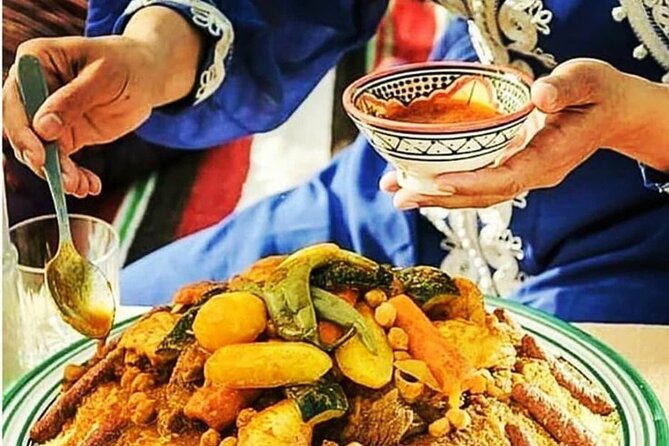
The session kicks off at Mercat de la Boqueria. Even if you have been to the market before, this part is different because the goal is ingredient quality, not photo ops. You get a quick walk-through and practical pointers on what locals look for.
Then comes an important detail: you do not just buy everything inside La Boqueria. After the initial market stop, you head to neighborhood shops in Raval, in a more everyday, multicultural setting. If La Boqueria is closed for a holiday, the plan shifts and you still shop at several local stores.
From the way Hana shops, you learn the logic of flavor building. For example, you might see shopping for herbs like mint, parsley, and cilantro, plus a stop for spices, and even a general grocery run for specific items. That shopping pattern teaches you something you can use at home: ingredients often come from different places, not one store with everything.
If you have dietary needs, this part also matters. You will be working within a menu that can be adjusted for vegan, and vegetarian and gluten-free restrictions can be accommodated. Just note that you should flag food allergies clearly when booking.
The slow tajine schedule: how a 3h15 class still works
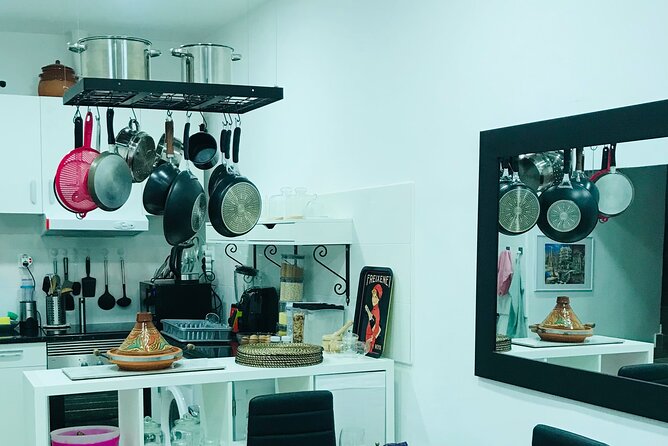
Here is the timing trick. You start by building your tajine because the cooking itself takes about 3 hours on a slow setting. That sounds like it would blow up the schedule, but the class is built to run parallel.
While the tajine cooks slowly in the background, you shift into other components that finish within the session. The workflow usually includes:
- making or prepping caramelized onions
- preparing couscous (cooked in a couscousier)
- working on harira soup
- handling starters and bread components
- finishing with dessert and Moroccan tea
So yes, there is some waiting time while the tajine simmers. But the payoff is that you learn how real Moroccan cooking is paced: slow cooking for depth, plus active prep for the rest of the meal. You get the rhythm, not just the recipe list.
Hands-on Moroccan cooking: what you actually make
This is a true hands-on format. You participate in the preparation stages, not just the final plate.
Your menu is built around a Moroccan centerpiece tajine, with classic sides that teach texture and balance. Depending on the session, you can expect a mix like this:
- Moroccan tajine main dish (example includes chicken with yams, peppers, dates and apricots)
- Steamed couscous with spices cooked in a couscousier
- Caramelized onions with raisins
- Harira soup as a hearty starter
- Harsha bread (fried semolina bread)
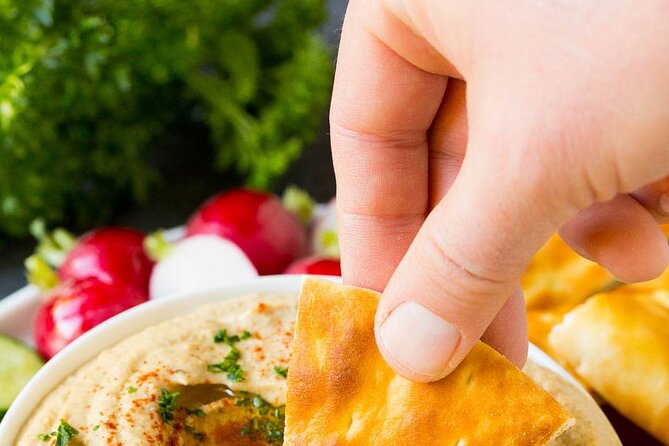
- Hummus as an additional starter option
- desserts like Mahalabia milk pudding with nuts, berries, and honey
- Moroccan tea served with pastries
A couple of notes that help you set expectations:
- You usually get a choice in the main protein (you might see chicken or lamb options), but the core techniques stay Moroccan and consistent.
- With a group of four, the hands-on time can vary. In a small class, Hana can still share tools and methods, so you are not always stationed at one cutting board the whole time. But you will still do the prep work that matters.
Starters that teach the flavor base: harira, bread, and hummus
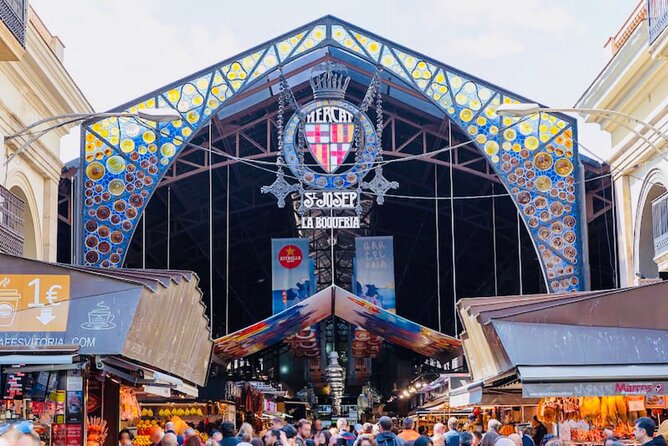
Before the tajine is ready, you build the meal’s foundation with starters that teach you what makes Moroccan food feel layered.
Harira soup is one of the key flavor lessons here. It is comforting and spiced, and it also shows you how Moroccan meals often balance warmth, spice, and something slightly tangy or aromatic. The class includes making it as part of the workshop flow.
Then you have Moroccan harsha bread, described as fried semolina bread. This is a great hands-on dish because it is tactile: semolina, frying technique, and timing. You learn how texture changes as you cook.
Hummus rounds things out, adding creaminess and a calmer flavor that pairs nicely with the deeper tajine and soup. If you are new to Moroccan cooking, these starters make the rest of the meal make more sense. You are not just eating sides; you are learning the building blocks.
Couscous and caramelized onions: the texture game
The class highlights two classics that can be tricky if you only ever eat Moroccan food out at restaurants.
First, couscous. The workshop uses a couscousier, and you learn how couscous becomes fluffy and properly steamed instead of dry or clumpy. The spices you mix in matter, and the steaming process is where the skill lives. You walk away knowing the method, not just the spice blend.
Second, caramelized onions. In this menu, they are cooked to sweetness and depth, often finished with raisins. That sweet-savory note is a big part of why Moroccan dishes feel harmonious instead of one-note spicy. You also learn that caramelized onions are not about burning harder; it is about patience and controlled heat.
Together, couscous and onions help you understand a Moroccan pattern: contrast. You get soft grains, rich sweet aromatics, and then the tajine brings everything together with sauce and slow-cooked flavor.
Dessert and mint tea: how to finish like you mean it
By the time the meal hits the table, you are ready for the sweet finish. The desserts listed here are classic and comforting.
Mahalabia is the milk pudding option, served with nuts, berries, and honey. It is creamy and gently flavored, so it works well after spiced savory dishes.
Then you get Moroccan tea, typically served with pastries. Tea in Moroccan meals is not just a drink; it is part of the pacing. You sit, you taste, and you let the flavors settle.
Also, the class includes drinks with your meal, but what you get can vary by session. The important point is that you are not just eating; you are doing a full meal with coffee and/or tea included, plus beverages during the lunch.
Price and value: what $195.27 buys you
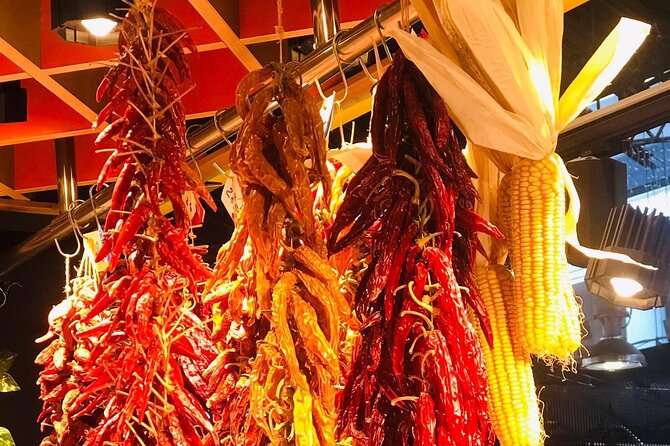
At $195.27 per person, this is not a bargain class. But it also is not an empty marketing price tag.
Here is what you are paying for, factually:
- All food, beverages, and cooking equipment
- Lunch
- Coffee and/or tea
- A 3 hours 15 minutes guided workshop in a real kitchen setting
- Printed recipes so you can repeat the dishes
You are also paying for time that usually costs extra: market orientation plus ingredient shopping. Many cooking classes start with ingredients already prepared. This one spends time getting you set up with what matters.
And the small group size is part of the value. With a maximum of 4, you are more likely to get help when you need it, rather than watching and hoping your turn appears.
If you want maximum value, go hungry and plan to take notes. When you leave with recipes, you can actually use them, which makes the price feel more reasonable the next time you cook.
Logistics that matter: transport, timing, and group size
The workshop starts and ends at the same spot near public transport, so you can treat it as a block in your day without complicated transfers.
Duration is about 3 hours 15 minutes, and the schedule provided shows a 11:00am start for this option. The operator also offers morning and evening workshops (morning and later sessions), so if you prefer a different pace you might find another slot on their calendar.
Two other scheduling details are worth noticing:
- No tours are listed for April 17–21, so check dates before you plan around Easter-week travel chaos.
- If you travel on a holiday when La Boqueria closes, the plan shifts to local shops, so you still get the ingredient hunt.
Who this is best for (and who might not love it)
This workshop is a strong fit if you:
- want a Moroccan meal you can repeat at home, with printed recipes
- like hands-on cooking rather than a pure demonstration
- enjoy market shopping as part of the experience, not just an opening photo stop
- have dietary needs like vegan, vegetarian, or gluten-free
You might not love it as much if you:
- hate waiting while a dish cooks slowly (the tajine simmer time is real)
- expect every minute to be cutting and stirring nonstop
With that said, the class is built to keep you moving: while the tajine cooks, you prep the rest of the meal so you still leave with a full plate and a full method.
Should you book?
I think you should book this if your trip includes some Old Town exploring and you want a hands-on skill you will use again. The combination of market ingredient shopping, a small group, and a structured Moroccan menu makes it feel like more than a one-off meal.
If you can handle a slow-cook workflow and you are excited to make couscous and sides alongside the tajine, this is a great match. If you want a rapid-fire cooking sprint with nonstop station time, then set your expectations for a bit of simmer-and-prepare pacing.
FAQ
How long is the Master Moroccan Tajine Hands On Workshop?
It runs for approximately 3 hours 15 minutes.
Where does the workshop start and end?
It starts at Rambla de Sant Josep, Ciutat Vella, 08001 Barcelona, Spain, and it ends back at the same meeting point.
What time does this option start?
The start time listed here is 11:00 am.
Is the workshop offered in English?
Yes, this workshop is offered in English.
What food is included?
Lunch is included, along with coffee and/or tea. All food, beverages, and cooking equipment are included, too.
Can you accommodate vegan, vegetarian, or gluten-free diets?
Yes. Vegan options are available, and vegetarian and gluten-free restrictions can be accommodated.
Is private transportation included?
No, private transportation is not included.