REVIEW · BARCELONA
No Diet Club – Unique local food in Barcelona
Book on GetYourGuide →Bookable on GetYourGuide
Barcelona tastes better on foot. This No Diet Club tour focuses on what locals actually order, with a walking route through a less touristy neighborhood like Sant Antoni. I like that it’s not built around showy traps. You get a string of satisfying tastings (not frozen tapas), plus plenty of city atmosphere along the way.
I also really like the guide-led approach. Names like Ophelie and Pierre show up again and again, and the best part is how they connect Barcelona history and daily life to the food you’re eating. One thing to plan for: this is a tasting tour, so if you’re truly starving, grab a small snack before you go, because portions are meant to be shared bites, not a full meal.
In This Review
- Key highlights at a glance
- Why a 3-Hour Food Walk in Sant Antoni Beats Another Tapas Hunt
- The Tastings You Can Expect: Sardines, Bravas, Anchovies, and Cream
- Stop by Stop: How the Route Feels (and What Each Bite Teaches)
- Entering Through Stories: Food and Barcelona History in the Same Breath
- Guide Style and Small-Group Energy in English
- Walking Pace, Weather Comfort, and What to Eat Before You Go
- Price and Value: Is $75 Worth It
- Vegetarians, Seafood Lovers, and Appetite Fit
- Should You Book No Diet Club in Barcelona
- FAQ
- Is all food included in the No Diet Club tour?
- How long is the tour?
- What language is the tour guide speaking?
- How big is the group?
- Is the tour vegetarian-friendly?
- What types of Spanish and Catalan dishes will I eat?
- Can I cancel, and how does that affect my money?
Key highlights at a glance
- Sant Antoni focus: a neighborhood feel, with local bar energy and less tourist crowding
- Real Catalan staples: sardines, anchovies with tomato bread and olive oil, bravas, tortilla, croquetas
- Seasonal flexibility: the exact menu can shift with what’s best right now
- Friendly English guides: Ophelie and Pierre-style storytelling that ties food to the city
- Small group of up to 10: easier conversation, faster rapport, and new friends on the way
Why a 3-Hour Food Walk in Sant Antoni Beats Another Tapas Hunt
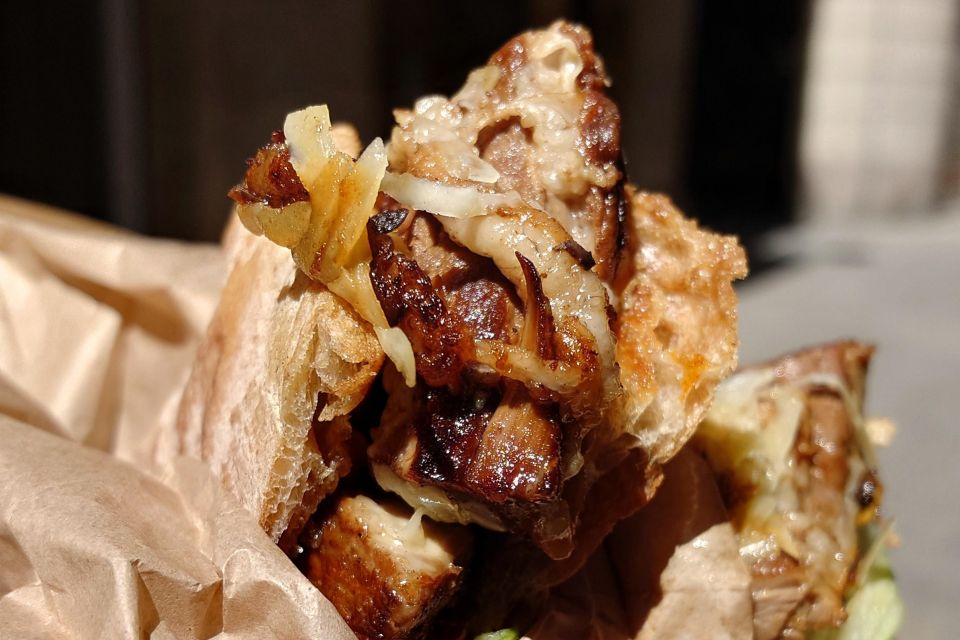
If you’ve spent any time in Barcelona, you know the trap pattern: a street full of identical menus, tourists funneling in, and food that looks correct but tastes like it was shipped in. This tour is built to dodge that. The core idea is simple. You walk a local neighborhood, sit down at real places, and eat what people actually crave.
You’re also not stuck waiting for the next big “main event.” You get multiple rounds of tastings spread across the walk. That matters, because Barcelona can be hot, loud, and fast. A guided pace keeps you from wandering aimlessly, and it prevents the classic problem of paying too much for the wrong thing.
And yes, the tour is fun. It includes funny and slightly bad jokes, plus the kind of relaxed conversation that happens when everyone is sharing the same food at the same time. Several groups highlight that it feels like you’re hanging out with people who know the city well, not herding you from stop to stop.
The Tastings You Can Expect: Sardines, Bravas, Anchovies, and Cream
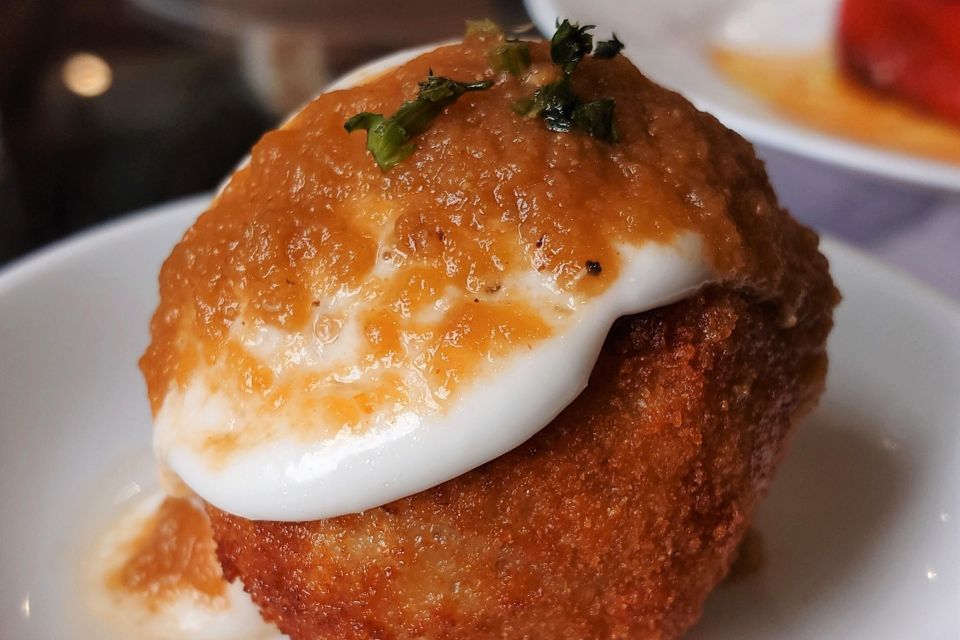
The menu isn’t just one-note tapas. It’s Catalan and Spanish comfort food, with a few showpieces that Barcelona does better than almost anywhere else. You should expect a mix of salty, savory bites, plus at least one sweet finish.
Here are the specific dishes that show up in the experience description and are repeatedly mentioned as favorites:
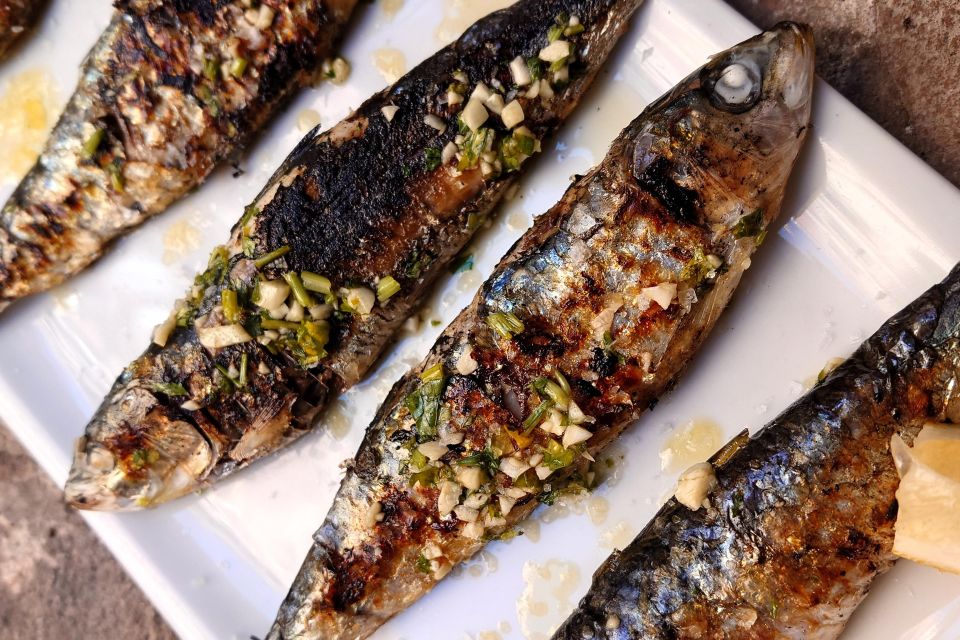
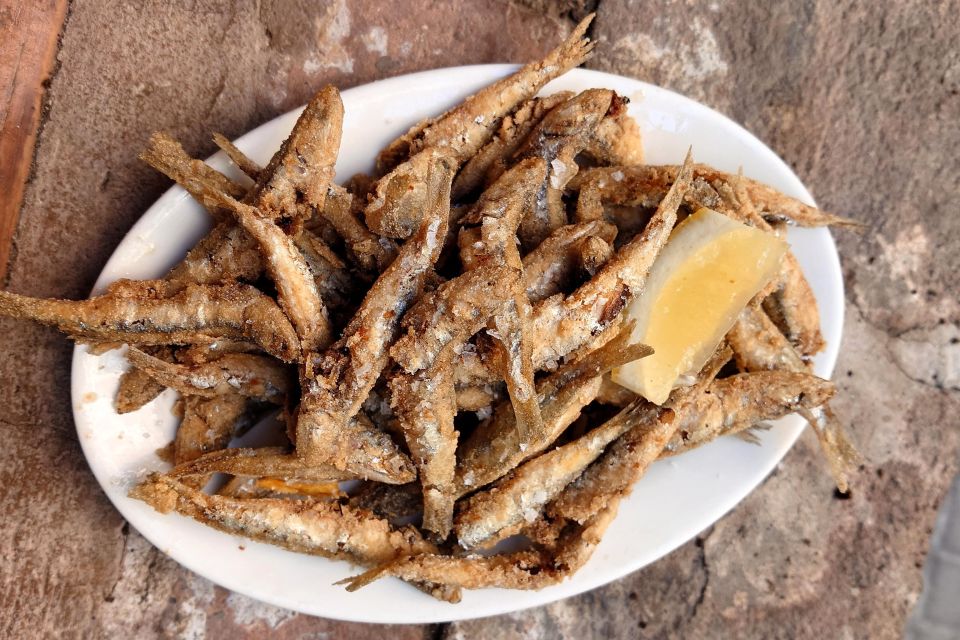
- grilled sardines
- Spanish-style homemade sandwich (the kind locals actually order, not the tourist version)
- anchovies with tomato bread and olive oil
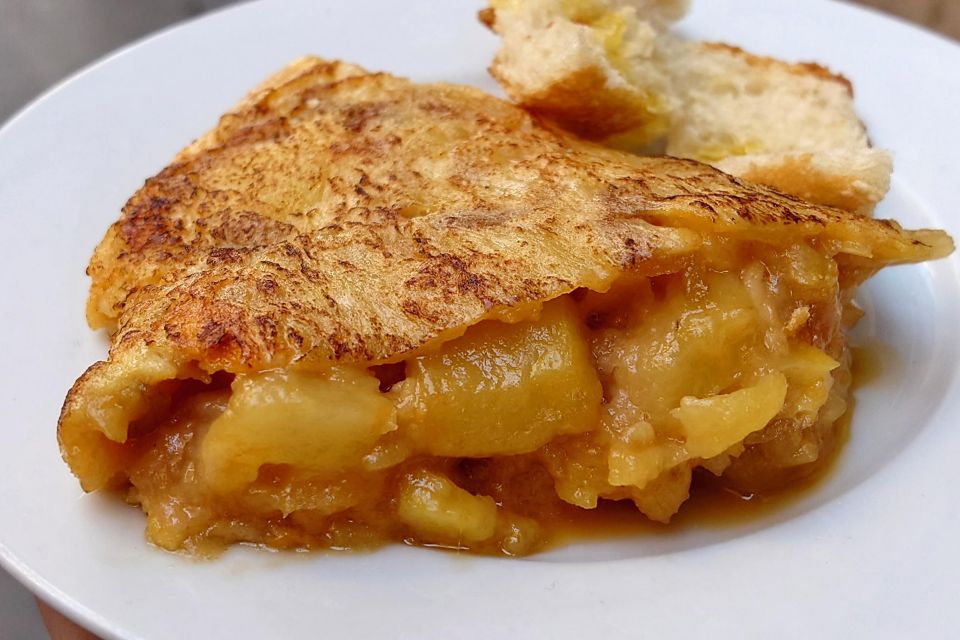
- Catalan cream
- real empanadas
- patatas bravas
- Spanish tortilla
- croquetas (including cheese and quince croquettes mentioned by one eater)
- pimientos del padrón
- pan con tomate
- churros and chocolate
A big deal here is quality control. The tour is positioned as no frozen tapas, and that shows in how the bites are described: you’re not just getting a plate of random bar snacks. You’re tasting distinct flavors that make sense together, like you’re building a mini survey of Catalan comfort food.
Vegetarians are also welcome. Because tastings can vary by season, your exact lineup may shift. But the important part is that you’re not expected to sit out. You’ll have options that fit a vegetarian palette when the menu changes.
Stop by Stop: How the Route Feels (and What Each Bite Teaches)
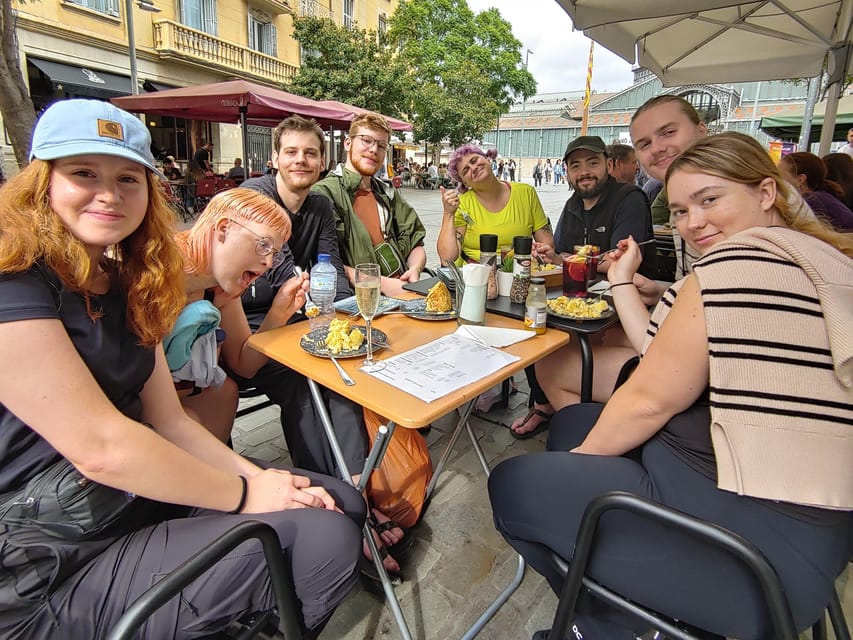
You’ll typically move through several sit-down spots during the roughly three-hour walk. Reviews and descriptions point to around four to five places, so think of it as a sequence of mini meals, not one dramatic restaurant moment.
Here’s how to mentally map what happens, and what each kind of stop is likely to teach you:
1) The savory starter stop: anchovies or tomato-bread classics
One of the early tasting themes is often the salty Catalan backbone: anchovies served with tomato bread and olive oil, or pan con tomate style bites. This is the moment to pay attention to texture and balance. Tomato-forward bread plus clean salty fish is a reminder that Catalan food isn’t just about heavy sauces.
If you’re worried about strong flavors, don’t panic. The anchovies and olive oil pairing is a classic for a reason, and it’s usually served in controlled portions so you can taste without being overwhelmed.
2) The hot-and-grilled moment: sardines or crisp bravas
Expect a stop that brings heat and bite. Grilled sardines show up, and so do patatas bravas. The bravas part matters because this dish is easy to ruin. A good version comes with the right crunch, not soggy fries drowning in sauce. It’s also a quick lesson in why people treat bravas like a Barcelona identity card.
3) The comfort-bite stop: tortilla and croquetas
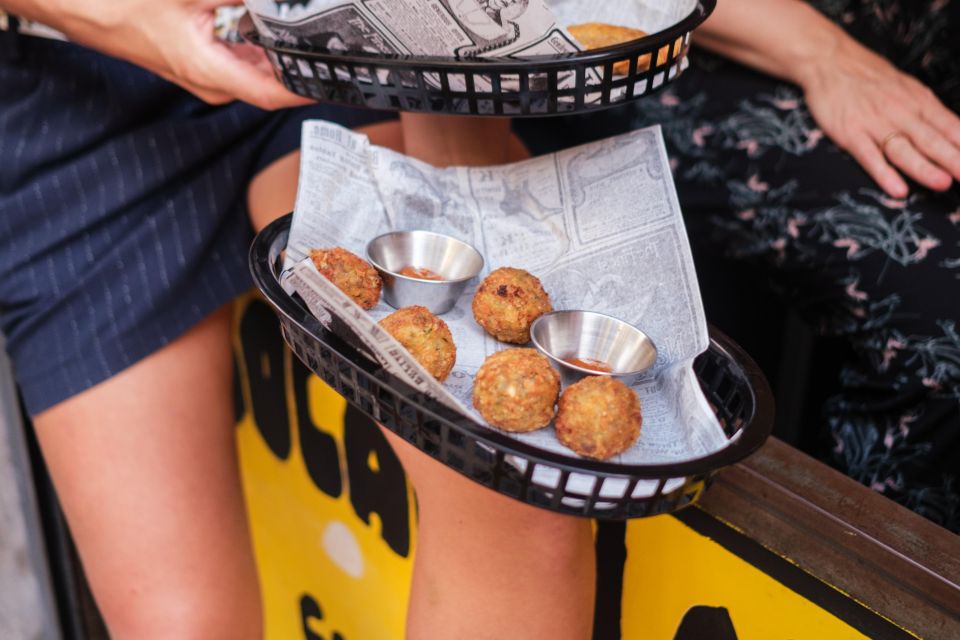
Another stop often focuses on Spanish classics you’ll see across the city, but here the goal is that local version. Spanish tortilla bites and croquetas are frequently mentioned. Croquetas are where you notice differences fast: the breading, the creamy center, and how heavy or light the filling feels.
One eater specifically calls out cheese and quince croquettes, which tells you the tour isn’t stuck in generic ham-and-cheese territory. It leans into Catalan flavors and small regional twists.
4) The bar-snack stop: empanadas and padron peppers
You may also hit a tasting built around empanadas or pimientos del padrón. Padron peppers are a fun one because the eating is part game. Some are mild, some bring heat. That keeps the tour lively and gives you something to talk about while everyone’s still hungry enough to care.
5) The dessert closer: Catalan cream or churros and chocolate
The finish is sweet. Catalan cream and churros with chocolate are both mentioned. This is smart for pacing. You get enough savory tastings to build appetite, then end with something comforting instead of another salty bite.
One practical note: because tastings vary by season, the exact dish order may change. If you have a must-try item, treat the menu as a best-of list rather than a guaranteed single-file lineup.
Entering Through Stories: Food and Barcelona History in the Same Breath
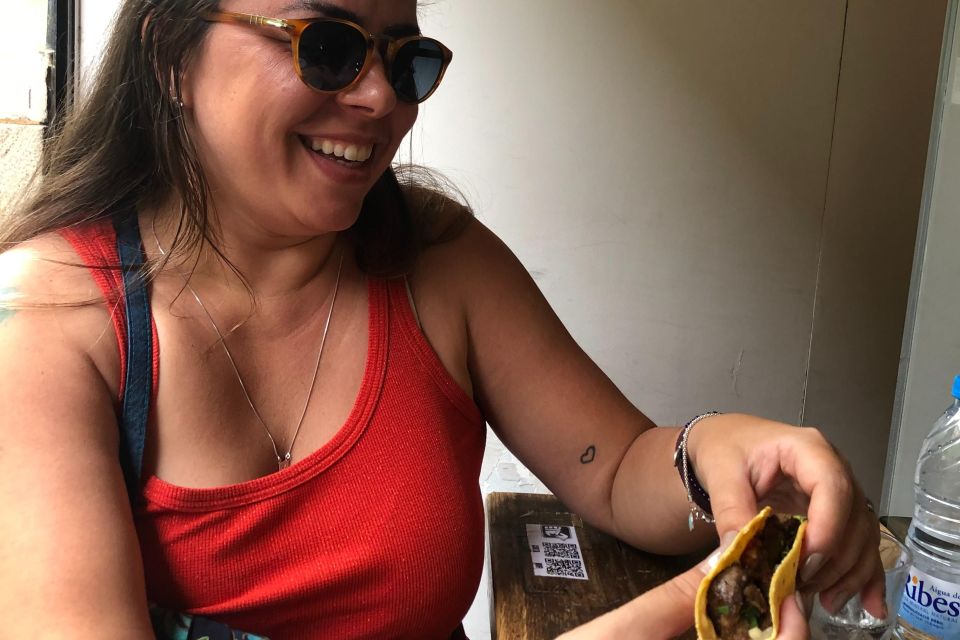
The tour isn’t only about taste. It’s also about context. Guides connect what you’re eating to Barcelona’s daily rhythms and food traditions, not just museum-level facts.
That’s why the guide personality matters so much. Many mentions center on Ophelie’s style: friendly, easy to talk to, and able to share food facts and city history in a way that feels relevant to the bite in your hand. Pierre is also mentioned as strong with communication, including sending follow-up suggestions after the tour via text.
You can expect the walking time to come with explanations that make the city feel more usable. You start noticing how neighborhoods work, why certain foods show up together, and what locals think is worth paying for.
And yes, there are smiles and pictures. The tour’s designed to feel social, not stiff. That matters if you’re traveling solo and want a built-in way to meet people without trying too hard.
Guide Style and Small-Group Energy in English
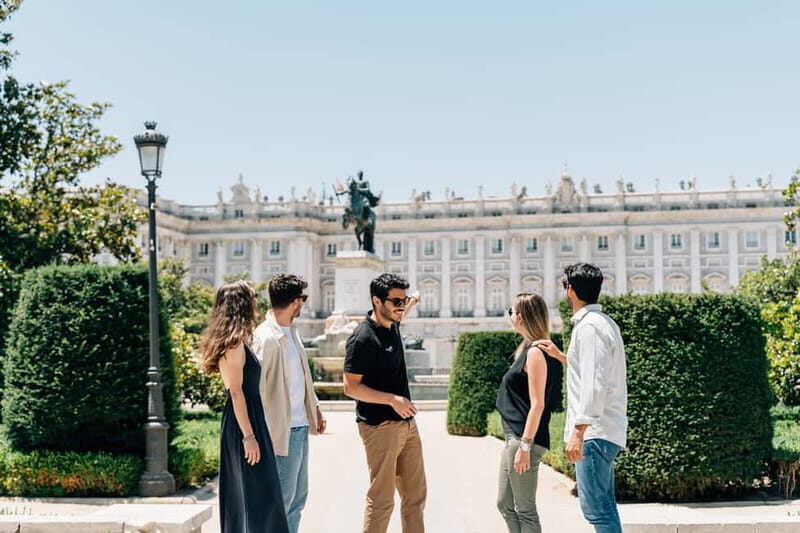
This is a small group tour limited to 10 participants. That size isn’t just a comfort perk. It changes the experience. You get more time to ask questions. The guide can adapt to the group. And the route feels more like you’re walking with friends who know where to eat.
Tours run in English, which is a big help in Barcelona, where locals speak Catalan and Spanish in the streets. English also makes the history and food storytelling easier to follow without you translating everything in your head.
If you’re choosing this because you like conversation, you’ll probably enjoy it. Many mentions describe guides as personable and fun, with a pace that doesn’t feel rushed. Stops are described as places where you sit down and eat, so you’re not constantly standing around trying to fit food into a tight schedule.
Walking Pace, Weather Comfort, and What to Eat Before You Go
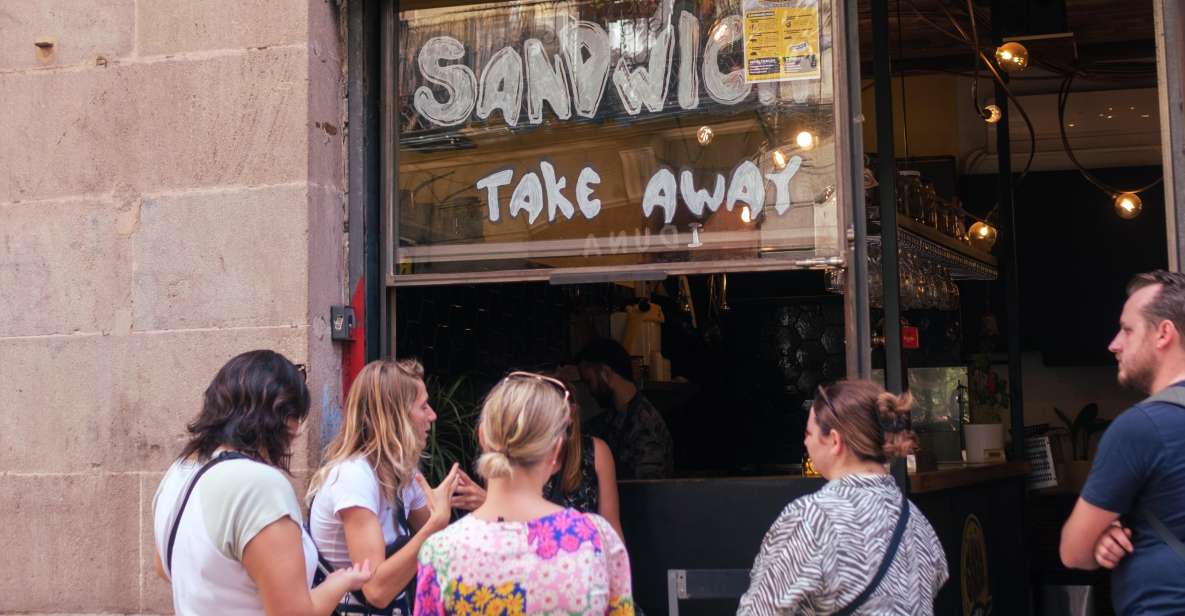
This is a walking tour, so plan for walking shoes. The route focuses on a specific neighborhood and keeps you on foot between tastings. That’s one reason it works so well for most people. You get food plus neighborhood texture.
But here’s the practical caution: it’s a tasting program. Some people note they were satisfied, especially with the quality and variety. Still, a clear suggestion from the experience guidance is to have a small snack before the tour if you’re super hungry.
Weather can change how comfortable that walk feels. In warmer months, you’ll likely appreciate the sit-down breaks between tastings. If it’s chilly, you’ll probably welcome the hot items like croquetas, tortilla-style bites, and bravas.
Also, you’ll be moving at an easy pace, not sprinting across the city. That’s ideal for first-time visitors who want to see Barcelona without needing a full-on sightseeing marathon.
Price and Value: Is $75 Worth It
At $75 per person for about three hours, the real question is value, not the sticker.
The tour includes many tastings to share, and the food is positioned as authentic Catalan and Spanish specialties. If you price out a similar sequence on your own in Barcelona, you usually end up paying for each stop, then dealing with randomness: one place is great, the next feels overpriced, and then you’re still deciding what to eat with an empty stomach.
Here’s where the math gets better for you:
- You get multiple tastings in one guided plan
- The stops are designed to match different styles of Catalan food
- You’re not wasting time hunting for places that won’t disappoint
Small group size also matters. Paying more for fewer people usually means better table handling and a more human pace. Several comments mention tables being booked in advance, which can quietly save you from the Barcelona line chaos.
One caution on value: drinks aren’t described as part of the included package. Some notes mention that drinks may cost extra, while water can be provided. If you like pairing food with drinks, budget for that separately.
And one odd detail to consider: one commenter points out that the guide wasn’t included in the tastings as part of the meal cycle. That likely won’t affect your food experience, but if you’re sensitive to fairness vibes, it’s worth noting.
Vegetarians, Seafood Lovers, and Appetite Fit
This tour works best when you like variety. The lineup can include seafood-forward items like grilled sardines and anchovies, plus meatless classics like padron peppers, tortilla, croquetas, and vegetarian-friendly options depending on the season.
If you’re vegetarian, the tour explicitly says vegetarians are welcome. Your exact dishes will depend on what’s available. But you’re not supposed to be excluded from the tastings, which is the biggest concern for most vegetarian travelers.
If you love seafood, this tour should feel like a win. The sardines and anchovies aren’t random bar snacks. They’re part of a set of flavors that make sense in Catalan eating culture.
If you’re a “big appetite” type, treat this as a guided tasting experience rather than an all-you-can-eat plan. It can still be filling because multiple stops add up. But the intention is shared bites and variety, not stuffing yourself in one place.
Should You Book No Diet Club in Barcelona
Book this tour if you want Catalan food that doesn’t feel like a tourist brochure. I think it’s especially worth it when you:
- want to eat beyond the obvious tapas strip
- like walking a neighborhood that feels local, like Sant Antoni
- enjoy guides who connect food to city life and history
- want to meet fellow travelers in a small group
Skip it, or at least go in with eyes open, if:
- you’re only interested in drinks-heavy nightlife food runs
- you have very specific dish expectations that might change with seasonality
- you expect a single restaurant meal instead of multiple tastings
FAQ
Is all food included in the No Diet Club tour?
Yes. The experience states that all food is included, with many tastings to share across multiple stops.
How long is the tour?
The duration is 3 hours.
What language is the tour guide speaking?
The tour is offered in English.
How big is the group?
It’s a small group limited to 10 participants.
Is the tour vegetarian-friendly?
Yes. The tour notes that vegetarians are welcome.
What types of Spanish and Catalan dishes will I eat?
You can expect Catalan and Spanish specialties such as grilled sardines, patatas bravas, anchovies with tomato bread and olive oil, Spanish tortilla, croquetas, pimientos del padrón, Catalan cream, and churros with chocolate. Specific tastings may vary by season.
Can I cancel, and how does that affect my money?
Free cancellation is available up to 24 hours in advance for a full refund.