REVIEW · FIGUERES
Via ferrata de Sant feliu de guíxols – Via ferrata cala del molí
Book on Viator →Operated by Guies Arania · Bookable on Viator
Feet on iron. Sea below you.
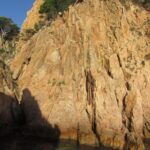
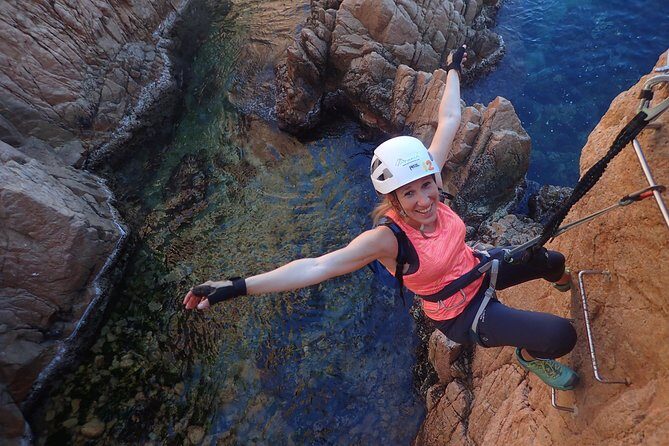
The Cala del Molí via ferrata in Sant Feliu de Guíxols is special because it’s built entirely over the sea, running along dramatic coastal cliffs where you feel the water right beneath you. You’ll move across iron steps, ladders, bridges, and exposed sections while the Mediterranean keeps rolling under your boots.
I love that this is truly beginner-friendly: you don’t need prior climbing experience, and all the key gear is included. I also like the small group size (max 8), which means your guide can slow down when someone needs extra coaching, like Cristina, Pepo, Kim, Javi, or Eva are known for doing.
One key drawback: this isn’t for you if you have a strong fear of heights, and it’s also not a great fit if your fitness level is low—some sections ask for steady effort and confidence while you’re out on the cliffside.
In This Review
- Quick reasons this via ferrata is worth it
- Why the Cala del Molí Via Ferrata feels so different over the sea
- What you do on the route: steps, ladders, bridges, and exposed moments
- Your guides and the “small group” safety advantage (Cristina, Pepo, Kim, Javi, Eva)
- Price and value: what $42.05 covers (and why it’s fair)
- Where to start in Sant Feliu de Guíxols (and how to plan your day)
- What to bring (so you can move comfortably)
- Beginner fitness: who will enjoy it, and who should skip it
- Two-part adventure: choosing your comfort level without killing the fun
- The views: how to enjoy the sea edge without freezing
- Photos included: a small thing that makes a big difference
- Timing and weather: why your 9:00 am start matters
- The bottom line: should you book the Via Ferrata Cala del Molí?
- FAQ
- How long is the Via Ferrata Cala del Moli?
- Where does the experience start?
- What time does it start?
- How much does it cost?
- Do I need prior climbing experience?
- Is the activity in English?
- What’s included in the price?
- Is transportation included?
- How many people are in the group?
- Is it safe to go if I’m afraid of heights?
Quick reasons this via ferrata is worth it
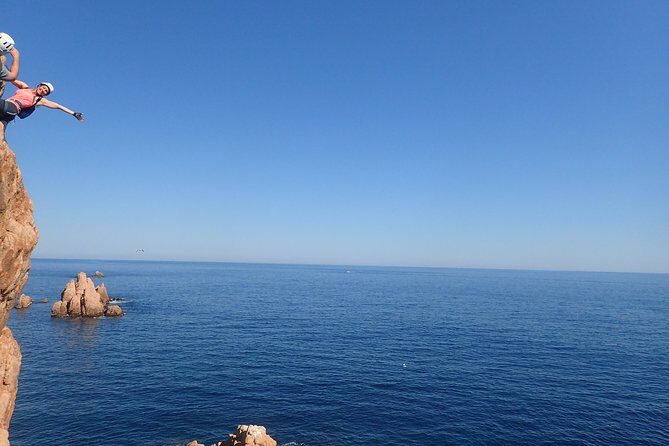
- Built over the sea for that rare, feet-over-water feeling
- Beginner-ready setup with certified safety gear provided
- Two-part route so you can match your comfort level to the day
- Small-group attention with fully qualified, English-speaking guides
- Photos included (often shared by WhatsApp right after)
- Weather-dependent timing so your day stays safe and enjoyable
Why the Cala del Molí Via Ferrata feels so different over the sea
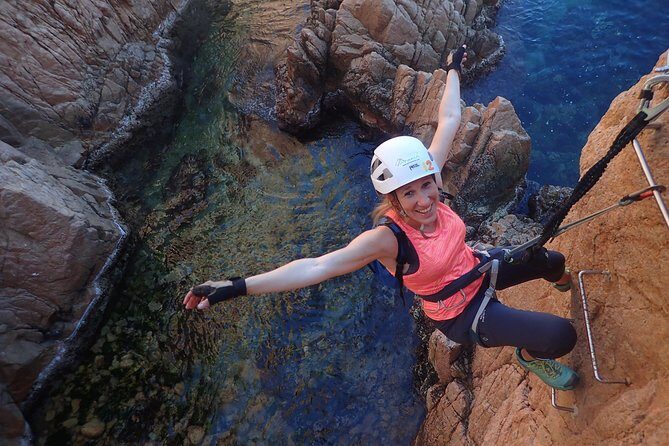
Most outdoor thrills show up on a trail or a viewpoint. This one drops you onto metal fixed to the rock—while the sea is right there. That’s the core appeal. You’re not just looking at the Costa Brava coast; you’re on it, moving from one cliffy section to the next with waves crashing below.
It’s also a mental game in the best way. The route keeps you focused on the next step, the next hold, the next clear instruction from your guide. And because the line hugs the coastline, the views don’t feel like a single photo moment—they show up continuously as you progress.
The best part for first-timers is that the experience is designed to be learnable. You’ll get taught how to move safely and confidently, and you’ll be secured with certified equipment the whole time. That takes a lot of the mystery out of via ferrata.
You can also read our reviews of more tours and experiences in Figueres.
What you do on the route: steps, ladders, bridges, and exposed moments
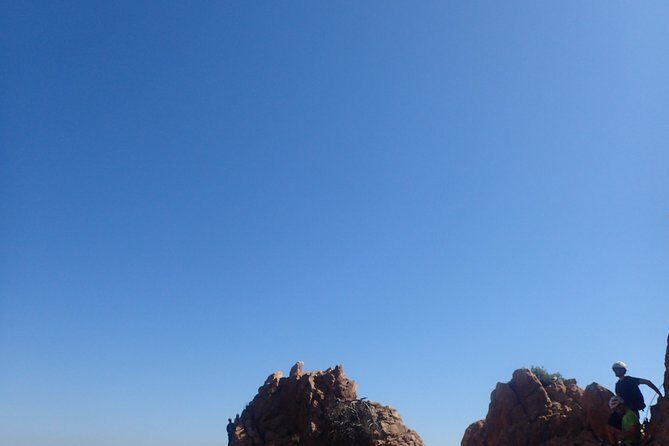
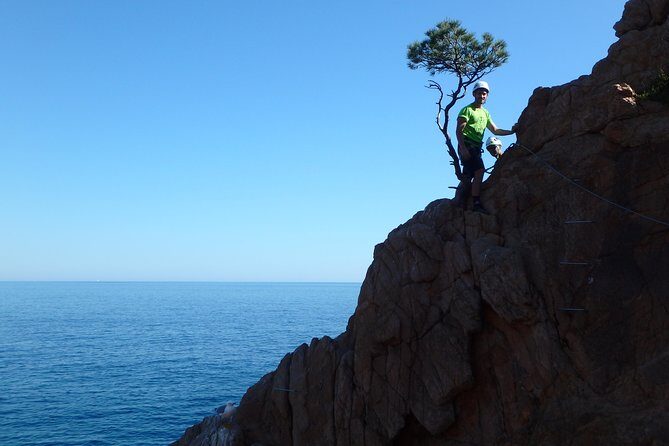
You can expect a mix of movement styles. The basics are the same across the course—iron steps for rhythm, ladders for switching elevation, bridges for that “hang there” feeling, plus more exposed sections where you’re close to open air.
Here’s what matters for your comfort: you’ll never be left to figure it out alone. Guides set pace for the group, and they’re used to different comfort levels. If you’re nervous, you’ll get technique and timing coaching so you can keep moving without rushing.
The route is also broken into parts. People often describe it as having an easier section (first half) and a more strenuous section (second half). In other words, you can earn your confidence first, then decide whether you want the bigger challenge.
And if conditions affect the plan, you might do a shorter variation instead of the full loop. One common example from past days: the course can be adjusted due to protected birds nesting, so you may repeat the easier loop rather than push the harder half.
Your guides and the “small group” safety advantage (Cristina, Pepo, Kim, Javi, Eva)
This is run by Guies Arania, and your time on the rock is led by a titled guide. What you want in a via ferrata guide is simple: calm instructions, correct technique, and a pace that matches real people—not superheroes.
The names that come up again and again—Cristina, Pepo, Kim, Javi, and Eva—fit that pattern. The recurring theme is clear: they help everyone feel safe and comfortable, watch the group closely, and keep things moving at a pace that builds confidence instead of panic.
That matters because via ferrata isn’t hard because of strength alone. It’s hard when you’re tense and unsure. A good guide reduces the anxiety curve. You learn what your body should do (where to place your feet, how to shift safely, how to handle exposed sections), and then you just follow the next instruction.
The maximum group size of 8 also makes a difference. In practice, it means more hands-on attention, more time to check fit and safety connections, and fewer long waits while the line inches forward.
Price and value: what $42.05 covers (and why it’s fair)
At $42.05 per person for about 3 hours, this is one of those deals that feels more like a guided outdoor lesson than an expensive “theme park” activity. You’re not just buying the right to climb—you’re buying the whole safety and teaching package.
Included value:
- Guide (fully qualified/titled)
- Material/gear (so you don’t have to source equipment)
- Insurance
- Photos
Not included:
- Transportation to the meeting point
- Meals
- Public transport costs
When I look at the math, the biggest value is the equipment + safety coverage + instruction bundled together. If you had to rent gear, buy insurance, and hire a guide separately, the price would usually climb fast. Here, the structure is built for getting you onto the course safely without homework.
Also, the photos being included changes the feel of the day. You can focus on the climb, not your phone grip while hanging over water.
Where to start in Sant Feliu de Guíxols (and how to plan your day)
You’ll meet at Carrer de Sicília, 17220 Sant Feliu de Guíxols, Girona, Spain at 9:00 am. The activity ends back at the same meeting point.
Two practical notes:
- The meeting point is near public transportation, which makes it easier to base yourself in the town.
- You’ll want a calm morning buffer. Since it runs in the real coastal environment, conditions matter.
What to plan around:
- This is an outdoors activity, and it requires good weather. If the weather isn’t right, you’ll be offered another date or a refund.
- Think of the via ferrata as your main event for the morning. Many people plan a relaxed day afterward because your forearms and grip do work.
What to bring (so you can move comfortably)
The essentials aren’t about climbing gear—you’ll have that. Your job is to show up comfortable enough to work steadily for a few hours.
Since the info here doesn’t list a specific dress code, I’ll keep it practical:
- Wear sturdy footwear with good grip
- Dress for Costa Brava conditions (light layers are often the smart move)
- Bring whatever you need for hydration and sun (the course is outdoors all the way)
One more smart idea: leave bulky items at home. If you’re traveling with extra stuff, the experience runs smoothly when you don’t add hassle to the day.
Beginner fitness: who will enjoy it, and who should skip it
No previous climbing experience is required. That’s great news. But it doesn’t mean zero effort.
You do need a normal level of fitness and a willingness to keep moving through a few challenging moments. Most of the work comes from:
- staying calm while you shift your weight
- using your legs and arms in a steady, controlled way
- tolerating heights in a few exposed sections
Two clear “not for everyone” signals:
- Not recommended if you fear heights
- Not recommended if your fitness level is low
If you’re on the fence, here’s the best way to judge: think about whether you can handle standing near a cliff edge safely and breathing through a tense moment. If that thought makes you feel panicky, this will probably be stressful rather than fun.
Two-part adventure: choosing your comfort level without killing the fun
One of the best things about this via ferrata setup is that it’s not one-size-fits-all. Many people describe it as having:
- an easier first half, and
- a more strenuous second half
That design helps you decide based on your energy and confidence. If you’re a beginner or you just want a satisfying achievement without overdoing it, you can aim for the first part and still leave with a huge sense of accomplishment.
If you feel strong and you want the harder work, the second half can be the payoff: more exposed moments, more intensity, and often more dramatic feeling at the sea edge.
And remember: sometimes the plan can be adjusted due to nature factors like protected birds nesting. In those cases, you might do the easier loop twice instead of continuing the full strenuous route. The point is that the day still stays worth it and stays safe.
The views: how to enjoy the sea edge without freezing
Because the route is over water, your brain will constantly react with surprise. That can be either thrilling or distracting depending on your mindset.
Here’s the trick that keeps this fun:
- Focus on one section at a time—next step, next hold, next instruction.
- Let the views be a reward, not the job.
This route gives you nonstop coastal scenery, so if you try to stare the whole time you’ll miss the technique. Your guide’s pacing helps you keep moving while still taking in the Mediterranean from a perspective most people never get.
You also get to feel the difference between solid confidence and tense hesitation. When you’re secure in the safety system and you’re using the guide cues, you stop thinking about the danger and start thinking about the challenge.
Photos included: a small thing that makes a big difference
Getting photos included is more than a nice extra. It changes how you experience the day.
Instead of playing photographer while clipped into safety gear, you can concentrate on the climb. Then you get images from the experience, and some guides have been noted for sharing them quickly—often through WhatsApp—so you can relive the best moments right away.
For many people, that’s the difference between forgetting the day after the hike and actually remembering it with detail.
Timing and weather: why your 9:00 am start matters
This via ferrata is scheduled for 9:00 am, which is smart in a coastal setting. Mornings can be calmer, and it’s usually easier to start crisp rather than tired.
But the real point is safety and comfort. This experience requires good weather, so if conditions aren’t right, you’ll be rescheduled or refunded.
So when you book, treat it like a weather-sensitive outdoor plan. If you’re visiting Costa Brava with a tight schedule, build in a little flexibility. That way a weather change doesn’t throw your whole day off.
The bottom line: should you book the Via Ferrata Cala del Molí?
Book it if:
- You want a real adventure that feels different from typical sightseeing
- You’re a beginner who still wants to earn confidence on the rock
- You want a guided experience with gear, insurance, and photos handled
- You like small group days (max 8) where someone watches your comfort and safety
Skip it if:
- You strongly fear heights. This route is built for the sea-edge thrill, and that isn’t subtle.
- You’re not up for steady movement through ladders, bridges, and exposed sections. Normal fitness is the target here.
If you fit the first group, this is one of the most memorable outdoor experiences you can do in the Costa Brava region—because you’re not just near the water. You’re over it, moving along coastal cliffs with expert guidance.
FAQ
How long is the Via Ferrata Cala del Moli?
It lasts about 3 hours.
Where does the experience start?
You’ll meet at Carrer de Sicília, 17220 Sant Feliu de Guíxols, Girona, Spain.
What time does it start?
The start time is 9:00 am.
How much does it cost?
The price is $42.05 per person.
Do I need prior climbing experience?
No prior climbing experience is required.
Is the activity in English?
Yes. The experience is offered in English.
What’s included in the price?
Included items are the guide, material/equipment, insurance, and photos.
Is transportation included?
No. Private transportation and meals are not included, and public transportation is not included either.
How many people are in the group?
The tour has a maximum of 8 travelers.
Is it safe to go if I’m afraid of heights?
It’s not recommended for people with a fear of heights, and it’s also not recommended for people with low fitness.