REVIEW · BARCELONA
Barcelona: 3-Hour Esoteric, Spiritual & Historical Tour
Book on GetYourGuide →Operated by Sandra Burela · Bookable on GetYourGuide
You can see Barcelona two ways at once. This 3-hour walk in the Gothic Quarter uses Western esoteric traditions as a lens for 2,000 years of street-level history. You’ll get a guided story that connects Romans, Visigoths, Jews, counts, sailors, merchants, and the symbolic “other Barcelona” that still hangs in the stonework.
I especially like how the guide, Sandra Burela, links ideas to visible details, not theory floating in the air. Two things I really enjoy are: the way she ties cathedral symbols to Templar and Masonic themes, and the way the tour brings in the Jewish “call” and Kabbalah in Catalonia without turning it into a lecture that loses you. One drawback to consider: if you only want straightforward, mainstream sights, this tour leans into interpretation and symbolism, so you’ll need to be comfortable following a guided “mysteries” thread.
In This Review
- Key things you’ll notice on this tour
- Why this esoteric walk feels practical in Barcelona
- Meeting at Plaça Catalunya: fast start, clear meeting spot
- Entering the Gothic Quarter: where 2,000 years start to feel close
- Jewish Barcelona and Kabbalah in Catalonia: more than a side story
- Templar and Mason symbols in the cathedral: reading stone like a clue
- Freemasonry, Gaudí, and the question of modern design
- Dragons, hermetic symbolism, and the city as a symbol-rich place
- Pacing, questions, and what 3 hours feels like
- Price and value: is $88 worth it?
- Practical tips so you don’t waste energy
- Should you book this esoteric Barcelona tour?
- FAQ
- How long is the Barcelona Esoteric, Spiritual & Historical Tour?
- What is the price per person?
- Where do we meet for the tour?
- Is the tour guided in English?
- How big is the group?
- What should I bring or wear?
- Is free cancellation available?
- Can I reserve without paying right away?
- What areas of Barcelona does the tour focus on?
- Does the tour cover religious and esoteric topics?
Key things you’ll notice on this tour
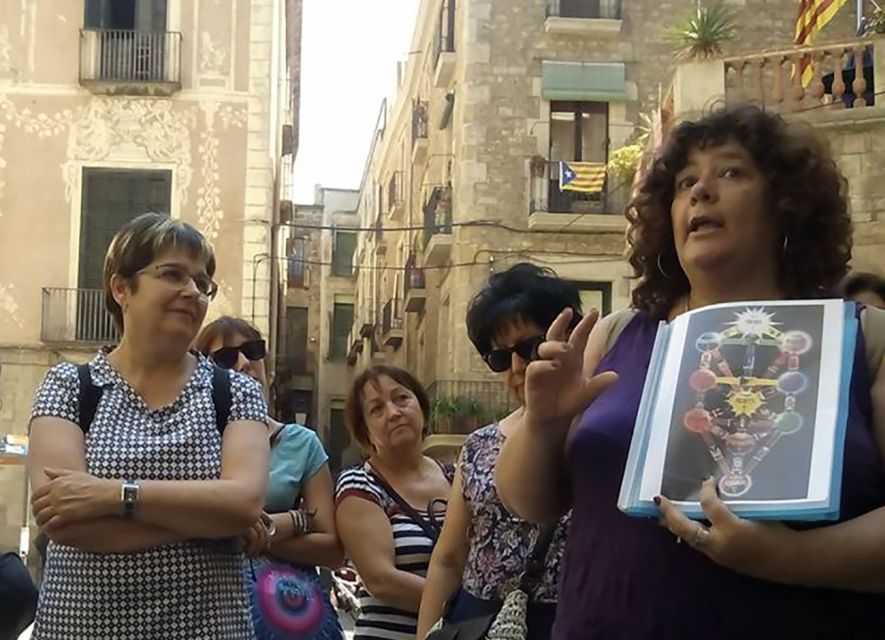
- Small group (up to 8): easier to ask questions and keep the pace human.
- Western esoterica in real streets: the tour’s theme is applied to churches, carvings, and urban layers.
- Gothic Quarter medieval feel: you’ll walk through the area that helps Barcelona feel medieval again.
- Templar and Mason symbolism: your guide points out Templar/Masonic marks in and around the cathedral area.
- Jewish history, famous rabbis, and Kabbalist schools: the Jewish quarter story becomes part of the city’s spiritual map.
- Dragons and hermetic symbolism framing: the guide reads the city as a symbol-rich place, not just an architecture scrapbook.
Why this esoteric walk feels practical in Barcelona
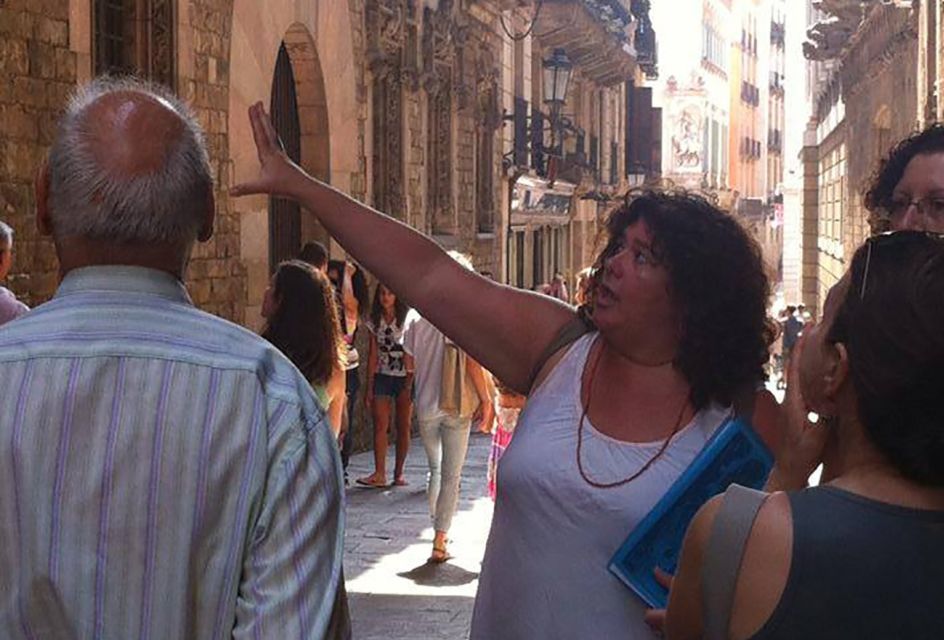
Barcelona is famous for big names and famous buildings. But this experience asks a sharper question: what if the city also left clues for people who thought in symbols, rituals, and hidden meanings? That’s the core idea behind this tour. You walk with a specialist in Western esoteric traditions who treats the Gothic Quarter like a living text.
I like this format because it doesn’t ask you to pretend. It gives you anchors you can see: medieval churches, Roman-era echoes (Barcino), and later layers of belief expressed through architecture and iconography. Then the guide connects those anchors to themes like Templars, Freemasons, and Kabbalah—always with the street as the reference point.
The mood stays friendly. Based on how the guide is described, you’ll get a teacher’s energy—warm, humorous, and tuned to discussion. If you like asking why a city looks the way it does, this kind of tour gives you a second layer to hold in your head as you wander on your own.
You can also read our reviews of more tours and experiences in Barcelona.
Meeting at Plaça Catalunya: fast start, clear meeting spot
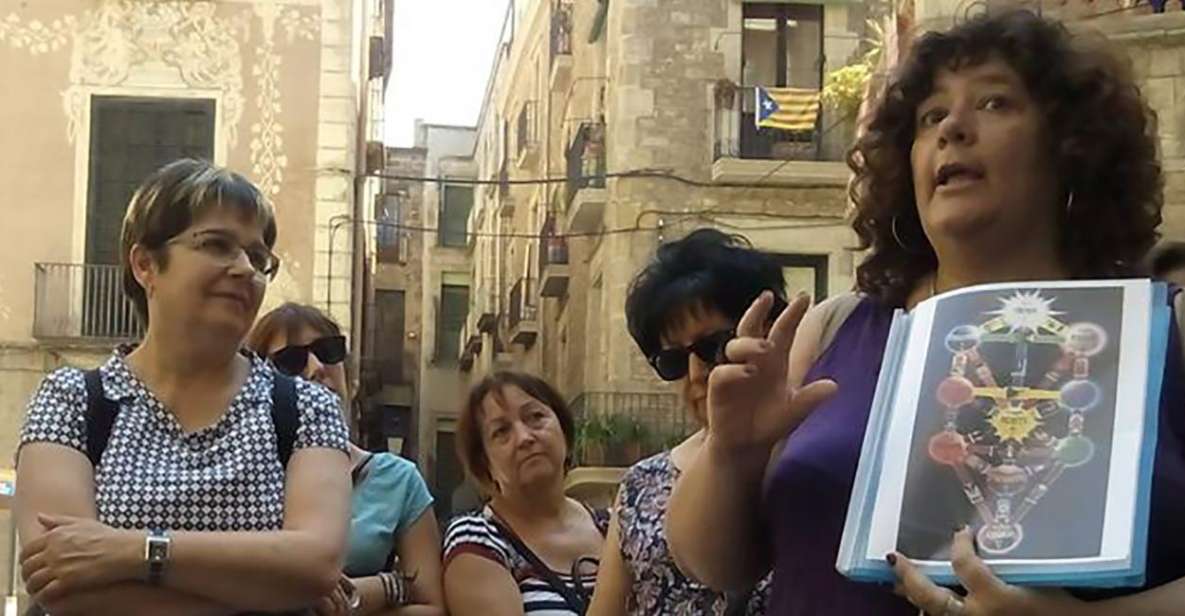
The meeting point is in front of Zurich Cafe at Plaça Catalunya, right by the newsstand between the two metro entrances. That matters more than people think. Plaça Catalunya can feel like a hub maze, and with a 3-hour window you want zero time lost hunting.
Plan to arrive a few minutes early so you can start the walk on time. The group is small (limited to 8), so the guide can quickly get a sense of what you want from the experience—history only, symbolism only, or that mix that makes Barcelona feel like it has secrets.
Also pack like you’re doing real walking. Comfortable shoes matter here. In summertime, bring water, and keep your essentials secure while you move through the older streets.
Entering the Gothic Quarter: where 2,000 years start to feel close
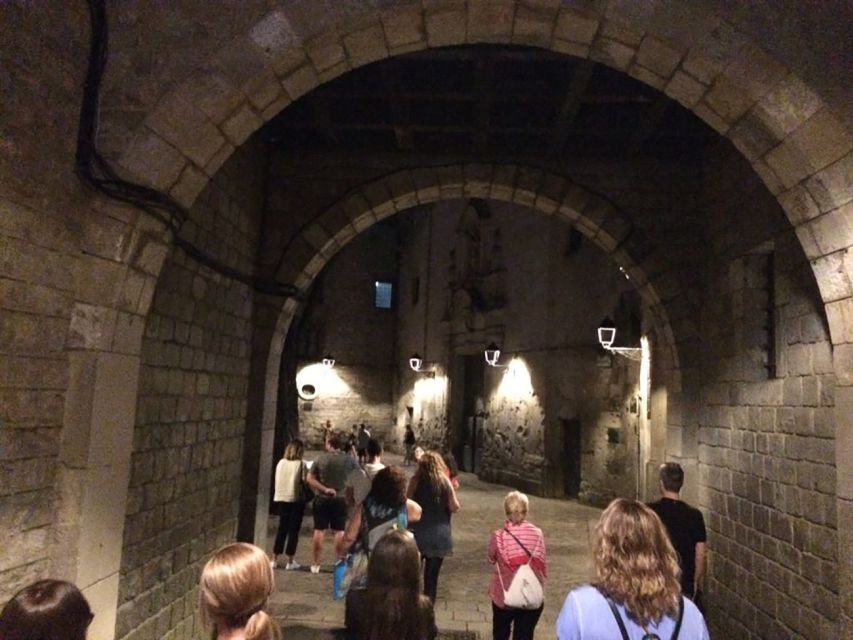
Your route centers on the Gothic Quarter, the area that helps Barcelona feel medieval the moment you step in. But this tour isn’t just about atmosphere. It’s about reading layers.
The guide frames the story from early foundations—Roman Barcino is part of the narrative—then moves forward through the medieval city’s power and identity. That’s the practical value: once you understand that you’re moving through multiple time periods, you stop treating buildings like isolated photos. You start seeing them as part of a long urban conversation.
As you stroll, you’ll get “place-based history,” meaning the tour tries to tie what you see to why it happened and who was involved—counts, sailors, merchants, and Mediterranean connections. It’s the kind of context that helps you later recognize architectural patterns on your own.
A small note to keep your expectations aligned: because the tour’s theme is esoteric spirituality, your stops won’t just be the most famous corners. You’ll spend time on details that casual sightseeing can miss—symbols, references, and motifs that the guide knows how to interpret.
Jewish Barcelona and Kabbalah in Catalonia: more than a side story
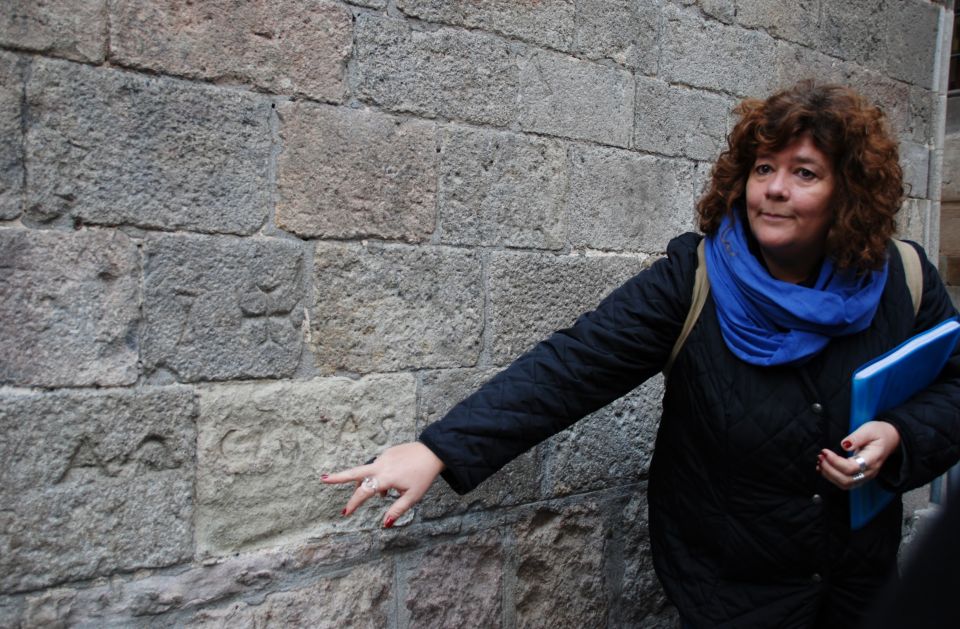
One of the most compelling parts of this walk is the Jewish chapter. The tour specifically focuses on the old Jewish call (the Catalan term for a Jewish quarter), then links it to the emergence of Kabbalah in Catalonia.
Why is that valuable? Because Barcelona’s spiritual story isn’t only Christian or only Roman. It’s also shaped by communities who brought scholarship, mysticism, and distinct traditions that influenced the intellectual climate of the region. When the guide discusses famous rabbis and Kabbalist schools, the goal is to show you how ideas traveled through time and place—then how those influences can echo in the city’s later symbolic language.
This segment also helps you slow down. You’re not just passing through historic streets; you’re learning what each layer might represent, and that changes how you experience the quarter. You’ll likely find yourself making mental bookmarks: that’s where the city’s spiritual diversity shows up in the narrative, and that helps you connect later discoveries during the rest of your trip.
If you enjoy history but get bored by dry timelines, this part can feel more like mapping a worldview than memorizing dates.
Templar and Mason symbols in the cathedral: reading stone like a clue
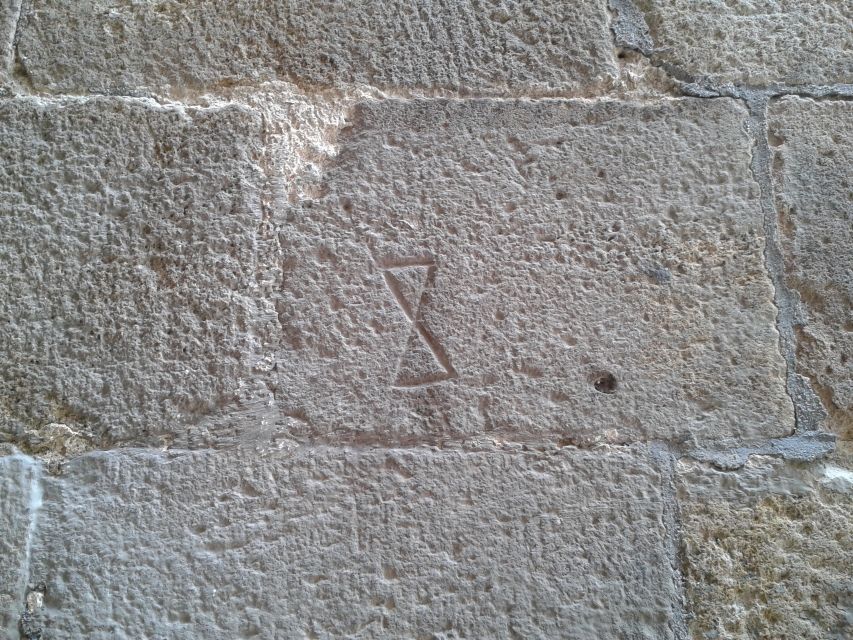
The tour highlights the cathedral area because it’s where symbolism becomes concrete. You’ll be shown Templar and Masonic symbols in the Gothic cathedral—described as an esoteric basilica with a touch of alchemy.
Here’s the key practical takeaway: symbols can be easy to miss when you’re just scanning for beauty. On this tour, your guide points you to what to look for and explains what the symbols are meant to suggest within Western esoteric traditions. The focus isn’t only on what the cathedral is as a landmark. It’s on how its iconography can function as a coded language for certain belief systems.
The tour also frames Templar remains and related themes as part of the city’s mystical footprint. I’d treat this as a guided interpretation anchored in visible details. You’re learning how to see how traditions are read through architecture—especially when people in different eras repurposed or reinterpreted sacred spaces.
One more thing: the guide’s approach is described as clear and engaging, which matters. When the theme is symbolism, confusing explanations can sink the whole experience. The positive feedback emphasizes that she explains in a way that makes it feel understandable, not vague.




Freemasonry, Gaudí, and the question of modern design
This tour doesn’t stop at medieval Europe. It pushes forward with the idea that Barcelona’s modern identity was shaped by later mystery traditions, including Freemasonry.
The tour specifically raises two questions:
- Did modern Barcelona get designed by a Freemason?
- And was Gaudí a Freemason?
Even if you arrive with skepticism (reasonable), this segment can still be enjoyable because it gives you a framework for looking at how ideas attach to famous people and city planning. You’re not forced into belief. Instead, you’re given a way to ask better questions when you look at Barcelona’s later design and ornament.
You’ll also hear about the splendor of 19th-century Freemasonry and how it fed into the idea of a city with an active symbolic life. That’s how the tour keeps the “esoteric” theme from feeling stuck in the past. It treats Barcelona like a place where different waves of thought left marks that still shape how the city gets explained.
A quick reality check: these topics are interpretive by nature. The value for you is the guided way of reading symbols and stories, not treating every claim as an unquestionable fact.
Dragons, hermetic symbolism, and the city as a symbol-rich place
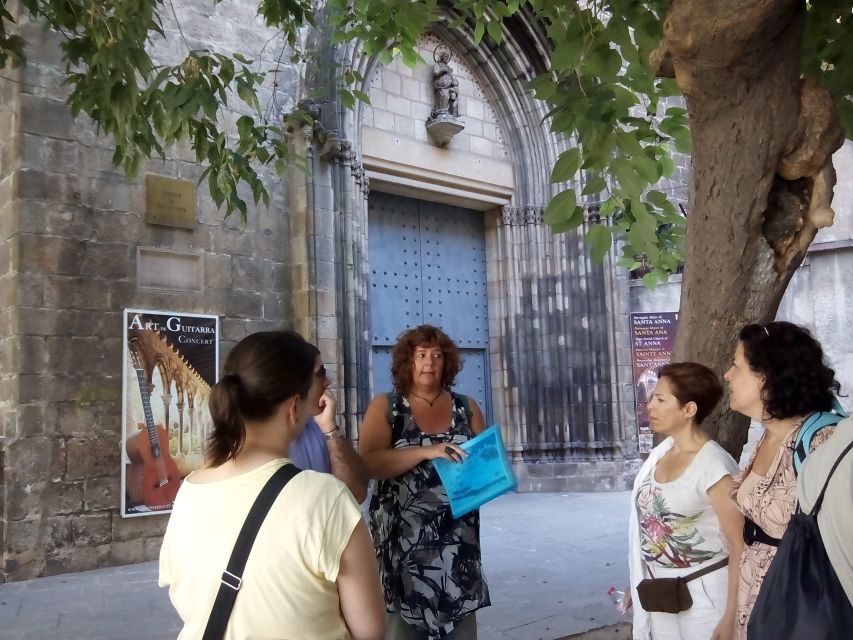
Barcelona has a reputation for fantasy-like elements, and this tour leans into that. You’ll hear about a magical city full of dragons and hermetic symbolism.
This isn’t just “fun decoration.” In the logic of Western esoteric traditions, symbols are thought to point beyond themselves. So the guide uses these images to keep the city feeling like a message rather than a postcard.
If you like mythology and symbol-systems, this is a real mood shift. You’ll leave with a new habit: noticing motifs you would’ve ignored before. And that’s something you can carry through the rest of your trip, turning random street corners into potential clues.
Pacing, questions, and what 3 hours feels like
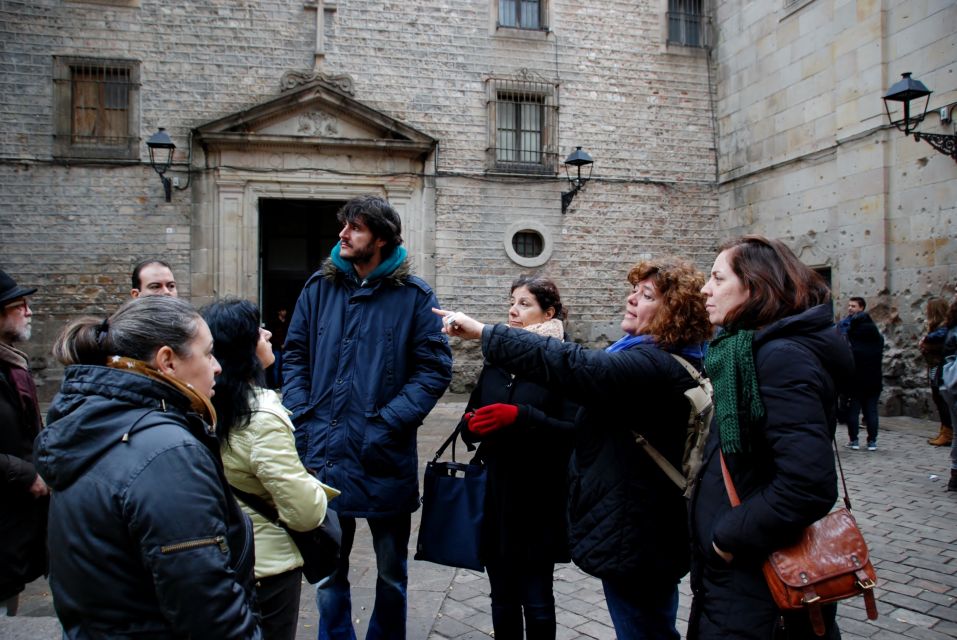
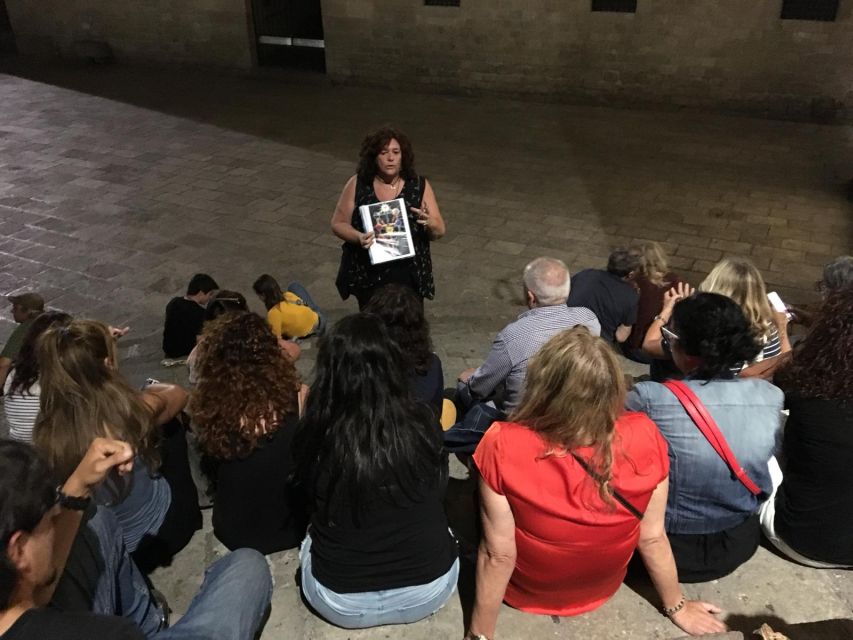
With a 3-hour duration and a group limited to 8, the pace is designed to stay conversational. From feedback about Sandra’s style, she’s willing to answer lots of questions and tailor the discussion based on what you want to learn. That’s a big deal on niche tours—without interaction, they can feel like a one-way lecture.
So here’s how to get the most out of it:
- Ask for clarification when a symbol appears. If you don’t understand one sign, the whole “language” of the tour becomes harder to read.
- Tell the guide what you prefer: more history facts, more symbolism, or a balanced mix.
- Bring curiosity. This isn’t a tour that assumes you already know the terms.
The Gothic Quarter involves steady walking on older streets. You’re getting a concentrated area focus, which is ideal if you’re on a tight schedule and want a new perspective early in your stay.
Price and value: is $88 worth it?
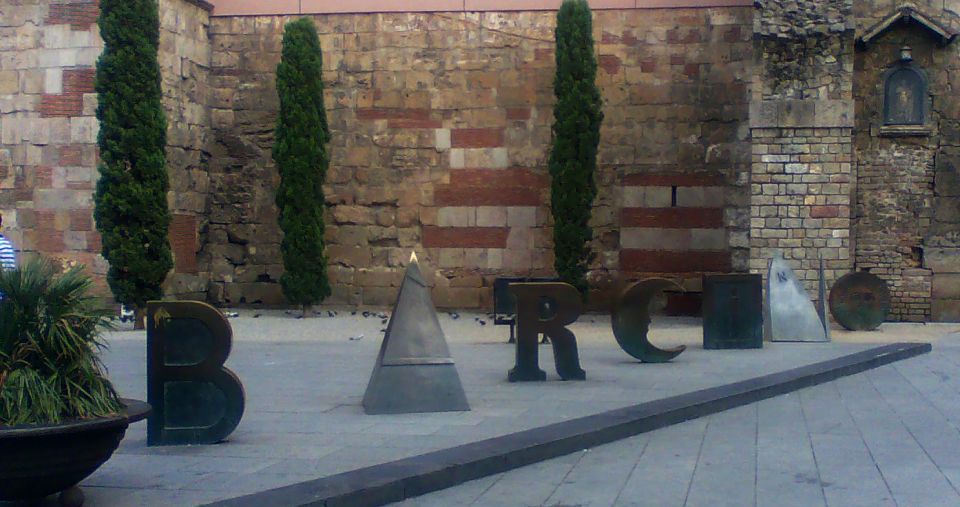
At $88 per person for a 3-hour, small-group experience with a specialist guide, you’re paying for three things:
- A focused topic (Western esoterica applied to Barcelona rather than a general city-history sweep).
- Smaller group size (limited to 8), which improves interaction and keeps the experience from feeling rushed.
- Guided interpretation, including identifying symbolic elements like Templar and Masonic marks.
If you’re the type who loves mainstream highlights, you might feel the value is lower. If you enjoy ideas and symbolism, you’ll likely feel the opposite: the price buys you access to a guide who can connect threads most tours never even mention—Jewish mysticism and Kabbalah in Catalonia, Freemasonry themes, and how the Gothic cathedral area gets read through that lens.
In other words, you’re not paying for convenience. You’re paying for a sharper way to see the city. For $88, that can feel like a bargain if it matches your interests.
Practical tips so you don’t waste energy
This is a walk, plain and simple. I’d plan your day so you’re not arriving exhausted or with blisters already forming. Wear comfortable shoes and keep a safe way to carry your belongings.
In summertime, bring a bottle of water. It’s not glamorous advice, but it makes the difference between enjoying the streets and counting minutes until you can sit down.
If you tend to get cold easily indoors, remember you may pause at churches and cathedrals depending on the route. Bring a light layer you can manage without slowing your group.
Also: arrive a few minutes early at the Zurich Cafe meeting point, so you’re not starting the tour tense.
Should you book this esoteric Barcelona tour?
Book it if you want Barcelona to feel like more than architecture and postcards. You’ll probably love the way this tour treats the Gothic Quarter as a layered symbol map, especially the sections that focus on Jewish history and Kabbalah, and the cathedral area where the guide points out Templar and Masonic symbolism.
Skip it (or choose a different style of tour) if you’re only interested in standard, widely repeated sightseeing facts. The whole premise here is interpretive. It works best when you’re curious and willing to read the city through an esoteric tradition lens.
If you’re on the fence, here’s my simple rule: if the idea of finding meaning in symbols and turning history into a guided story excites you, this tour is a strong match for your Barcelona days.
FAQ
How long is the Barcelona Esoteric, Spiritual & Historical Tour?
It lasts 3 hours.
What is the price per person?
The price is $88 per person.
Where do we meet for the tour?
Meet in front of Zurich Cafe at Plaça Catalunya, next to the newsstand between the two metro entrances.
Is the tour guided in English?
Yes, the live tour guide speaks English.
How big is the group?
The group is limited to 8 participants.
What should I bring or wear?
Wear comfortable walking shoes. In summertime, bring a bottle of water and use a safe way to carry your belongings.
Is free cancellation available?
Yes. You can cancel up to 24 hours in advance for a full refund.
Can I reserve without paying right away?
Yes. You can reserve now and pay later.
What areas of Barcelona does the tour focus on?
The walk centers on the Gothic Quarter and includes visits and viewpoints connected to the cathedral area and other nearby historic layers.
Does the tour cover religious and esoteric topics?
Yes. It focuses on Western esoterica and spirituality connected to Barcelona’s historical layers, including themes related to Templars, Freemasons, and Kabbalah, plus stories of the Jewish community.