REVIEW · BARCELONA
Barcelona: Classical Music Concert of Vivaldi, Mozart & More
Book on GetYourGuide →Operated by The Liberty Productions · Bookable on GetYourGuide
One hour, and the city goes quiet. I love the chance to hear major classical works in the Basilica of Our Lady of Mercy, and I really like how the program blends big-name favorites with pieces that tug at the emotions. One thing to consider: the church can feel chilly or hot depending on when you go, so bring a light layer.
You’ll sit in a baroque landmark just steps from La Rambla while the Barcelona Gala Orchestra performs, with violin soloist Alba Compte Rojas and soprano Ariadna Clapés Capdevila taking turns in the spotlight. The concert runs about one hour, and there’s no dress code.
In This Review
- Key things to know before you go
- A baroque basilica concert near La Rambla
- The program that goes from bright to thunderous in 60 minutes
- How the soprano and solo violin shape the mood
- The venue matters: sound, sightlines, and that church hush
- Picking your seating: choose your comfort and your listening goal
- Before the concert: how to plan your walk from La Rambla
- What you’re really paying for: value at about $30
- Who should book this concert?
- Should you book this Barcelona classical concert?
- FAQ
- How long is the concert?
- Where does the concert take place?
- What’s included with the ticket?
- Is transportation or food included?
- Who performs in the concert?
- What pieces are on the program?
- Is there a dress code?
- Is the venue wheelchair accessible?
Key things to know before you go
- A star solo violin moment with Alba Compte Rojas, plus a soprano-led highlights section
- A “greatest hits” mix in one sitting: Four Seasons, Requiem (Lacrimosa), Ave Maria, Bolero, and more
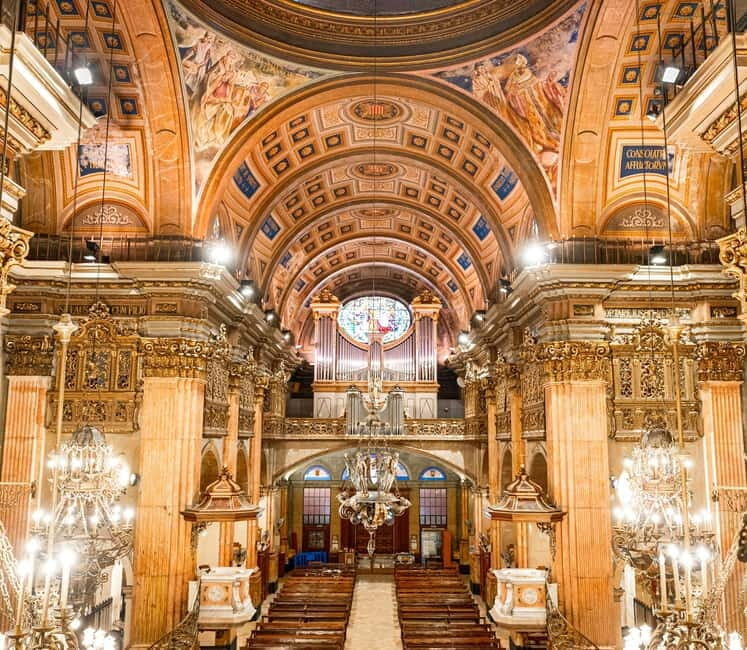
- Stunning venue acoustics in a baroque basilica that makes quiet passages carry
- Right by La Rambla, so you can easily pair it with an evening out
- No-frills concert setup: ticket in hand, printed program, then music on the dot
A baroque basilica concert near La Rambla
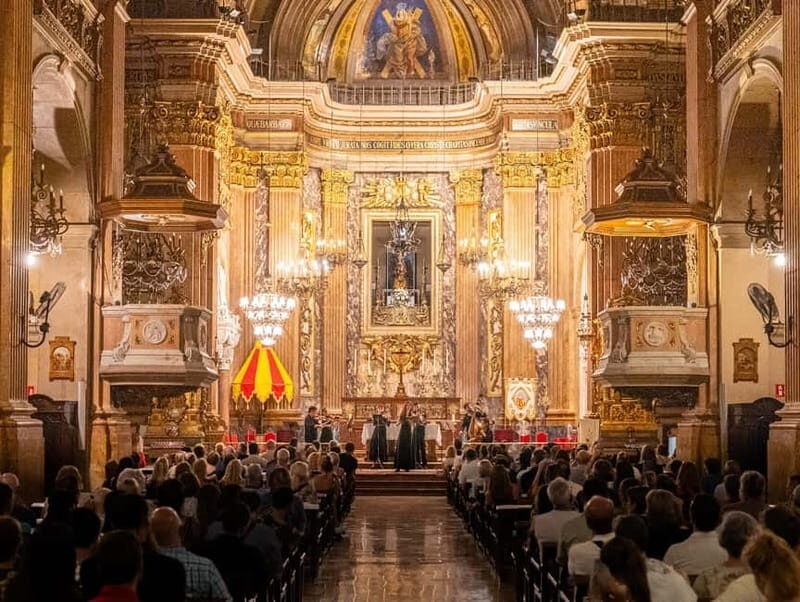
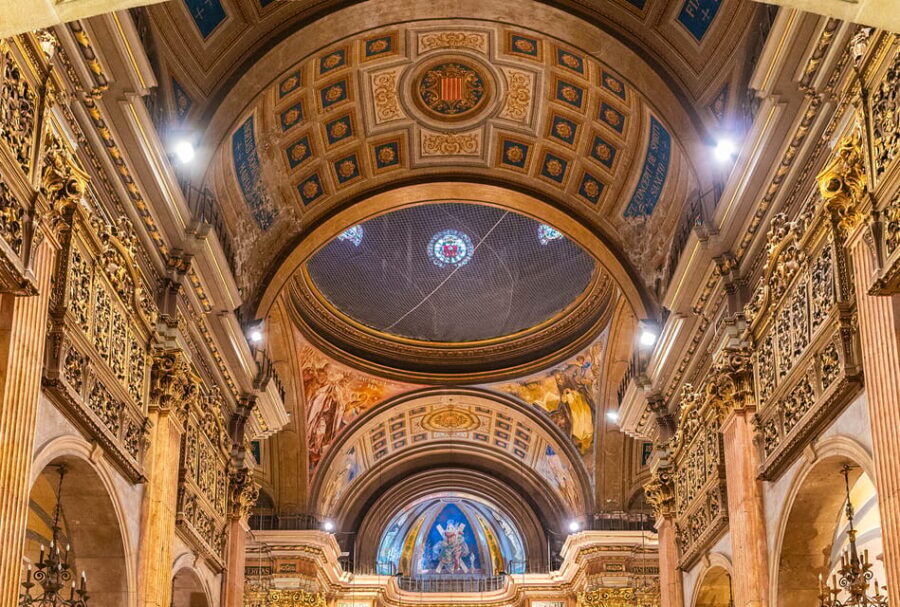
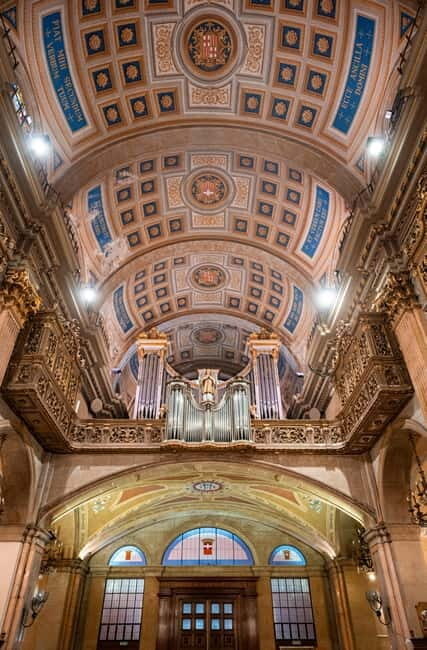
Barcelona has plenty of big sightseeing days. This is the opposite: an hour where you slow down and let sound do the work. The Basilica of Our Lady of Mercy gives the music a built-in sense of drama. You’re not in a modern hall designed for maximum comfort and minimum character. You’re in a church space that already looks like it was waiting for Mozart and Vivaldi.
I like that it’s also practical. The basilica sits in the heart of Barcelona, just a short walk from La Rambla, so you don’t need to plan your whole evening around getting across town. You can do dinner and wandering, then step inside for the concert without turning your night into logistics.
Also, no dress code means you don’t have to “perform” for the evening. Jeans, a clean shirt, comfy shoes you can move in—done. Your main job is showing up on time for the entrance process.
You can also read our reviews of more tours and experiences in Barcelona

The program that goes from bright to thunderous in 60 minutes
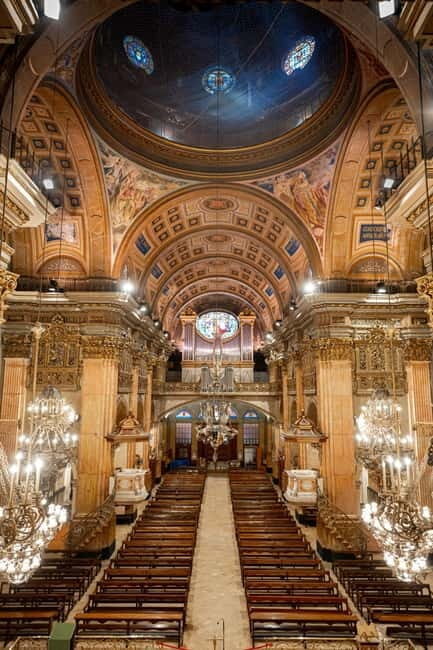
This concert is built around contrast. One moment you’re in sparkle-and-sunshine mode, then suddenly you’re in moodier, heavier territory, and it all lands in one clean one-hour flow.
Here’s the lineup you can expect to hear:
- Vivaldi: The Four Seasons (Spring and Summer)
- Pachelbel: Canon and Gigue in D major
- Mozart: Requiem (Lacrimosa)
- Bach: Air on the G String
- Schubert: Ave Maria
- Mozart: Divertimento in D major
- Beethoven: Symphony No. 5 (Allegro)
- Handel: Ombra mai fu from Xerxes
- Ravel: Bolero
What that means for you, as a first-timer: you’ll get instant-recognition moments even if you don’t call yourself a classical-music person. The Four Seasons is the kind of music that feels visual. Canon in D is famous for its steady, hypnotic flow. Then you get Mozart’s Requiem (Lacrimosa), which shifts the emotional gear fast, with that long-breath feeling that makes the room go quiet.
And you get Beethoven’s Symphony No. 5 (Allegro). That’s not subtle. It’s momentum. It’s the musical equivalent of a hand on your shoulder steering you forward. Ravel’s Bolero closes with build and repetition, where tension grows just by staying the course.
How the soprano and solo violin shape the mood
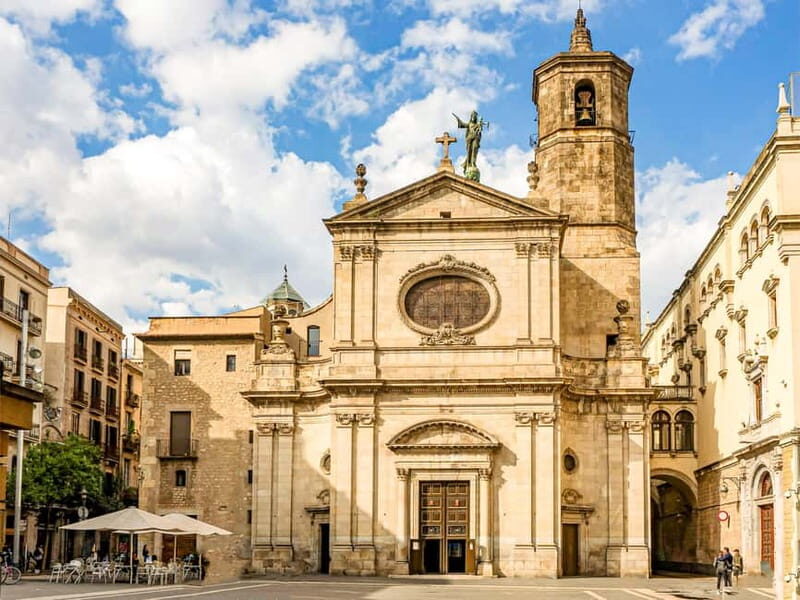
This is one of the biggest reasons I’d put this on your “yes list.” It’s not only orchestra music from start to finish. You also get focused spotlight moments with two named soloists.
Violin soloist Alba Compte Rojas brings the kind of phrasing you feel in your ribs. In pieces like the Air on the G String, the violin can sound like a voice—sustained, singing, and intensely controlled. Even if you’ve never listened closely before, you’ll notice the violin lines are doing emotional work, not just filling space.
Then soprano Ariadna Clapés Capdevila is there for the vocal pieces that shift the whole character of the concert. Schubert’s Ave Maria is the obvious one—soft devotion, clear melodic shape, and a sound that carries in a church. Mozart’s Requiem (Lacrimosa) also leans into that kind of sacred, inward tone.
A lot of people expect “pleasant background music.” This isn’t that. With soprano and violin in the mix, the concert has real peaks—moments where you stop thinking about the city and start following the performers.
The venue matters: sound, sightlines, and that church hush
A basilica can be tricky in a good way. In a great acoustics room, quiet details don’t get lost. In a not-so-great one, you might hear more room than music. Here, the venue’s reputation is clearly strong: you can expect the space to support the orchestra and help carry the solo lines through the hall.
I’d still plan with a little common sense. This is a church setting, so keep your ears open for how your seat affects balance. If you sit too far back or too close to a reflective wall, you might get a slightly different blend of strings versus voices. That’s not a failure—it’s physics.
Also, the room can be temperature-sensitive. Some nights feel cold; other times it can run warm, especially during summer evenings. If you’re sensitive, wear layers. You’re going to sit for about an hour. Comfort is part of enjoying the music.
Picking your seating: choose your comfort and your listening goal
You can choose from different seating options, which is a rare but useful perk for a one-hour concert. Use that choice smartly.
- If you want the best overall “blend,” pick a seat where you can see the orchestra comfortably without craning.
- If you care most about the soprano, aim for a spot with a clear view toward the performance area so you can track facial expression and phrasing.
- If the temperature is a concern, consider that closer seats might feel different from the rest of the room. I like to check what’s reasonable for comfort rather than chasing the most central view on pure theory.
One more tip: don’t treat this like a casual walk-in. Arrive on time for entrance. Concerts like this work best when everyone settles before the first notes.





Before the concert: how to plan your walk from La Rambla
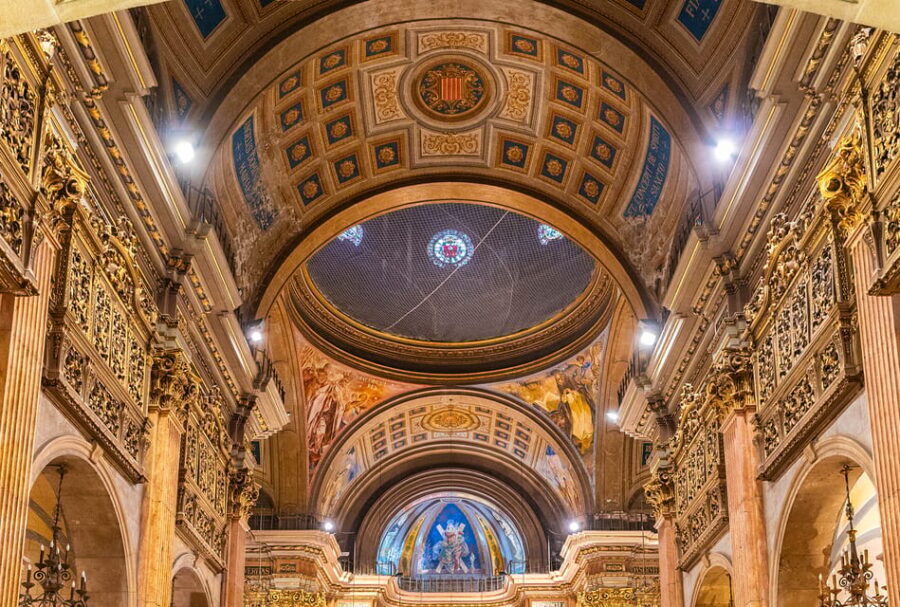
Since the basilica is in central Barcelona, you can keep your day flexible. I’d build a small buffer so you can wander a bit, grab a drink or snack nearby if you want, and still get there calmly.
Nothing is included for food or drinks. That’s fine. It also means you’re free to fit your meal style to your budget and time. If you prefer eating before the concert, you have that option. If you’d rather do a late dinner afterward, that’s also simple because you’re back in the city center.
The key is this: show up, get seated, and let the hall do its job. Once the music starts, you’ll notice how quickly your brain stops checking your phone and starts listening.
What you’re really paying for: value at about $30
At around $30 per person, the value here comes from three things that add up fast:
- A full one-hour performance featuring an orchestra plus named soloists
- Recognition factor with major works you’ll likely know or instantly recognize
- A remarkable venue experience that feels special without extra frills
You’re not paying for a long “event day.” You’re paying for a concentrated hit of classical music in a striking setting. If your Barcelona itinerary is packed with architecture and museums, this is a smart way to add something emotional and different.
Is it worth it if you only casually like classical music? I think yes—especially because the program is built for variety. Canon, Bolero, Four Seasons, Requiem, Ave Maria, Beethoven’s Fifth opening—this is the kind of mix that can win over skeptics without drowning you in deep cuts.
Who should book this concert?
This works well if you:
- want a low-effort evening with a high cultural payoff
- enjoy vocal performances and solo moments, not just instrument-only programs
- like the idea of hearing famous works in a real, historical-feeling venue
It’s also a good fit for couples and friends who want a shared experience that doesn’t require “explaining art.” The music does the explaining.
One practical note: unaccompanied minors aren’t allowed. If you’re traveling with kids, plan carefully based on that rule.
Should you book this Barcelona classical concert?
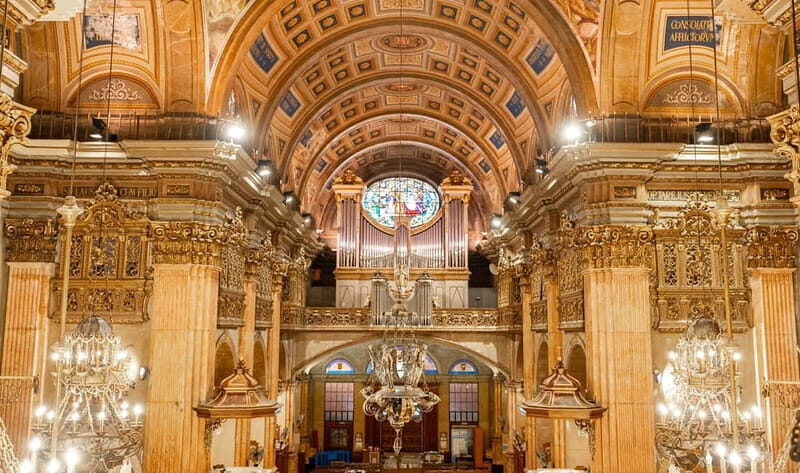
If you want one great evening that’s easy to slot into central Barcelona, book it. For about $30, you get an hour of orchestra music with two named soloists, in a basilica that looks and sounds like it was made for this kind of program.
I’d especially book if you like variety: sunny Vivaldi, sacred Mozart and Schubert, dramatic Beethoven, and a final wave of Ravel. If you’re sensitive to temperature or your schedule is tight, arrive a little early and wear a layer. Do that, and you’ll walk out with that rare feeling of having your day quietly upgraded.
FAQ
How long is the concert?
It lasts about 1 hour.
Where does the concert take place?
At the Basilica of Our Lady of Mercy in Barcelona.
What’s included with the ticket?
Entry ticket and a printed concert program are included. There is also no dress code required.
Is transportation or food included?
No. Transportation, food, and drinks are not included.
Who performs in the concert?
The Barcelona Gala Orchestra performs, with violin soloist Alba Compte Rojas and soprano Ariadna Clapés Capdevila.
What pieces are on the program?
The program includes The Four Seasons (Spring and Summer), Canon and Gigue in D major, Mozart’s Requiem (Lacrimosa), Air on the G String, Ave Maria, Mozart’s Divertimento in D major, Beethoven’s Symphony No. 5 (Allegro), Handel’s Ombra mai fu, and Ravel’s Bolero.
Is there a dress code?
No dress code is required.
Is the venue wheelchair accessible?
Yes, the activity is wheelchair accessible.