REVIEW · BARCELONA
Barcelona in Mystery Key
Book on Viator →Operated by Sergio · Bookable on Viator
Barcelona has secrets on every block. This initiation-style walk is a break from the usual Gaudí and Gothic checklist, blending street theater with real urban details and old legends. I love how guide Sergio makes it participatory, so you’re not just watching—you’re looking closely and answering prompts along the way. One possible drawback: the material leans into mystery and symbolism, so if you want a purely academic history tour, this may feel a bit spooky or playful.
I also like that the route hits masonic, magic, and fascist altars and still lands on specific Barcelona questions you can picture yourself on a later stroll. Stuff like the pregnant virgins of Plaza Catalunya, whether the Knights of the Holy Sepulcher of Jerusalem ever had a link here, and where Estruch de Sacanera the magician lived all get treated like threads you can follow. It’s a fun 3 hours where the city’s myths and popular heritage walk side by side.
In This Review
- Key points worth knowing before you go
- A street mystery tour that works like an initiation
- Where the tour starts (and how the timing plays out)
- Why the mysteries center on altars (and what you’ll learn from that)
- Stop 1: The masonic altar and the idea of hidden societies
- Stop 2: The magic altar, Estruch de Sacanera, and Plaza Catalunya
- Stop 3: The fascist altar and why symbols survive
- The best part: the questions Sergio uses to pull you along
- The initiation format: why it beats the usual theme tour feel
- Price and value: what $18.52 gets you in real terms
- Who this tour is perfect for (and who should skip it)
- Who might not love it
- Weather, walking pace, and the one real consideration
- Should you book Barcelona in Mystery Key?
- FAQ
- How long is Barcelona in Mystery Key?
- Where does the tour start and end?
- How much does it cost?
- Is it a walking tour and what kind of experience is it?
- How big are the groups?
- Can I cancel for a full refund?
Key points worth knowing before you go
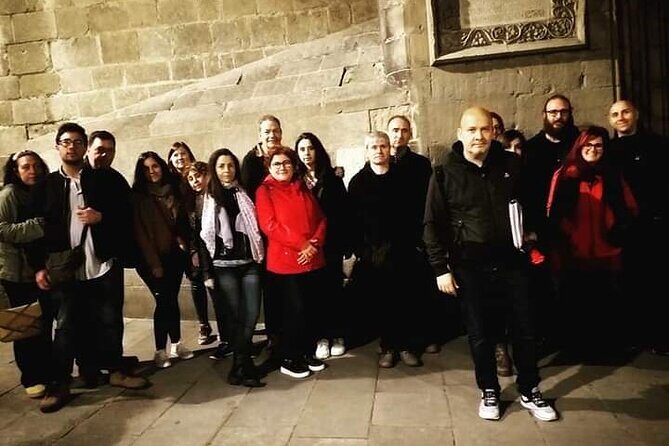
- A small group of up to 20 keeps the mood conversational, not like a lecture line
- Three symbolic stops: masonic, magic, and fascist altars, each with city anecdotes
- Guide Sergio’s style turns street details into answers to real questions (and a few good laughs)
- Plaza Catalunya gets a reality-check twist, including the pregnant virgins story
- Good-weather dependent route, since it’s a street walk for about 3 hours
- A sequel experience exists: Barcino Code: The Revealed City continues the thread
A street mystery tour that works like an initiation
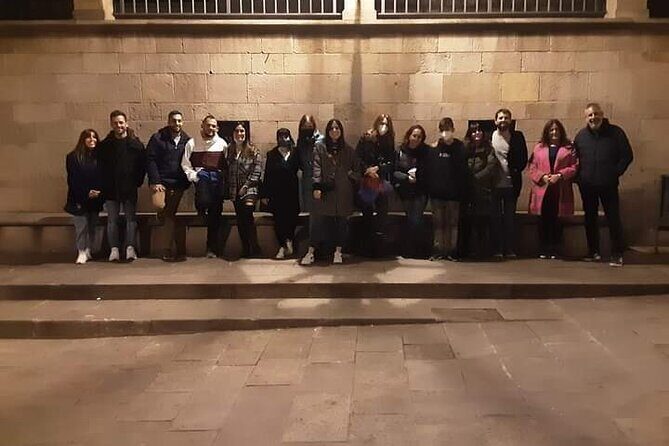
This isn’t the kind of tour that hands you a neat timeline and calls it a day. Barcelona in Mystery Key is built like an initiation route. You start with a sense that the city has a double life—half myth, half street reality—and then the guide threads the two together step by step.
What makes it interesting is how the stories are tied to places you can actually find again. You’re not just hearing spooky legends for the sake of being spooky. The route uses street corners, symbols, and local anecdotes to answer big questions, including whether certain groups were ever present in Barcelona, and why certain images keep showing up in popular folklore.
If you like walking tours where you’re actively paying attention—spotting details, reacting, and learning by noticing—this one fits. If you prefer quiet museums and facts on paper, you might want a different format.
You can also read our reviews of more tours and experiences in Barcelona.
Where the tour starts (and how the timing plays out)
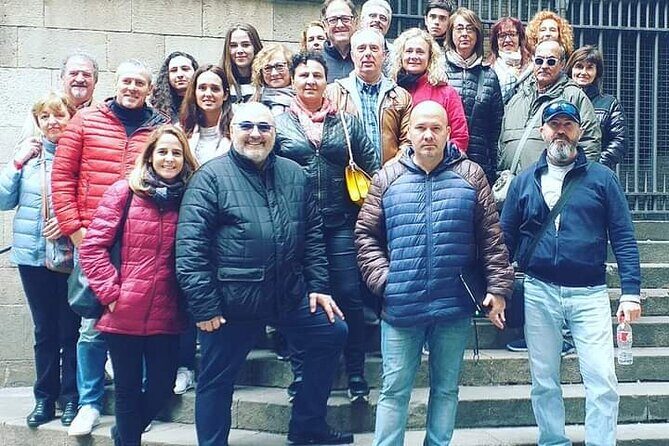
The walk starts at CataloniaEixample (08002), Barcelona, and it ends back at the same meeting point. That loop matters more than you might think. It means you can use the tour to reset your bearings in the center without guessing your way through afterward.
The duration is about 3 hours. At that length, you’ll get enough time for the story to evolve, but not so much that you feel drained unless you’re doing a full day of sightseeing right after. With a maximum of 20 travelers, it stays small enough that Sergio can keep the energy up and still move the group along.
You also get a mobile ticket, which is handy in Barcelona where you’re constantly bouncing between metro stops, plazas, and street-level finds. And since it’s near public transportation, you can slip it into a weekend schedule without turning it into an all-day logistics puzzle.
One more practical note: it’s an outdoor street and participatory experience. Wear shoes you trust. You’ll be walking and thinking at the same time.
Why the mysteries center on altars (and what you’ll learn from that)
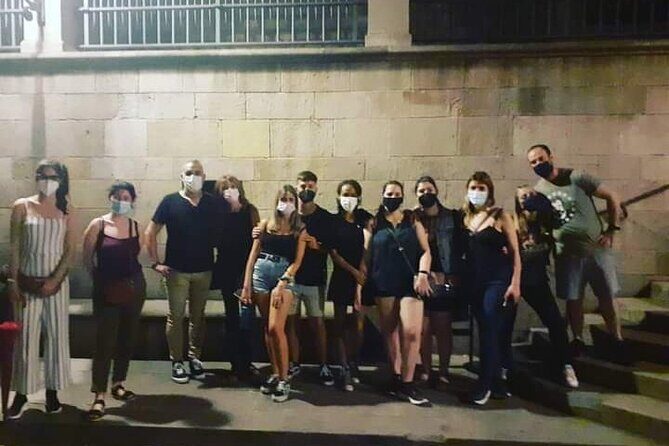
A lot of Barcelona tours lean on architecture. This one leans on symbols.
You’ll visit three altars during the route: a masonic altar, a magic altar, and a fascist altar. That triad is the backbone of the “initiation” feel. It’s not random edgy theming—it’s a way to show how different beliefs and power systems leave marks in the city’s story, even when the original meaning is lost, twisted, or absorbed into local legend.
Here’s the useful angle for you: when you understand how symbols travel through time, you start seeing layers. A street detail that looks meaningless at first becomes a clue. A famous square becomes less predictable. And the city starts feeling like a puzzle you can actually solve while you walk.
Stop 1: The masonic altar and the idea of hidden societies
The masonic stop is where the tour starts blending the unusual with the recognizable. Instead of treating masonry as a vague “secret society” label, the guide’s approach is to connect it to the city’s anecdotes and to the way groups can influence what people choose to honor publicly—or to keep private.
You’ll hear questions that help you think differently about presence and traces. For example, the tour plays with the idea of what organizations might have been in Barcelona long ago, and what you can infer from symbols rather than documents alone.
What I’d recommend you do on this first part: stay curious, not skeptical. You can keep a critical mind. At the same time, let the guide show you how myths gain traction. That’s where the tour becomes fun, not just “weird.”
Potential drawback here: if you’re allergic to mystery framing, the “myth vs reality” balance can feel a little dramatic early on. But the pacing usually sorts that out by keeping the stories tied to concrete street details.
Stop 2: The magic altar, Estruch de Sacanera, and Plaza Catalunya
Then the story turns sharper toward folk belief and the weird-but-believable side of Barcelona’s heritage.
At the magic altar, you’ll follow the thread of figures tied to magic and popular imagination. One named story you can look forward to is Estruch de Sacanera, the magician, including where he reportedly lived. That’s the kind of detail that makes a legend stop floating in the abstract and start feeling like part of a real neighborhood.
This is also where Plaza Catalunya becomes a hotspot for perspective. The tour includes the question of whether there are “pregnant virgins” in the square. You might not have noticed that kind of legend on your own, but with the guide’s framing, the square becomes a stage for how popular stories stick to public space.
How this helps you: Plaza Catalunya can feel like a transfer hub. After this, you’ll likely see it as a place where meaning accumulates. Not everything is provable, but the stories tell you what people paid attention to—then and now.




Stop 3: The fascist altar and why symbols survive
The third altar is the fascist altar. This is the most sensitive section of the route, because symbols tied to authoritarian regimes aren’t just weird folklore. They come with real historical weight.
The value here is the guide’s attempt to connect symbol language to the city’s layers of tradition and popular heritage, rather than turning it into shock entertainment. You’re basically learning how signage, imagery, and “memorial” style details can outlast the moment that created them—and how that survival changes what the city means to later generations.
A practical way to approach this stop: keep your head in the street. Notice what the guide points out, but also watch your own reaction. If you need a more celebratory mood during your trip, this section can feel heavier than the magic one. It’s still a street tour, not a dark theme park.
The best part: the questions Sergio uses to pull you along
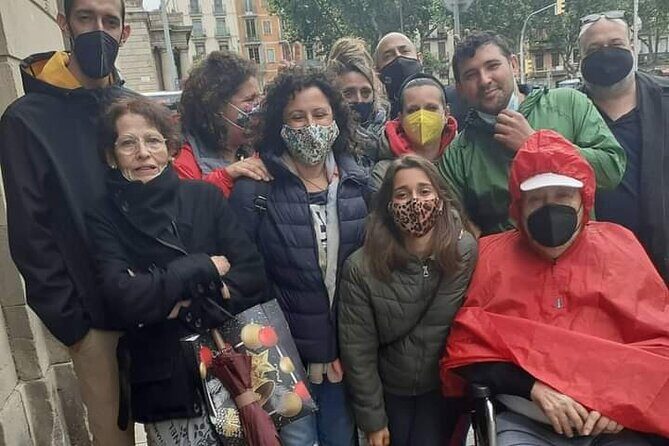
The route isn’t only about three altars. It’s also about the questions that pop up around them, like a scavenger hunt where the prize is understanding.
Expect to hear answers to questions such as:
- Were the Knights of the Holy Sepulcher of Jerusalem in Barcelona?
- Are there really stories about pregnant virgins in Plaza Catalunya?
- Where is the house said to be dedicated to the devil in the city?
- Where did Estruch de Sacanera live?
- What is the god that never sleeps in Barcelona?
You don’t need to memorize these. The guide uses them to keep you engaged and to connect what you see now with the myths that helped shape how locals interpreted the city.
If you like learning by association, you’ll probably enjoy the rhythm. Each answer gives you another angle for how to read Barcelona’s streets.
The initiation format: why it beats the usual theme tour feel
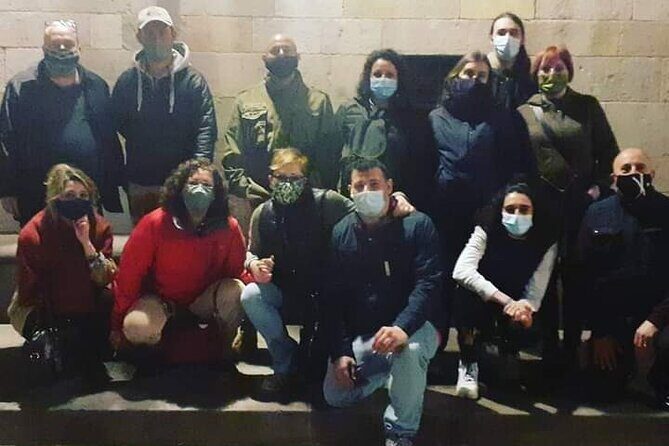
Most themed tours do one thing well: they list landmarks tied to a theme. This one tries to do something harder: it makes the theme feel like a way of thinking.
The initiation-style approach works because it keeps the story moving between layers:
- myth and reality
- the unusual and the hidden
- tradition and popular heritage
That matters for you because Barcelona is full of famous sights that can become background noise. When you switch to a mystery lens, you stop rushing. You start noticing. That’s the real payoff.
It also helps that this experience has a continuation. It’s linked conceptually to Barcino Code: The Revealed City, a second route that continues the thread. So if you like this style, you can treat it like a two-part “learn the city’s language” course rather than a one-off walk.
And yes, it’s also the kind of experience that works as a gift. It’s been offered as a gift through Smartbox, and the whole concept fits people who enjoy surprises more than lecture notes.
Price and value: what $18.52 gets you in real terms
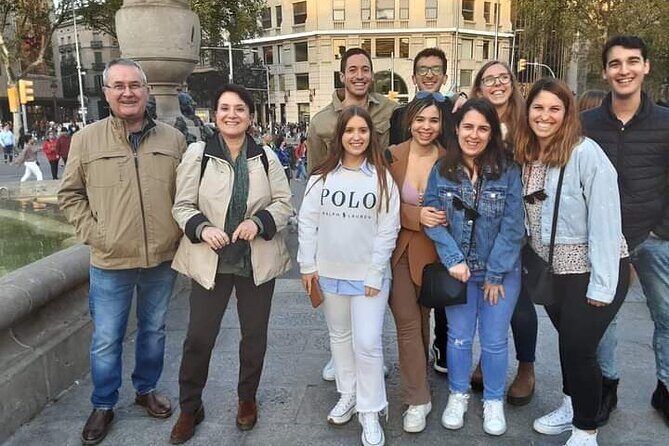
At $18.52 per person for about 3 hours, you’re paying for three things:
1) a guide who can translate symbolic street details into a story you can follow
2) time savings (you don’t have to research and then assemble the pieces yourself)
3) an experience format you can’t easily replicate alone without turning it into homework
This is where value can be hard to judge for a themed walk. But the small group size (max 20), the participatory vibe, and the fact that the tour centers on specific named stories and questions all help justify the price.
You’re not buying “Barcelona, but on a bus.” You’re buying attention, pacing, and a guided lens. If that’s your thing, it’s a solid deal.
Who this tour is perfect for (and who should skip it)
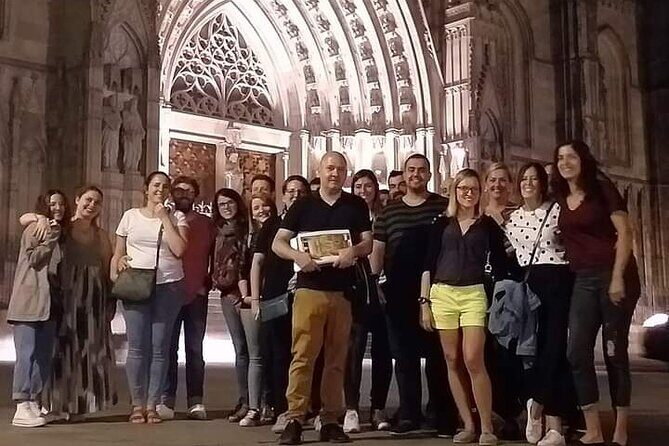
This fits best if you want:
- a fun, story-driven route that’s cultural without being stiff
- a way to see the center differently, especially around Plaza Catalunya
- a walking format where your eyes do the work, not just your ears
- something that can work for multiple generations (families included)
It can also be a smart pick for a weekend getaway because it gives you a fresh perspective fast. In a short trip, “new eyes” can matter more than checking every single landmark.
Who might not love it
Skip it if you:
- prefer museum-style explanations and clear timelines only
- want an architecture-focused tour with minimal weirdness
- struggle with outdoor walks, especially if the weather turns
Weather, walking pace, and the one real consideration
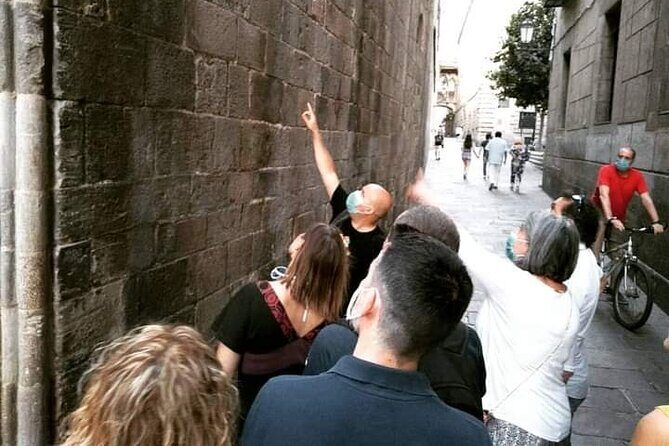
This is a street route, and it has a good weather requirement. If conditions aren’t right, it may be rescheduled or you’ll be offered a different date or a full refund.
So plan your day with a little flexibility. If you’re booking it during the period where rain is a coin flip, you’re taking on risk. The tour itself is still designed for most people to participate, and service animals are allowed, but the core experience depends on walking through the city.
If you want a smooth experience, wear comfortable shoes, bring a light layer, and keep your schedule flexible enough to adjust if Barcelona decides to be Barcelona.
Should you book Barcelona in Mystery Key?
I’d book it if you want Barcelona to feel like a puzzle you get to solve on foot. The three altar stops plus the named questions—Estruch de Sacanera, the pregnant virgins of Plaza Catalunya, the Knights of the Holy Sepulcher angle—are the kind of details that make a city stick with you after you leave.
I wouldn’t book it if your ideal tour is strictly factual and you’re not in the mood for mystery framing and symbolic storytelling. It’s playful and street-smart, but it’s still leaning into myth.
If you’re curious, enjoy walking tours, and like the idea of seeing the center through a different lens, this is one of the better-value “Barcelona, but not boring” options.
FAQ
How long is Barcelona in Mystery Key?
It’s about 3 hours.
Where does the tour start and end?
It starts at CataloniaEixample, 08002, Barcelona, Spain, and ends back at the same meeting point.
How much does it cost?
The price is $18.52 per person.
Is it a walking tour and what kind of experience is it?
It’s an eminently street and participatory route, focused on walking and stories rather than sitting.
How big are the groups?
The tour has a maximum of 20 travelers.
Can I cancel for a full refund?
Yes. You can cancel up to 24 hours in advance for a full refund, based on local time.