REVIEW · BARCELONA
Barcelona Marvels: A Guided Walking Tour of the City’s Highlights
Book on Viator →Operated by The Tipsy Tours · Bookable on Viator
Barcelona’s old streets have secrets.
This walking tour strings together the city’s key sights with the stories behind them, so you’re not just looking at buildings—you’re learning why they matter. I love the no-get-lost route and the way the guide turns familiar landmarks into something you can actually picture, like Catalan independence and Roman-era traces. One thing to keep in mind: the meeting point is easy to miss in the warren of Ciutat Vella, so have a map ready even if your phone signal is weak.
I also like the tour’s stop-and-explain format, with short time at each highlight (around 10 minutes). That pacing keeps it lively, and you get a mix of squares, religious buildings, and mosaics without feeling rushed or stuck in one place. Plus, the group stays small—up to 20 travelers—so it feels friendly instead of chaotic.
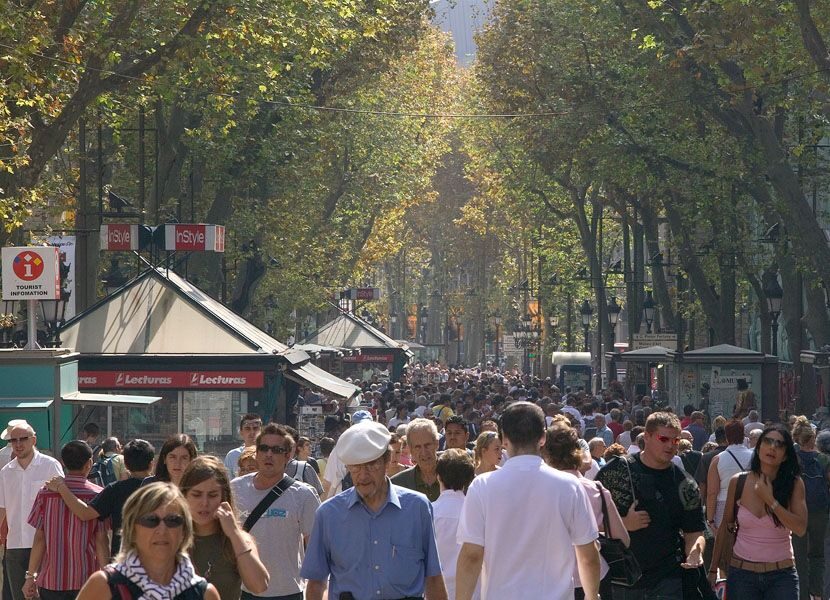
My main caution is logistics: the route is in an older area with narrow lanes and lots of standing. If you’re easily thrown off by a busy sidewalk or you rely totally on an internet-connected phone, you may find it a little harder to latch onto the tour at the start.
In This Review
- Key highlights you’ll feel on the walk
- Why this 2-hour highlight walk is such good value
- Stop 1 to Stop 2: Els 4 Gats and the story hidden in a mosaic
- Els 4 Gats (first stop)
- El Mon Neix En Cada Besada (second stop)
- Stop 3 to Stop 5: the cathedral area, Casa de l’Ardiaca, and Bishop’s Bridge
- Catedral de Barcelona (Stop 3)
- Casa de l’Ardiaca (Stop 4)
- Pont del Bisbe (Stop 5)
- Stop 6 to Stop 8: Placa Sant Felip Neri, MUHBA El Call, and the government square
- Placa Sant Felip Neri (Stop 6)
- MUHBA – El Call (Stop 7)
- Placa de Sant Jaume (Stop 8)
- Stop 9 to Stop 11: Royal power at Placa Del Rei, Santa Eulalia’s procession, and Santa Maria del Mar
- Placa Del Rei (Stop 9)
- Plaça de l’Àngel (Stop 10)
- Basilica de Santa Maria del Mar (Stop 11, and your end point)
- What guides tend to do well on this walk
- Who should book this walking tour (and who might skip it)
- FAQ
- How long is the Barcelona Marvels walking tour?
- Is the tour offered in English?
- Where do I meet, and where does the tour end?
- Do I need tickets or are there admission fees?
- What’s the group size limit?
- What if I need to cancel?
- Should you book Barcelona Marvels?
Key highlights you’ll feel on the walk
- A guided route through Ciutat Vella so you can focus on the sights instead of navigation
- Catalan culture with real stories behind key stops, not just facts on plaques
- Modernist to Gothic in one sweep, from Els 4 Gats to Barcelona’s major cathedral area
- Legend + history pacing: short stops (about 10 minutes each) that keep momentum
- Small groups (max 20) for a more personal guide-to-questions vibe
- Two ticketed moments you’ll plan for (Catedral de Barcelona and Santa Maria del Mar)
Why this 2-hour highlight walk is such good value

At $22.83 per person for about 2 hours, this is priced for what you get: a structured route through Barcelona’s historic core plus story time at the important spots. If you’ve ever tried to DIY the Gothic Quarter, you know the problem—some streets look similar, and you can pass by something meaningful without realizing it. This tour solves that with a guide who keeps the sequence clear and the context practical.
The small-group size (up to 20 people) matters more than you’d think. You can actually ask a question without shouting, and your guide can manage the pace when the sidewalk gets crowded. I also like that it’s offered in English, and you get a mobile ticket, which keeps things simple once you arrive.
Timing-wise, the stops are short—roughly 10 minutes each. That’s ideal if you want the “see the big things” overview but still want energy left for dinner plans. One more plus: the walking route is designed to cover a lot of visual variety, from religious architecture to civic squares and Roman-era traces.
A final value point: several guides have a reputation for adding extra utility, not just storytelling. For example, Juan is known for restaurant recommendations, and Tamara has been called flexible when things got busy, using smarter paths to avoid the worst crowds. That kind of real-world help can save you time later that you’d otherwise spend Googling or wandering.
You can also read our reviews of more tours and experiences in Barcelona.
Stop 1 to Stop 2: Els 4 Gats and the story hidden in a mosaic
You start at Plaça del Vuit de Març in Ciutat Vella, then work into the Gothic core. This matters because you’re beginning in the neighborhood where the streets start to feel maze-like—exactly the sort of place where a guide earns their keep.
Els 4 Gats (first stop)
At Els 4 Gats, you’re stepping into a slice of Barcelona’s cultural heritage tied to Casa Martí and the modernist wave of the city. The standout detail here is the artistic connection: this space was once frequented by major figures like Pablo Picasso and Antoni Gaudí. Even if you’ve seen photos of Barcelona’s modernist façades, it’s different when someone can place the buildings in the human story of who hung out where.
This stop is also a quick win for your planning: the admission ticket is listed as free. So you can enjoy the architecture and the vibe without feeling like you must budget extra time or money just to get the story.
El Mon Neix En Cada Besada (second stop)
Next comes a photo-friendly mosaic that can look almost like a casual kiss at first glance. But the guide’s job is to reframe it: this artwork connects to a larger narrative about war, freedom, and the fight for Catalan independence. That’s the kind of “wait, really?” context that turns a pretty mural into a meaningful landmark.
This one also has free admission, and the stop runs about 10 minutes, which is enough time to catch the big idea without turning it into a long lecture.
Stop 3 to Stop 5: the cathedral area, Casa de l’Ardiaca, and Bishop’s Bridge
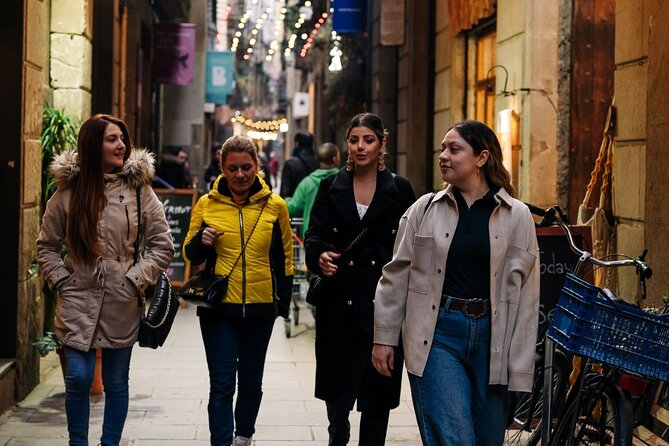
The tour then tightens into the medieval heart, where Barcelona stacks eras on top of each other. You’ll hear explanations that link architecture, legends, and older city infrastructure.




Catedral de Barcelona (Stop 3)
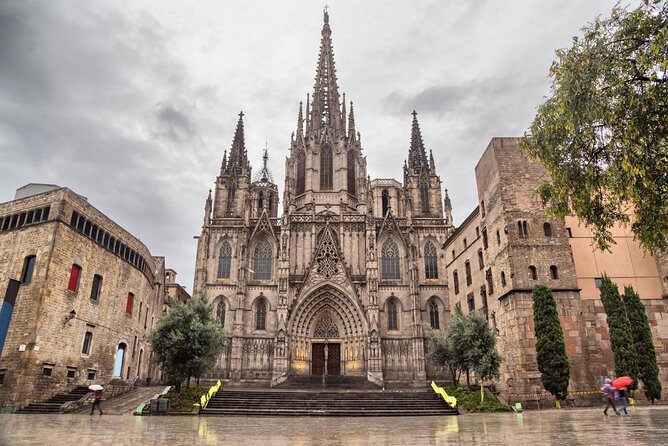
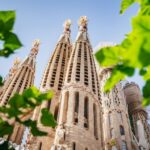
The Catedral de Barcelona is the kind of place where Gothic details can make you forget to look up and step back. The guide helps you do both. You’ll get the story of the city’s patron saint of Barcelona and how the narrative ends in tragedy. It’s not just a “pretty building” stop; it’s a way to understand why certain symbols and traditions hold power here.
Important practical note: the admission ticket is not included for the cathedral. So if you want to go inside, plan for entry at the site. If you’re short on time or would rather just admire the exterior and surroundings, you can still get a lot from the explanation as you stand nearby.
Casa de l’Ardiaca (Stop 4)
Right beside the cathedral area sits Casa de l’Ardiaca, described as a tiny house that carries major leftovers underneath. The key detail is what’s hidden in the ruins: traces of a Roman wall and aqueducts dating to the 1st century BC. This is the moment where Barcelona’s “medieval postcard” look stops being the whole story.
This stop is listed with free admission, so you’re not paying to access the viewpoint or story. If you enjoy connecting timelines—Roman to Gothic—you’ll appreciate how the guide makes the physical remains feel less abstract.
Pont del Bisbe (Stop 5)
Then you reach the Pont del Bisbe, known as Bishop’s Bridge. It’s a neo-Gothic structure, but the real hook is the legend tied to it—mystery, power, and the sort of story that sticks in your brain because it’s tied to a real spot.
Admission is listed as free here too, and that makes it easy to enjoy without making the day more expensive.
Stop 6 to Stop 8: Placa Sant Felip Neri, MUHBA El Call, and the government square
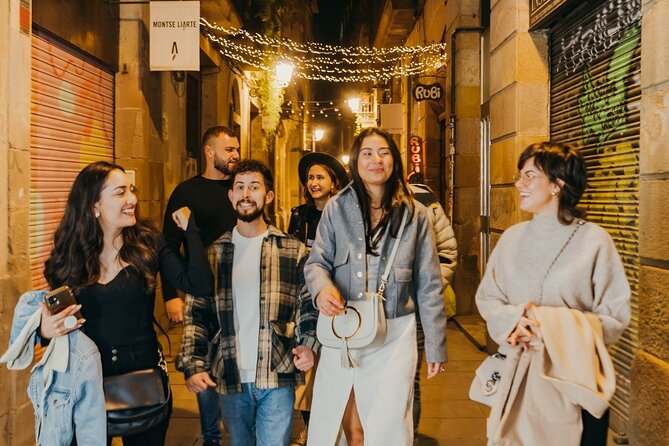
This stretch is where the tour shifts from architecture to the psychology of the city—how communities lived, changed, and left scars behind.
Placa Sant Felip Neri (Stop 6)
In Placa Sant Felip Neri, you’ll get a picture of the Gothic Quarter’s darker complexity. The square is described as important for understanding Catalan history and the “sombre past” visible in the place itself. Standing here while the guide explains the background helps you read the city differently—less like scenery, more like a record.
Admission is listed as free, so you can stay focused on interpretation instead of planning costs.
MUHBA – El Call (Stop 7)
Next is MUHBA – El Call, tied to the former Jewish district, El Call. This is one of the most emotionally resonant stops on the route because it’s where fact and legend often overlap in a way that makes history feel close. You’ll learn about the district and its stories through the lens of both documented events and the myths that grew around them.
This stop is also free per the tour details. If you like history that feels human—neighbors, daily life, community—you’ll likely take your time here even though the stop is brief.
Placa de Sant Jaume (Stop 8)
Then comes Placa de Sant Jaume, Barcelona’s government square in the center of the Gothic Quarter. You’ll see the seat of the Catalan government and City Hall, and you’ll also hear a story tied to one of Catalonia’s beloved saints. It’s a nice contrast: you move from a neighborhood marked by past hardship to the civic heart where identity is performed in public space.
Free admission again, and that’s great because it keeps your budget predictable.
Stop 9 to Stop 11: Royal power at Placa Del Rei, Santa Eulalia’s procession, and Santa Maria del Mar
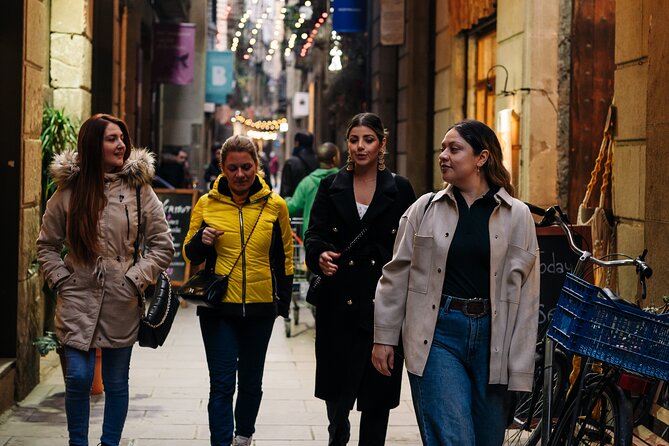
The last part of the walk leans into themes of rule, ritual, and maritime Barcelona. It also helps you build a mental map of where you started and where you’re ending.
Placa Del Rei (Stop 9)
At Placa Del Rei, you’ll learn the darker side of Barcelona’s power history, connected to the Spanish Inquisition and a royal palace setting. This stop is a reminder that the Gothic Quarter isn’t only romantic—it’s also political. The guide’s storytelling is what makes the square feel connected to the larger Spanish history of the era, rather than a random “nice place to stand.”
Free admission here.
Plaça de l’Àngel (Stop 10)
Then comes Plaça de l’Àngel, formerly called Wheat Square. The tour explains why the name changed through a story connected to the procession of Santa Eulalia and the heavenly apparition that led to the shift. It’s the kind of tale you might hear elsewhere in Europe, but in Barcelona it lands differently because you can match the legend to the specific civic space it grew up in.
Free admission.
Basilica de Santa Maria del Mar (Stop 11, and your end point)
The finish is at Basilica de Santa Maria del Mar, described as the heart of El Born, a neighborhood with strong maritime identity. The basilica is a visual payoff: you get a strong sense of how Barcelona’s sailors, traders, and city life shaped the built environment.
Practical note: the admission ticket is not included for this basilica. So if you want to go inside, plan to pay entry at the site. Since this is the final stop, it’s also your best moment to slow down and decide if you want the extra time for the interior.
Your walk ends at the basilica’s address: Plaça de Santa Maria, 1 in Ciutat Vella.
What guides tend to do well on this walk
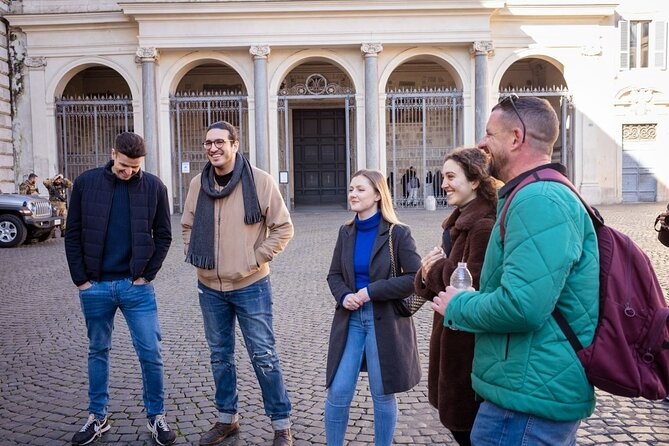
A big reason this tour scores very high is how the guide style affects the day. Multiple guides have been highlighted for making the streets feel understandable fast.
For instance, Sara has been praised for storytelling with humor, and Darrin is known for improving the experience compared to walking the Gothic Quarter alone. Craig has been described as entertaining and informative, and Petra is associated with lots of small stories that make landmarks feel alive instead of distant.
If you’re the type who asks questions mid-walk, this helps. When the guide can answer clearly, your curiosity doesn’t slow the group down. If you move slower, there’s also reassurance: Mariah was specifically mentioned for waiting for older slower folks. So you don’t have to feel like you’ll be left behind.
Who should book this walking tour (and who might skip it)
Book this if you want a structured introduction to Barcelona’s historic core, especially if you care about the stories behind Catalan identity. It’s a smart choice for first-timers who want to see a lot of highlights without planning every turn—and for anyone who finds the Gothic Quarter confusing to navigate on their own.
You might skip it if you strongly prefer unstructured wandering and long museum time. The stops are intentionally short (about 10 minutes each), and two of the big church interiors require ticketing you’ll handle separately.
Also, if you’re traveling with limited mobility, consider whether a two-hour walk through older streets works for you. The tour is described as “walking/standing,” so expect time on your feet.
FAQ
How long is the Barcelona Marvels walking tour?
It lasts about 2 hours.
Is the tour offered in English?
Yes, it is offered in English.
Where do I meet, and where does the tour end?
Start: Plaça del Vuit de Març, Ciutat Vella, 08002 Barcelona.
End: Basílica de Santa Maria del Mar, Plaça de Santa Maria, 1, Ciutat Vella, 08003 Barcelona.
Do I need tickets or are there admission fees?
Several stops are listed as free admission, including Els 4 Gats, El Mon Neix En Cada Besada, Casa de l’Ardiaca, Pont del Bisbe, Placa Sant Felip Neri, MUHBA El Call, Placa de Sant Jaume, Placa Del Rei, and Plaça de l’Àngel.
Admission is not included for Catedral de Barcelona and Basilica de Santa Maria del Mar.
What’s the group size limit?
The tour has a maximum of 20 travelers.
What if I need to cancel?
You can cancel for a full refund if you cancel up to 24 hours before the experience’s start time.
Should you book Barcelona Marvels?
Yes, if you want an efficient, story-rich way to understand Barcelona’s Gothic Quarter and Catalan culture without getting lost. The price is low enough that it doesn’t feel like a big gamble, and the small group size plus strong guide storytelling makes it a good use of limited sightseeing time.
If you’re the kind of traveler who enjoys connecting places to legends and political history, this is a match. If you’re mostly looking for long interior visits or you hate walking, you might choose other options. Either way, do yourself a favor: save the meeting point location offline before you go—old streets are beautiful, but they’re not always polite to navigation.