REVIEW · BARCELONA
Barcelona: Mies van der Rohe Pavilion Ticket and Audio Guide
Book on GetYourGuide →Operated by Fundació Mies van der Rohe · Bookable on GetYourGuide
Clean lines, big ideas, and quiet rooms. That is the draw of the Mies van der Rohe Pavilion, and the audio guide helps you read the building instead of just looking at it. You’ll move at your own pace through a space designed to feel calm, precise, and oddly timeless.
I love the way this pavilion reduces architecture to essentials, especially the interplay between interior and exterior. I also like that the five-language audio guide walks you through what you’re seeing, from the 1929 world’s fair origins to the later rebuilding.
One possible drawback: the pavilion is small, and the rules are strict. If you want a long, snack-and-stroll kind of stop, you might wish you had planned more time elsewhere—plus artistic interventions can occasionally change the look.
In This Review
- Key things to know before you go
- Why This Ticket and Audio Guide Fits the Mies Pavilion
- Getting Oriented Fast: What Your Visit Feels Like
- The 1929 Pavilion Story: What You Should Picture While You Walk
- Materials and the Interior-Exterior Trick You’ll Keep Noticing
- The 1986 Reconstruction: Why the Pavilion Exists in Your Present
- Timing, Mood, and the Practical Reality of a Small Site
- Rules You’ll Want to Respect (So You Don’t Get Stuck)
- Who Should Book This Pavilion Stop?
- Should You Book This Mies van der Rohe Pavilion Ticket?
Key things to know before you go
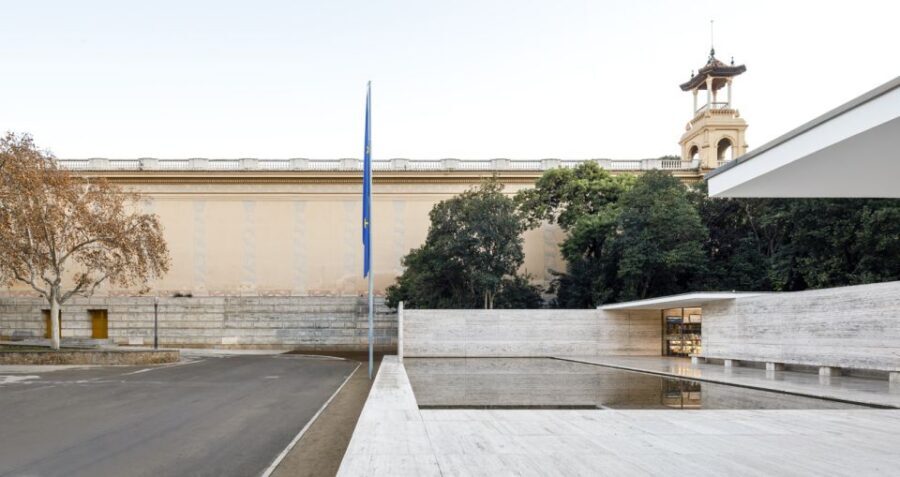
- A modernist classic in a compact space: Expect a focused visit, not a whole-day complex.
- Audio guidance in five languages: Spanish, Catalan, English, French, and German help you follow the design choices.
- History built into the structure: You’ll hear about the 1929 German Pavilion and the 1980s reconstruction.
- Materials are part of the story: The palette uses stone brought from places like the Alps, Tivoli, Atlas, and Tinos.
- Calm experience, sometimes with photographers: The site can function as a working set, so bring patience if you encounter photo or model activity.
- Simple rules keep the space respectful: No smoking, no food or drinks, and no tripods.
Why This Ticket and Audio Guide Fits the Mies Pavilion
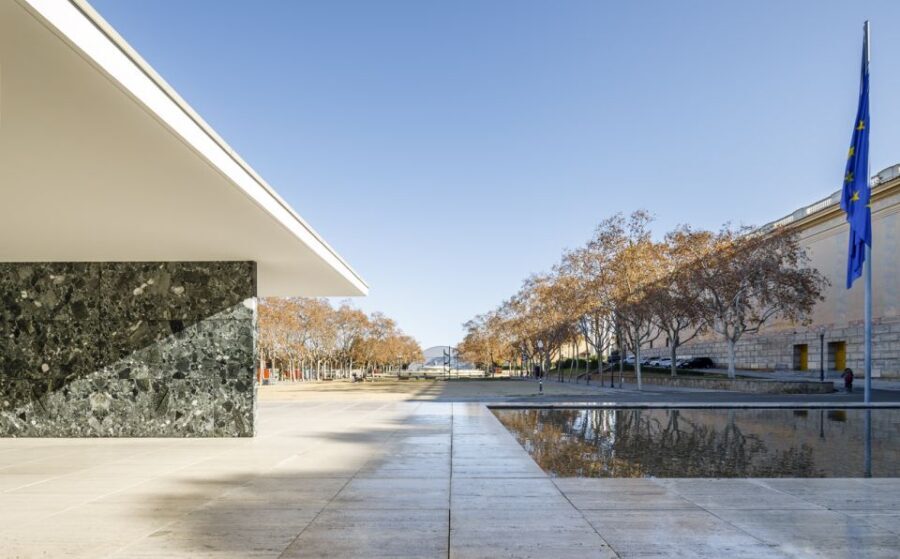
If you like architecture that feels controlled rather than flashy, this is your kind of stop. The Mies van der Rohe Pavilion is famous for being pared down to its essence—clean lines, exact proportions, and a strong balance between what’s inside and what’s outside. A standard ticket just gets you in. The audio guide helps you understand why the building is so influential.
At $10 per person and a visit that fits into a one-day window, the value is really about time well spent. You’re not paying for a big production or a long tour route. You’re paying for the chance to experience a benchmark of the Modern Movement with context—especially useful because so much of what makes the pavilion work is subtle.
The provider behind it is Fundació Mies van der Rohe, which matters. When a site is managed by the people most connected to its legacy, the experience tends to stay focused on the building itself rather than turning into a generic attraction.
You can also read our reviews of more tours and experiences in Barcelona



Getting Oriented Fast: What Your Visit Feels Like
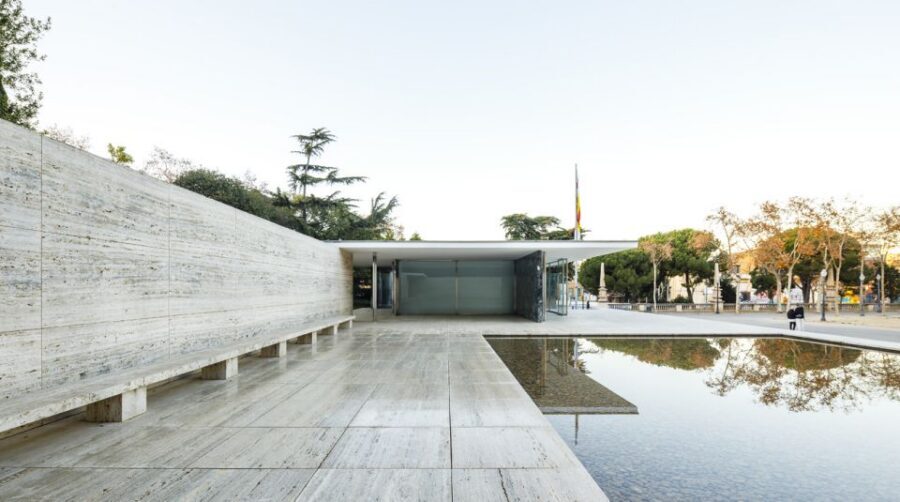
This is a place where you’ll notice details right away: the way light slips across surfaces, the way boundaries feel flexible, and the way your eye keeps traveling along straight edges. Even without a huge “checklist” of stops, you’ll still want a plan—because the best payoff comes when you sync your walk with the audio narration.
You’ll enter with a ticket that includes the audio guide, and the experience is designed so you can skip the ticket line. That’s a practical win in Barcelona, where time can disappear fast when you’re hopping between neighborhoods and major sights.
One thing to watch for is that the pavilion can be used for professional photography and model shoots. On some visits, the site’s calm, minimal look becomes part of the scene. That’s not a bad thing—it can even make the space feel more alive—but it does mean you might occasionally share sightlines with people working in the area.
Also, plan around the reality of a small site. The pavilion is the main event, and the visit can feel short if you rush. If you pace slowly and let the audio guide do its job, you’ll get more out of the space.
The 1929 Pavilion Story: What You Should Picture While You Walk
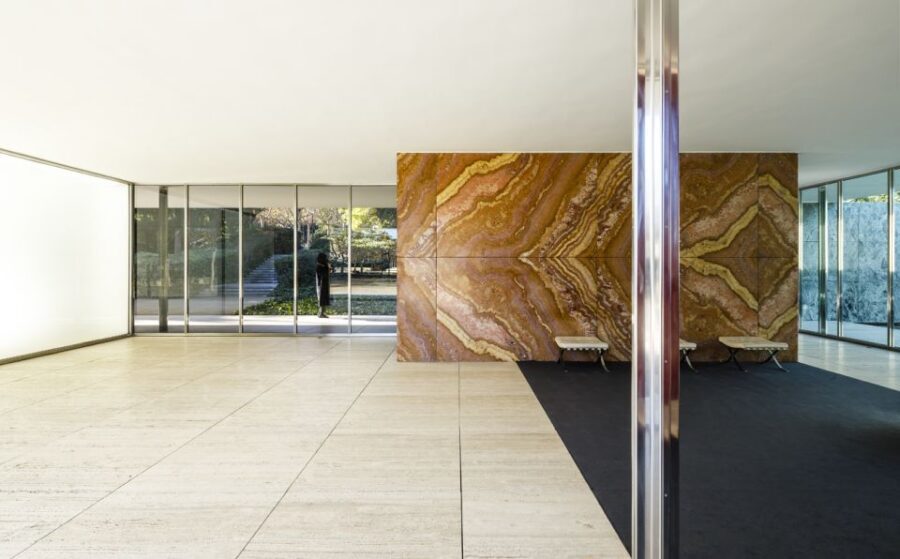
To really understand the pavilion, you need one mental picture: this wasn’t always a permanent monument. It was originally the German national pavilion for the 1929 Barcelona International Exhibition, designed by Mies van der Rohe and Lily Reich. That context changes how you view it.
Instead of thinking of it as a “museum building,” think of it as a design statement—an argument for a new kind of modern architecture. The point wasn’t decoration or spectacle. It was clarity. The audio guide helps you place that in time, so when you stand in front of a wall or a column line, you can connect the form to a bigger design idea.
Then comes the twist. After the exhibition ended, the pavilion was dismantled. The building you’re seeing today exists because someone decided it was worth saving. The narration usually helps you connect the dots: this wasn’t meant to be temporary architecture forever—it just ended up that way once the fair closed.
If you care about architecture history at all, this is one of the rare modernist sites where the story isn’t just background. It’s built into your visit. The pavilion’s existence feels like a message: good design doesn’t disappear quietly.
Materials and the Interior-Exterior Trick You’ll Keep Noticing
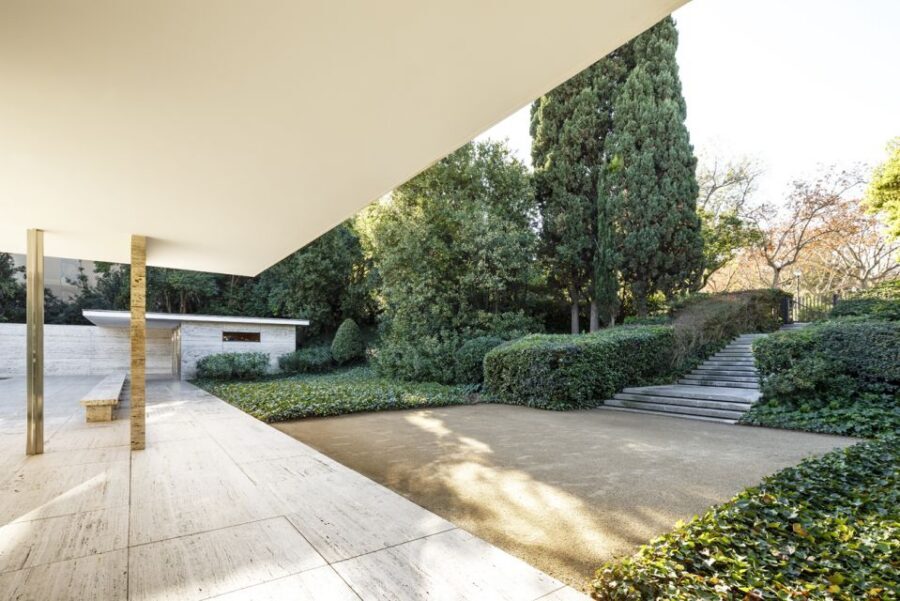
One reason this pavilion is so influential is that it doesn’t rely on complexity. It relies on control—especially in the way materials and space interact.
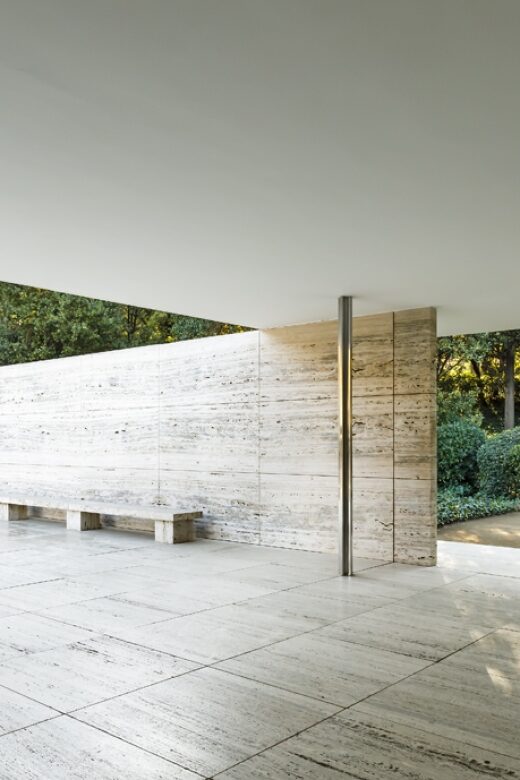
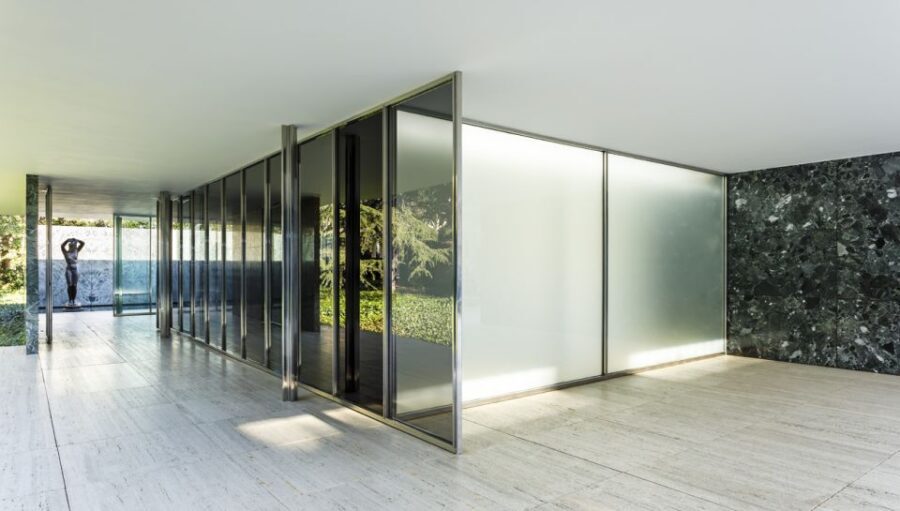
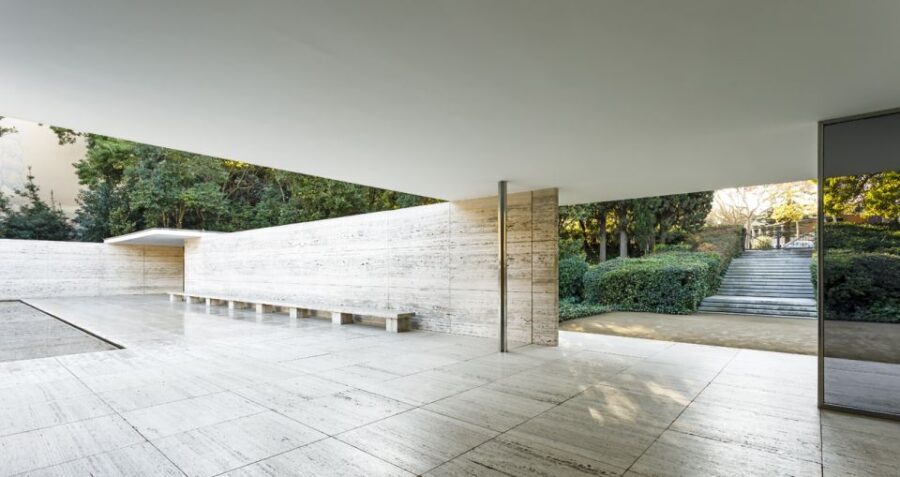
As you move through, pay attention to the pavilion’s sobriety—the absence of clutter—and how the layout creates an intentional calm. You’ll also want to focus on the “in-between” moments: where interior space visually connects with exterior space. This isn’t just aesthetics. It’s a design method that helped shape how later architects thought about openness, structure, and how rooms should behave.
The audio guide context also highlights something you may not catch on sight alone: the pavilion’s materials were brought from specific regions, including the Alps, Tivoli, Atlas, and Tinos. That detail matters because it reminds you the look isn’t an accident. Even with minimal form, the palette has a precise logic.
Here’s a practical way to get value from that: don’t rush from one “photo angle” to the next. Pause long enough to let the surfaces register. Look slightly left, then slightly right. You’ll start seeing how the pavilion handles contrast—lines against planes, solid against open, and interior shadows against exterior light.
That’s the kind of architectural education you actually want on vacation: no exam, just a slow appreciation of what’s working and why.
The 1986 Reconstruction: Why the Pavilion Exists in Your Present
The pavilion’s history doesn’t stop at 1929. It continues in a major way through reconstruction.
After it was dismantled, the structure’s significance led to rebuilding it later. The pavilion was reconstructed and reopened on its original site in 1986. When you hear that while you stand in the space, the pavilion becomes more than a design artifact. It becomes a case study in preservation and in how societies choose what to bring forward.
That’s one of the most useful things about combining your ticket with audio: it helps you treat the visit as a living story, not just a snapshot. You can connect what you’re seeing now to the fact that the pavilion’s form was worth reconstructing—not everyone rebuilds things this carefully, and not everyone agrees to do so at all.
If you’re the type who enjoys architecture with context, this portion of the narration is likely to be a highlight. It adds weight to the calm scene in front of you: you’re standing in a rebuilt modernist work that carries the ambition of the original designers and the commitment of later caretakers.
You can also read our reviews of more guided tours in Barcelona





Timing, Mood, and the Practical Reality of a Small Site
A calm pavilion is great—until you’re trying to fit it between trains and other big sights. The good news is that you can build this into your day without stress. You’re visiting a single emblematic space, and the experience is self-paced thanks to the included audio guide.
One practical tip: if you’re going at a specific time, try to arrive around your start time rather than far earlier. The site can work better when you settle in and begin listening rather than wandering in a pre-visit limbo.
You should also keep your expectations realistic about crowd energy. The pavilion is sometimes used by photographers and models, which can add a bit of “production” to an otherwise quiet visit. On days when that happens, give people space. You’re sharing the space as a set, not competing for the best angles.
And keep in mind that opening hours may change, and artistic interventions can occasionally alter the pavilion’s appearance. That doesn’t necessarily mean something is “wrong.” It just means you might arrive expecting one thing and see another. If you’re flexible, you’ll usually still enjoy it.
Rules You’ll Want to Respect (So You Don’t Get Stuck)
The experience runs smoothly when everyone follows the basics. Here’s what’s not allowed:
- Smoking
- Food and drinks
- Pets (assistance dogs are allowed)
- Tripods
These rules matter more than you might think. No snacks and no smoking keep the air and atmosphere clean in a space that relies on calm. No tripods helps prevent the pavilion from becoming a “tripod forest,” which protects sightlines in a small area.
If you’re traveling with a camera setup, plan to stay hand-held. If you’re tempted to bring a bottle of water, remember that food and drinks aren’t permitted, so you’ll want to take care of those needs before or after your pavilion stop.
Who Should Book This Pavilion Stop?
This ticket and audio guide is ideal if you:
- Want modern architecture with real context, not a vague description
- Like self-guided experiences where you can go slow and look closely
- Enjoy design details like material choices and spatial relationships
- Prefer a quiet stop that doesn’t require a whole afternoon
You might want to reconsider if you:
- Expect a long, multi-room itinerary with many distinct features
- Want to eat and linger with snacks on-site (food and drinks aren’t allowed)
- Need a very structured group tour with staff speaking continuously (this is built around audio)
Because the pavilion is wheelchair accessible, it can work well for visitors who want a compact, manageable environment—though the exact experience will depend on how you move through the site at your own pace.
Should You Book This Mies van der Rohe Pavilion Ticket?
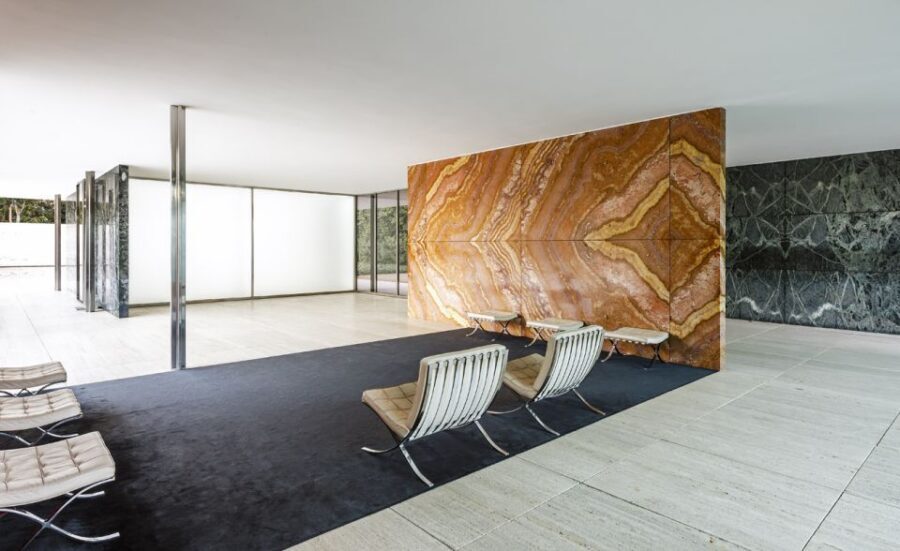
I think it’s a strong buy if you’re even mildly curious about why minimalist architecture matters. For $10, you get entry plus a multilingual audio guide that explains the ideas behind the design—especially the 1929 origins and the 1986 reconstruction. That context is what turns a quick glance into a meaningful architectural experience.
Book it if you want a calm, short stop where the building does the talking, and you can read it step-by-step through the narration. Skip it only if you’re hoping for a free, casual, wander-and-snack visit, or if you’re not interested in modernist design.