REVIEW · BARCELONA
Barcelona: Monserrat, Castle and Salt Private Tour
Book on GetYourGuide →Operated by MADRID LANDS · Bookable on GetYourGuide
Three worlds in one day: faith, stone, salt. This private 7-hour tour strings together Montserrat at 720 meters, Cardona Castle, and the Salt Mountain mine with real guided time at each stop. I love the clear, efficient route (you are not wasting a day juggling trains or tickets), and I love that the day includes both major landmarks and the working industrial story of the salt valley. One possible drawback: lunch is not included, and some parts of the castle and salt-mine commentary can be delivered in Spanish unless your guide-driver supports translation.
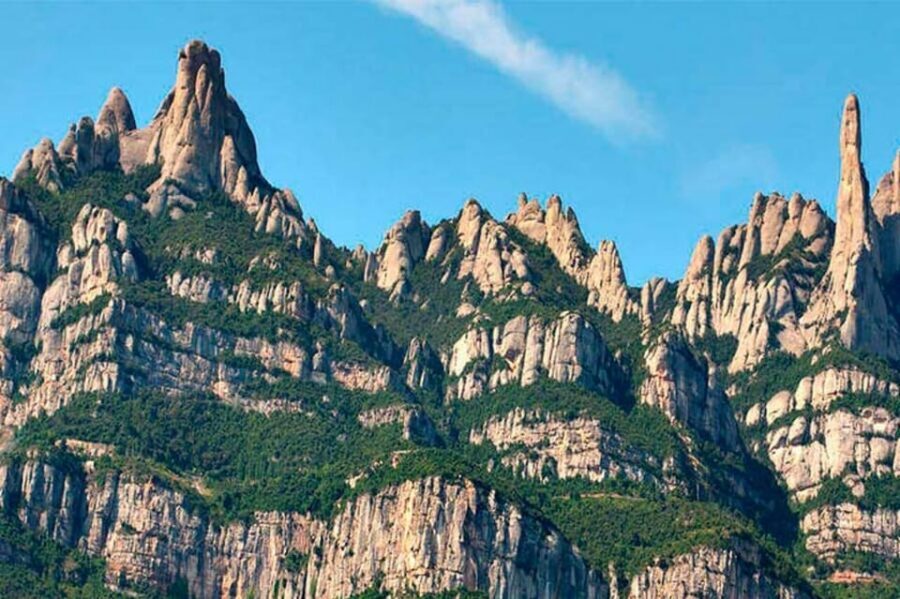
Montserrat is the kind of place where the details matter. You get the Basilica experience, including the organ with 4,200 pipes, plus the museum and archaeological collections that connect Catalonia with Mediterranean history. If you want a day that mixes viewpoints, architecture, and hands-on guided touring, this works well. Just plan for walking on uneven ground, especially at the monastery and in the mine area.
You also get language options that you should think about up front. The live guide-driver runs in Arabic, Spanish, and English, and you may have additional audio in French, Italian, German, and Portuguese. If you rely on English the whole way, I would keep an eye on how each site structures its own narration, since translation support may vary by segment.
In This Review
- Key things I’d focus on before you go
- A One-Day Plan That Actually Holds Together
- From Your Barcelona Hotel to Montserrat’s High-Wall Views
- Montserrat Monastery: Basilica Organ, Art Museum, and La Moreneta
- Lunch With Valley Views, Then Cardona Castle’s Strong-Willed Stone
- Cardona Castle: Modern Fortress + Minyona Tower + San Vicente
- Salt Mountain (Cardona): From Maria Teresa Shaft to Underground Galleries
- Price and What You’re Really Paying For at $459
- How the Schedule Feels: 7 Hours, Three Major Stops, One Clear Pace
- What to Pack and How to Handle Language During Guided Segments
- Who This Tour Suits Best (and Who Should Skip It)
- Should You Book This Private Tour?
- FAQ
- How long is the tour?
- Is hotel pickup and drop-off included?
- What tickets are included?
- Is lunch included?
- What languages are available?
- What should I bring?
Key things I’d focus on before you go
- Montserrat Basilica + 4,200-pipe organ: music and architecture in one stop, not just a photo stop.
- Museum stops that go beyond Catalonia: art names like El Greco and Miró, plus archaeology pieces from Egypt and Mesopotamia.
- Cardona’s best-preserved medieval ensemble: you visit the Minyona Tower and the San Vicente collegiate church.
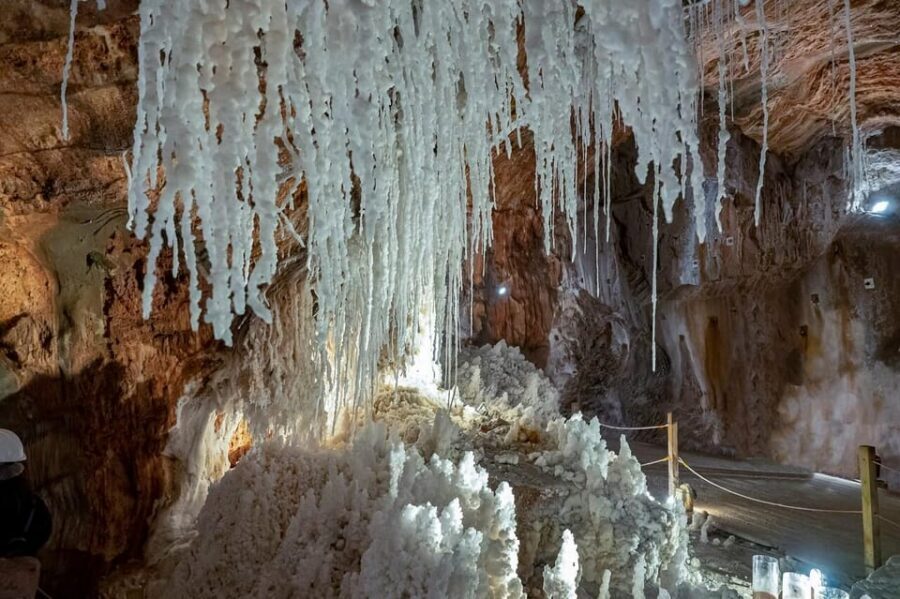
- Salt Mountain guided tour inside the galleries: from the outdoor Maria Teresa shaft to the colorful folded salt formations.
- Hotel pickup and drop-off in a private setting: the schedule is built around you, not around public transit.
A One-Day Plan That Actually Holds Together
This tour is built like a well-edited day: Montserrat first, then Cardona Castle, then the Salt Mountain mine, then back to Barcelona. That order matters. Montserrat is your high point for views and monastery atmosphere, and Cardona is your “stone and survival” chapter before you switch gears to the industrial world of salt.
At $459 per person for a 7-hour private experience, the value depends on how you like to travel. If you usually do “find-your-own-transport” days, paying for a driver and admissions can feel expensive at first. But when a day bundles hotel pickup, a full-time guide-driver, and paid access to both Montserrat and the Salt Mountain, the price starts making more sense.
You should also know what you are signing up for: a structured day with walking and guided time inside specific sites. This is not a slow countryside stroll where you wander freely for hours. It is a “get it done right” day.
You can also read our reviews of more private tours in Barcelona
From Your Barcelona Hotel to Montserrat’s High-Wall Views
The day starts with pickup from your hotel in Barcelona at the scheduled time. From there, you head into Catalonia toward Montserrat, with a drive of about one hour. Private transport changes the tone immediately. You do not have to coordinate routes, transfers, or finding the right stop when you are tired or jet-lagged.
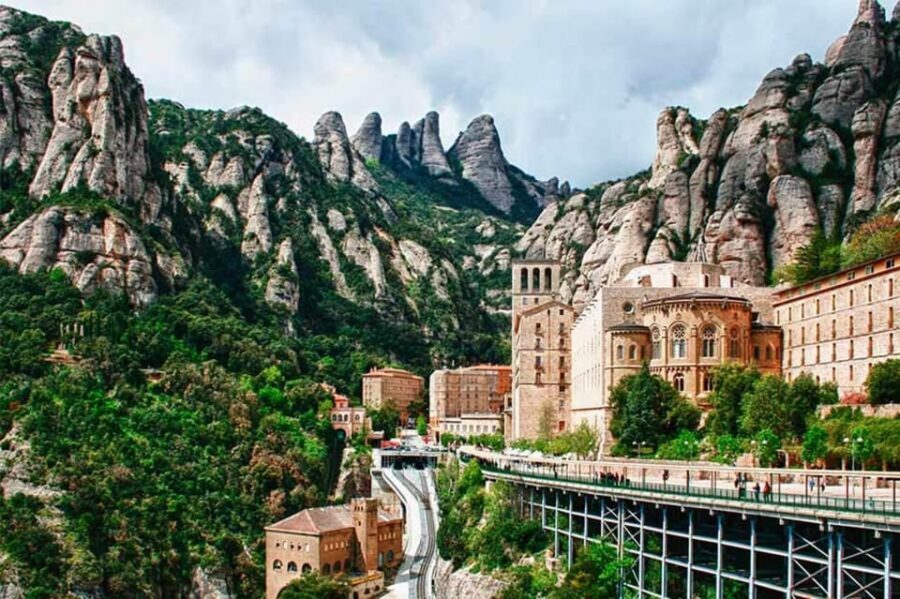
Once you arrive in the Montserrat region, the atmosphere does the selling. You are going up to the mountains of Catalonia, with the monastery perched at about 720 meters above sea level. That elevation is not just a number. It is why the views from the monastery matter so much, and why Montserrat can feel both dramatic and grounded.
You will spend time exploring with a guide, so you get context rather than just wandering around. And because this is a guided tour, you also avoid the common problem of missing the key rooms, the key viewpoints, or the reason the site looks the way it does.
Montserrat Monastery: Basilica Organ, Art Museum, and La Moreneta
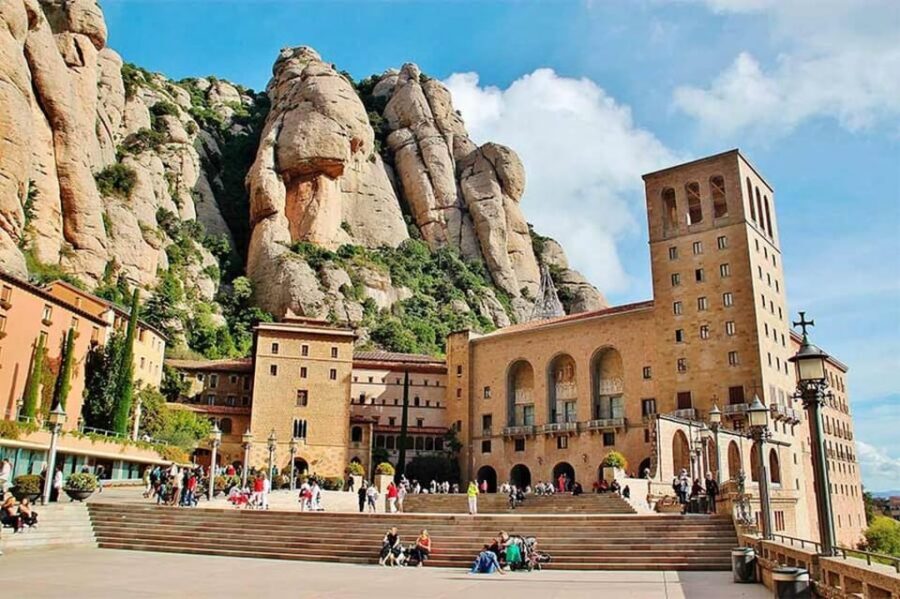
Montserrat is famous for La Moreneta, the Virgin of Montserrat, housed in a monastery with more than a thousand years of history. The site traces back to the 11th century, and even if you are not a hardcore church-history person, the building language is easy to read. It is a mix of styles that reflects centuries of use and change.
One of my favorite parts of this stop is the Basilica. You are not just told it is important. You see the Basilica firsthand, including the organ with a 12-meter-high structure and more than 4,200 pipes. That is the kind of detail that makes the place feel real, not museum-sterile. It is also a reminder that Montserrat is still a living cultural center, not only an old monument.
After the Basilica, you go to the Museum of Montserrat. This is where the day turns more art-focused, and it can be a pleasant surprise if you thought Montserrat was only architecture and religious tradition. The museum includes works by artists such as El Greco, Miró, Dalí, Tápies, and Picasso. You also get an archaeological collection with pieces from Egypt and Mesopotamia, which broadens the story beyond Catalonia without pretending it is the same story.
For planning purposes, this museum time is valuable because it gives you variety in a single site. You can switch from sacred space (Basilica) to creative modern art and then to ancient artifacts, all within the same guided flow. That reduces decision fatigue and keeps your brain interested.
One practical note: Montserrat is a mountain site. Bring comfortable shoes and plan to move at a steady pace. Sun and weather can shift quickly, so sunglasses and weather-appropriate clothing are worth it.
Lunch With Valley Views, Then Cardona Castle’s Strong-Willed Stone
At Montserrat, lunch is a scheduled break with breathtaking valley views. Lunch itself is not included, so you’ll be choosing or buying food on your own. The upside of having it built into the day is that you get the scenery when you are most likely to appreciate it. You are not leaving Montserrat early, then scrambling to eat later.
After lunch, you head to Cardona Castle. This is a completely different mood: less mountain spirituality and more defensive architecture and medieval power. Cardona is known for the preservation of its medieval ensemble, and your visit is designed to cover the major elements without feeling like a checklist.
The castle portion lasts about one hour, which is a good length for most people. You get meaningful time to see the key pieces, hear the story, and still have enough energy left for the Salt Mountain tour afterward.
Cardona Castle: Modern Fortress + Minyona Tower + San Vicente
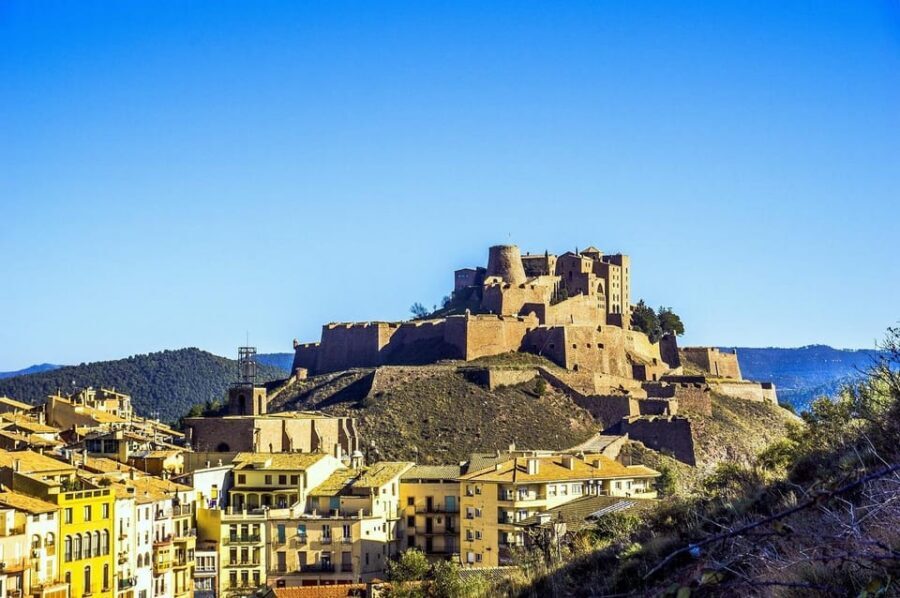
You explore the modern fortress and parts of the old county castle. That combination matters. Many fortress visits get stuck in one era. Here, you are guided through changes over time, so you can understand how the castle adapted instead of treating it like a single frozen image.
Two highlights are the Minyona Tower and the collegiate church of San Vicente. San Vicente is described as a treasure of Catalan Lombard Romanesque, which is the kind of wording you might skim over. But once you see it, you start to understand why people treat this region’s medieval architecture as a serious identity marker.
Cardona is also tied to major historical resistance. The site is famous for its resistance during the War of Succession in 1714 and for withstanding attacks during Napoleon’s campaigns. In practice, that historical framing helps your eyes. You start noticing the features that were meant for defense, not only aesthetics.
A quick reality check: castle walking is not usually “flat and easy.” You can expect uneven stone and steps. This is why comfortable clothes and sports shoes matter.
Language note from real-world experience: this private tour is run with a live guide-driver who speaks Arabic, Spanish, and English, but some on-site explanations for the castle can be delivered in Spanish. In at least one case, the guide-driver (named Nuno) translated for English-speaking guests so nothing got lost. If you know you want English detail at every moment, tell your guide early and confirm how translation support will work for the castle and the salt-mine segments.


Salt Mountain (Cardona): From Maria Teresa Shaft to Underground Galleries
After Cardona, the day’s final big change is the Salt Mountain. You explore a historic salt mine with a background of around 1,000 years of salt exploitation. Salt mines are not just “cool underground rooms.” They are industry, labor, engineering, and geography all at once.
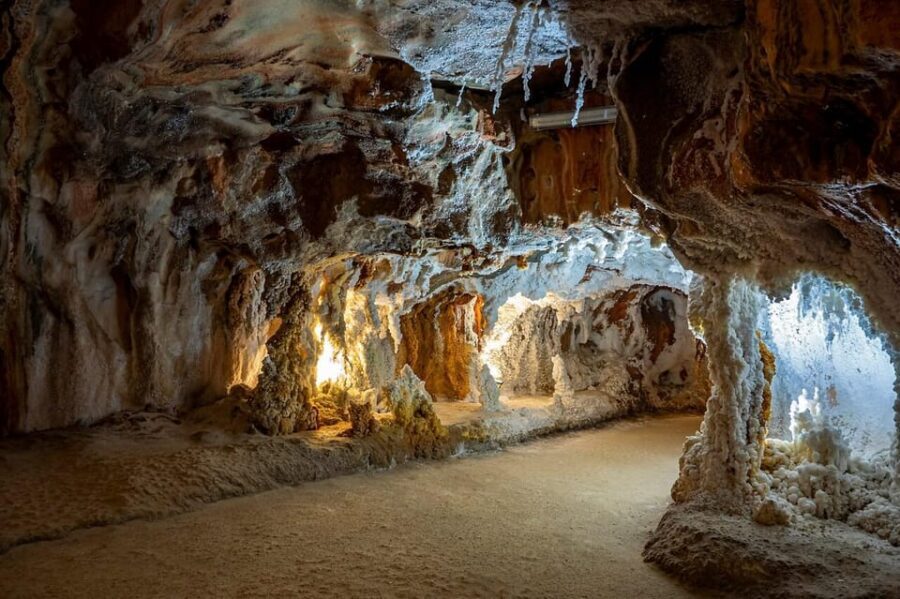
The Salt Mountain has been adapted as the Salt Mountain Cultural Park, and that structure shows in how the visit starts. You begin in an open-air museum area, in the old extraction shaft called Maria Teresa. You learn about the industrial exploitation of the valley there, which is exactly the right way to set context before you go underground.
Then comes the guided part inside the mountain. You tour the galleries and learn about the formations, described as colorful folds and veins. That phrase is worth taking literally. Salt deposits create visual patterns that look almost geological-art-like. Even if you have seen other caves or mines, the guided focus on how the salt structures formed helps you see beyond the surface.
Because this is inside a mine, your footwear choice matters. Stick to comfortable shoes you trust. Also, keep your pace calm. Guided tours often move you steadily, but you still want to avoid rushing on steps or along paths.
Price and What You’re Really Paying For at $459
Let’s talk value, because $459 per person is not a small number. Here is what the tour includes:
- Pick up and drop off at your hotel in Barcelona
- A tour guide-driver during the whole itinerary
- A vehicle adapted to the number of participants
- Tickets for Montserrat
- Visit and entrance tickets to the Salt Mountain
- A guided tour experience with living interpretation
What’s not included is lunch, soft drinks, and snacks not mentioned. So you are mostly paying for transport + guide time + admissions + the guided structure at each site.
In plain terms, this is expensive only if you would otherwise do a self-guided day cheaply. If you want guided access inside Montserrat’s Basilica and museum, guided castle storytelling at Cardona, and a guided mine tour that is built into a schedule, the price starts looking more reasonable.
Also, the private group format can change the economics. You are not splitting costs across strangers all day in a large bus group. You are booking a “your day, your pace” service, within a structured 7-hour window.
How the Schedule Feels: 7 Hours, Three Major Stops, One Clear Pace
This tour is scheduled for 7 hours total. That length is long enough to do three substantial sites properly, but short enough that you are not ending your day completely wrecked.
The flow is:
- Pick up in Barcelona and drive about one hour to Montserrat
- Guided exploration of Montserrat’s Basilica and Museum
- Lunch stop with valley views
- About an hour at Cardona Castle
- Guided Salt Mountain tour inside the galleries
- Return to Barcelona
That pacing is practical. Montserrat gets its time when you have the energy for climbing, museum wandering, and panoramic stops. Cardona comes right after lunch when you can appreciate medieval architecture and historical defense stories. Then the salt-mine tour finishes the day with something different enough to avoid monotony.
If you are the type who hates transitions, you might find the day moves quickly. But if you like a guided hit of three big experiences, this schedule is designed for you.
What to Pack and How to Handle Language During Guided Segments
The basics are clearly stated, and you should take them seriously:
- Comfortable shoes (especially important for the castle and mine areas)
- Sunglasses
- Camera
- Comfortable clothes
- Sports shoes
- Weather-appropriate clothing
For language, you have two layers:
- The live tour guide-driver speaks Arabic, Spanish, and English.
- Audio guides are included in French, Italian, German, and Portuguese.
That means if English is your main language, you should be fine with the live guidance. But remember the caution from real experiences: certain guided parts at the castle or inside the Salt Mountain may be delivered in Spanish. A great guide-driver can translate on the fly, but it is still smart to set expectations before you start.
If you can, carry your expectations lightly and ask. A simple question early on can help you understand whether you will have live translation during each site segment.
Who This Tour Suits Best (and Who Should Skip It)
This tour fits best if you like guided structure and want to see three Catalonia highlights in one day without planning logistics. It is especially good for people who care about:
- Montserrat beyond the viewpoint (Basilica organ details and museum art)
- Medieval architecture and historical resistance stories at Cardona
- Industrial heritage and guided underground touring at the Salt Mountain
It might not be ideal if you want total freedom to roam, stop whenever you want, and linger for hours in just one place. This is a set route with set visit times. If your dream day is slow, independent exploring, you may prefer a different format.
Should You Book This Private Tour?
I would book this tour if you want a well-paced, guided day that mixes sacred history, Catalan medieval architecture, and an industrial mine story that actually gives you context before you go underground. The biggest strength is how it connects three very different worlds into one coherent schedule, with hotel pickup and admissions included.
Before you commit, check two things in your head:
- Are you comfortable walking on monastery and castle terrain and through mine-related areas for a guided tour? If yes, you will likely enjoy the practical rhythm.
- Are you okay with the possibility that some site narration may be in Spanish unless the guide-driver translates? If you prefer consistent English detail at every moment, ask upfront how translation support will work.
If those boxes work for you, this is a smart way to make Montserrat and Cardona feel like a single, satisfying day rather than a complicated side trip.
FAQ
How long is the tour?
The total duration is 7 hours.
Is hotel pickup and drop-off included?
Yes. Pickup and drop-off at your hotel in Barcelona are included.
What tickets are included?
Tickets for Montserrat and the Salt Mountain of Cardona are included, along with entrance to the Salt Mountain cultural park visit.
Is lunch included?
No. Lunch is not included (soft drinks and snacks are also not included).
What languages are available?
The live tour guide-driver is available in Arabic, Spanish, and English. Audio guides are included in French, Italian, German, and Portuguese.
What should I bring?
Bring comfortable shoes and sports shoes for walking, sunglasses, a camera, comfortable clothes, and weather-appropriate clothing.