REVIEW · BARCELONA
Barcelona: Montjuïc e-bike adventure via port and Ciutadella
Book on GetYourGuide →Operated by Tres Gatos Bike Tours · Bookable on GetYourGuide
Montjuïc on an e-bike feels like cheating. You’ll glide past major city icons, then climb up to Montjuïc Castle for wide-open views that make Barcelona feel endless.
Two things I like a lot: the route stitches together Olympic lore with real places (stadiums, arenas, and the telecom tower), and the ride is designed so you spend energy on enjoying the scenery, not grinding up every hill. One drawback to keep in mind: this is not for mobility limits, and you do need to be comfortable riding a bike.
In This Review
- Key takeaways before you go
- Getting started at Plaça Tetuán: bikes, helmets, and a quick fit
- Ciutadella and Port Vell: the city’s “before the climb” story
- The climb to Montjuïc Castle: Miradors, cactus views, and fortress echoes
- Olympic sites and the Joan Miró Foundation stop: city reinvention on two wheels
- Palau Nacional and Plaça d’Espanya: the 1929 perspective before the finish
- Price, pacing, and who this Montjuïc e-bike loop is best for
- Should you book Tres Gatos Bike Tours for Montjuïc by e-bike?
- FAQ
- Where do I meet the guide and what time should I arrive?
- How long is the e-bike tour?
- What’s included in the $50 price?
- Do I need to know how to ride a bike?
- Are drinks and tapas included?
- Can I cancel and get a refund?
Key takeaways before you go
- Protected lanes + smooth early momentum from the Arc de Triomf cycle path into Parc de la Ciutadella
- Port Vell to Columbus Monument with context on how maritime trade shaped the city
- E-assist up Montjuïc Castle for true 360° skyline views at 173 meters
- Miradors plus the Cactus Garden (about 800 desert species) for big “photo stop” payoff
- Olympic Ring highlights in one loop: Estadi Lluís Companys, Palau Sant Jordi, and Santiago Calatrava’s telecom tower
- Terrace time at the Olympic pool area with a pay-as-you-go break (cava, coffee, vermut, or tapas)
Getting started at Plaça Tetuán: bikes, helmets, and a quick fit
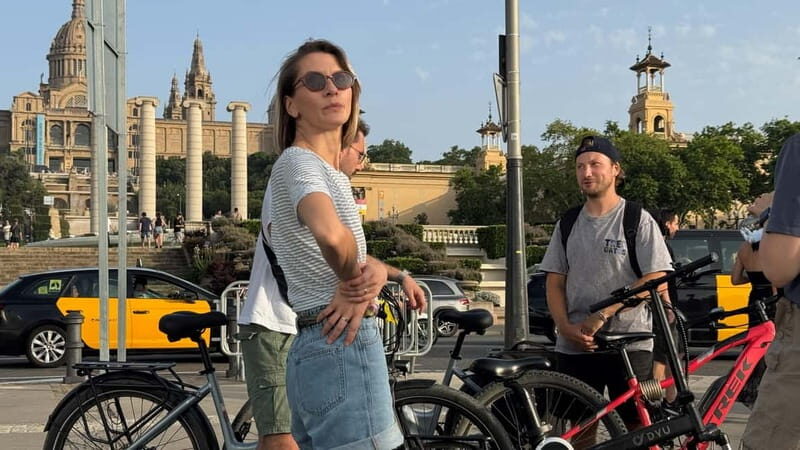
You start at 10:00 AM on Plaça Tetuán, right by the central fountain. The meeting point is tied to the bike rental area on Gran Via de les Corts Catalanes 704, so I’d aim to arrive a few minutes early, spot the bikes, and get your bearings fast.
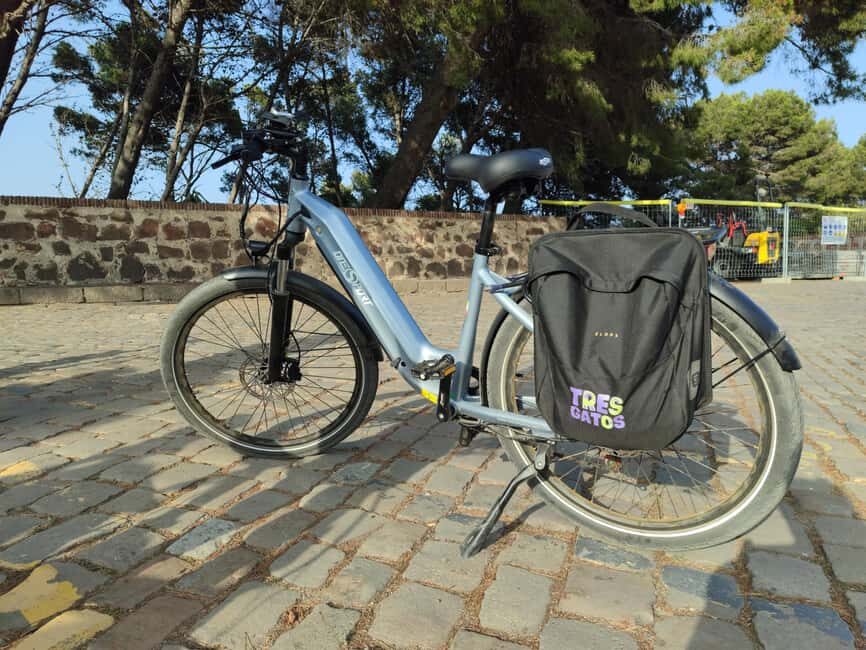
Before you roll, you get a short safety briefing and bike fitting. That’s not just formality. On this kind of route, the difference between feeling awkward and feeling in control is huge, especially once you hit the longer climbs. The tour includes an electric bike and a helmet, so you’re not scrambling for gear.
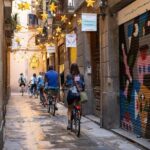
What you’ll appreciate right away is how the plan works to keep you moving. After the briefing, you head south along the cycle lanes near Arc de Triomf and slip into Parc de la Ciutadella. It’s a calm, easy start before the real views begin.
You can also read our reviews of more cycling tours in Barcelona
Ciutadella and Port Vell: the city’s “before the climb” story
Once you’re in Parc de la Ciutadella, the tour gives you a strong sense of how Barcelona layers time. You stop by the Cascada Monumental and learn how the park was created from an older citadel. That’s a great setup because later, Montjuïc Castle brings you the fortress side of the city story.
Then you leave the park using protected lanes for a more comfortable ride. You’ll continue toward Passeig de Colom, where Port Vell sits quietly in the background with super-yachts coming and going. This is where the guide’s role really matters: the Columbus Monument isn’t treated like a random photo spot. It’s explained as pointing seaward, and you get the big-picture idea of how maritime trade helped shape Barcelona into the city it became.
You’ll also feel the route’s logic. You’re not just bouncing between landmarks. You’re being led from:
- a green, historic transformation (citadel → park),
- to the harbor and the sea-facing future,
- and then up toward Montjuïc for the skyline payoff.
If you like your sightseeing to make sense—why a place is there, and what it used to be—you’ll get a lot out of this opening stretch.
The climb to Montjuïc Castle: Miradors, cactus views, and fortress echoes
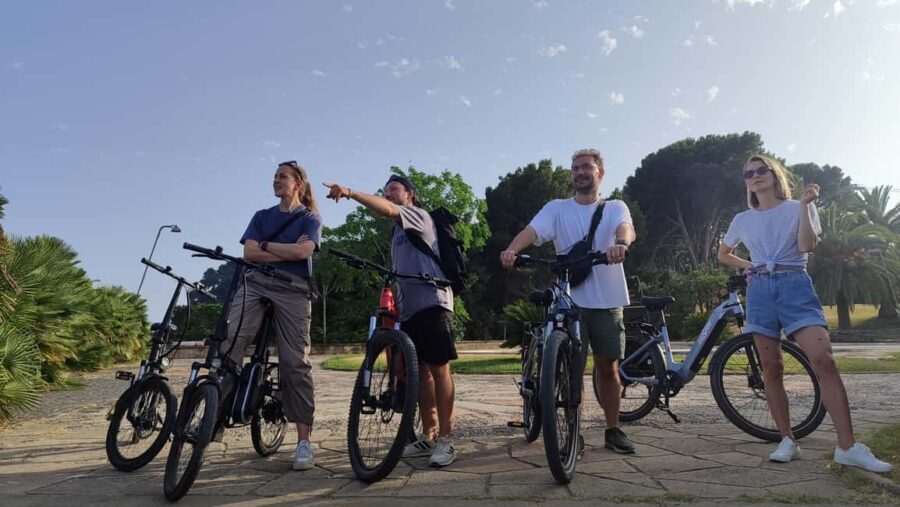
This is the moment you came for. After you connect Port Vell to the Montjuïc approach, the e-assist takes over for the climb. You’ll still pedal, but it removes most of the harshness you’d feel on a traditional bike—so you’re not arriving at the top breathing like you just ran a marathon.
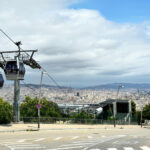
Along the way, you’ll pause at Mirador de l’Alcalde to frame the harbor below. That viewpoint matters because it helps you orient the whole city. You’re not just looking at “pretty stuff,” you’re learning where things sit in relation to each other.
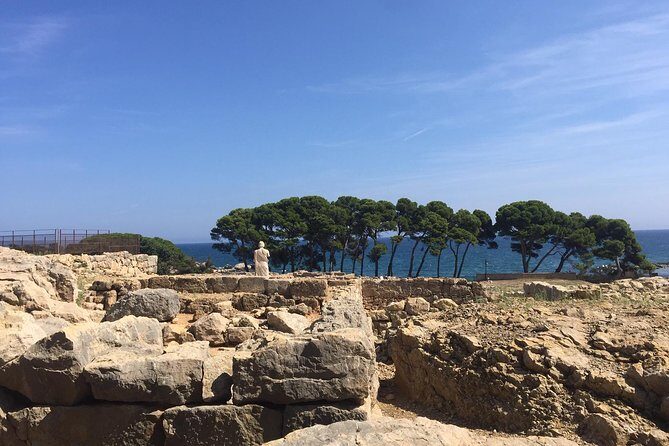
Next, there’s a stop at the Cactus Garden, where you’ll see around 800 desert species overlooking the Mediterranean. It’s a slightly unexpected stop, and that’s why it works. Barcelona can be all architecture and street energy, so getting a botanical counterpoint right before the castle makes the whole trip feel more varied.
Then you reach Montjuïc Castle, about 173 meters above sea level. Here, you get both the scenery and the darker layers of the site:
- you’ll take in a sweeping 360° view over skyline, coastline, and distant mountains,
- and you’ll hear siege-history and fortification stories, including references to Bourbon artillery and Civil-War prisons.
That mix is the value of the stop. A lot of castle visits turn into “look at the view, bye.” This one gives you a reason to look harder. Even if you’re not a history buff, you’ll notice how the fortress layout supports the stories you hear.
One practical note: you’ll spend time at a height with open air. Bring cycling-appropriate layers even if Barcelona feels warm at street level.
Olympic sites and the Joan Miró Foundation stop: city reinvention on two wheels
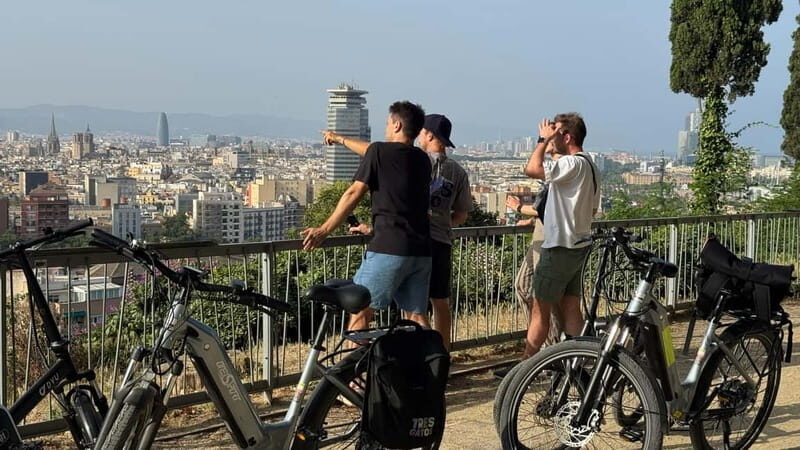
After the castle, you descend toward the Olympic area. There’s a stop at the Olympic pool area, where you lock the bikes and get about forty minutes of free time.
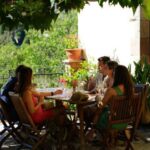
This is your buffer moment. You’ll have time to stretch, grab a snack, and decide what kind of break you want. Food and drinks during this part are pay-as-you-go, so you can keep it simple or go full treat mode. The menu-style options mentioned include classic vermut, a zero-alcohol spritz, or patatas bravas. If you want something non-alcoholic, you’re covered.
Then you’re back on the bikes to ride the Olympic Ring. This is where the route becomes a mini tour of Barcelona’s modern identity. You’ll pass by:
- Estadi Lluís Companys,
- Palau Sant Jordi,
- and Santiago Calatrava’s soaring telecom tower.
The guide ties these places to the 1992 Games story and how those venues reshaped Barcelona’s look and reputation. I like this approach because it avoids the common problem of Olympic sightseeing becoming vague. You’re not just hearing dates; you’re moving through the physical geography of the event.
You’ll also stop for photo and garden moments in the Montjuïc area, including Miramar Gardens viewpoint and Jardins de Joan Brossa. Expect a good chance to reset your camera (and your legs) before you head back to the big landmark finale.
One additional stop included along the way is the Joan Miró Foundation with a guided visit. Even without assuming you’ll love every museum-style stop, it helps break up the day so it doesn’t become only viewpoints and stadiums.
Palau Nacional and Plaça d’Espanya: the 1929 perspective before the finish
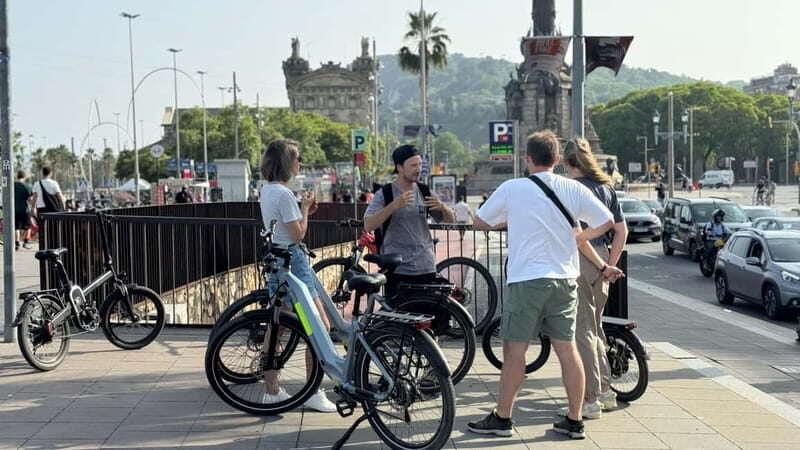
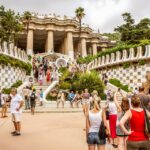
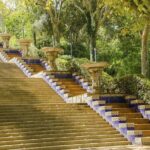
The big finale is the Palau Nacional area and Plaça d’Espanya. You’ll pedal through the Olympic zone down to the grand staircase of Palau Nacional, then end up on the terrace where you can take in the sweeping view across the city.
From the terrace, you get pointers on the radial avenues of Plaça d’Espanya and how the palace connects to the 1929 International Exposition. That’s a nice historical thread because it creates a contrast with the 1992 story you heard earlier:
- 1929 brings the exposition-era “future we’re building,”
- 1992 shows how Barcelona rebranded through sport and major venues.
Finally, you glide through Plaça d’Espanya and along Gran Via, finishing back at Plaça Tetuán around 1:00 PM. The pacing works well because the day ends with the most iconic panoramic moment, not the most tiring ride.
You can also read our reviews of more tours and experiences in Barcelona
Price, pacing, and who this Montjuïc e-bike loop is best for
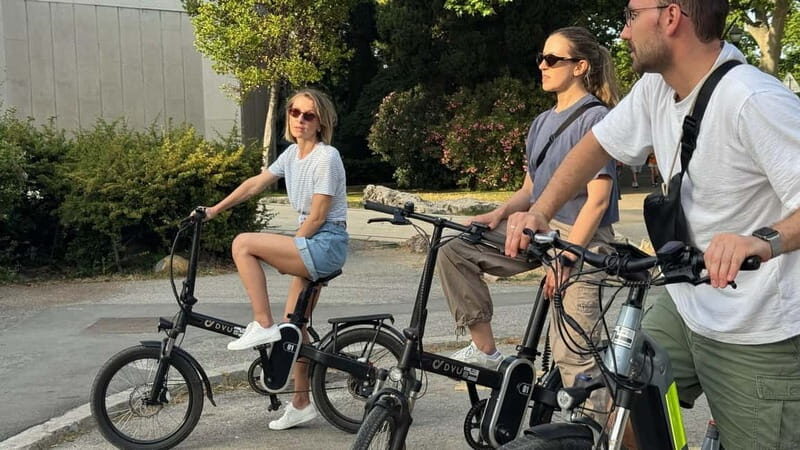
The price is around $50 per person for a 3-hour to 1-day experience. For me, the value comes from what’s included versus what you choose:
- Included: electric bike, helmet, and a live guide
- Not included: drinks and tapas at the terrace stop
That setup is smart. If you’re the kind of person who enjoys ordering your own preferred snack—cava, coffee, vermut, or whatever hits right—then you don’t feel forced into a fixed “tour meal.” You also get to spend your money where you want it, with the views already paid for.
Pacing-wise, it’s a loop format that keeps you from constantly recalculating routes. You’ll ride through major areas—Ciutadella, Port Vell, the Montjuïc climb, and the Olympic Ring—without the stress of navigation.
Who it suits best:
- You want a big sights day without exhausting yourself on steep climbs
- You like history that connects to what you can actually see at each stop
- You’re comfortable riding a bike and staying with a group
Who should skip it:
- Anyone with mobility impairments, since it’s not suitable
- Anyone under 150 cm (about 4’11”), since the minimum height requirement is enforced
- People who don’t feel confident riding a bike yet
Group size is listed as private or small groups. That usually means better flexibility at photo stops and less time lost waiting.
Should you book Tres Gatos Bike Tours for Montjuïc by e-bike?
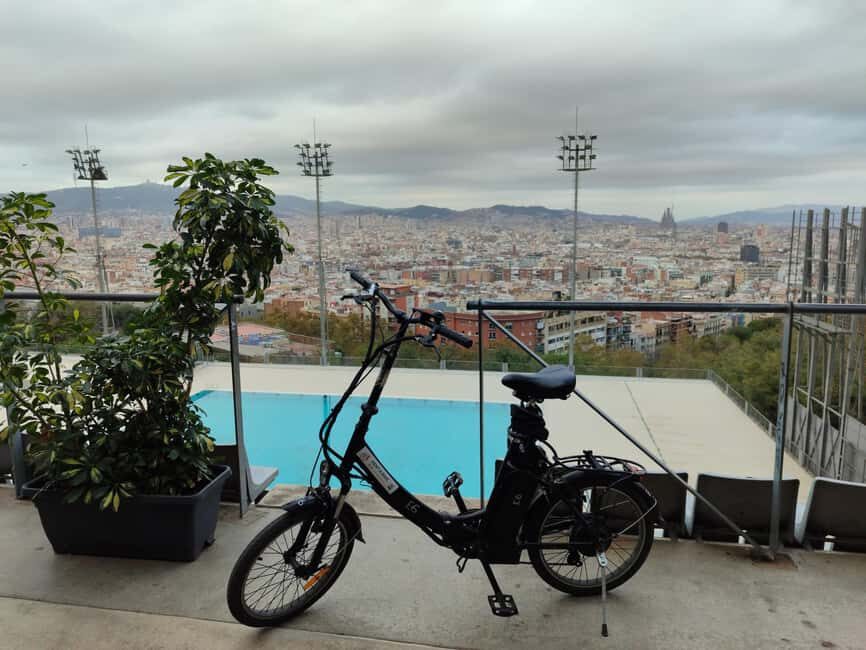
If your goal is to see Montjuïc in one efficient loop—castle views, harbor viewpoints, and the Olympic landmarks—this tour makes a lot of sense. I especially like how it turns “scenery” into a story you can track: citadel past, harbor trade, fortress realities, and then the modern reinvention via 1992.
I’d book it if you’re curious, you want the skyline at Montjuïc Castle without punishing uphill effort, and you’re happy to add your own snacks at the terrace break.
Skip it if you’re looking for a slow, museum-heavy day, or if your mobility needs don’t match cycling routes.
If you do book, one tip: plan to wear cycling-friendly shoes and bring a layer for windy viewpoints. Montjuïc can feel brisk even when the city below is warm.
FAQ
Where do I meet the guide and what time should I arrive?
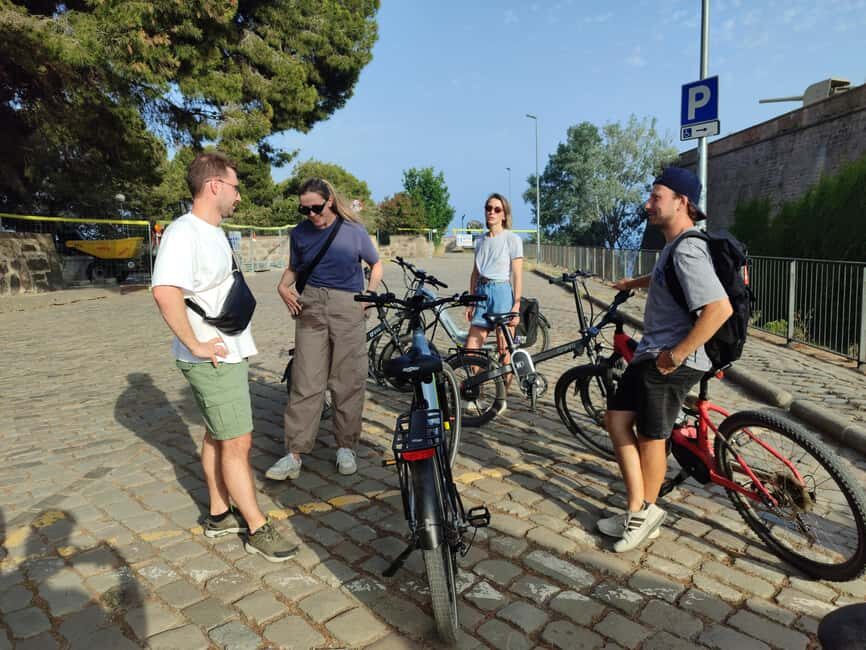
You meet at 10:00 AM on Plaça Tetuán beside the central fountain. The meeting point is also listed around Gran Via de les Corts Catalanes 704, so arrive a few minutes early to find the bike rental spot.
How long is the e-bike tour?
The tour runs about 3 hours, and it returns you to the meeting point around 1:00 PM.
What’s included in the $50 price?
The experience includes the electric bike, helmet, and a live guide. A child seat is available upon request.
Do I need to know how to ride a bike?
Yes. Participants must know how to ride a bike, and the tour also requires a minimum height of 150 cm (about 4’11”).
Are drinks and tapas included?
No. Drinks and tapas during the bar stop with the view are not included, so you’ll order pay-as-you-go (with options like cava, coffee, vermut, or tapas).
Can I cancel and get a refund?
Yes. You can cancel up to 24 hours in advance for a full refund.