REVIEW · BARCELONA
Barcelona: Montjuïc Segway Tour
Book on GetYourGuide →Operated by City Tours on Bike-eBike-Segway · Bookable on GetYourGuide
Gliding through Barcelona beats walking.
This Segway tour is built for first-timers and repeat visitors alike: you get to cover a lot of ground in 3 hours, while your guide explains what you’re seeing and shares practical local tips as you cruise. It’s also a smart way to reach Montjuïc, where the views are great but the hills can drain your day fast.
Two things I really like: you move quicker than walking without the stress of bikes or scooters, and you get guided context at every stop, not just photo moments. The guides can be very hands-on too. I’ve seen names like Maria A, Étienne, Sharon, and Klara pop up as the kind of guide who keeps things calm, fun, and question-friendly. One consideration: your exact sight mix can shift depending on conditions and routing, and some stops that sound guaranteed (like Sagrada Família close-up) may not land exactly the way you expect.
In This Review
- Key highlights worth planning for
- Meet at Passeig de Lluís Companys, then learn your Segway
- Segway i2 basics: what you’ll do in the first few minutes
- Gothic Quarter energy and Roman-era hints on the way out
- Parc de la Ciutadella: fortress park with big-city calm
- Port Vell and Estació de França: history meets the shoreline
- Columbus Monument and the skyline pause you’ll actually remember
- Joan Miró Foundation and Jardins de Joan Brossa: art in motion
- Montjuïc Castle: why this hill is worth the effort
- Olympic Stadium area and the Museu Nacional zone: sport and art together
- Olympic Port and city beaches: how the tour ends on a scenic note
- Triumphal Arch from the 1888 world exhibition era
- Price and value: why $52 for 3 hours can work well here
- Who should book this Segway tour (and who should skip)
- Should you book the Barcelona Montjuïc Segway Tour?
- FAQ
- Where is the meeting point for the tour?
- How long is the Segway tour?
- What is included in the price?
- What are the age and rider requirements?
- What should I wear or bring?
- How big are the groups?
- Which languages are available for the live guide?
- Is the tour suitable for pregnant travelers?
Key highlights worth planning for
- Segway training first: You get a short setup and safety talk before you roll.
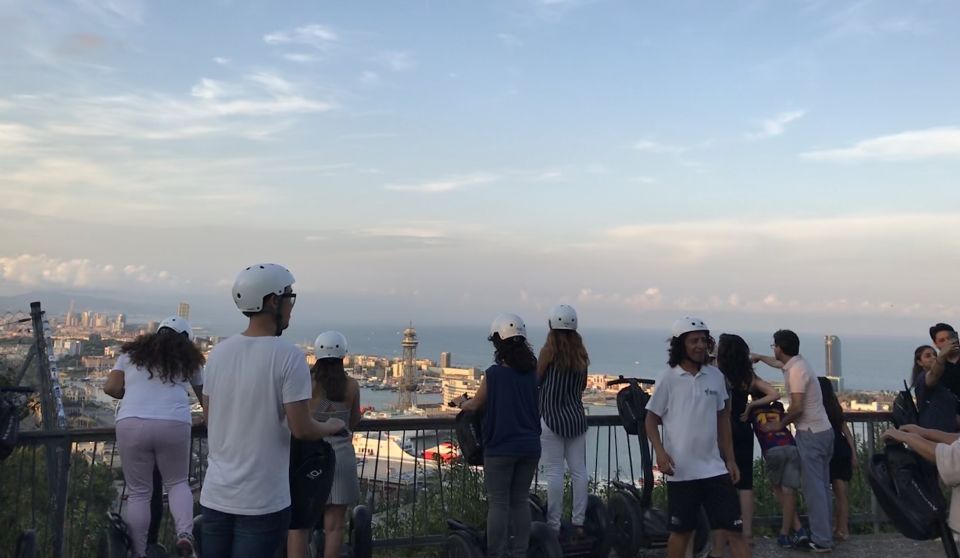
- Big-views Montjuïc time: Skyline viewpoints and castle-area scenery in a short window.
- Old + modern Barcelona: Gothic Quarter vibes, the seaside, and sports/museum zones.
- Park day, not just city streets: Parc de la Ciutadella and its fortress feel.
- Photogenic pauses: Photo stops at major monuments and scenic stretches.
- Small groups: Typically 2–6 riders per guide for safety and flow.
Meet at Passeig de Lluís Companys, then learn your Segway
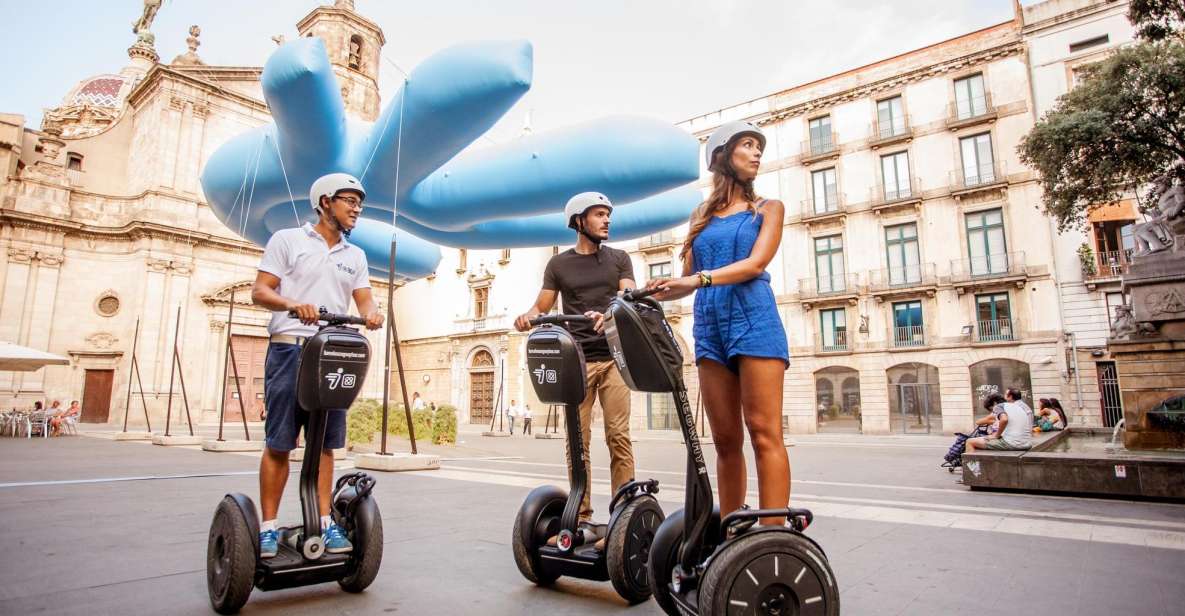
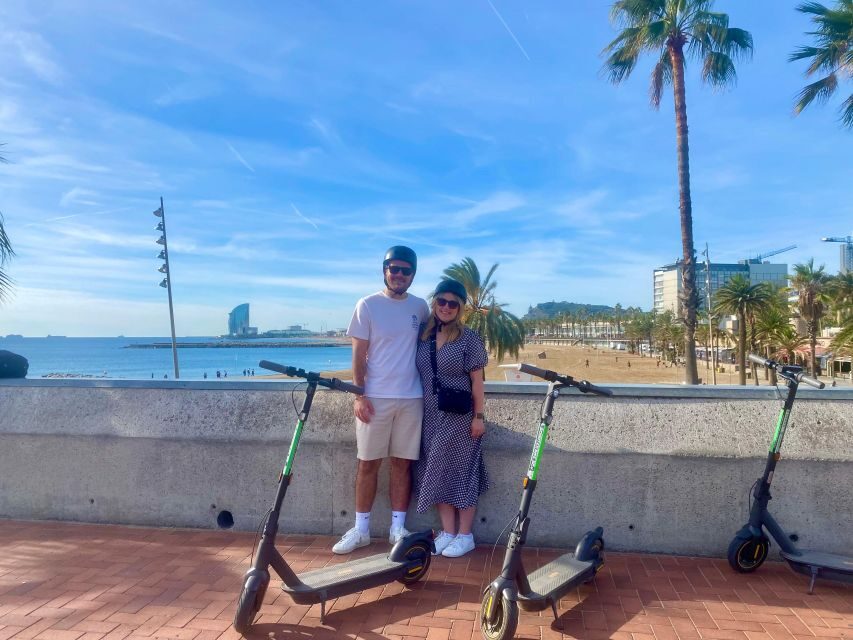
The tour starts at Passeig de Lluís Companys 10, in the heart of the city. That matters because you’re not burning half your day commuting out to the edges. After you meet your guide, you’ll do a brief training session with the Segway i2 plus helmet and safety gear. The goal is simple: you should feel steady fast, so the rest of the ride is about sights, not balance drills.
What’s nice is how structured the first moments feel. You aren’t thrown into traffic-like chaos. Your guide has to get everyone moving smoothly, and most people can handle the basics quickly if they can do motions similar to climbing and descending stairs without assistance.
You can also read our reviews of more tours and experiences in Barcelona.



Segway i2 basics: what you’ll do in the first few minutes
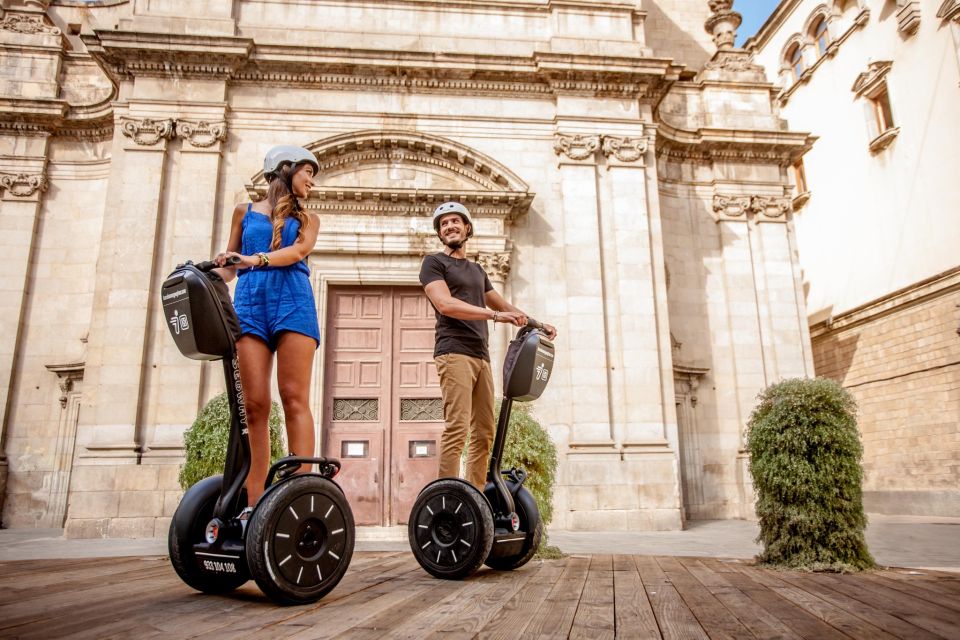
If you’ve never ridden a Segway, this tour is set up to reduce the usual worry. Expect a clear safety routine, then hands-on practice with turning, starting, and stopping. You’ll also get to wear a helmet, which helps you relax and focus on the route.
Keep your body comfortable for the session: wear comfy clothes and shoes, because you’ll be moving your legs and standing for a while. Also plan for weather. Barcelona can be sunny, but bring a light layer; in winter, warm water-resistant clothing and gloves are recommended.
Two practical notes for your decision:
- If you’re nervous about heights or tight turns, ask your guide early for reassurance. Many guides keep the pace slow at the start and build confidence.
- If you’re expecting full speed all the time, know that local rules often mean speed limits are on. Some riders have felt the Segway pace was more restrained than they hoped.
Gothic Quarter energy and Roman-era hints on the way out
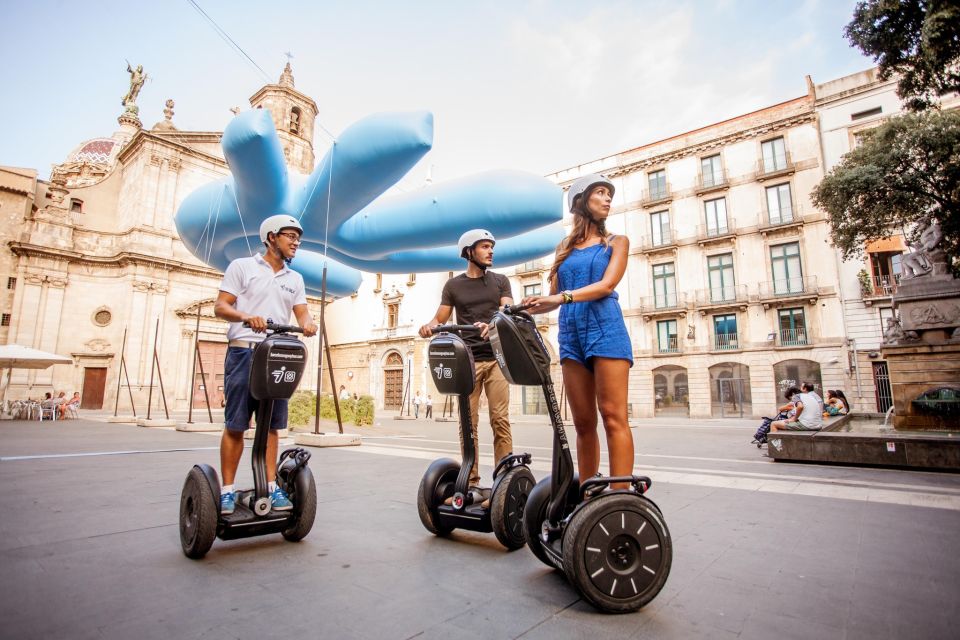
The tour is designed to start in the ancient center and roll from medieval palaces and boutique streets toward the sea. You’ll cruise past the kind of architecture that makes Barcelona feel layered: medieval lanes, older church remnants, and the sense that earlier cities left marks you can still read.
This is where a good guide earns their pay. Instead of you guessing what you’re looking at, you’re getting short explanations you can actually use later when you walk on your own. You also get insider tips for neighborhoods like Eixample and Gràcia, which helps when you map out the rest of your trip.
Parc de la Ciutadella: fortress park with big-city calm
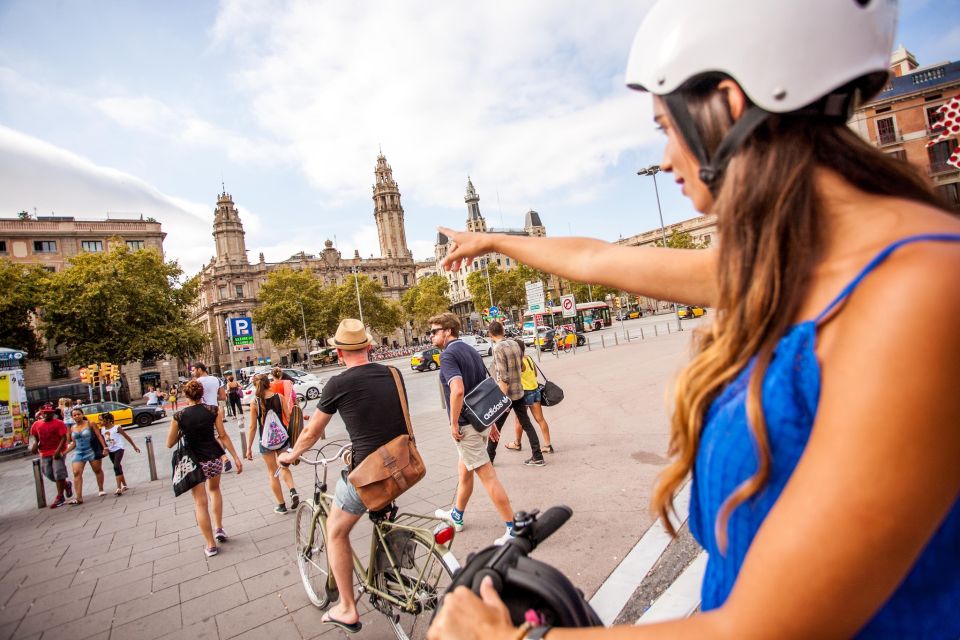
One of the most memorable parts is Parc de la Ciutadella. You’ll ride over to Barcelona’s biggest city park, and the vibe is different from typical “park stops.” It feels like a historical fortress area repurposed for strolling—plus water features, Mediterranean plants, and wide open paths that make Segway riding feel natural.
You’ll pass scenes tied to the world exhibition era and see the mix of palms and landscaped areas that give the park its “walkable but grand” feel. This is a great stop if your legs are tired. You still get the scenery and photo chances, but you don’t have to power-walk uphill or around crowds.
A small drawback to keep in mind: parks sometimes mean more turns and more careful driving around pedestrians. Your group will slow down when needed, which is exactly what keeps the tour safe and relaxed.
Port Vell and Estació de França: history meets the shoreline
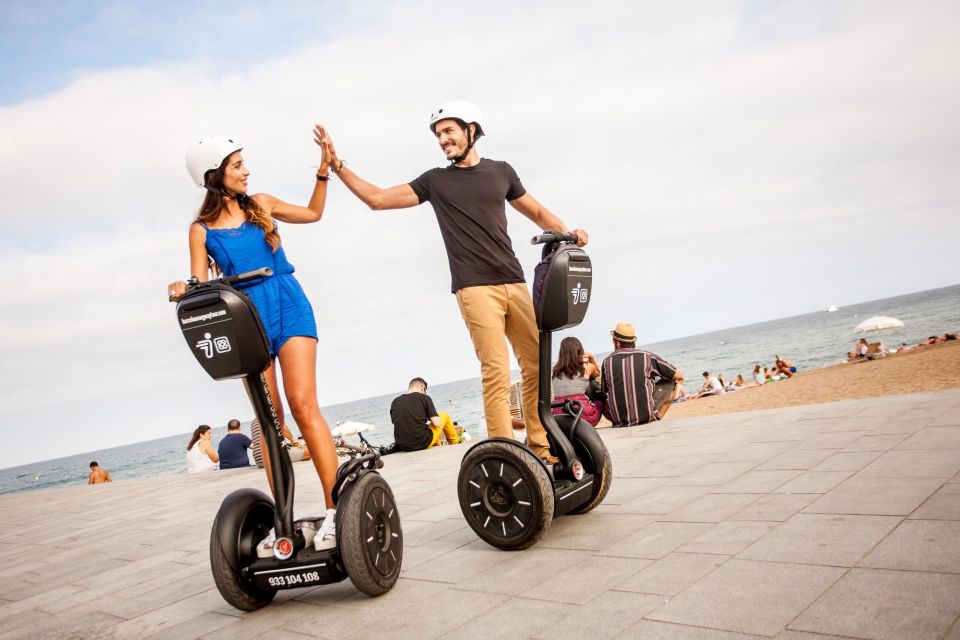
After the park, the route heads toward the waterfront. Port Vell is where Barcelona’s old-port story starts to make sense. You’ll get photo stops and guided context as you glide past the older port feel and toward the city beach.
You’ll also pass Estació de França, which gives you a nice contrast: Barcelona isn’t only plazas and churches. It’s also transit architecture and the practical movement of daily life. From there, you’ll keep rolling through seaside-adjacent streets where you can feel the city opening up.
If you like variety, this stretch does the job. It shifts you from fortress park calm to salt-air energy, and it also sets you up for the monument views later.






Columbus Monument and the skyline pause you’ll actually remember
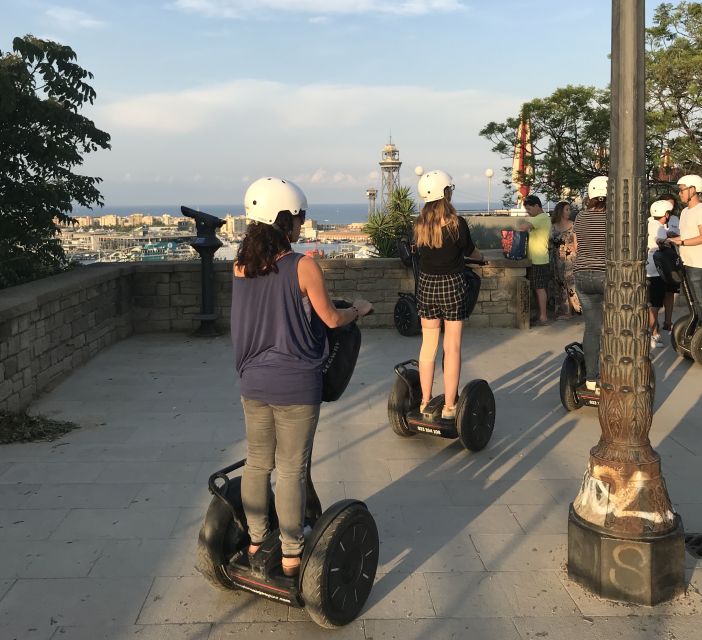
This part is built for photos, but also for perspective. You’ll arrive around the Columbus Monument area and get a viewpoint of Barcelona’s skyline in front of the three mountains that frame the city: Montjuïc, Tibidabo, and Collserola.
This “mountains-in-the-frame” moment is valuable because it explains why Barcelona’s geography feels so dramatic. Once you understand that setup, the rest of your time in the city makes more sense—especially when you look back at what you saw during the ride.
Also, you’ll get a short scenic stretch where the guide keeps talking just enough to give you meaning, not so much that you lose the view.
Joan Miró Foundation and Jardins de Joan Brossa: art in motion
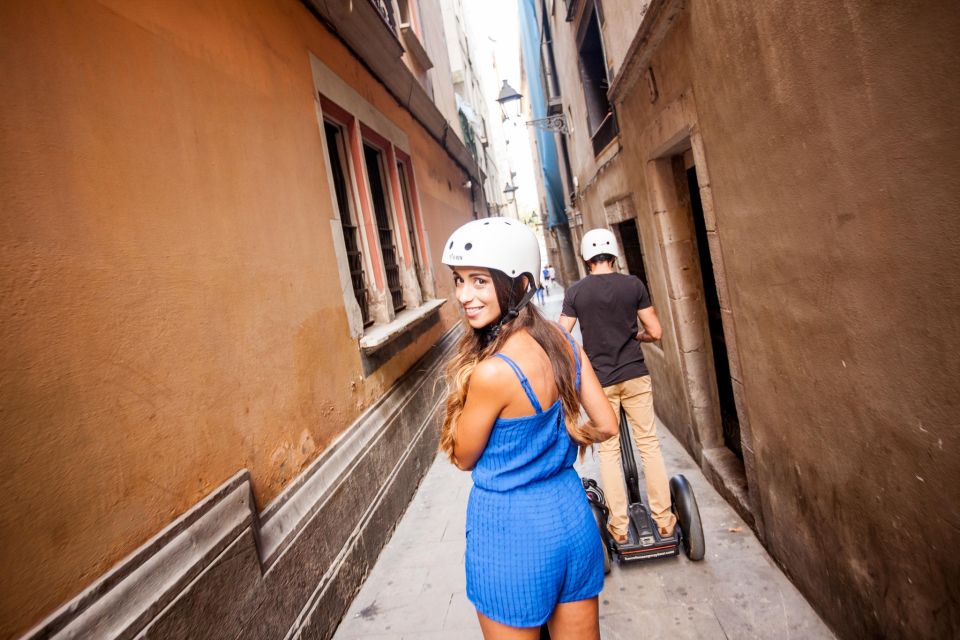
From the monument area, the tour heads through modern Barcelona zones where the sightseeing becomes more about texture than one single landmark. You’ll have photo stops near the Joan Miró Foundation area and then ride through or stop by Jardins de Joan Brossa.
Even if you’re not an art-history person, this is still a smart shift. It helps you see Barcelona as more than just “old town + beach.” You’re also seeing how the city expresses ideas through spaces—gardens, buildings, and the way architecture shows up in everyday walking routes.
Montjuïc Castle: why this hill is worth the effort
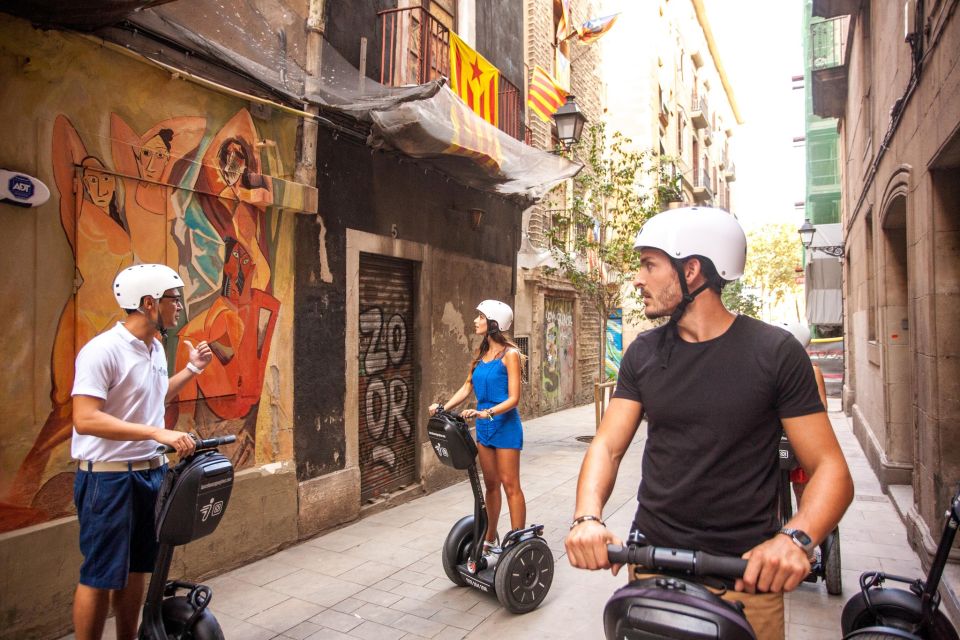
Montjuïc is the reason many people book this tour, and the castle-area stop is where the experience starts to feel like a payoff. You’ll have a brief photo stop and guided moment, including some of the context that makes Montjuïc more than a hill with views.
What you get here is a view-and-story combo. You’re not just looking down at the city; your guide is giving you enough background so the sights feel connected: the rise of the area, why it became important, and what later events shaped it.
A key practical tip: wear shoes you trust. You may step off for a few moments, and castle areas can involve uneven ground and stairs nearby. The Segway reduces the walking, but you’ll still be moving.
Olympic Stadium area and the Museu Nacional zone: sport and art together
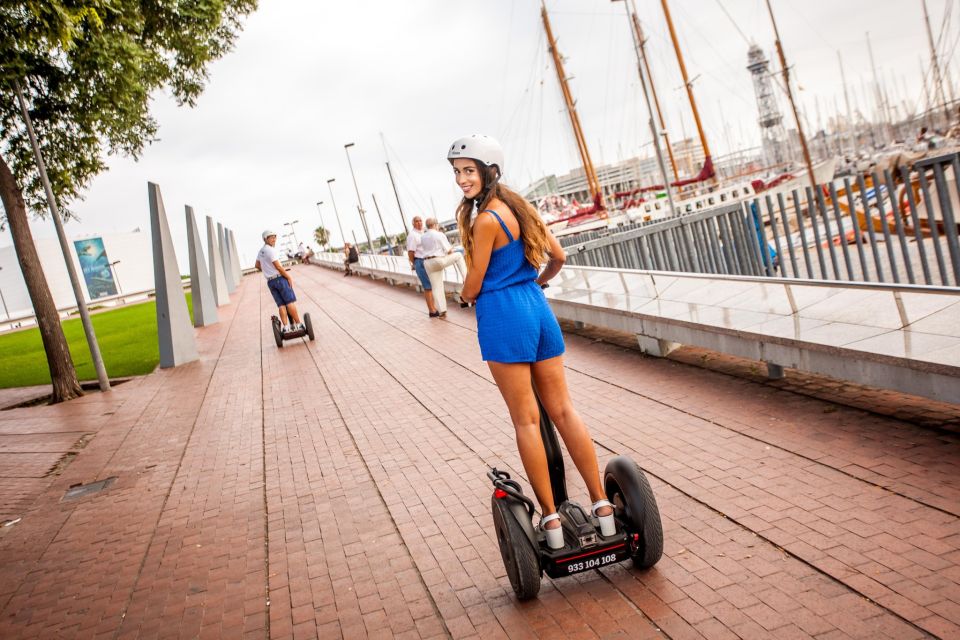
As you continue, you’ll pass the Lluís Companys Olympic Stadium area and reach the Museu Nacional d’Art de Catalunya vicinity. This segment is ideal if you like Barcelona when it’s confident and modern—big scale spaces, wide angles, and impressive institutional buildings.
The trade-off here is simple: you’ll be outside and moving in changing light. If your trip is in bright sun, you’ll want sunglasses and water, because even short photo pauses can feel longer under direct heat.
This is also a good time for a question with your guide. Ask what to do next in that area if you want to walk after the tour. The best guides tend to share routes for your afternoon stroll, and some have even helped riders with picture-taking at the right moments.
Olympic Port and city beaches: how the tour ends on a scenic note
You’ll also ride through areas by the Olympic Port, with the feel of open space and seaside air. This is a nice final shift because it’s less “monuments” and more “Barcelona at your speed.”
It’s also one of the easiest parts to enjoy even if you’re not a history buff. You just glide, you see the waterline, and you get the kind of skyline-and-sea contrast that makes people fall for Barcelona quickly.
Triumphal Arch from the 1888 world exhibition era
The last major highlight is the Triumphal Arch, built as a main gate during the 1888 world exhibition. That detail is more than trivia. It gives you a framework for understanding why Barcelona has these ceremonial structures in the first place, and why different eras leave different visual signatures across the city.
You’ll have a chance to stop, take photos, and soak up the scale. This is the moment where you’ll probably feel the tour’s pace click: you started in old streets, worked through parks and port zones, and finished with a statement monument tied to a global event.
Price and value: why $52 for 3 hours can work well here
At about $52 per person for a 3-hour Segway tour, you’re paying for three things:
1) guided time,
2) the Segway itself (including helmet, safety equipment, and insurance), and
3) access to a route that blends neighborhoods and viewpoints without exhausting walking.
That value gets even better if it matches your group. Small groups (often 2–6 riders per guide) mean less waiting and smoother navigation. And you’ll get one drink included, which is a nice little buffer if your ride runs long in sunny weather.
Could you do it cheaper by walking? Sure. But you’d spend more time figuring out routes on your own, and you’d likely miss some of the hillside and port-to-park connective tissue that makes the tour feel efficient.
Who should book this Segway tour (and who should skip)
This is a great fit if you want to see a lot of Barcelona without training for long days. It’s also a good choice when your group includes different energy levels. The activity is active enough to feel fun, but controlled enough that it doesn’t feel like a full-on workout.
It’s not a fit if you’re pregnant, have mobility impairments, or are over 264 lbs / 120 kg. There are also Segway regulations in Barcelona that set a minimum age of 16. If you don’t meet the height/weight guidelines for riders, the tour won’t be suitable.
If you’re deciding for a family or friend group, the best strategy is this: match the people who can confidently stand and ride, and use the ride as your shared “we did something together” moment.
Should you book the Barcelona Montjuïc Segway Tour?
Book it if:
- you want a 3-hour way to cover multiple districts without tiring your feet,
- you’re curious about stories behind landmarks (not just a checklist),
- you value getting viewpoint time on Montjuïc without committing to a long hike.
Consider other options if:
- you want a strict, guaranteed close-up of specific sites like Sagrada Família (your exact route may vary),
- you dislike any pace limits or expect the Segway to feel like a full-speed ride,
- your group struggles with stairs-like movements or you fall outside the rider requirements.
If you’re on your first or second day in Barcelona and want an efficient mix of coast, parks, and monument views, this tour is an easy “yes” for the right kind of traveler.
FAQ
Where is the meeting point for the tour?
You meet your guide at Passeig Lluís Companys 10.
How long is the Segway tour?
The tour runs for 3 hours.
What is included in the price?
The tour includes a Segway i2, helmet, guide, training, safety equipment, insurance, and 1 drink.
What are the age and rider requirements?
In Barcelona, the minimum age is 16. The tour is not suitable for people with mobility impairments or people over 264 lbs (120 kg). It also mentions rider height and weight guidelines for Segway gliders, and recommends that expectant mothers do not participate.
What should I wear or bring?
Wear comfortable clothes and bring comfortable shoes. If you’re riding in winter, warm water-resistant clothing and gloves are recommended.
How big are the groups?
Small groups are typically 2–6 people per guide. Larger groups may be split and accompanied by several guides.
Which languages are available for the live guide?
The live guide is available in Dutch, English, French, German, Italian, Russian, Spanish, and Portuguese.
Is the tour suitable for pregnant travelers?
No. The tour is listed as not suitable for pregnant women.