REVIEW · BARCELONA
Barcelona: Olympic and Sport Museum – Sports Experience
Book on GetYourGuide →Operated by Touristcheck - Museu Olimpic · Bookable on GetYourGuide
A day on Montjuïc can be surprisingly fun.
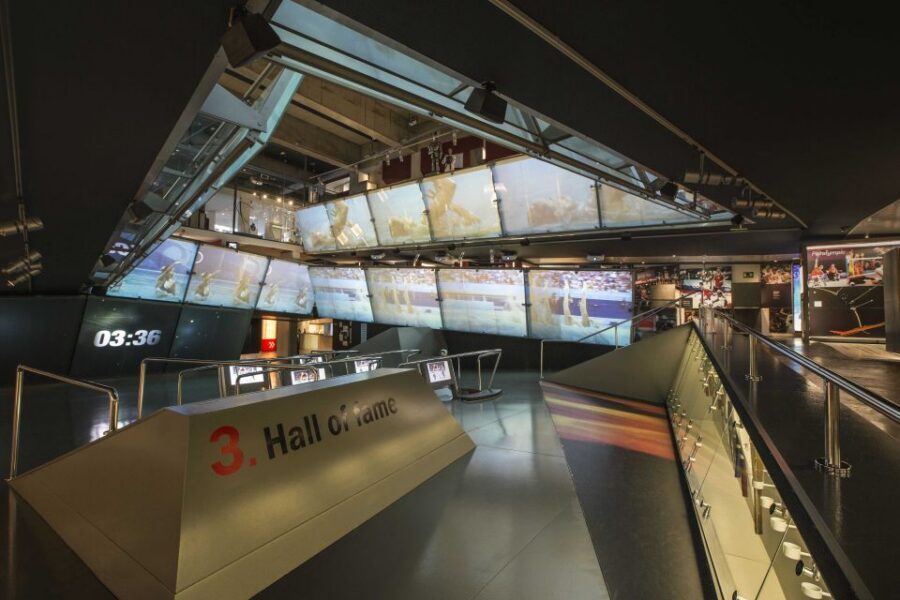
The Barcelona Olympic and Sport Museum turns big-time sports history into hands-on play—so you’re not just reading about the Games. I love how it mixes Olympic and non-Olympic sports and then lets you test skills with interactive tech, plus multimedia setups that help you replay memorable moments from across Olympic history.
Two things I really like: the sports simulators (running, swimming, cycling, and even weightlifting-style experiences) and the Olympic-to-today permanent exhibits that connect host cities—starting with Barcelona ’92—to later Games like London 2012. There’s also a strong sense of “real stuff,” like memorabilia and athlete-related curiosities that make the history feel tangible.
One drawback to consider: the Olympic focus is strong, but the museum also spreads across lots of sports, so if you’re expecting wall-to-wall Barcelona ’92 material, you may find the Olympics-only sections feel smaller than you hoped.
In This Review
- Key things to know before you go
- Finding the right vibe on Montjuïc
- Sports simulators: the part you’ll talk about later
- The Olympic Games timeline: from Barcelona ’92 onward
- Idols and athlete memorabilia: the fun history section
- Paralympic history: learning through real sport categories
- Temporary exhibitions included with your ticket
- A smart way to pace your 1-day visit
- Nearby photo moments and views
- Who this museum is perfect for (and who might want to adjust expectations)
- Value: is the ticket price worth it?
- Should you book the Barcelona Olympic and Sport Museum?
- FAQ
- Where is the Barcelona Olympic and Sport Museum located?
- How long is the visit?
- What is the price?
- What languages are available on site?
- Is the museum wheelchair accessible?
- What’s included with the entrance ticket?
- Are temporary exhibitions included?
- Can minors visit without an adult?
- Is there a host or greeter?
- Can I cancel or change plans?
Key things to know before you go
- Interactive sports zones: try experiences tied to sprinting, swimming technique, cycling, and strength training
- Olympic host-city timeline: see how cities and venues evolved from Barcelona 1992 through London 2012
- Idols space with athlete memorabilia: trophies, milestones, and comparisons like shoes tied to major names
- Paralympic section: includes football for blind and visually impaired athletes, plus wheelchair basketball history
- Temporary art adds variety: photography and art-on-paper exhibitions come with your ticket
- Family-friendly setup: activities are designed so different ages can join in
Finding the right vibe on Montjuïc
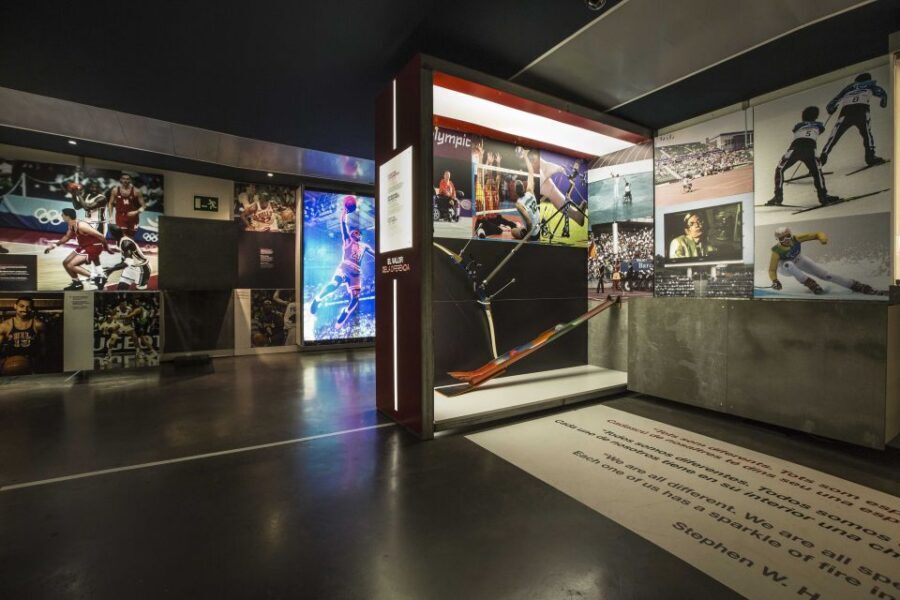
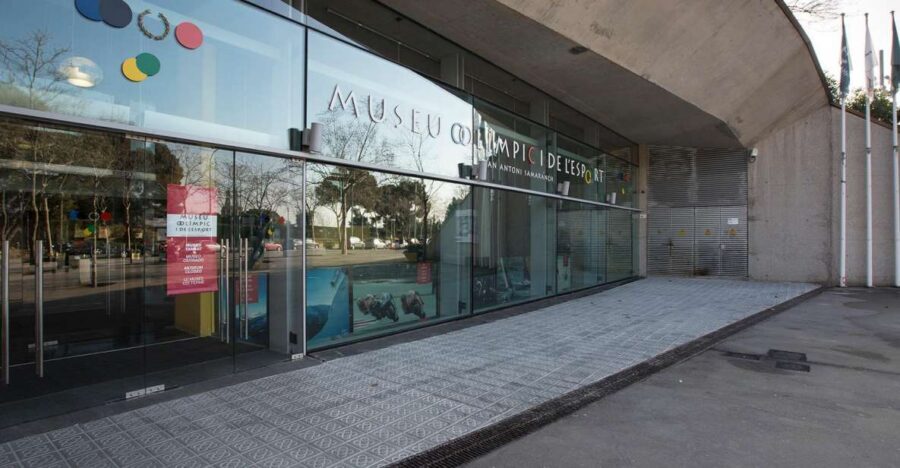
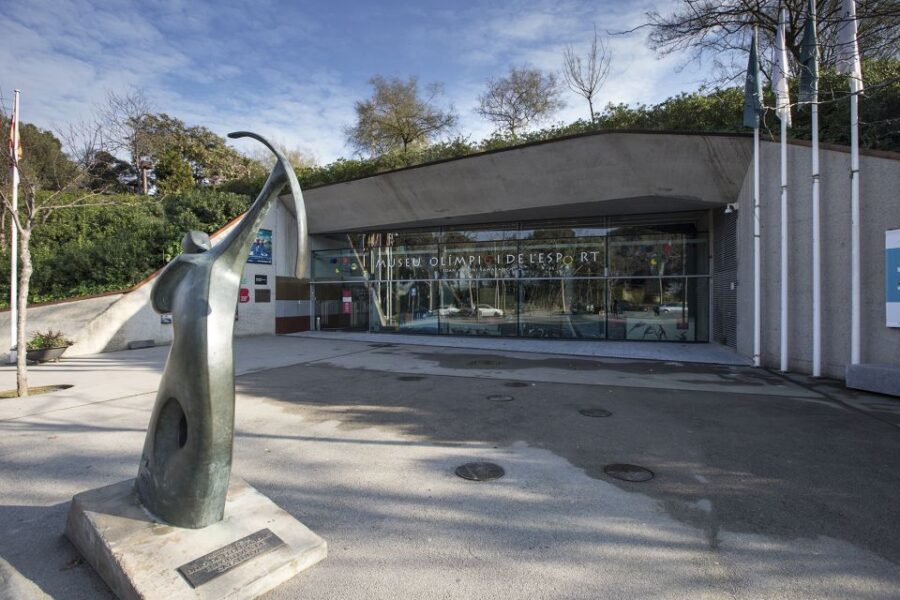
If you’re already spending time on Montjuïc, this museum makes a great use of your day. It’s on the hill in Catalonia, and it’s set up like a place where sports fans can geek out without needing a doctorate in Olympic trivia. At the same time, it’s not only for hardcore athletics people—there are interactive experiences that keep kids and teens engaged, and there’s enough history and memorabilia to satisfy adults too.
The museum’s biggest advantage is how it blends entertainment with context. You’re not just watching videos; you’re doing things—then learning what those sports moments mean. That matters in a city like Barcelona, where you might otherwise spend your energy bouncing between architecture and beaches. This is a different kind of Barcelona day: one with motion, competition, and well-presented sports culture.
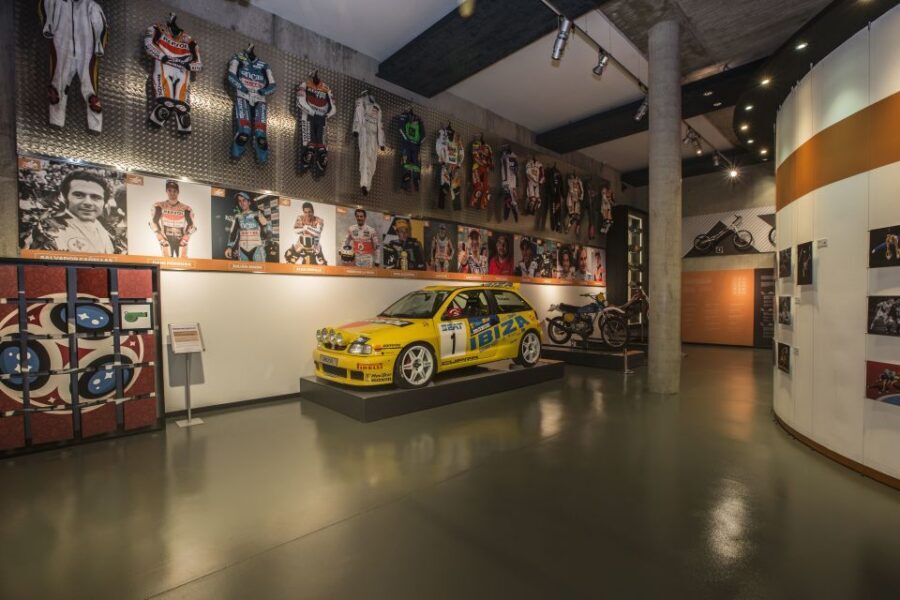
Plan your expectations like this: you’ll move through sections covering Olympic Games history, but you’ll also get non-Olympic sports such as football, Formula 1, skiing, cycling, canoeing, and tennis. That mix is part of why the museum feels lively instead of narrow.
You can also read our reviews of more museum experiences in Barcelona



Sports simulators: the part you’ll talk about later
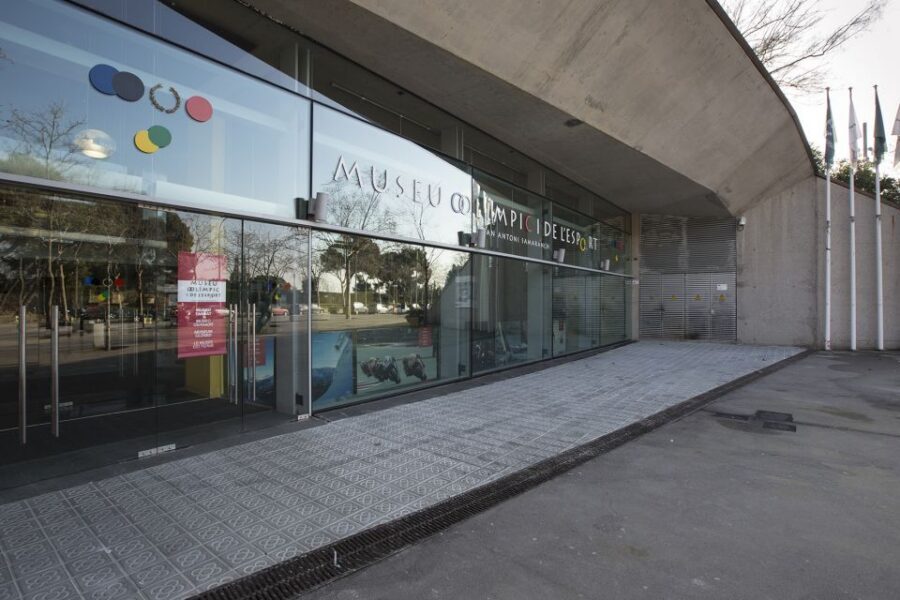
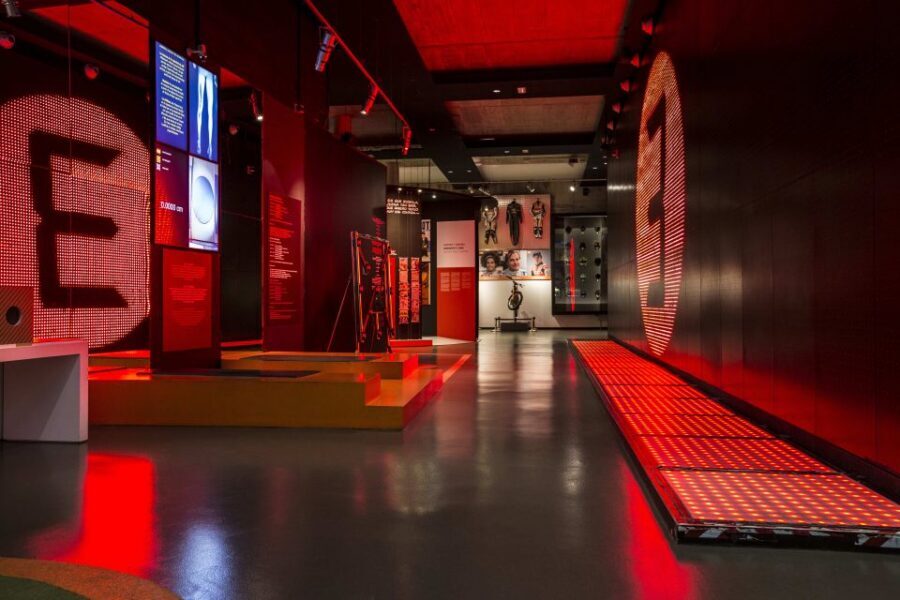
The heart of the museum experience is its interactive sports area. This is where the ticket stops feeling like a museum ticket and starts feeling like a sports-themed playground with real references behind it.
Here are the types of experiences you can expect:
- Sprint challenges where you can run against names like Carl Lewis or Usain Bolt
- Swimming technique stations that let you explore how swimmers like Mark Spitz and Michael Phelps approached their events
- Cycling skill practice that focuses on technique and improvement rather than just “trying something once”
- Immersive weightlifting-style experiences where you can try a taste of training mechanics
What I like about these setups is the way they translate elite sport into something you can attempt yourself. Even if you’re not a natural athlete, you still get that satisfying moment of progress—then you can connect it back to the bigger Olympic story happening in the exhibits.
One practical tip: start with the simulators early. They’re the most time-sensitive part of the visit because once you’ve seen the rest of the museum, you may be less motivated to repeat the interactive sections. If you have energy, do the hands-on part first, then settle into the history and memorabilia.
Also, don’t worry about showing up with the “right” level of sports knowledge. The museum is built to work even if you only recognize a few athlete names.
The Olympic Games timeline: from Barcelona ’92 onward
After you’ve tested your skills, you shift gears into a more traditional museum mode—but it’s still presented in a way that feels connected to real competition. A permanent exhibition covers the history and locations of the Olympic Games and highlights host cities across editions.
You’ll see the story stretch from Barcelona 1992 to later Games like London 2012. This is useful if you want the Olympic context without spending the whole day reading. Instead of feeling like random facts, the timeline structure helps you understand how the Games evolved: where they were held, and how the city-by-city experience shaped the Olympics.
In a city like Barcelona, that part lands even better. Seeing Barcelona ’92 placed in a bigger sequence makes the Games feel less like a single historic moment and more like a chapter in an ongoing global event.
If you’re a sports fan, this section works as a bridge between your hands-on experience and the bigger cultural meaning. If you’re traveling with family, it gives adults a reason to stay interested while kids are between activities.
Idols and athlete memorabilia: the fun history section
One of the museum’s coolest ideas is the Idols space, which focuses on trophies, milestones, and key athlete moments. It’s where the museum slows down enough for you to appreciate the objects and the significance behind them.
You can compare items like shoes with those associated with major figures such as Michael Jordan, Pau Gasol, and Roberto Dueñas. That kind of comparison turns a display into an actual “try to spot the differences” activity. It’s also a smart way to include sports beyond the Olympics. Even though Jordan and Gasol aren’t tied to Olympic gold in every context, they connect visitors to the idea of athlete craft, recognition, and legacy.
The Idols area also includes:
- trophies and milestone-focused displays
- elements from the best athletes and key moments in history
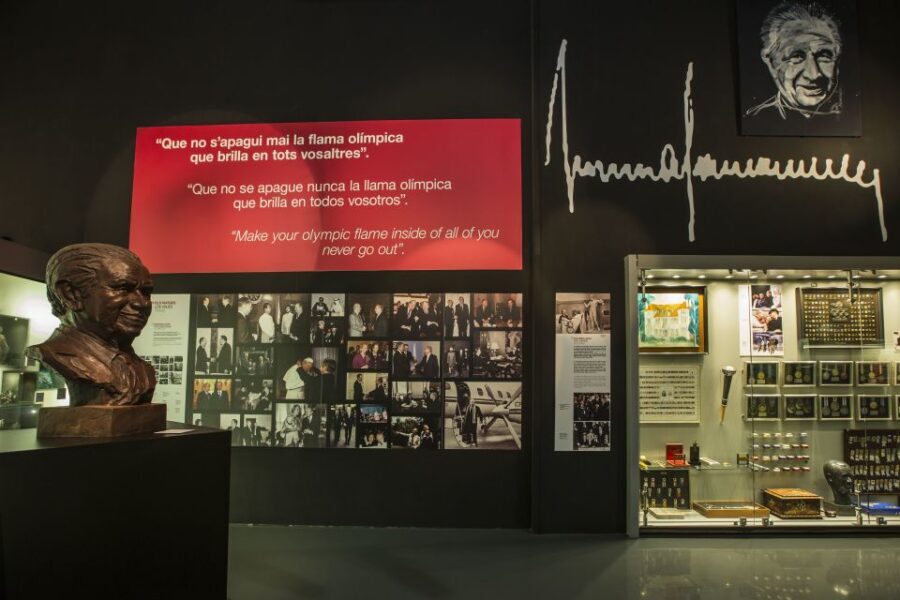
- the Samaranch collection
- a chance to enjoy a live sports match experience on site
That “live match” detail is small on paper, but it helps the museum feel current. You’re not trapped in the past; you’re pairing history with the sports energy people follow today.
If you like a museum where the best parts aren’t hidden behind long reading blocks, this section is a strong stop.
Paralympic history: learning through real sport categories
The museum includes a dedicated Paralympic section, designed to show Paralympic sports history in a clear, visitor-friendly way. Here you can learn about the Paralympic Games with specific sports examples, including:
- football for the blind and visually impaired
- wheelchair basketball
What makes this part valuable is that it’s not only about “celebrating athletes.” It also explains sports categories and how the competitions work. That turns your understanding from vague admiration into something concrete.
If you’re visiting with teens or older kids, this is the section that often creates the most thoughtful conversations. It’s also a good reminder that the Olympics story is bigger than a single spotlight.




Temporary exhibitions included with your ticket
Your ticket also includes temporary exhibitions, so you get more than one “layer” of content during the same visit. Right now, the museum lists two temporary art-related options:
- Values and Emotions of the COPLEFC Photography Contest, running until January 25, 2026
This photography contest started in 1999, and over its editions it collects images meant to highlight values and emotions tied to sport in different forms.
- XI Barcelona Olympic Foundation International Art on Paper Award, running until November 09, 2025
This is organized by the Fundació Barcelona Olímpica, with a focus on keeping the link between art and sport active. The museum notes the number of entries as part of the event’s energy.
I like adding art to a sports museum because it changes the pace. The interactive zones get your body moving; these exhibitions slow your mind down and let you see sport through a different lens—emotion, interpretation, and values rather than technique charts.
A smart way to pace your 1-day visit
You only have one day, so the best plan is to avoid turning this into a “wander and hope” museum tour. Instead, I’d use a simple rhythm:
- Start with interactive simulators (running/swimming/cycling/strength) while you still have the most energy.
- Move into the Olympic host-city exhibition so you build context while your attention is sharp.
- Go to Idols and memorabilia for the most visual, name-recognition part of the museum.
- Finish with Paralympic history and the temporary art exhibitions so the day closes with meaning and variety.
If you’re traveling as a couple or a solo traveler, this flow helps you avoid repeating sections. If you’re traveling with family, it also creates natural stop points when kids get tired of one kind of activity.
Nearby photo moments and views
One extra perk from people who visit is that there can be a stadium a short walk away where you may get great photos and viewpoints, depending on whether it’s open at the time of your visit. Even if you’re not there for sports match energy, it’s a nice way to connect the museum experience to Montjuïc’s wider Olympic landscape.
If your schedule allows, do a quick walk afterward to take in the views and “place” the museum in the bigger Montjuïc setting.
Who this museum is perfect for (and who might want to adjust expectations)
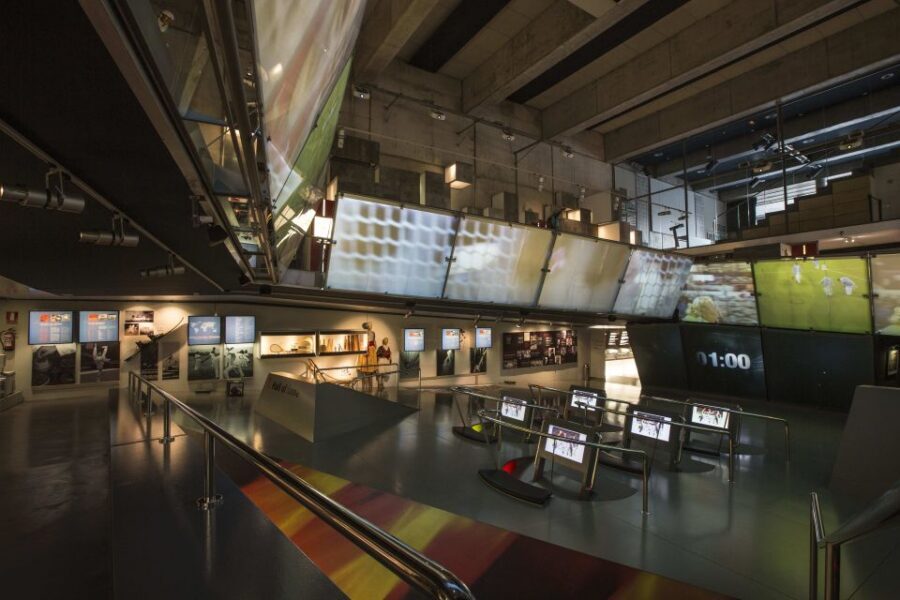
This is a great fit if you fall into one of these groups:
- Sports fans who want both names and context, plus hands-on skill challenges
- Families looking for an interactive museum that keeps multiple ages engaged
- Olympic history lovers who appreciate host-city storytelling from Barcelona 1992 onward
- Paralympic sports supporters who want clear explanations and dedicated attention
You might adjust expectations if:
- You’re hoping for a museum that’s overwhelmingly focused only on Barcelona 1992. The museum covers the Olympics broadly, and it also includes many non-Olympic sports. You’ll likely get a lot more variety than a purely Barcelona-focused exhibit.
Value: is the ticket price worth it?
At about $7 per person for a 1-day ticket, the value is strong. The reason is simple: you’re paying for more than static displays. You get interactive experiences, Olympic context, memorabilia, a Paralympic section, and temporary art exhibitions included with entry. For most visitors, that combination offers enough variety to justify the cost in a short time window.
In travel terms, you’re not gambling on a “maybe this is fun.” The museum is built to be active, and that tends to make the price feel fair fast—especially if you’re visiting with kids, where interactive content often delivers the biggest payoff.
Should you book the Barcelona Olympic and Sport Museum?
If you want a sports-themed day on Montjuïc that doesn’t require heavy reading and still gives meaningful context, I’d book it. The interactive simulators are the big draw, and the museum’s mix of Olympic history, athlete-focused exhibits, and Paralympic learning makes it more complete than a one-topic museum.
I’d skip it only if you’re specifically looking for a museum that focuses almost entirely on Barcelona ’92 and nothing else. If you’re open to a broader Olympic-and-sport story, this is a very solid use of one day in Barcelona.
FAQ
Where is the Barcelona Olympic and Sport Museum located?
It’s located on Montjuïc hill in Barcelona, Spain (in Catalonia).
How long is the visit?
The ticket is valid for 1 day.
What is the price?
The price is listed as $7 per person.
What languages are available on site?
The listed language is Spanish.
Is the museum wheelchair accessible?
Yes, it’s wheelchair accessible.
What’s included with the entrance ticket?
The ticket includes entrance, Wi-Fi, and toilets.
Are temporary exhibitions included?
Yes. Temporary exhibitions are included with your ticket entrance, including the COPLEFC photography contest and the Fundació Barcelona Olímpica art on paper award (each with listed end dates).
Can minors visit without an adult?
No. Unaccompanied minors are not allowed.
Is there a host or greeter?
Yes, there is a host or greeter listed as Spanish.
Can I cancel or change plans?
Free cancellation is available up to 24 hours in advance for a full refund, and there’s also a reserve now & pay later option.