REVIEW · BARCELONA
Barcelona Rooftop Paella Cooking Class with Sangria & Local Host
Book on Viator →Operated by benjamin mordoh · Bookable on Viator
Paella can be intimidating. This class makes it feel doable fast. I like that you cook every step, not just watch. You’ll also get the relaxed start with homemade sangria or vermouth before the rice ever hits the pan.
Two things I really love: the host-led coaching is personal (you can ask questions and steer the pace), and the lunch you eat is what you just made, with a proper Catalan side like pan con tomate. One consideration: the experience is described as rooftop-style, but at least one run shifted to a ground-floor patio, so plan for weather and location tweaks.
In This Review
- Key highlights at a glance
- A Barcelona paella class that doesn’t feel like a show
- The meet-up spot and how the flow really works
- Sangria or vermouth first, then paella history and ingredients
- The main event: you make paella step by step
- Sofrito and flavor base
- Broth and building the rice’s flavor
- Rice and cooking technique you can reuse
- Seafood timing
- Catalan sides make it feel like a real lunch, not just a class
- The rooftop vibe: great when weather cooperates
- Vegetarian and allergy requests: ask and they’ll adapt
- Price and value: what you’re really paying for
- Who this class is best for (and who should skip it)
- Should you book Barcelona Rooftop Paella Cooking Class with Sangria & Local Host?
- FAQ
- How long is the paella cooking class?
- Is it offered in English?
- What’s included with the class meal?
- Can the menu be made vegetarian or adjusted for allergies?
- Where is the meeting point in Barcelona?
- What happens if weather is bad or I need to cancel?
Key highlights at a glance
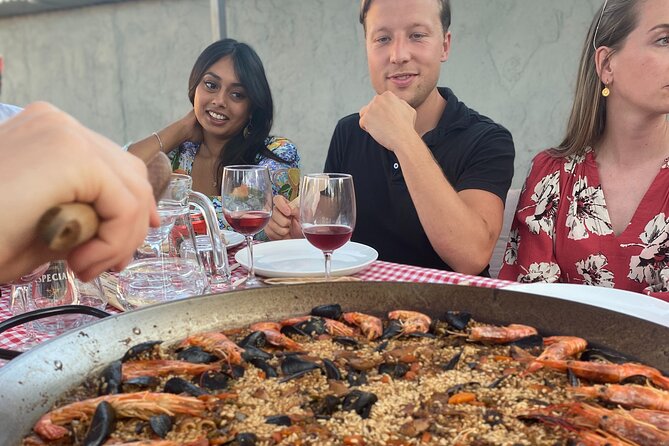
- Hands-on paella from scratch: you do the steps, including sofrito, broth, and rice
- Sangria or vermouth at the start: a social warm-up that doesn’t delay the cooking
- Small-group, private feel: only your group participates
- Regional stories with practical tips: you learn why paella works, not just what to do
- Easy menu flexibility: vegetarian and allergy adaptations can be requested
- Sit-down lunch after cooking: bread, olives, and fresh fruit with your finished paella
A Barcelona paella class that doesn’t feel like a show
This is the kind of cooking class that helps you stop thinking of paella as some fancy restaurant trick. You’ll treat it like a real home-cooking process: prep, stir, adjust, taste, and then serve what you made. And that shift matters. Once you’ve handled the rice and learned what to look for, the dish stops being mysterious.
The rooftop setting (when it’s on) adds a calm, backyard feeling that’s rare in busy tourist Barcelona. You’re in Sant Martí, in an area that feels more like real daily life than a stage built for visitors. Even if you’re a first-timer, the atmosphere stays friendly and unhurried.
The host matters here. Benjamin Mordoh (often just called Benjamin) is the guide behind the experience, and the vibe from many groups is consistent: warm, talkative, and happy to explain not only what happens but why. In one session, he even gave a complimentary dessert, which shows they like finishing strong, not just sending you on your way.
You can also read our reviews of more tours and experiences in Barcelona.



The meet-up spot and how the flow really works
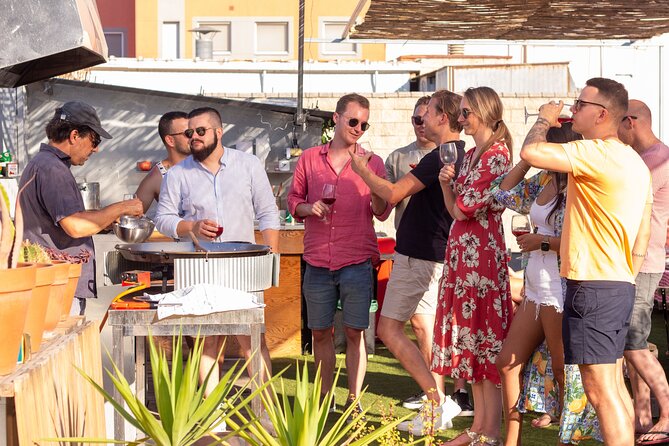
You meet at Passatge de Coll, 19, Sant Martí, 08019 Barcelona, Spain. The activity starts there and ends back there, so you’re not spending your time playing transportation roulette across town.
It’s also near public transportation, so you can build it into your day without needing a long taxi run. The lesson runs about 2 hours, so it fits nicely between sightseeing blocks or before you head out for dinner.
One good thing about this format: you’re not stuck waiting around. The class moves from drinks to ingredients to cooking steps quickly. The timing feels designed for attention spans. You get enough time to ask questions, but the session still keeps you actively doing the work.
Sangria or vermouth first, then paella history and ingredients
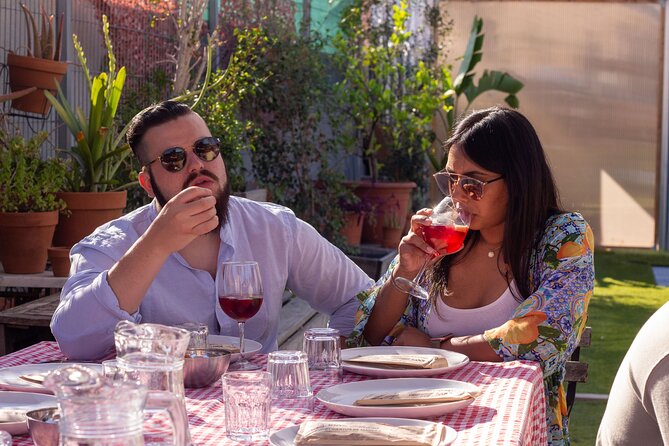
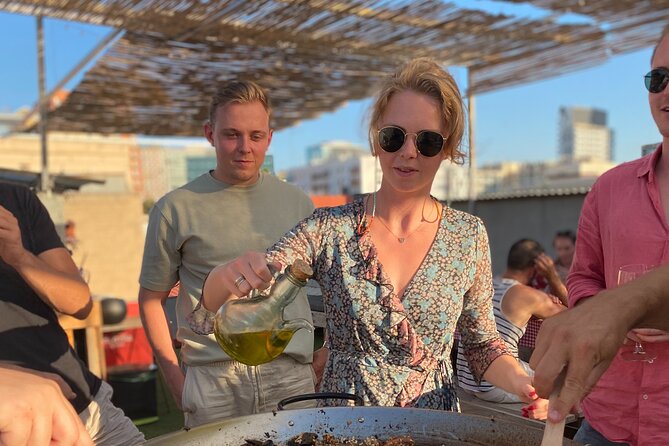
The class kicks off with homemade sangria or vermouth. This isn’t just a casual pour. You’ll help prepare it together, which lowers the barrier to feeling comfortable in the kitchen right away. It also sets a social tone where talking is part of the meal, not an interruption.
Then your host introduces paella in a way that’s meant to stick. You’ll hear about origins, regional traditions, and the key ingredients that make paella what it is. This is where a lot of cooking classes are weak: they explain too little or too late. Here, the story comes right before you start cooking, so the information lands while you’re holding utensils.
You’ll also learn the practical roles of each ingredient. For example, sofrito and broth aren’t just “stuff you add.” They build flavor depth and help the rice cook evenly. When you understand that, you can redo the dish later without guessing.
The main event: you make paella step by step
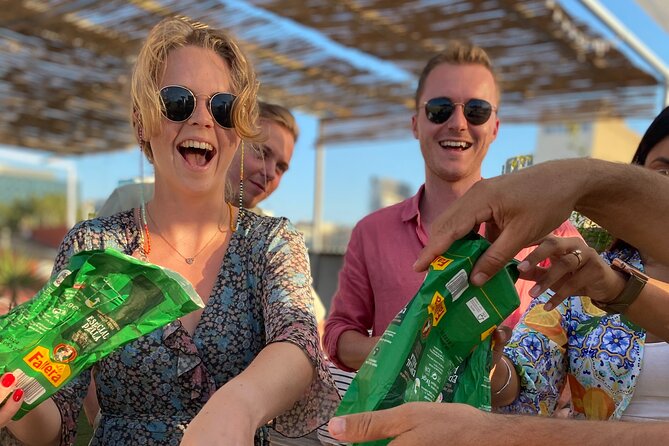
This is the big point of the experience: it’s fully hands-on. You’ll take part in every step, guided by your host. That means you’ll cook, not just observe.
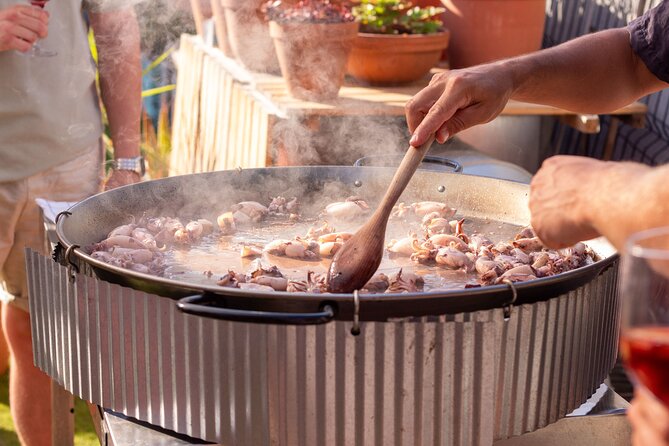
The paella is seafood-based in the standard menu. You’ll work with prawns plus cuttlefish (or squid) and mussels, and you’ll see how the seafood fits the timing. In the notes from the host, paella is linked to the fishermen back in his home region of Costa Brava, which gives the seafood choice an extra layer of sense beyond tradition alone.
Here’s how the cooking typically unfolds in this kind of class (and what you’ll be doing during yours):
Sofrito and flavor base
You’ll prepare the sofrito, which is the flavor engine of many Spanish dishes. Expect you’ll chop, stir, and learn the texture cues your host looks for. This is one of those skills that feels tiny in the moment but pays off later at home.





Broth and building the rice’s flavor
Next comes broth. You’ll learn how it affects the rice’s finish and how to think about consistency. Paella rice needs balance. Too little liquid can lead to undercooked rice. Too much can turn it mushy. Your host helps you aim for the right working range.
Rice and cooking technique you can reuse
Then the rice phase. This is where you learn the techniques that matter at home: how to keep heat consistent, how to manage timing, and what stage the pan is in when it’s time to let it simmer. The goal isn’t to memorize a script. It’s to understand what changes as it cooks.
Seafood timing
Finally, seafood goes in. You’ll see that seafood isn’t just an add-on. It needs the right timing so it stays tender instead of rubbery. Even if you’re not a confident cook, you’ll get guidance on when and how to add it.
Throughout, your host keeps it interactive. Several groups mention that Benjamin lets you choose how involved you want to be. If you want to do everything, you can. If you want a slower pace, you can ask for that too. Just say what level you’re comfortable with early.
Catalan sides make it feel like a real lunch, not just a class
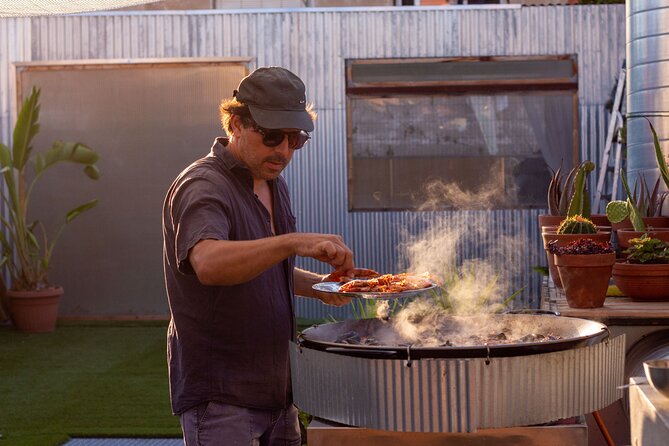
Paella classes can end with a sad paper plate. This one ends with a proper sit-down meal.
Your menu includes:
- Tomato salad seasoned with extra virgin olive oil
- Pan con tomate, the Catalan classic: toasted bread rubbed with fresh tomato, olive oil, and salt
- Seafood paella made by you
- Bread, olives, and fresh fruit served with the meal
If you’re wondering why pan con tomate belongs on your paella plate, it’s simple. It’s bright, salty, and helps balance the richness of the rice and seafood. Plus, it teaches you a fast Catalan habit you can actually repeat later.
You’ll also likely get time to chat while the paella cooks. This is part of the value: you’re learning in a relaxed setting, not racing the clock like a cooking demo.
In at least one reported session, a complimentary dessert was added after the main. Even if dessert isn’t always guaranteed, the fact that it sometimes appears tells you they care about finishing the experience well.
The rooftop vibe: great when weather cooperates
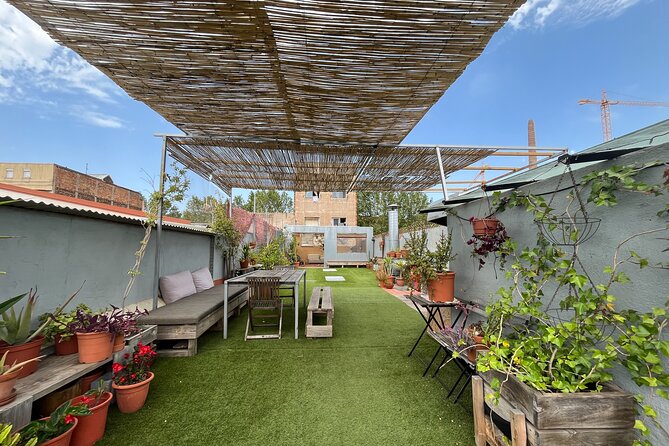
The class is described as happening on a Barcelona rooftop, and many groups highlight it as a beautiful, comfortable space with a homey backyard feel. That rooftop atmosphere makes the session linger in your memory, because you’re not just tasting food, you’re tasting place.
But here’s the real-world part: one review noted the location moved away from the rooftop to a ground-floor patio. Weather can also affect where you sit and how comfortably you cook.
So my practical advice is simple: treat the rooftop as a nice bonus, not a promise you should build your whole day around. If you’re traveling with flexibility, you’ll enjoy it more. If you’re trying to plan around exact light and exact views, keep a backup idea in your pocket.
Vegetarian and allergy requests: ask and they’ll adapt
One of the most useful parts of this experience is that it can be adjusted. You can ask to make it vegetarian, and you can also request accommodations for different allergies. That matters because paella is often hard to modify after the fact. Here, the adaptation can be built into the meal planning.
Practical tip: message your needs during booking so the host has time to prepare. Also tell them your comfort level. If you want a full vegetarian paella style rather than a simple swap, say so. Hosts can work within the menu they’ve planned, but clarity helps.
If you’re traveling with picky eaters, this is still a good option because you get cooking time, not just a final dish. People who don’t usually eat certain seafood might still enjoy learning the rice and flavor base techniques.
Price and value: what you’re really paying for
At $90.11 per person for about 2 hours, this isn’t a budget meal. But it is good value if you look at what’s included.
You’re paying for:
- A private, host-led cooking lesson
- Full hands-on instruction (so you learn technique, not just receive food)
- Ingredients to cook a full paella meal
- Sangria or vermouth made during the class
- A sit-down lunch: tomato salad, pan con tomate, paella, plus bread, olives, and fresh fruit
When you break it down, the price is largely about time, coaching, and the ingredient experience. If you try to recreate paella later, you’ll also need saffron-like flavor components (not always the same as what you see in tourism meals), proper rice, and the right rhythm of cooking. This class gives you that rhythm up front.
It can be especially worth it for couples, small groups, or families who want an activity that ends with a real meal. Several groups mention it works well as a team activity too, which tells me the social format adds practical fun, not just cooking knowledge.
Who this class is best for (and who should skip it)
This fits best if you want:
- Hands-on cooking with clear guidance
- A meal experience that feels local and not overly formal
- A small, social setting with good conversation time
- A paella lesson you can repeat at home
You might skip it if:
- You only want a rooftop photo moment and don’t care about the cooking process
- You’re sensitive to cooking smells or you’re looking for a fast food-style stop
- You’re traveling with strict timing and no flexibility for weather-related changes
Should you book Barcelona Rooftop Paella Cooking Class with Sangria & Local Host?
If you like learning by doing, I’d book it. The combination of hands-on paella plus a sit-down lunch you made yourself is exactly the kind of experience that turns travel memories into real skills. The host approach, including Benjamin’s Costa Brava connections, also makes it feel rooted in place rather than generic.
Just go in with the right expectations: the rooftop is part of the charm, but weather can affect where you cook and eat. If you’re okay with that minor uncertainty, you’ll likely come away feeling like you didn’t just eat Barcelona. You learned it.
FAQ
How long is the paella cooking class?
The experience is about 2 hours.
Is it offered in English?
Yes, it’s offered in English.
What’s included with the class meal?
You’ll make and enjoy paella you cook yourself, plus bread, olives, and fresh fruit. Tomato salad and pan con tomate are part of the included menu. Sangria or vermouth is also included.
Can the menu be made vegetarian or adjusted for allergies?
Yes. The menu can be adapted for vegetarian options and for different types of allergies.
Where is the meeting point in Barcelona?
You meet at Passatge de Coll, 19, Sant Martí, 08019 Barcelona, Spain. The activity ends back at the same meeting point.
What happens if weather is bad or I need to cancel?
The experience requires good weather. If it’s canceled due to poor weather, you’ll be offered a different date or a full refund. You can also cancel for free up to 24 hours in advance for a full refund.