REVIEW · BARCELONA
Barcelona: Rooftop Paella Cooking Class with Sangria
Book on GetYourGuide →Operated by Faca Bcn · Bookable on GetYourGuide
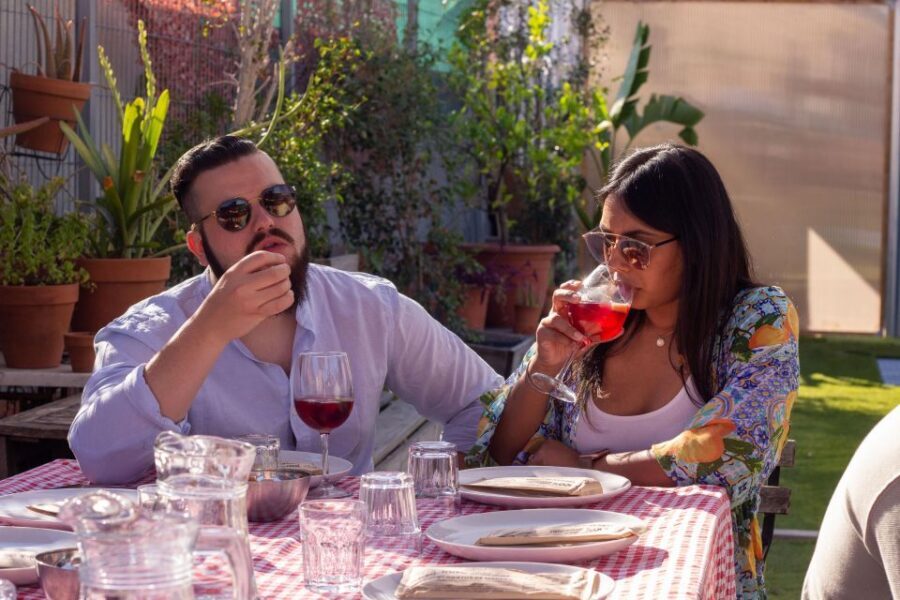
Rooftop paella feels like Barcelona magic. This hands-on Barcelona rooftop class pairs a classic seafood paella lesson with homemade sangria, all led by a friendly local host in a relaxed terrace setting. You’re not watching from the sidelines; you’re doing the work, learning the why, and then digging in under the sky.
I love how you start by making the drinks together, then move straight into cooking in a way that feels practical and teachable. I also love the way Benjamin (and Patrick, when present) guides the group step by step with clear, patient coaching and quick cultural context that makes paella click.
One thing to plan for: it’s a rooftop experience, so sun and weather matter. Bring sunscreen and a hat, and if conditions change, you may be shifted to a suitable indoor space as the class continues.
In This Review
- Key things that make this class worth your time
- A rooftop kitchen in Barcelona starts with sangria
- What you’re cooking: seafood paella from scratch
- The technique that actually changes your paella
- Sangria and vermouth: the local pre-dinner rhythm
- Meal time on the terrace: eating what you made
- Price and value: why $82 can make sense
- Who should book this class (and who might skip it)
- Practical tips for a smoother rooftop class
- Should you book this rooftop paella class in Barcelona?
- FAQ
- How long is the Barcelona rooftop paella cooking class?
- What is the price per person?
- Is this class a cooking demonstration or fully hands-on?
- What kind of paella do you make?
- What food and drinks are included?
- Where is the meeting point?
- What should I bring for the rooftop setting?
- Which languages will the instructor use?
- Is hotel transfer included?
- What is the cancellation policy?
Key things that make this class worth your time
- Fully hands-on seafood paella: you cook from scratch, not just watch
- Homemade sangria or vermouth: mix it together before the rice even hits the pan
- Benjamin and Patrick’s teaching style: step-by-step guidance plus easy-to-follow technique
- Rooftop social vibe: you eat together in the sunshine instead of rushing out
- Real meal support: bread, olives, tomato salad, fresh fruit, plus water and an apron
- Recipes to take home: you get the instructions so you can repeat it later
A rooftop kitchen in Barcelona starts with sangria
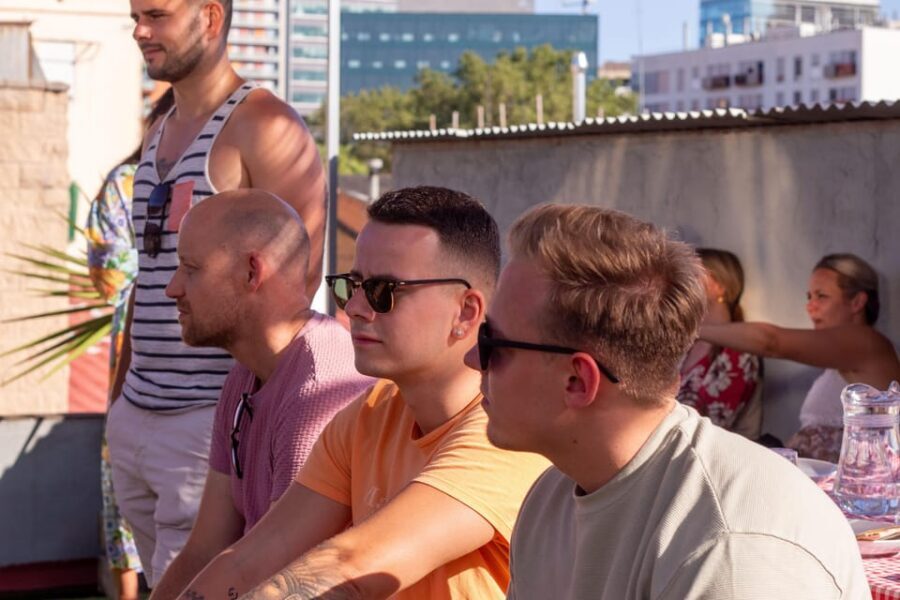
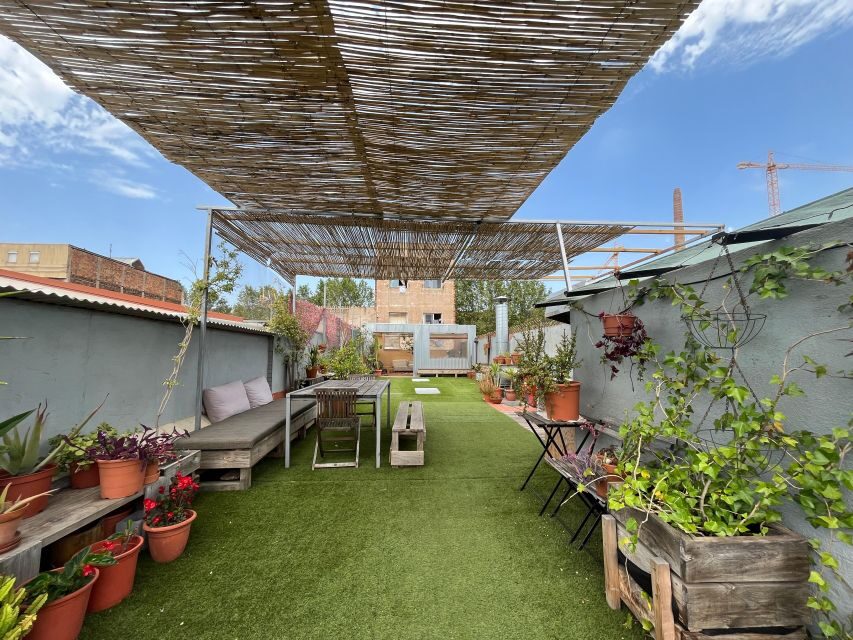
If you’ve ever taken a cooking class that felt more like a sales pitch than a lesson, this setup is refreshingly different. The experience begins where people actually socialize in Barcelona: outdoors, relaxed, and friendly. You meet at street level near a small blue door, then the host walks you up to the rooftop kitchen.
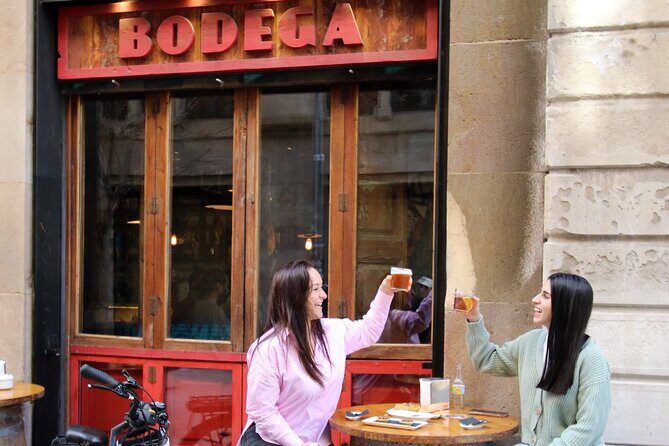
Once you’re gathered, the mood is set fast. Before any cooking begins, you make homemade sangria together—learning how locals balance fruit, wine, and flavor. If you’d rather go the vermouth route, that’s part of the early get-together too. Either way, you’re drinking something seasonal and learning the logic behind it, not just pouring from a bottle.
This opening matters because it makes the rest of the class easier. When you’re relaxed, you pay better attention. When you’re laughing with the group, it’s easier to follow directions while your pan is getting hot.
You can also read our reviews of more cooking classes in Barcelona

What you’re cooking: seafood paella from scratch
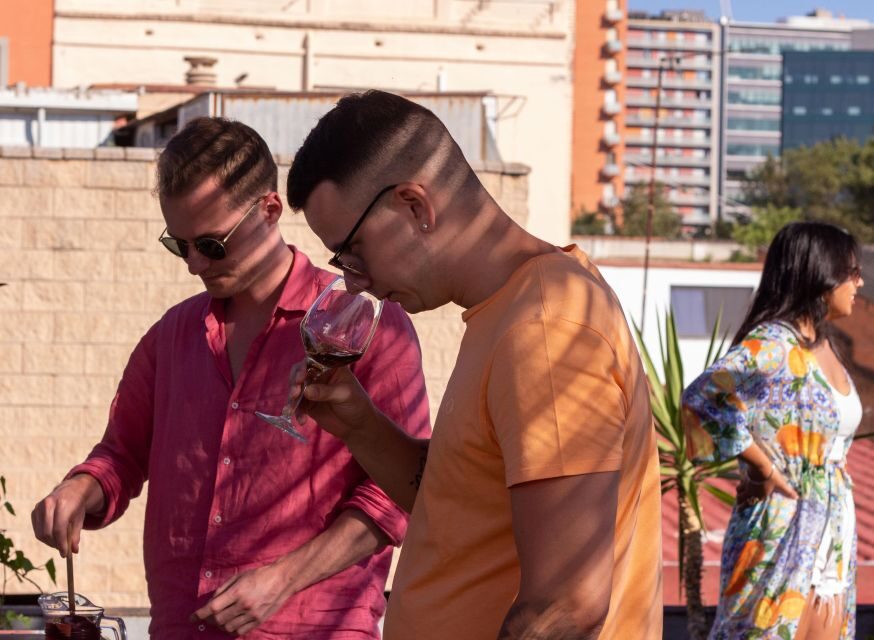
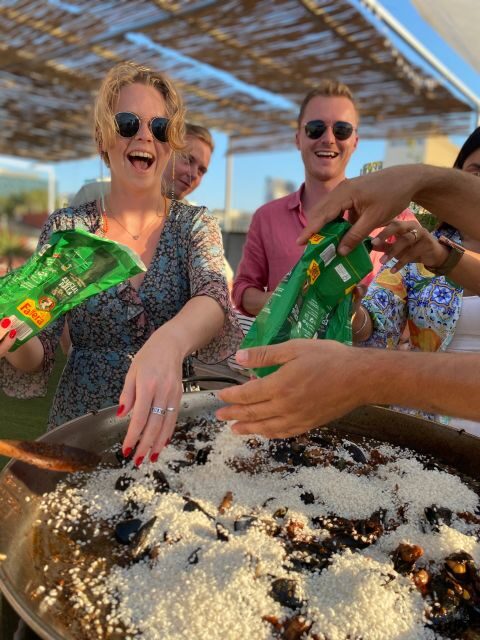
The headline is paella, and it’s the real thing: a traditional seafood paella made from scratch in a small group. You don’t show up and get a ready-made dish. You’re involved in the process from the first ingredients to the final table.
You start with the foundation work that most people skip at home. The host walks you through making the sofrito, building the right broth base, and then moving into the rice stage—the part where paella can go from great to disappointing quickly if you rush it.
As the cook time moves along, you’re not stuck waiting in silence. You keep sipping sangria or vermouth, chat with the group, and enjoy the rooftop atmosphere while the paella finishes. Then everyone sits down together to eat what you made.
One small but meaningful detail: you also get supporting sides that make the meal feel complete. Bread, olives, and a tomato salad show up alongside the paella, plus fresh fruit. You’re not leaving hungry or wondering what to do with your paella skills.
The technique that actually changes your paella
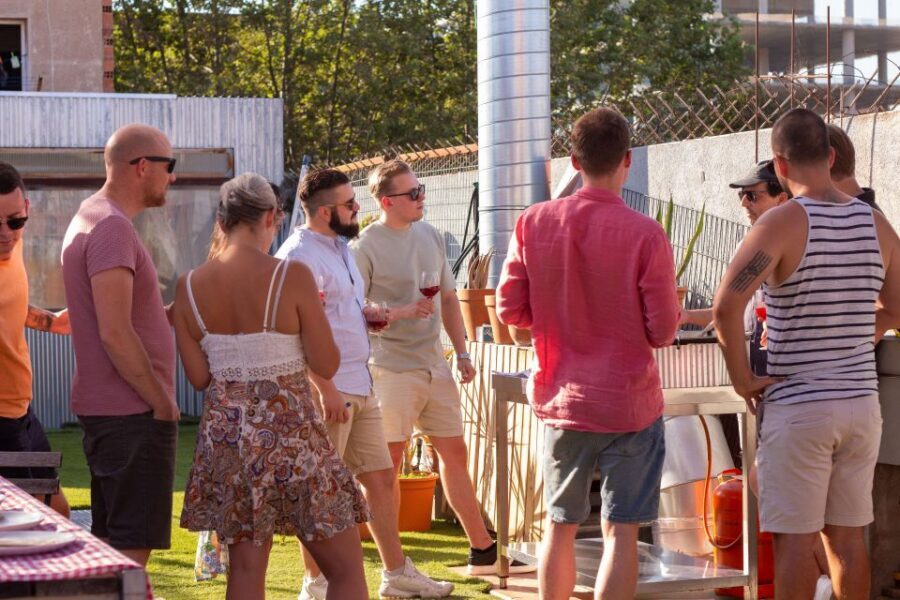
Paella has a reputation for being intimidating. This class helps you cut through that. The host doesn’t treat paella like secret wizardry; you’re given practical steps you can repeat.
Here’s what the class emphasizes as you cook:
- Sofrito building: learning how to develop flavor early, not just toss ingredients in at random
- Broth preparation: understanding what goes into the liquid base so the rice tastes right
- Rice technique: the essential method that determines texture, flavor, and overall outcome
The key is that you learn the rhythm. Paella isn’t only about ingredients; it’s about timing and control. You’ll see how the heat and the order of steps affect the final result.
In multiple group experiences, hosts are described as calm, patient, and willing to explain things from different angles. That matters if you’re not a “kitchen person.” You should still feel confident, because the teaching is built around you doing the tasks, not just memorizing recipes.
Sangria and vermouth: the local pre-dinner rhythm
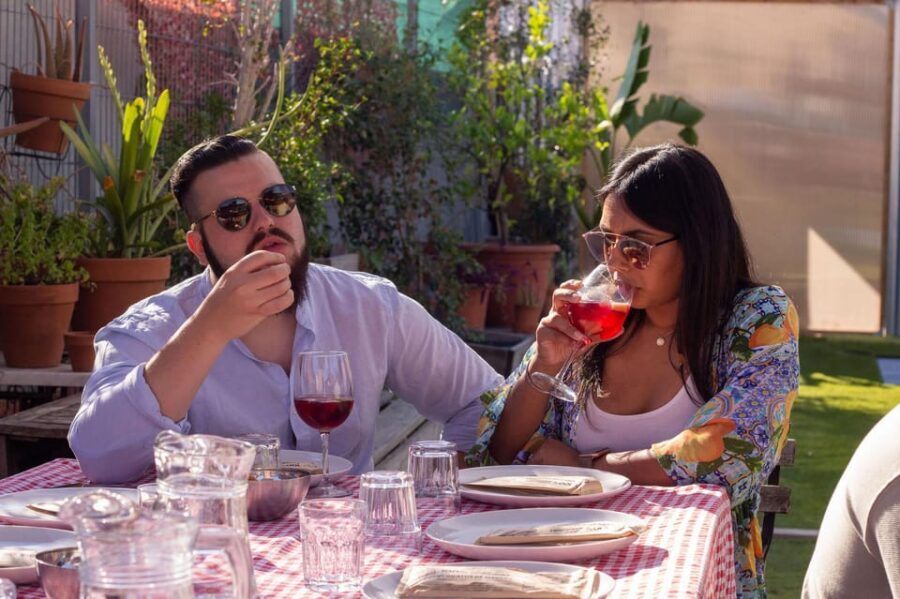
This isn’t just a bonus drink. The sangria (or vermouth) is part of the lesson, because it trains your palate. You learn how fruit, wine, and flavor balance works—then you apply that same sense of balance when you cook.
The best part is how social it feels. You’re not handed a glass and told to mingle. You’re making it together, and that shared prep makes the group dynamic loosen up fast. Several people mentioned that Benjamin’s personality keeps the energy lively without feeling forced, which is exactly what you want on a short class.
Also, the sangria you make here tends to stand out because it’s not presented as a complicated cocktail project. It’s approachable, and you walk away knowing what you did and why.
Meal time on the terrace: eating what you made
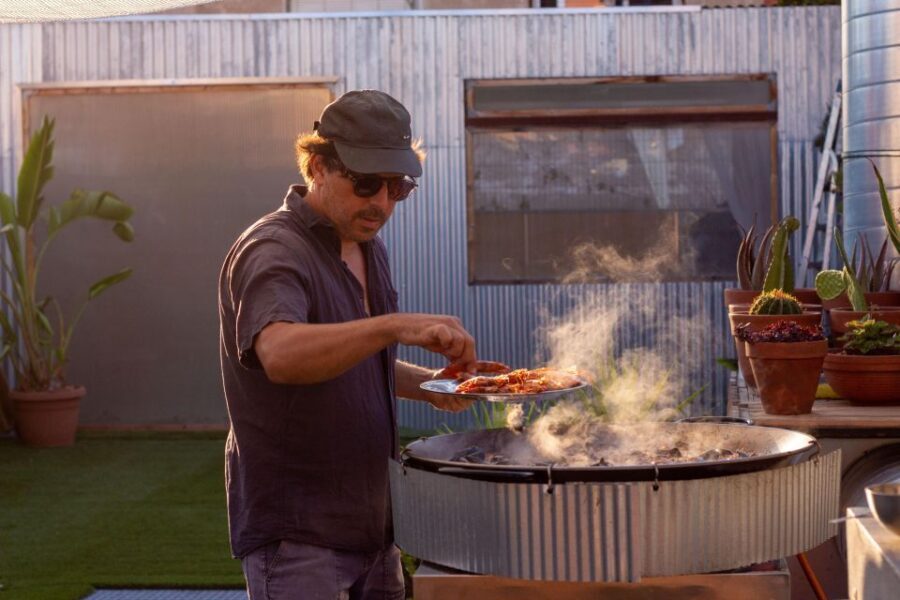
Once the paella is ready, the class shifts into the part you’ll remember: eating together. Everyone sits down and you share the dish you cooked from scratch. That shared meal is the payoff, and it’s also what makes this class feel less like a chore and more like a real Barcelona night out.
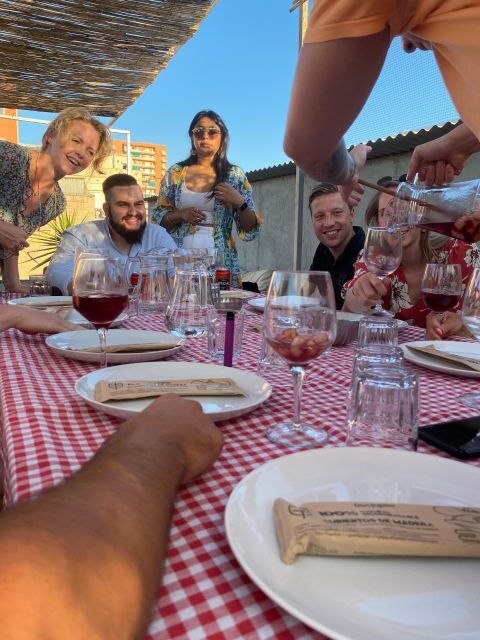
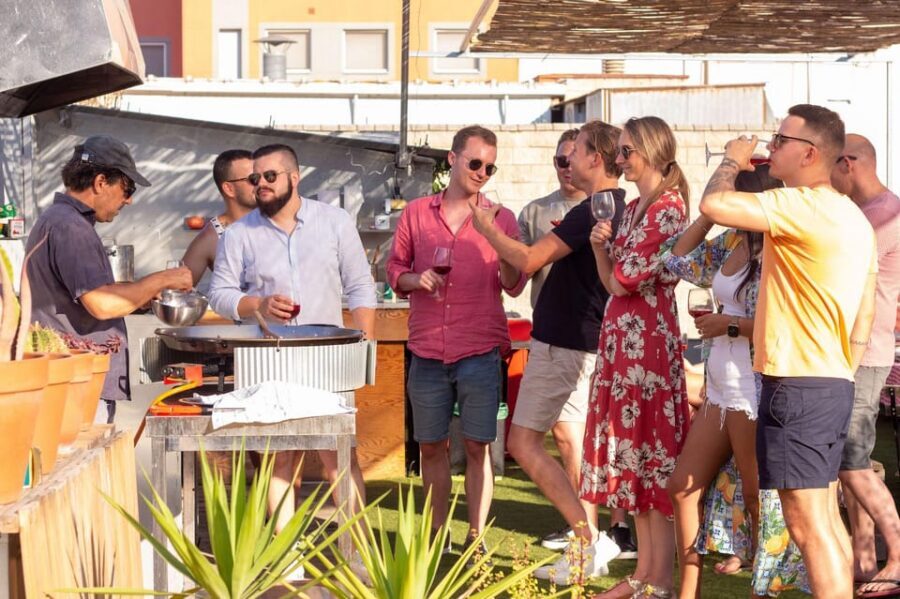
The rooftop setting adds to the experience. Even when the weather is cool, there’s something special about cooking and eating outside, under that open-sky feeling. One strong theme in the feedback is that people loved the relaxed atmosphere and the conversations during cooking time—so you’ll likely feel like you’re spending an evening with locals, not just checking off an activity.
What you’re served is simple, but it’s thoughtful:
- Bread
- Olives
- Tomato salad
- Fresh fruit
- Water
- The seafood paella you cooked
- Sangria and/or vermouth during the process
This combination also helps if your group has mixed tastes. The paella is the star, but the sides and fruit give you variety so the meal feels generous even if someone isn’t obsessed with seafood.
You can also read our reviews of more tours and experiences in Barcelona


Price and value: why $82 can make sense
At $82 per person for about 2.5 hours, the price might look high if you compare it to a quick museum ticket. But compare it to what’s actually included.
You’re paying for:
- A hands-on cooking session with ingredient prep and instruction
- Seafood paella ingredients and guided rice technique
- Homemade sangria or vermouth
- Bread, olives, tomato salad, fresh fruit, water
- An apron (so you’re set up for cooking)
- Recipes and insider tips to take home
In practice, you’re getting both a food experience and a skill experience. Paella is one of those dishes you can’t really learn well from watching one video. Here, you do the steps, and the host corrects you in the moment if something feels off.
If you love food, this is one of the better ways to spend your Barcelona time because you leave with memories and a method you can recreate. If you only want a quick meal and don’t care about learning the process, you might be better off eating on your own elsewhere. The class works best when you’re here to cook as much as you’re here to eat.
Who should book this class (and who might skip it)
This is a strong fit if you want:
- A fun, social Barcelona activity that isn’t a crowded walking tour
- An authentic-feeling food experience tied to regional Catalan/Spanish habits
- A hands-on lesson with a supportive host
It’s also great for couples. You can enjoy the teamwork and conversation without feeling like you’re part of a huge bus group. Families can work too, since the setup is flexible and hosts have been described as inclusive even with kids in past groups.
If you’re the type who hates heat or gets stressed in active kitchens, pause and think. It’s rooftop cooking with real sun, real cookware, and real timing. You’ll enjoy it more if you’re comfortable rolling up your sleeves and following along.
Practical tips for a smoother rooftop class
A few small choices can make a big difference on a rooftop:
Bring the basics
- Sunglasses
- Sun hat
- Sunscreen
Rooftops can turn bright fast, even on days that don’t feel too hot. Also consider light layers. Even if it’s sunny, rooftop air can feel cooler when you stop moving for a moment.
Arrive ready for hands-on work
You’ll likely spend time actively cooking and prepping, so wear something you don’t mind getting splashed. An apron is provided, but it won’t save you from every accidental smudge.
Expect an active pace
This class is short at 2.5 hours, which is good. You don’t lose the group to long lectures. The host balances history and technique with getting you working at the station.
Know where to start
Look for the small blue door at the meeting point. The activity provider will walk you to the rooftop.
Weather is real on rooftops
If conditions are rough, one past experience noted the group shifted to a suitable professional kitchen downstairs and the class still worked well. You can’t count on it every day, but it’s smart to bring a flexible mindset.
Should you book this rooftop paella class in Barcelona?
Book it if you want a hands-on Barcelona food lesson that ends with a meal you truly helped make. It’s one of those activities where the value comes from the combination: cooking technique, culture context, and the social rooftop setting where you share what you cooked.
Skip it if you only want a passive experience, or if you’re extremely sensitive to sun and outdoor heat. Also skip if paella and seafood are not on your radar, since this class focuses specifically on seafood paella.
If you’re on the fence, a simple test helps: if you’d enjoy spending a couple hours learning how rice and broth work together, this class is a solid choice. The best part is that you don’t just leave full. You leave with a recipe and technique you can use at home.
FAQ
How long is the Barcelona rooftop paella cooking class?
It lasts about 2.5 hours.
What is the price per person?
The price is $82 per person.
Is this class a cooking demonstration or fully hands-on?
It is fully hands-on. You cook from scratch with step-by-step guidance.
What kind of paella do you make?
You make a traditional seafood paella.
What food and drinks are included?
Bread, olives, and tomato salad are included, along with the seafood paella, fresh fruit, sangria, vermouth, and water.
Where is the meeting point?
Look for a small blue door. The provider will walk you from there to the rooftop.
What should I bring for the rooftop setting?
Bring sunglasses, a sun hat, and sunscreen.
Which languages will the instructor use?
The instructor speaks English and Spanish.
Is hotel transfer included?
Hotel transfer is not included.
What is the cancellation policy?
Free cancellation is available up to 24 hours in advance for a full refund.