REVIEW · BARCELONA
Half-Day Spanish Cooking Class & Boqueria Market Tour
Book on GetYourGuide →Operated by BARCELONA COOKING · Bookable on GetYourGuide
Cooking in Barcelona feels personal. I love the hands-on cooking time with a bilingual chef, and I love the La Boqueria Market ingredient shopping where you see how real traders work. It is built around a complete meal, with your work ending at the table with wine pairings. One possible drawback: the evening option skips the market tour, and market visits are not run on local and national holidays.
This is a half-day class in Catalonia that basically turns your day into a mini food story. You pick fresh, seasonal ingredients at La Boqueria (for morning classes), then you cook a structured four-course menu with chef guidance, and you finish by eating what you made with wine pairings.
If you are a confident home cook, you will still get useful technique and Catalan flavor ideas. If you are a complete novice, the class is designed for you too, with chefs giving clear direction and keeping everyone involved, often using upbeat, characterful teaching styles like you may hear from chefs such as Juan or Sonia.
In This Review
- Key Things to Know Before You Go
- La Boqueria to Your Cutting Board: How the Market Tour Sets You Up
- What You Actually Cook: The Four Courses and the Catalan Tapas Style Twist
- Hands-On Coaching in the Kitchen: Learning Skills You Can Use Again
- Wine Pairings That Turn Dinner Into a Real Meal
- Morning vs Evening: Which Option Fits Your Barcelona Day
- Price and Value: What $117 Buys in Real Terms
- Who This Class Is Best For
- Should You Book This Barcelona Cooking Class and Boqueria Market Tour?
- FAQ
- What is included in the half-day class?
- Do I get to visit La Boqueria Market?
- How long does the experience take?
- What dishes do we prepare?
- What wines are paired with the meal?
- Can the menu be adapted for dietary restrictions?
Key Things to Know Before You Go
- La Boqueria ingredient shopping with a chef guide you can lean on for what is in season and what to buy
- A four-course cooking plan built around paella, soup, an appetizer, and dessert
- Wine pairings included with Riojan red and Galician white served with your meal
- Hands-on tasks, not just watching even when you get quick coaching on knife skills and timing
- Food restrictions can be accommodated if you tell the team in advance
- A Catalan-focused menu on Wednesdays with dishes prepared in tapas-style
La Boqueria to Your Cutting Board: How the Market Tour Sets You Up
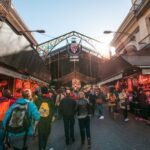
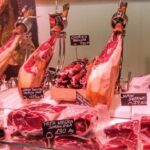
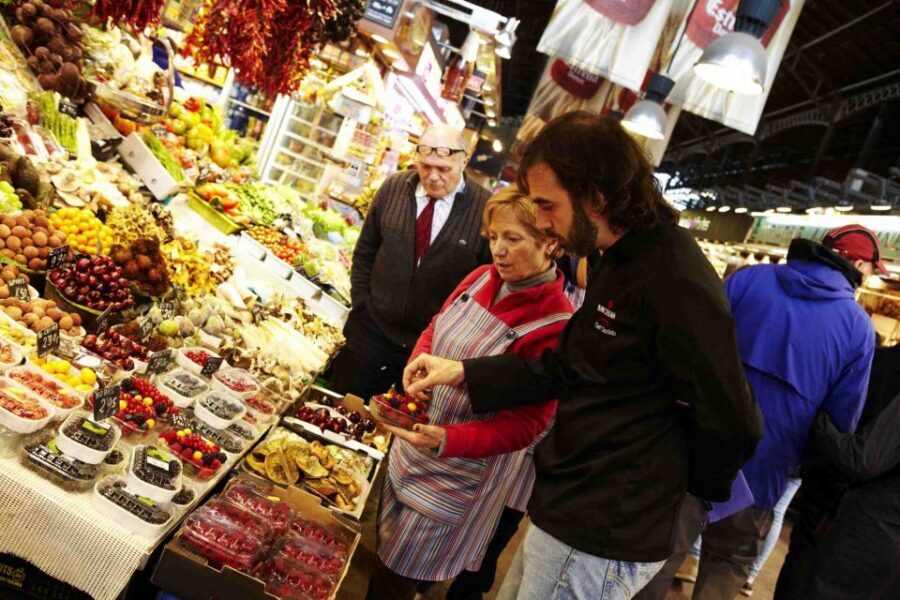
For the morning option, the experience starts at La Boqueria, one of Barcelona’s most famous market streetside on Las Ramblas. This part matters more than you might expect. Markets are where Spanish cooking becomes real, because you are not shopping from a generic list. You are choosing what looks best that day, and your chef helps you translate the chaos into a workable plan for the kitchen.
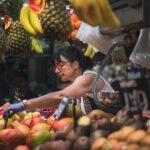
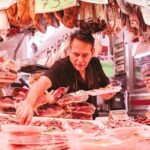
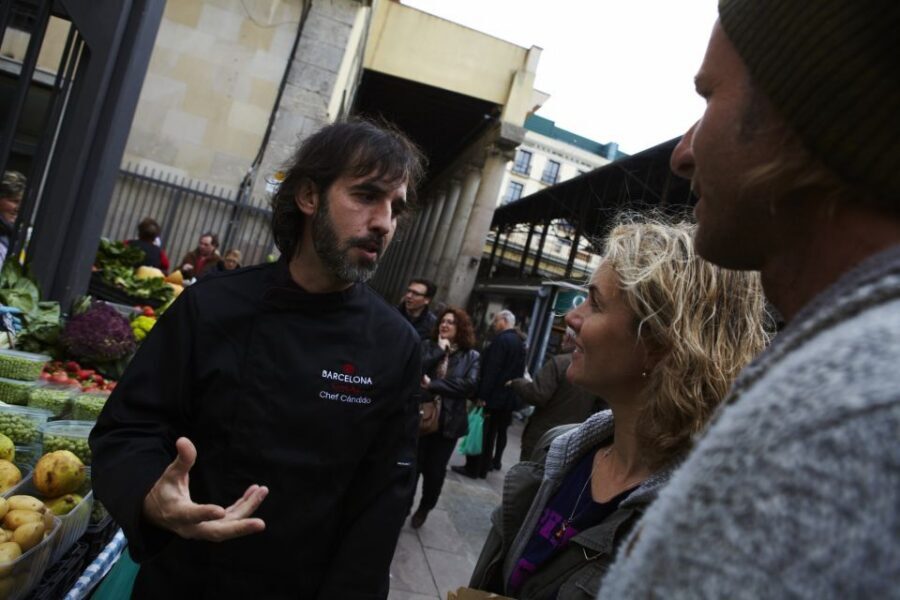
A big bonus here is the behind-the-scenes feel. You do not just walk past stalls and take photos. You join your chef for a tour that includes meeting vendors, including people with family roots in market trading. That gives you a quick education in how Barcelona eats: fruit and vegetables chosen for ripeness, seafood treated as fresh and time-sensitive, and staples selected because they will perform well in the dishes you are making.
Practical detail for your day: go hungry. Several people mention coming with an appetite because the cooking class ends with a proper meal and wine pairings. You will also likely do a few tastings during the tour, which can make your first visit to La Boqueria feel even more alive than a casual wander.
One more thing to note: there is no market tour on local and national holidays, and evening classes do not include the market visit. If you want the market experience, pick the morning slot when it is operating.
You can also read our reviews of more shopping tours in Barcelona
What You Actually Cook: The Four Courses and the Catalan Tapas Style Twist
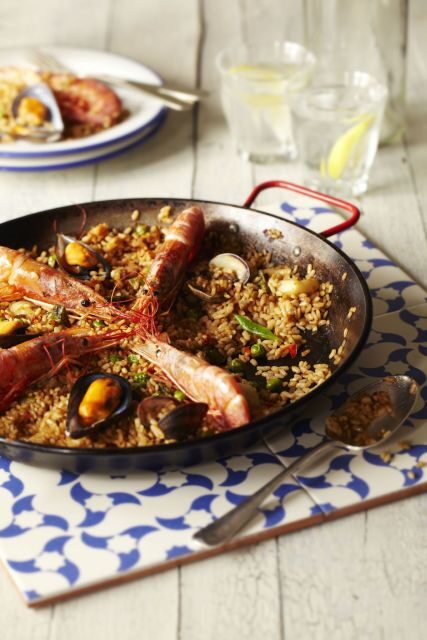
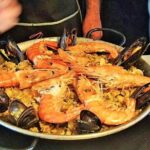
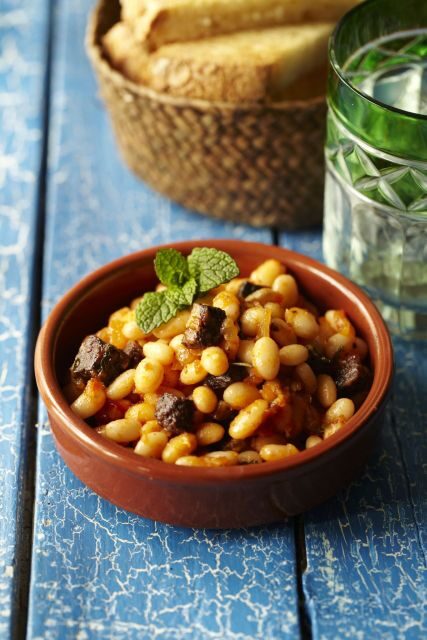
The kitchen part is where the class delivers. You end up preparing a four-course menu, and the structure helps you learn without feeling overwhelmed. The menu includes paella, a soup, an appetizer, and dessert. In other words, you cover a full Spanish meal arc, not just a single dish demo.
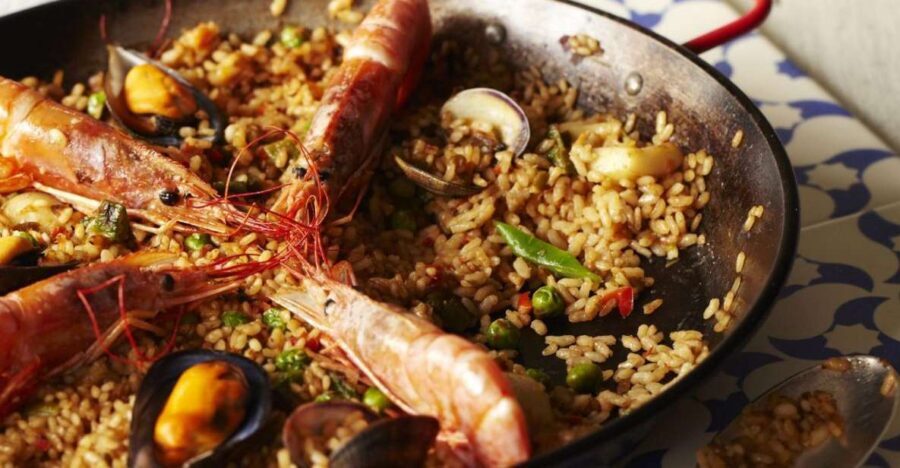
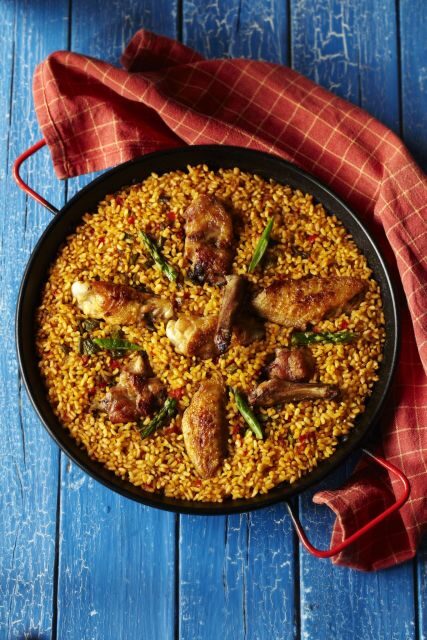
Paella is the headline, and it is also where good technique shows. Even if you know paella already, you usually benefit from how a chef helps you manage timing and flavor building so the dish comes together cleanly. If you have seafood allergies or other restrictions, the class can adapt. That is not a small point, because paella is often the first dish that gets complicated when you cannot use certain ingredients.
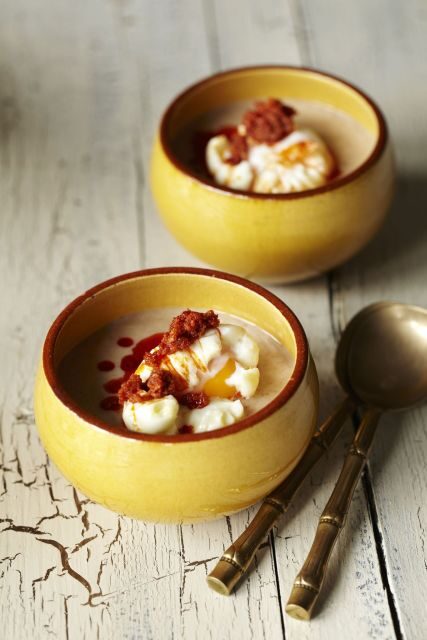
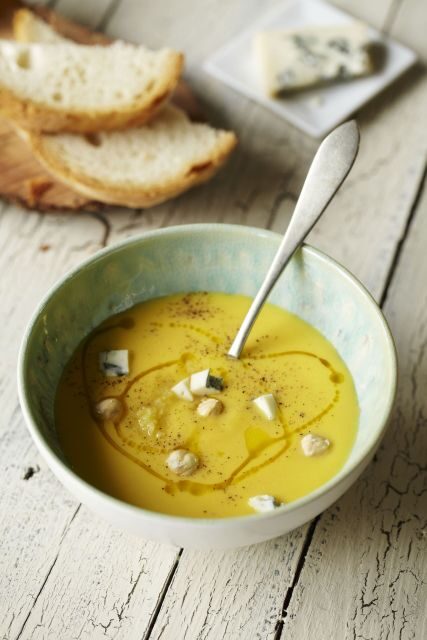
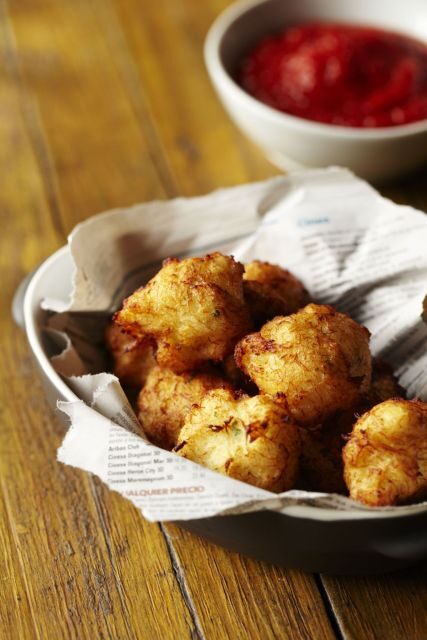
For the soup and appetizer courses, you get the Catalan way of thinking: bright flavors, good texture, and ingredients that taste like themselves instead of relying only on heavy seasoning. People often call out dishes like gazpacho-style options and Catalan dessert elements as standouts because they feel both local and approachable.
Dessert rounds it out with something recognizably Catalan. One of the most repeated favorites in the feedback is Catalan crème, which is ideal if you want a sweet finish that is not just a generic pudding. It is also the kind of dessert you can recreate later if you have the recipe in hand.
Wednesday adds a special flavor focus. Every Wednesday morning, the class emphasizes Catalan flavors with dishes prepared in tapas style. That is a fun choice if you want the menu to feel extra local, or if you are traveling midweek and want your class to reflect a particular day on the calendar.
Hands-On Coaching in the Kitchen: Learning Skills You Can Use Again
This class is not a sit-and-watch show. You get assigned tasks, and the chefs guide you through the steps so you can participate. That said, there can be small differences in how much each person cooks depending on the group’s flow and what you choose to tackle. If you are the type who wants to be doing every single step, you may want to arrive with confidence and ask questions as you go.
What I like about this setup is how it works for mixed skill levels. People praise the way chefs keep direction clear and helpful whether you are comfortable in a kitchen or starting from scratch. Bilingual instruction also helps, especially if you want to understand the why behind techniques, not just the how.
You should expect frequent, practical tips. These are the kinds of things that help Spanish food taste like Spanish food:
- how to handle ingredients so they keep their flavor (instead of fading into the background)
- how to build balance so one element does not overpower the others
- how to manage timing so you are not waiting forever for the next course
If you like learning through doing, this format tends to click fast. You do the shopping, you do the prep, and then you eat what you made. That simple loop is a huge part of why people rate it so highly.
Wine Pairings That Turn Dinner Into a Real Meal
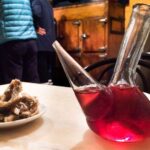
After you cook, you sit down and eat with wine pairings. This is one of the best value points in the whole experience, because it is not a tiny glass with your dessert. The class includes unlimited premium Spanish wines, plus water.
The specific pairings you can expect are:
- Rioja red served with your meal courses
- Galician white served with your meal courses
In plain terms, this makes sense for Spanish cooking because Rioja red brings structure for richer flavors, while Galician white typically works well with lighter, fresher dishes and seafood-friendly tastes. Even if you are not a wine expert, the pairings take the guesswork out of enjoying what you cooked.
Also, pacing matters here. Several people note that wine keeps coming, so the meal feels relaxed and celebratory. Just keep a steady pace if you plan to walk afterward or take public transit.
Morning vs Evening: Which Option Fits Your Barcelona Day
Choose morning if you want the full Barcelona food workflow. Morning classes include the market tour at La Boqueria, so you get the ingredient sourcing first and the cooking right after. That order helps you remember what each ingredient should taste like because you bought it and handled it yourself.
Choose evening if you want the cooking and dinner experience without the market portion. Evening classes still include the four-course meal and wine pairings, but the market tour is not included.
If you only have time for one activity and you love food culture, morning tends to give you more context. If your schedule is tight and you do not want to spend time in the market, evening is still a complete culinary evening by itself.
Meeting point details can vary depending on what you book, so confirm it right after booking. The good news is the tour is designed to start you in the right place so you can move smoothly from market to kitchen (or straight to the kitchen for evening classes).
You can also read our reviews of more tours and experiences in Barcelona

Price and Value: What $117 Buys in Real Terms
At $117 per person for a 3 to 4 hour experience, this is not a bargain deal. But it also is not overpriced when you break down what is included.
You are paying for four things at once:
- a chef-led market tour (morning option only), including behind-the-scenes access
- a full four-course cooking menu, with food covered
- unlimited premium Spanish wines plus water
- recipes so you can repeat key dishes later
Most casual Barcelona cooking classes either focus on cooking but skip the market, or they include food but do not include the wine component in a meaningful way. Here, the wine is part of the meal structure, and that turns the class into a full dining experience instead of a shorter demo.
Then there is the value of learning from a working chef in a real kitchen environment. Even if you are an experienced home cook, you get technique coaching and flavor logic that you cannot just pick up from watching videos. If you are new, the structured courses help you build confidence step-by-step instead of getting lost in a big cooking project.
Who This Class Is Best For
This is a strong fit if you:
- want hands-on learning with clear coaching
- enjoy Spanish food culture and want to connect cooking to real ingredients
- like social travel where you work with others at a table and then eat together
- want a half-day activity that feels like dinner, not a quick snack
It also works for families and mixed ages, based on the range of group experiences. If you are traveling with a friend or making the class your first Barcelona food event, it is a great way to get your bearings fast in the city’s eating culture.
Should You Book This Barcelona Cooking Class and Boqueria Market Tour?
Book it if you want the best kind of travel day: you shop, cook, and eat in one connected flow. The combination of La Boqueria access (morning), hands-on kitchen work, a real four-course meal, and unlimited wine pairings is exactly what makes this experience feel worth your time.
I would hesitate only if you specifically dislike wine during dinner or you want a very hands-on cooking role without any pauses. Also, if you want the market tour, double-check that your date is not one of the days when market tours are not run.
If you like authentic food moments that teach you something practical, this is one of the more satisfying half-day options in Barcelona.
FAQ
What is included in the half-day class?
You get the cooking class with food, plus unlimited premium Spanish wines and water. Morning options include the La Boqueria Market tour, and you also receive recipes.
Do I get to visit La Boqueria Market?
If you book the morning option, yes. The evening option does not include the market tour, and market tours are not offered on local and national holidays.
How long does the experience take?
Plan for about 3 to 4 hours, depending on the start time available for your booking.
What dishes do we prepare?
You prepare a four-course menu that includes paella, soup, an appetizer, and dessert.
What wines are paired with the meal?
Your meal is paired with Spanish wines, specifically Rioja red and Galician white.
Can the menu be adapted for dietary restrictions?
Yes. Menus can be adapted for food restrictions if you advise in advance.