REVIEW · BARCELONA
Barcelona Segway Tour
Book on GetYourGuide →Operated by City Tours on Bike-eBike-Segway · Bookable on GetYourGuide
Barcelona by Segway is faster fun.
You get a guided route that mixes big sights with real neighborhoods, moving from Arc de Triomf to the waterfront, then back through the old city and the Born. It’s designed for people who want an efficient first look at Barcelona without spending the whole day on foot.
I like how the tour is built around real highlights: the harbor-area views and classic photo moments like Columbus and La Rambla. I also appreciate the human touch from guides I’ve seen named in past tours, including Ruslan, Pierre, Maria, and Pablo, who are consistently praised for keeping beginners calm and safe.
One possible drawback is that Segways have strict physical requirements, and the tour isn’t for everyone (including people with mobility impairments, pregnant women, or riders over the weight limit). If you’re unsure you meet the height/weight rules, check before you book so you don’t end up on the alternate bike option or sitting it out.
In This Review
- Key things to know before you book
- From Arc de Triomf to Parc de la Ciutadella: getting rolling fast
- Port Vell and Columbus: the harbor-to-icon connection
- La Rambla down to Barceloneta: where the route earns its keep
- Estació de França to Vila Olímpica: the past-to-future contrast
- El Born and Santa Maria del Mar area: the neighborhood that rewards curiosity
- How the 2-hour format makes sense for value
- Safety rules that matter (so you don’t get surprised)
- What the ride feels like: guided, fast, and photo-friendly
- Who should book this Barcelona Segway tour
- Should you book it or pass?
- FAQ
- What is the minimum age to ride the Segway on this tour?
- Where do I meet the guide?
- How long is the Barcelona Segway tour?
- What’s included in the tour price?
- What languages do the guides speak?
- Is this tour suitable if I’m pregnant or have mobility impairments?
- Can I cancel for a full refund?
Key things to know before you book
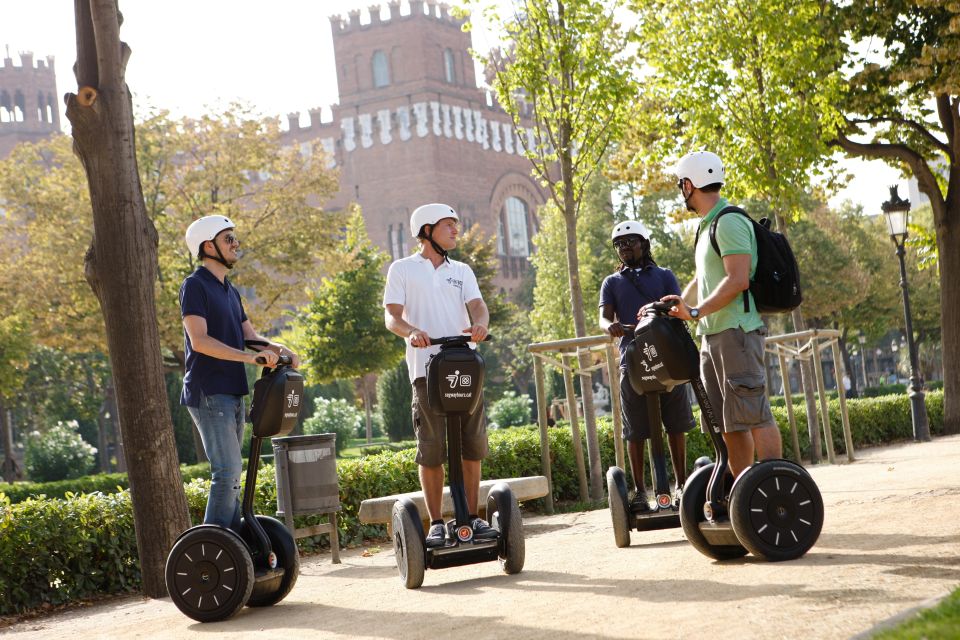
- Arc de Triomf start: you practice, then roll out into major sights quickly
- Two-hour pace: enough time for harbor + beach + Born without feeling rushed to “pack in everything”
- Modern Segway fleet feel: the ride is meant to be easy to maneuver after training
- Big-view stretch: photo moments from Las Ramblas down toward Barceloneta
- Old-meets-new areas: fishermen’s quarter contrasts with the 22@ innovation district near the Olympics area
- Included basics: helmet, safety equipment, insurance, training, and one drink
From Arc de Triomf to Parc de la Ciutadella: getting rolling fast
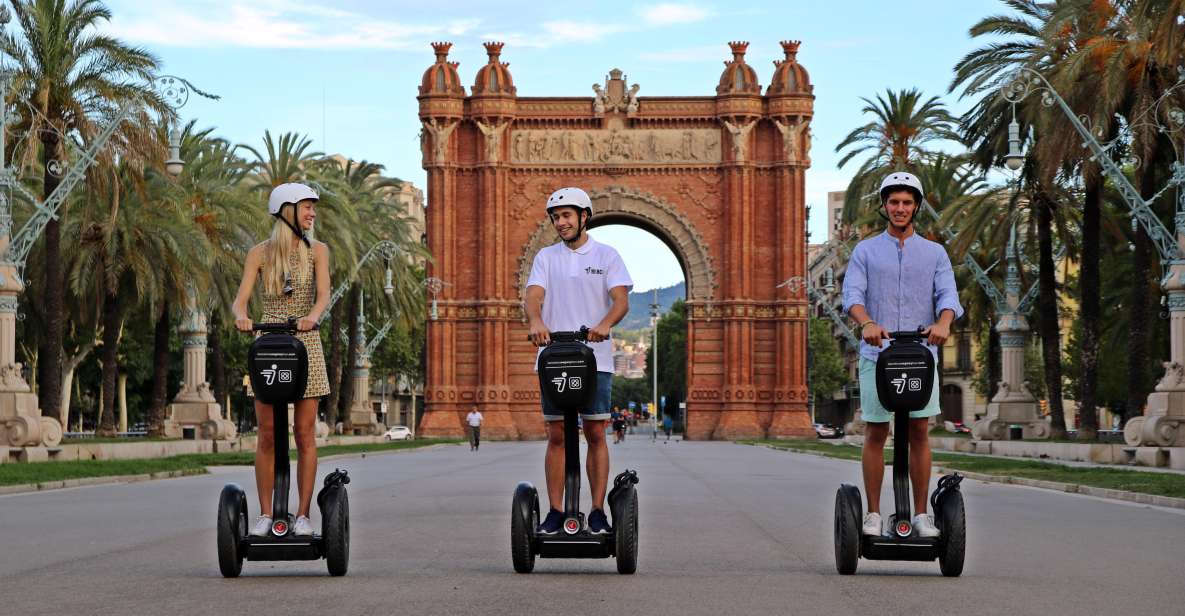
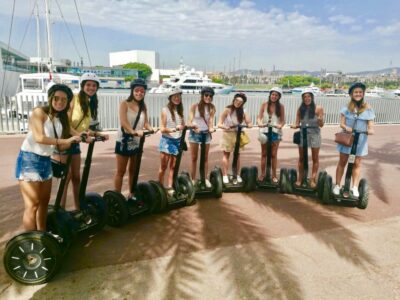
Most Segway tours stand or fall on the first 20 minutes. Here, you start at Passeig de Lluís Companys, 10, meet your guide, and get training and a helmet before you head out. Expect your guide to explain how to control speed, turns, and stopping, then you’ll practice so the machine feels like part of you instead of a science project.
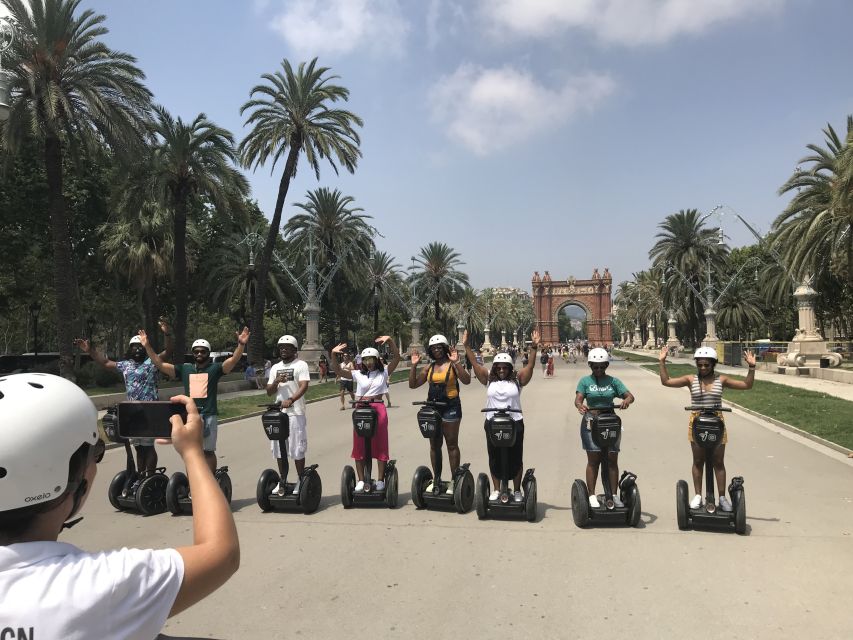
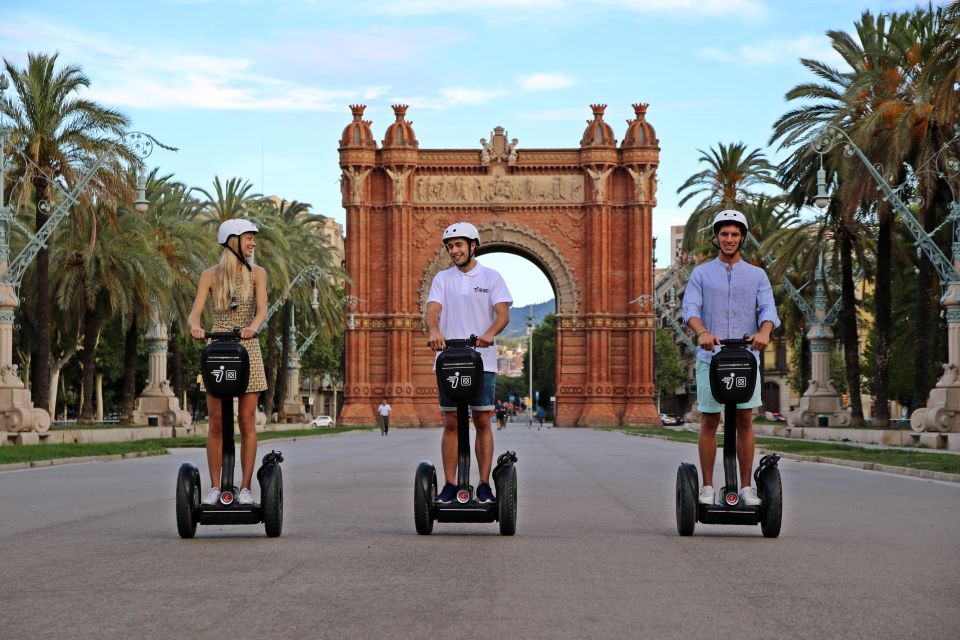
Arc de Triomf is a smart place to begin because it’s wide and open, which helps with confidence. You’ll get a photo stop and guided sightseeing right up front, then you continue toward Parc de la Ciutadella. That park segment matters: it’s a buffer between the training zone and busier streets, and it gives you a feel for the Segway in calmer surroundings.
At Parc de la Ciutadella, you’ll see more classic city rhythm—guided stops, scenic rides, and time to look around. There’s also a free-time moment, which is useful if you want to take pictures without falling behind the group. In practice, this is where I’d settle into the tour’s tempo: short explanations, quick visual stops, then you move.
You can also read our reviews of more tours and experiences in Barcelona.



Port Vell and Columbus: the harbor-to-icon connection
The tour really starts clicking once you reach Port Vell, because you shift from “pretty city streets” to big-water Barcelona. This is where the route leans into standout waterfront scenery, including guided sightseeing and passes through the harbor area. You also get that sense of scale—ships, promenades, and the feeling that the city opens up toward the sea.
From there, you head toward the Columbus Monument. This part is built for photos and for orientation: Columbus at the end of Las Ramblas is one of those landmarks that helps you make sense of how Barcelona is laid out. You’ll have a guided component plus a photo stop, so you’re not just rolling past—it’s more like learning the city’s story in moving pieces.
Here’s why this stretch is valuable for you: if it’s your first time in Barcelona, the harbor and Columbus area gives you a reference point. Later, when you walk around on your own, you’ll know which direction is “toward the sea” and which streets lead back into the older parts of town.
La Rambla down to Barceloneta: where the route earns its keep
Las Ramblas is one of those Barcelona must-sees, but on foot it can feel slow or crowded. On a Segway, it becomes a glide between picture points. You’ll pass through with guided sightseeing and a photo stop, plus scenic views as you travel through the corridor toward the water.
The payoff is Barceloneta, where the tour connects the old fisherman quarter feel with classic beach views. You’ll get photo time here too, along with guided context and the kind of ride that keeps you from constantly weaving through traffic on foot. The route follows the beachfront all the way toward the Olympics-side area, which is an efficient way to see how much Barcelona changes once you get closer to the shoreline.
A small detail you’ll appreciate: the tour is described as passing under the protection of Mercè, Barcelona’s patron. That’s not just poetic—it reflects the local way the guide ties landmarks to identity and tradition, so the stops don’t feel like random checkboxes.
If you’re the type who gets tired after a long day walking, this is the portion that usually makes the money feel justified. You’re seeing more ground in two hours than you would comfortably cover on a typical walking tour.
Estació de França to Vila Olímpica: the past-to-future contrast
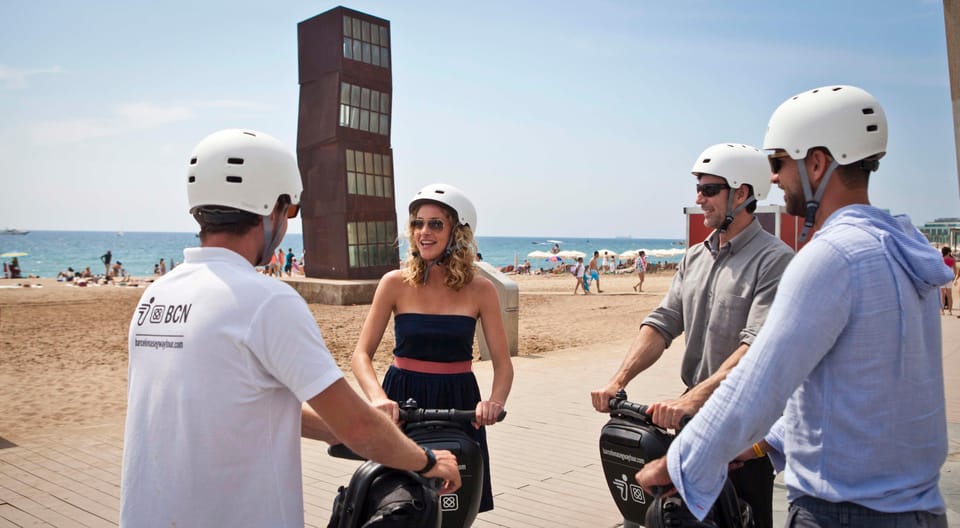
After Barceloneta, you continue toward Estació de França, where you’ll have another photo stop and some free time. Even if you don’t linger long, it’s a useful pause point. A short rest is often what keeps the rest of the tour fun instead of stressful.
Then comes Vila Olímpica, another key switch in scenery. The tour moves from older beachfront districts into the Olympics area feel, where the city’s design shifts and you can see how Barcelona planned for big events. The tour includes guided sightseeing and passes here, plus scenic ride time and photo opportunities.
This is also where the city’s “past merges with the future” idea becomes real for you. The route is set up so you don’t only see the most famous postcard angles; you also pass through the innovation district area referenced as 22@ near the Olympics zone. That contrast is exactly why this tour works as a first pass: you get both the charm and the modern structure in a single session.
El Born and Santa Maria del Mar area: the neighborhood that rewards curiosity
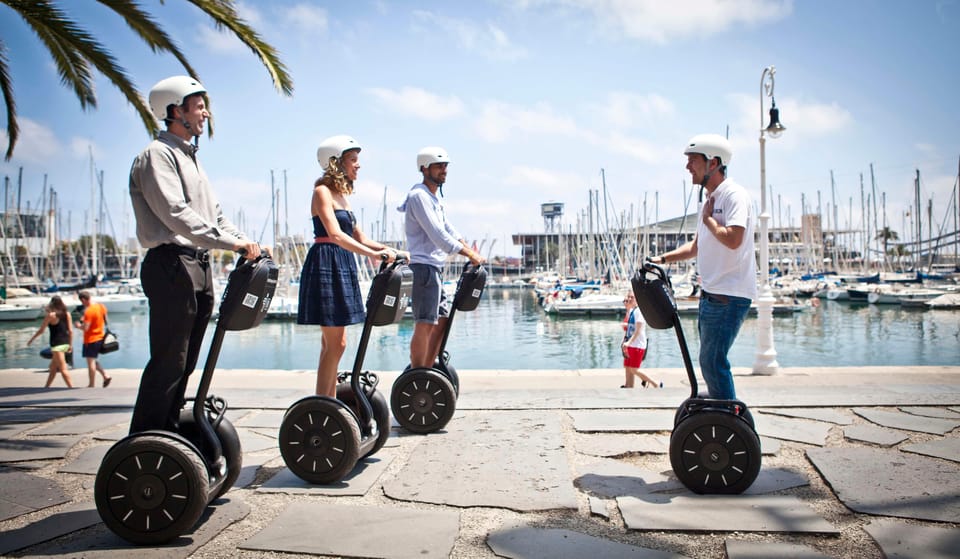
As you head toward El Born, you’re moving into a part of Barcelona where narrow streets and architectural details matter. You’ll get a photo stop and guided sightseeing, then continue through passes that keep you moving without losing the small-town feel.
This is also where the tour ties in a specific cultural anchor: the towers associated with Santa Maria del Mar. From there, you enter the older fisherman quarter again in spirit, and the route keeps you close to the places that make Born feel distinct—more local, less “tourist walkway.”
You’ll also stop at St. Mary of the Sea Cathedral for a photo moment and guided context. Even if you don’t go inside (the tour description focuses on photo stops and guided sightseeing), seeing it from the right angle is still useful. It helps you connect the dots between the waterfront-to-old-city journey you’ve been doing.
If you care about learning what makes neighborhoods different, the Born segment is where you’ll start picking up Barcelona’s personality. One minute you’re under the influence of the sea; the next you’re in a maze of old streets and recognizable landmarks that anchor the city’s identity.






How the 2-hour format makes sense for value
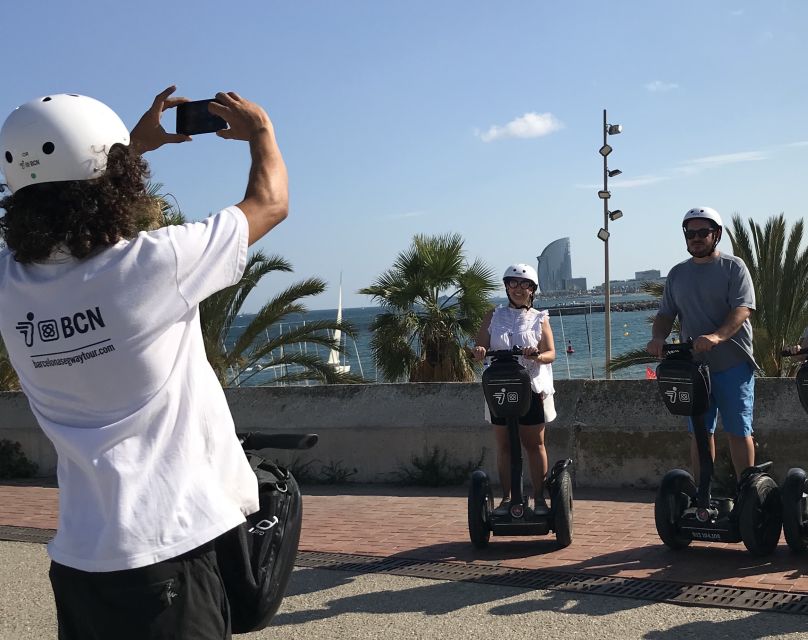
At around $32 per person for a 2-hour tour, you’re paying for more than just sightseeing. You’re paying for the convenience of not walking nonstop, plus the guide who keeps the route moving and the training that helps you ride safely.
The included items are part of the value equation: you get a Segway i2, tour guide, training, safety equipment, helmet, insurance, and 1 drink. When you total that up in practical terms, it’s not just a cheap thrill—it’s structured activity with safety built in.
The other value piece is time. If you only have a day or two and you want to understand where things are, this route gives you major anchors—Arc de Triomf, Parc de la Ciutadella, Port Vell, Columbus, La Rambla, Barceloneta, Vila Olímpica, El Born, and St. Mary of the Sea Cathedral—without taking a full day to do it.
Just keep expectations realistic. Two hours is an overview. If you’re hoping for long museum time or deep dives into any single site, you’ll still want to come back and explore later on foot.
Safety rules that matter (so you don’t get surprised)
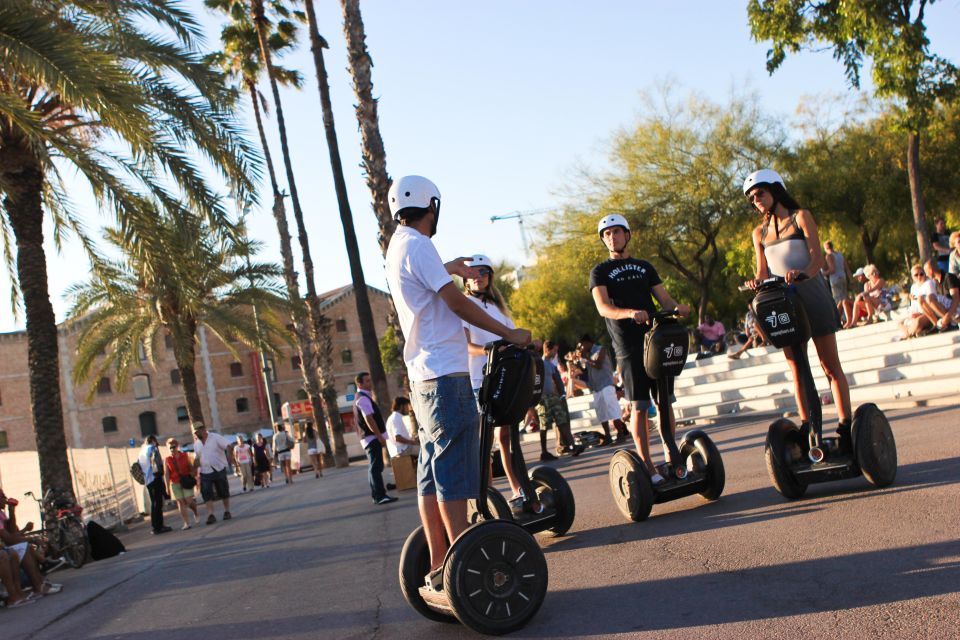
Segways are regulated by local rules, so this tour comes with clear limits. Minimum age is 16 for Segway riding. Younger participants can join on high-end electric bicycles at discounted rates.
There are also rider measurements and weight boundaries:
- Gliders must stand at least 110 cm tall
- Weight range is 35–120.20 kg (and it should not exceed 120.20 kg / 265 lbs)
And the tour isn’t suitable for:
- Pregnant women
- People with mobility impairments
- People over the weight limit
The tour also notes that riders must be able to make motion similar to climbing and descending stairs without assistance. If that’s you, you’ll want to be honest with yourself before booking. It’s not about being “good at sports”—it’s about keeping everyone safe and comfortable on the training side and on the ride.
One more practical note: the tour can run with private or small groups, and when groups are larger they get split and led by multiple guides. That matters because you’ll likely have more time with your guide for guidance, and you’ll feel less like you’re riding in a long line.
What the ride feels like: guided, fast, and photo-friendly
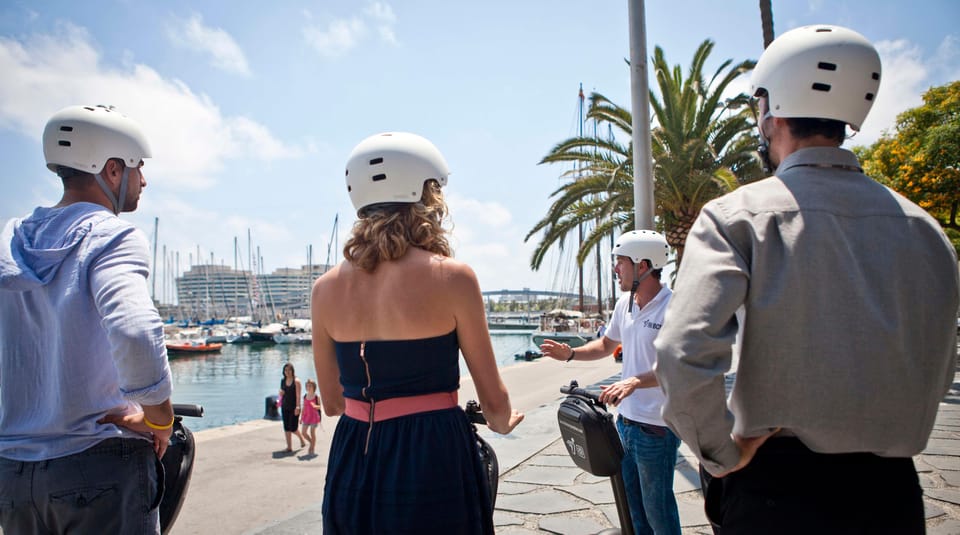
Based on the route style, you’ll experience the city as moving viewpoints. The guide leads you through a sequence of photo stops, scenic passes, and guided segments, which means you’re not stuck hearing nonstop explanations. You’ll also get enough breaks—photo opportunities and a free-time moment—to avoid the “constant motion with no breathing room” problem.
The ride is also described as easy to maneuver after training, which lines up with what many first-time riders care about. If you’re nervous, pick a tour time when you’re not rushed. Get there early enough to meet your guide, get fitted, and do the practice. Once you’re rolling, it tends to feel like an efficient way to cover Barcelona’s big contrasts.
It helps that guides are frequently praised for patience with beginners, including names like Ruslan, Pierre, Daniel, Maria, and Pablo. That doesn’t guarantee every guide is the same, but it’s a good sign that the experience is built for mixed comfort levels.
Who should book this Barcelona Segway tour
Book it if you want:
- A first-time orientation to Barcelona in one session
- A way to see the waterfront, Columbus area, and the Born without wearing out your legs
- A guided format with quick photo stops and “move on” pacing
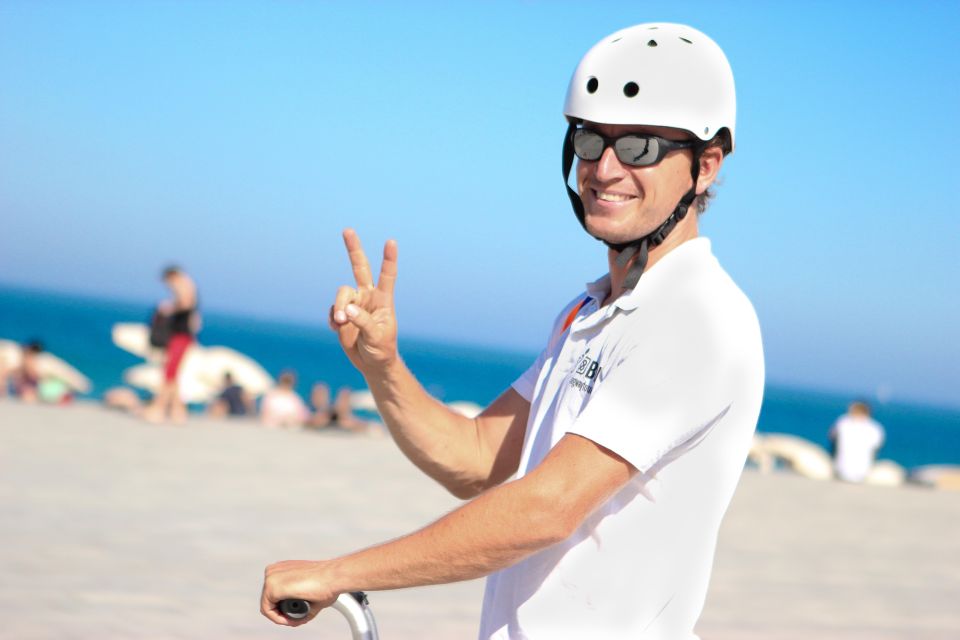
- Beginner-friendly training (especially if you’re new to Segways)
Skip it if:
- You’re pregnant or you have mobility constraints that could affect safe riding
- You don’t meet the height/weight limits
- You want slow, in-depth sightseeing where you spend a lot of time in one neighborhood
This is a strong fit for couples, small groups, and solo travelers who want structure. It can also work well for families if kids qualify for the Segway age rule; otherwise, they’d need the electric bike option.
Should you book it or pass?
I think you should book this tour if your goal is a fast, guided overview that connects Barcelona’s most famous stops—Port Vell, Columbus, La Rambla, Barceloneta, Vila Olímpica, and the Born—with real neighborhood flavor. The included training, safety gear, helmet, insurance, and the included drink make the $32 price feel practical, not just flashy.
Pass if you need a longer, slower plan or you’re close to the safety limits (age, pregnancy, or the weight/height requirements). In those cases, the tour won’t be the comfortable kind of fun you’re aiming for.
If you’re ready to trade some walking for glide time, this is an easy yes.
FAQ
What is the minimum age to ride the Segway on this tour?
The minimum age for Segway Tour participants in Barcelona is 16. Younger participants can join the tour on high-end electric bicycles at discounted rates.
Where do I meet the guide?
Meet your guide at the activity provider’s office on Passeig Lluís Companys.
How long is the Barcelona Segway tour?
The duration is 2 hours.
What’s included in the tour price?
The tour includes the Segway i2, a tour guide, training, safety equipment, helmet, insurance, and 1 drink.
What languages do the guides speak?
Guides are listed as speaking Dutch, English, French, German, Italian, Portuguese, Russian, and Spanish.
Is this tour suitable if I’m pregnant or have mobility impairments?
It’s not suitable for pregnant women, and it’s also not suitable for people with mobility impairments.
Can I cancel for a full refund?
Yes. Free cancellation is available up to 24 hours in advance for a full refund.