REVIEW · BARCELONA
Barcelona: Take your portrait with a 19th century process
Book on GetYourGuide →Operated by Martí Andiñach Wetplate Studio · Bookable on GetYourGuide
A portrait, made the old way.
This is an analog photography experience where you don’t just watch from the sidelines. You’ll take your portrait using one of the first photographic processes, with the full workflow shown step by step in a studio and darkroom setting. I love the hands-on, artisan focus: Martí Andiñach walks you through the chemistry and how the image comes to life on a metal plate. I also love that you leave with something truly physical and heirloom-like: a timeless portrait, not a file on a phone. One drawback to keep in mind is that exposure times can be around 20 seconds, so kids (about 1–3 years) and pets can be hard to photograph well and results may not match expectations.
You’ll do this in the heart of Barcelona’s Gothic Quarter, in a proper working setup with preparation, posing, development, and the finishing steps that make the portrait last. The session runs about 1:30 hours (within a total 2-hour slot), and you’ll come out with a portrait that’s single or group (up to the standard settings), then ready for pickup after it’s washed, dried, and varnished, which can take around an extra hour depending on timing.
In This Review
- Key things you’ll notice right away
- Entering a Gothic Quarter studio where portraits were once made
- From chemistry to metal plate: what the process actually involves
- Posing like it’s 1851: the part you should plan for
- The reveal: developing and watching the image come forward
- The finishing steps that turn a photo into a keepsake
- What you get for $118: value that makes sense for analog fans
- Timing your Barcelona day around a 19th-century photo session
- Who this is best for (and who should plan differently)
- Practical details that affect your final portrait
- Should you book this Barcelona wet-plate portrait experience?
- FAQ
- How long is the portrait session?
- Where does the experience take place?
- What kind of camera and exposure time should I expect?
- What size is the standard metal plate?
- Will I get to develop and finish the portrait?
- Can I pick up my portrait later or have it shipped?
- Is it wheelchair accessible?
- Can I book a private group?
Key things you’ll notice right away
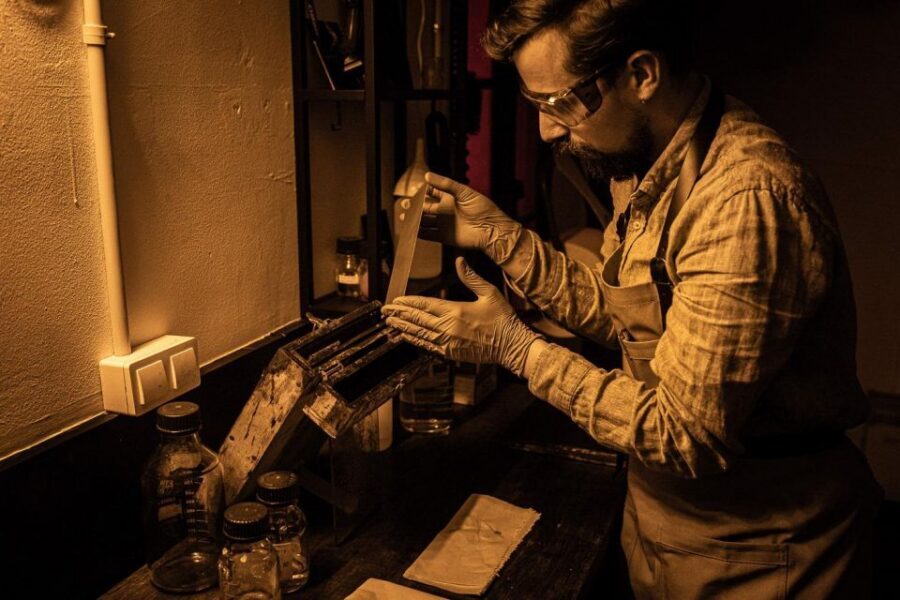
- A real 19th-century wet-plate-style workflow, from mixing chemistry to developing the plate
- Your pose matters because exposure times can be around 20 seconds
- You’ll work with the process, not just watch it, so you understand what it took to get a usable portrait
- Finishing steps are part of the experience, with washing, drying, and varnishing before pickup
- A Gothic Quarter studio and darkroom setting, built for this kind of analog work
- Private group format up to 4 people for one set price, ideal for couples and small families
Entering a Gothic Quarter studio where portraits were once made
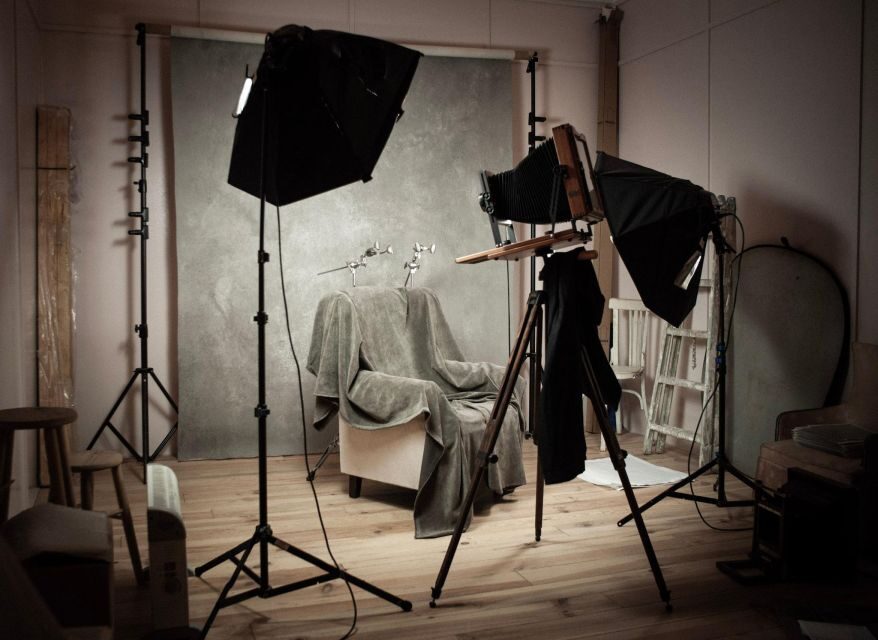
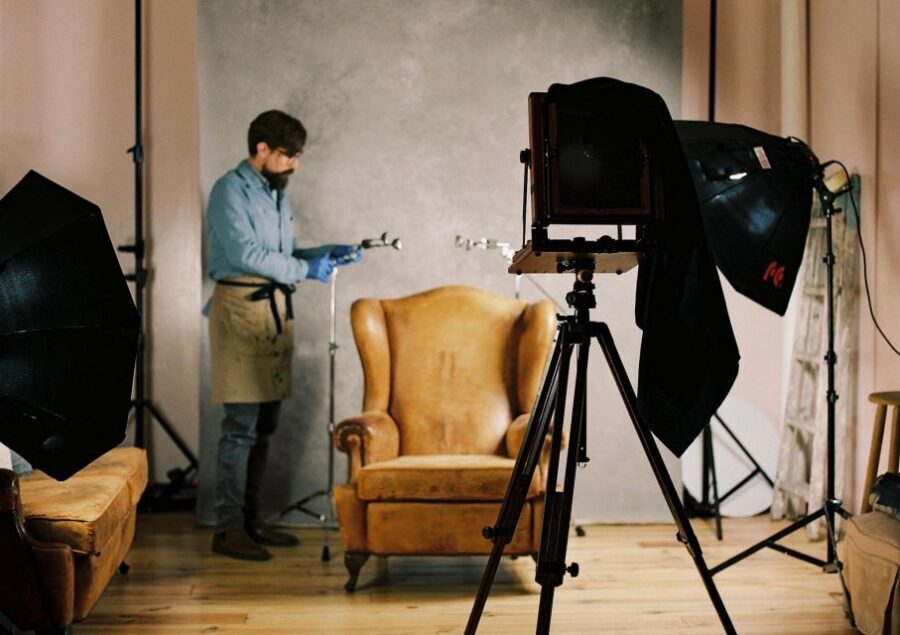
Barcelona is full of modern photography culture, but this experience takes you backward in a practical way. You’ll be working in a dedicated space where the tools are older and the timing is slower, which changes how you think about a “good photo.”
The setting matters here. Being in the Gothic Quarter means you’re not dealing with a generic storefront feel. You’re in a studio-and-darkroom environment where the process is the point, and where you can actually see what’s happening rather than hearing a theory lecture from a distance.
You’ll meet in the studio, then move through the workflow together. It’s designed for a private group, so you’re not competing for attention with a large crowd. The languages offered are English, Catalan, and Spanish, which helps you follow every step without guessing.
You can also read our reviews of more tours and experiences in Barcelona.


From chemistry to metal plate: what the process actually involves
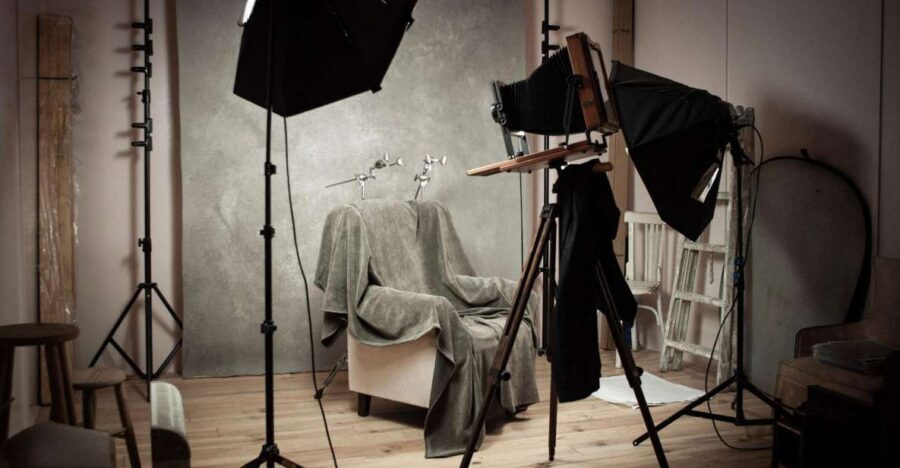
The core of this experience is understanding one of the most ancient photography processes used to make lasting images. You’ll see the plate prep, then the moment of capture, and finally the development reveal.
Here’s the value of that workflow: you learn that early photography wasn’t just pressing a button. It was chemistry, timing, materials, and careful handling. You’ll watch how chemicals are mixed and used, and you’ll understand why the process demanded patience and discipline from both the photographer and the sitter.
What I like most is that you aren’t treated like a spectator. The experience is built so you see how difficult it was to produce a picture that could last. That changes how you’ll view “instant” photos after, because you’ll now have a clear picture of what was required before digital cameras.
Posing like it’s 1851: the part you should plan for
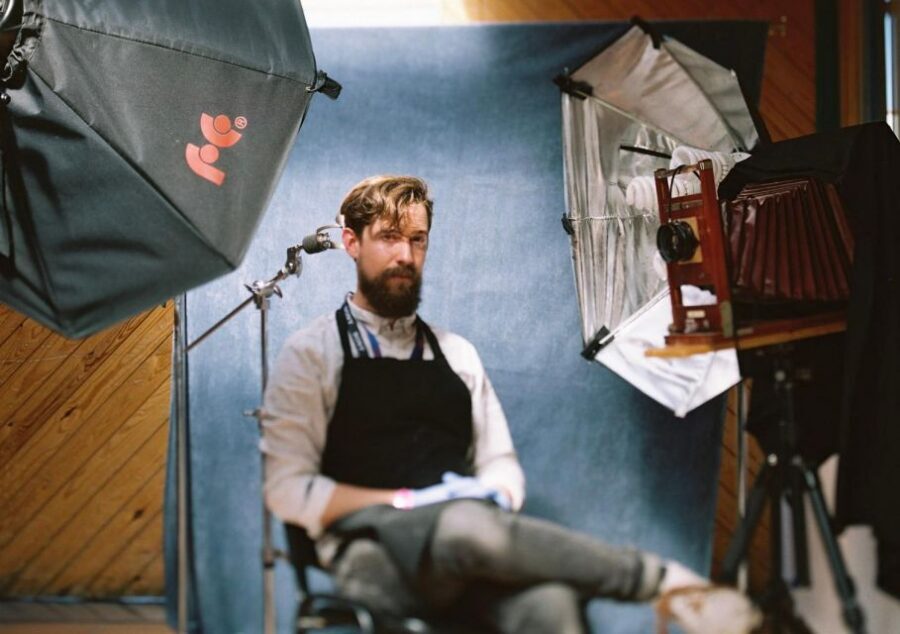
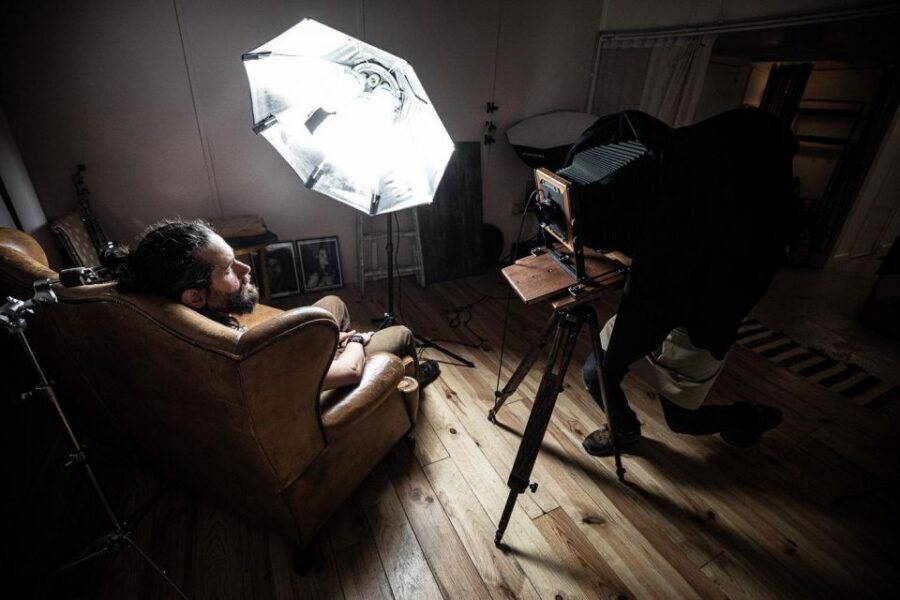
Your portrait is taken with an old wooden camera, and your exposure can be around 20 seconds. That number isn’t just trivia. It affects everything: how you pose, how still you can realistically be, and whether you should bring very young kids or pets.
If you’re an adult or older teen, you’ll likely find the posing challenge manageable with guidance. You’ll sit on the posing chair and work with the photographer on your posture for the moment that matters most: the exposure. The goal is to stay as still as you can during the capture time.
If you’re traveling with kids, especially those between about 1 and 3, plan for extra uncertainty. The experience notes that pets and very young children can be challenging in these old processes, and results may not be as expected. That doesn’t mean you can’t try, but you should go in with realistic expectations.
A good tip for the posing moment is to treat it like a short stillness exercise. You don’t need to be stiff for long, but you do need a calm, controlled posture for the exposure. If you can do that, the process becomes fun rather than stressful.
The reveal: developing and watching the image come forward
After the capture, the magic happens in the darkroom workflow. You’ll experience how your portrait is revealed under the developer, which is one of those “wait, that’s really it” moments.
This part is valuable even if you’re not a photography nerd. It gives you a direct sense of cause and effect: what you did in the pose leads to an image that appears through development. There’s no screen preview, no quick retake, and no safety net. You learn why early photographers needed serious skill.
This is also where Martí’s teaching style shines. The process is clearly explained and walked through with passion, so even if you’re coming in cold, you’re not lost. You’ll understand what’s happening and why each step matters for a usable result.
The finishing steps that turn a photo into a keepsake
A photo that lasts isn’t just made at the camera. It has to be prepared, cleaned, and finished.
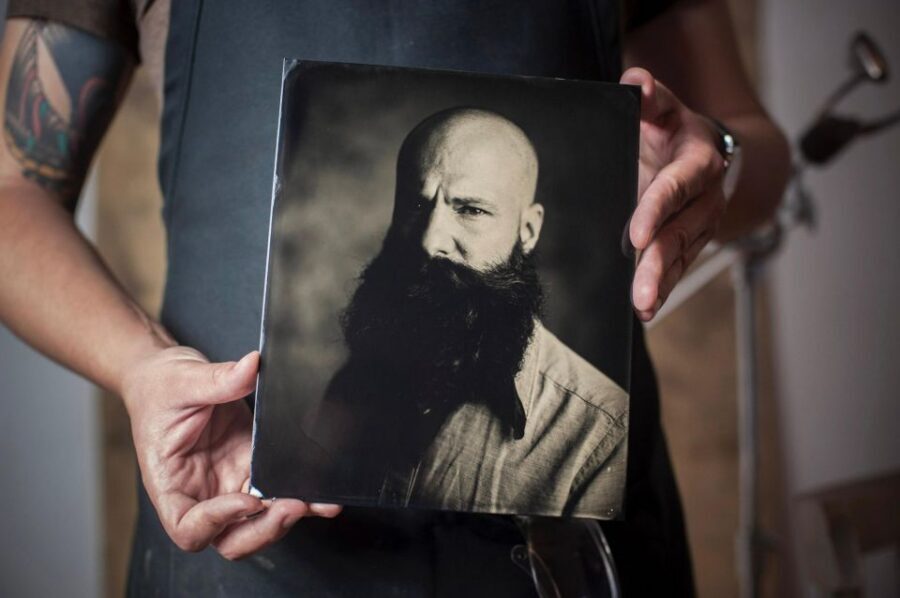
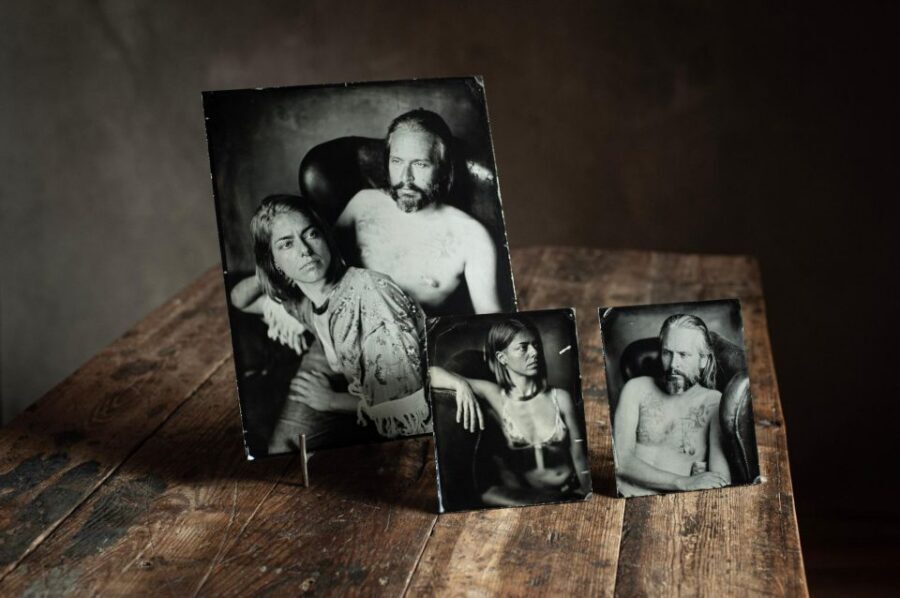
You’ll get your portrait (single, couple, or group) on a piece of metal plate. Then the plate goes through the final steps: washing, drying, and varnishing. Those steps take time, and you pick up the finished portrait after it’s properly processed.
The experience notes that pickup happens after it’s washed, dried, and varnished, and this can take around an extra hour depending on availability after your session. That’s a helpful heads-up for planning your day. If you’re trying to fit everything into a tight itinerary, consider doing this earlier rather than right before a flight or a big dinner reservation.
You also have a practical detail to consider: the standard plate size is 4×5 inches. If you’re hoping for a larger format, upgrades for larger plate sizes aren’t included, so you’ll want to check options and pricing ahead of time.




What you get for $118: value that makes sense for analog fans
At $118 per group up to 4 people, this isn’t priced like a high-volume tourist “photo souvenir” stop. It’s priced like a real small workshop with materials, chemistry handling, development, and finishing labor built in.
That value becomes clearer when you think about what you’re receiving. You’re not getting a print made from a digital file. You’re getting a physically finished portrait on metal, with washing, drying, and varnishing included. That’s work that can’t be sped up with a software filter.
It also works well for small groups. Couples, friends, and families of up to four can split the cost while still having their own portrait moment. It’s a private group, so you aren’t sharing the spotlight with strangers.
If you’re an analog photography fan, it feels like the kind of experience you can’t replicate at home unless you really know what you’re doing. If you’re not, it still works because the process is explained in a way that makes the craft tangible.
Timing your Barcelona day around a 19th-century photo session
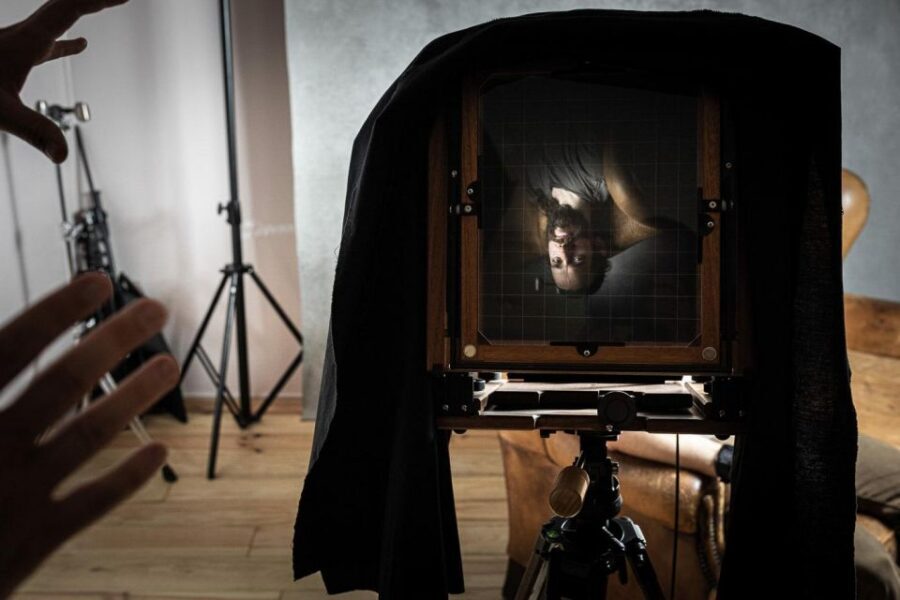
The activity is listed as a 2-hour slot, but your actual portrait session is about 1:30 hours. The remaining time is there so the studio flow makes sense, including prep and the full sequence around taking and processing the image.
You’ll likely spend most of the first part of the experience inside the studio area for reception, plate preparation, posing guidance, and the capture. Then the darkroom steps happen as part of the workflow that leads to your final portrait.
Your final pickup can be arranged based on when your portrait finishes. The experience notes you can arrange this beforehand, which is useful if you want to lock in a pickup window rather than guessing. If you’re staying nearby, you might find it easiest to plan your pickup for later the same day.
Because exposure can be around 20 seconds, the experience can move a little differently than modern portrait sessions. You’ll want a calm mindset and some patience. It’s not long in time, but it is exacting in the moment that counts.
Who this is best for (and who should plan differently)
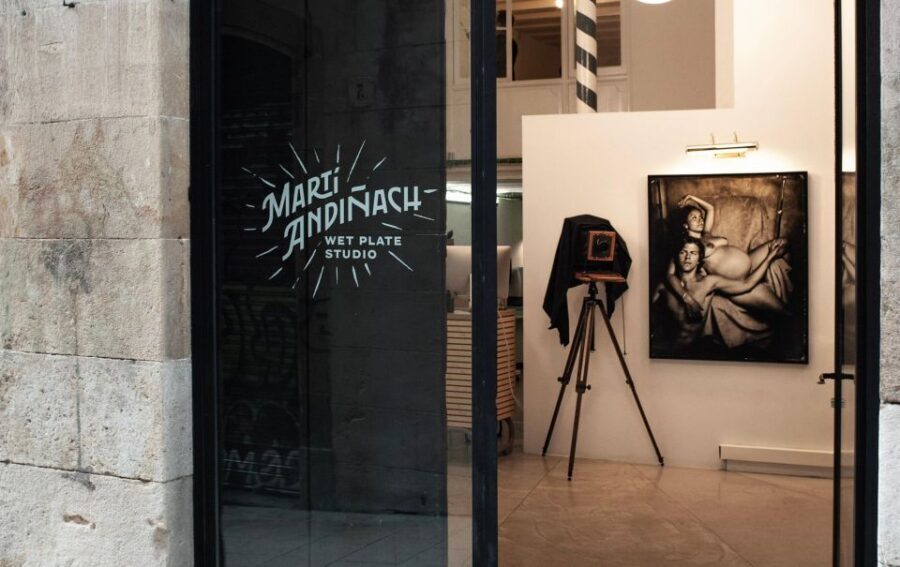
This experience is especially good if you like craft, photography, or handmade objects with real material presence. It’s also great for people who want something more meaningful than a generic photo.
It fits well for:
- Couples who want a distinct keepsake with a clear story behind it
- Small groups up to 4 who want a shared experience without a crowd
- Gift buyers who want an experience that feels personal, not generic
It may be less ideal for:
- Families with very young children who may not sit still for about 20 seconds
- Anyone who expects fast, instant results and a same-minute takeaway
- Pets that won’t be able to hold steady during exposure
If you do have kids or pets, you can still make it work if you’re flexible and treat the result as a learning outcome. The workshop is built around what it was like in earlier portrait days, and those conditions are part of the experience.
Practical details that affect your final portrait
A few specifics can make your day smoother.
First, standard portraits use a 4×5-inch plate size. If you want a larger presentation, any upgrade isn’t included, so plan for that possibility.
Second, pickup happens after washing, drying, and varnishing. That means you don’t walk out holding the finished metal portrait immediately. If you’re hoping to carry it through Barcelona that same hour, plan around the pickup timing.
Third, shipping may be available if you can’t pick up during your stay. Shipping isn’t included in the base price, and it can be shipped to your hotel reception or home for an extra fee. If shipping matters to you, you’ll want to coordinate early so the process doesn’t become stressful at the end of your trip.
Should you book this Barcelona wet-plate portrait experience?
If you want a souvenir, skip it. This isn’t that kind of stop. But if you want a portrait that feels like a handmade heirloom and you like understanding the craft behind it, I think you’ll be glad you booked.
Book it if:
- You like analog photography or want a serious hands-on process experience
- You want a portrait on metal with real finishing work included
- You want something gift-worthy that has a story, not just an image
Consider skipping or adjusting plans if:
- You need instant results to take home immediately
- Your group includes very young children or pets and you want high odds of a perfect exposure
For most couples and small groups, this hits a sweet spot: private attention, a true 19th-century workflow, and a keepsake you can hold in your hands for years.
FAQ
How long is the portrait session?
The total experience is about 2 hours, with the portrait session itself lasting around 1:30 hours.
Where does the experience take place?
It happens in a dedicated studio and darkroom in the heart of Barcelona’s Gothic Quarter.
What kind of camera and exposure time should I expect?
Your portrait is taken with an old wooden camera, and exposure times can be around 20 seconds.
What size is the standard metal plate?
The standard plate size is 4×5 inches. Larger plate upgrades are not included.
Will I get to develop and finish the portrait?
Yes. The included steps cover developing, then later washing, drying, and varnishing after your session, before pickup.
Can I pick up my portrait later or have it shipped?
You can pick it up at the studio after it’s ready. Shipping is available for an extra fee if pickup during your stay isn’t possible.
Is it wheelchair accessible?
Yes, the experience is listed as wheelchair accessible.
Can I book a private group?
Yes. It’s a private group, up to 4 people per group booking.