REVIEW · BARCELONA
Barcelona & The Sea. Regular Tour
Book on Viator →Operated by Barcelona Architecture Walks · Bookable on Viator
Barcelona teaches itself by the shoreline. This 3-hour architecture walk traces how the city’s skyline grew along the coast, using major landmarks, wharves, markets, and beaches to show how Barcelona’s relationship with the sea changed over time.
I really like that the tour is led by a practicing architect and critic, so the explanations go past postcard views and into how design choices affect a living city. I also love the architecture microguide, which gives you something to hold onto while you’re walking and looking.
The only real catch is the route involves parks, beaches, and breakwaters, and the experience depends on good weather. If rain and wind are part of your plan, have a flexible mindset and bring gear for a coastal walk.
In This Review
- Key things I found most useful
- Why Barcelona’s Sea Edge Tells the City’s Architecture Story
- Plaça Nova Meet-Up: Getting Oriented Before You Hit the Waterfront
- Roman Defensive Walls and the Temple of Augustus: Where the Coast Begins to Make Sense
- Santa Maria del Mar: Gothic Craft That Feels Built for People
- Moll de la Fusta Wharf by Manuel de Solà-Morales: Modern Design on the Edge of Motion
- Barceloneta Market by Josep Miàs and Daily-Life Architecture
- Casa de la Marina Apartments by Jose Antonio Coderch: When Housing Becomes Part of the View
- Somorrostro Beach in Barceloneta: The Coast’s Present-Day Feeling
- Barcelona Skyline at the End: Seeing the Whole Coast-to-City Shift
- How the Architect-Critic Style Makes This Tour Better Than a Standard Walk
- Price and Value for a 3-Hour Architecture Walk
- Timing, Walking Style, and What to Bring
- Who Should Book Barcelona and the Sea
- Should You Book This Tour or Pass?
- FAQ
- How long is the Barcelona & The Sea tour?
- Where does the tour start?
- What time does the tour begin?
- Does it use a mobile ticket?
- How many people are in a group?
- What happens if the weather is poor?
Key things I found most useful
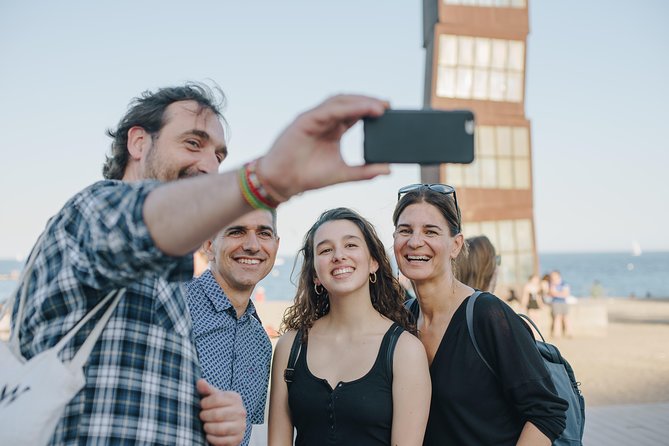
- Architect-led storytelling that connects Roman, medieval, and modern design into one coast-to-city narrative
- Small group size (max 20), which makes it easier to ask questions while you’re on the move
- A tight 3-hour format that still hits big architectural stops around Barceloneta and the port
- Specific building highlights tied to named designers like Manuel de Solà-Morales, Josep Miàs, and Jose Antonio Coderch
- Waterfront variety that shifts from streets to church interiors to sea views and the skyline
Why Barcelona’s Sea Edge Tells the City’s Architecture Story
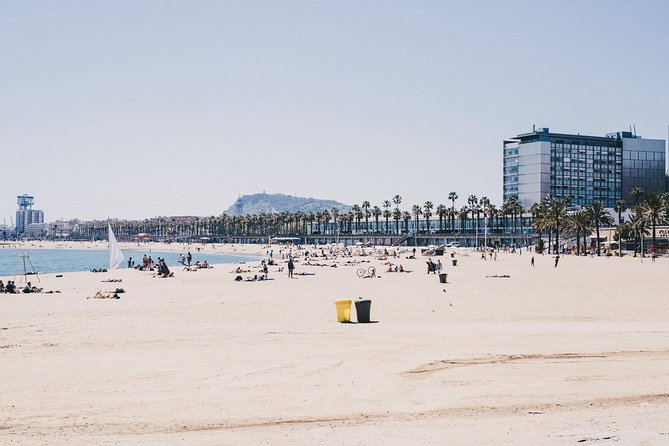
This walk is built around a simple idea: the sea shaped Barcelona, then Barcelona gradually turned inward. You’ll see how that shift plays out in stone, street layouts, ports, and public buildings, so you understand the skyline as a timeline instead of a cluster of monuments.
And it’s not just about what’s pretty. The goal is to help you read the city’s “logic.” Where walls held defense, where churches anchored community, and where later projects tried to manage a changing waterfront.
A big plus is the guide format. An architect-critiсr style approach tends to focus on questions like: Why is this here? Who used it? How does it fit the coastline? That’s the kind of thinking that makes the stops feel connected.
You can also read our reviews of more tours and experiences in Barcelona.

Plaça Nova Meet-Up: Getting Oriented Before You Hit the Waterfront
You start at the Barcino Sculpture in Plaça Nova, in Ciutat Vella. This is a smart beginning point because it places you near the historic core, so the Roman-to-modern arc later in the walk lands with more meaning.
Expect a walking pace that fits city streets and small transitions. The route includes narrow streets as well as parks and open edges, so comfortable shoes matter. I’d plan to take small breaks only when the guide suggests it, since the best moments often come when you’re standing where the city was designed to be experienced.
Also, since it ends back at the meeting point, you’re not fighting logistics to get home after. You can wrap your morning and still have time for lunch, coffee, or another neighborhood stroll.
Roman Defensive Walls and the Temple of Augustus: Where the Coast Begins to Make Sense
One of the earliest and most compelling parts of the route is the stop for the Roman defensive walls and the Temple of Augustus. Even if you’ve seen Roman ruins before, this feels different because the walk keeps pulling you toward the sea and asking how defense and coastline influenced early Barcelona.
Look for how the city’s structure still hints at older priorities. Roman fortifications weren’t decorative. They were practical, meant to control access and protect territory. As you move through the walk, that early “coastal purpose” helps you understand why later Barcelona keeps trying to balance openness, movement, and protection along the water.
The Temple of Augustus addition matters too because it reinforces a key theme: ancient authority and civic space weren’t separate from the city’s geography. They were part of it.
If you’re the type who enjoys reading a city like a layered map, this segment sets you up for the rest of the walk.
Santa Maria del Mar: Gothic Craft That Feels Built for People
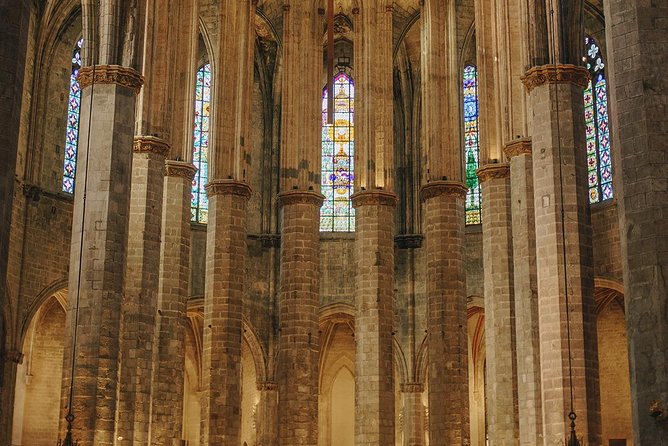
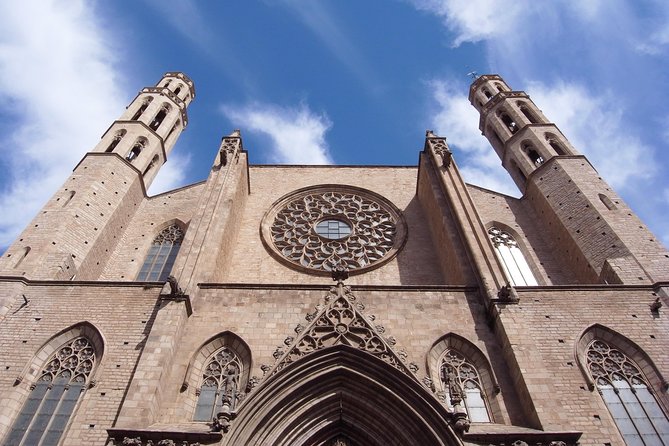
Next comes Santa María del Mar Church, a major landmark on the route. This stop is valuable because it shows how faith, community, and construction skills shaped Barcelona’s identity long before modern skyline branding.
What I like about including this kind of church on an architecture walk is the contrast. You go from Roman practicality to medieval ambition, and then you can watch how the city’s design language evolves.
Also, the church helps you shift from looking at the city’s edges to experiencing how space works inside major structures. Even without advanced architectural terms, you’ll likely notice how a public building creates rhythm for daily life and civic pride.
The drawback here is simple: churches can be busy at mid-morning. If you’re sensitive to crowds or want quiet photos, plan to be patient and let the guide guide timing and perspective.
Moll de la Fusta Wharf by Manuel de Solà-Morales: Modern Design on the Edge of Motion
The tour then moves into the port area with Moll de la Fusta wharf by Manuel de Solà-Morales. This stop is where the walk turns from history into design thinking that still affects how people move today.
Wharves and waterfront edges are tricky spaces. They have to connect land and sea, handle foot traffic, and respond to how ships, views, and weather all change over time. A named architect here helps you see that the waterfront is not an afterthought. It’s engineered and composed.
If you enjoy modern architecture, you’ll appreciate that the guide doesn’t treat this as just scenery. You’re learning why specific forms and placements matter at the water’s edge—where wind, sightlines, and circulation all influence the final result.





Barceloneta Market by Josep Miàs and Daily-Life Architecture
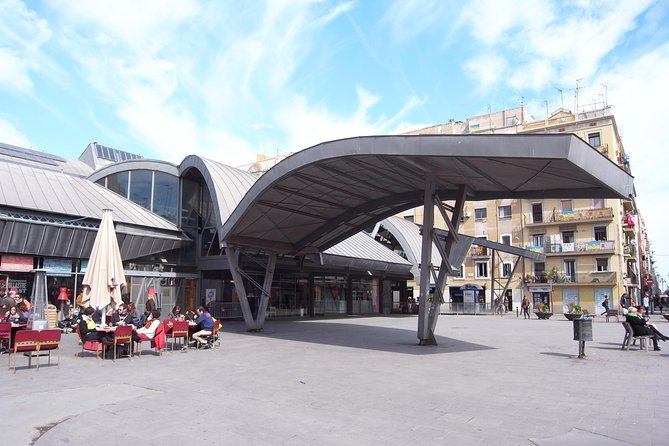
Barceloneta Market by Josep Miàs is a highlight for a good reason: markets are where design meets routine. Even if architecture isn’t your main hobby, this kind of stop makes the subject feel practical instead of purely academic.
You’ll likely enjoy the way the walk connects civic architecture to neighborhood identity. Markets are social infrastructure. They create gathering patterns and keep communities anchored, especially in a district like Barceloneta where sea life is part of everyday culture.
This stop also helps you balance the more dramatic skyline and water-view moments. A market can be the perfect reminder that architecture is used constantly, not only admired.
If you’re hoping for long interior time for photos, this might feel more like a viewpoint-and-explanation stop. But in exchange, you get a clearer understanding of what the building contributes to how the neighborhood functions.
Casa de la Marina Apartments by Jose Antonio Coderch: When Housing Becomes Part of the View
Next is Casa de la Marina apartment building by Jose Antonio Coderch. Housing architecture may not sound like a “big moment,” but on a sea-and-skyline route, it’s actually essential.
This is the phase where Barcelona starts to feel like it’s pulling the city inward. Apartments along an urban edge show how residential design negotiates privacy, light, street life, and proximity to the coast. The skyline you see later is built from these choices, not just from famous towers.
A good architect-led guide tends to highlight details you might otherwise miss, like façade rhythm and how the building relates to street activity. You’re not just looking at an object. You’re learning how a neighborhood gets shaped over time.
One practical consideration: this segment can involve more standing and looking up or along building fronts. If you prefer minimal street exposure, keep your plan flexible and wear clothing you can adjust for wind.
Somorrostro Beach in Barceloneta: The Coast’s Present-Day Feeling
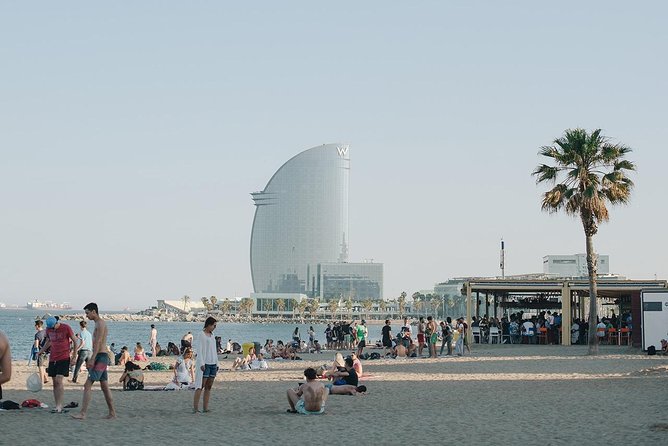
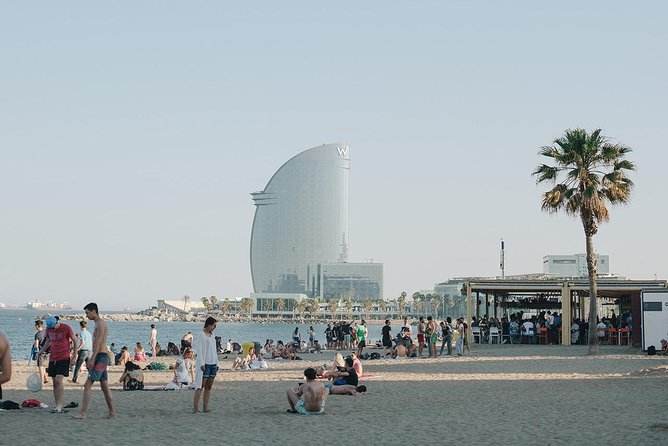
The walk reaches Somorrostro Beach in Barceloneta. This part is important because it anchors the historical theme in a physical experience. You’re not only learning about the sea; you’re standing in it—feeling the openness and the way the coastline changes the mood of the city.
Be honest with yourself here: beach-side walking can mean sand near edges, salty air, and sun or wind depending on the day. Plan for that. If you’re bringing a small camera bag, keep it secure and consider a layer for breezy moments.
It’s also a great place to mentally connect the earlier stops. Roman walls, church architecture, and port design all lead to this: how the city’s relationship with the sea shows up when you’re literally at the waterline.
Barcelona Skyline at the End: Seeing the Whole Coast-to-City Shift
The tour ends with Barcelona skyline views. This closing move is what makes the experience feel complete. You’ve spent the walk understanding how different eras responded to the city’s edge, so the skyline stops being a random collection of shapes.
Instead, you start seeing patterns: where growth happened, where the city faced outward, and where it shifted to a more interior focus. That’s the real payoff of the sea-focused route.
Ending back at the meeting point is also helpful. You’re not stuck on the far side of the city with an empty afternoon. You can continue exploring Barceloneta, grab a drink near the port, or take a slower stroll to digest what you learned.
How the Architect-Critic Style Makes This Tour Better Than a Standard Walk
This is where the reviews really line up with the promise of the experience. The guide approach tends to be entertaining and friendly, with an emphasis on architecture and urbanism rather than a speed-run of facts.
I especially like the way this kind of guide can explain why history matters for Barcelona today. It’s not just a lecture. It’s more like standing in a place and getting a practical mental model: what this area was for, how design decisions changed over time, and what you can still see.
In past experiences, guides such as Pia and Ricard have been singled out for being engaging while still serious about architectural insight. If you value learning without boredom, that’s a good sign.
Price and Value for a 3-Hour Architecture Walk
At $52.06 per person for about 3 hours, you’re paying for a guided architecture experience led by a practicing architect and critic, plus an architecture microguide. That combination is often what separates this kind of walk from general city tours.
Here’s how to judge value for you:
- You get a structured route with high-impact stops (Roman, medieval, modern, waterfront).
- You’re paying for expert interpretation, not just entry-level commentary.
- The group cap of 20 helps keep the experience interactive.
If you’re the type who likes architecture and wants context without spending a full day piecing it together yourself, this price can feel like a time-saver. If you only want casual photo spots and minimal walking, you might find it less worth it.
My suggestion: treat it as a “foundation tour.” After this, you’ll know what to look for as you wander independently.
Timing, Walking Style, and What to Bring
The start time is 10:30 am, and the activity lasts roughly 3 hours. Mid-morning is a good slot for moving through historic streets and still seeing waterfront views before the light gets too harsh.
Because the route includes narrow streets, parks, beaches, and breakwaters, bring:
- Comfortable walking shoes
- Sun protection for beach and open edges
- A light layer if coastal wind shows up
And remember: the tour requires good weather. If your travel dates look stormy, it helps to have a flexible schedule since the operator may adjust plans if conditions are poor.
Who Should Book Barcelona and the Sea
I think this tour fits best if you want:
- A guided architecture story tied to the coast and skyline
- Named design stops that connect to the modern waterfront
- A professional guide who can explain how design affects real neighborhoods
It’s also a solid choice if you’re in Barcelona for a short time and want one walk that covers a lot of the city’s key eras without hopping around too much.
If you don’t care about architecture and you just want beaches and views, you may feel the stops are too “structured.” On the other hand, if you enjoy learning what you’re seeing, this walk tends to deliver.
Should You Book This Tour or Pass?
Book Barcelona & The Sea if you want your sightseeing to come with a clear story arc: Roman foundations, medieval landmark space, modern port design, everyday neighborhood buildings, and then a skyline that makes sense when you look back.
Consider passing if you’re avoiding walking near open waterfront areas, or if you hate weather-dependent plans. Since the experience needs good conditions, you’ll want backups for the day.
Overall, this is strong value for people who like architecture and want the city’s sea relationship explained in a way that stays fun, clear, and practical.
FAQ
How long is the Barcelona & The Sea tour?
It runs for about 3 hours.
Where does the tour start?
The meeting point is Barcino Sculpture, Plaça Nova 40, Ciutat Vella, 08002 Barcelona, Spain.
What time does the tour begin?
It starts at 10:30 am.
Does it use a mobile ticket?
Yes, the tour has a mobile ticket.
How many people are in a group?
The tour has a maximum of 20 travelers.
What happens if the weather is poor?
The experience requires good weather. If it’s canceled due to poor weather, you’ll be offered a different date or a full refund.