REVIEW · SALOU
From Costa Dorada: Peñíscola and Ebro Delta Sightseeing Tour
Book on GetYourGuide →Operated by Tourist & Hospitality Services S.L.U. · Bookable on GetYourGuide
Birds, rice fields, and a medieval seaside town.
This Costa Dorada day trip mixes quiet wetland watching in the Ebro Delta with a walkable, photogenic stop in Peñíscola. I like how it’s built as a full day that changes pace: marshes and birds in the morning, then streets, views, and castle drama on the coast.
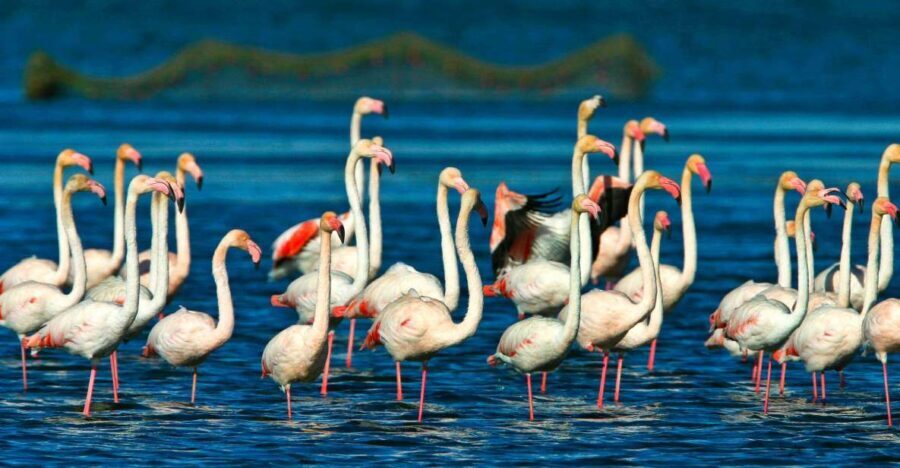
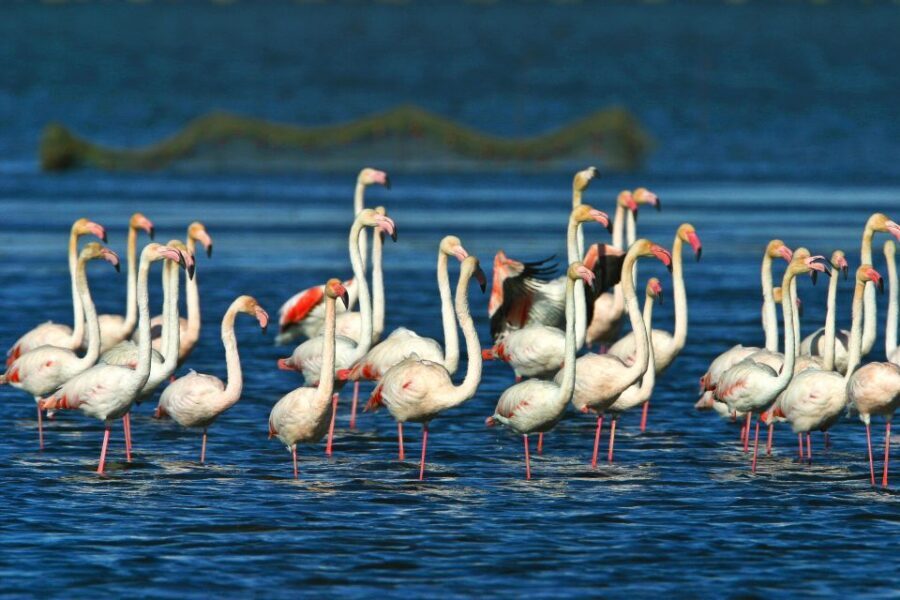
I love the real nature moments in the Ebro Delta: rice fields tied to arroz bomba and the chance to spot flamingos and other stilt birds. I also love what Peñíscola does for your camera roll, especially the House of Shells and the town’s white-and-blue look.
One drawback to plan around: Peñíscola’s historic center involves a short uphill walk, so you’ll want comfortable shoes and realistic expectations for mobility.
In This Review
- Key highlights at a glance
- Ebro Delta Wetlands: Where Rice Meets Bird Watching
- The Rice Fields and Arroz Bomba Stop You’ll Remember
- Flamingo Time (and How to Spot Birds Without Losing the Day)
- Walking the Ebro River Edge: Easy Nature, Good Photo Windows
- Peñíscola First Impressions: White Houses, Blue Shutters, and Tile Details
- The House of Shells: A Weirdly Memorable Facade
- The Castle of Peñíscola: Sea Views and a Pope’s Refuge
- Timing and Siesta Reality: How to Make the Most of 9 Hours
- Price and Value: Does $50 Feel Fair?
- What’s Included, What’s Not, and What to Bring
- Getting There Comfortably: Pickup Points and the Start Time Game
- Who This Tour Suits Best (and Who Might Want Another Option)
- Should You Book the Peñíscola and Ebro Delta Tour?
- FAQ
- How long is the Costa Dorada: Peñíscola and Ebro Delta sightseeing tour?
- Where does the tour start?
- Is pickup and drop-off included?
- What languages is the live guide available in?
- What are the main sights in Peñíscola?
- Do I have to pay to enter the castle?
- What will I see in the Ebro Delta?
- Can I eat food in the vehicle?
- Is the tour suitable for wheelchair users?
- What should I bring?
Key highlights at a glance
- Ebro Delta wetlands: one of the largest wetlands in the Mediterranean, focused on rice and birds
- Flamingos and stilt birds: marsh viewing during guided time on the river and in the park
- Arroz bomba rice: you learn what makes the delta’s rice special before you taste the area
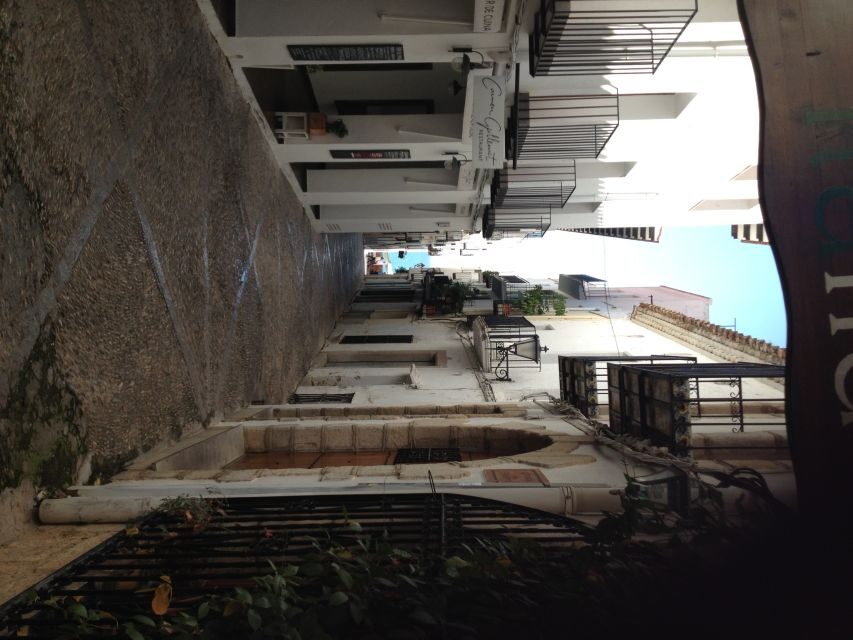
- Peñíscola old town: white houses with blue shutters, colorful balconies, and tiled details
- House of Shells: an attention-grabbing facade made with seashells
- Castle views: a 13th-century fortress perched above the beaches, with optional entry
Ebro Delta Wetlands: Where Rice Meets Bird Watching
The day starts with a long breath of fresh air and a landscape that feels made for slow looking. The Ebro Delta is known for wetlands and extensive rice fields, and the tour leans into both, because the birds and the farming are linked.
You head south by bus, passing rambling orange plantations along the way. Then you arrive in a wetland area where rice isn’t just scenery—it’s part of what supports the habitat for birds that breed there or spend time in the delta.
This is the kind of stop where you’ll get more from paying attention than from sprinting for photos. The marshes, the river edge, and the stilt-bird shapes all reward a calmer pace, and the guide keeps the rhythm moving with short guided pieces and photo moments.
You can also read our reviews of more tours and experiences in Salou.


The Rice Fields and Arroz Bomba Stop You’ll Remember
One of the best “why this matters” parts of this tour is how it explains the delta’s rice production. You’ll learn the delta’s rice is often associated with arroz bomba, which is famous in Spanish rice cooking.
On the ground, you don’t just hear about rice—you get to see how the wetland setting supports it. And when you’re offered chances to buy rice and honey in the small shops around the natural park, it feels less like a souvenir stop and more like a practical way to bring the region home.
Look for the tiny details the guide points out. Wetlands can look similar from a distance, but small differences in water, vegetation, and bird activity change what you’re seeing. Even if you’re not a bird nerd, that explanation makes your spotting time more satisfying.
Flamingo Time (and How to Spot Birds Without Losing the Day)
Yes, flamingos are a highlight here, and the tour gives you time where you can reasonably expect to see them. You’re also likely to spot other stilt birds resting in the marshes, which makes the viewing feel less like a one-off and more like a steady wildlife moment.
Here’s the practical tip: when the guide says to look, pause your own walking plans for a minute. Bird watching rewards stillness. If you rush, you’ll miss the birds that appear only briefly when they move or adjust their stance.
You’ll also do a short guided introduction before you settle into river walking. After that, the tour builds in enough free movement for you to take photos, buy local products, and reset before heading to Peñíscola.
Walking the Ebro River Edge: Easy Nature, Good Photo Windows
After the initial guided time, you’ll stroll along the Ebro River. This part is intentionally lighter than a hard hike, but it still gives you that close-to-nature feel that bus tours often skip.
You’ll likely feel the difference between “wetland viewed from afar” and “wetland viewed at walking speed.” Up close, you can spot the patterns in water edges and the areas birds seem to prefer for resting.
This is also where the tour’s pacing feels smart. You don’t stay so long that you burn out, but you also don’t rush through so quickly that you never really absorb what makes the delta distinctive.
Peñíscola First Impressions: White Houses, Blue Shutters, and Tile Details
Then it’s onward to Peñíscola, and the tone shift is real. This is one of those coastal towns where you can get the “Spain postcard” look with almost no effort, because the town design does it for you.
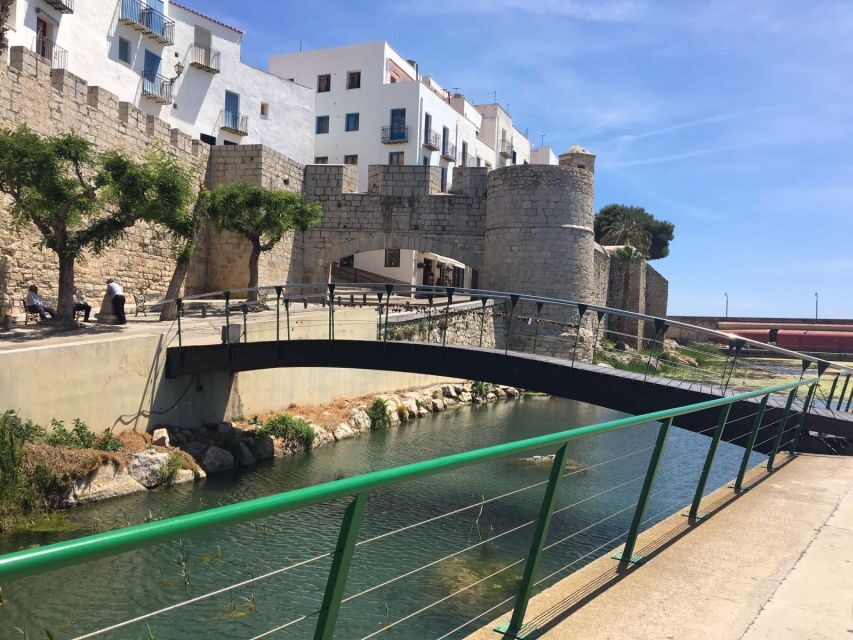
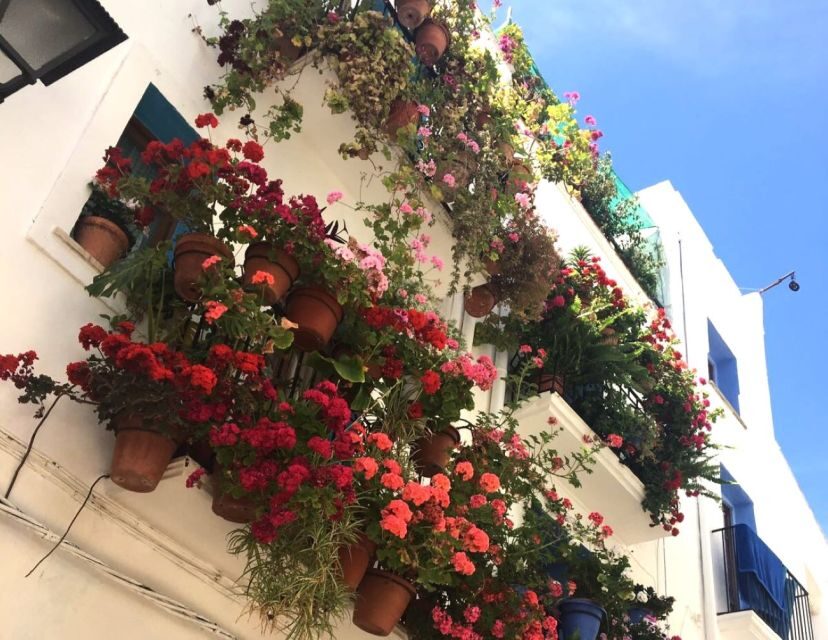
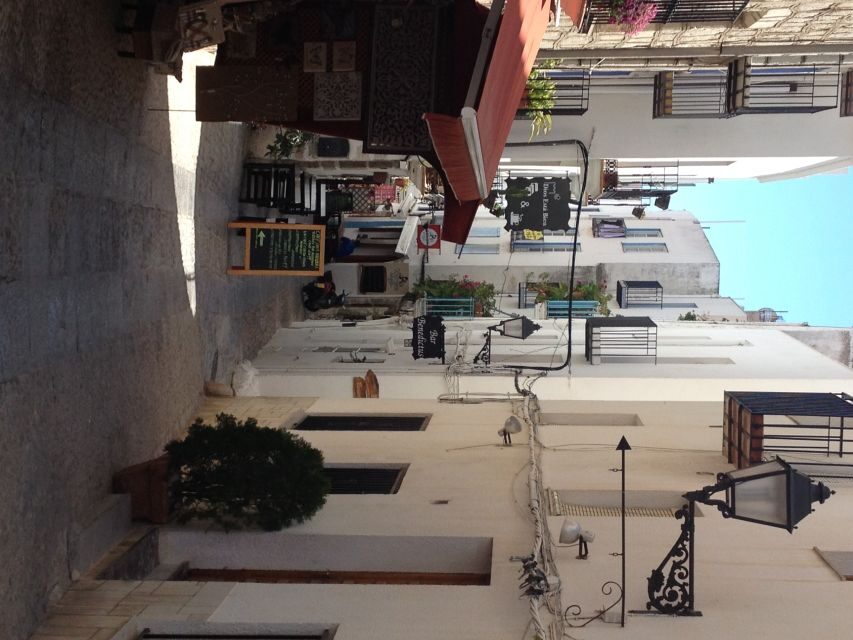
As you walk the small streets, you’ll notice the characteristic white houses with blue shutters. You’ll also see colorful balconies decorated with plants and ceramic tiles—those small details make Peñíscola feel lived-in rather than staged.
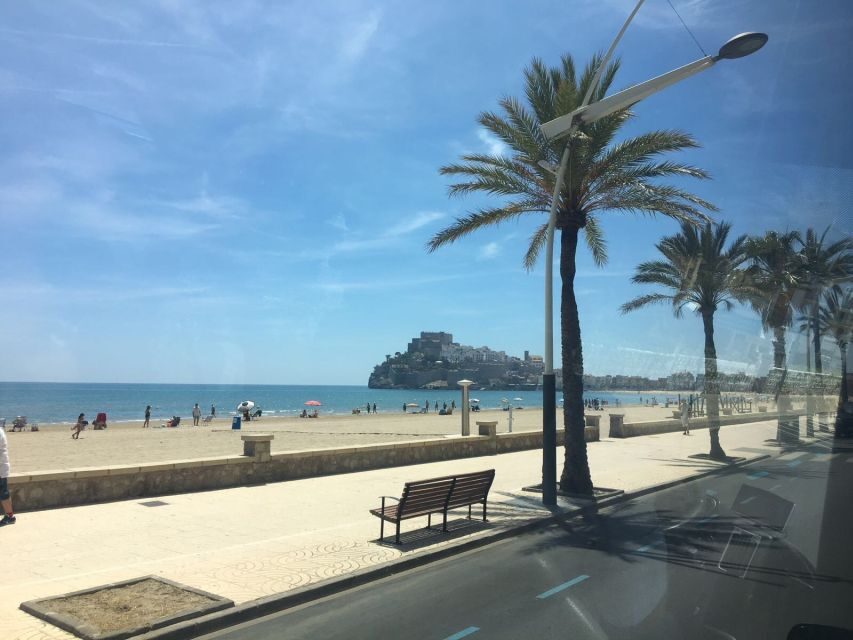
What’s also cool is the town’s built form. It sits on a giant boulder formation at the tip of a peninsula, and you feel that structure as you climb. The guide’s town orientation helps you understand why the streets feel like they’re rising toward viewpoints.


The House of Shells: A Weirdly Memorable Facade
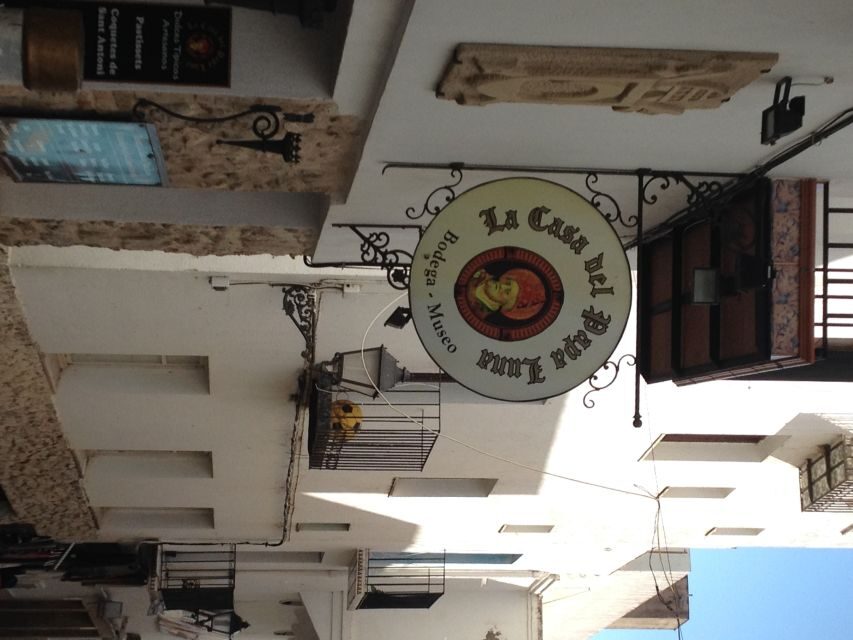
If you only stop for one “wow” photo in town, make it the House of Shells. It’s famous for its seashell-encrusted facade, and it looks more dramatic in person than it does in many online pictures.
This is a good stop even if you’re not into quirky architecture. It’s colorful, it’s unusual, and it gives you something to look at while you orient yourself in the old center.
And because it’s tied to Peñíscola’s identity as a Mediterranean seaside place, it fits naturally into your walk rather than feeling like a random detour.
The Castle of Peñíscola: Sea Views and a Pope’s Refuge
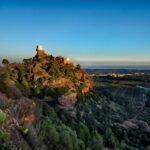
As you reach the town’s peak, you’ll see the castle poised above the coast. The Castle of Peñíscola dates to the 13th century and originally served as a refuge for the pope, which adds a historical hook without turning the day into a museum crawl.
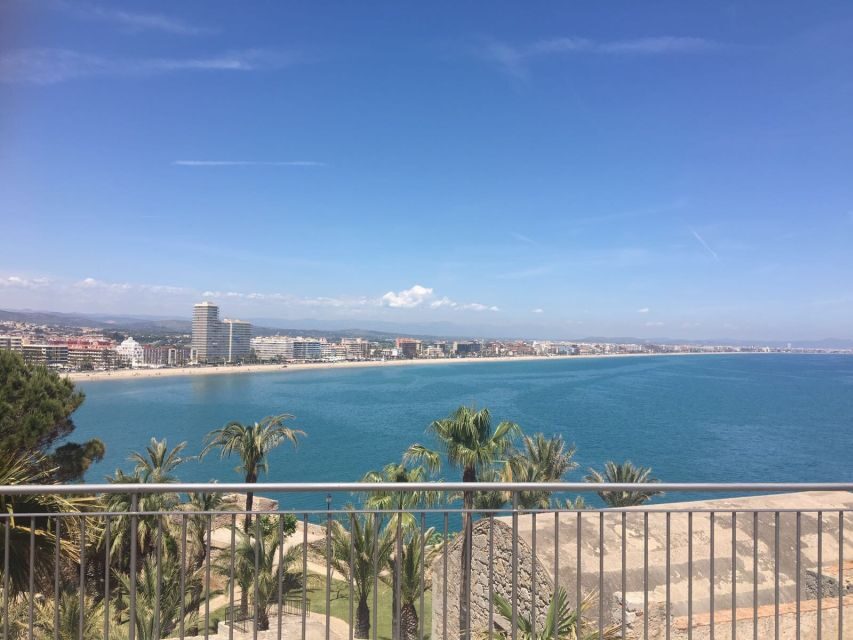
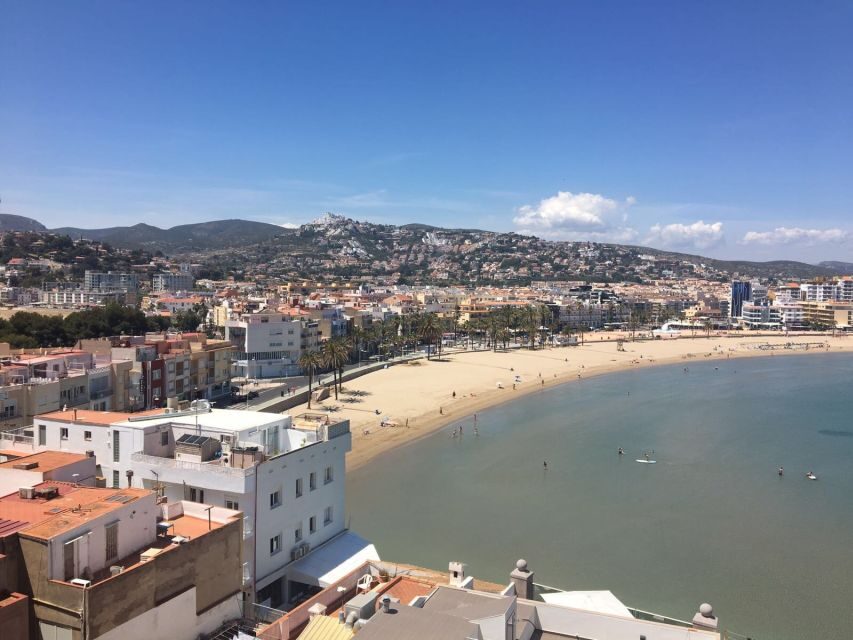
You’ll also get stunning views over the beaches stretching out on both sides of the historic center. Even if you don’t pay the extra entry fee, the external viewpoint time can be satisfying because the structure and coastline do most of the storytelling for you.
If you do want to go inside, plan on the optional entry fee of about 5€. It’s worth considering when you love fortifications or want more than views—castle interiors and ramparts can change your perspective of the town’s boulder position.
Timing and Siesta Reality: How to Make the Most of 9 Hours
This is a full day, and that’s the trade-off. The long bus drive can feel stretched—especially once you understand that the route winds through the rice and wetland areas before you reach Peñíscola.
The other timing reality is Peñíscola’s rhythm. There can be a pause in shopping and street energy when the town shifts into siesta time, meaning you might find some shops shut when you arrive. That doesn’t stop the main sights, but it changes how much shopping you can fit in.
My advice: think of this day as two main experiences. First, enjoy the delta nature and bird moments without obsessing over purchases. Second, when you reach Peñíscola, use your energy on views, the shell facade, and the castle area rather than trying to do everything inside shops.
Price and Value: Does $50 Feel Fair?
At about $50 per person, this tour is priced for people who want a guided day without paying big-city tour rates. You’re paying for transportation plus a live guide, and that matters here because both stops can be confusing if you’re on your own.
In the delta, the guide helps you understand what you’re seeing and where to look for birds. In Peñíscola, the guide helps you navigate uphill streets and points you toward the key sights that define the town.
You should also budget for the optional castle entry fee (around 5€). Still, even with that, the total often lands in a reasonable range for a guided day that mixes nature and a major coastal highlight.
The best value shows up when you’re someone who likes structure. If you’re the type who enjoys wandering freely and doesn’t need explanations, you might prefer a DIY plan. But if you want to show up, get oriented, and move efficiently, this price can make sense.
What’s Included, What’s Not, and What to Bring
You get pickup and drop-off plus a tour guide. That guide is offered in multiple languages, including English, along with Dutch, French, Spanish, and German.
What’s not included is the optional castle entrance fee, and you’ll also want to remember what the day asks of your body. You’re doing walking in Peñíscola’s uphill historic center, plus time on foot around the river and park.
Bring comfortable shoes and a camera. Sunglasses and water can be smart too, even though the tour data doesn’t list them, because you’ll be outside for stretches.
Getting There Comfortably: Pickup Points and the Start Time Game
This tour includes pickup, which is a big deal in coastal areas where parking and public transport can be annoying. The listed pickup times include several points around Salou, including Hotel Estival Park Almaris, Coaliment Supermarkt on carrer Ginestra 3, Hotel Villa Dorada, CYE apartments at Lazy Wave, and Hotel Best Maritim.
Plan to be there about 5 minutes early. The guide calls out your name, so it’s not the day to wander to the coffee kiosk and assume someone will find you.
Also note the start times can vary because the total duration is about 9 hours. Before you lock in your day, check the available starting times so you match your energy level with the drive and sightseeing window.
Who This Tour Suits Best (and Who Might Want Another Option)
This tour fits best if you want a guided day that combines nature and a scenic old town without complicated logistics. It’s a solid pick for families who can handle moderate walking, couples who want variety, and anyone who likes photos of coastal views and wildlife.
It’s less ideal if you need step-free access. The historic center has a short uphill walk, and the terrain is not conducive to wheelchairs. Mobility scooters are not allowed either.
If you’re sensitive to long bus rides, keep that in mind too. The drive is part of the experience, but it’s still a chunk of your day before the fun begins.
Should You Book the Peñíscola and Ebro Delta Tour?
I’d book this tour if you want an easy, guided way to see the Ebro Delta and then enjoy Peñíscola’s top sights in one day. The nature portion feels grounded in how the region actually works, thanks to the rice focus and bird spotting. Then Peñíscola gives you the visual payoff: white-blue streets, shell facade, and castle views over the sea.
I’d hesitate if you hate uphill walking or you need fully accessible routes. I’d also think twice if you’re expecting a relaxed “arrive and do nothing” day—this itinerary is structured, and you’ll be moving from wetlands to town with minimal downtime.
If your ideal day includes birds, rice fields, and a medieval coastal viewpoint, this one is a strong match.
FAQ
How long is the Costa Dorada: Peñíscola and Ebro Delta sightseeing tour?
The duration is 9 hours. Starting times vary, so check the available times before booking.
Where does the tour start?
Pickup is provided from several locations around Salou, including Hotel Estival Park Almaris, Coaliment Supermarkt (taxi area), Hotel Villa Dorada, CYE apartments (Lazy Wave), and Hotel Best Maritim.
Is pickup and drop-off included?
Yes. Pickup and drop-off are included.
What languages is the live guide available in?
The live tour guide is available in Dutch, French, Spanish, German, and English.
What are the main sights in Peñíscola?
You’ll see the House of Shells and have time to reach the castle area for sea views, plus wander the narrow streets of the historic center.
Do I have to pay to enter the castle?
Castle entry is optional. The entrance fee is approximately 5€.
What will I see in the Ebro Delta?
The Ebro Delta is known for rice fields (including arroz bomba) and for many bird species. You may spot flamingos and other stilt birds.
Can I eat food in the vehicle?
No. Food is not allowed in the vehicle.
Is the tour suitable for wheelchair users?
No. It is not suitable for wheelchair users, and wheelchairs are not conducive to the historic center terrain.
What should I bring?
Bring comfortable shoes and a camera.