REVIEW · SALOU
Salou: Scuba Diving for Beginners
Book on GetYourGuide →Operated by aventuratoursalou · Bookable on GetYourGuide
First time under water can be a real game changer. In Salou, this beginner scuba lesson keeps things beach-based and hands-on, so you start in warm, clear Mediterranean water with a qualified instructor (often Luis) guiding you step by step. I also like the practical setup: full equipment and insurance are included, and you don’t need prior scuba experience to get started.
One thing to plan for: cameras aren’t allowed, so if you want underwater photos, you’ll depend on the instructor’s photo/video coverage instead of filming yourself.
In This Review
- Key things I’d zero in on before you book
- Salou’s First-Scuba Setting: Warm Water, Simple Starts
- Pickup, Van Ride, and the Beach Arrival Ritual
- Gear and Wetsuit Fit: Comfort Is Safety
- The Training Part: Breathing Underwater Without Panic
- Underwater Spots in Salou: From Sandy Bottoms to Deeper Water
- Marine Life You Can Actually See
- Instructor Quality: The Difference Between Scary and Smooth
- Price and Value: Why $100 Works for First-Timers
- When This Experience Fits Best (and When It Doesn’t)
- Practical Tips to Make Your First Session Easier
- Should You Book in Salou?
- FAQ
- How long is the scuba beginner experience in Salou?
- Do I need prior scuba experience?
- Do I need to know how to swim?
- Is the experience suitable for children?
- Is it suitable for pregnant women?
- What’s included in the $100 price?
- What should I bring with me?
- Are cameras allowed during the activity?
- What languages are the instructors able to speak?
- How does hotel pickup work?
Key things I’d zero in on before you book
- Beach entry setup that’s designed for first-timers, not busy boat transfers
- Patient, multi-language instruction (Spanish, English, French, Russian)
- No swimming experience needed, since the training is paced and supported
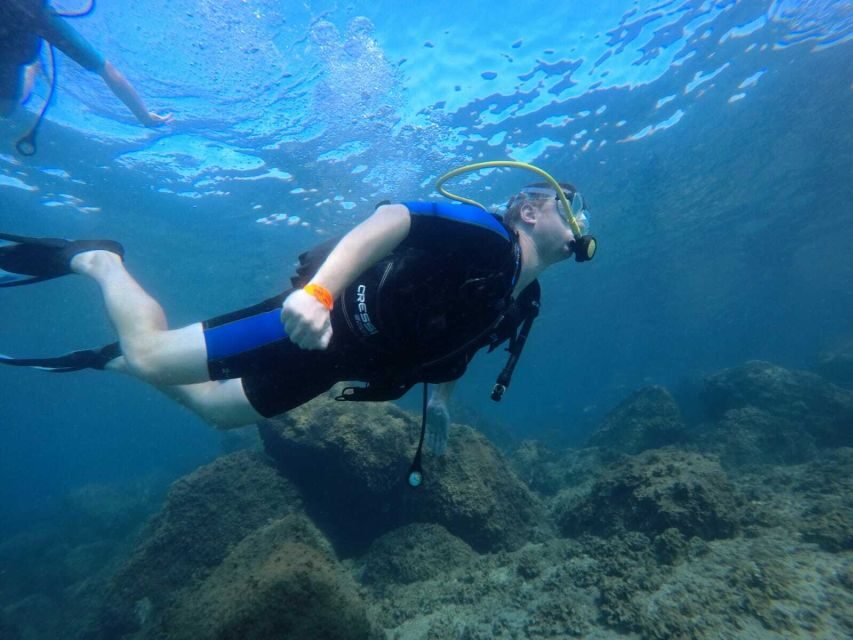
- Gear included, from wetsuit to full scuba equipment
- Instructor-led underwater photos/videos, shared after the session in many cases
Salou’s First-Scuba Setting: Warm Water, Simple Starts
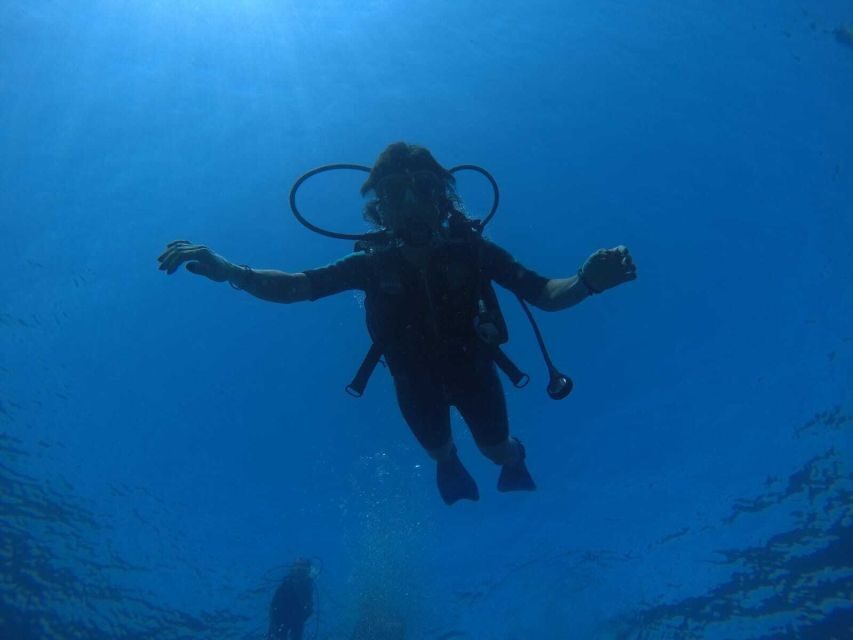
Salou sits on Spain’s Costa Daurada, where the Mediterranean is often calm enough for a beginner-friendly start. The big win here is that your session begins on a beautiful beach with warm, clear blue water, and the instruction stays close to the shore. That matters because your brain needs one job at first: get comfortable with breathing underwater and with the equipment on your body.
This isn’t presented as a “strong swimmers only” experience. You don’t have to know how to swim, and the training is built around doing things slowly, at your pace. If you’re nervous, that’s normal. The instructors handle a lot of first-timers, and you’ll typically feel the difference between a strict, rigid class and one that actually teaches you how to relax into the gear.
You also get flexibility in where you go once you’re ready. The underwater spot can change depending on your experience level. Some groups focus on simpler, sandy-bottom areas. Others may go deeper if you’re progressing comfortably. Either way, the goal stays the same: learn the core mechanics, then enjoy what’s under the surface.
You can also read our reviews of more scuba diving tours in Salou
Pickup, Van Ride, and the Beach Arrival Ritual
The day starts with hotel pickup in Salou, with a wide range of pickup points across the area (many hotel entrances and popular apartment complexes). After you’re picked up, you’ll ride in a van for about 20 minutes before you reach the beach location.
Here’s what I’d watch for: your timing. The partner will email you the specific pickup time after your reservation, and you’re asked to arrive at the meeting point about 15 minutes early. That buffer is worth it because it lets you get into wetsuit mode without rushing.
Once you arrive at the beach, the experience shifts quickly from “travel day” to “scuba session.” Equipment doesn’t just appear and get shoved at you. You’ll get help getting fitted properly, and the instructor will explain how the gear works and what you’ll do next. This is also where many people first feel relieved, especially when they meet the instructor in person and realize you’ll be taught, not tested.
You’ll spend roughly 105 minutes on the activity portion once at the beach, which usually feels like the right amount of time for a first attempt. You get intro coaching, practice, and then real underwater time—without feeling like the whole day is only theory.
Gear and Wetsuit Fit: Comfort Is Safety
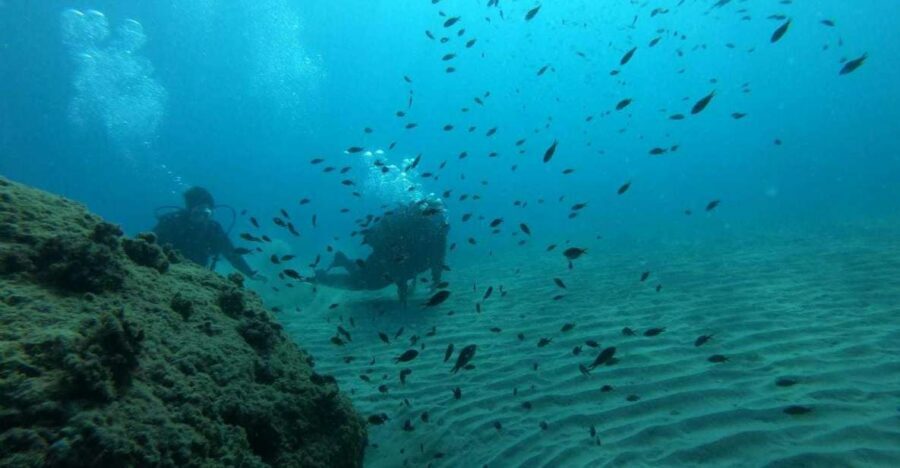
A beginner-friendly scuba lesson lives or dies on one thing: whether you feel physically comfortable. Good instructors help you manage the equipment so you’re not fighting straps, squeezing seals, or worrying about how everything connects.
In this experience, you get wetsuit and full equipment supplied. You don’t have to bring scuba gear, and you shouldn’t try to improvise your own setup. If you wear the gear wrong, you’ll spend your attention fighting discomfort instead of learning buoyancy and breathing control.
What you should bring is straightforward:
- Swimwear under your wetsuit
- Sandals for the walk from setup to water
- Water
- Your passport or ID card
One more practical note: no cameras are allowed. That’s a real consideration if you were hoping to record your first underwater breaths. In practice, many participants rely on the instructor’s underwater photo/video coverage. So if you’re the type who wants memories, plan to dress up your phone for photos on land—and then let the instructor handle the underwater shots.
The Training Part: Breathing Underwater Without Panic
The most important moment is the first time you breathe through the regulator. Most beginners expect it to feel strange or scary. The good news is that the lesson is designed to teach you the mechanics in a controlled way, with coaching you can follow at your pace.
You’ll learn the basics first, then move into the water. Many instructors emphasize calm, slow breathing and simple steps you can repeat. That’s where the “at your own pace” promise becomes real. Instead of rushing to get everyone down at once, the instructor can slow the process until you’re comfortable with the sensation of breathing underwater.
The teaching style matters here. In the feedback, you’ll see names like Luis, Ciara, Yorell, Nicky, and Kris coming up for patience and reassurance. That pattern is useful for you: it suggests the staff are used to different fear levels. Some people love it immediately. Others need a few extra minutes of guidance. The better instructors don’t interpret that as failure; they interpret it as normal beginner processing.
If you start feeling uneasy, focus on what the instructor tells you to do next—not what you think might happen. Your job is to follow their cue, exhale when they cue, and keep your body relaxed. Once breathing becomes routine, the underwater experience turns from medical-sounding to magical.
Underwater Spots in Salou: From Sandy Bottoms to Deeper Water
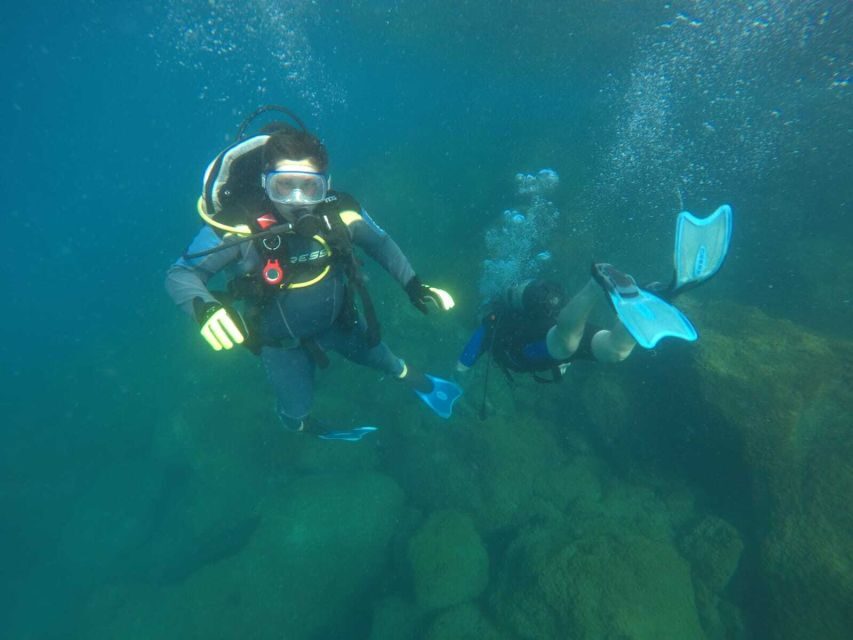
This is where the session becomes more than a lesson. It becomes an actual underwater look at marine life, led by the instructor.
The dive location is determined based on customer experience. That means beginners typically start with simple, sandy-bottom conditions. Sandy bottoms are great because you can orient yourself and feel less exposed than you might in a dramatic drop-off. You can also build confidence without the seabed feeling too complicated.
If you’re progressing well, you might go toward a more epic deeper experience. The lesson framing here is smart: you’re not forced into depth. You earn it by staying in control of your breathing and equipment handling.
Also, this is not a boat-based routine where you spend most of the time traveling. The session is done from the beach. That keeps the experience grounded and reduces the logistical complexity that can spook first-timers. Less hassle usually means you spend more mental energy on learning and less on worrying about what comes next.






Marine Life You Can Actually See
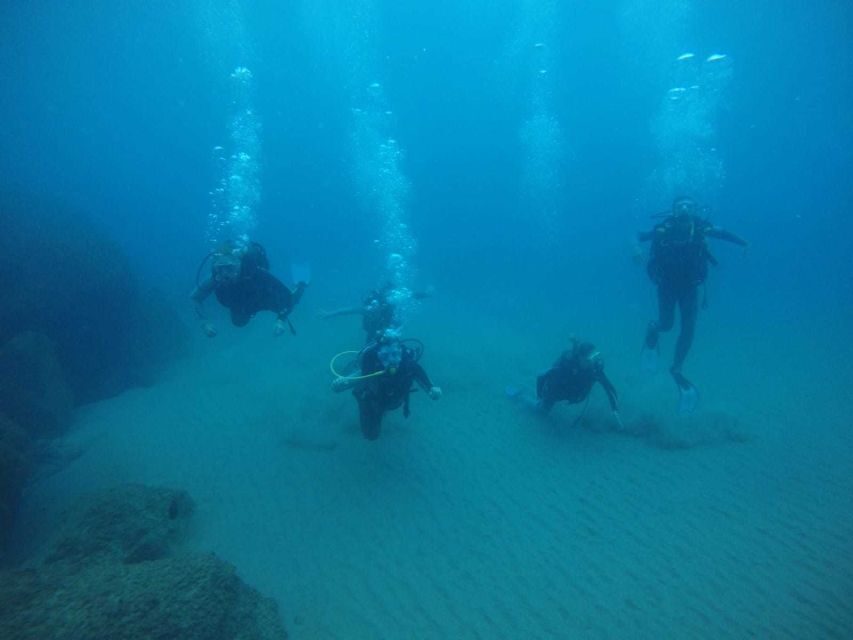
The Costa Daurada is a popular part of the Mediterranean for a reason. Even on beginner-level sessions, you can see fish and marine life right near the area you’re practicing in.
From the feedback, the standout theme is the feeling of watching fish move naturally beneath you—like they’re just doing their thing, while you’re the one learning how to join the scene. That’s the moment many first-timers mention as the real highlight, because it turns a technical activity into a sensory experience.
Here’s what to expect realistically: you’re not in a theme park aquarium. Visibility and conditions can vary. But the combination of warm, clear water and a guided walk through the area makes it easier to spot movement. Your instructor helps you stay stable so you can look around instead of constantly adjusting your gear.
Instructor Quality: The Difference Between Scary and Smooth
This experience has a strong reputation for instruction quality, and that’s the biggest reason it holds a high rating. A beginner scuba lesson isn’t just about equipment—it’s about how someone teaches fear management.
Across the feedback, you see consistent praise for:
- Being patient with first-timers
- Explaining the process clearly
- Giving hands-on help getting the equipment on correctly
- Keeping a close eye on participants once you’re in the water
- Making sure people feel safe, not rushed
Names that come up include Luis, with many first-timer accounts spotlighting his friendliness and step-by-step help. You also see Ciara and others named for calm guidance and confidence-building.
If you’re choosing this for a child or a first-time adult, look for that reassurance factor. The best instructors help you feel in control. They don’t just say follow me; they help you understand why you’re doing each step, and they slow down when you need it.
Price and Value: Why $100 Works for First-Timers
At $100 per person, this scuba beginner experience can feel like a lot until you look at what’s included. You’re not just paying for a small lesson at a pool. You get:
- Full scuba equipment
- A professional dive instructor
- Insurance
- Hotel pickup and drop-off
You also get real time in the water and underwater coaching, which is the heart of the value. For many first-timers, the biggest question is whether the lesson will be comfortable and safe enough to justify the price. The inclusion of insurance and a qualified instructor directly answers that.
What’s not included is simple: no drinks and no food. So you’ll want to plan around that with snacks and water before or after the session. The experience itself provides water to bring, but you’ll need to handle meals on your own.
One more value point: many people describe getting lots of photos and videos. Cameras aren’t allowed for you, but if your instructor provides underwater shots afterward, that can be a big part of why this feels worth it.
When This Experience Fits Best (and When It Doesn’t)
This activity is made for beginners. You don’t need scuba experience, and swimming is not required. It’s also available for children older than 8 years.
So who is it best for?
- People who want to try scuba for the first time without pressure
- Families with kids 8 and up who are excited but need patient guidance
- Anyone who gets nervous with new activities and wants step-by-step support
- Divers-in-the-making who want a confidence boost before taking formal courses later
Who should skip it?
- Children under 8
- Pregnant women
Also, because cameras are not allowed, it’s not the best match if you insist on documenting everything yourself underwater. The better fit is if you’re happy with a combination of on-land photos and instructor-provided underwater images.
Practical Tips to Make Your First Session Easier
These are the small things that help you have a calmer, smoother start:
- Bring your passport or ID card. The requirement is explicit.
- Wear swimwear that’s comfortable and easy to move in underneath the wetsuit.
- Use sandals you don’t mind getting sandy.
- Bring water and keep sipping before you start.
- Arrive at the meeting point about 15 minutes early so you’re not stressed while getting fitted.
If you’re the nervous type, choose the mindset of practice, not performance. Your goal isn’t to look like a seasoned participant. Your goal is to learn how breathing works and how your body feels with the gear. When you treat it like a training session, you’ll usually enjoy it much more.
Should You Book in Salou?
I think you should book this if you want a legit beginner scuba introduction with hotel pickup, full equipment, insurance, and instructors who are used to teaching first-timers. The strongest signal is the focus on safety and pacing, plus the fact that you’re starting from the beach in warm, clear water.
You might want to reconsider if you need to record your own underwater video or you’re not in the right age or medical category for the activity. Also, if you hate relying on someone else for photos, you’ll feel the impact of the no-cameras rule.
If you’re okay with those trade-offs, this is a high-value way to try scuba in Salou without the usual intimidation factor. It’s the kind of experience that can turn your vacation into a real “I want to do this again” memory.
FAQ
How long is the scuba beginner experience in Salou?
The duration is 1.5 hours.
Do I need prior scuba experience?
No. It does not require any prior experience.
Do I need to know how to swim?
No. It is not necessary to know how to swim.
Is the experience suitable for children?
Yes, it is only available for children older than 8 years of age.
Is it suitable for pregnant women?
No, it is not suitable for pregnant women.
What’s included in the $100 price?
You get all necessary equipment, a professional dive instructor, insurance, and hotel pickup and drop-off.
What should I bring with me?
Bring your passport or ID card, swimwear, sandals, and water.
Are cameras allowed during the activity?
No, cameras are not allowed.
What languages are the instructors able to speak?
Spanish, English, French, and Russian.
How does hotel pickup work?
You’ll be picked up directly at your hotel in Salou. After reservation, the local partner emails you to indicate the pickup time.