REVIEW · SALOU
Salou: Bosc Aventura Salou Zip Lining Experience
Book on GetYourGuide →Operated by Bosc Aventura Salou · Bookable on GetYourGuide
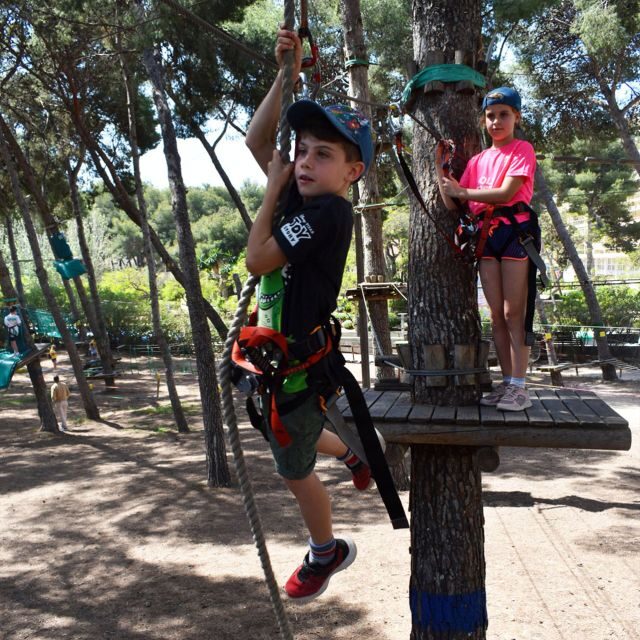
Ready for a sky-high workout? Bosc Aventura Salou turns zip lining into a step-by-step adventure, with a 20 m start and a final 40 m ride above Salou’s city center. I like that the route was designed with nervous zip liners in mind, so you build confidence as you go. I also like that the course includes a hands-on safety training so you know how the system works before you launch. One thing to plan around: you’ll need closed, secure footwear because sandals or flip flops aren’t allowed.
You’ll get a quick safety briefing on arrival, then a practical training circuit that teaches you how to move through the equipment. After that, you tackle two zip line levels that start from 125 cm-high course points, then ramp up in difficulty. If you’re hoping for a mellow stroll, this is more active than it looks from the ground.
Overall, it’s a fun mix of adrenaline and skills: zip lines plus obstacles like Tibetan bridges, spider nets, and barrels. It’s not for everyone though. The experience isn’t suitable for children under 7, pregnant women, or people with mobility impairments, so check that before you book.
In This Review
- Key things to know before you go
- Zip lining in Salou for $34: what you’re really buying
- Quick reality check: who should consider this
- Arrival, briefing, and training: why nervous zip liners get an easier start
- The blue level: ladders, barrels, nets, and your first 20 m zip line
- What I’d focus on during the blue level
- Dark blue level: Tibetan bridges, spider nets, and the 40 m finale
- How to get the most out of the final 40 m line
- Time breakdown: how the 1.5 hours tends to feel
- Other activities you may find on site: minigolf and archery
- Gear, rules, and comfort tips that keep the day smooth
- Instructor languages: you’ll likely find one that clicks
- Is it worth it? My take on value and satisfaction
- Should you book Bosc Aventura Salou zip lining?
- FAQ
- How long is the zip lining experience?
- How much does it cost?
- What’s included in the ticket?
- What zip lines and course levels will I do?
- Do I get training before I zip line?
- What’s the minimum age?
- Can pregnant women join?
- What language will the instructor speak?
- Is there a dress code or footwear rule?
- Is there a cancellation option?
Key things to know before you go
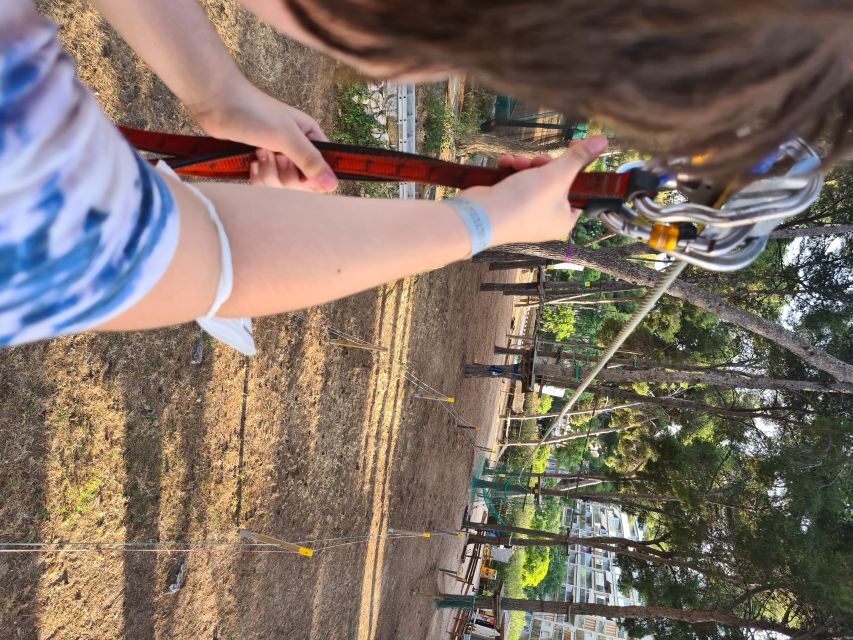
- A safety-first route built for nervous zip liners, not just thrill seekers
- Two levels of course play, starting easier and moving into darker-blue challenges
- Real obstacle training before your big lines, including barrels and nets
- Final 40 m zip line above the trees of Salou city center
- Instructor-led gear and guidance included for the first and second zip line levels
Zip lining in Salou for $34: what you’re really buying
At about $34 per person for roughly 1.5 hours from first activation, you’re paying for more than two zip lines. You’re paying for an instructor-led experience that starts with safety briefing, then follows with training and equipment use, then moves you through two course levels.
That matters for value. A lot of outdoor thrill activities look simple from afar, but the “how” is the difference between a scary moment and a controlled one. Here, the experience includes training and an instructor, so you’re not just handed a harness and told to figure it out. And since the plan includes both the first and second zip line levels, you’re getting a full loop of progression instead of a single ride.
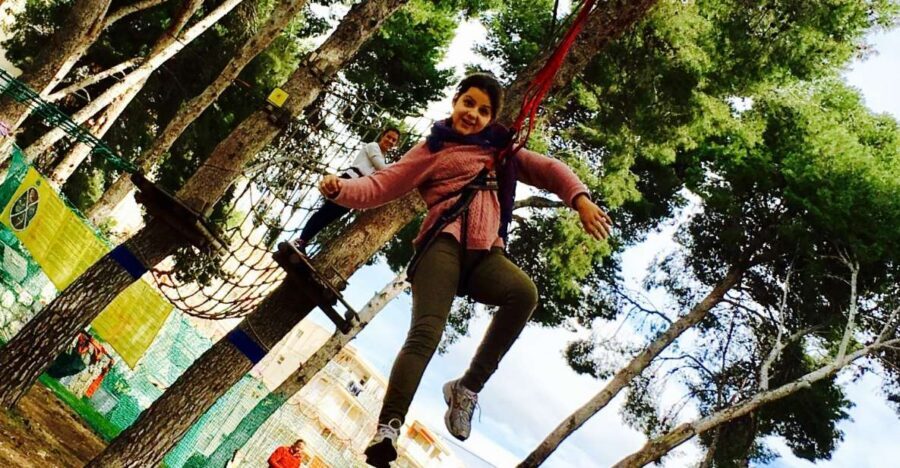
The course also isn’t purely about flying. Your time includes obstacle sections like Tibetan bridges, spider nets, and barrels. If you like challenges that use your balance and focus, that adds a lot of payoff. If you mainly want speed and views, you’ll still get the adrenaline, especially from that last long line.
You can also read our reviews of more tours and experiences in Salou.


Quick reality check: who should consider this
This is a strong fit if you:
- want a gradual build, not a first-second jump onto the biggest line
- enjoy outdoor challenges that feel active and hands-on
- like the idea of a 40 m final zip line as a clear goal at the end
It’s a poor fit if you:
- need a low-effort activity (there’s walking on course elements and obstacle work)
- need accessibility accommodations (it’s not suitable for mobility impairments)
- are traveling with someone under 7 (not suitable)
Arrival, briefing, and training: why nervous zip liners get an easier start
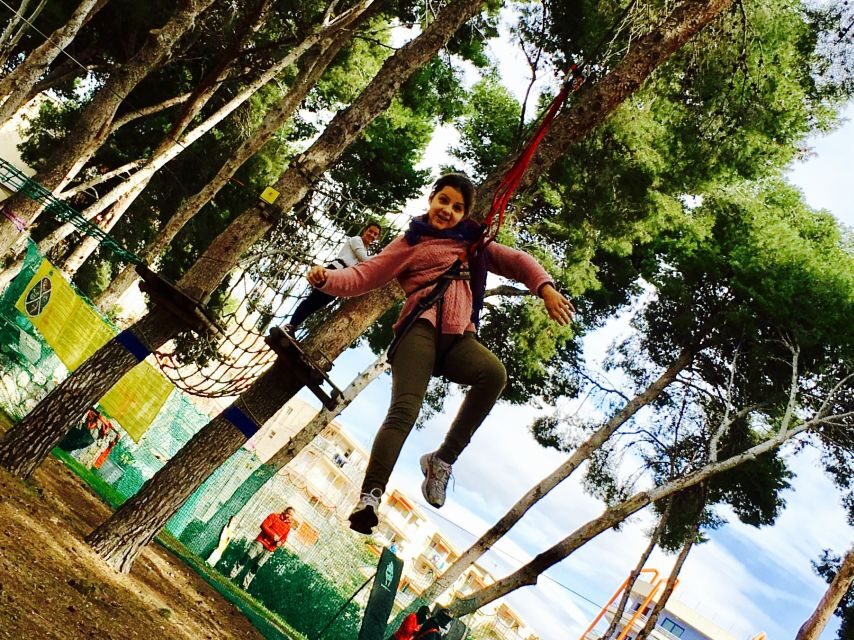
When you arrive, you get a quick safety briefing first. This isn’t the moment for questions to come out later; use it to confirm how the safety system works and what the instructor expects from you.
Then comes the part that I think makes this experience feel more approachable: a practical training segment. You’ll walk through parts of the course before you’re fully on the zip lines, so you learn how the system feels while you’re still on the ground-level equivalents of the course activities.
Based on what’s described, the training walks you through components like ladders, barrels, nets, and fishing lines. You’re not just learning theory. You’re learning the movement. For me, that’s huge—once you understand what you’ll be doing with your hands, legs, and balance, your brain stops treating everything as a mystery.
Also, the course is specifically described as designed for nervous zip liners. That doesn’t mean it’s “easy.” It means the order and difficulty feel intentional: you start with easier elements and build from there.
The blue level: ladders, barrels, nets, and your first 20 m zip line
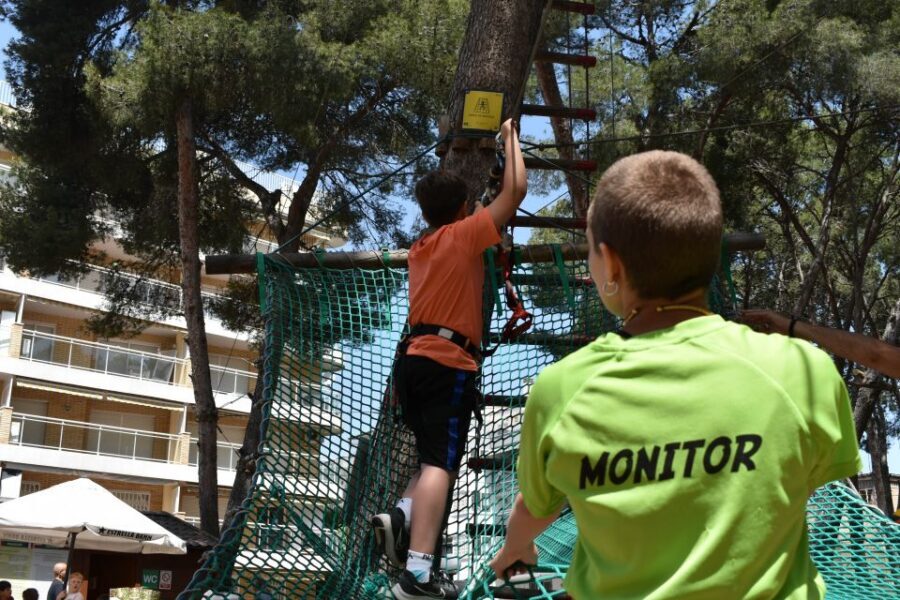
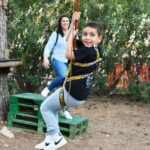
The route begins with the blue level, which is the easier entry point. The experience starts from heights of about 125 cm on course elements, so it’s high enough to feel real, but not the biggest jump right away.
You’ll move through obstacles during this first stage. Expect to practice on:
- ladders
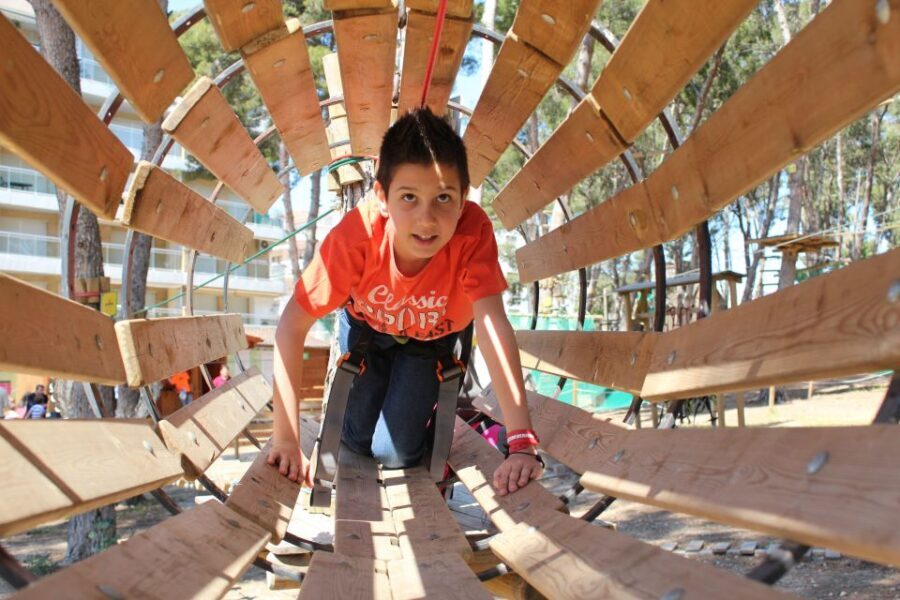
- barrels
- nets
- fishing lines
Then you finish this part with a 20-meter zip line. This is a smart first “big” reward. It’s long enough to get that clear thrill payoff, but not so extreme that your whole route depends on one massive launch.
What I’d focus on during the blue level
Your goal here is not to race. It’s to build a rhythm. I’d pay attention to:
- staying calm on the obstacle approaches (most fear spikes happen before movement, not during it)
- watching the instructor’s guidance closely on how to position yourself
- taking the training seriously, because it directly affects how comfortable you’ll feel on the zip lines
If you’re nervous, the best way to handle it is to treat the blue level like practice, not a performance. You’re training your body and mind to trust the safety system while you still have another course level coming.



Dark blue level: Tibetan bridges, spider nets, and the 40 m finale
Once you complete the blue stage, you move into the dark blue level, where the difficulty increases. This is where the course shifts from “learning” to “showing you what you can do.”
In this section, you complete two more zip lines, including the final 40-meter-long zip line. And the obstacles step up too: you’ll tackle challenges like Tibetan bridges and spider nets (along with the barrel-style obstacle elements mentioned for the course overall).
The final line is described as running above the trees of Salou city center. That detail matters. You’re not just flying through a generic outdoor area. You get a sense of height over the greenery right near the city, which makes the last zip line feel like the climax of the whole route.
How to get the most out of the final 40 m line
The last line is the moment you’ll remember. If you want it to feel fun instead of rushed, set yourself up by:
- going slowly through the last obstacle moments before the line
- listening for any clear reminders from the instructor before you launch
- keeping your focus straight ahead rather than down at the platform (your brain will relax when it doesn’t keep scanning for risk)
Also, since the course is built for multiple difficulty levels, you don’t have to “earn” the 40 m line with bravado. You earn it by completing each stage and staying engaged in the safety steps.
Time breakdown: how the 1.5 hours tends to feel
The description says the activity is valid for 1.5 hours from first activation. In practice, that kind of time window usually includes:
- arrival and safety briefing
- training and practice on course elements
- the blue level run through, ending with the 20 m line
- the dark blue run through, ending with the 40 m line
- instructor check-ins and safe equipment handling
So plan your day around it as an active block. Don’t schedule tight transfers immediately after. You’ll likely want a little buffer time to debrief yourself, shake out your legs, and decide whether you want to keep the fun going.
Other activities you may find on site: minigolf and archery
One of the highlights mentions you can try other activities like minigolf or archery. The key word here is try. The zip lining package explicitly includes entry to the first and second zip line levels, plus training and equipment and an instructor.
That means the extra activities may depend on what’s available at the park and whether they cost extra. Still, the upside is clear: if you finish zip lining early in the day, you might be able to round out your time with something different without needing a separate plan.
If you’re traveling with someone who’s not as into zip lining, having other options on site can also help you keep the day feeling fair. Just confirm on the day what’s open and what’s included.
Gear, rules, and comfort tips that keep the day smooth
Here are the few non-negotiables from the information provided:
- No sandals or flip flops
- Not suitable for children under 7
- Not suitable for pregnant women
- Not suitable for people with mobility impairments
That footwear rule is bigger than it sounds. Course elements include obstacles like nets and ladders, and you’ll want stable grip so your feet feel secure as you climb and step.
For comfort, I’d also dress like you’re going to move. Even when you’re “just” waiting for your turn, you’ll be walking, climbing on course structures, and switching between obstacle sections and zip lines.
Instructor languages: you’ll likely find one that clicks
The instructor support includes Spanish, English, French, Russian, and Catalan. That’s a real value add. Clear instructions during safety training are what turn nerves into focus. If you don’t speak the local language well, having English or another option available can make the whole experience feel simpler.
Is it worth it? My take on value and satisfaction
The ratings average 4.6 from 8 reviews, and the feedback style is pretty consistent: people say it’s a great time, and they recommend it highly—often as a shared experience with a partner.
That matches what the structure supports. You get:
- guided safety training
- two course levels
- two major zip line rides (20 m and 40 m)
- obstacle challenges that keep it from feeling like a single gimmick
At $34, you’re not paying for a private stunt show. You’re paying for a managed outdoor adventure with safety gear and an instructor. If you’re the type who likes activities that combine adrenaline with teamwork and control, it’s a strong deal.
If you’re extremely thrill-focused and want only maximum speed, you might feel the time is split between obstacles and zipping. But if you’re the nervous-zip-liner type, that split is the point.
Should you book Bosc Aventura Salou zip lining?
Book it if you want a confidence-building zip line experience in Salou, with clear progression from an easier start to a dramatic 40 m final ride. The best reason to choose it is the combination of safety training + course design for nervous riders, plus an instructor-led approach.
Skip it if any of the suitability limits apply (under 7, pregnant, or mobility impairments). Also skip it if you can’t follow the footwear rule, because sandals and flip flops aren’t allowed.
If you’re planning a fun day in Catalonia and want one activity that feels like a real challenge without being a total gamble, this is the kind of booking that usually pays off fast.
FAQ
How long is the zip lining experience?
It’s valid for 1.5 hours from first activation.
How much does it cost?
The price is listed as $34 per person.
What’s included in the ticket?
You get entry to the first and second zip line level, plus training and safety equipment, and an instructor.
What zip lines and course levels will I do?
You complete two zip line levels. The first level ends with a 20-meter zip line, and the final stage includes a 40-meter-long zip line.
Do I get training before I zip line?
Yes. You’ll receive a quick safety briefing, then do practical training to learn how the safety system works and how to move through course elements.
What’s the minimum age?
It’s not suitable for children under 7 years.
Can pregnant women join?
No. It’s not suitable for pregnant women.
What language will the instructor speak?
Instructors are listed as available in Spanish, English, French, Russian, and Catalan.
Is there a dress code or footwear rule?
Yes. Sandals or flip flops are not allowed.
Is there a cancellation option?
Yes. There’s free cancellation up to 24 hours in advance for a full refund.