REVIEW · BARCELONA
Món Sant Benet Monastery Tickets
Book on GetYourGuide →Operated by Món St Benet · Bookable on GetYourGuide
A monastery museum that actually moves you. Món Sant Benet turns a medieval complex into a museum experience that tracks how Catalonia changed over the last millennium, using art, rooms, and sound to make the past feel close. I especially liked that the whole thing is self-paced with an audio guide, so you can spend more time where your curiosity wants to linger.
What I really loved is the way the visit is didactic without feeling like a lecture. You walk through key spaces—church, cloister, wine cellar, and the cells in the Montserrat gallery—while the museum story connects those rooms to real social shifts in Catalan life. That hits home if you care about medieval and Romanesque Catalan art and want context you can actually remember.
One drawback to plan around: the ticket visit is only about 1.5 hours. If you want a long, unhurried browse, or if dining is your main goal, you’ll likely need to schedule extra time beyond the included entrance.
In This Review
- Key things worth knowing before you go
- Món Sant Benet is more than a pretty stop near Barcelona
- Ticket value: $18 for an audio-guided monastery visit
- Where you start: La Fabrica reception at Camí de Sant Benet
- The 1.5-hour route inside the monastery complex
- Church: where the spiritual center sets the tone
- Cloister: the calm space that makes the story stick
- Wine cellar: a monastery function you can almost taste
- Montserrat gallery cells: everyday life, not only big scenes
- Museum history arc: key points and social evolution across a millennium
- Audio guide experience: choose Catalan, English, Spanish, or French
- Want lunch after? Plan for the on-site restaurants
- Who should buy these monastery tickets?
- Practical tips to get the most from your visit
- Should you book Món Sant Benet tickets?
- FAQ
- Where is Món Sant Benet, and how far is it from Barcelona?
- How long is the visit?
- What does the ticket include?
- What languages are available for the audio guide?
- Where do I meet for the tour?
- Is Món Sant Benet wheelchair accessible?
- Are the restaurants included with the ticket?
- Can I cancel for a refund or pay later?
Key things worth knowing before you go
- Audio guide included to guide you through the monastery without rushing
- Church, cloister, wine cellar, and Montserrat gallery are all part of the core route
- Catalan history over the last millennium is the museum’s big storyline
- Multisensory storytelling uses everyday noises and images from the past
- Optional fine dining on-site, including Michelin-starred L’Ó
- Made for practical visits with an accessible format and multiple audio languages
Món Sant Benet is more than a pretty stop near Barcelona
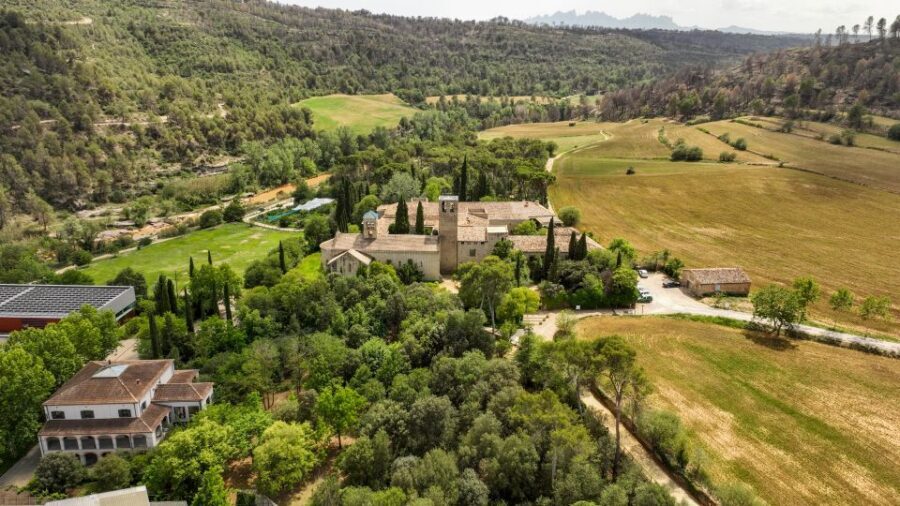
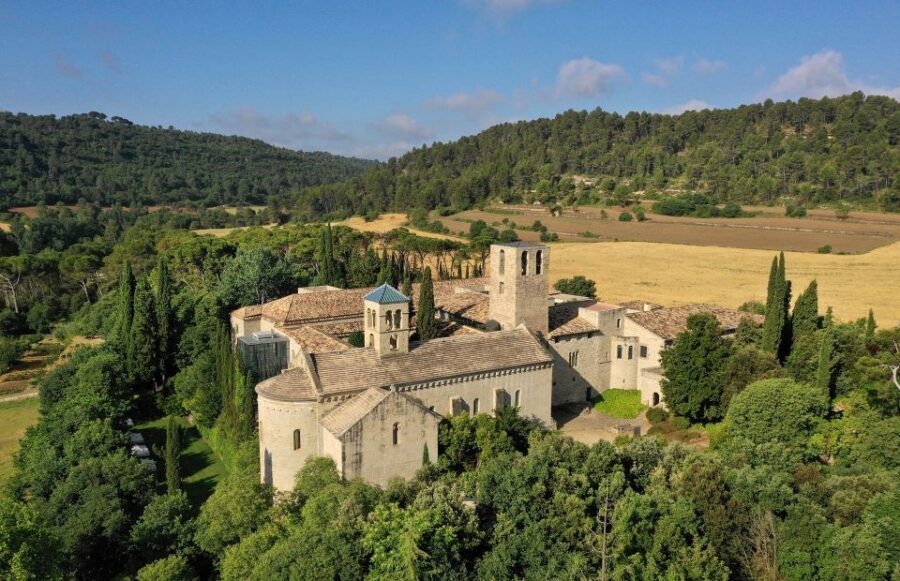
Món Sant Benet sits in the Catalan town of Sant Fruitós de Bages, about 42 miles (68 kilometers) from Barcelona. It is not just a museum you pass through. It’s a former monastery that has been converted into a place where culture and leisure work together—so you can come for history and still leave thinking about food.
The setting matters. You’re walking inside a complex associated with a 1,000-year-old site, and the museum experience is built around that physical presence. The result feels emotional rather than purely academic, which is exactly why people return to this kind of site.
If you want a break from city crowds but still want a structured experience, this fits well. The experience is designed to appeal to a wide audience, but it still satisfies visitors who care about art and Catalan heritage.
You can also read our reviews of more tours and experiences in Barcelona


Ticket value: $18 for an audio-guided monastery visit
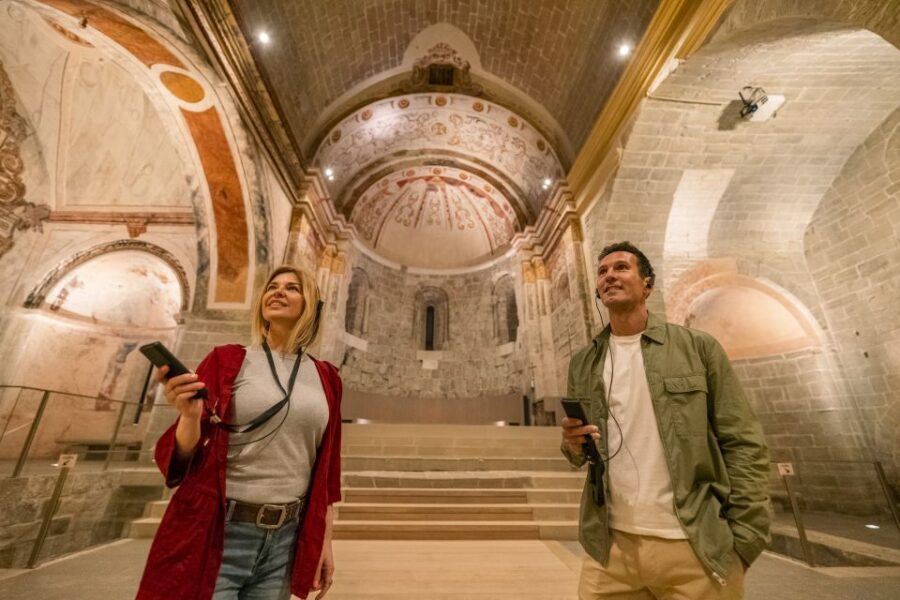
At about $18 per person, the ticket price is pretty straightforward: you’re paying for an audioguided entrance to Món Sant Benet. That matters because you’re not relying on a live guide to interpret everything for you. You get a built-in explanation in the language you choose, and you can move at your own pace.
The visit duration is about 1.5 hours. For that time, you’re covering major parts of a monastery complex: the church, cloister, wine cellar, and cells in the Montserrat gallery. In other words, you’re not paying to see a single room and call it a day.
There’s one cost consideration, though: the fine dining is a separate expense. If you want to treat this like a half-day plan, keep an eye on your budget for restaurants, especially if you’re curious about L’Ó.
Also remember: transportation from Barcelona is not included in the ticket. The monastery is close enough for a day trip, but you should still budget time to get there and back.
Where you start: La Fabrica reception at Camí de Sant Benet
Your visit starts at La Fabrica, the reception of Món St Benet Monastery, on Camí de Sant Benet in Sant Fruitós de Bages. Your ticket ends back at the same meeting point, so you’ll be able to plan around a return to your starting area.
This is helpful if you like certainty. You’re not wondering where to find the meeting spot or what entrance gate goes with your ticket. You just start at the reception, follow the audio route, and finish where you began.
Bring comfortable shoes. Even though the core visit is short, you’ll be moving through real historic spaces. Think of it as walking museum rooms, not sprinting through a checklist.
The 1.5-hour route inside the monastery complex
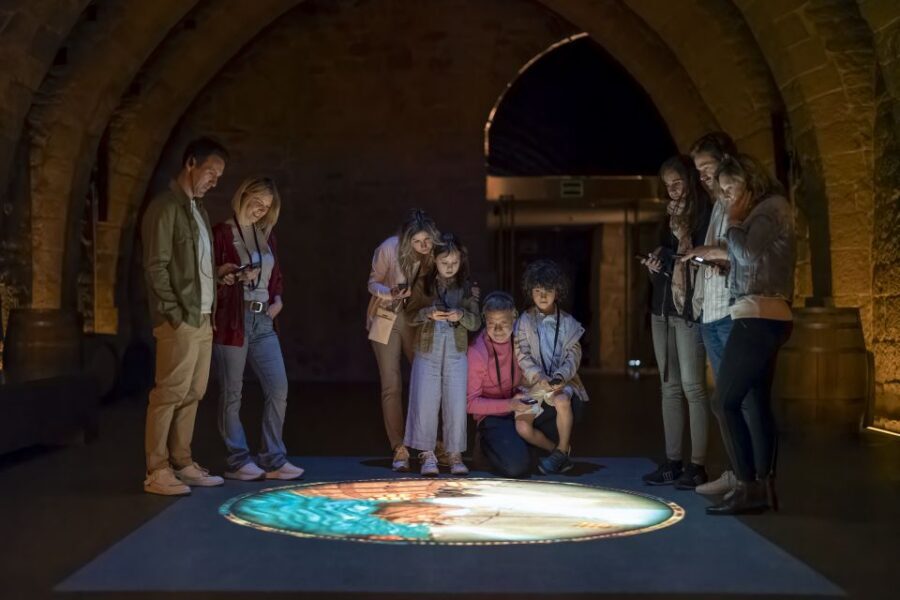
The museum route is built around principal features of the monastery. As you move through, you’re not only looking at architecture. You’re also being guided by a story that connects spaces to monastery life and to the broader evolution of Catalonia.
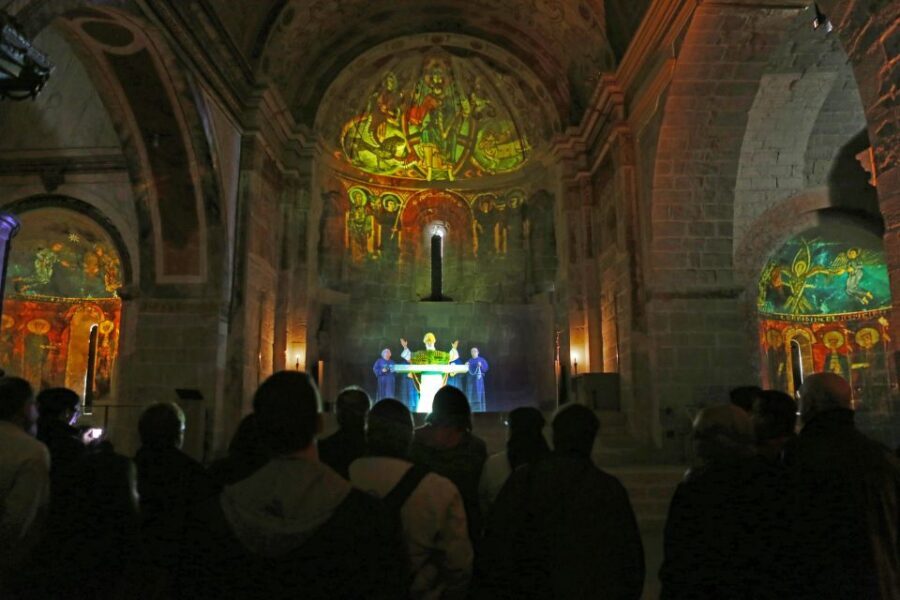
The experience is designed so that voices, everyday noises, and images from the past show up between the walls of the complex. That detail changes how you experience the buildings. Instead of viewing stone as background, you start thinking about daily routines and how life was lived there.
Church: where the spiritual center sets the tone
You’ll visit the church as one of the main stops. Even if church interiors aren’t always your favorite, this is worth your time because it sets the tone for the rest of the experience.
In a monastery setting, the church is the anchor. It helps you understand why other spaces existed around it: not as random rooms, but as part of a system of work, worship, and community life.

Cloister: the calm space that makes the story stick
Next up is the cloister. This is one of those architectural elements that feels instantly recognizable, even if you’ve never visited this exact site before. Cloisters often slow people down, and here that matters because the museum’s storyline is moving through long time spans.
I like cloisters in museum settings because they make it easier to connect history to atmosphere. You can look around and feel how the layout encourages quiet movement, which works well with the museum’s sound-and-image approach.
Wine cellar: a monastery function you can almost taste
The wine cellar is included, which is a smart choice. It shifts the experience from spiritual and artistic ideas into daily economic life. Monasteries were not only about worship; they also managed resources and production.
If you enjoy food history, this stop is a good reminder that the monastery’s world wasn’t all formal events. It was also practical labor and storage—quiet work that kept everything going.
Montserrat gallery cells: everyday life, not only big scenes
You’ll also see cells in the Montserrat gallery. Cells can feel like a “small” part of a big story, but they’re often where a visit becomes more human. Instead of only looking at grand spaces, you’re nudged toward the idea of routine and personal space.
This is where the museum’s approach really helps. The complex is described as hosting voices and images from the past between its walls, and that kind of storytelling fits well with the idea of private life within monastic settings.
Museum history arc: key points and social evolution across a millennium
The museum is built around an emotive journey through key points in Catalan history, focusing on social evolution over the last millennium. That’s the big takeaway: the monastery isn’t presented as an isolated monument.
As you walk, try to keep one question in mind: how did the everyday life around this place change over time? The route is structured so the spaces you see feel like clues to that broader transformation.
If you’re interested in Catalan Romanesque art, you’ll likely find the museum format particularly satisfying. One of the strongest impressions from people who love Romanesque Catalan art is that the experience feels didactic—clear enough to understand, not dry enough to lose interest.
Audio guide experience: choose Catalan, English, Spanish, or French
The audio guide is included with the ticket. It’s available in Catalan, English, Spanish, and French, which is a big practical win if you’re not traveling with a group that has one shared language.
Audio works best when you let it pace you. Don’t treat it like background noise. When the route offers a big idea—like what a space meant or how a historical shift unfolded—pause and look at the room while you listen.
Because the visit is only about 1.5 hours, the audio guide helps you avoid the common problem of museum time stretching into something you never fully absorb. You’ll get the key context without having to do your own research on the fly.
Want lunch after? Plan for the on-site restaurants
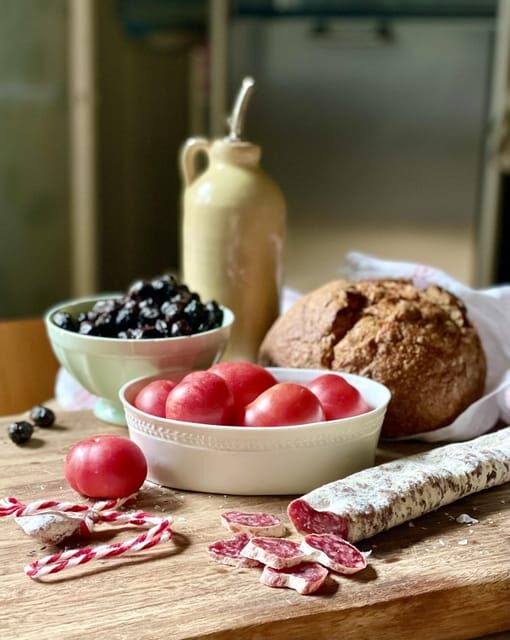
Here’s the fun part: after the museum route, you can stay for fine dining. The site has three restaurants, and at least one option is Michelin-starred: L’Ó (extra cost).
This is worth planning because it turns your ticket day into something with a rhythm. You can treat the monastery as the cultural anchor, then stay for a meal that matches the setting and the idea of leisure paired with culture.
Since dining costs extra, decide upfront what kind of traveler you are that day. If you want the full experience, consider budgeting for a meal at one of the restaurants. If you’d rather keep costs low, you can still use the visit as your main event and eat elsewhere after.
Either way, the key is that the site gives you the option. You’re not forced to rush out the moment your audio route ends.
Who should buy these monastery tickets?
I think these tickets are a great match if you:
- Like medieval sites but want them explained in a way that makes sense in real time
- Care about Catalan identity, especially history and social evolution over long periods
- Want a structured 1.5-hour experience without hiring a private guide
- Appreciate fine art and architecture, including the kind of context that connects it to everyday life
It’s also a solid pick for couples and small groups who like to travel at their own pace. The audio format and clear route make it easy to stay together without constantly waiting on someone.
If you’re the type who needs constant interaction from a guide, you might find an audio-guided setup less engaging. And if you want an all-day monastery wander (hours and hours of browsing), you’ll need to add time on your own since the included entrance is designed for about 1.5 hours.
Practical tips to get the most from your visit
- Start with the main route and let curiosity pull you forward, not backward. With only 1.5 hours, going back for extra looks can eat your time fast.
- Listen for the parts where the story explains what each space was used for. Church and cloister tend to click quickly; wine cellar and cells often deepen the meaning.
- If you’re a Romanesque Catalan art fan, take notes on what you see and how the museum frames it. The learning sticks better when you connect art to function.
- If you plan to dine at L’Ó or one of the other restaurants, plan your timing so you don’t feel rushed. Museum time is short, dining time can be as long as you want.
Should you book Món Sant Benet tickets?
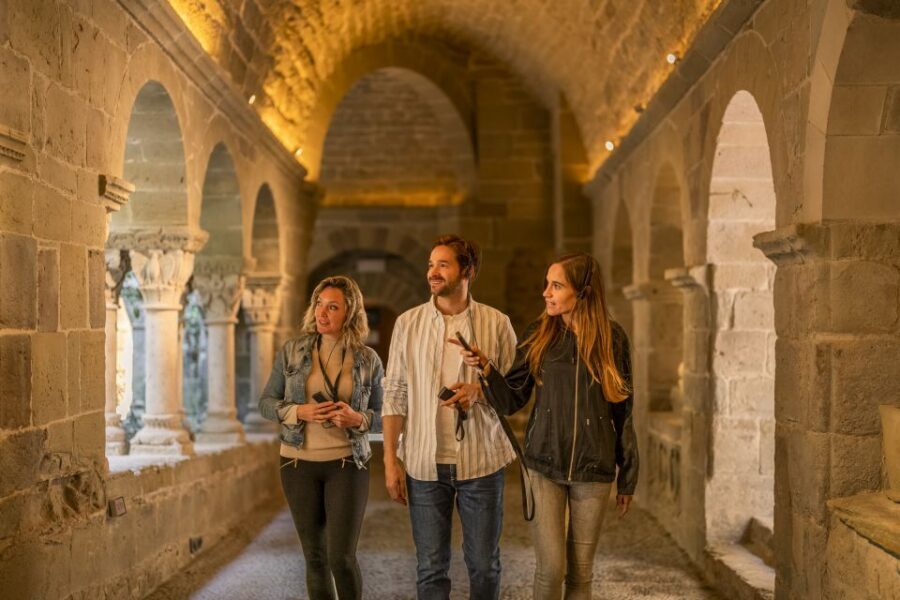
Yes, if you want a monastery visit that feels thoughtful and easy to follow. The best reason to book is the combination of audio guidance with a museum story that connects spaces to Catalan history and social change. It’s short enough to fit neatly into a day trip from Barcelona, but it feels substantial because it covers multiple major monastery features.
Also, if you love Romanesque Catalan art or simply like when history is explained clearly, this experience is likely to land well. The emotionally weighted storytelling—voices, everyday noises, and past images—adds a layer you don’t get from a standard room-by-room museum.
Book especially if you’re considering staying for a meal. The option of three restaurants, including Michelin-starred L’Ó, turns a cultural stop into a full leisure plan.
FAQ
Where is Món Sant Benet, and how far is it from Barcelona?
Món Sant Benet is in the Catalan town of Sant Fruitós de Bages. It’s about 42 miles (68 kilometers) from Barcelona.
How long is the visit?
The duration is about 1.5 hours. Starting times depend on availability.
What does the ticket include?
The ticket includes an audioguided entrance to Món Sant Benet.
What languages are available for the audio guide?
The audio guide is available in Catalan, English, Spanish, and French.
Where do I meet for the tour?
You start at La Fabrica, the reception of Món St Benet Monastery, Camí de Sant Benet, Sant Fruitós de Bages. The activity ends back at the meeting point.
Is Món Sant Benet wheelchair accessible?
Yes, the experience is wheelchair accessible.
Are the restaurants included with the ticket?
No. Staying to enjoy the on-site fine dining restaurants is optional and is at your own expense. There are three restaurants, including Michelin-starred L’Ó.
Can I cancel for a refund or pay later?
You can cancel up to 24 hours in advance for a full refund. You can also reserve now and pay later.