REVIEW · BARCELONA
Private Tour Barcelona and Montserrat 8 Hours
Book on Viator →Operated by J&G Elegance Cars · Bookable on Viator
Barcelona plus Montserrat in one easy day.
This private 8-hour route strings together the big sights without you bouncing around on your own. You get pickup and drop-off included, then a day that mixes Gaudí architecture in the city with Montserrat’s Santa Maria abbey up in the rocks.
I like that it’s truly private: your group rides together in a private air-conditioned vehicle, and the pace can be adjusted. I also love that the day targets both famous landmarks and the setting around them, from Passeig de Gràcia to Montjuïc.
One drawback to plan for: attraction access and tickets aren’t included, and some Montserrat entries can involve timed access or queues—so it pays to be ready with tickets and a little patience.
In This Review
- Key things to know before you go
- Private van comfort plus a smart, first-time-friendly route
- Morning at Montserrat’s Santa Maria abbey and the Magic Mountain views
- Plaza d’Espanya and Montjuïc: where Barcelona flexed in 1929
- Las Ramblas to the Port: classic streets, markets, and people-watching
- MNAC and Passeig de Gràcia: modernisme that you can actually place
- Sagrada Familia grounds: the exterior impact and a reality check on time
- Port Olímpic and Plaça de Catalunya: finishing the loop with city scale
- Price and value: when private makes sense, and when it might not
- The driver matters: what went right (and what to guard against)
- Should you book this private Barcelona and Montserrat day?
- FAQ
- FAQ
- Is this tour private or shared?
- How long is the tour?
- Where do we get picked up and where do we end?
- Do we need to pay for attraction tickets?
- Is there a driver or a professional guide?
- What’s included besides transportation?
- Are tickets for Montserrat included?
- Is there an added cost for Montserrat parking?
- Can I cancel for a refund?
- What language is the tour offered in?
Key things to know before you go
- Private door-to-door pickup and drop-off from your hotel or port, so you lose less time to transit
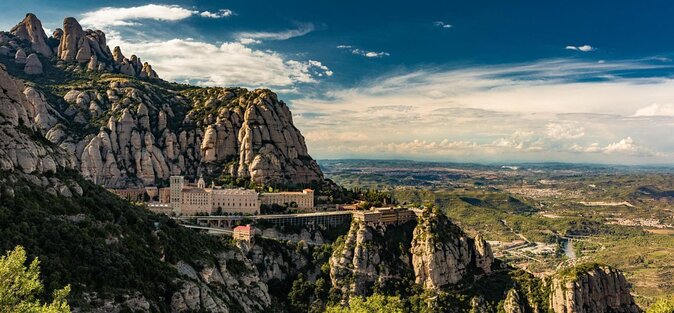
- Montserrat first, with focused time at the Benedictine abbey and the views from The Magic Mountain
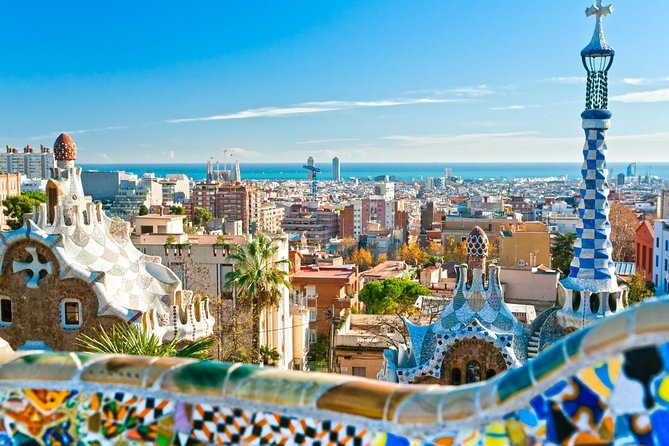
- Gaudí highlights by location, with stops on Passeig de Gràcia and the exterior grounds of the Sagrada Familia
- A real driver who can manage the day, with route choices that help you beat the worst crowd moments
- Tickets and attraction entry are not included, so expect extra costs at key stops
- Baby chairs and boosters on request, which is handy for families traveling with small kids
Private van comfort plus a smart, first-time-friendly route
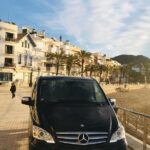
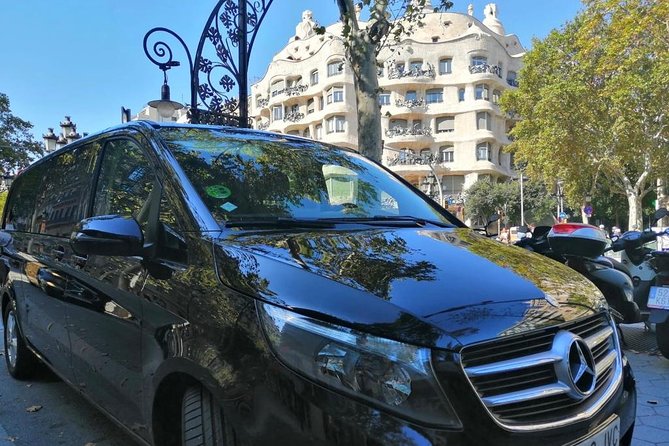
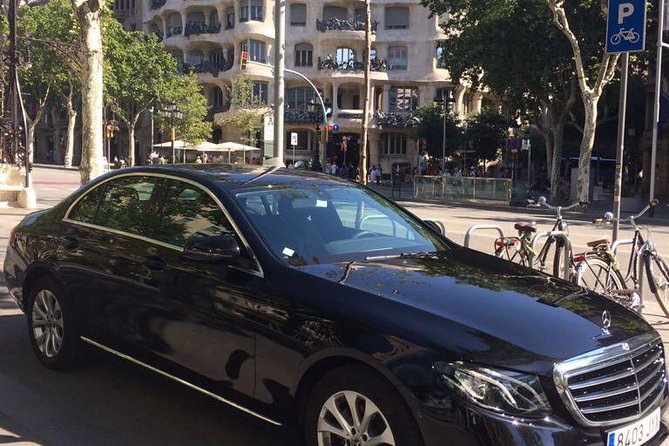
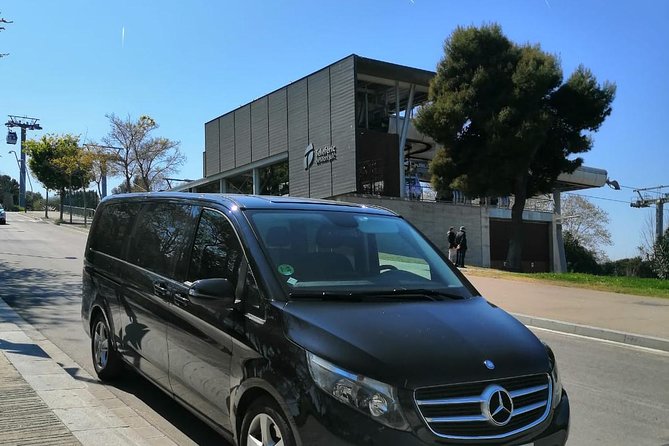
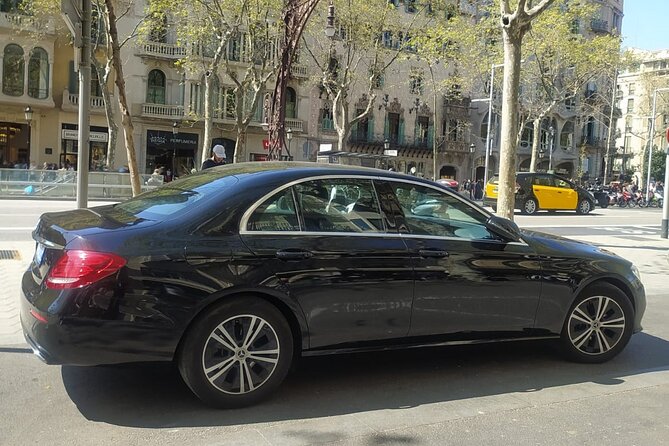
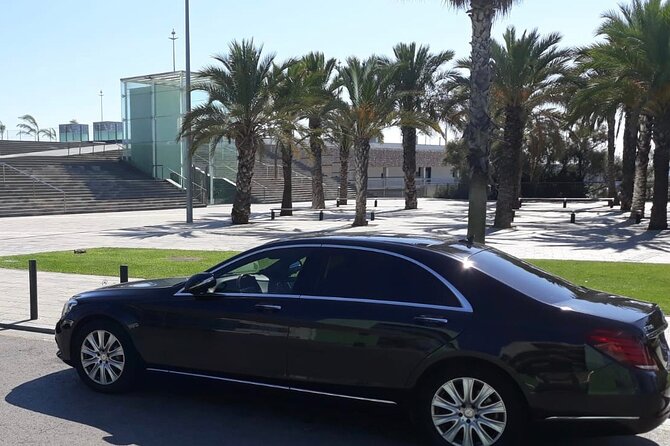
This is the kind of day trip that feels less like a checklist and more like someone is taking you around. You start with pickup at your hotel lobby, right outside your accommodation, or at the cruise-ship terminal. Then you roll out in a private vehicle with bottled water and space for your group.
The route is built around two anchors. In the morning you head to Montserrat, about 30 km from central Barcelona. After that, you return for a curated sweep of Barcelona’s most recognizable modernist and sightseeing areas—quick stops that still let you see the places that shape the city.
Also note a practical detail: this experience includes an English-speaking driver and private vehicle, but it does not include an official guide. In real life, that means you’ll get help explaining what you’re seeing, but if you expect a full museum-grade guide inside every major site, you may need to budget for that separately.
You can also read our reviews of more private tours in Barcelona

Morning at Montserrat’s Santa Maria abbey and the Magic Mountain views
Montserrat is called The Magic Mountain for a reason. The mountain is a rock mass that dominates Catalonia, and the name makes sense once you see the jagged shape. In Catalan, Mont means mount and serrat means sawed—like the mountain looks cut with a giant saw.
Your day starts there, with a long block of time (about 4 hours). The focus is the Santuario y Monasterio benedictino de Montserrat—the Benedictine abbey dedicated to the cult of the Madonna of Montserrat. You’re also in the same spiritual and story-world that ties into Arthurian legend and the Holy Grail idea, which adds a mythic layer to the views and the buildings.
What you’ll want to do with your time:
- Take in the abbey setting and the black Madonna shrine, which is part of why this place draws pilgrims.
- Plan for viewpoint time. Montserrat’s value is not only the monastery; it’s also the dramatic rock landscape around it.
- If you care about basilica access, keep an eye on whether a timed ticket is needed for entry to specific areas.
A balanced heads-up from past experience: queues can happen, and timed entry rules can be strict. If your group includes kids, or if you’re dealing with jet lag, Montserrat is the stop where you’ll feel any delays the most. The good news is that a strong driver can usually help you manage the flow and keep the day moving.
Plaza d’Espanya and Montjuïc: where Barcelona flexed in 1929
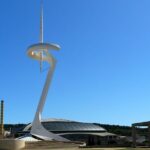
After Montserrat, you come back into city energy with a stop at Plaza d’Espanya. This square is tied to the 1929 International Exposition, built under plans by Puig i Cadafalch and Guillem Busquets and finished by Antoni Darder. It’s also a key traffic hub for reaching Montjuïc, so it works as a natural reset after the mountain.
What’s interesting here is how the square shows you Barcelona’s layers. You can spot the Las Arenas complex (the old bullring turned mall) with a style described as neomudéjar, plus the Torres Venecianas, inspired by a famous Venice belfry motif—built for 1929.
Then you move toward Montjuïc with short photo-and-look stops that help you understand the hill’s role in Barcelona’s story. You’ll see:
- Estadi Olímpic, inaugurated in 1929 and rebuilt for the 1992 Olympics, then re-inaugurated as Estadio Olímpico in 1989.
- Montjuïc Castle, a fortress that has mattered through different chapters of Barcelona’s history.
These are quick stops, not long museum visits. The value is orientation: you learn what each site is, where it sits, and why it shows up on postcards.
Las Ramblas to the Port: classic streets, markets, and people-watching
Now you’re in the central pedestrian zone: Las Ramblas, the iconic promenade between Plaza Cataluña and Port Vell. This is the part of Barcelona that’s loud, busy, and full of street life—kiosks, flower shops, street actors, coffee stops, and restaurants.
You’ll get a walk-through vibe, plus a few big names along the way. You may pass sights connected to the La Boqueria market area and the El Liceo Theatre, and you’ll likely see architectural moments like the Palacio de la Virreina. A side lane leads to Plaza Real, a striking palm-lined square with arcades and lots of places to stop for food or a drink.
Then you’ll head toward the waterfront with Passeig del Colom. The Columbus Monument is built on the spot where Las Ramblas meets the Paseo de Colón, facing the old port. It was inaugurated 1 June 1888 during the Barcelona Universal Exposition context, and the monument even has an elevator inside the column that leads up toward a viewpoint area under the statue’s base.
If your group likes views and city geometry, this is a fun stop. If you’re trying to conserve energy, keep it simple: a short look, a few photos, and back onto the route.
MNAC and Passeig de Gràcia: modernisme that you can actually place
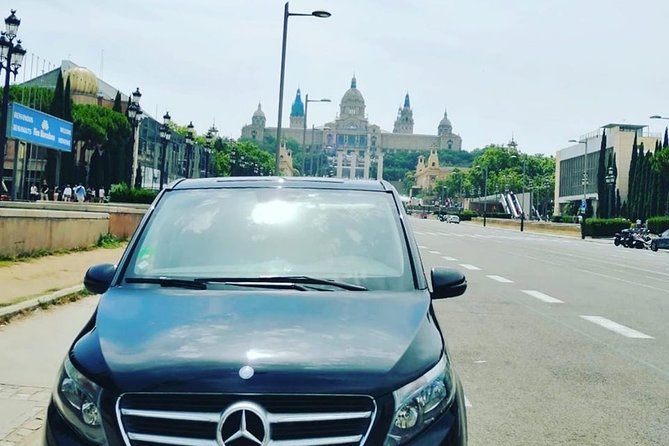
Next up is a big visual pivot: you move toward MNAC (Museu Nacional d’Art de Catalunya), also known as the Palacio Nacional. MNAC is known for its Romanesque art collection, described as one of the most complete in the world, and the building itself was created for the 1929 International Exposition.
After that you’re in the part of Barcelona that modernist architecture calls home: Passeig de Gràcia. This avenue is one of the city’s main corridors, filled with luxury shopping and business, and it’s also where Gaudí’s buildings sit side-by-side with other Catalan architects. The street connects Plaza Cataluña to the west, and it’s part of a UNESCO World Heritage modernisme setting (as described in the tour info).
You’ll get classic exterior moments and quick orientation stops for three essential buildings:
- Casa Milà (La Pedrera): built 1906–1910, hugely popular, with 20 million visitors since it opened to the public in 1987.
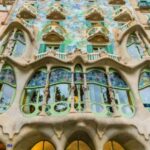
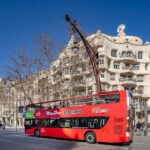
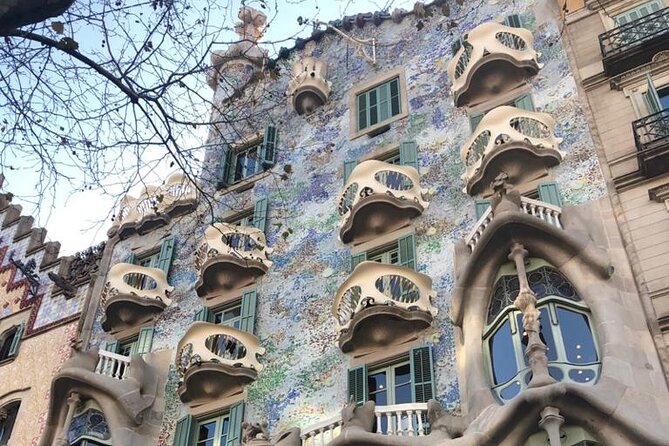
- Casa Batlló: built 1904–1906 on Passeig de Gràcia, in the area known as Manzana de la Discordia—the Apple of Discord—where multiple modernist facades cluster together.
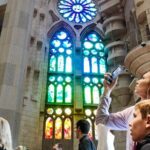
- Basilica de la Sagrada Familia: Gaudí’s ongoing masterpiece, started in 1882 and still under construction, and noted as Europe’s most visited church after St. Peter’s Basilica.
A key practical point: these stops are short. If you want to do interior visits, you’ll need to plan for tickets and time on top of the driving and walking. That’s why this tour shines for people who want the highlights and context without turning the day into a long ticket line marathon.

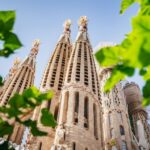


Sagrada Familia grounds: the exterior impact and a reality check on time
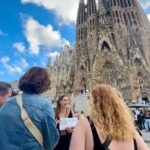
The Sagrada Familia is the big emotional payoff for many people. Even without stepping inside, the basilica’s scale and design language hit fast, especially when you arrive after spending hours in the compact drama of Montserrat.
The building’s backstory is also part of the experience. Construction began in 1882 and continues, and it’s expected to become the tallest Christian church in the world when finished. That promise gives the whole site a forward-moving feel.
Just keep one reality check in mind: access rules and timed entry can change, and tickets aren’t included. If you’re on a tight schedule or traveling with a child who hates waiting, it’s smart to confirm what you need in advance before you get to the site. This is exactly the kind of situation where a pickup delay or a long entry queue can throw your day off.
Port Olímpic and Plaça de Catalunya: finishing the loop with city scale
By the later part of the route, you’re back on the flat ground of Barcelona’s main districts.
You’ll pass through Port Olímpic, the leisure port area in front of Villa Olímpica, between the beaches of Barceloneta and Nova Icària. It’s a good contrast after Montjuïc and the Gothic-and-modernist center: you get a sense of how Barcelona uses water and sport in its city plan.
Then you wrap with Plaça de Catalunya, one of the city’s nerve centers and a major meeting point. It’s big—5 hectares—and it marks the transition between Barcelona’s old town and the Ensanche district. Even if you don’t spend long here, it’s the right place to end: it helps you orient yourself for whatever you do next, whether that’s dinner or an evening stroll.
Price and value: when private makes sense, and when it might not
The price shown is $1,898.41 per group, up to 6 people. With a private vehicle and pickup/drop-off, that can work out well if you’re traveling as a family or a small group and you’d otherwise pay for separate taxis plus timed entries.
Here’s the real value math: you’re paying for time savings and reduced stress. You’re not spending your energy figuring out routes, managing luggage, or trying to stitch together public transport for a full-day plan that covers two very different locations. Also included are bottled water, and kids can use baby chairs and boosters on request.
Now the add-ons you should budget for:
- Attraction tickets are not included.
- Minivan parking in Montserrat costs 20 €.
- An official guide is not included.
So the question isn’t only cost. It’s whether you want the comfort and convenience of a private day more than you want a deep guided tour inside each site. If you do, you’ll probably love this setup.
If you prefer a museum-level guide for everything, you may find this better as a transport-and-orientation service rather than a full guided narrative tour for every interior stop.
The driver matters: what went right (and what to guard against)
The best experiences with this kind of private format often come down to the driver’s approach. In past days, drivers such as Pedro, Igor, Angel, and Carlos showed up as key reasons people felt the pacing worked. One standout theme was flexibility—being able to spend more time in Montserrat when the day felt right.
Another repeated win was practical food help. For example, a guide named Cristina was praised for finding a good tapas option (Payila) that matched the day’s timing. That’s a small thing, but it can prevent the usual late-day scramble for food.
On the flip side, the worst case isn’t about the locations—it’s about logistics. One disappointing experience involved a delayed pickup at Montserrat and waiting to access the basilica area after assuming entry would be simpler. That person also expected a professional guide and ended up skipping Barcelona stops.
Your takeaway: confirm the pickup time and meeting point clearly. Then, for Montserrat and major church access, make sure you understand what you need for tickets and entry before you arrive.
Should you book this private Barcelona and Montserrat day?
I think this is a strong booking if you want an efficient, high-impact day that connects Gaudí’s Barcelona with Montserrat’s abbey and viewpoints—without managing transit or timing stress. It’s especially a good match if you’re traveling with kids (thanks to possible boosters) or if you simply want your day guided by someone driving and managing the stops.
I’d think twice if you’re expecting an official certified guide for every site, or if your group is extremely sensitive to waiting lines and timed-entry rules. If you can be flexible, and if you’re ready to buy tickets where needed, this tour format tends to deliver the best kind of value: time, comfort, and the right sights in the right order.
FAQ
FAQ
Is this tour private or shared?
It’s private. Only your group participates.
How long is the tour?
It’s listed as about 8 hours.
Where do we get picked up and where do we end?
Pickup and drop-off are offered at your hotel or the port. The tour ends back at the meeting point.
Do we need to pay for attraction tickets?
Yes. Tickets for attractions are not included.
Is there a driver or a professional guide?
You get an English-speaking driver, but an official guide is not included.
What’s included besides transportation?
The tour includes bottled water and hotel or port pickup and drop-off. Baby chairs and boosters are available on request.
Are tickets for Montserrat included?
The tour information indicates the Montserrat abbey stop as free admission, but attraction tickets are not included overall, so it’s worth confirming what areas require tickets or timed access.
Is there an added cost for Montserrat parking?
Yes. Minivan parking in Montserrat costs 20 € and is not included.
Can I cancel for a refund?
Yes, you can cancel up to 24 hours in advance for a full refund.
What language is the tour offered in?
The tour is offered in English.