REVIEW · ROSES SPAIN
Roses: elBulli1846 Museum Entry Ticket
Book on GetYourGuide →Operated by elBullifoundation · Bookable on GetYourGuide
I like elBulli1846 because it turns cooking into an idea you can track, not just a meal you forget. The two standouts for me are the route through the museum’s key spaces and the free audioguide, which keeps the visit understandable even if you are not a die-hard food-nerd. One consideration: this is a reflection-style museum, so if you want lots of hands-on tasting or a typical sightseeing checklist, you may feel a bit impatient.
The setting also matters. You’re visiting at Cala Montjoi in the Cap de Creus Natural Park area, where the museum sits on the former site of elBullirestaurante. That adds a calm, off-the-beaten-track feel to the whole experience.
In This Review
- Key highlights you can plan around
- What elBulli1846 shows (and why it matters)
- Cala Montjoi, Cap de Creus, and the “former restaurant” feeling
- Your 2.5-hour route: four spaces, one storyline
- Outdoor reflection: cooking, innovation, and limits
- Bullinianos and Sapiens: how they systematize creativity
- The former restaurant space: milestones and the language of cooking
- Interdisciplinary relationships: ideas don’t live in one box
- elBulliDNA: projects since elBullifoundation began
- Price and value: is $31 a good deal?
- Practical tips so your visit feels smooth
- Bring what you need
- Plan your time like a person, not a robot
- Use the audioguide languages
- Parking: the practical note
- Wheelchair accessible
- Who this experience suits best
- Should you book elBulli1846?
- FAQ
- How long does the elBulli1846 Museum visit take?
- How much is the elBulli1846 entry ticket?
- What’s included with the ticket?
- Do I need headphones?
- What languages is the audioguide available in?
- Is elBulli1846 wheelchair accessible?
- Is there free parking?
- Can I get a refund if I cancel?
Key highlights you can plan around
- Four main exhibition spaces that map the story of elBulli from outside to inside
- Outdoor reflection zones that focus on cooking, innovation, and limits
- Bullinianos + Sapiens methodology for understanding the system behind the creativity
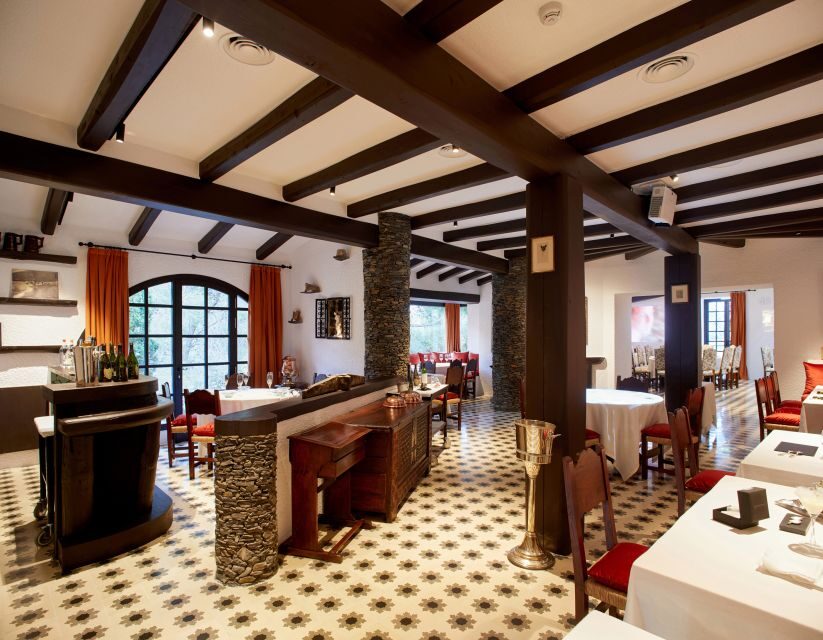
- The former restaurant space with major milestones and the language of cooking
- Interdisciplinary relationships + elBulliDNA showing how the foundation’s projects connect
What elBulli1846 shows (and why it matters)
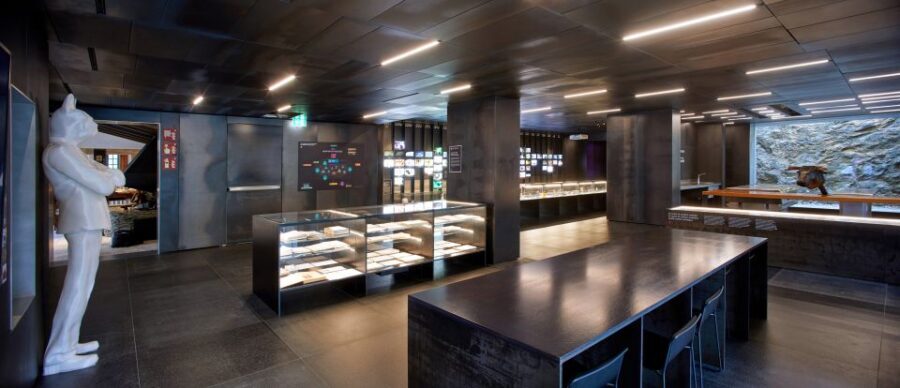
The elBulli1846 Museum is built around one big question: how did Ferran Adrià and the team behind elBulli change the way people think about food? This is not a museum that only repeats old menus or shows famous dishes behind glass. Instead, it’s structured like a thinking tool. You walk through spaces that explain the history, then translate that history into a way of looking at knowledge and innovation.
If you enjoy learning that feels practical, you’ll probably like the tone here. The museum constantly links cooking to methods—especially the idea of systematizing innovation through what they call the language of cooking. In other words, creativity is treated like something you can study, describe, and apply, not just a lightning strike.
Another thing I appreciate: the museum explicitly asks you to consider your own limit of gastronomic experience. That sounds abstract, but it works. As you move from space to space, you end up asking yourself what you usually expect from dining—and where your comfort zone really starts.
You can also read our reviews of more tours and experiences in Roses Spain.



Cala Montjoi, Cap de Creus, and the “former restaurant” feeling
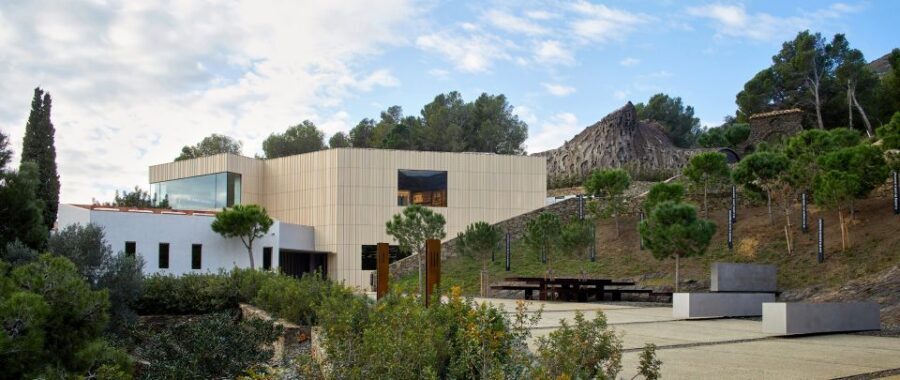
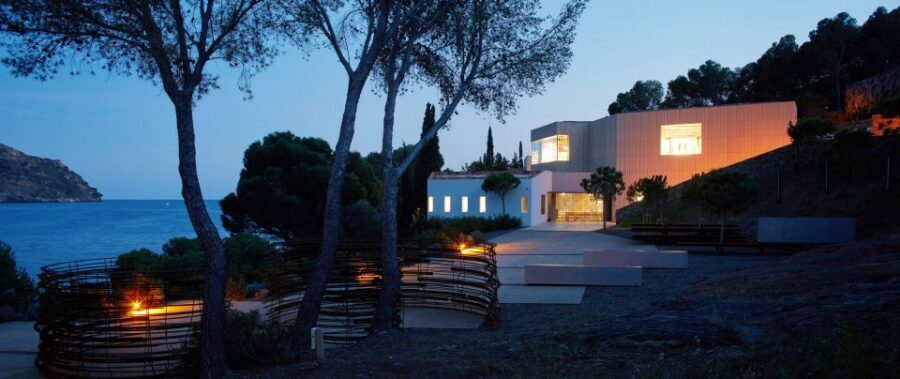
You’ll find elBulli1846 at Cala Montjoi, in the Cap de Creus Natural Park area. The museum is tied to the headquarters of elBullifoundation and is located on the site of the former elBullirestaurante. That “on-site” connection adds weight. You are not only reading about a place; you’re standing where the restaurant once operated.
In practical terms, the setting means you’re likely to feel like you’re escaping the usual tourist flow. Expect a calmer pace than city museums. That can be a plus, especially because the content asks for attention. The museum is designed as a 2.5-hour visit route, so plan to give it that time instead of rushing for photos.
Also, check the starting times when you book. The ticket experience runs about 2.5 hours, but entry times can vary by availability, so it’s smart to pick a slot that fits your day without stress.
Your 2.5-hour route: four spaces, one storyline
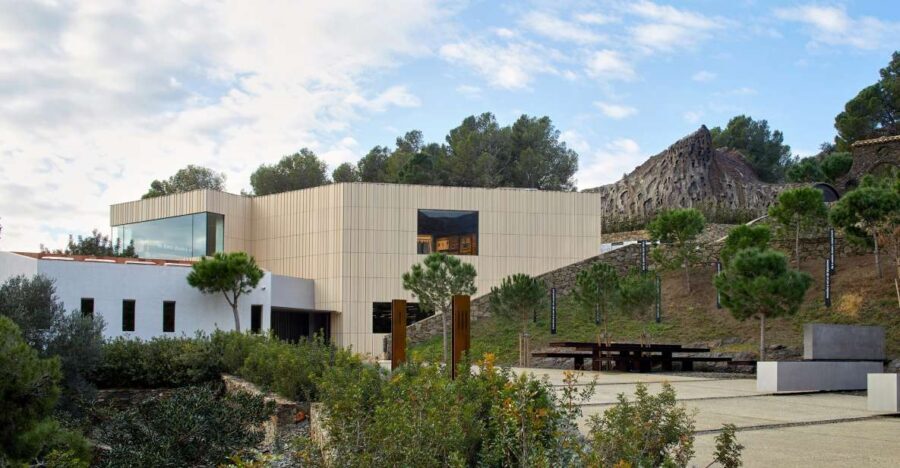
The exhibition route is built around four main spaces, plus outdoor areas that act like “pause points” for reflection. Here’s the tour logic I found most helpful to keep in mind:
1) Outdoor reflection and big ideas
2) Bullinianos and the Sapiens methodology
3) The former restaurant space with major milestones
4) Interdisciplinary connections and elBulliDNA projects
You do not need to memorize names to enjoy it. The structure helps you follow the story even when the concepts get philosophical. Think of it as moving from origin, to method, to history on the walls, to a wider network of how ideas keep evolving.
Outdoor reflection: cooking, innovation, and limits
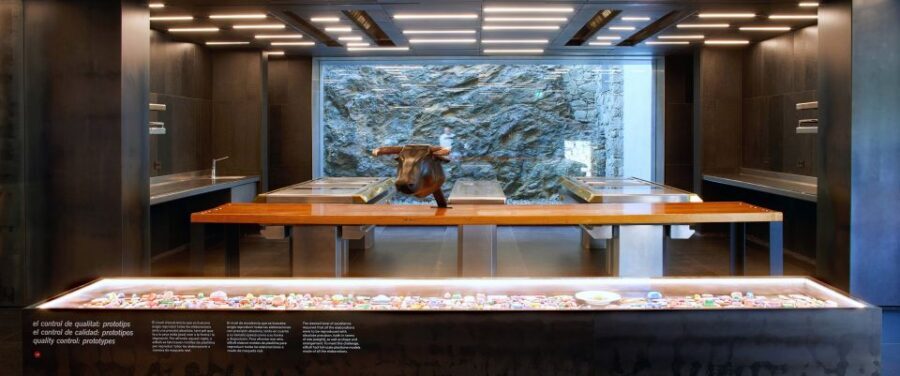
The visit begins in an outdoor space devoted to reflection on cooking and innovation. This section matters because it sets the museum’s tone early. It’s the part where you start hearing the museum’s message in plain terms: innovation is not random, and cooking can be studied as a language.
In the outdoor areas, you also see tributes to the Bullinianos—people who made and continue to make the story of this dream a reality. Even without getting too emotional about it, you get a sense that elBulli wasn’t only one chef. It was a culture, a group effort, a shared approach to figuring things out.
Then comes the museum’s more challenging prompt: the exploration of your own limit of gastronomic experience. I like that the museum doesn’t pretend everyone wants the same kind of dining. It nudges you to ask what you consider normal, surprising, or too far. That question follows you as you enter the indoor spaces.
Bullinianos and Sapiens: how they systematize creativity
One of the most interesting parts of elBulli1846 is how it treats innovation like a process. The museum presents Sapiens, a methodology described as a way to connect knowledge and understanding. The idea is simple but not easy: you take what you learn, translate it into a system, and use that system to keep generating new work.
You’ll also see applications of Sapiens through projects such as Bullipedia, described as an encyclopaedia of the fine-dining sector in Western society. This is a good moment to reset your expectations. If you only think about restaurants as places where chefs cook, Bullipedia adds a second angle: restaurants can create reference points, frameworks, and documentation that outlast a specific season.
What I liked here is the practical vibe. Even though this is a museum, it doesn’t feel like it’s floating above real life. The museum is trying to show you how ideas travel—from experiments, into words, into projects, and back again.






The former restaurant space: milestones and the language of cooking
The section that used to be the restaurant is where history gets concrete. The museum explains key milestones in the history of elBulli and shows how the systematization of innovation came to be applied through the language of cooking.
This is where the visit becomes more like a traditional museum timeline, but with a twist. Instead of treating innovation as a series of isolated moments, the museum frames it as something that can be described, explored, and refined. That’s why they emphasize the language of cooking. It’s the museum’s way of saying: if you can describe it, you can test it and build on it.
You also find material that ties back to the earlier prompt about pushing limits of gastronomic experience. The aim is not shock for its own sake. The aim is to change what people understand cooking can do.
Interdisciplinary relationships: ideas don’t live in one box
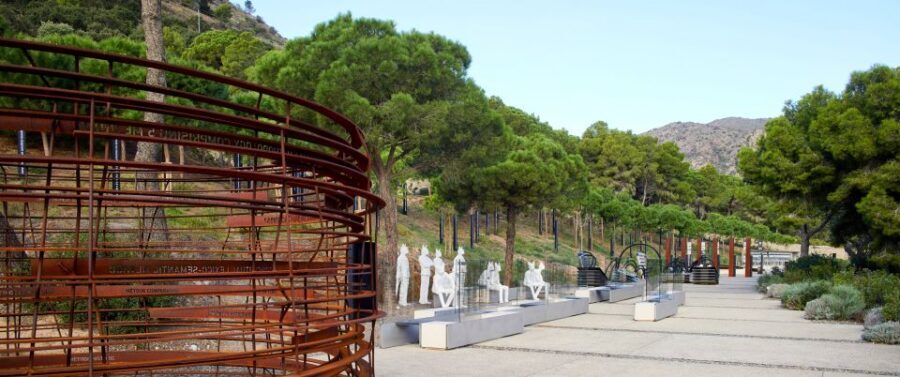
Another indoor space is dedicated to interdisciplinary relationships. The museum explains how those relationships enriched and were assimilated into elBulli’s capacity to innovate throughout its history.
I find this section useful because it matches how innovation often really happens. Most breakthroughs aren’t born only from food. They’re shaped by how teams borrow thinking from other fields, then convert that into something that works in a kitchen.
So even if you don’t come away memorizing every concept, you should leave with a clearer sense of why elBulli could keep evolving instead of repeating itself. It wasn’t just a restaurant with a famous chef. It was a system interacting with knowledge from other directions.
elBulliDNA: projects since elBullifoundation began
The final exhibition space focuses on elBulliDNA, where you can learn about projects carried out since elBullifoundation was set up, tied to the foundation’s threefold founding mission. This is the part that brings the story forward.
It’s also the best place to shift from wondering what happened at elBulli, to understanding what’s still happening now. You get a sense that the foundation acts like a bridge between history and ongoing work, not just a memorial.
If you enjoy seeing how ideas keep running after the original place closes, you’ll likely enjoy this section. It also helps you connect the methodology (like Sapiens) to real outcomes (projects like Bullipedia).
Price and value: is $31 a good deal?
At $31 per person, the ticket price is pretty reasonable if you treat it as a thoughtful, structured museum visit rather than a quick stop.
You get entry to elBulli1846 and a free audioguide. The audioguide is available in Catalan, Spanish, English, and French, which makes it easier to follow the story even if your Spanish (or French) is rusty. And the visit duration is about 2.5 hours, which is a solid block of time for a museum focused on concepts.
The value check for me is simple: does it help you see cooking in a new way? This one does. You walk out understanding not only the “what” of elBulli’s influence, but also the “how”—the focus on methodology, language, and systematizing innovation.
If your goal is only landmark photos, you might decide it’s too slow for your style. But if you like ideas with structure, $31 feels fair.
Practical tips so your visit feels smooth
Here’s how to make the most of your time at elBulli1846 without overthinking it.
Bring what you need
- Bring headphones. The museum includes the audioguide, but you still need your own headphones to use it comfortably.
Plan your time like a person, not a robot
- Total time is about 2.5 hours. Give yourself a buffer so you do not feel rushed moving between outdoor and indoor spaces.
Use the audioguide languages
- The audioguide is available in Catalan, Spanish, English, and French. Pick your language at the start and stick with it so you don’t lose momentum when you switch areas.
Parking: the practical note
The information includes a free parking service for:
- vehicles used by individuals with severe disability (subject to availability)
- motorcycles
- bikes
If you’re coming by car and you might need that service, it’s smart to keep the subject-to-availability part in mind. For other car parking needs, the details aren’t listed here, so plan accordingly.
Wheelchair accessible
The visit is listed as wheelchair accessible, which is great. If accessibility is a priority for you, plan for the outdoor sections too, since the route includes outdoor spaces.
Who this experience suits best
This museum fits best if you like food as culture and food as ideas—not only food as entertainment.
I think it’s a strong match for:
- people who enjoy museum visits that teach you how to think
- food lovers who want context behind Ferran Adrià’s influence
- travelers who like structured storytelling, not just random wandering
It may be less satisfying if you want a tasting event, a hands-on workshop, or a purely visual museum experience with minimal reading and listening.
Should you book elBulli1846?
If you’re curious about how innovation becomes a system—and you’re willing to spend 2.5 hours listening and thinking—you should book. The free audioguide, the focus on Sapiens methodology, Bullinianos, the former restaurant milestones, and the elBulliDNA projects make it a visit with purpose, not just a stop on a map.
If you prefer fast, light museum experiences with minimal concepts, give it a pass and save your time for something more straightforward. But for the rest of us—especially anyone who sees food as part science, part language—this is a smart use of your day in Catalonia.
FAQ
How long does the elBulli1846 Museum visit take?
The visit lasts about 2.5 hours. You should check availability to see the specific starting times offered.
How much is the elBulli1846 entry ticket?
The ticket price is listed as $31 per person.
What’s included with the ticket?
Your ticket includes access to the elBulli1846 Museum and a free audioguide.
Do I need headphones?
Yes. You should bring headphones, since the audioguide is provided but you’ll need your own headphones to listen.
What languages is the audioguide available in?
The audioguide is available in Catalan, Spanish, English, and French.
Is elBulli1846 wheelchair accessible?
Yes, the museum is listed as wheelchair accessible.
Is there free parking?
A free parking service is listed for vehicles used by individuals with severe disability (subject to availability), as well as for motorcycles and bikes.
Can I get a refund if I cancel?
The activity is listed as non-refundable.