REVIEW · ROSES SPAIN
Roses: Cap de Creus & Port Lligat Boat Tour w/ Cadaqués Stop
Book on GetYourGuide →Operated by Els Blaus de Roses · Bookable on GetYourGuide
You don’t need a car to see some of Catalonia’s wild coastline. This 4-hour outing from Roses strings together Cap de Creus geology—coves, chasms, and the lighthouse—then swaps to Cadaqués for a walking break and photos in a real fishing-town setting.
Two things I like a lot here: the sea views along the Gironan coast, especially the dramatic rock formations near Cap Norfeu and the spot nicknamed The Cat; and the chance to actually get on land in Cadaqués for about 1.5 hours instead of just passing by from the water. One watch-out: weather can decide whether you get access to Tamariu Cave, and the Cadaqués stop can feel short if you want a slow wander.
In This Review
- What you’ll remember most (and what to plan for)
- Key highlights at a glance
- Why this Roses boat trip works: Cap de Creus plus Cadaqués in one shot
- Getting oriented at Roses: meeting points and a quick departure rhythm
- Sailing the Gironan coast: Cala Jóncols, Cap Norfeu, and The Cat rock
- Cap de Creus lighthouse and rugged headland: what you’re really seeing
- Tamariu Cave reality check: what weather can change
- The Cadaqués stop you’ll actually use: how to make 1.5 hours count
- Audio guide in multiple languages: use it at the right moment
- Price and value: what $53 for 4 hours really buys you
- Who this boat tour suits best (and who should think twice)
- Practical tips to enjoy the ride more
- Should you book this boat tour from Roses?
- FAQ
- FAQ
- Where does the tour start in Roses?
- How long is the boat tour?
- How much time do you get in Cadaqués?
- Is Tamariu Cave included?
- What are the main stops and sights?
- What’s included in the price?
- Are food and drinks included?
- What languages are available for the audio guide?
- What should I do about the schedule in case of bad weather?
- Is the tour suitable for everyone?
What you’ll remember most (and what to plan for)
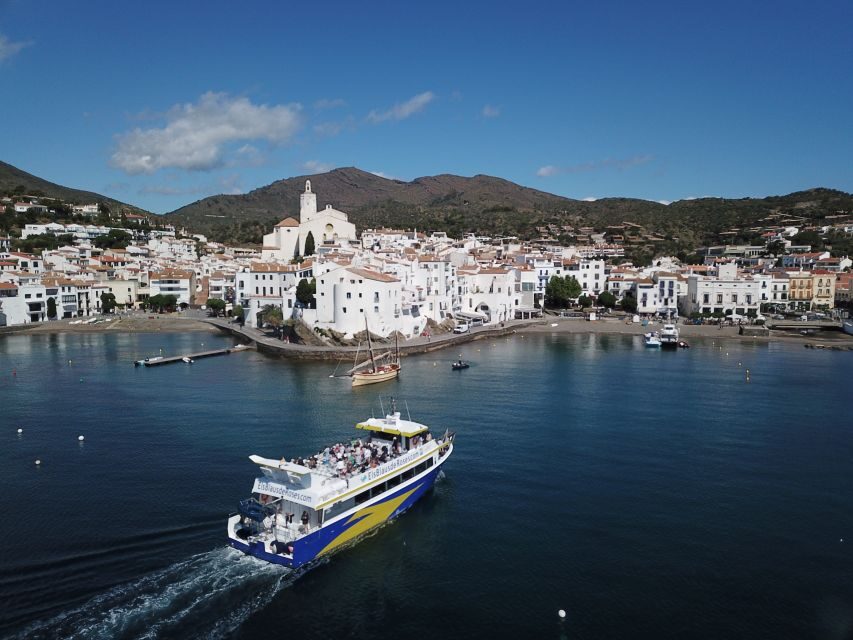
The ride focuses on the coastline, then gives you time to sample the town. In practice, that means you’ll want to pay attention early—both for orientation and for the main explanations—because the commentary tends to start up front rather than repeating endlessly.
If you’re hoping for long cave time or a deep dive into Cadaqués, plan around the schedule. You’ll also want to think about food: no food or drinks are included, so bring something small if you get peckish.
Key highlights at a glance
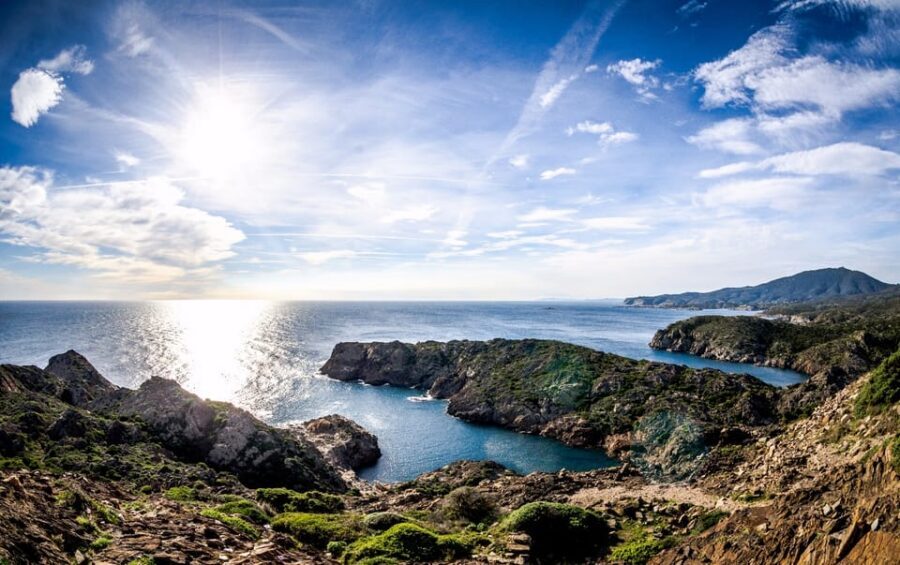
- Cap de Creus Nature Park cliffs from the water with a famous lighthouse stop
- Cala Jóncols, Cap Norfeu, and The Cat rock on the sailing route
- Tamariu Cave access if conditions allow, with time to explore the interior
- A 1.5-hour Cadaqués stop that’s built for photos plus a proper walk
- Friendly, on-water handling praised through the tour’s crew and captain
You can also read our reviews of more boat tours in Roses Spain
Why this Roses boat trip works: Cap de Creus plus Cadaqués in one shot
Most coastline trips do one thing well: either pure scenery at sea, or land time in a town. This one tries to connect both, which is smart if you’re short on time in Roses.
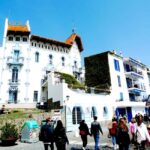
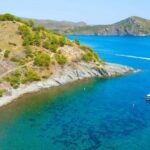
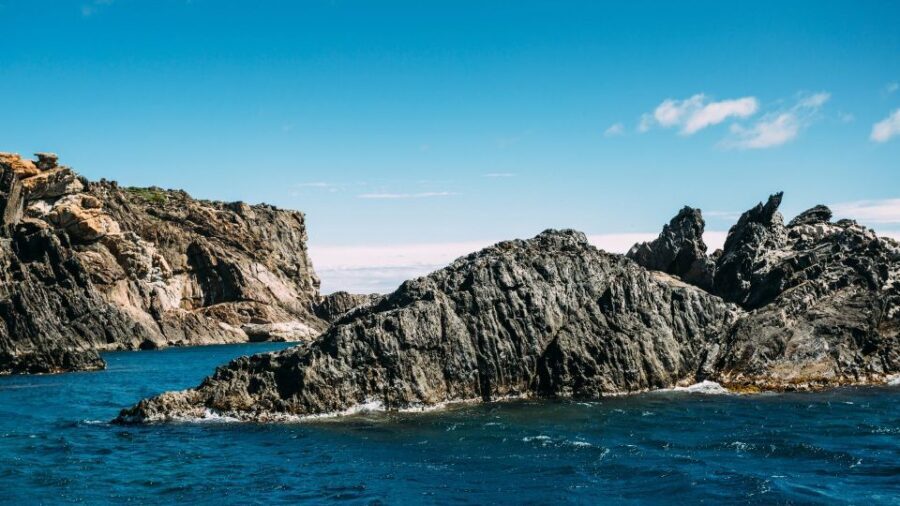
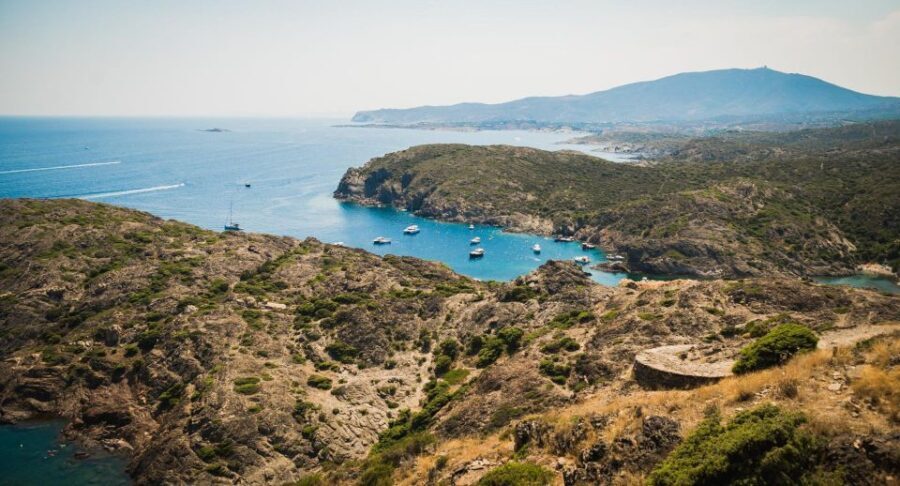
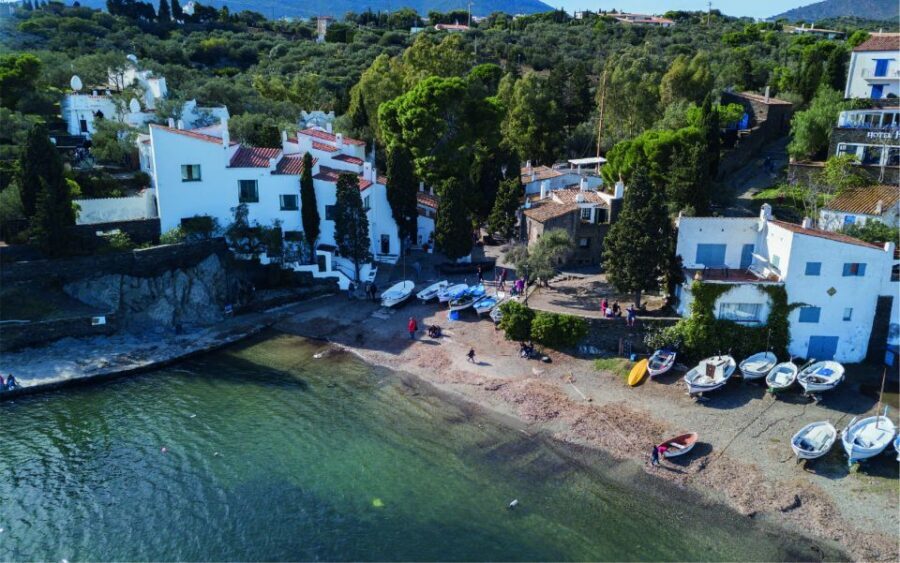
On the Cap de Creus side, you’re looking at a headland that rises to about 672 meters above the Mediterranean. The coast is carved into small coves and chasms, shaped by slate structure, so you get all those tight angles and layered rock textures that make the shoreline feel sculpted. Then the trip pivots to Cadaqués, the kind of place you can appreciate by walking—white buildings, narrow lanes, and the slow rhythm of a fishing village.
The value here is the combination: you get the rugged coast as a moving viewpoint, and you also get enough time on land to feel the town’s character.
Getting oriented at Roses: meeting points and a quick departure rhythm
You start in Roses (Girona), and the meeting point can be one of two places depending on the option booked: Avinguda de la Bocana, 2 or Av. de Rhode, 139.
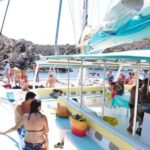
I like tours with clear local pickup because it cuts your planning stress. In this case, once you find the correct spot, the experience is straightforward: you board, the crew sets the tone, and you head out along the coastline.
One small practical point: because the main explanations tend to happen near the start, it helps to be ready and not distracted by fiddling with your phone or camera settings right away. That way, you’ll understand what you’re seeing before you’re already sliding past it.
Sailing the Gironan coast: Cala Jóncols, Cap Norfeu, and The Cat rock
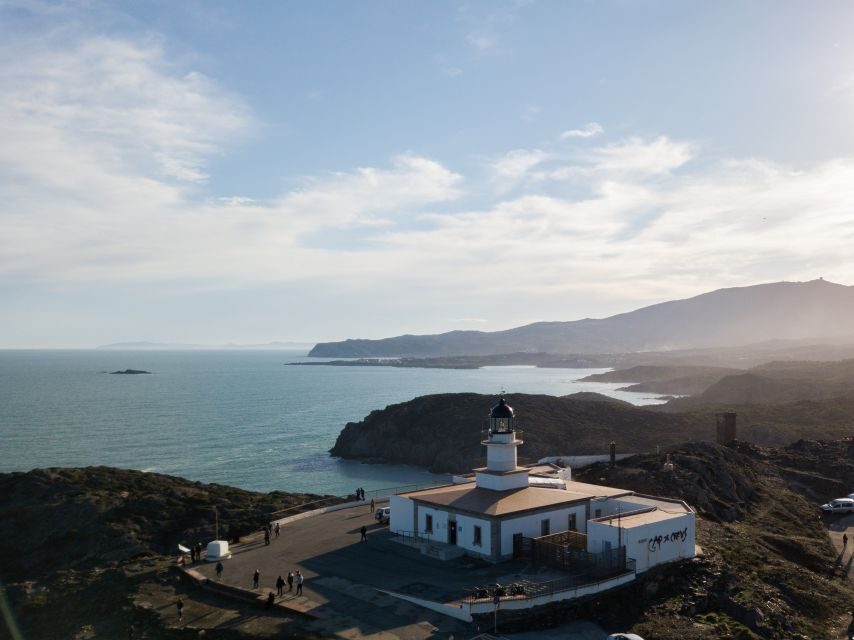
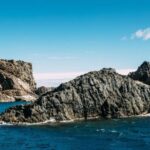
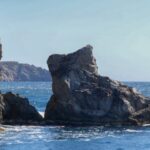
The sailing portion is the core of the trip, and it’s built around landmarks that look great from sea level. Early on, you pass Cala Jóncols and Cap Norfeu, and you’ll see a rock formation nicknamed The Cat.
These names matter because they give you a mental map. On a boat, it’s easy to think you’re just watching “pretty coast.” Having a couple of named points lets you connect the views to something real, like a specific headland or formation you’ll later be able to describe.
This route also works well for different travel styles. If you’re a photo person, you’ll get repeated angles as the coastline turns. If you’re just trying to relax, you’ll still get variety without having to hike or find parking.
Cap de Creus lighthouse and rugged headland: what you’re really seeing
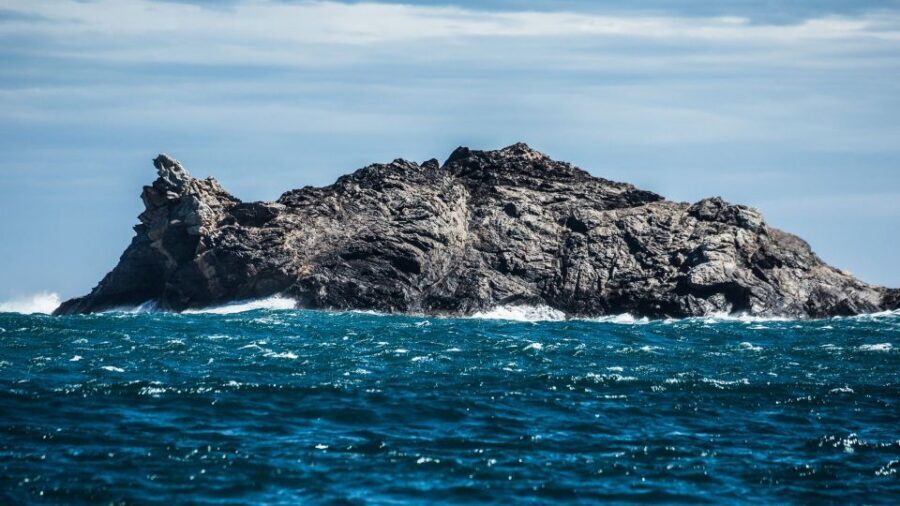
Cap de Creus isn’t just dramatic because it’s rocky. It’s dramatic because it’s structured—countless chasms carve out small coves, and the coastline shape follows the local slate formations.
When the tour reaches the area around the Cap de Creus lighthouse, you’re seeing a point that naturally becomes a navigation reference. Lighthouse stops feel historic in tourist brochures, but here the bigger value is the visual payoff: you get a sense of how this headland dominates the sea, and how the terrain creates protected pockets along the coast.
The general “wow” factor is the wild rock coastline, and the trip seems to deliver that consistently. The ride has strong ratings for the scenery and for how smoothly the crew handles the boat, which matters when you’re out on open water for a few hours.
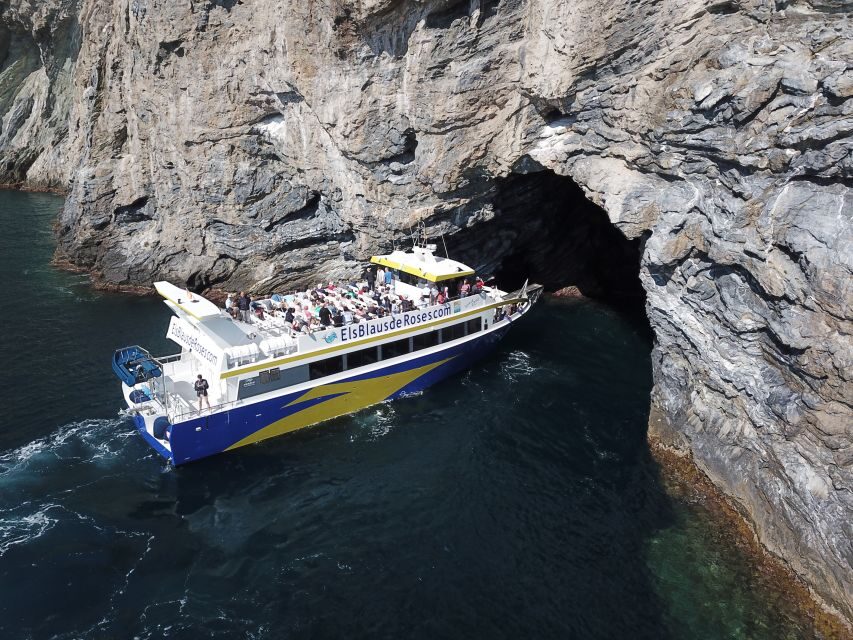
Tamariu Cave reality check: what weather can change
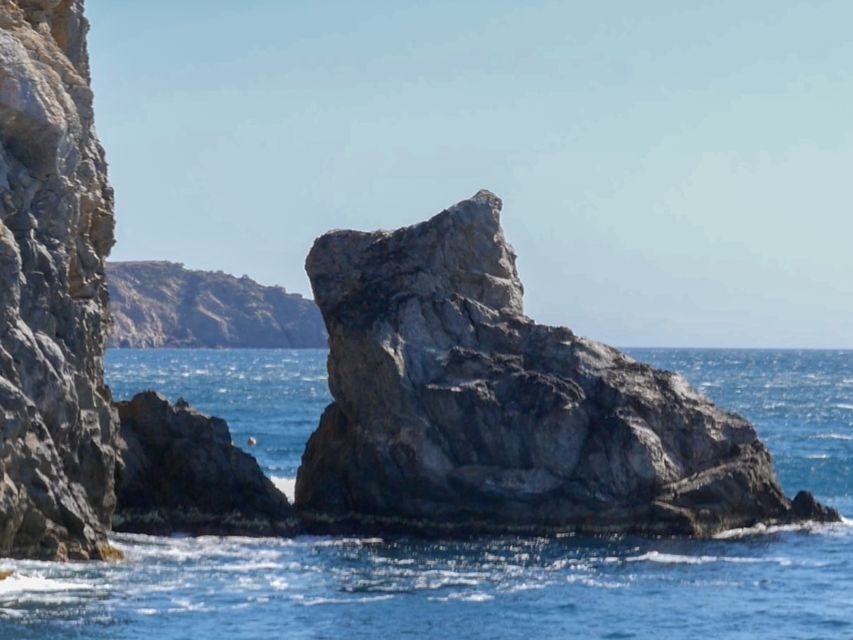
One of the most exciting lines in the description is the chance to enter Tamariu Cave—but it’s explicitly weather-dependent.
So here’s the practical way to think about it: if conditions are right, you might get the opportunity to go inside and explore the cave depth. If not, you’ll still have the main coastline experience and the Cap de Creus lighthouse/rock scenery, but you’ll miss that specific interior highlight.
I’d treat Tamariu Cave as a bonus. That way, you’re not disappointed if the sea state doesn’t cooperate. And you can actually enjoy the rest more, because the itinerary doesn’t just hang its success on one gamble.
The Cadaqués stop you’ll actually use: how to make 1.5 hours count
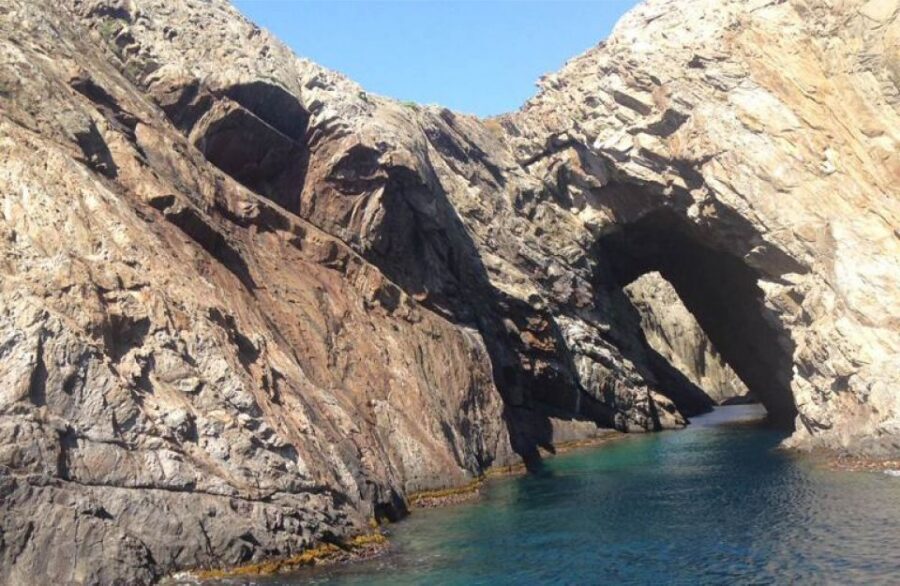
After the coastline portion, you arrive at Cadaqués and the boat makes a stop for about 1.5 hours. The schedule includes a break, a photo stop, a visit, and then free time.
This is the part where you’ll decide how you want to spend your time. With only 90 minutes, you won’t have time for a long out-and-back to far-away viewpoints, but you will have enough time to do the essentials: walk the center area, take photos from the streets, and soak up the feeling of a working coastal village.
The trip is also valued because it gets you into Cadaqués the easy way. Access from the sea means you see it with your feet on the ground, not just from a distant viewpoint.
One caution based on how people talk about the timing: 1.5 hours can feel short if you want to do everything slowly. If you love wandering with no clock, this stop might leave you wanting more—so go with an efficient plan. Think: shoes on, camera ready, pick one or two priorities, then enjoy the rest as it comes.
Audio guide in multiple languages: use it at the right moment
You’ll have an audio guide included, available in Spanish, French, English, German, Catalan, Russian, Dutch, and Italian. That’s great if your group has mixed languages, and it also helps solo travelers follow along without guessing what you’re looking at.
Here’s the practical strategy: start listening when the guide info begins. One detail from feedback is that explanations can be concentrated at the beginning rather than spread throughout the whole ride. That means your best chance to learn what you’re seeing is early on, right after departure.
If you’re the type who likes to pause, replay, and read later, you can still do that, but don’t wait until you’re already past the landmarks. The coast changes quickly from the boat.
Price and value: what $53 for 4 hours really buys you
At around $53 per person for about 4 hours, this isn’t a “cheap afternoon” activity. But it’s also not just a ride in the open air. You’re paying for three things that are hard to replicate on your own in a short window:
- Boat transport along the Cap de Creus coastline (not a simple shoreline walk)
- Access to viewpoints like the lighthouse area and potentially Tamariu Cave
- An included crew plus an audio guide in many languages
Is it a bargain? Not always. One piece of feedback even suggests the price could be lower. Still, the overall value equation improves if you consider what you’d spend in time and logistics trying to cover the same route another way.
For me, the deciding factor is whether you want the combo: Cap de Creus scenery plus a Cadaqués town stop without needing to manage transportation yourself. If yes, the cost starts to look reasonable for what you get.
Who this boat tour suits best (and who should think twice)
This is a solid match if you want:
- Coastline views without hiking
- A quick, structured way to see Cap de Creus and reach Cadaqués
- A trip that gives you both sea scenery and time on land
It’s less ideal if you need a longer Cadaqués experience. The stop is limited, and the day’s design prioritizes the water route. Also, it’s listed as not suitable for people with mobility impairments, so consider alternatives if mobility support is needed.
If you’re traveling with kids, this can still work well because the boat keeps changing views and there’s time to get on land. But keep expectations realistic: cave access depends on weather, and the town time won’t feel like a half-day.
Practical tips to enjoy the ride more
This outing is simple, but a few choices can make it better.
1) Bring a small snack or drink
Food and drinks are not included, and you’ll be out long enough to notice if you’re hungry.
2) Dress for sun and wind
The coast can be bright and breezy. Even in warm months, wind on open water can cool you down.
3) Choose your photo timing
If you want the best shots, be ready when landmarks appear rather than waiting for “perfect light later.” The coastline moves continuously.
4) Use your ears before your eyes
Because key explanations can come near the start, I’d listen then, and let your eyes enjoy the rest. The tour is visually rich, and context makes it easier to remember later.
Should you book this boat tour from Roses?
I’d book this if you want a fast, scenic route that links the rugged Cap de Creus coastline with real walking time in Cadaqués, all in about four hours. The main payoff is the moving views of those headlands and rock formations, plus a town stop long enough to feel like you were there.
I wouldn’t book it if your top priority is a long Cadaqués day or if you need guaranteed cave access. With only 1.5 hours in town and Tamariu Cave depending on weather, the itinerary is built for a balanced taste, not a full-on exploration.
FAQ
FAQ
Where does the tour start in Roses?
The meeting point can be either Avinguda de la Bocana, 2 or Av. de Rhode, 139, depending on the option booked.
How long is the boat tour?
The total duration is about 4 hours.
How much time do you get in Cadaqués?
The stop in Cadaqués includes free time and lasts about 1.5 hours.
Is Tamariu Cave included?
Tamariu Cave can be included if weather permits. If conditions don’t allow it, you may not enter the cave.
What are the main stops and sights?
You’ll sail along the Gironan coast, see formations such as Cala Jóncols and Cap Norfeu (including the rock nicknamed The Cat), visit the Cap de Creus lighthouse, and stop in Cadaqués.
What’s included in the price?
Included are the boat trip, the crew, and an audio guide.
Are food and drinks included?
No. Food and drinks are not included.
What languages are available for the audio guide?
The audio guide is available in Spanish, French, English, German, Catalan, Russian, Dutch, and Italian.
What should I do about the schedule in case of bad weather?
Since Tamariu Cave depends on conditions, keep expectations flexible. You’ll still get the main coastline experience and the Cadaqués stop.
Is the tour suitable for everyone?
It is not suitable for people with mobility impairments.