REVIEW · BARCELONA
A Day in Sants Feasting Off the Grid
Book on Viator →Operated by Culinary Backstreets Walks · Bookable on Viator
Sants is the kind of Barcelona you can taste. This 5-hour, small-group food walk takes you into Sants and La Bordeta where markets, vermuterias, and old-school bars still run the show. You also get time for photos in a district that doesn’t look like the usual postcard route.
I especially love how the tour is built around local food habits, not a checklist of trendy tapas. You’ll also get lunch plus snacks and alcoholic drinks included, which makes it easy to plan your day without playing budget math in your head.
One thing to consider: you’re choosing this for culture and character, not Gaudí sights or a best-of list of top tourist tapas. If you want those big-name sights, you’ll need a separate plan.
In This Review
- Key reasons this Sants food tour works
- Sants is Barcelona, before the tourist script
- What you’ll like most
- One drawback to accept up front
- Meeting at Carrer de Sants: how the 5-hour day flows
- What to plan before you go
- Stop 1 in Sants: markets, vermuterias, pastry shops, and the district’s pulse
- A photo tip for this stop
- Possible downside
- Stop 2 in La Bordeta: Mercat de Sants, vermut with tapas, and handmade sweets
- What I think you’ll love here
- Consideration
- Stop 3 at Mercat de Sant Antoni: a repurposed textile factory and community organizing
- What to notice during this stop
- Slight drawback
- Lunch, snacks, and included drinks: the value math that matters
- What’s included vs. not included
- Group size and the guide Q&A factor
- If you like structured wandering
- Buying souvenirs in Sants (and what to look for)
- One warning
- Weather and pace: who this fits best
- Best match
- Not the best match
- Should you book this Sants food walk?
- FAQ
- How long is the tour?
- What time does the tour start?
- How many people are in the group?
- What’s included in the price?
- What is not included?
- Where does the tour start and end?
- What happens if weather is poor or I need to cancel?
- Is the tour offered in English?
Key reasons this Sants food tour works
- Small group (max 7): more time to ask questions without shouting over a crowd.
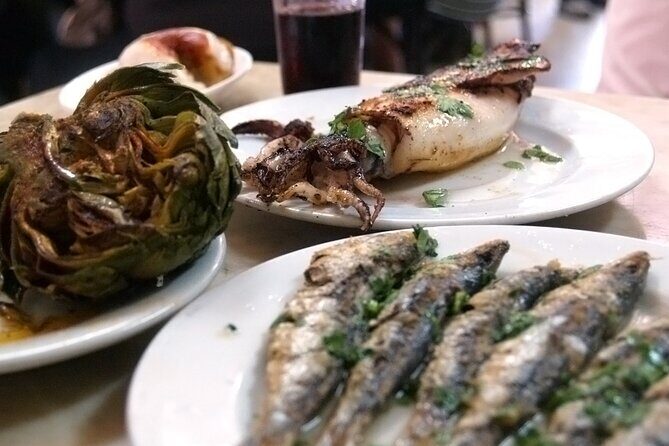
- Real neighborhood rhythm: markets, old vermuterias, bakeries, and seasonal menus instead of canned stops.
- Vermut the local way: tapas served with wine casks in old-school bodegas and bars.
- Sants beyond food: the repurposed textile factory and the story of community organizing.
- Built-in souvenir time: you’ll have chances to browse local boutiques for things you’re less likely to find elsewhere.
Sants is Barcelona, before the tourist script
If you’ve spent any time in Barcelona, you know how quickly the city can turn into a highlight reel. This tour is the opposite vibe. It’s about daily life in Sants, a neighborhood with its own pace, its own food culture, and a history that’s still visible in the streets.
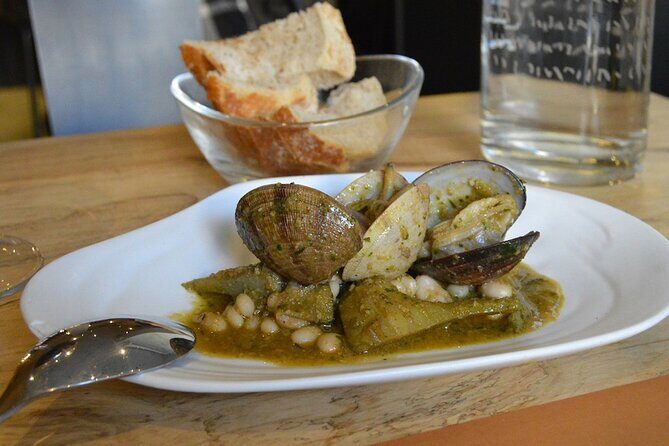
The best part is that you don’t just “eat in Barcelona.” You eat in a place where food is tied to routine: morning markets, afternoon sweets, a mid-day drink, and casual conversations around bars. The tour also gives you an easy way to see details you’d miss on your own—like the way vermut fits into the neighborhood’s social life and why certain shops have survived while other parts of the city transformed.
You can also read our reviews of more tours and experiences in Barcelona.

What you’ll like most
You’re likely to enjoy two things right away. First, the photo opportunities come from being in a lesser-known district with real storefronts, not a manufactured set. Second, the food feels high quality without being fussy—the emphasis is on tradition and sourcing you can recognize.
One drawback to accept up front
You won’t be treated to Gaudí architecture or the kind of “top 10 tapas” tour that marches you door to door. This is for people who want to understand Barcelona through its neighborhood habits, not its museum poster views.
Meeting at Carrer de Sants: how the 5-hour day flows
The tour starts at 9:00 am at Carrer de Sants, 109 (Sants-Montjuïc). It ends back at the same meeting point, so you’re not stuck figuring out how to connect buses after you’re comfortably full.
The day is laid out as three main stops, but the timing matters. The itinerary is built around meals and snack moments, not long travel segments. Each stop is about one to two hours, which keeps you from doing that classic tour thing where you’re either rushing or waiting for the group to reassemble.
With a maximum of 7 travelers, the walk feels less like a line and more like a conversation with a guide who can respond to your questions. You can ask what to order, why a place is famous locally, or what a specific ingredient or style of dish means here. That personal back-and-forth is a big reason this tour earns such strong ratings.
What to plan before you go
Wear comfortable shoes. You’ll be walking and stopping frequently, and the food rhythm depends on keeping moving at a human pace. Since alcoholic drinks are included, I’d also treat the tour like a day where you go easy on any other heavy plans right afterward.





Stop 1 in Sants: markets, vermuterias, pastry shops, and the district’s pulse
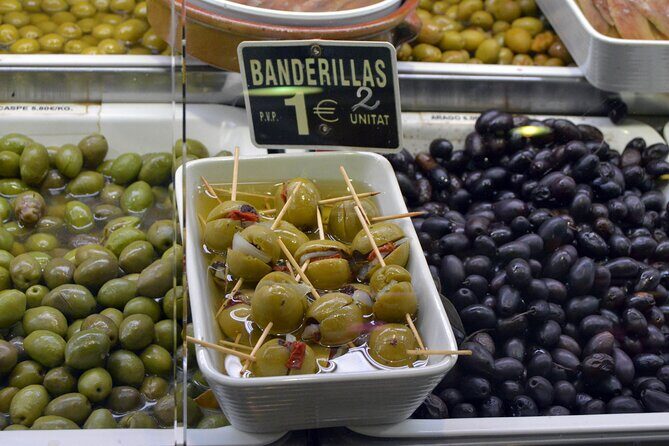
Your first stop is Sants, with an agenda that feels like a story you can eat. You’ll spend about two hours moving through the neighborhood’s food lanes, and the goal is clear: understand how a “less explored” area can still have a strong food scene and a history you can see in what’s for sale and how people shop.
You can expect stops tied to:
- Markets and old vermuterias
- Pastry shops where the sweets aren’t just dessert, they’re part of the daily routine
- Down home restaurants where the menus shift with the seasons
What makes this stop especially valuable is the balance. You’re not only looking at older institutions. You’ll also get a glimpse of contemporary culinary projects in Sants. That mix helps you understand the neighborhood as living, not preserved like a relic. Barcelona changes fast, but Sants shows you change with continuity, where today’s food still grows out of yesterday’s habits.
A photo tip for this stop
This is the part of the day where you’ll likely get your best street photos. Since you’re in a neighborhood that’s not the main tourist corridor, you’ll see more everyday details—signs, storefronts, and small rhythms that don’t scream for attention but make the images feel real.
Possible downside
If you arrive hoping for big tourist sights immediately, you might feel the “absence.” But that’s also the point. This stop sets you up to understand what you’re looking at, so the rest of the day lands harder.
Stop 2 in La Bordeta: Mercat de Sants, vermut with tapas, and handmade sweets
Next you head through La Bordeta, still within the wider Sants area, and you’ll spend another two hours tasting the neighborhood as it was before Barcelona became the global obsession.
This stop starts with a hearty breakfast at the Mercat de Sants, a restored market that’s been operating since 1913. That detail matters. A market that old doesn’t just sell food; it builds community habits across generations. You’ll sample what vendors have to offer, and that helps you orient your palate to the local style early.
From there, you’ll walk through neighborhoods shops and restaurants—some old, some newer—and try dishes that follow seasonal menus. This is one of the most practical parts of the tour: when you eat seasonally with locals, you’re also eating what’s freshest, not what’s always available.
You’ll also hit the bar-and-snack side of the culture:
- Old school bodegas and bars
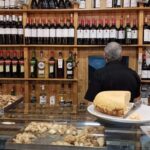
- Vermut with tapas served among wine casks
- Small bakeries and chocolate shops with handmade sweets
Vermut is often reduced to a drink for tourists. Here it’s treated like a social ritual. You’ll see why people linger, why it pairs naturally with small plates, and how it fits into the neighborhood’s daily schedule.
What I think you’ll love here
This is where the tour becomes really “local.” Markets for breakfast, then a slow shift to tapas and sweets, then a drink moment where the setting (those wine casks) makes the flavors feel even more grounded. It’s not a performance. It’s the kind of pattern locals recognize instantly.
Consideration
You might end up feeling like you’re eating a lot of different things at once. That’s normal for a food tour, but the upside is you get a wide snapshot of flavors. The key is pacing yourself—take small bites, and leave room for lunch later.
Stop 3 at Mercat de Sant Antoni: a repurposed textile factory and community organizing
Even though this part of the plan sounds like a detour from food, it’s actually one of the most meaningful stops. For about one hour, you’ll visit a social and cultural project housed in a massive 19th-century textile factory. After decades of disuse, locals helped transform it into a lively center.
The tour includes a drink and more bites here, plus the history behind the transformation. You’ll learn about community organizing in Sants and why this neighborhood’s character isn’t just about food—it’s about people shaping their own space.
Two details make this stop feel unique:
- The factory has its own bar and microbrewery
- The story behind the building connects food culture to how neighborhoods survive change
In other words, it’s not only about where you eat. It’s about why that community still has momentum. That’s the part many food tours miss.
What to notice during this stop
Watch for how the place is used now. Even without being told, you can sense how a repurposed space changes people’s behavior: it invites gatherings, encourages conversations, and gives the neighborhood a shared meeting point. That social layer is a big part of why food tastes different here.
Slight drawback
Because the hour is shorter, you might want more time to browse or stay longer. But as a “story stop” that also includes food and a drink, it works as a strong final piece.
Lunch, snacks, and included drinks: the value math that matters
The tour includes snacks, alcoholic beverages, and lunch. That’s a big deal for value because it reduces how much you have to pay out of pocket while still traveling.
At $160 per person, it’s not a cheap casual snack crawl. The reason it can still feel like a smart spend is simple: this is paying for (1) guided access to multiple places, (2) tastings throughout the day, and (3) meals and drinks that would cost real money if you planned them alone.
Also, the inclusions help you enjoy the neighborhoods without turning your day into a spreadsheet. You’re free to focus on the food and the stories, not on constantly deciding where to eat next.
What’s included vs. not included
- Included: snacks, alcoholic beverages, lunch
- Not included: private transportation
Since the meeting point is near public transportation, you’re not expected to hire a taxi or private car to make the day work.
Group size and the guide Q&A factor
With a maximum of 7 people, you’ll get more than “follow the leader.” You can ask why a vermuteria style exists, what makes a specific market vendor approach local, or how seasonality changes what you should look for.
The reviews for this tour strongly highlight guide enthusiasm and the way they connect food to history and culture with real respect. That shows up in how the tour flows: you don’t feel like you’re being lectured. You feel like the guide is sharing reasons, then letting you taste the evidence.
If you like structured wandering
You’ll probably enjoy this if you’re the kind of traveler who likes having a path, but not a strict script. The tour is organized enough to keep you on track, but flexible enough to make your questions part of the route.
Buying souvenirs in Sants (and what to look for)
This tour includes time to explore local boutiques and pick up souvenirs you won’t easily find in the main tourist shopping belts. The practical value here is that you’re shopping while your brain is already in the neighborhood mindset.
When you’re buying souvenirs on a food tour, you tend to get better results: you’re looking for things tied to what you’ve tasted—small packaged foods, local sweets, or items that reflect the everyday culture you just saw.
One warning
Don’t wait until the last minute to buy. If you spot something that matches your style, grab it then. You’ll be walking and eating later, and time tends to disappear faster than you expect.
Weather and pace: who this fits best
This experience requires good weather. If it’s canceled due to poor conditions, you’ll be offered a different date or a full refund. Also, since you’re walking and tasting over a long morning into early afternoon, it’s best suited for travelers who are comfortable on their feet for hours.
Best match
You’ll love this tour if you:
- Want authentic neighborhood food over famous sights
- Enjoy history that’s connected to daily life, not just museum facts
- Like small-group tours where questions feel welcome
- Are happy to focus on Sants and La Bordeta instead of the headline attractions
Not the best match
You might want a different kind of tour if you’re chasing Gaudí landmarks that day or if you want a tight “tap-to-tap” list of the most famous tourist bites.
Should you book this Sants food walk?
I’d book it if you’re aiming for a Barcelona day that feels grounded and human. The inclusion of lunch, snacks, and alcoholic beverages plus the small group size makes it feel fair, not overpriced. And the strongest reason to go is how the tour ties food to place—markets, vermut culture, and the story inside a repurposed 19th-century textile factory.
If your travel style is all about top attractions and must-see architecture, this might feel like a detour. But if you want the Barcelona that locals live with, this is exactly the sort of off-the-grid day that gives you real memories and real tastes.
FAQ
How long is the tour?
It runs for about 5 hours.
What time does the tour start?
The start time is 9:00 am.
How many people are in the group?
The tour has a maximum of 7 travelers.
What’s included in the price?
The price includes snacks, alcoholic beverages, and lunch.
What is not included?
Private transportation is not included.
Where does the tour start and end?
It starts at Carrer de Sants, 109, Sants-Montjuïc, 08028 Barcelona, Spain and ends back at the same meeting point.
What happens if weather is poor or I need to cancel?
The experience requires good weather. If it’s canceled due to poor weather, you’ll be offered a different date or a full refund. You can cancel for a full refund up to 24 hours in advance of the start time.
Is the tour offered in English?
Yes, it’s offered in English.