REVIEW · BARCELONA
Barcelona Card: Museums + Transport for 72h, 96h or 120h
Book on Viator →Operated by Turisme de Barcelona · Bookable on Viator
Barcelona can feel like a blur. That’s where the Barcelona Card helps. It’s a single pass that mixes free admission to dozens of top museums/venues with unlimited public transport, so you spend less time buying tickets and more time choosing what to see next.
I really like the flexibility of picking a 3-, 4-, or 5-day option. You can move at a slow museum pace or stack visits on busy days, using the same card the whole time. My other big plus is the transport side: metro, city buses, and even a train link from Barcelona Airport can save real money over multiple rides.
One consideration: you may need a physical card to get into some museums. If you try to use only a phone screenshot or barcode, a ticket desk may refuse entry and ask you to pick up the pass in person.
In This Review
- Key things to know before you buy the Barcelona Card
- Barcelona Card price and what it means for your budget
- Getting your card at the airport and using metro/buses correctly
- Museums you can use with the Barcelona Card (stop by stop)
- Picasso Museum
- MUHBA (Museu d’Historia de Barcelona)
- Joan Miró Foundation
- MACBA (Museu d’Art Contemporani de Barcelona)
- Museu Nacional d’Art de Catalunya (MNAC)
- Fundació Antoni Tàpies
- CaixaForum
- Center of Contemporary Culture of Barcelona (CCCB)
- CosmoCaixa (science museum)
- Estadi Olímpic
- Museu Olímpic i de l’Esport Joan Antoni Samaranch
- Jardín Botánico de Barcelona
- Reial Monestir de Santa Maria de Pedralbes
- MUHBA Via Sepulcral Romana
- Museu del Perfum (Museum of Perfume)
- Museo Egipci de Barcelona
- Museum of Archaeology of Catalonia
- Museu de Ceramica
- Museu de Ciencies Naturals de Barcelona
- Museu de la Musica
- Museu de la Xocolata
- Moco Museum Barcelona
- Museu d’Arqueologia extra note (discount listed)
- How I’d pace 3, 4, or 5 days so it feels fun (not like homework)
- Discounts that pair well with the free museum entries
- Common snags to avoid with this card
- Should you book the Barcelona Card?
- FAQ
- How long is the Barcelona Card valid?
- Does the Barcelona Card include public transport?
- Does the card cover trains from both airport terminals?
- Is admission to the museums free or discounted?
- Do I need a physical card to enter museums?
- What languages are supported?
- Can I cancel for free?
Key things to know before you buy the Barcelona Card
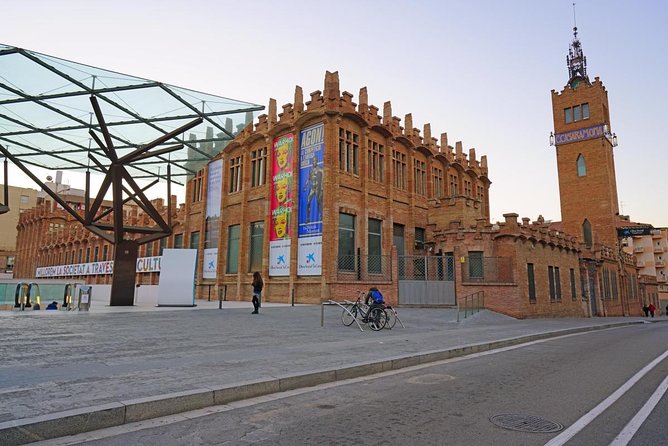
- Free entry to 27 museums and venues (and more than 20 attractions overall), so you can build a real museum itinerary without constant ticket buying
- Unlimited metro and city buses, plus airport train service from Terminal 2 to the city center only
- Card activation happens when you use transport, and it stays valid for the exact number of days you chose
- A museum-heavy mix, from giants like Picasso and MNAC to smaller theme museums like perfume, chocolate, and Egyptian artifacts
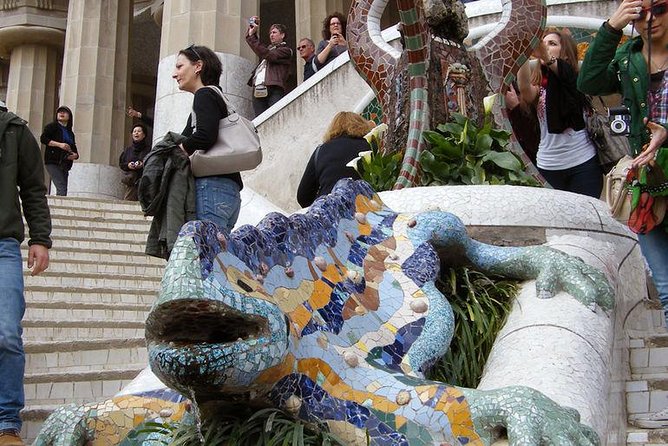
- Discount add-ons for major sights, including select Gaudí and Modernisme landmarks (but not everything is free)
- Plan for redemption at info points, since some venues want the pass in hand, not just a digital voucher
Barcelona Card price and what it means for your budget
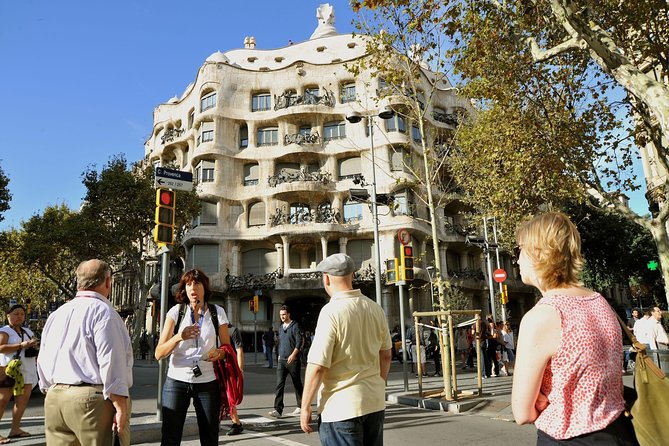
This pass costs $72.89 per person, and it comes in 3-, 4-, or 5-day versions. The headline value is simple: you’re paying for two things at once—unlimited transit and museum admissions—so the card is best when you’ll actually use both.
If you’re the type who does one big museum and then spends the rest of the day wandering, you might not squeeze out the full value. But if you like your sightseeing structured—say 3 to 6 museums across a few days—the card can turn Barcelona from a “buy tickets all day” trip into a “pick your next stop” trip.
The museum list also matters. You’re not only getting art and architecture history; you’re getting science, sports, design/exhibitions, and even niche themes. That variety helps you keep days moving, even when the weather or your energy level changes.
You can also read our reviews of more tours and experiences in Barcelona.


Getting your card at the airport and using metro/buses correctly
The Barcelona Card is issued through Turisme de Barcelona. It also includes a free metro map and a guidebook with details on participating attractions.
Here’s the practical part: you pick up the card at information points, and the card’s transport use then activates it. If you’re arriving by plane, it’s especially important to plan around pickup timing, since at least one pickup location at the airport has limited evening hours. If you land late, you may need to use a second pickup point (commonly Plaça Catalunya) rather than expecting airport pickup to work on your schedule.
For transport, the pass covers Barcelona public transport networks, including:
- Metro
- City buses
- Train service from the city center to the airport
- Plus a specific airport train benefit: free travel from Barcelona Airport Terminal 2 to Barcelona city only
If you’re flying into Terminal 1, the information you have here says you should transfer between Terminal 1 and Terminal 2 to take advantage of the free train service. That’s worth keeping in mind so you don’t end up paying for a short link you thought would be covered.
One more caution that shows up in real-world use: not every transport option in the city is covered. Some private services (like certain buses or cable cars) may not accept the card. The good news is the included metro map/guidebook is meant to flag participating options, so you can plan your routes around what is covered.
Museums you can use with the Barcelona Card (stop by stop)
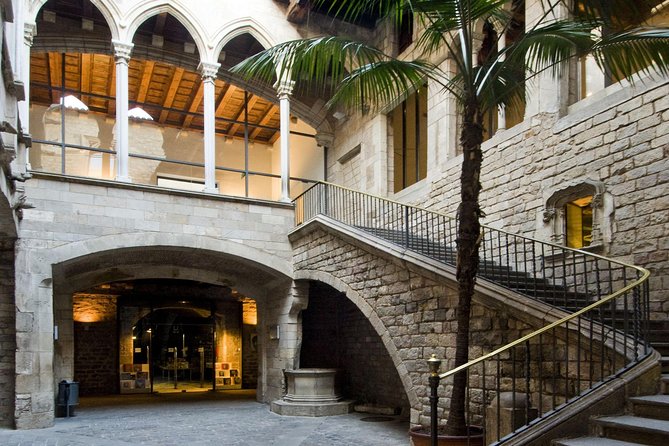
The card includes free admission at a long list of museums and venues (and a few free entries noted separately). Most stops are sized for a comfortable visit—often around one to two hours—which is helpful when you’re pacing multiple sites in one day.
Below is the museum menu you can plug into your plan, with what each one is good for and a heads-up on what to consider before you go.
Picasso Museum
A strong choice if you want one museum to anchor a whole “modern art in Barcelona” day. The main thing to consider: Picasso fans may want more time than the typical one-hour window, so don’t schedule back-to-back stops if you’re the type who reads every wall label.
MUHBA (Museu d’Historia de Barcelona)
MUHBA is ideal when you want Barcelona’s story beyond the modern postcards. The museum is a “history mood” stop: if you’re more into art than dates and ruins, you might prefer to pair it with a lighter museum afterward rather than stacking it all day.





Joan Miró Foundation
This is where you can shift from Picasso’s intensity to Miró’s imaginative world. It’s a good match for travelers who like visual thinking and surreal forms. The consideration: art museums can run long if you keep wandering, so give yourself breathing room.
MACBA (Museu d’Art Contemporani de Barcelona)
If contemporary art is your lane, MACBA is the kind of place where you can spend more than planned and still feel like you scratched the surface. The possible drawback is straightforward: contemporary art doesn’t land the same way for everyone, so if you’re picky, decide in advance whether you want “show me the art” or “give me context first.”
Museu Nacional d’Art de Catalunya (MNAC)
This is the big museum stop for people who want major collections in a single place. If you like medieval/heritage art as much as modern culture, MNAC is a standout. The practical consideration: it’s easy to underestimate time here, so plan a longer slot or pair it with shorter theme museums.
Fundació Antoni Tàpies
A focused art stop that can work well on a day when you want something different from the big-brand museums. If you’re not into a more specific artistic voice, you may feel it’s too concentrated—so match it to your taste.
CaixaForum
This is a flexible gallery stop for exhibitions spanning ancient, modern, and contemporary art. The upside is variety, since exhibitions change the feel of your visit. The consideration: because it’s exhibition-based, what you see depends on the current show, so don’t treat it like a single fixed masterpiece.
Center of Contemporary Culture of Barcelona (CCCB)
Great when you want a contemporary-culture stop that’s not only about paintings. Think of it as a “ideas and themes” venue. The only catch: if you’re hoping for purely classic museum format, you might want to balance it with a more traditional collection later.
CosmoCaixa (science museum)
This is one of the best “I need a break from museums-but-still-want-learning” options. It’s science-first, with permanent exhibits like Flooded Forest and Room of Matter, plus a planetarium. Consideration: science museums are hands-on and can take more time than expected, so keep your next plan flexible.
Estadi Olímpic
A quick, history/architecture stop that fits well when you’re doing a sports or civic-sights day. The consideration: it’s more of a “see the stadium” stop than a deep museum experience unless there’s a specific on-site component during your visit.
Museu Olímpic i de l’Esport Joan Antoni Samaranch
If you’re into sports history or Olympic context, this pairs naturally with the stadium area. The drawback is taste-based: if you’re not interested in sports, you may find it less compelling than the art and history museums.
Jardín Botánico de Barcelona
This is your reset button when you want greenery and a quieter pace. The consideration: botanical visits feel best when you actually slow down, so avoid cramming too many museums immediately afterward.
Reial Monestir de Santa Maria de Pedralbes
A history and culture stop with a monastery setting, known for long-running community life and restored spaces. The consideration: it can be a more contemplative visit, so it works better when your day has time to breathe.
MUHBA Via Sepulcral Romana
A Roman burial-road site type stop for people who want archaeology and layers of time. The possible drawback: ruins don’t always translate to excitement if you’re not into historical context, but it’s a great complement to the city-history side of MUHBA.
Museu del Perfum (Museum of Perfume)
This is the themed-museum option that makes your card feel fun instead of strictly “serious.” If you enjoy sensory stories, it can be surprisingly memorable. Consideration: it may not satisfy if you want large art collections, since the subject is narrow by design.
Museo Egipci de Barcelona
A dedicated Egyptian museum stop that’s excellent for people who love ancient artifacts. The only consideration: like many theme museums, it’s strong for the subject and less broad than a general art history museum.
Museum of Archaeology of Catalonia
This is a solid pick if you want Catalonia-focused archaeology in one place. The consideration: archaeology can be more detail-heavy than you expect, so don’t schedule it right before a museum you know you’ll rush.
Museu de Ceramica
Ceramics are where craft meets design, and this stop can help you connect art with daily objects. The drawback: ceramics museums can feel quiet and slow; if you prefer fast-moving exhibits, keep it paired with more dynamic venues.
Museu de Ciencies Naturals de Barcelona
Nature and science in a more natural history style. It’s a good match for “learn about the world” days. Consideration: if you’re only into contemporary culture, this can feel like a different trip within the trip—still worthwhile, just plan intentionally.
Museu de la Musica
A museum for music lovers that adds sound/culture to a day full of visual art. The consideration: if your schedule is tight, music museums can be easy to under-plan because they might encourage you to linger longer than expected.
Museu de la Xocolata
A playful, theme-based stop that can break up heavier museum days. The drawback is obvious: if you don’t care about chocolate as a subject, it may feel like filler rather than a must-do.
Moco Museum Barcelona
Your card lists free admission here. It’s a good choice if you want contemporary art with a more modern gallery vibe. The consideration: it can attract crowds, so you may want to go at the time you’re least likely to be rushed.
Museu d’Arqueologia extra note (discount listed)
You’ll see a discount mention related to archaeology elsewhere. If you’re using the card for free entry at the archaeology museum, you shouldn’t assume the discount matters. Just focus on the card’s free admissions you’ve confirmed on the included access list.
How I’d pace 3, 4, or 5 days so it feels fun (not like homework)

A lot of cards fail because people treat them like checklists. I’d rather treat this one like a menu.
For a 3-day visit, I’d pick a “core” day for art (Picasso/Miró/MACBA-style), a “core” day for a big-history or big-collection stop (MUHBA and/or MNAC), and one day that covers something different (science, perfume/chocolate, music, or archaeology). That way you get variety without the burnout spiral.
For 4 or 5 days, you can spread favorites out. This is where the card shines because you’re not forced to rush. You can return to a museum type you liked and skip one you didn’t.
The durations help here. Many stops are listed around one hour, and a few are two hours, so you can realistically design days that end without feeling slammed. If you’re the type who reads every exhibit label, budget more time per stop and plan fewer museums per day.
Discounts that pair well with the free museum entries

The Barcelona Card isn’t only free entry. It also includes discounts that can help you add major sights you might otherwise pay full price for.
From the discount list included with your card, you can use it to reduce prices for things like:
- Casa Amatller (20% discount)
- Casa Batlló (3 € discount)
- Casa Milà – La Pedrera (3 € discount for La Pedrera Essencial adult entrance)
- Casa Vicens (25% discount)
- Cripta Gaudí de la Colònia Güell (20% discount)
- Mirador Torre Glòries (20% discount)
- Palau Güell (25% discount)
- Pavelló Mies van der Rohe (25% discount)
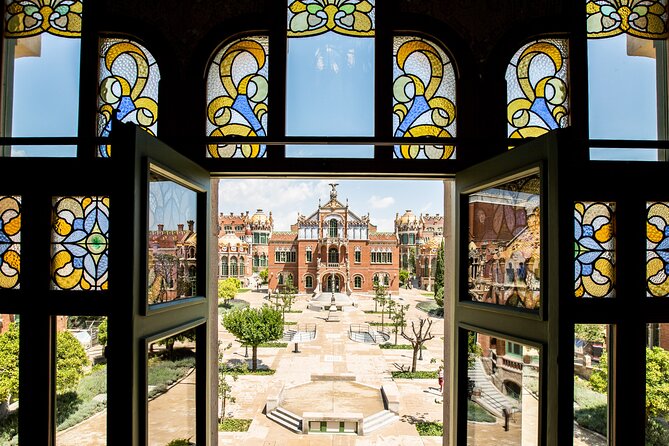
- Sant Pau Recinte Modernista (20% discount)
- L’Aquàrium de Barcelona (20% discount)
- Zoo de Barcelona (20% discount)
- Telefèric de Montjuïc (15% discount)
- Plus other discounts, including flamenco show options
Important practical mindset: discounts can help, but they don’t replace the need for planning timed entries for the biggest high-demand sites. If a Gaudí landmark is a must, treat the card as a money-saver, not the ticket guarantee.
Common snags to avoid with this card
1) Digital-only vouchers can disappoint. Some museums want the physical pass or a paper/printed redemption method at the ticket point. Plan on picking up the card at the info desk rather than relying on a screen.
2) Late arrival can change pickup options. Airport pickup hours may be tighter than you expect. If you’re landing late, have a backup pickup point in mind.
3) Not every transport mode is covered. Stick to metro and city buses (covered) and be cautious with private services. The metro map included with the card is there for a reason.
4) Some places may require timed planning. Even with free entry, certain venues can have set entry slots. When you see a fixed-time requirement, lock it in early.
Should you book the Barcelona Card?
Book the Barcelona Card if you want a simple way to combine unlimited public transport with a real stack of free museum admissions. It’s a smart fit for 3+ days in the city, especially if you like hopping between art, history, and hands-on science without spending the whole day in ticket lines.
Skip it or treat it as a backup plan if your trip is mostly “one or two must-see sights” and everything else is casual walking. In that case, you may get less value because the card is designed for people who will actually use the museum menu and ride transit repeatedly.
If you do buy it, my best advice is boring but effective: choose your 3 to 5 top museums first, then fill the rest with the card’s variety. That’s when the value turns into a smooth, low-stress Barcelona rhythm.
FAQ
How long is the Barcelona Card valid?
You can choose a Barcelona Card valid for 3, 4, or 5 days. It stays valid for the number of days indicated on your card.
Does the Barcelona Card include public transport?
Yes. It includes free unlimited use of Barcelona public transport, including metro and city buses, and it also includes train service between the city center and the airport as described for the card.
Does the card cover trains from both airport terminals?
It includes free train travel from Barcelona Airport Terminal 2 to Barcelona city only. If you’re using Terminal 1, the info provided says to transfer between terminals to take advantage of the Terminal 2 service.
Is admission to the museums free or discounted?
For the participating museums/venues on the included list, you get free admission, and for other sights you may get discounted entry instead of free entry.
Do I need a physical card to enter museums?
The information you have here indicates you should pick up the card at information points, and at least some museum desks may require the pass in a non-digital form. Don’t assume a phone screenshot or barcode will work everywhere.
What languages are supported?
The card experience includes a guide in six languages, including English.
Can I cancel for free?
Yes. The experience allows free cancellation, with a full refund if you cancel at least 24 hours before the experience start time.