REVIEW · BARCELONA
Barcelona Private Walking Tour through the City of Gaudi
Book on Viator →Operated by Private tours Julia Travel · Bookable on Viator
Gaudí and Gothic in one tidy walk.
This private walking tour strings together Barcelona’s most walkable city-center moments, using public transport and a radio guide system so you don’t miss the story while you’re on the move. I like the way the route mixes big-name sites with smaller, meaningful stops, and how guides such as Jugo and Johnathon use details to turn street corners into mini time machines.
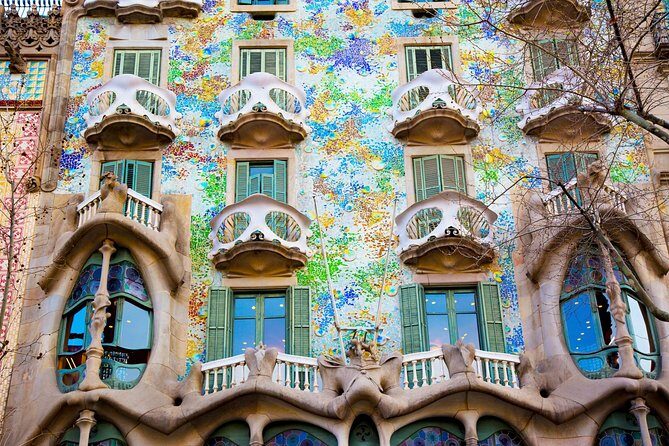
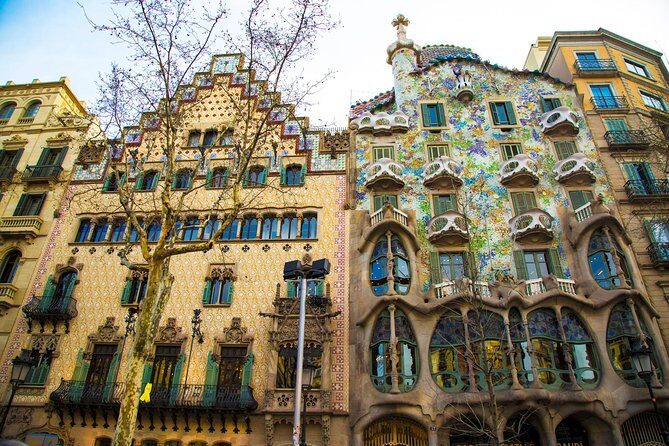
I especially like the contrast: you get outside views of Passeig de Gràcia modernist icons like Gaudí’s Casa Batlló area, then you drop into older lanes around Santa Maria del Pi and Placa Reial. Add in a drink and a tapa included, and the pacing feels less like a checklist and more like a guided stroll with breaks built in.
One thing to keep in mind: a good chunk of the tour is outside viewing, and the big interiors (like Casa Batlló and La Pedrera) are optional. Also, timing matters for hotel pickup and meeting points; the one bad experience in the mix came down to address confusion plus the guide leaving after a late arrival, so plan buffer time.
In This Review
- Key highlights worth prioritizing
- What this private Barcelona walk is really about (and who it’s for)
- Starting near La Rambla and the Mirador de Colom viewpoint
- Palau Güell and the outside-art lesson: Barcelona’s early Gaudí energy
- Placa Reial, Gran Teatre del Liceu, and Boqueria Market: the center’s pulse
- Santa Maria del Pi and Font de Canaletes: Gothic street landmarks that explain the city
- Plaça de Catalunya and the “walk-to-architecture” transition
- Passeig de Gràcia for real: 90 minutes of Gaudí-adjacent street study
- Casa Batlló and La Pedrera: optional interiors and how to decide
- The included drink and tapa: small break, big morale
- Price and value: what $145.38 buys you in Barcelona
- Practical tips to make this tour feel effortless
- What to expect from your guide (based on real outcomes)
- Should you book this Barcelona Private Walking Tour?
Key highlights worth prioritizing
- Private guide with a radio system so you hear the commentary even in busy streets
- Gaudí plus Gothic, from Palau Güell to Santa Maria del Pi, all in one central loop
- Passeig de Gràcia time (about 90 minutes) to actually look at the architecture, not just pass it
- Boqueria Market + Placa Reial for real Barcelona atmosphere, not staged viewpoints
- Drink and tapa included, which helps reset the day without hunting for a place
What this private Barcelona walk is really about (and who it’s for)
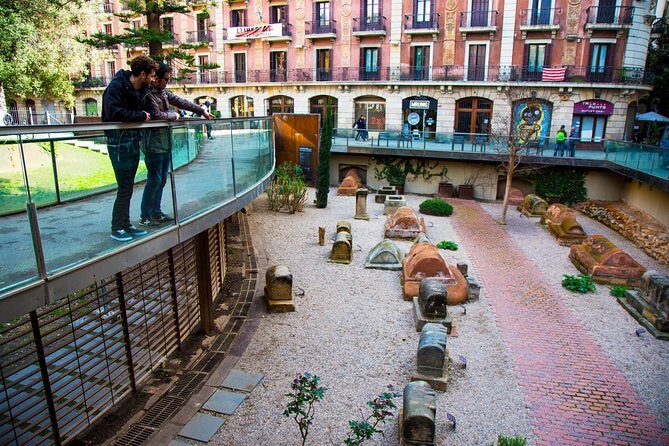
This is a 3-hour private tour designed to help you get your bearings fast in Barcelona. You’re not stuck on one neighborhood. Instead, you move across the center in a way that makes sense for first-timers: start near La Rambla, drift into the Gothic heart, then spend real time along the modernist showpiece of Passeig de Gràcia.
Because it’s private, your guide can set the tempo. You’ll still walk, but you’re not trapped behind a group that barrels forward. The radio guide system is a small feature with a big payoff in a city where streets get loud and narrow.
I also like the “eco-friendly” angle here. You’ll use public transport rather than relying on a car for every hop, which usually means fewer traffic headaches and an easier rhythm for a walking tour. You might find that makes the whole experience feel smoother, not stop-and-start.
This tour is a great fit if you:
- have limited time and want an organized overview of central Barcelona
- care about architecture and how buildings connect to the city’s history
- prefer a guide who explains what you’re seeing, not just points
It’s less ideal if you want mostly indoor museum-style visits with long time inside each building. Many highlights are viewed from the street, and the optional entries depend on what you choose to pay for.
You can also read our reviews of more walking tours in Barcelona



Starting near La Rambla and the Mirador de Colom viewpoint
Most tours begin with a bit of “where am I?” energy. This one starts with momentum. You start at La Rambla, then head toward the Mirador de Colom area for the Columbus monument. It’s quick, around five minutes, but it helps frame Barcelona right away: the old port-era idea of the city meeting the wider world.
What I like about starting here is that it gives you a visual anchor before you go wandering into tighter medieval streets. You get a skyline-and-street feel, then you transition from grand public space into the older fabric of Barcelona.
Quick tip: if you’re photographing, this early stop is a good chance to capture the broad city context before you lose the wide angles later.
Palau Güell and the outside-art lesson: Barcelona’s early Gaudí energy
Next up is Palau Güell, Gaudí’s famous building. You’ll enjoy a detailed explanation from outside, around five minutes. That outside time matters. Gaudí’s work is often easier to “read” when someone points out the design logic and symbolism rather than when you rush past.
From what guides have done for groups on this route, you can expect them to slow down on the little stuff: the way the building sits in its site, how decorative choices connect to function, and why certain lines feel deliberate rather than random.
Potential drawback: if you were hoping for an interior visit here, you won’t get that on this walk. The value is the guidance you get for looking from street level, plus the context it brings for later stops.
Placa Reial, Gran Teatre del Liceu, and Boqueria Market: the center’s pulse
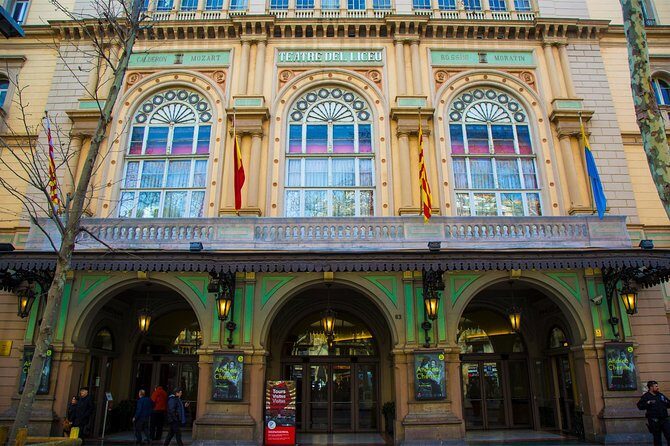
After Palau Güell, the tour moves through the Old Town with a few classic “feel-it-in-your-skin” stops.
- Placa Reial (free admission) is a great example of Barcelona’s theatrical public spaces—small-scale drama in an outdoor setting. You’ll pass through for about ten minutes, which is enough time to notice the setting without turning it into a long detour.
- Then you’ll see the Gran Teatre del Liceu from outside. Again, it’s brief—around five minutes. But it helps you place Barcelona’s cultural life, especially if you’re curious about why the city invests so much in arts and public identity.
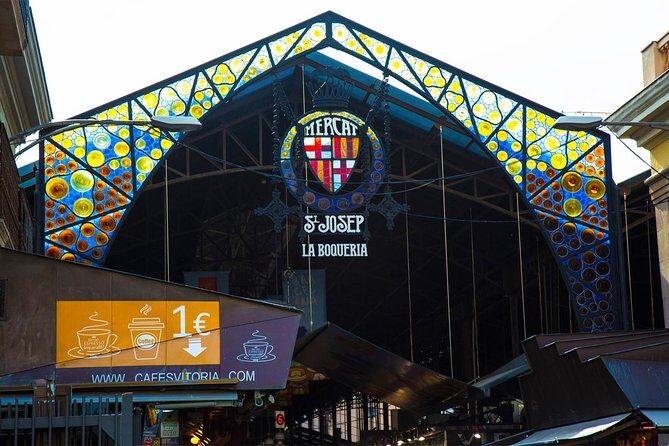
- Finally comes Mercat de la Boqueria (free admission), about ten minutes. This is the one stop where the city’s everyday life is hard to fake. The market is loud, colorful, and visually intense.
For Boqueria, manage your expectations. You’re not doing a long shopping spree. You’re using a short visit to connect food culture with the city’s walkability. If you want to eat, the included drink and tapa help you do that without blowing extra time.
Small practical tip: if you’re sensitive to crowds and noise, aim to keep your camera ready but don’t try to stop in the densest choke points.
Santa Maria del Pi and Font de Canaletes: Gothic street landmarks that explain the city
Next, you hit Basilica de Santa Maria del Pi for an outside look with a detailed explanation (about five minutes, and it’s marked free to access). This is one of those Gothic landmarks that feels more approachable when someone helps you “see” what to notice—facade details, layout clues, and why this part of town matters.
Then you move to the Font de Canaletes fountain (about five minutes, free). This is the kind of spot that’s famous locally, and the tour adds context so it doesn’t feel like a photo-op only. The fountain is linked to FC Barcelona celebrations, which gives the landmark a living, modern Barcelona meaning.
Why I think these stops work on a private walk: they’re quick, but they help you understand how modern Barcelona layers on top of older streets. When you later look at the wide avenues and Gaudí designs, you’ll realize you’re not just shifting scenery—you’re shifting time periods.
You can also read our reviews of more city tours in Barcelona


Plaça de Catalunya and the “walk-to-architecture” transition
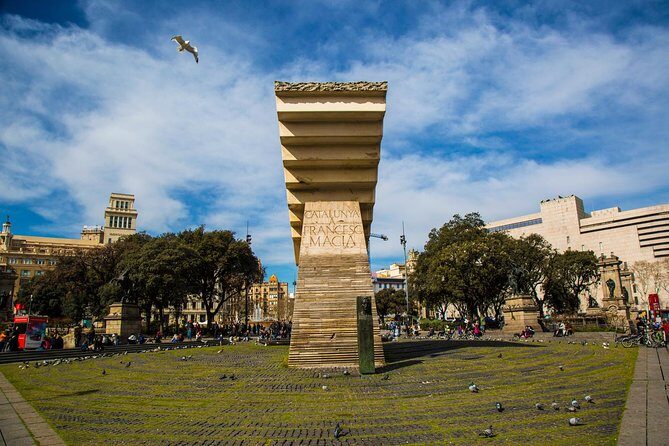
You’ll cross Plaza de Catalunya (free, about ten minutes). This square is more than a meeting point. It’s where the city’s energy funnels into multiple directions, and it helps you understand how Barcelona organizes movement.
I like this stop because it signals the shift in the tour’s tone. After Gothic and market stops, you’re transitioning toward Passeig de Gràcia, which is where the architecture nerd in you gets to stretch their legs.
If you’re tired, this is also a decent place for a short mental pause. Even though it’s not a rest stop in the “sit for an hour” sense, it lets your feet reset before the modernist section.
Passeig de Gràcia for real: 90 minutes of Gaudí-adjacent street study
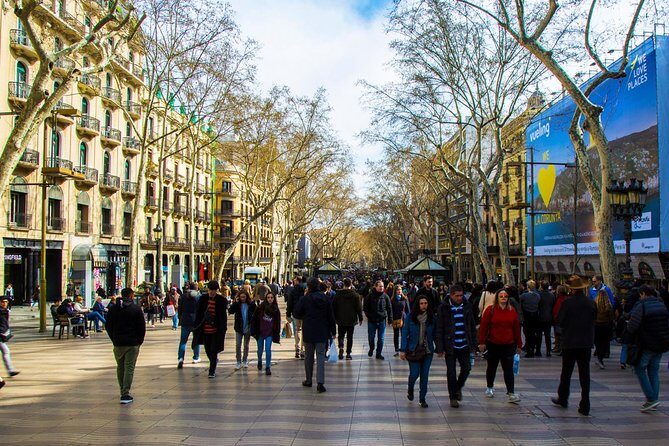
Now the tour opens up. You’ll spend about 1 hour 30 minutes on Passeig de Gràcia, visiting the boulevard’s finest modern buildings and getting context for what you’re seeing.
This is where the tour’s title makes sense. Passeig de Gràcia is the place to watch Barcelona’s modernist ambitions in full view. The guided explanation helps you notice design features that you would likely miss on your own—like how facades communicate identity, how buildings “talk” to the street, and how Gaudí’s approach differs from neighboring architects.
On this part of the walk, you’ll also see other sights tied to the modernist area:
- Club Coliseum from outside (around five minutes, free), which adds a theater-and-nightlife layer to the daytime architecture tour
- La Mansana de la Discordia (around ten minutes): a set of famous buildings where you can see modernism in close proximity, explained from outside
- Casa Amatller (around ten minutes): you’ll see outside and you’ll also have time inside the first floor and courtyard, which is a rare “breathe and look” change from the street-only rhythm
- Casa Batlló from outside with explanation (around ten minutes), with optional ticketing if you want to go in on your own
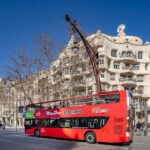
- Casa Milà, La Pedrera as the tour’s ending point (about ten minutes, outside explanation), with optional ticketing to visit interior spaces independently
Here’s the practical value: if you’re trying to decide which Gaudí interiors are worth your money and time, this long architectural stretch gives you the context to make a smart choice afterward. You’re not guessing blindly.
Casa Batlló and La Pedrera: optional interiors and how to decide
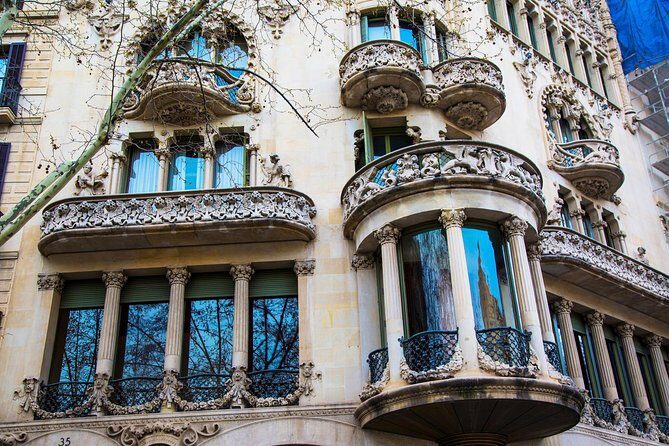
The tour plan treats Casa Batlló and Casa Milà (La Pedrera) as optional ticket experiences. That’s smart because these are the kinds of stops where lines and timed entry can make or break your day.
I’d decide like this:
- If you want the best interior payoff and don’t mind planning your timing, consider adding one (or both) on your own. The tour sets you up with the visual understanding first.
- If you’d rather keep it simple and stay on the walking rhythm, you can skip the optional visits and still get meaningful value from the guided outside explanations.
From the way guides handle this modernist segment, you’ll likely end the tour with a clearer sense of what each building is trying to do. That makes your later self-guided visit feel intentional, not like wandering.
One caution: because the tour ends at La Pedrera, your optional stop there is easiest if you’re ready to keep going. If you need a hard stop after 3 hours, plan your day so you’re not rushing across town.
The included drink and tapa: small break, big morale
You get a drink and a tapa as part of the experience. This matters more than you might think. After 2-ish hours of architectural walking, you want a reset that doesn’t feel like you’re stalling the day.
In one account linked to this tour’s style of guiding, there was even a pause mid-tour for hot chocolate and a relaxed chat. That tells me the best guides treat the tour as a human experience, not a stopwatch.
If you’re watching your budget, the included food-and-drink piece helps smooth out the cost. And if you’re the kind of person who gets hangry in crowds, you’ll appreciate having one planned moment where you can recharge.
Price and value: what $145.38 buys you in Barcelona
At $145.38 per person for about three hours, this isn’t a bargain-basement “walk and go” deal. You’re paying for two things that matter in Barcelona:
- Private attention
You’re not waiting for others or getting dragged along. Your guide can answer your questions and adjust pace, which is especially useful on architecture stops where details matter.
- Guided viewing + logistics help
You get hotel/apartment pickup offered within Barcelona city area, public transport tickets, and a radio system. That’s not just convenience. It reduces friction so you can spend your time looking, learning, and taking photos.
Is it worth it? Usually yes if:
- you value a structured overview and want to avoid piecing together routes
- you want help deciding what to visit later, especially among Gaudí’s buildings
- you’re traveling as a small group where a private guide can outperform the cost-per-person of multiple entrances or separate tours
If you’re traveling solo and you’re the type who loves free-form wandering with zero guidance, you might prefer to build your own route. But if you want your first day (or first half-day) to feel guided and efficient, this price starts to make sense.
Also, this tour gets booked early—on average about 61 days in advance—which is a good sign for availability if your dates are fixed.
Practical tips to make this tour feel effortless
Here’s how to get the best experience out of it.
- Arrive early to pickup points
The one truly bad situation tied to this tour was address confusion and a late arrival that led to the guide leaving. You can’t control traffic, but you can control buffer time.
- Wear comfortable shoes
Even though the tour is only three hours, you’re bouncing between city-center streets and squares.
- Ask for what to prioritize in Gaudí interiors
Since Casa Batlló and La Pedrera are optional, tell your guide what you care about most (exteriors only vs interiors, photography vs design details). Guides like Jorge and Jordi-style guidance tend to make this choice easier.
- Use the radio system actively
If you keep your head slightly oriented toward your guide on noisier stretches, you’ll catch more and enjoy the explanations more.
- Bring a flexible mindset for outside viewing
You’ll see plenty from the street. That’s not a flaw; it’s a different way of learning. If you treat the outside parts as design orientation, the optional interiors later feel like a reward.
What to expect from your guide (based on real outcomes)
Guides seem to strongly influence the tour quality here, and the strongest notes in the mix are about engagement.
You may get a guide like:
- Jugo, praised for being extremely good at explaining the history of Spain and Barcelona
- Gabi Contreras Araneda, noted for being accommodating and very good at explaining architecture and making it fun
- Julia, praised for connecting legends through Roman, Medieval, Christian, and Jewish eras so each street step feels connected
- Jorge, singled out for architecture focus and detailed pointers you might miss alone
- Marc, described as punctual, patient, and willing to stop for photos, with help hailing a taxi afterward
The common thread: the guides don’t just recite. They help you look. You’ll likely walk away with more than names—you’ll have a sense of why the city looks the way it does.
Should you book this Barcelona Private Walking Tour?
Book it if you want a high-efficiency, private, city-center introduction that blends Gaudí modernism with Gothic streets, plus the included drink and tapa to keep energy up.
Skip it (or change your expectations) if your main goal is long interior visits to every major building, because several of the big-ticket interiors are optional and you’ll spend a lot of time looking from the outside.
If you do book: plan a little buffer for pickup timing, wear shoes you can walk in comfortably, and ask your guide—early—which Gaudí interior you should prioritize if you add a ticket.
In Barcelona, your first walk sets the tone. This one does that job well.