REVIEW · BARCELONA
Barcelona: Catalan Cuisine cooking course 100% vegan
Book on GetYourGuide →Operated by In Bloom Cooking School · Bookable on GetYourGuide
Crisp bread, big flavors, and serious technique. This 4-hour cooking class turns traditional Catalan favorites into a fully plant-based menu, then gets you eating what you made right there. It’s based at In Bloom Cooking School behind Plaza España, so you can combine it with a day of sightseeing without losing your whole evening.
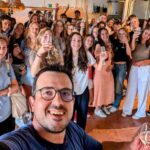
I really like the focus on hands-on cooking and the way the meal stays social. You get to make several dishes in a small setting (the course runs with groups starting from 4 people, and the experience is designed for everyone to cook and taste), not a big cattle-call class. The only real drawback to plan around is that the exact number of recipes depends on how many people are in your group, so you may see slightly different portions of the menu from one session to another.
In This Review
- Key highlights you’ll feel right away
- A small-group vegan take on classic Catalan comfort
- Where In Bloom Cooking School is, and how to arrive
- The 4-hour flow: presentation, cooking, and a shared tasting
- What you cook first: sobrasada pastries and ocean fritters
- Main dishes that feel Catalan: cannelloni, fricandó, suquet de mar, butifarra
- Seasonal cannelloni with béchamel
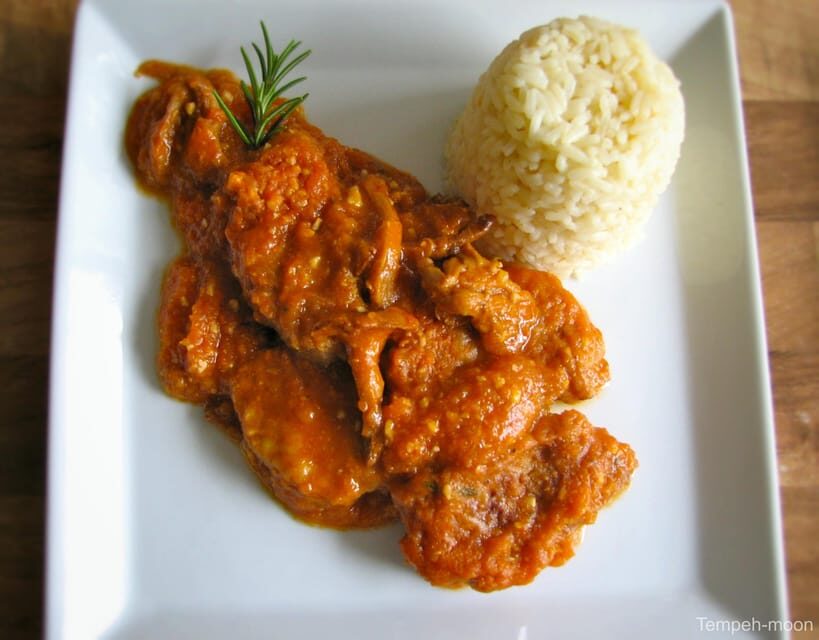
- Fricandó: mountain seitan stew with mushrooms
- Suquet de mar: Catalan ocean stew with daikon
- Butifarra: white beans vegan sausage
- Dessert: menjar blanc almond cream
- Price and value: about $93 for a 4-hour hands-on meal
- Language and group size: what “small” really means
- Kitchen rules you should know before you arrive
- One practical tip: bring a container for leftovers
- Who should book this Catalan vegan cooking course?
- Should you book this tour or class?
- FAQ
- How long is the Barcelona Catalan cuisine vegan cooking course?
- Where is the meeting point?
- How many people are in the group?
- What’s included in the price?
- Are more drinks available?
- Do I get the recipes after the class?
- What should I bring?
Key highlights you’ll feel right away
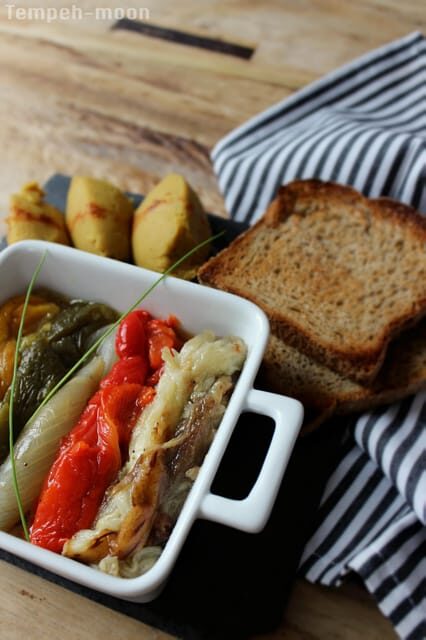
- Traditional Catalan dishes, veganized with intent, not just swapped ingredients
- Small-group cooking where everyone makes and tastes the recipes
- A real menu, including fricandó, suquet de mar, cannelloni, and butifarra
- Hands-on rhythm: a short presentation, cooking time, then a shared meal
- Recipes emailed as PDF the Monday after your class
A small-group vegan take on classic Catalan comfort
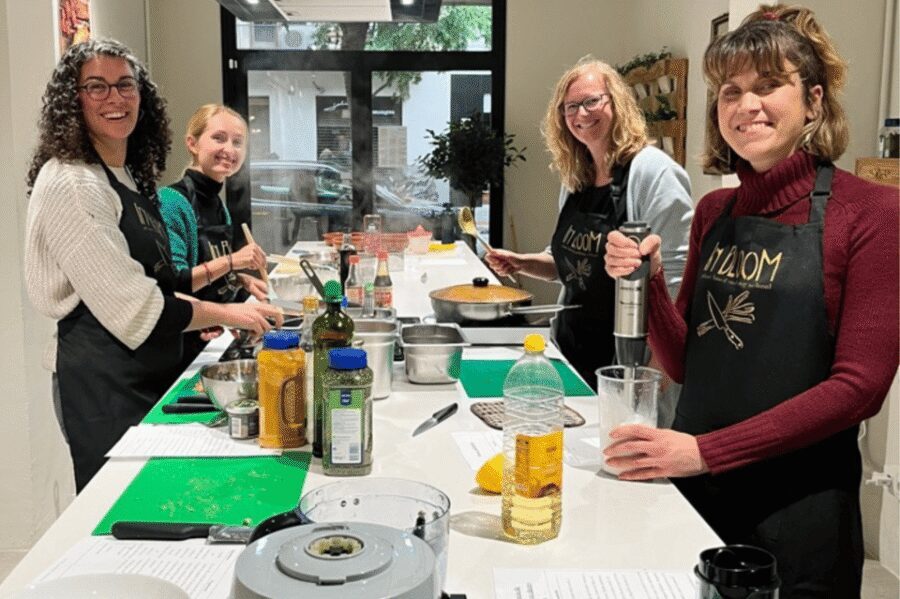
If you like your food with roots, this class is the kind that makes sense. Catalonia has a clear flavor identity—mushrooms, smoky paprika, bean-based comfort food, and seafood-style stews—and this course keeps those signals while going 100% plant based.
The big idea is that you don’t just learn a generic vegan dinner. You learn how Catalan dishes are built: how sauces cling, how stews deepen, and how fried or stuffed items get their texture. I also like that the experience is explicitly structured around cooking plus tasting, so you leave with both the method and the proof.
And yes, the menu sounds fun on paper. But it works because you cook the same dishes you’ll sit down to eat.
You can also read our reviews of more tours and experiences in Barcelona
Where In Bloom Cooking School is, and how to arrive
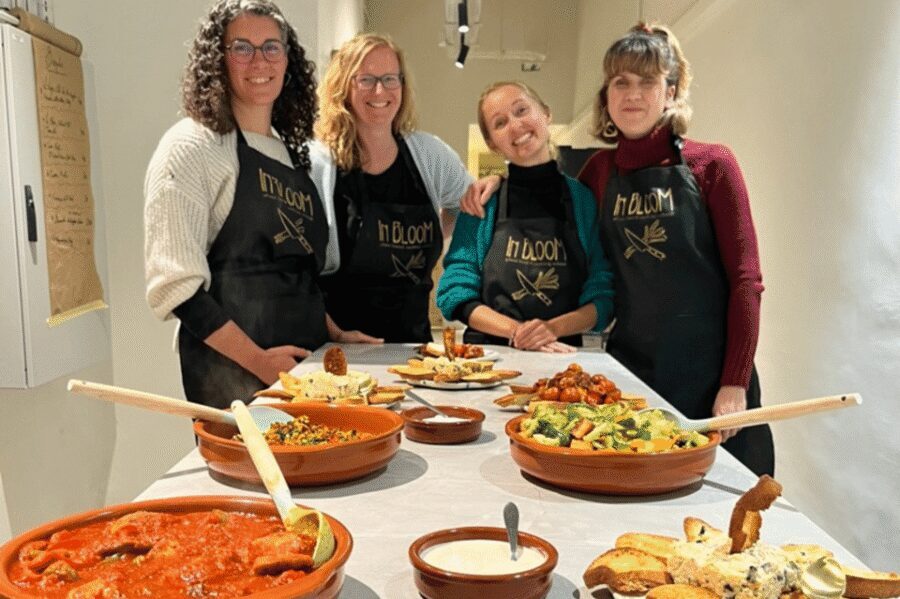
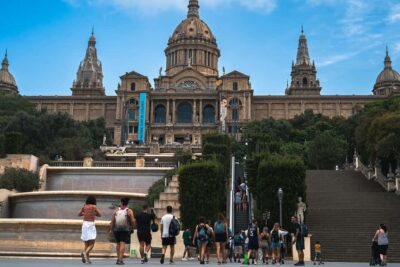
You’ll meet at In Bloom Cooking School in the area behind Plaza España, behind the Arenas mall. That’s a practical spot in Barcelona: it’s walkable from the Plaza España hub, and it’s close enough to keep the day smooth before or after.
Plan for an easy arrival buffer. You’re there for a 4-hour block, including a short start presentation, so it’s worth showing up a little early, especially if you want time to get your bearings. The course is also wheelchair accessible, so you can expect the space to be set up for at least basic mobility needs.
The 4-hour flow: presentation, cooking, and a shared tasting
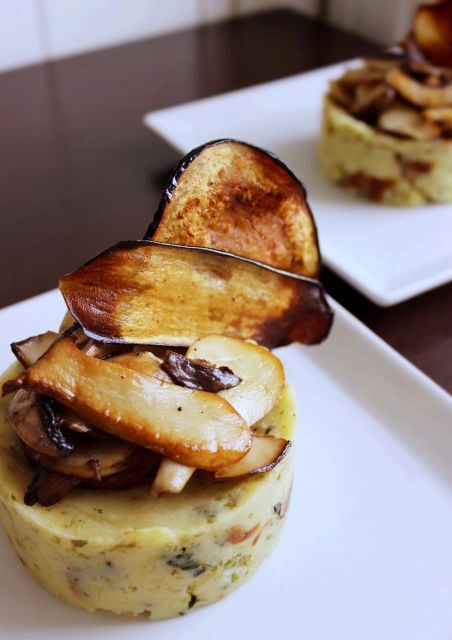
This isn’t a quick demo. The format is built in three phases:
First, there’s a 20 to 30 minute presentation and event description. This is where you get oriented to what you’ll cook, the overall rhythm, and what to focus on during cooking.
Then comes the cooking window: about 1.5 to 2 hours. This is the main workout. You’ll work through multiple recipes, and the staff keeps things moving so everyone’s dishes come out tasty.
Finally, you get the tasting and enjoyment phase—another 1.5 to 2 hours. This is where the class becomes a meal with conversation, not just a training session.
One practical thing: the total number of recipes you end up cooking depends on group size. The course is designed so participants cook and taste, but a smaller or larger group can shift how many dishes you all get to make.
What you cook first: sobrasada pastries and ocean fritters
The starters give you a fast path into Catalan flavor.
You’ll make vegan Sobrasada pastries. In Catalonia, sobrasada is traditionally tied to cured, smoked paprika paste, so the concept matters. Here, the class recreates that signature smoky, paprika-forward profile in a plant-based format—then wraps it in pastry so it feels snacky and satisfying.
Next up: ocean fritters with all i oli. Catalan all i oli (garlic and olive oil style) is usually about bold garlic and a creamy texture. In this vegan course, the challenge is making that “rich but not heavy” feel without dairy. You’ll get hands-on with frying and pairing it with the sauce, which is where you learn how texture changes when you fry.
These starters also do something smart for you as a home cook later: they teach flavor structure before you jump into bigger dishes.
Main dishes that feel Catalan: cannelloni, fricandó, suquet de mar, butifarra
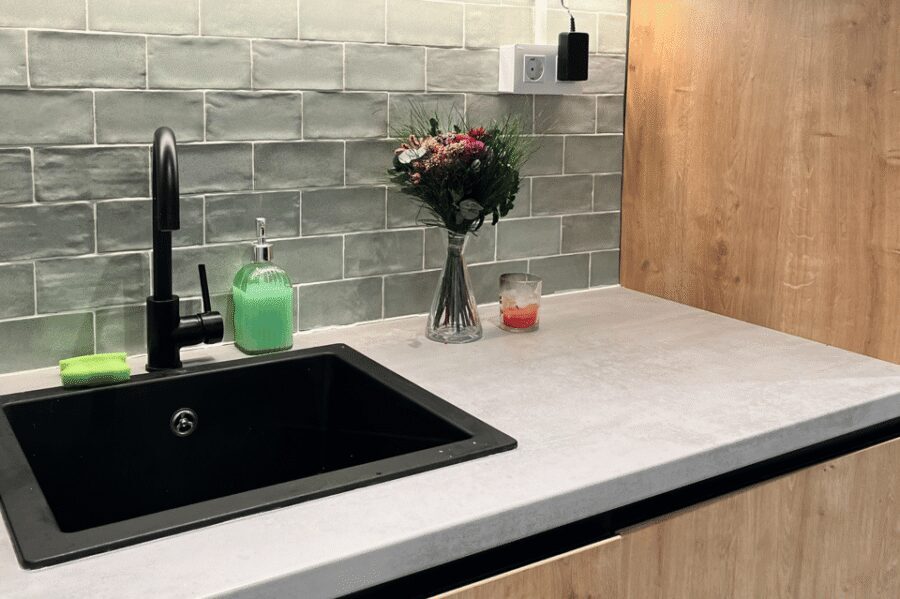
The mains are where the class earns its name. You’re not just cooking one “main.” You’re walking through multiple Catalan comfort categories—stuffed pasta, mushroom-and-gravy stews, seafood-style chowders, and sausage-like bean dishes.
You can also read our reviews of more cooking classes in Barcelona
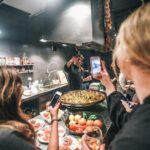
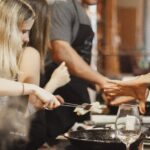
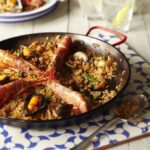
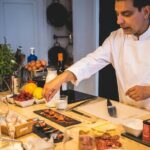
Seasonal cannelloni with béchamel
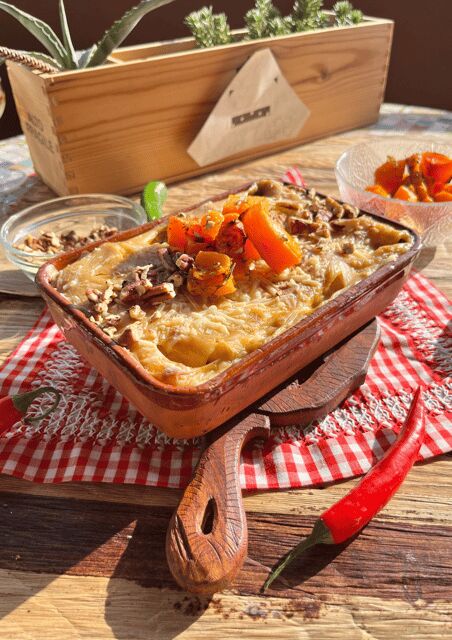
Cannelloni is a crowd-pleaser for a reason: it’s made to be cozy. Here you’ll make seasonal cannelloni with béchamel, which means you’ll work on a sauce base and the “hold together” texture that makes baked pasta feel cohesive rather than dry.
Fricandó: mountain seitan stew with mushrooms
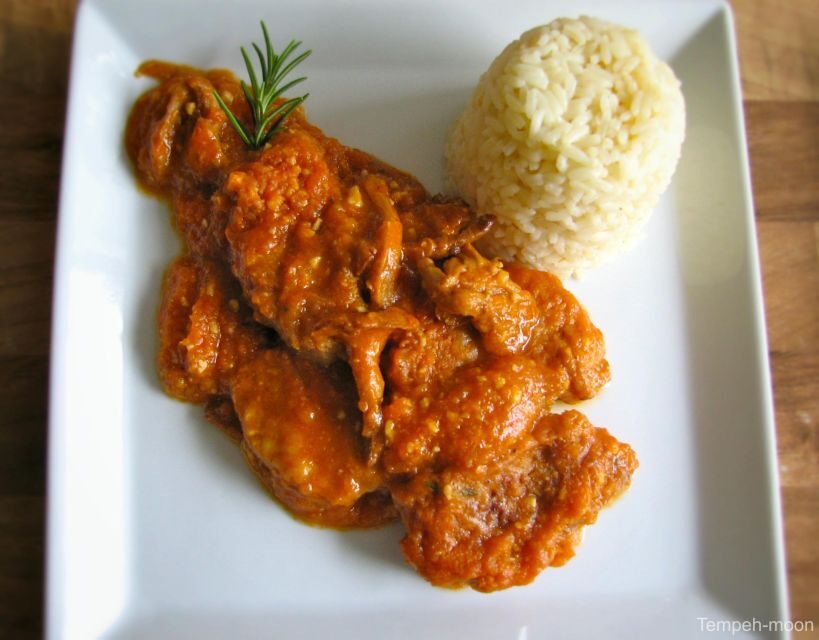
Fricandó is one of those classic Catalan dishes that people talk about as comfort food with backbone. In this version, it’s a mountain seitan stew with mushrooms. The cooking lesson is the same one you’d want at home: building a gravy-like base that coats ingredients and tastes deeper the longer it simmers.
If you’re new to Catalan cooking, this is a great entry point because it teaches you a core technique: how stews get their thickness and flavor from the right combination of elements, not from dairy.
Suquet de mar: Catalan ocean stew with daikon
This is the “wait, how does that work” dish. Suquet de mar is a Catalan ocean stew, and here it’s made vegan using daikon. Daikon can mimic some of the satisfying mouthfeel you’d expect from seafood-style ingredients, and the class helps you understand how to treat it so it holds up in stew.
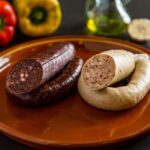
Butifarra: white beans vegan sausage
Butifarra is often thought of as a sausage, and the course uses white beans to create a vegan “sausage” vibe. The payoff is that you taste the Catalan expectation—savory, hearty, and sliceable—while learning a bean-based method that’s useful beyond this class.
A nice feature here is variety. You get to cook a baked dish (cannelloni), two stew-style dishes (fricandó and suquet de mar), and a sausage-style element (butifarra). That mix helps you translate the skills into your future cooking.
Dessert: menjar blanc almond cream
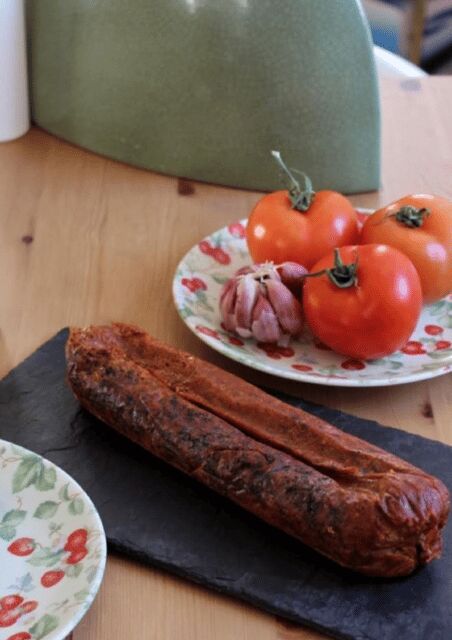
Finish with something sweet and traditional: menjar blanc. This course’s version is almond cream, and it’s the kind of dessert that feels smooth rather than sugary-chaotic.
What I like about ending on almond cream is that it balances the savory menu without turning the experience into a sugar sprint. It also reinforces the course’s theme: keep the classic identity, change the ingredients to stay 100% plant based.
Price and value: about $93 for a 4-hour hands-on meal
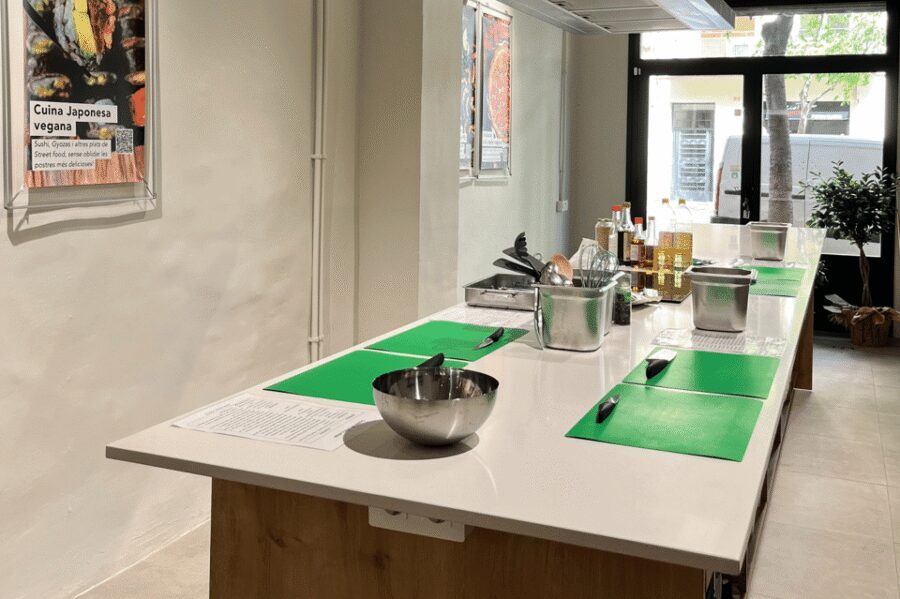
At $93 per person for a 4-hour experience, you’re paying for more than recipes. You’re paying for structure, instruction, ingredients, and the fact that you eat what you make.
Here’s what you actually get for the money:
- A complete 4-hour class (short presentation, cooking, then tasting)
- A welcome drink included (one per person)
- The recipes sent to you as a PDF by email the following Monday
- 100% plant-based products used for every part of the menu
So the value math is simple: this isn’t a “watch and snack” situation. It’s interactive cooking plus a meal. If you’ve ever taken cooking classes that mostly feel like entertainment, this one is built to be practical.
You can also buy more drinks at the location and pay at the end, which keeps the initial cost focused while still letting you add a little to your evening.
Language and group size: what “small” really means
The course is run with instructors who speak Catalan, Spanish, English, and German, so you won’t feel stuck in one language. And because the activity is designed for small groups starting at 4 people, it’s easier to get help when you need it.
One detail I appreciated from the experience is that everyone’s dishes get made and tasted. That’s the real benefit of smaller class sizing: you don’t spend the whole time waiting for someone else’s turn.
In at least one recent session, the cook leading the class was Laura, and she’s described as keeping the ingredients, equipment, and pace under control so everyone’s food turns out well.
Kitchen rules you should know before you arrive
Cooking classes often have their own “house rules,” and this one is clear about what’s allowed. You should expect standard kitchen safety and comfort guidelines.
For example:
- No smoking indoors
- No food and drinks outside what’s part of the class setup
- No alcohol or drugs (and the included welcome drink is handled by the course)
- No weapons or sharp objects
- No unaccompanied minors
- No fireworks or explosive substances
- No nudity
This is less about policing and more about making sure the kitchen stays safe and focused—especially since you’ll be working with hot tools and cooking processes.
One practical tip: bring a container for leftovers
This is the best kind of travel advice. If you like having tomorrow’s lunch ready, bring a Tupperware so you can take leftovers home. The course is a tasting plus meal, so it’s very possible you’ll have extra food, and you’ll be glad you planned for it.
Who should book this Catalan vegan cooking course?
Book it if you want:
- Traditional Catalan flavors, taught in a way that works on a vegan diet
- Hands-on cooking you can repeat at home (not just a food tour)
- A meal that ends the experience, not a drop-off where you figure it out alone
- A smaller group setting where conversation and shared tasting make sense
You may also like it if you’re traveling as a couple. The course format is friendly for pairs because you’re cooking together and then eating together without the class turning into a loud, chaotic group.
And if you’re traveling solo, it still works well. The course is structured so everyone participates, not just watches.
Should you book this tour or class?
Yes, if you’re the type who learns best by doing. For $93, you get a 4-hour experience built around cooking multiple Catalan dishes, then eating them in a shared tasting. The plant-based angle isn’t an afterthought—it’s the whole point, including the ingredients behind sobrasada-style pastries, ocean-style fritters and stew, and the stew and sausage-like mains.
I’d skip it only if you’re looking for a short, low-effort activity or you hate the idea that the number of recipes can shift based on group size. Otherwise, this is one of the most practical ways to experience Catalan food while staying vegan—because you take the method home, not just the memory.
FAQ
How long is the Barcelona Catalan cuisine vegan cooking course?
It lasts 4 hours, with a 20 to 30 minute presentation, 1.5 to 2 hours of cooking, and 1.5 to 2 hours for tasting.
Where is the meeting point?
You’ll meet at In Bloom Cooking School, behind Plaza España, behind the Arenas mall.
How many people are in the group?
The courses take place with a group size starting from 4 people. The exact number can vary, and the number of recipes depends on how many participants are in your session.
What’s included in the price?
The experience includes a complete 4-hour cooking and tasting event with 100% plant-based products, plus one welcome drink per person.
Are more drinks available?
Yes. You can purchase a variety of drinks at the location, and you pay for them at the end of the event.
Do I get the recipes after the class?
Yes. You receive the recipes by email as a PDF the following Monday.
What should I bring?
Bring a Tupperware if you want to take leftover food home.