REVIEW · BARCELONA
Barcelona Gothic Quarter Tapas & Taverns Food & Wine Tour
Book on Viator →Operated by Devour Barcelona Food Tours · Bookable on Viator
Medieval streets plus tapas and wine is a hard combo to beat. This 3.5-hour walk around Barcelona’s Gothic Quarter pairs three tasting stops with story-rich wandering—so you’re not just eating, you’re understanding the city as you go.
I like that you’ll leave with enough food for a full lunch or dinner, not a token sample. I also like the small group size (max 11), which keeps the pace friendly and the conversations real. One consideration: this tour is built around alcohol, so if you don’t drink, you may still be able to request non-alcoholic options, but it’s not really designed as a sober food tour.
In This Review
- Quick hits before you go
- Entering The Gothic Quarter: Getting Oriented Fast
- Placeta del Pi: Aperitif, Cured Meats, Cheeses, and a Potato Classic
- A 50-Minute Stroll Through Roman Ruins and Modern Barcelona Clues
- Bar La Plata (Since 1945): Simple Tapas, Strong Traditions
- The Early-1900s Sit-Down Stop: Croquettes, Cannelloni, and Dessert
- Drinks and Pairings: Catalan Wine, Cava, Vermouth, and Non-Alcoholic Options
- Walking Time, Uneven Stones, and the Pace That Keeps It Fun
- Food Variety, Seasonal Changes, and Dietary Reality Checks
- Price and Value: Why $131.81 Can Make Sense
- What It’s Like With Real Guides: Felicuano, Jordi, Alex, and More
- Who Should Book This Gothic Quarter Tapas and Taverns Tour
- Should You Book It? My Practical Take
- FAQ
- How long is the Barcelona Gothic Quarter Tapas & Taverns tour?
- How many tastings and drinks are included?
- Is the tour in English?
- Is this tour suitable for children?
- Can the tour accommodate dietary restrictions?
- How many people are in the group?
Quick hits before you go
- Iconic first stop at Placeta del Pi for an aperitif, cured meats and cheeses, plus a classic potato dish
- Roman, French influence, Columbus, and 1992 Olympics show up in the walk-through storytelling
- Bar La Plata (since 1945) brings a long-running tapas tradition to the route
- Sit-down Catalan meal at a local spot dating to the early 1900s, with dessert to finish
- Small group (11 max) helps you actually hear your guide without feeling herded
- Not a vegan-friendly setup, and some dietary needs may not have a replacement at every stop
Entering The Gothic Quarter: Getting Oriented Fast
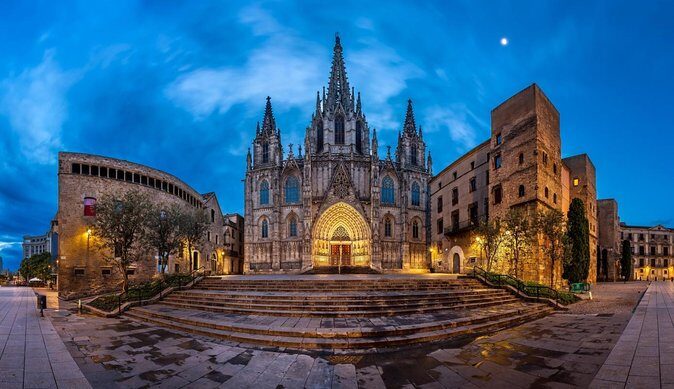
You start in Ciutat Vella (Old Town) near Palau de la Balmesiana, then finish at Plaça de Sant Jaume—a great way to end near the city’s central squares. The meeting point is on a pedestrian-focused area, so don’t plan on driving right to the door. If you’re using transit, give yourself a few extra minutes to walk in.
The whole experience is a walking tour at a moderate pace, and you’ll be on uneven stone at times (welcome to historic Barcelona). If you want your feet to feel good for the rest of the day, wear grippy shoes. I’m also glad this isn’t a huge group—Barcelona’s alleyways are narrow, and a big crowd makes everything feel tighter.
In practice, the route is designed to keep you moving but not rushed. You’ll get enough time at each stop to actually taste, drink, and talk, rather than sprinting from plate to plate.
You can also read our reviews of more food & drink experiences in Barcelona



Placeta del Pi: Aperitif, Cured Meats, Cheeses, and a Potato Classic
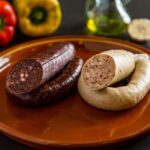
Stop one is Placeta del Pi, one of those Gothic Quarter tapas anchors that locals have kept going for decades. You’ll start with an aperitif plus a hand-picked spread of cured meats and cheeses. The idea is to taste the salty, smoky, aged flavors that set you up for Spanish wine culture.
You’ll also try a classic Spanish potato dish—a strong intro if you’re new to Barcelona’s tapas logic. Potatoes are everywhere in Spain for a reason: they’re comforting, filling, and easy to pair with both sparkling styles and fortified options. It’s the kind of first bite that makes you stop worrying whether you ordered the right things.
A small practical note: early in the tour, you’ll be in food mode. If you’re the type who likes to slow down and read menus, do it after the guided intro—during the tasting, just follow along and pay attention to the pairing your guide suggests. That’s where the “why this works” part clicks.
A 50-Minute Stroll Through Roman Ruins and Modern Barcelona Clues
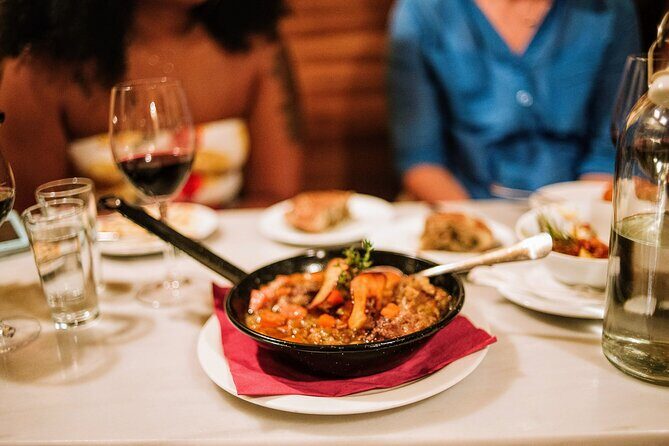
Between stops, you’ll walk through the heart of the Gothic Quarter for about 50 minutes. This is not just sightseeing. It’s a guided thread through layers of Barcelona you usually only notice if you know where to look.
On the route, you’ll see ancient Roman ruins, plus signs of French influence. The guide also ties in bigger stories—the legacy of Christopher Columbus and what the city became during the 1992 Olympics. That mix matters. Barcelona’s architecture looks like one continuous medieval postcard, but the city’s identity is way more complicated than one era.
This is also your chance to ask questions while you’re walking. I like that the tour builds context before throwing more food at you. By the time you hit the next bar, you’re not just tasting tapas—you’re connecting them to place and time.
If you hate slow walking for history reasons, don’t worry: the pace stays tour-friendly. You’ll be moving most of the time, and the “stories per corner” format keeps it from turning into a museum lecture.
Bar La Plata (Since 1945): Simple Tapas, Strong Traditions
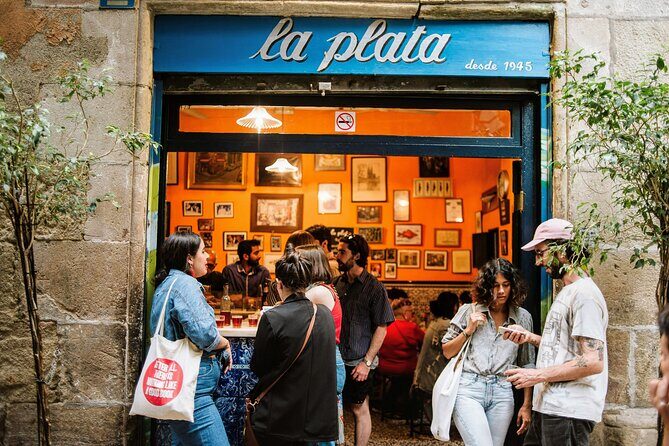
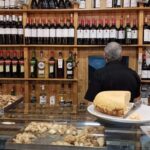
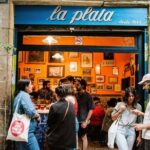
Stop three is Bar La Plata, a long-running spot that opened in 1945 with a menu that started with four tapas dishes. That kind of staying power tells you something: the basics here matter. The tapas style you’ll taste tends to be straightforward—quality ingredients, uncomplicated combinations, and flavors you can recognize even if your Spanish is limited.
This portion is shorter—about 20 minutes—so it’s a focused stop. You’re likely to get a mix of bites that keep the tour from repeating itself. You might see things like fried items or savory hot tapas rather than another round of cheese-and-meat.
One thing to know before you go: tapas culture isn’t always seafood-heavy. If you’re hoping for a menu packed with fish and shellfish, the tour can sometimes feel more meat-and-cheese balanced than you expect. Your best approach is to go with an open mind. Tapas aren’t a single “type of food.” They’re a system—small bites designed for variety, not one ingredient theme.
Also, venues in this area can be compact. Plan for close seating, and dress for warm indoor spaces.
The Early-1900s Sit-Down Stop: Croquettes, Cannelloni, and Dessert
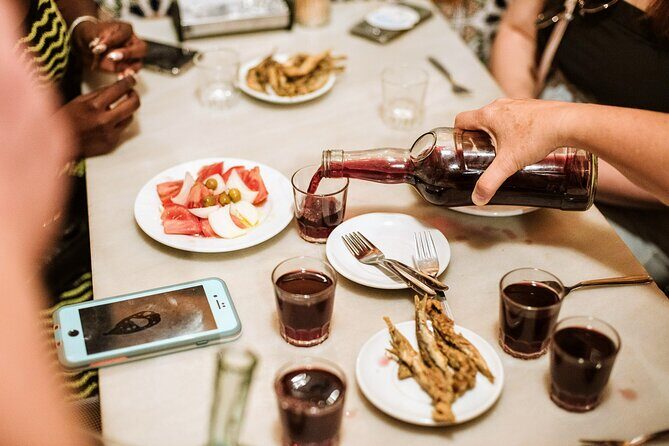
The final stop is the reward: a sit-down meal at a local place dating back to the early 20th century, and it lasts about 1 hour. This is where the tour shifts from sampling to eating full-on Catalan favorites.
You’ll get a classic selection that can include croquettes and cannelloni, plus local wine and a traditional dessert to close things out. This structure is smart for two reasons. First, you don’t waste time hunting for a proper meal at the end of a long walk. Second, the dessert finish keeps the experience feeling complete rather than “just more bites.”
If you tend to pace yourself while you’re drinking, this last stop is where you can relax. The meal is meant to be satisfying. The tour runs on the idea that by the end, you feel like you’ve had a real lunch or dinner—not just tasted your way through Barcelona.
You can also read our reviews of more tours and experiences in Barcelona

Drinks and Pairings: Catalan Wine, Cava, Vermouth, and Non-Alcoholic Options
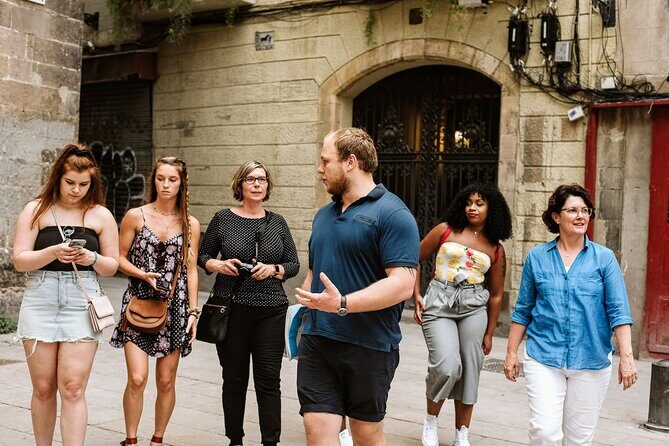
This is a food-and-drink tour first. Expect drinks like Catalan wine, cava, and vermouth as part of the tasting selection. The exact drinks and quantities can vary by route, but the tour is explicitly designed around alcohol.
That said, non-alcoholic options are listed as available. If you don’t drink, I’d still treat this as a “tap as needed” situation rather than a fully non-drinking experience. The tour’s rhythm is tied to the bar stops and drink pacing, so you’ll enjoy it most if you’re comfortable with at least some wine-related culture—even if you go lighter.
A practical approach: pace yourself early. The Gothic Quarter can get warm, and small venues don’t always vent well. If you’re the type who tends to get thirsty, it’s smart to ask about water at stops when it makes sense. (Several groups have noted that water isn’t always offered automatically right away.)
Also, don’t underestimate vermouth. If you like slightly bitter, herbal flavors, you’re in for a treat. If you don’t, focus on the wines and cava and ask your guide what matches the next bite.
Walking Time, Uneven Stones, and the Pace That Keeps It Fun
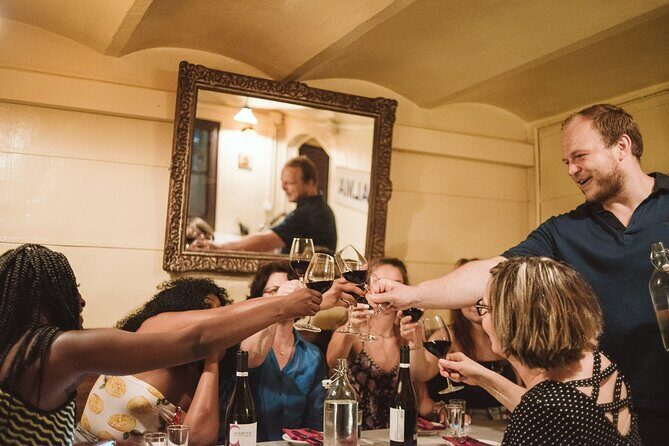
The walking portion is real, but it’s not a marathon. You can think of it as a mix: enough stroll time to see the Gothic Quarter story cues, plus enough stop time to taste without feeling cramped.
Reviews and practical feedback point to one common theme: surfaces can be uneven. If you’re traveling with limited mobility or you’re prone to foot pain, bring shoes you can trust. Moderate fitness is recommended, and the tour is not built for strollers or kids.
Group size also changes your comfort level. With up to 11 travelers, you typically get a better flow through narrow lanes. You’re not constantly stopping to wait for stragglers, and your guide can manage the group at a manageable tempo.
If you’re worried about “too much walking,” pick this tour when you want an active afternoon or evening. Then plan your next day for lighter sightseeing. This one already covers a chunk of the Old Town on foot.
Food Variety, Seasonal Changes, and Dietary Reality Checks
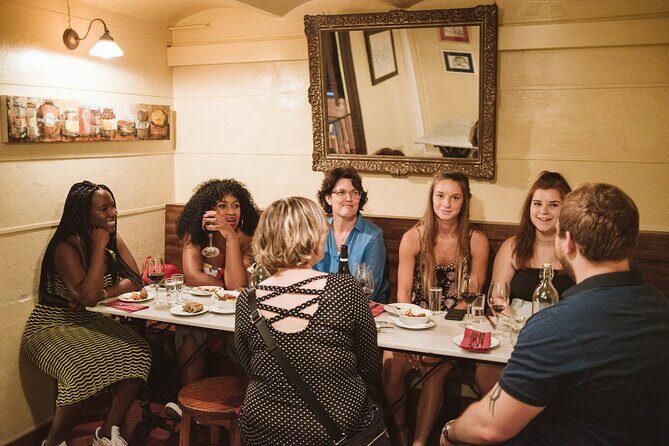
The tour does food in a very Spanish way: small plates, repeated stops, and a changing selection. The tasting menu is described as changing with the season, so you shouldn’t expect the exact same lineup every time. That’s also why the tour works for repeat travelers—it’s not always identical.
Dietary accommodations are listed as possible for vegetarians, pescatarians, gluten-free (not celiac), dairy-free, non-alcoholic options, and pregnant women. But there’s an important caveat: you may not have a replacement food option at every stop. That means you should communicate dietary needs clearly at booking and again at the start of the tour.
Vegan diners are explicitly not recommended for this experience. If you’re vegan, look for a tour designed from the ground up around vegan substitutions.
If you have a gluten or dairy issue, it’s not enough to say the words once. Make sure it’s clear what you need and where you feel comfortable taking a bite. Tapas are small, and cross-contact can happen when you’re eating in busy neighborhood bars.
Price and Value: Why $131.81 Can Make Sense
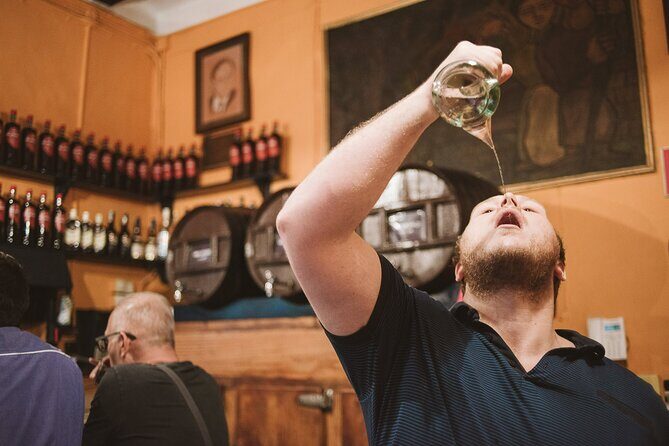
At $131.81 per person for about 3 hours 30 minutes, this tour is priced like a premium experience—but it can be good value if you add up what you actually get.
You’ll be fed in a structured way:
- AM tour: 3 tasting stops with 9+ tastes and 4 drinks, enough food for a full lunch
- PM tour: 3 tasting stops with 10+ tastes and 5 drinks, enough food for a full dinner
That’s the key. This isn’t just three drinks and a snack. It’s built to replace a proper meal. When you’re in Barcelona, tapas bar tabs add up quickly—especially once you’re ordering wine across multiple stops. This tour bundles the “many places” part with guidance, which saves you time and guesswork.
Also, the tour includes an English-speaking local guide and a guided walking component. You’re paying for navigation, context, and ordering help—exactly what’s hard to DIY when the streets are twisting and the menus are moving faster than your vocabulary.
What It’s Like With Real Guides: Felicuano, Jordi, Alex, and More
Part of why this tour earns such high marks is the guide role. You may meet different guide names, and groups have highlighted a few styles:
- Feliciano is praised for pairing food and wine well and accommodating allergies while keeping everything smooth
- Jordi gets credit for balancing history, food, and fun, with taps that mix classics and more unique options
- Alex/Alexandra is noted for being personable and for making the history feel connected to what you’re eating
- Ariana/Araian(a) shows up in feedback for storytelling and for helping guests feel like they found nine new friends in a few hours
- Luke, Erik, Greg, James, and Andrea are also mentioned for keeping the pace lively while tying architecture and neighborhood details to the tastings
Even if you don’t get one of these specific names, the pattern matters: guides tend to focus on how Barcelona’s past shaped its present-day food culture, then lead you to the right moment to taste.
Who Should Book This Gothic Quarter Tapas and Taverns Tour
This tour is a strong fit if you want:
- Tapas culture explained through bites, not just described in theory
- A guided walk through the Gothic Quarter without getting lost in the maze
- An experience that works well for couples and small groups because the group size stays intimate
- A food-and-wine plan that ends with a proper meal, not lingering hunger
It’s less ideal if:
- You don’t drink alcohol and prefer a clearly non-alcoholic tour flow
- You need a fully vegan menu
- You’re traveling with kids or want an all-ages experience (it’s not set up for children)
- You can’t handle moderate walking on uneven stone
If you’re on a first Barcelona trip and you want one solid evening that mixes taste and place, this hits the sweet spot.
Should You Book It? My Practical Take
Book it if you want an evening (or midday) where you eat like a local, drink thoughtfully, and get the Gothic Quarter’s story in the exact places you’re standing. The tour’s structure—three tastings plus a sit-down finale—means you’ll leave full and oriented.
Skip or rethink it if you only want seafood-heavy menus, if you’re strictly sober, or if you’re counting on a guaranteed vegan replacement at every stop. Also be ready for walking in a historic zone. This is a great tour for people who enjoy being on their feet and tasting as they learn.
If you can handle that, you’ll likely love how the food stops turn into part of the Barcelona experience, not just a schedule item.
FAQ
How long is the Barcelona Gothic Quarter Tapas & Taverns tour?
It’s about 3 hours 30 minutes.
How many tastings and drinks are included?
The AM version includes 3 tasting stops with 9+ tastes and 4 drinks. The PM version includes 3 tasting stops with 10+ tastes and 5 drinks.
Is the tour in English?
Yes, the tour is offered in English.
Is this tour suitable for children?
No, it’s not suitable for children.
Can the tour accommodate dietary restrictions?
It is adaptable for vegetarians, pescatarians, gluten free (not celiac), dairy free, non-alcoholic options, and pregnant women. There may not be a replacement food option at every stop. Vegans are not recommended.
How many people are in the group?
The maximum group size is 11 travelers.