REVIEW · BARCELONA
Barcelona: Discover Gaudi Architectural Guided Tour
Book on GetYourGuide →Operated by Barcelona Architecture Walks · Bookable on GetYourGuide
Gaudí becomes clearer when you slow down. This 3-hour morning walk uses working architects as your guides, so the buildings aren’t just pretty photos, they’re understandable engineering and design choices—explained street by street. You’ll connect Modernisme details to Barcelona’s bigger urban story, starting from the classic corridor of Passeig de Gràcia.
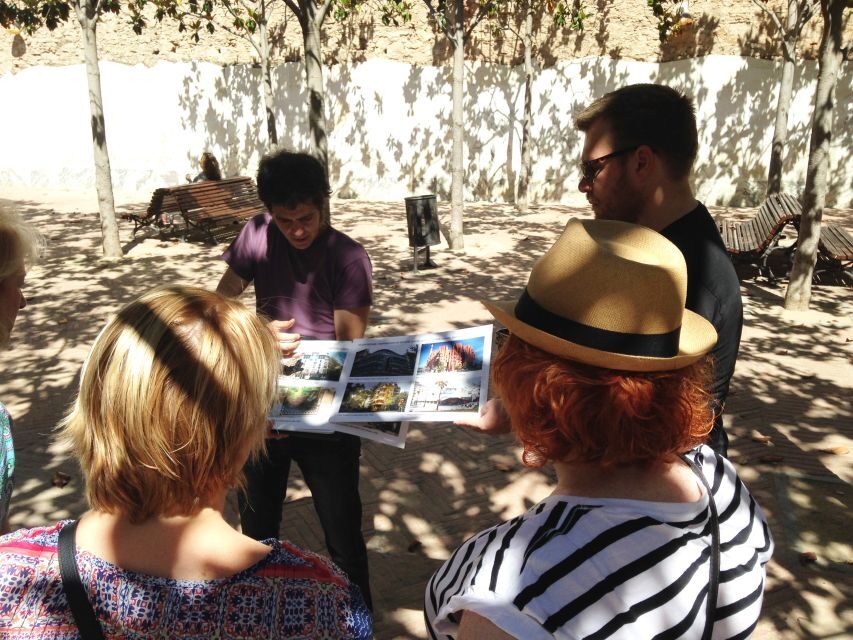
What I like most is the mix of architecture and context: guides explain how Barcelona’s planning and social concerns shaped what grew here, not just what Gaudí drew. I also love the teaching style shown in past guides like Pia, Daniela, and Tomasz—clear, passionate, and supported with visuals and notes that help you read façades like a diagram.
The main catch is that you won’t go inside the main buildings, so if you’re hoping for full interior access, this isn’t that kind of tour. You do get access to hidden courtyards, though, so you’re not totally locked out of “behind-the-street” Barcelona.
In This Review
- Key highlights to expect
- Why a Gaudí tour led by practising architects matters
- Where the walk starts on Passeig de Gràcia (and how to be ready)
- The Antoni Tàpies Foundation stop: modern Barcelona beyond Gaudí
- Casa Lleó Morera: Domènech i Montaner’s Modernisme energy
- Casa Amatller: Puig i Cadafalch’s façade as a design argument
- Casa Calvet, Casa Batlló, and Casa Milà: the Gaudí trio in real context
- Casa Calvet: the “composed” Gaudí moment
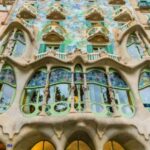
- Casa Batlló: visual power with design logic
- Casa Milà: the “last cathedral builder” feeling
- Hidden courtyards: where private architecture becomes public life
- The Gaudí timeline your brain can actually use
- What you’ll take away at the end (and how to extend it)
- Who should book this Gaudí architecture walk
- Should you book Barcelona: Discover Gaudí Architectural Guided Tour?
- FAQ
- How long is the Barcelona Gaudí architectural guided tour?
- Where is the meeting point?
- How much does the tour cost?
- Is the tour guided in English?
- Do we go inside the buildings?
- Is the tour wheelchair accessible?
- What buildings or sites are included on the walk?
- What should I wear?
- Can I reserve now and pay later?
- Is free cancellation available?
Key highlights to expect
- Practising architects lead the walk and many also teach or critique architecture
- Engineering meets aesthetics, with a focus on how shapes and systems work
- Passeig de Gràcia’s big Gaudí trio: Casa Calvet, Casa Batlló, and Casa Milà
- Modernisme comparisons across Casa Lleó Morera and Casa Amatller
- Hidden courtyards become public gardens, with a behind-the-walls story you’ll remember
Why a Gaudí tour led by practising architects matters

A lot of Gaudí tours end at, look at that façade. This one goes further. When your guide is a practising architect—often also a professor or architectural critic—you get language for what you’re seeing: structure, materials, proportions, and the logic behind the drama.
That means you’ll spend less time memorizing dates and more time learning how ideas translate into stone and tile. I especially like when guides explain why Barcelona’s architecture developed the way it did, because that turns Gaudí from a separate celebrity into part of a real city changing over time.
You’ll also get a guided route that helps you connect concepts across different designers, not just Gaudí. That matters because Gaudí’s work clicks faster when you’ve compared it to the Modernisme moment around him.
You can also read our reviews of more guided tours in Barcelona


Where the walk starts on Passeig de Gràcia (and how to be ready)
You meet at the sculpture by Joan Brossa, in front of the Comedia Cinema, at the corner of Passeig de Gràcia and Gran Via. It’s a sensible starting spot because you’re immediately in the thick of Barcelona’s architectural “main street,” where Modernisme façades sit close together and you can actually compare them.
The tour runs about 3 hours, and it’s a walking format, so wear shoes that handle uneven sidewalks and curb cuts. The weather in Barcelona is usually friendly, but the operator notes that you should bring suitable clothing for all weather. Tours only get cancelled if the weather becomes a safety issue.
One practical note: the tour is listed as wheelchair accessible, and it’s also said to be fully wheelchair accessible end to end. That’s useful because some architecture walks are only “sort of” accessible—this one is meant to work.
The Antoni Tàpies Foundation stop: modern Barcelona beyond Gaudí
You’ll see the Antoni Tàpies Foundation, which helps widen the lens. This stop is a reminder that Barcelona’s architecture doesn’t end at Gaudí’s residential masterpieces. The city keeps evolving, and modern institutions are part of that same creative thread—design as a public statement, not only a private showpiece.
In a tour led by architects, this kind of building often becomes more than a quick photo stop. You’re likely to learn how later architects think about light, space, and the way visitors move through a site. Even if you’re mainly here for Gaudí, this is a strong way to keep your understanding current and not stuck in one era.
If you love architecture as a living conversation across time, this framing is a win. If you want only Gaudí-specific stories, you may want to pay extra attention to how the guide connects the foundation back to the broader Modernisme-to-modern transition.
Casa Lleó Morera: Domènech i Montaner’s Modernisme energy
Casa Lleó Morera by Domènech i Montaner is on your walk, and it’s a great early comparison. Gaudí’s style is unmistakable, but Montaner’s work shows you what Modernisme was doing in the same neighborhoods—before you move into the most famous Gaudí façades.
Here’s what I’d watch for: how the building reads as a whole composition. A good architect guide will help you connect decorative choices to structure and urban context, so the building doesn’t feel like random ornament.
This stop also helps you appreciate rival thinking inside the same time period. When you later see Casa Batlló and Casa Milà, you’ll notice more than “odd shapes.” You’ll understand what each designer was trying to communicate—identity, ambition, and a modern way of building in a rapidly changing city.
Casa Amatller: Puig i Cadafalch’s façade as a design argument
Casa Amatller by Puig i Cadafalch keeps the comparison going. It’s easy to treat these Passeig de Gràcia buildings like a set of separate icons. This tour pushes you to see them as neighbors in an architectural conversation.
A skilled guide will help you look at the façade like it’s making a case. Think about how elements balance, how the ornament works with the geometry, and how the building fits the street without simply blending in.
This is also where the tour’s “street reading” style starts to pay off. Once you learn a few ways to interpret façades, every next building becomes easier to decode. For people who like to do a lot with their sightseeing time, this is one of the best uses of a 3-hour walk.




Casa Calvet, Casa Batlló, and Casa Milà: the Gaudí trio in real context
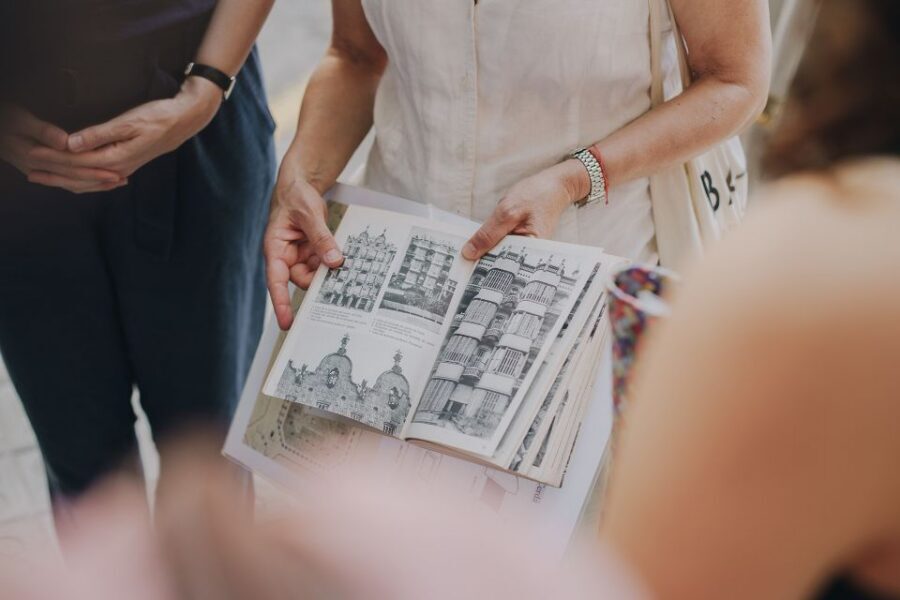
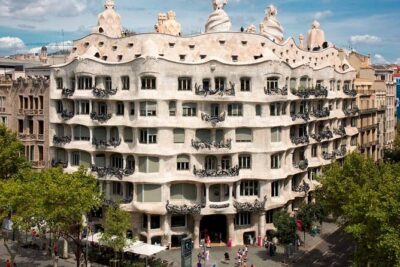
You’ll see three of Gaudí’s main residential masterpieces along the route: Casa Calvet, Casa Batlló, and Casa Milà. This is a major part of why the tour feels focused. Instead of jumping across the city for famous highlights, you get a dense, walkable comparison that makes Gaudí’s evolution easier to spot.
Casa Calvet: the “composed” Gaudí moment
Casa Calvet is often the bridge into Gaudí’s language. It’s associated with a more structured side of his work compared with his later, more visually chaotic buildings. An architect guide will help you notice how design choices support function and form together.
The value here is learning to look beneath the surface. Even when Gaudí’s signature looks are front and center, there’s usually a system behind it. When the guide connects those dots, you stop seeing it as only sculpture and start seeing it as architecture.
Casa Batlló: visual power with design logic
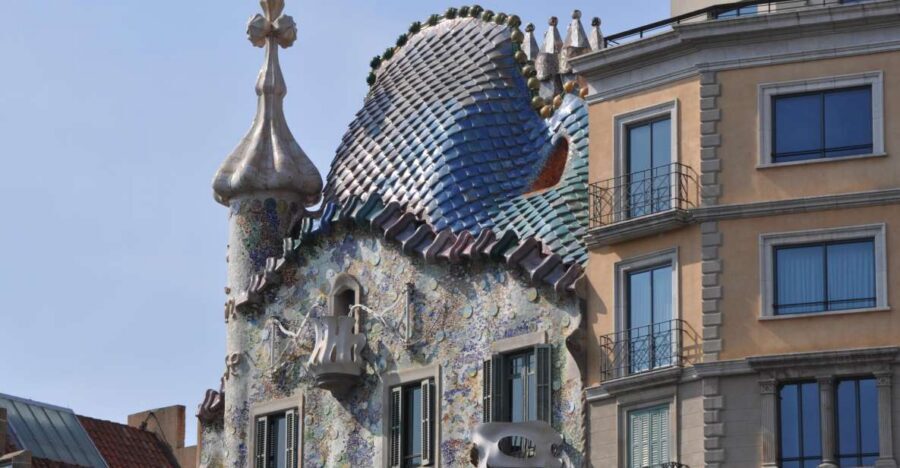
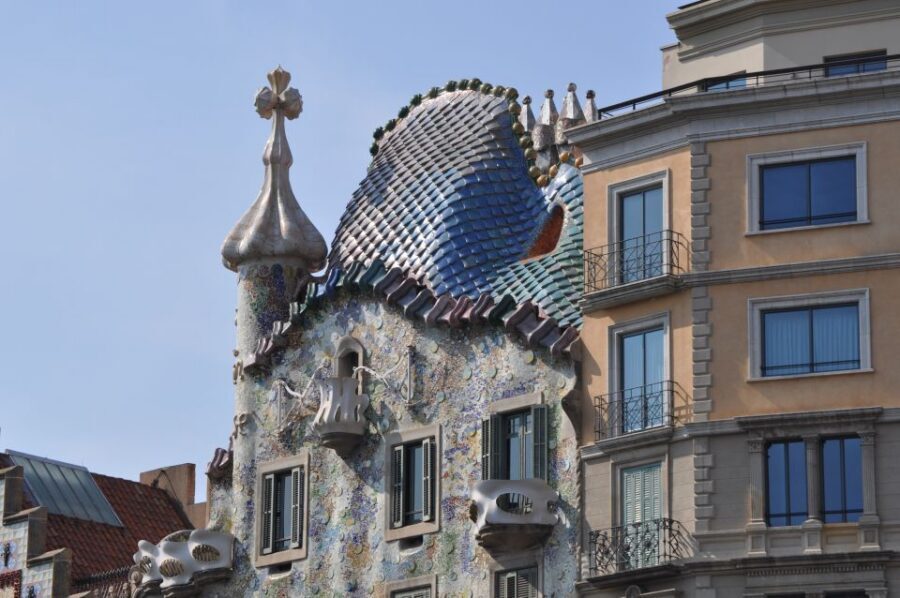
Casa Batlló is the crowd-pleaser, but the tour aims to go beyond wow. You’ll learn how Gaudí’s visual power is tied to broader ideas—how surfaces, light, and form work together.
If you love the idea that design can be both expressive and purposeful, this stop usually lands hard. It’s also a place where a guide can help you notice recurring design themes across Gaudí’s career, so the visit feels like a step in a larger story instead of a standalone stop.
Casa Milà: the “last cathedral builder” feeling
Casa Milà is where many people finally feel the full Gaudí effect. The building’s presence can make it seem like something other than a normal residence, which is exactly why the architect storytelling matters.
You’ll hear how Gaudí’s path moved over time—from earlier concerns and influences toward a more spiritual, total commitment. That arc helps you understand why his designs start to feel less like repeating formulas and more like he’s building toward an ultimate vision.
Hidden courtyards: where private architecture becomes public life
One of the best parts of this tour is the focus on hidden courtyards and how they became public gardens. That’s not a typical detail tourists miss. Courtyards are a key to understanding Barcelona’s approach to density: you can build tight streets while still creating air, light, and shared space inside.
You’ll get inside these courtyards, but the tour notes that you will not go inside the main buildings. So your access is targeted: you’re not touring private interiors, but you are getting the “in-between” spaces that make the city livable.
This is also one of those themes that turns architecture into everyday experience. Once you understand how courtyards functioned socially and practically, you’ll notice them again later while exploring on your own.
A small consideration: courtyards are small and can feel tighter for longer groups. If you prefer big open views, you’ll still enjoy the design story, but you’ll be spending time in enclosed spaces.
The Gaudí timeline your brain can actually use
The tour is built around a narrative of turning points, and it’s designed to help you place Gaudí in time and motivation. You’ll trace how he shifted from social concerns to a deeper absorption with the divine—eventually earning the description of the last great cathedral builder.
You’ll also hear about specific milestones that explain why his work looks the way it does:
- his first architectural steps with Sagrada Família
- the last commission from his patron Eusebi Güell
- a project in Manhattan that shows how his career wasn’t trapped in one city
The smart thing here is how the guide uses these events to interpret what you see on the streets. Instead of listing facts, the tour ties the story back to design choices. That makes Gaudí feel less like mystery and more like an architect with a trajectory.
And because guides are often balancing technical explanations with a human pace, you’ll usually get the “shop talk” level without drowning in it. One review noted the guides read the audience well—keeping things interesting whether you’re an architecture fan or you just like understanding what you’re looking at.
What you’ll take away at the end (and how to extend it)
At the end of the walk, you receive a guide written by the local partner’s passionate team with suggestions for places to have a drink and architecture to admire. That kind of add-on matters because you’re leaving with an actual short list for the rest of your day, not just a photo backlog.
This is especially helpful if you want to turn the tour into a route you can repeat. Once you’ve learned how to “read” Modernisme and Gaudí with architect-level language, you start noticing patterns everywhere—corners, ornament choices, courtyard logic, and how buildings meet the street.
I also like that the tour is in English, and guides in past groups—Pia, Daniela, and Tomasz were mentioned—tend to be animated and question-friendly. If you have a specific thing you’re curious about, like engineering behind the forms or how Barcelona’s planning affected styles, this tour format gives you space to ask.
Who should book this Gaudí architecture walk
This is a strong match if you want architecture you can understand, not just architecture you can photograph. It’s ideal for people who like city design, enjoy seeing how styles compare, and appreciate guides who can explain why choices were made.
It also fits well if you have limited time. In 3 hours, you cover key Modernisme examples plus Gaudí’s major residential corridor on Passeig de Gràcia. That density is a value play.
If you’re only interested in entering interiors of famous buildings, you may feel constrained, since the tour says you won’t go inside the buildings. You still get to see inside hidden courtyards, but it’s not a full interior museum-style experience.
Should you book Barcelona: Discover Gaudí Architectural Guided Tour?
Book it if you want a Gaudí experience that feels like architecture class meets a great walk. The biggest selling point is the guide profile—practising architects who can connect visual drama to real building logic. If you like being able to explain what you saw afterward, this tour gives you tools, not just impressions.
Skip it only if interior access is your top priority. Since you won’t enter the main buildings, plan to satisfy that urge with other visits that specifically offer full interior viewing.
At $53 for about three hours, the value comes from coverage plus guide quality: multiple landmark façades, Modernisme comparisons, and courtyard access, all with a teaching approach that keeps the technical side readable.
FAQ
How long is the Barcelona Gaudí architectural guided tour?
The tour lasts 3 hours.
Where is the meeting point?
Meet by the sculpture by Joan Brossa, in front of the Comedia Cinema at the intersection of Passeig de Gràcia and Gran Via.
How much does the tour cost?
The price is $53 per person.
Is the tour guided in English?
Yes, the live guide is English.
Do we go inside the buildings?
No, you will not go inside the buildings, but you will access hidden courtyards.
Is the tour wheelchair accessible?
Yes, the entire tour is wheelchair accessible.
What buildings or sites are included on the walk?
You’ll see the Antoni Tàpies Foundation, Casa Lleó Morera, Casa Amatller, hidden courtyards, and Gaudí’s Casa Calvet, Casa Batlló, and Casa Milà.
What should I wear?
Bring weather-appropriate clothing, since Barcelona weather can change. Tours are cancelled only if weather poses a safety threat.
Can I reserve now and pay later?
Yes, you can reserve now & pay later.
Is free cancellation available?
Yes. You can cancel up to 24 hours in advance for a full refund.