REVIEW · BARCELONA
Barcelona Architecture Walking Tour With Casa Batlló Upgrade
Book on GetYourGuide →Operated by ExperienceFirst · Bookable on GetYourGuide
Gaudí and friends hide in plain sight. This walking tour turns the city into a live lesson, starting at Sant Pau and moving through the symbolism of the Sagrada Família and the flourishes along Passeig de Gràcia. I love how the guide explains what you’re looking at, not just what the building is. And I especially like the Casa Batlló upgrade angle, because seeing the exterior is one thing, but getting inside is a whole other level.
One possible drawback: it’s rain or shine and you’ll be on your feet for about 2 hours. Also, building entries aren’t included unless you choose the upgrades, so decide early how much interior time you want versus exterior storytelling.
In This Review
- Key things I’d plan for
- Why this Barcelona architecture walk feels different from a bus tour
- Sant Pau Recinte Modernista: where Barcelona’s Modernisme starts
- The Sagrada Família facades: symbolism you can spot in minutes
- Passeig de Gràcia: where Modernisme shows off its best outfits
- Casa Batlló upgrade: the inside access that changes the whole story
- Casa Amatller: Modernist craft and a very Catalan chocolate break
- Casa Lleó i Morera: the grand finale with glass, mosaic, and wood
- Optional architect guide: when you want the deeper explanations
- Price and value: is $34 a good deal?
- Timing, weather, and what to wear so you don’t hate it
- Group size and private options: choose your comfort level
- Who this tour suits best (and who might want a different approach)
- My practical take: should you book this tour?
- FAQ
- Where does the tour start?
- How long is the walking tour?
- Is the tour rain or shine?
- Does the price include entry to buildings?
- What’s included with the tour?
- Is there an English-speaking guide?
- Is the tour wheelchair accessible?
Key things I’d plan for
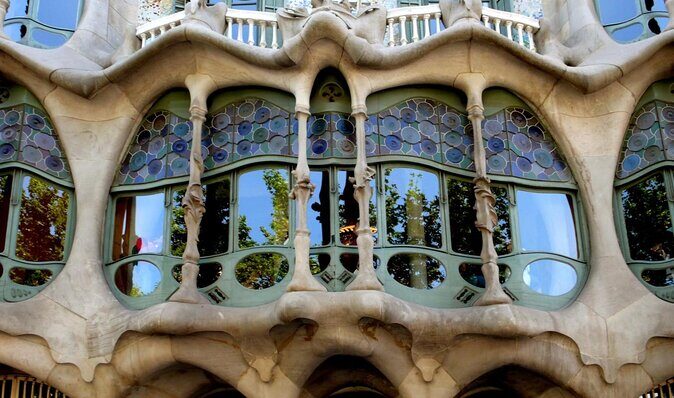
- Sant Pau’s Modernist hospital: a huge complex of 27 buildings, designed by Lluís Domènech i Montaner
- Sagrada Família symbols you can read: the guide points out carved details on the two facades
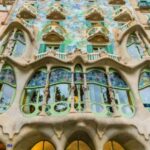
- Passeig de Gràcia as your open-air gallery: you’ll focus on major Modernisme works like Casa Milà and Casa Batlló
- Casa Amatller with a chocolate stop: you get a sample, plus the story of chocolate-making dating back to 1797
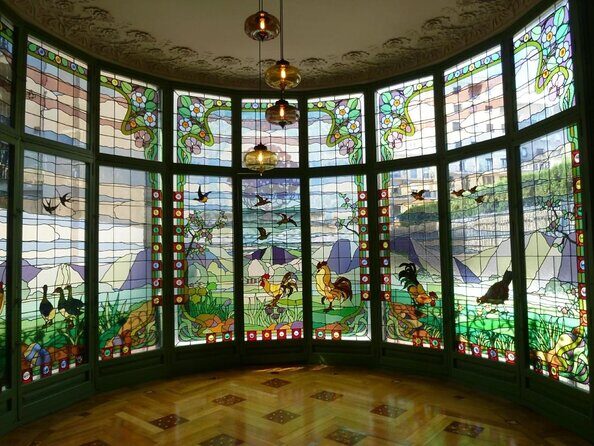
- Casa Lleó i Morera ends the walk: stained glass, mosaics, sculptures, and woodwork, plus its Loewe connection
- Guide quality matters here: guides like Alberto, Antogoni, and Victor are known for strong storytelling and practical photo tips
Why this Barcelona architecture walk feels different from a bus tour
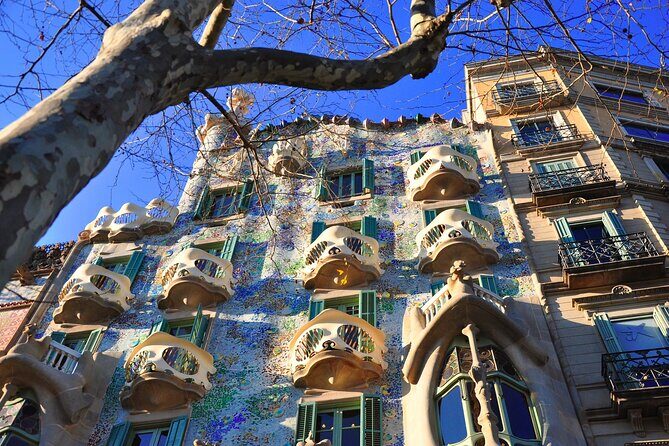
Barcelona’s architecture can feel like a blur if you just stare at facades and snap photos. This is different because the route is built around ideas: symbolism at the Sagrada Família, creative risk-taking on Passeig de Gràcia, and Modernisme’s love of craft in places like Sant Pau and Casa Lleó i Morera.
You’ll get a clear storyline for each stop, so the buildings don’t seem random. And because you’re walking, you see how design changes with angles, street width, and pedestrian scale.
The experience also gives you choices. You can go for the standard guided walk, or upgrade for an architect guide and Casa Batlló admission if you want the deeper, inside-the-buildings version.
You can also read our reviews of more walking tours in Barcelona



Sant Pau Recinte Modernista: where Barcelona’s Modernisme starts
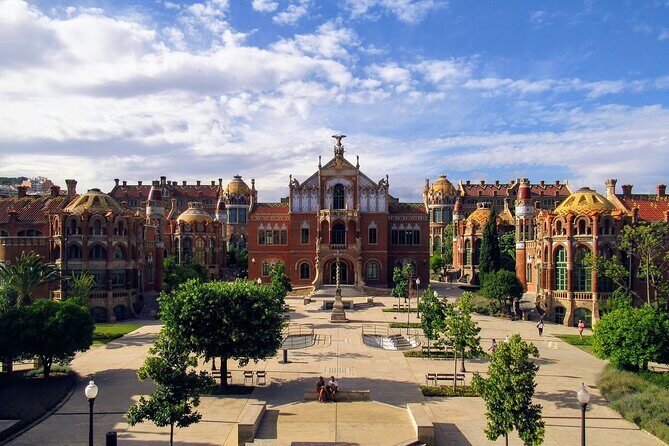
Your tour begins at Recinte Modernista de Sant Pau, a former hospital designed by Lluís Domènech i Montaner. It’s not a small “nice building” stop. The site includes 27 buildings, and it’s known as the largest Art Nouveau site in the world.
What I like about starting here is how it sets your eyes. Before you hit the more famous names like Gaudí, you train your attention on the language of Catalan Modernisme: materials, ornament, and how architecture was meant to serve real life.
You’ll also get a sense of how health care, art, and civic pride were tied together. Instead of treating the complex as a museum backdrop, you’re encouraged to see it as a designed system.
Practical note: this part is great for photos, but you’ll still want comfortable shoes because you’re moving through a real site, not a flat postcard platform.
The Sagrada Família facades: symbolism you can spot in minutes
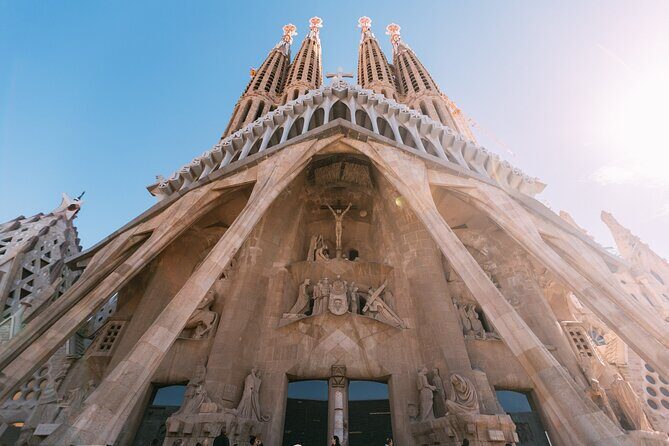
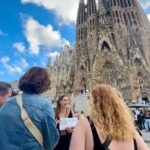
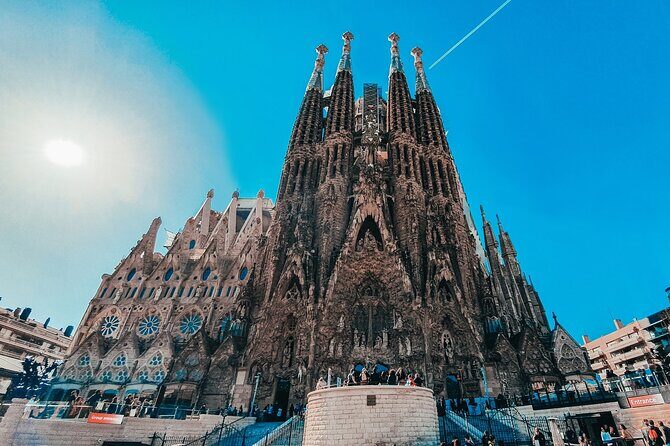
From Sant Pau, you head toward the Sagrada Família, Barcelona’s signature landmark. Even if you’ve seen it in pictures, the magic kicks in when someone points out what you’re actually looking at.
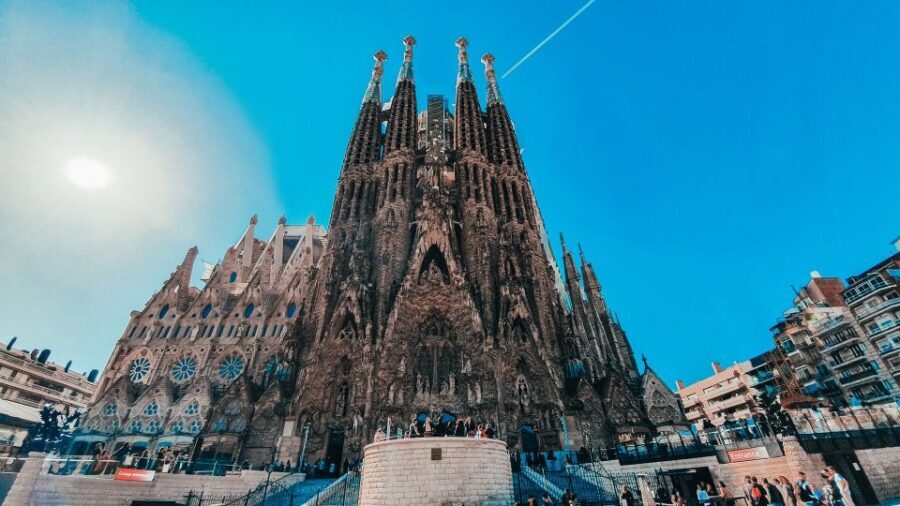
The guide focuses on the symbols carved into the two facades. That matters more than it sounds. When you know what the details represent, the building turns from a sculpture you admire into a message you can read.
You’ll view the Sagrada Família from multiple angles, which is key because Gaudí’s forms are never just one “front view.” Shadows and perspective change the feel of the stonework, and the symbolism can look different as you reposition.
This stop is the heart of the tour’s “architecture literacy.” If you only learn one thing on this walk, make it how to notice design choices that carry meaning, not just decoration.
Passeig de Gràcia: where Modernisme shows off its best outfits
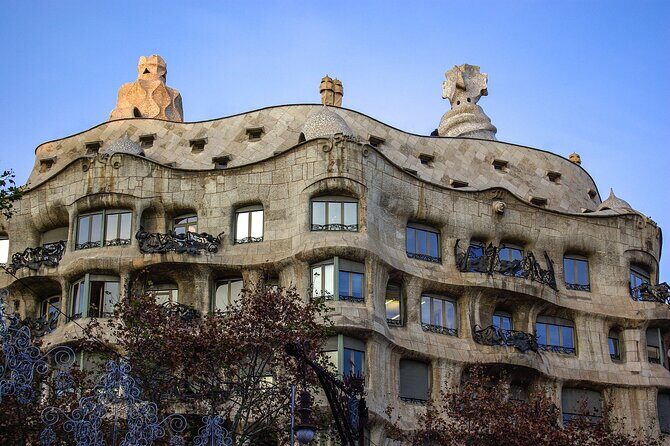
Next comes Passeig de Gràcia, the boulevard where Barcelona flexes. Here you’ll stroll along the streets packed with Modernist facades built by the era’s biggest names, including Gaudí and Domènech i Montaner.
The tour guides you to the standouts. You’ll get focused attention on Casa Milà (La Pedrera) and Casa Batlló, and you’ll also see other major players connected to the Modernisme movement. Depending on the pace of the group and what’s easiest to view at the moment, your guide may also bring in nearby examples like Casa Macaya.
Why this part is so useful: Passeig de Gràcia can be overwhelming if you treat it like a checklist. With a guide, you learn what separates the buildings—how curves, stonework, and window rhythms create personality instead of noise.
If you care about the “why,” this is where the tour starts making architecture feel personal. You begin to notice the designers weren’t just copying styles. They were experimenting with form like artists, while still building for real people.
Casa Batlló upgrade: the inside access that changes the whole story
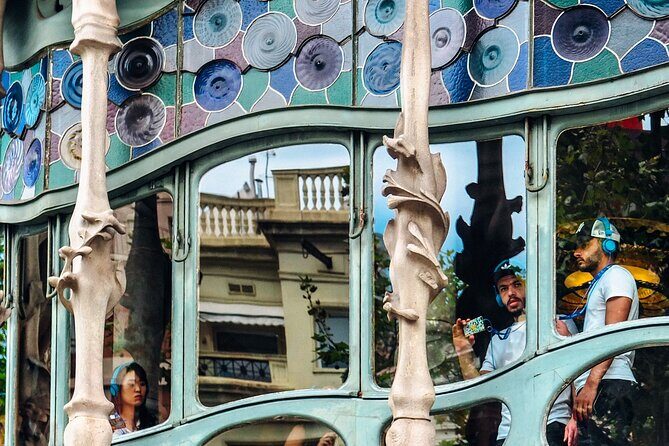
If you choose the upgrade, you get Casa Batlló admission, which means you’re not limited to exterior impressions. The interior is where Gaudí’s imagination becomes less architectural and more theatrical.
Here’s the value for your decision: without entry, you miss how the building behaves when you move through it. With entry, you can see the design logic in three dimensions—light, structure, and ornament working together instead of competing.
I’d treat this upgrade as worth considering if you:
- want to understand Gaudí’s design approach, not just pose for photos
- enjoy details like materials and how spaces guide your movement
- don’t want to feel like you only “skimmed the famous one”
The only caution is timing. Upgrades usually add intensity to your day, and Casa Batlló can be busy. If you like slow, lingering stops, plan for it by wearing comfortable shoes and keeping your pace flexible.




Casa Amatller: Modernist craft and a very Catalan chocolate break
One of the smarter stops is Casa Amatller, because it connects architecture to daily life. You’ll get the chocolate story, including that the chocolate-making process began in 1797.
This isn’t just a sales stop. The guide uses the building context to explain the local culture behind the brand and the craft tradition. It’s a nice shift after the architectural heavy hitters, and it helps you decompress without losing momentum.
You’ll also get a chocolate sample as part of the experience. If you want more, you can treat yourself to an expanded selection at the chocolate shop, but that part isn’t included.
What you’ll walk away with: a reminder that Modernisme wasn’t only for monuments. It was also for commerce, identity, and the products people actually ate and carried home.
Casa Lleó i Morera: the grand finale with glass, mosaic, and wood
The tour ends at Casa Lleó i Morera, another masterpiece by Domènech i Montaner. Now occupied by luxury fashion store Loewe, it’s also one of the best-preserved modernist buildings, which is a big deal because preservation is where architecture remains usable as well as beautiful.
Your guide points out the building’s standout features: stained glass, mosaics, sculptures, and woodwork. This is the kind of place where you stop thinking in “styles” and start thinking in craftsmanship.
Why this ending works so well: after walking through the big-name Gaudí aura, you finish with Domènech i Montaner’s detail-focused approach. It gives the whole tour balance.
Also, it’s a practical drop-off area. You’re left on Passeig de Gràcia, close to the kind of cafes and quick sightseeing you’ll want after a walking tour.
Optional architect guide: when you want the deeper explanations
There’s an optional upgrade for an expert architect guide. If you love architecture, this is where the tour can become more than “guided sightseeing.”
This upgrade is ideal if you:
- want to understand design choices and ornament logic
- enjoy technical-sounding explanations when they’re still clear
- like comparing buildings and reading patterns across the city
Even without the upgrade, the standard guide is built to point out details. But with the architect layer, the tour shifts toward how and why in a more structured way.
It’s a good match for design-minded travelers. It’s also a smart option if you’re only doing one architecture tour in Barcelona and want it to count.
Price and value: is $34 a good deal?
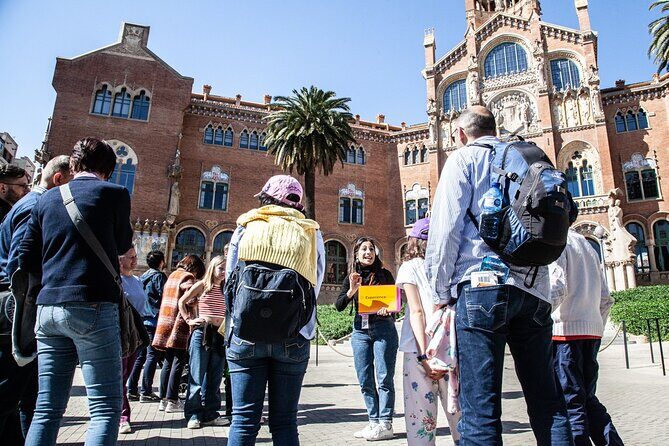
At about $34 per person, this can be a strong value for a city where “one-hour attraction tickets” add up fast. The standard tour includes the local guide, a walking route covering multiple major modernist landmarks, and a chocolate sample at Casa Amatller.
However, a key point: entry to buildings isn’t included. So you’re mostly getting exterior viewing plus guided explanation unless you pick the Casa Batlló admission upgrade (and the architect guide upgrade, if you choose it).
Here’s how I’d frame the value decision:
- If you want mostly the street-level design context and symbolism, the base price is a solid deal.
- If you want interior access, especially for Casa Batlló, factor in the upgrade cost as the “real” purchase.
Given the route includes major sites across modernist Barcelona, you’re paying for guidance and time efficiency as much as for any single venue. That’s often what makes these tours worthwhile when your schedule is tight.
Timing, weather, and what to wear so you don’t hate it
The tour lasts around 2 to 3 hours, with about 2 hours of walking. That’s very manageable for most people, but it still means your feet will notice the difference.
It runs rain or shine, so plan for wet streets if the forecast looks iffy. Comfortable shoes are non-negotiable. If you get cold easily, bring a light layer because you’ll be outside between stops.
One good sign: the experience is wheelchair accessible, so the route is designed with mobility needs in mind. Still, check with the operator for the exact start point based on your booking option.
Also, the guide typically builds in small rhythm changes, like photo pauses and shaded spots. Past guides such as Antogoni are noted for finding places to stand comfortably and for timing viewpoints so you get the best angles without sprinting.
Group size and private options: choose your comfort level
You can book in either private or small groups. For architecture tours, smaller groups often help because the guide can slow down at details instead of pushing everyone through like luggage.
If you’re traveling with friends and want flexibility, private can be worth it. If you’re solo, small-group format can still feel personal, especially with a guide who knows how to explain clearly.
Who this tour suits best (and who might want a different approach)
I’d say this is a great match for you if you:
- want a guided tour that teaches you how to look
- care about Gaudí and the Modernisme movement, not just famous buildings
- like a balanced mix of architecture and a culture stop (hello, chocolate)
You might consider something else if:
- you only want interior-only visits and prefer minimal walking
- you dislike moving on a set schedule, even if it’s a short one
Most people find the walk works well because the stops are frequent enough to keep your attention on the next idea, not just the next block.
My practical take: should you book this tour?
If you want to leave Barcelona with more than photos, book it. The strongest reason is the way the guide makes symbols, design choices, and craftsmanship feel understandable fast, especially at the Sagrada Família and along Passeig de Gràcia.
I’d also take the upgrade seriously if Casa Batlló is a top priority for you. Without the upgrade, you’ll still get a lot from the exterior and the street-level context. With it, you get the full experience.
Either way, wear good shoes and plan to look up. Barcelona is a city where the details reward curiosity, and this tour gives you permission to slow down enough to catch them.
FAQ
Where does the tour start?
The meeting point can vary by the option booked, with the main start location listed as Recinte Modernista de Sant Pau.
How long is the walking tour?
It’s listed as 2 to 3 hours total, and the tour involves about 2 hours of walking.
Is the tour rain or shine?
Yes, it runs rain or shine.
Does the price include entry to buildings?
Entry to buildings is not included. A Casa Batlló upgrade includes admission.
What’s included with the tour?
Included items are a local guide, the walking tour of Barcelona architecture, and a chocolate sample at Casa Amatller. Optional upgrades include an expert architect guide and Casa Batlló admission.
Is there an English-speaking guide?
Yes, the live tour guide is in English.
Is the tour wheelchair accessible?
Yes, the experience is wheelchair accessible.