REVIEW · BARCELONA
Barcelona: El Born Ghost Walking Tour.
Book on Viator →Operated by Icono Spain Tours · Bookable on Viator
Barcelona can be a different beast after dark.
This El Born Ghost Walking Tour pairs classic spooky storytelling with real medieval streets and landmark stops you’d normally breeze past in daylight. You start by the Arc de Triomf, then move through the Ribera and Sant Pere areas, where the guide weaves tales of exorcisms, witchcraft, and ghost stories tied to Barcelona lore and specific places.
What I like most is the focus on places, not just punchlines: you’ll see the Church of Santa Maria del Mar as part of the route, and you’ll also get the kind of backstreet walk that makes the medieval city feel lived-in. A second big win is the guide’s energy—many groups highlight the story delivery from guides like Christina, who keeps the tour moving while making the details click. One thing to weigh: it’s more history and folklore than full-on screams, and some spots are narrow/cobblestoney, so comfortable shoes matter.
In This Review
- Key things to know before you go
- Entering the medieval maze from Arc de Triomf
- Ribera Quarter tales: merchants, sailors, and 14th-century grit
- Sant Pere’s commercial spine: textiles, printing, and alleged apparitions
- The Monastery of Sant Pere de les Puel·les and a darker turn
- Born district oddities: the real snow street
- Roman routes and Hostal Flor de Lliri: where Europe came through
- Plaça d’en Marcús: charity roots beneath the legend
- Camí del Born and Passeig del Born: from movement to inquisition
- Santa Maria del Mar finale: Catalan Gothic built by the locals
- Price and what you’re really paying for
- Timing, duration, and when to schedule it
- Group experience and the story style
- Who should book this El Born ghost walk
- Should you book? My practical take
- FAQ
- What is the duration of the Barcelona El Born Ghost Walking Tour?
- Where does the tour start and end?
- How much does it cost?
- What language is the tour offered in?
- Is the tour scary, or more historical and legend-based?
- Is it offered in bad weather?
- Is there free cancellation?
Key things to know before you go
- Arc de Triomf meets the spooky tone: the tour begins at a striking redbrick landmark and sets a nighttime mood fast
- El Born + Ribera focus: you get a real walk through the medieval core, not a loop of the obvious sights
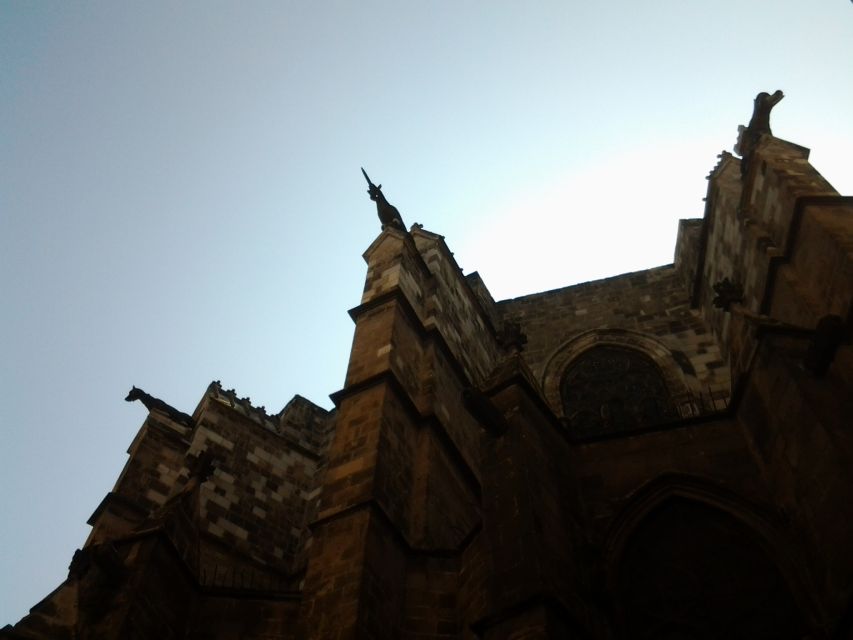
- Santa Maria del Mar as the payoff: you end at a Catalan Gothic church that feels powered by the neighborhood’s people
- Short, story-heavy format: plan on walking with brief stops while the guide talks, not long site visits
- Not all stories are meant to be literal: expect legends, folk tales, and myths alongside darker history
- Cobblestones and narrow streets: you’ll want your feet ready for uneven ground
Entering the medieval maze from Arc de Triomf
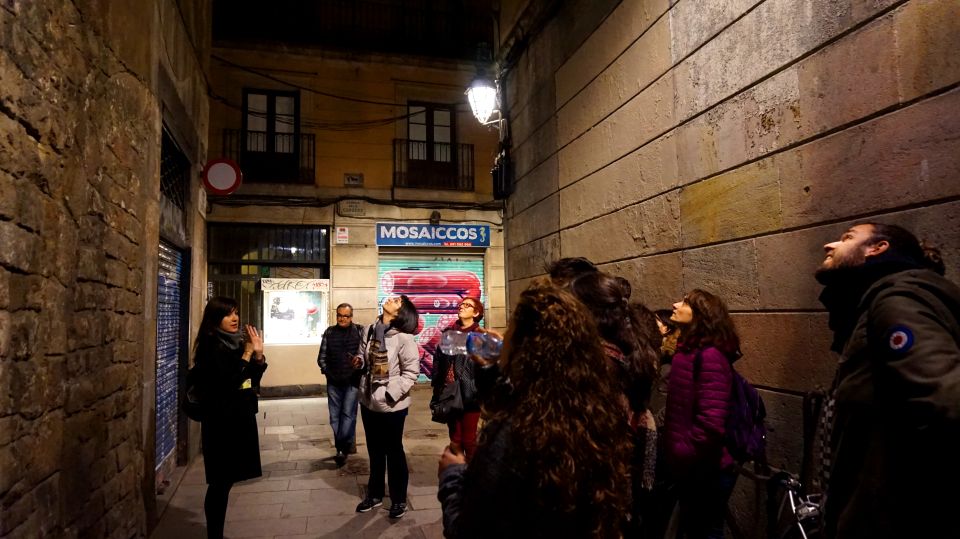
The meeting point is at Passeig de Lluís Companys, at/near Arc de Triomf in Ciutat Vella. That’s a smart start. It’s not just a random plaza—this redbrick arch is tied to Barcelona’s grander public history, and it gives you a clear visual “anchor” before the streets get tighter.
Then the tour shifts into night-walk mode. You’ll move under darkness-cover backstreets through the Ribera and toward neighborhoods like Sant Pere and Santa Catarina. The guide’s job here is pacing: keep you together, keep the story rolling, and make the medieval layout easy to follow.
One more practical detail: the tour duration is about 2 hours, so you shouldn’t expect a museum-style experience. It’s a walking stage with storytelling, built for the flow of a night stroll.
You can also read our reviews of more walking tours in Barcelona



Ribera Quarter tales: merchants, sailors, and 14th-century grit
After Arc de Triomf, you head toward the Ribera Quarter. This part of the route matters because the Ribera was historically commercial—full of moneyed merchants in the day and rowdy sailors in the same orbit at night. The guide’s stories use that contrast to color what you’re seeing now.
You also get architectural context. Even when the tour turns spooky, you’re not just watching street corners. You’re learning how the area’s wealth and work shaped daily life—then hearing how that life supposedly comes back as legend.
From a value standpoint, this is why the tour works: you leave with a mental map of El Born’s “human” history, not just a list of haunted-sounding names.
Sant Pere’s commercial spine: textiles, printing, and alleged apparitions
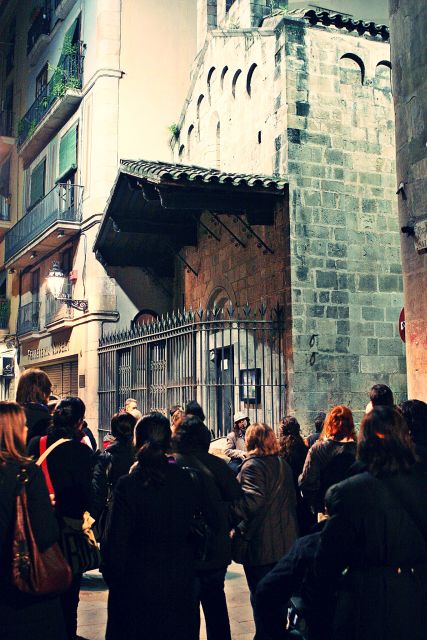
In the Sant Pere neighborhood, the tour shifts from broad mood-setting to specific street histories. The guide talks about how Sant Pere and Santa Caterina were major centers for textile activity—silk and cotton factories and printing workshops—with a huge number of businesses operating in the combined area at one point in time.
You’ll also hear about Carrer del Portal Nou, an ancient route that once served as an entrance to the city from an older Roman road coming from France. Even if you’re not a Roman-roads person, it’s a good narrative hook: you’re walking on a path that has mattered for centuries, long before it became a place for legends.
And yes, this is also where the supernatural angle shows up. The tour includes local legend themes—reports of mysterious apparitions late at night—so the area becomes both a history lesson and a story stage.
The Monastery of Sant Pere de les Puel·les and a darker turn
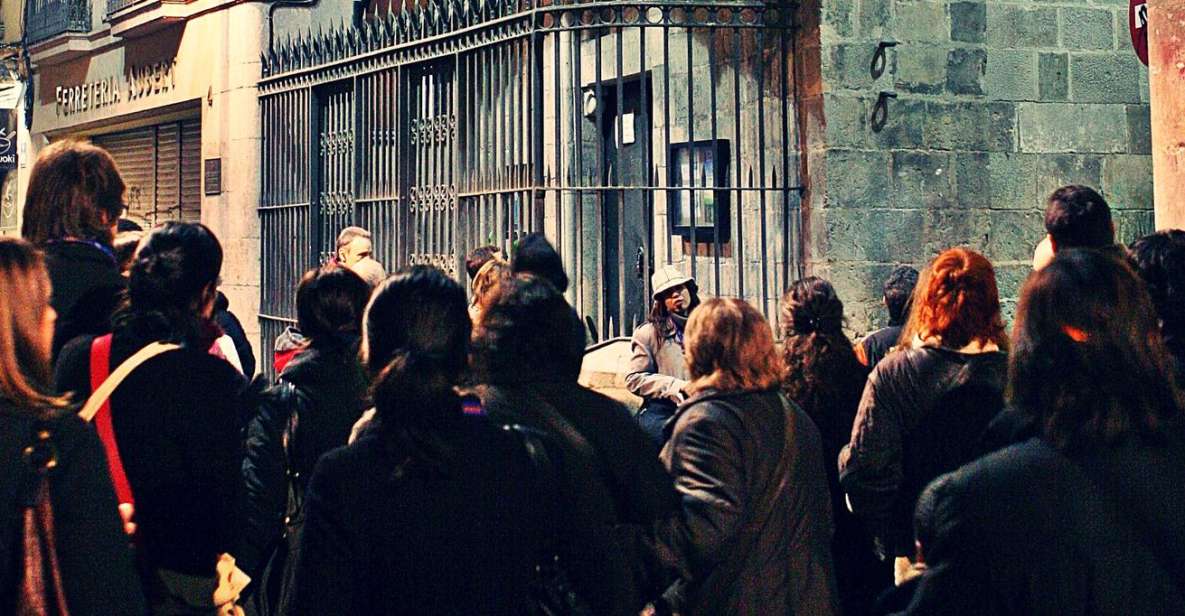
One of the emotional stops is Sant Pere Square, tied to the Monastery of Sant Pere de les Puel·les. The story line here is heavy: a refuge for noble nuns, repeatedly destroyed across invasions, wars, and fires, rebuilt multiple times, and eventually confiscated and used as a prison. The nuns were forced to leave permanently.
This is the kind of stop where the tour’s tone feels more grounded. Instead of only telling ghost tales for effect, the guide builds the atmosphere using the site’s real history—then ties that to the legend of ghostly nuns who can’t rest after centuries of suffering.
If you’re looking for “scary,” this is the closest the tour gets to lasting goosebumps. Even if you don’t buy the supernatural part, you still get a place you’ll remember because it’s emotionally specific, not generic.
Born district oddities: the real snow street
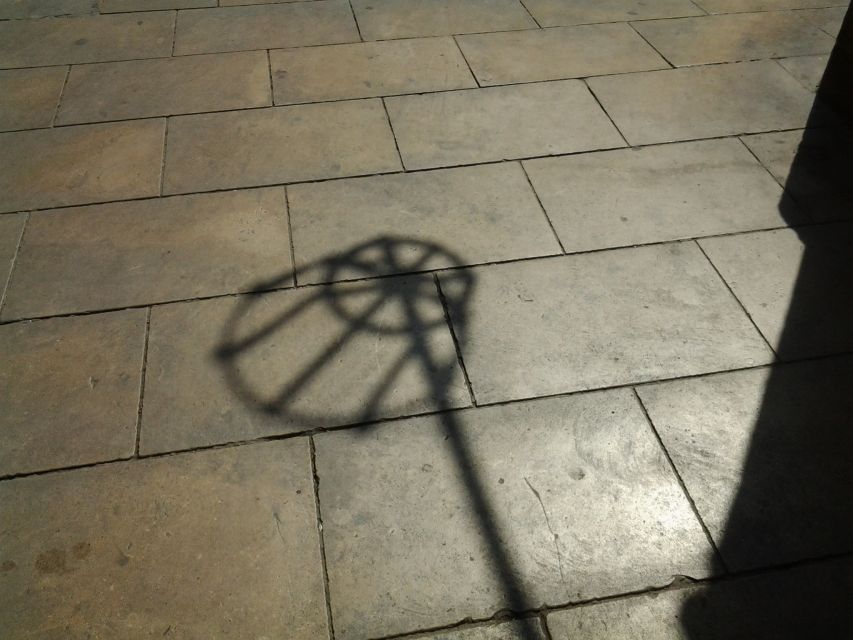
The route includes a narrow, picturesque Born district street known for selling real snow long before modern refrigeration. People reportedly bought it to cool drinks, preserve food, or make ice cream.
That may sound like a funny detour in a ghost tour, but it’s actually useful. It keeps the evening balanced. You’re not stuck in grim mode the whole time. Plus, it shows how everyday life once worked in Barcelona—how people solved practical problems with local trade and clever logistics.
If you like tours where the scary stuff comes with human details (what people ate, how they stored things, what streets were for), you’ll probably appreciate this stop.




Roman routes and Hostal Flor de Lliri: where Europe came through
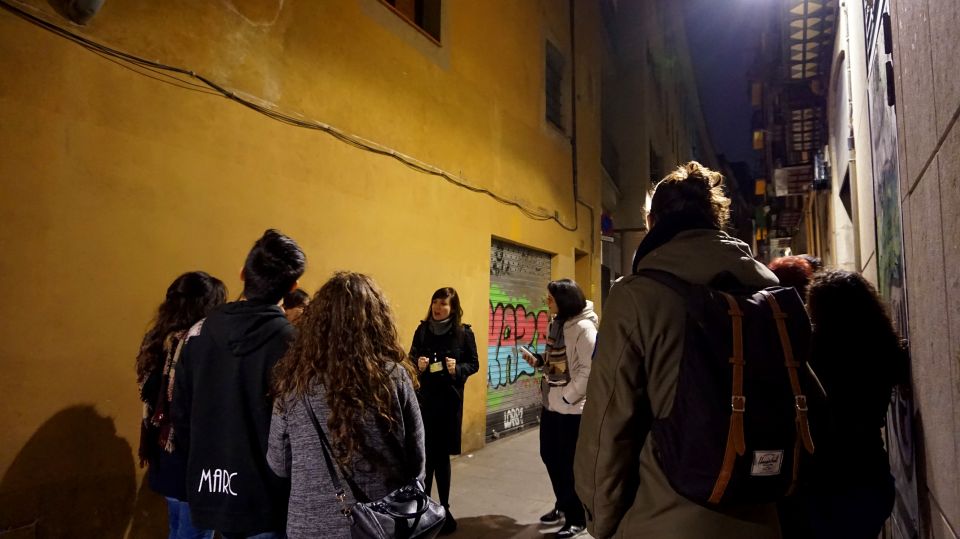
Another key moment is a “mysterious corner” where the ancient Roman Road connected Barcelona to Europe. The tour frames it as a crossroads of movement and change—people passing through, streets supporting daily life, then later turning into places with darker reputations.
The route centers around the now-reputed Hostal Flor de Lliri area. Even if you’re not fact-checking every legend, this stop is effective because it links the past to the physical street geometry. The street feels like a corridor, not a random wander.
From a practical standpoint, it’s also a good pacing stop: you’ll be walking for stretches, then land briefly in a spot where the guide can slow your senses and make the atmosphere click.
Plaça d’en Marcús: charity roots beneath the legend
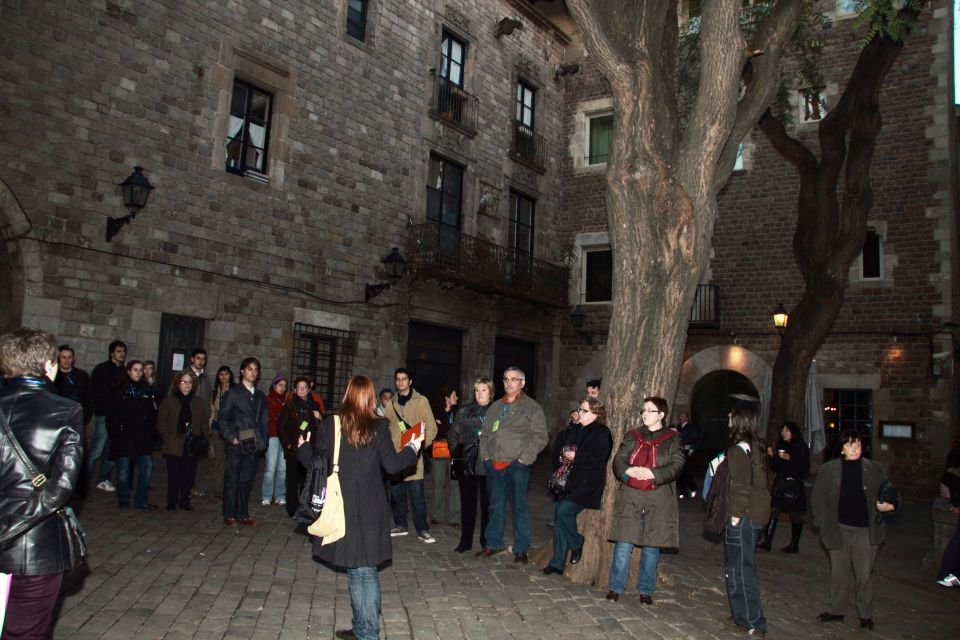
The tour also visits Plaça d’en Marcús, named after Bernat Marcús, a wealthy 12th-century benefactor. The story goes that he funded charity works, including a chapel and a hospital for the poor and pilgrims.
This is one of the tour’s most interesting balancing points. A ghost tour that includes charity and care reminds you that “dark history” doesn’t mean the entire city was only fear. It’s a layered place—help and hardship, devotion and conflict, all in walking distance.
So while the tour keeps its gothic energy, this stop gives it depth. It also helps you connect the dots when you later wander these areas in daylight and realize the buildings and squares have always hosted ordinary life.
Camí del Born and Passeig del Born: from movement to inquisition
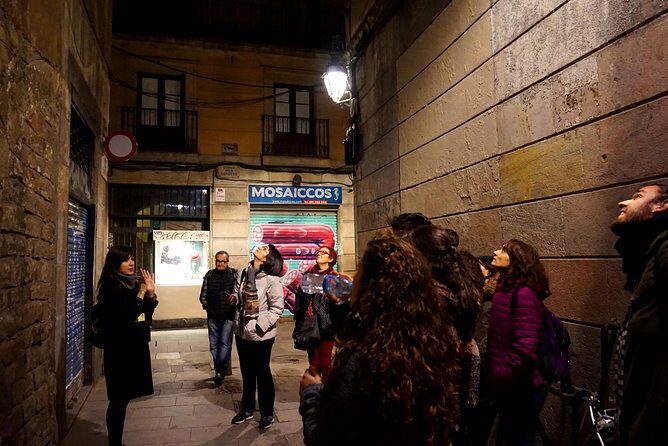
You’ll also walk along Camí del Born, described as an 11th-century coastal path area that later got lands granted to influential citizens by Count Ramon Berenguer IV. The important takeaway for you: the tour doesn’t treat El Born as a decorative neighborhood. It frames it as a working corridor—movement, ownership, and power shaping what came next.
Then the story turns sharper at Passeig del Born. This spot was once associated with medieval jousts, and later it became linked to the Inquisition, with eerie legends said to hide beneath the charming facade.
This is where the tour’s “gothic storytelling” style really shines. You’re given a plausible reason for why the area might feel psychologically heavy: power structures, public events, and fear operating under normal-looking streets.
Santa Maria del Mar finale: Catalan Gothic built by the locals
You end at the Basilica of Santa Maria del Mar at Plaça de Santa Maria. This is not just a scenic finish—it’s one of Barcelona’s most satisfying Gothic landmarks.
The guide explains why it feels different from Barcelona’s Cathedral. Santa Maria del Mar was funded and built by local residents, especially the bastaixos: workers who carried heavy stones from Montjuïc over long distances. That makes the church feel like a neighborhood project, not a distant elite statement.
In a ghost tour, it’s the perfect ending. The exterior is beautiful, but the tour approach pushes you to look past the postcard surface. You get a final round of eerie history and legend, then you stand at a real civic achievement built by regular people.
If you want a memory you’ll keep after the “spooky” part fades, this church is it.
Price and what you’re really paying for
The price is $21.60 per person, with a duration of about 2 hours. For that money, you’re buying three things:
- A guided night route through neighborhoods where you can easily get lost on your own
- Storytelling tied to specific stops, rather than random ghost vibes
- A walk that helps you see Barcelona’s medieval texture without paying museum prices
Is it worth it if you want constant jump-scare theatrics? Probably not. Multiple accounts point out it’s often more folklore and history than real supernatural proof.
But if you’re the type who likes:
- night walks
- Gothic streets
- learning why places got reputations
then this price is a very friendly entry ticket.
Timing, duration, and when to schedule it
The tour operates in all weather, so dress for a night walk (layer up). Comfortable shoes are strongly recommended because you’ll be on narrow streets and cobblestones.
Departure times differ by day: Fridays at 8:30pm and Saturdays at 8:00pm. Since you’ll be walking at night in compact streets, earlier evenings can feel less eerie than later ones. Still, the storytelling is designed to carry the tone.
Group experience and the story style
The tour is offered in English (and from the reality of mixed-language groups on some departures, you might hear more than one language in the group). Either way, the guide’s job is to keep the group together and make sure everyone follows.
Many accounts emphasize that the guide’s storytelling can make the whole thing work, including guides like Christina. The best version of this tour feels like a night narrative with signposts: a place, a story, then the next place.
One thing to keep in mind: if you’re expecting nonstop intense scares, you may end up feeling like it’s more clever and atmospheric than truly frightening.
Who should book this El Born ghost walk
This tour is a great fit if you want:
- a guided night walk in El Born and nearby historic streets
- legends tied to real places, including major architecture stops
- an experience that’s fun even if you don’t fully believe in ghosts
It’s also a solid solo option. You’ll still be part of the group, and it can be a nice way to meet other people while keeping your feet moving.
I’d think twice if:
- you need long stops inside buildings (this is mostly a walk with storytelling)
- you want a bathroom or coffee stop built into the middle (there isn’t any mention of one being included)
- you’re extremely sensitive to uneven walking surfaces
Should you book? My practical take
If you’re spending a few nights in Barcelona and you want one activity that gives you both atmosphere and context, I’d say yes—book it. The strongest reason is the pairing of legend with recognizable places you can later revisit on your own, especially Santa Maria del Mar.
But if your goal is maximum fright, go in with the right expectations. This is folk horror + medieval history + a guided night route. It can be spooky, but it’s not a horror movie. Think more campfire story with architecture than thriller chase scene.
If you’re curious, bring layers, wear good shoes, and lean into the idea that Barcelona’s scariest stories are still rooted in streets you can touch.
FAQ
What is the duration of the Barcelona El Born Ghost Walking Tour?
The tour lasts about 2 hours.
Where does the tour start and end?
It starts at Passeig de Lluís Companys in Ciutat Vella (near Arc de Triomf) and ends at Basilica de Santa Maria del Mar, Plaça de Santa Maria, 1.
How much does it cost?
The price is $21.60 per person.
What language is the tour offered in?
The tour is offered in English.
Is the tour scary, or more historical and legend-based?
The experience blends ghost and supernatural storytelling with a lot of folklore and history, so it’s typically more legend-and-atmosphere than constant jump scares.
Is it offered in bad weather?
It operates in all weather conditions, so you should dress appropriately for a night walk.
Is there free cancellation?
Yes. You can cancel up to 24 hours in advance for a full refund. If you cancel less than 24 hours before the start time, the amount paid is not refunded.