REVIEW · BARCELONA
barcelona: Gaudi Highlights eBike tour
Book on GetYourGuide →Operated by Barcelona Ebikes · Bookable on GetYourGuide
Gaudí in Barcelona feels bigger than life. This 3-hour e-bike tour strings together the key sights in a way that actually fits real touring time. You ride from the medieval old-town area out to the modernist showcase streets, with a guide telling you what you’re seeing as you go.
I especially love how the electric bike makes the city easier to manage, so you’re not steamrolling from stop to stop on foot. I also like the mix of big-name Gaudí stops with smart “in-between” breaks, like the park and viewpoint moments that help the whole day feel connected, not rushed.
One thing to consider: this tour isn’t set up for people with mobility impairments, since it’s built around riding.
In This Review
- Key things I’d plan around
- From Plaça de Sant Agustí Vell to Gaudí Mode: How the Ride Works
- Who this fits best
- El Born Centre Cultural: A Quick Warm-Up Before the Big Names
- Parc de la Ciutadella and the Cascada Monumental: Where Gaudí Started to Show
- A small tip
- Viewpoint Time: Seeing the City So Gaudí Makes Sense
- Vila Olímpica and the Harbor Side of Barcelona
- The Mid-Ride Stop That Keeps the Energy Up
- Sagrada Família: Big Photos, Strong Stories, Real Awe
- What to do while you’re there
- Passeig de Gràcia: Casa Milà, Casa Batlló, and the Manzana de la Discordia
- Casa Milà: the surreal stone forms
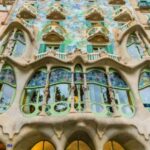
- Casa Batlló: mosaics and imagination
- The Manzana de la Discòrdia: why the rivalry matters
- How the Guides Actually Change Your Experience
- Value for $50: What You’re Getting and What You Give Up
- The value angle that matters
- What to Expect on the Road (Beyond the Landmarks)
- Should You Book the Gaudí Highlights eBike Tour?
Key things I’d plan around
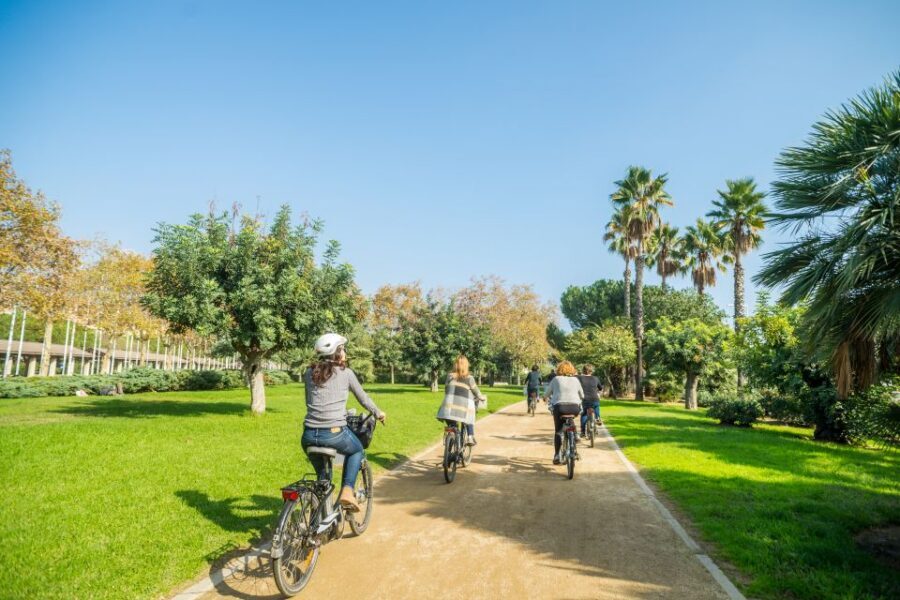
- E-bike comfort for real distances: You cover multiple neighborhoods without paying for it with blisters.
- Sagrada Família gets focused time: You get guided context, plus time for photos.
- Passeig de Gràcia is the main modernist stage: Casa Batlló and Casa Milà sit in the middle of the story.
- Small photo stops at the Manzana de la Discòrdia houses: Quick hits at Casa Amatller and Casa Lléo Morera add variety.
- Guides care about safety: In past groups, guides were praised for watching traffic and even keeping an eye on bags during photo stops.
From Plaça de Sant Agustí Vell to Gaudí Mode: How the Ride Works
Your tour starts at the Barcelona eBikes Tour office in Plaça de Sant Agustí Vell. That matters because you get going quickly from the start instead of spending a long time figuring out logistics before you reach the good stuff.
Once you meet your guide, you’ll get a quick ride lesson. The goal isn’t to turn you into a cyclist. It’s to help you feel confident on an electric bike in Barcelona traffic rhythms and stop-and-go movement. And yes, helmet use is part of the plan, with helmets provided and child seats on request.
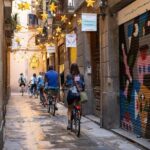
For many people, the best part of e-biking here isn’t speed. It’s stress. You still get street-level sights and views, but you’re less likely to arrive at Gaudí’s buildings wiped out. Reviews also repeatedly highlight how safe and well-managed the rides feel, including guides actively watching the flow of traffic and helping the group stay together.
You can also read our reviews of more cycling tours in Barcelona

Who this fits best
If you want to see a lot of Barcelona’s Gaudí work without chaining together multiple days, this fits. It’s also a strong choice if you like history and design details, because the guide’s stories tie the stops together instead of treating each building like a separate checkbox.
El Born Centre Cultural: A Quick Warm-Up Before the Big Names
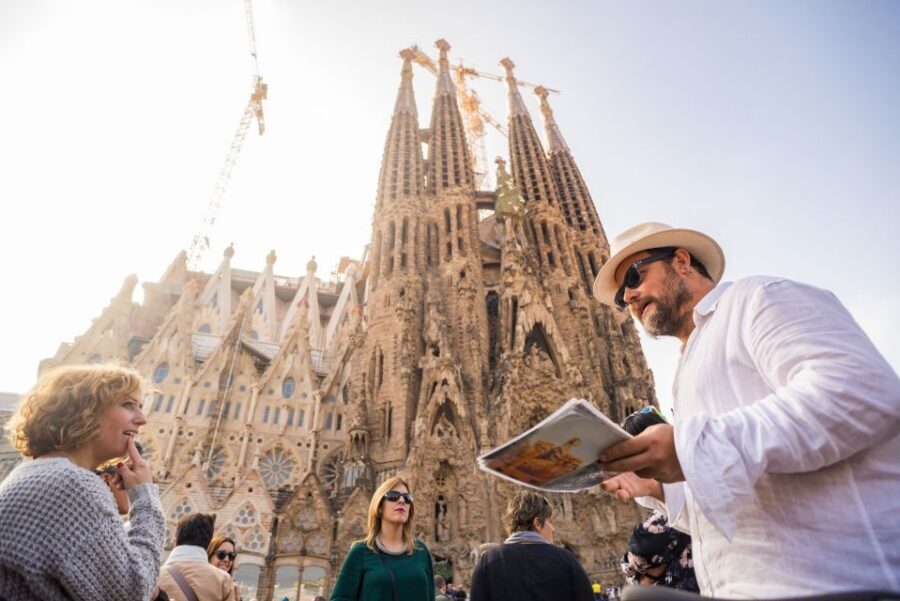
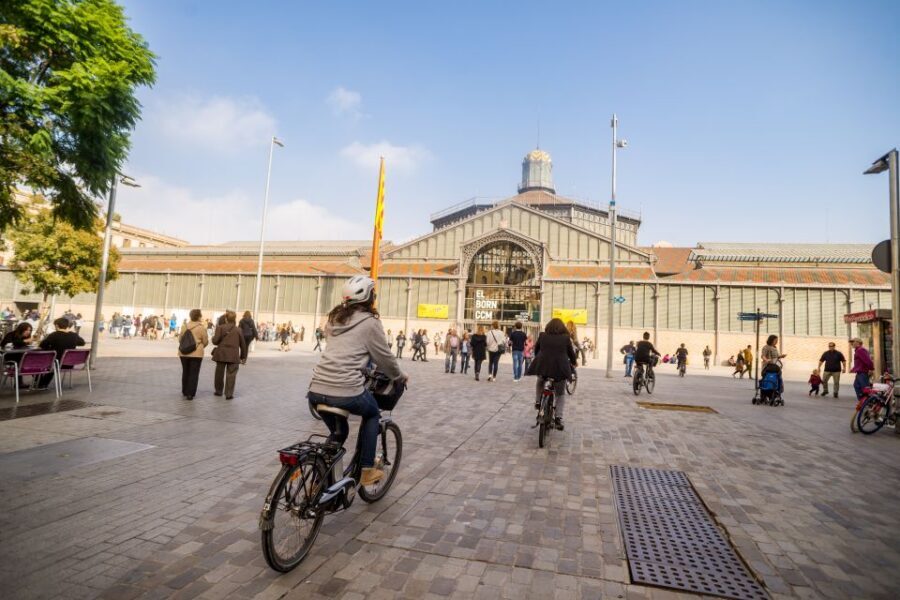
The first stop is at El Born Centre Cultural, just a short guided sightseeing moment. I like this kind of early anchor because it helps you shift mental gears from “Barcelona city” to “Barcelona as a design city.”
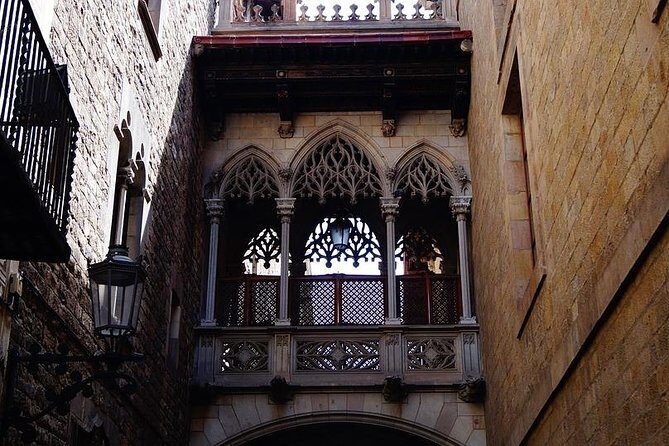
Even in a brief stop, the Born area gives you that sense of older Barcelona streets and texture before you move toward the landmarks that most people picture when they think Gaudí. This is a good time to get the group rhythm down too: where everyone gathers, how long each pause lasts, and how the guide signals photo moments.
Parc de la Ciutadella and the Cascada Monumental: Where Gaudí Started to Show
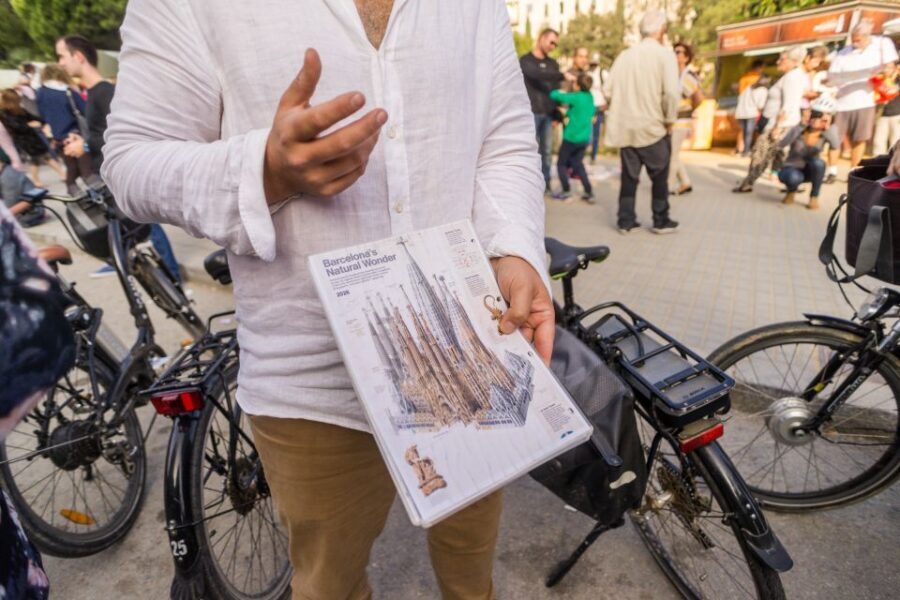
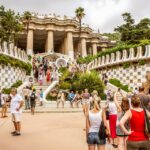
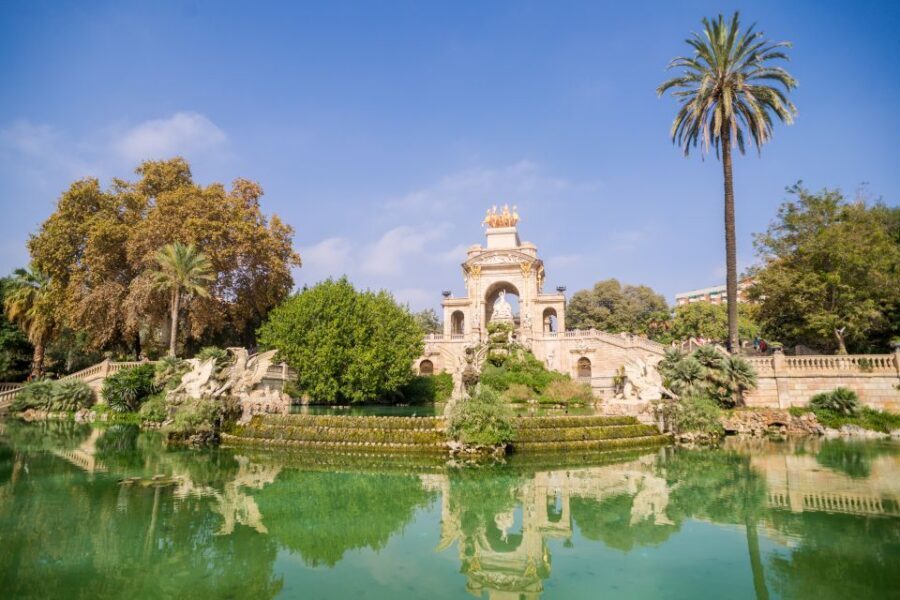
Then you roll into Parc de la Ciutadella, with a photo stop and guided time around what’s described as Cascada Monumental. What I like about this stop is that it reframes Gaudí for you. Instead of starting with the “wow” of Sagrada Família, you get to see an earlier work vibe—ornate, theatrical, and already hinting at the kind of imagination that later took over the skyline.
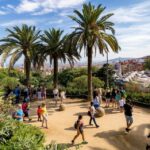
In practical terms, the park also works as a reset. You get a calmer environment, some greenery, and a break from the hustle that helps you enjoy the next stretches more. Even if you only spend about 18 minutes here, it’s enough time to take photos, absorb the atmosphere, and hear the guide’s explanation of how Gaudí’s student-era thinking started to surface.
A small tip
Bring a camera you can switch quickly between wide-angle and close-ups. Cascada Monumental is the kind of scene where details matter, and you’ll want both types of shots.
You can also read our reviews of more tours and experiences in Barcelona


Viewpoint Time: Seeing the City So Gaudí Makes Sense
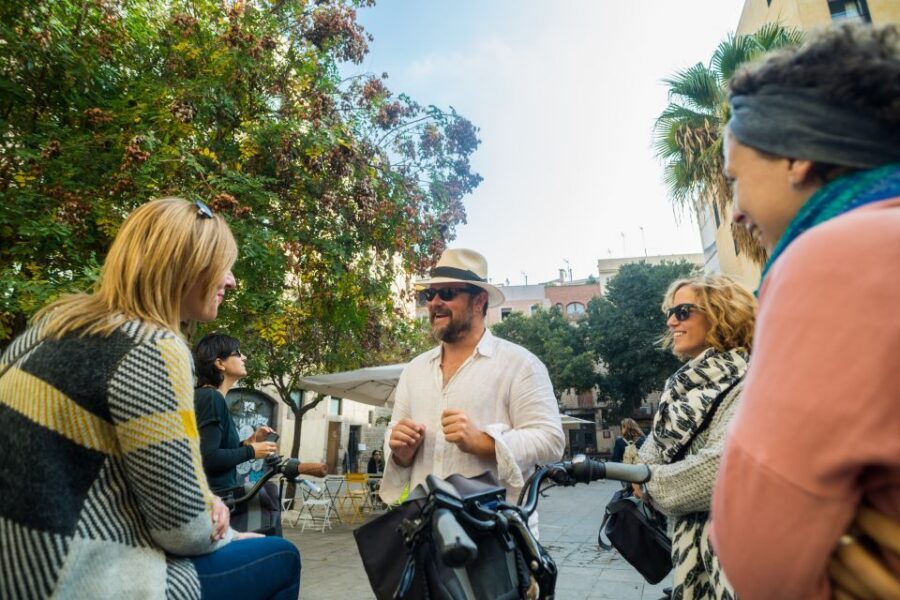
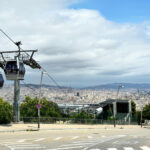
Next comes a viewpoint stop with guided sightseeing time. You don’t need a long hike for this to work. A well-timed viewpoint helps connect the dots between what you’re riding through and what you’ll see next on Passeig de Gràcia.
This is also where you start to understand the city’s layout and why the route makes sense. Without this kind of pause, the buildings can feel like a disconnected list. With it, the order feels intentional, like each stop sets up the next.
Vila Olímpica and the Harbor Side of Barcelona
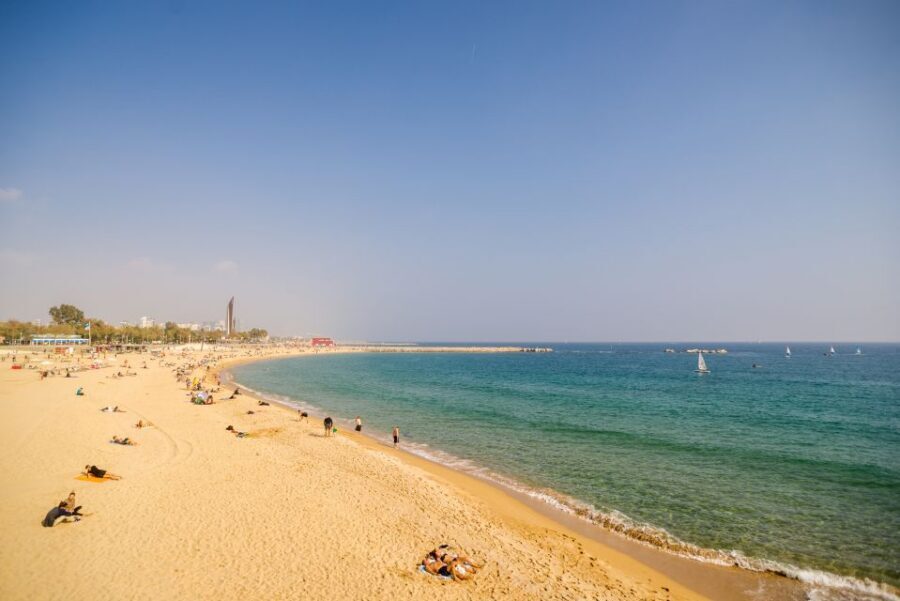
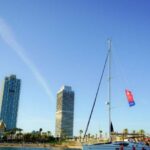
You continue toward Vila Olímpica, another guided sightseeing moment. One of the useful things about hitting this area on an e-bike is that you get a feel for Barcelona beyond the “only Gaudí” lens.
You get a break from the purely architectural focus and see how the city lives with modern urban zones. In past rides, guides were praised for how much interesting detail they packed into these segments, including the general harbor and Olympic-park feel in this part of the route. Even if you’re mainly there for Gaudí, this section prevents the day from turning into architectural tunnel vision.
The Mid-Ride Stop That Keeps the Energy Up
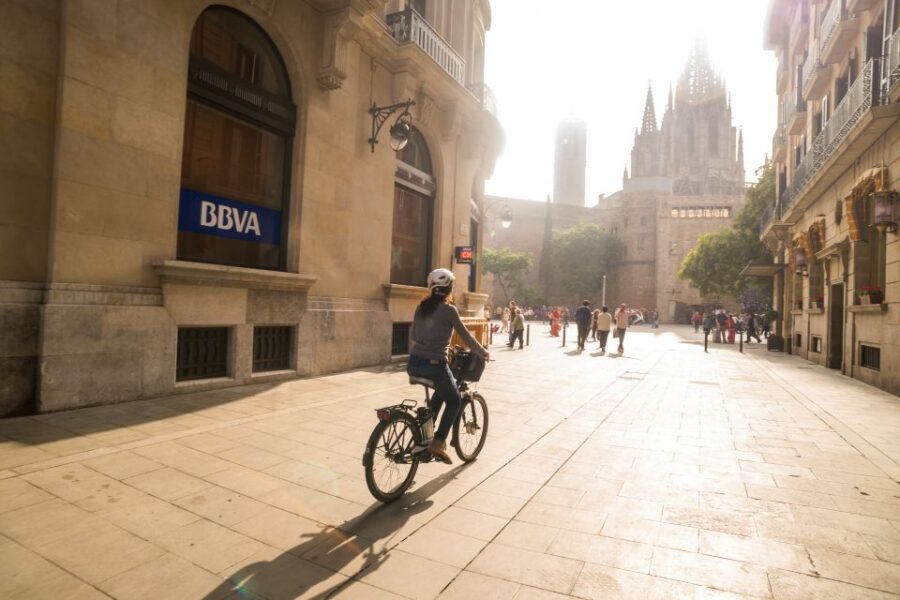
Your itinerary includes an additional guided stop around the middle of the tour (about 20 minutes), with sightseeing built in. The exact focus isn’t spelled out in the details you’re given here, but the time block is clearly there for a reason: it’s a breather and a chance to re-center before the biggest draws.
In my experience, that kind of middle pause is what keeps a tour from feeling like a sprint. It also gives you time to adjust if you’re starting to get tired, want to regroup with the guide, or just need a moment to step off the bike.
Sagrada Família: Big Photos, Strong Stories, Real Awe
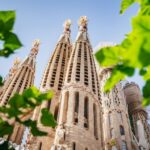
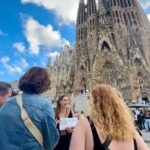
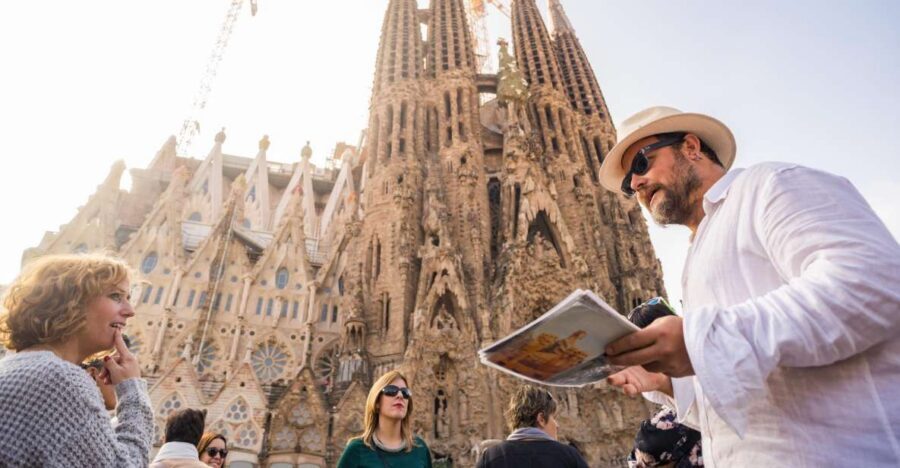
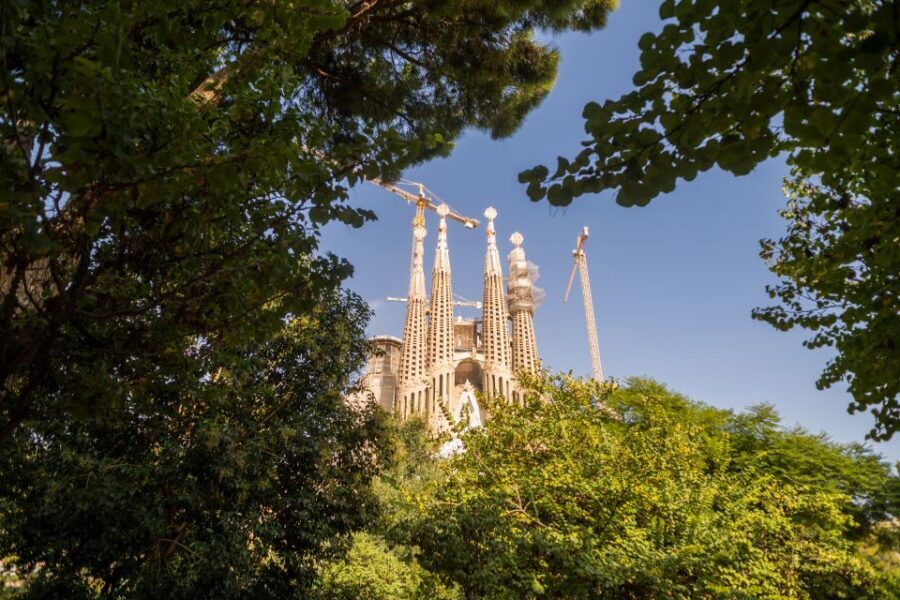
Sagrada Família is the crown jewel stop on this route, with a longer photo stop plus guided time and sightseeing (about 30 minutes total).
Here’s the honest value: you don’t just arrive at one famous building. You arrive with context. The guide explains the history and the thinking behind what you’re seeing. That changes the experience fast. Instead of “I saw it,” it becomes “I get what they were trying to do.”
What to do while you’re there
- Take wide shots first, so you capture the overall spires and scale.
- Then slow down for details. Gaudí’s work rewards close looking.
- If your group includes the usual mix of photo lovers and listeners, follow the guide’s pace so you don’t miss the best story beats.
Also, the time is long enough to feel like more than a quick stop, but short enough that you won’t lose the whole afternoon to one site. That balance is part of why this tour works.
Passeig de Gràcia: Casa Milà, Casa Batlló, and the Manzana de la Discordia
After Sagrada Família, the tour shifts into the Passeig de Gràcia modernist zone. This is where you see why people travel to Barcelona for Gaudí and also for his creative “neighbors” in the modernist movement.
You get focused time at:
- Casa Milà (short guided visit time around 10 minutes)
- Casa Batlló (short guided visit time around 10 minutes, plus photo time)
- The Illa de la Discòrdia area, described as a cluster linked to the creative rivalry theme (quick photo and guided time)
- Casa Amatller and Casa Lléo Morera (each with short photo + guided moments)
Casa Milà: the surreal stone forms
Casa Milà’s design is a conversation with the street. Even in a short stop, you’ll likely notice the sculptural feel and that “storybook” quality modernist buildings can have when the guide points out key features. The quick timing here works well because it’s meant to keep you moving while still letting you see the essentials.
Casa Batlló: mosaics and imagination
Casa Batlló is the kind of building people think they already know from photos. Then you stand there and realize the angles and surfaces are the point. The guided explanation helps you see beyond the front facade.
The Manzana de la Discòrdia: why the rivalry matters
This part of the tour is smarter than a simple photo sprint. The guide’s storytelling about the modernist rivalry is basically a shortcut to understanding why these buildings look the way they do. You’re not just collecting photos; you’re learning how artists respond to each other across a shared stretch of city.
One practical thing: because the later stops are short, you’ll get the most from them by keeping your eyes up and ready. If you wait to settle in after the guide moves on, you’ll miss the short “best angle” moment.
How the Guides Actually Change Your Experience
This tour lives or dies on the guide, and the feedback on that point is consistently strong. Names that have shown up include Oriol, Lily, Rory, Agata, Maria, Montes, Manu, and Heidle. Different personalities, same theme: safety care and clear storytelling.
Here’s what that looks like in real terms:
- Guides were praised for guiding safely through traffic and watching group movement.
- They helped the group feel comfortable with the bikes.
- Some guides also handled practical details like keeping an eye on bags while people took photos.
If you can, ask your guide one or two specific questions early—something like how Gaudí’s ideas evolved from earlier works to the Sagrada Família style. When you do, you’ll usually get a better explanation later because the guide knows what you’re paying attention to.
Also, one review notes that if you ask lots of questions, you should expect the ride to run longer. That’s a good sign. It means the tour can flex with your curiosity instead of marching you through with zero room to breathe.
Value for $50: What You’re Getting and What You Give Up
At $50 per person for about 3 hours, this tour packs in a lot. You’re paying for:
- An e-bike rental
- An English-speaking guide (Spanish/English live guidance is also listed)
- A small bottle of water
- Helmet use
- Liability insurance
You’re not paying for food, which is typical for a city tour like this. If you’re hungry, plan for a proper meal afterward.
The value angle that matters
If you tried to do this route on your own without a bike, you’d either spend time bouncing between neighborhoods on public transport or feel tired enough that you’d take fewer photos and enjoy fewer stories. The e-bike solves the distance problem, and the guide solves the “what am I looking at” problem.
What you give up is pure freedom of pace. The tour is designed as a sequence with scheduled photo stops and guided moments. If you want to wander for long periods inside museums or spend an extra hour just staring, you won’t get that here. Instead, you get focused coverage of Gaudí’s Barcelona in one efficient morning or afternoon.
What to Expect on the Road (Beyond the Landmarks)
This is a street ride. You’ll spend the day on sidewalks and bike paths where available, plus stretches where you share space with city traffic patterns. The tour is structured so you learn to handle the bike confidently from the beginning, and guides are clearly trained to keep the group safe in motion.
You should come ready for:
- Short stops that are more about seeing and understanding than slow touring
- Frequent photo moments (bring a charged phone/camera)
- A mix of older neighborhoods and modern boulevards
And because the tour isn’t suitable for people with mobility impairments, it’s best suited for riders who feel comfortable being active and stable on the bike for the full tour duration.
Should You Book the Gaudí Highlights eBike Tour?
Book it if you want a high-impact Gaudí day without exhausting yourself. The biggest reason I’d recommend it is the balance: major landmarks like Sagrada Família and Passeig de Gràcia buildings are paired with smart breaks that keep the day coherent. You also get guided storytelling that helps you look at the details instead of just taking photos.
Skip it if your top priority is unstructured time at one building, or if you need an itinerary designed around mobility accommodations.
If you’re comfortable riding an e-bike and you want to see a lot of Barcelona with a guide who cares about safety and the story behind the design, this one is a solid bet for your itinerary.