That smell of Spain hits fast.
This 3.5-hour walk through Born and Barceloneta is built around food you can actually relate to: market produce, family-run counters, and a true homemade seafood paella finish. I especially like starting at Santa Caterina, where you get the real neighborhood rhythm without the circus vibe. And I love that the meal at the end is not a token plate, it’s a sit-down paella feast with local wine. One thing to keep in mind: it’s a walking tour at a moderate pace, so it’s not a great fit if you use a wheelchair or need stroller-friendly routes.
I also like the human scale. The group stays small (limited to 9), the guide gives history and practical food-wisdom in English, and you’ll try 11+ samples plus 3 different drinks spread across the morning-and-lunch vibe. The main drawback I’d flag is pacing at the “bomba” stop can feel a bit quick because some places run on a tight schedule.
In This Review
- Key Moments You’ll Remember
- Why Santa Caterina Market Sets the Tone
- Born’s Small Shops: Tastings With a Story Behind Them
- The Shift to Barceloneta: Vermouth, Bodega Stops, and the Bomba
- Can Ramonet Paella: What the Finish Is Really About
- How Much You Eat and Drink (So You Can Plan Your Day)
- Price and Logistics: Why It Feels Like Good Value
- Diet Options: What’s Possible and What Might Take Extra Work
- Guides Matter: Alex, Arianna, and Hector’s Shared Strength
- Who This Food Tour Is Best For
- Should You Book This Barcelona Hidden Markets, Tapas & Paella Food Tour?
- FAQ
- How long is the food tour?
- How much does it cost?
- How big is the group?
- Where does the tour start?
- What language is the tour guide?
- What’s included in the price?
- Is it suitable for vegetarians or pescatarians?
- Is it suitable for vegans or celiac?
- Do I need to be able to walk?
Key Moments You’ll Remember
- Santa Caterina Market instead of the loudest tourist names, with lots of tasting early
- Born backstreets on foot, with stops at well-known specialty shops
- Vermouth time in Barceloneta, plus the legendary bomba tapa
- Seafood paella at Can Ramonet, served as a proper neighborhood meal
- Guides like Alex, Arianna, and Hector bring the story to life with humor and order-this tips
Why Santa Caterina Market Sets the Tone
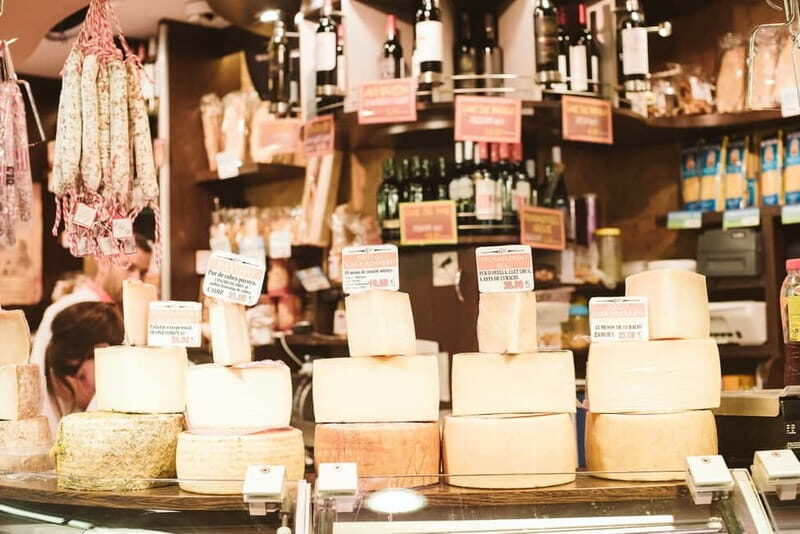
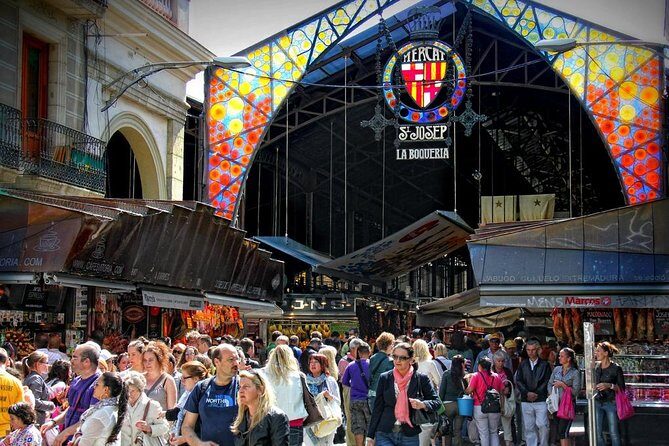
Your tour begins at Mercat de Santa Caterina, on Av. de Francesc Cambó. This matters more than it sounds. Markets can be either a tourist stage or a daily routine, and Santa Caterina is the daily routine. You’ll get there early enough to feel how locals shop: quick decisions, familiar faces, and vendors who are happy to talk food.
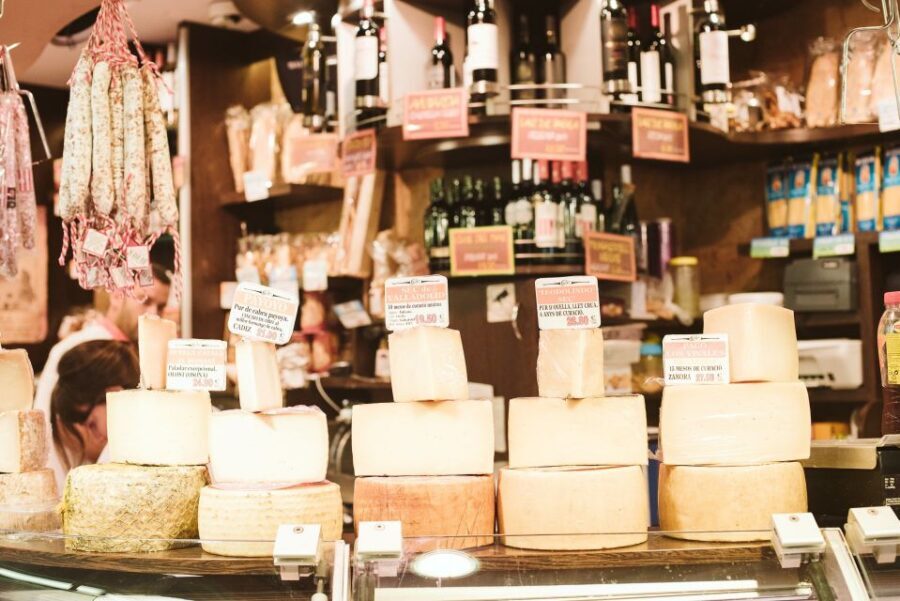
You start with tastings that make Barcelona feel specific, not generic. Expect samples that lean into the classic Catalan-Spanish backbone: things like Spanish cheese and jamón ibérico. It’s a smart opener because it trains your palate for the rest of the walk. Also, one specialty shop stop includes a signature taste plus a surprise out back, the kind of detail that makes this feel like a local route rather than a scripted carousel.
In practical terms, I’d treat the first 30–40 minutes like your warm-up. Eat slowly, sip water, and listen when the guide talks about what you’re tasting and what to look for later. You’ll get much more out of the paella if you know what good seafood flavors are supposed to taste like.
You can also read our reviews of more food & drink experiences in Barcelona


Born’s Small Shops: Tastings With a Story Behind Them
After Santa Caterina, you walk into Born, the medieval-street neighborhood where the city feels older and tighter. This section is where the tour earns its name: hidden markets and places that don’t rely on big-name branding.
You’ll hit specialty stops with short tastings—think along the lines of:
- Brunells (a quick, focused taste)
- Torrons i dolços La Campana (another fast, sweet-leaning stop)
Even when a tasting is only 10 minutes, it’s not random. These are the kinds of shops that keep Barcelona’s food identity intact, especially when you’re walking away from the main tourist magnets. If you’ve ever wondered why Spaniards care so much about how and where food is made, this is your answer: different neighborhoods keep different traditions alive through the same small counters and recipes.
The guide’s job here is translation. You’ll get history and context that help you “read” the streets. And from the way guides like Alex and Hector are praised, it’s not just dates and facts—it’s also practical advice. One highlight from previous tours: guides explain what to notice and even how to order once you’re on your own. That’s the kind of information you’ll use again, not just for one afternoon.
Wear comfortable shoes here. Born’s streets are pretty, but they’re also real streets—some uneven, some narrow. The good news: because the group is small, you won’t get stuck behind a wall of people.
The Shift to Barceloneta: Vermouth, Bodega Stops, and the Bomba

Next comes the seaside mood change. You’ll move toward Barceloneta, the older fishermen’s quarter where the walk starts to feel more like a working neighborhood than a postcard.
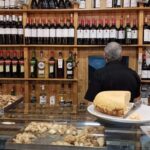
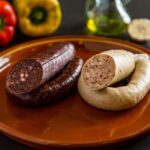
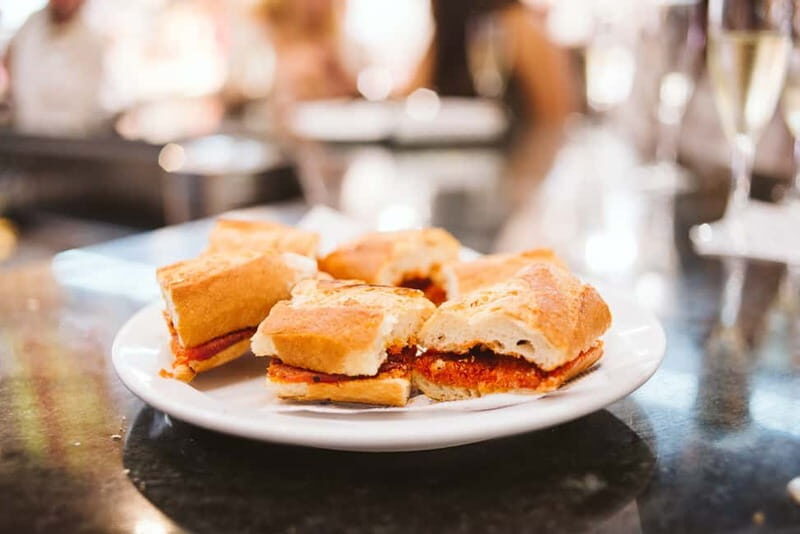
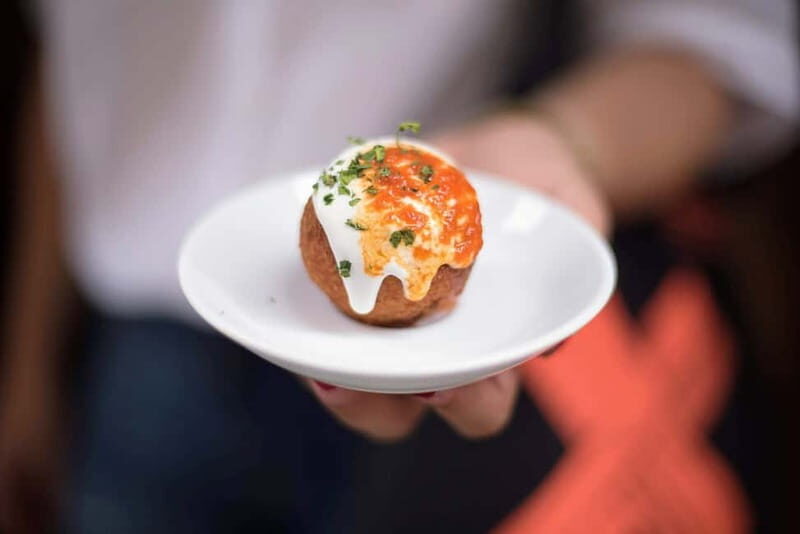
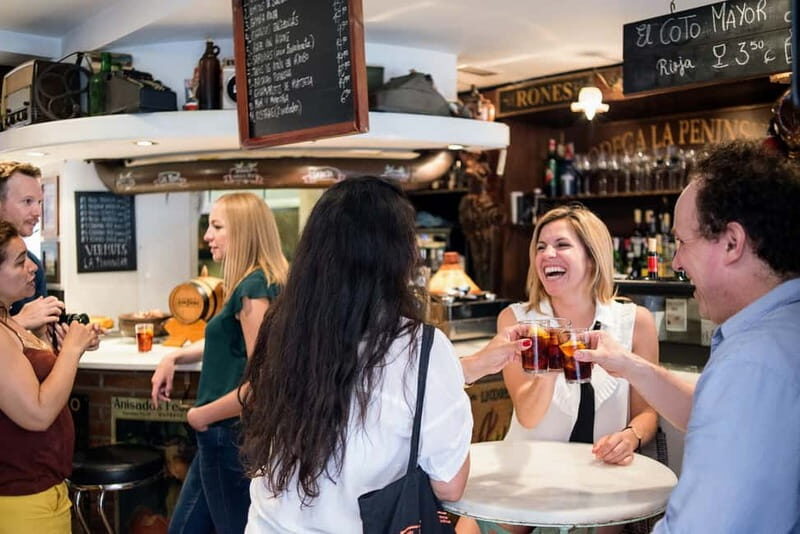
Before the big sit-down meal, the tour includes a bodega moment. You’ll sip vermouth in a classic setting and then try the famous bomba tapa. This is one of those “Barcelona, but not for tourists” stops—simple, local, and meant for snacking while people talk over their plates.
One caution: the bomba tasting can feel rushed. Some shops are busy and may be preparing to open to the public. If you’re the type who likes to take a long moment with each bite, go a little slower in your head. Let your first sip and first taste be enough. Then pivot back to the experience: learn what it’s like, then move on with energy for the paella.
This is also a good time to ask the guide questions. If you’ve got dietary needs, this is where you’ll understand what’s possible. The tour is adaptable in some ways, but not everything is replaceable at every stop. Asking early saves stress later.
Can Ramonet Paella: What the Finish Is Really About
The final meal is where this tour turns from “tastings” into “I get why people love Barcelona food.”
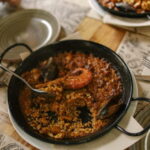
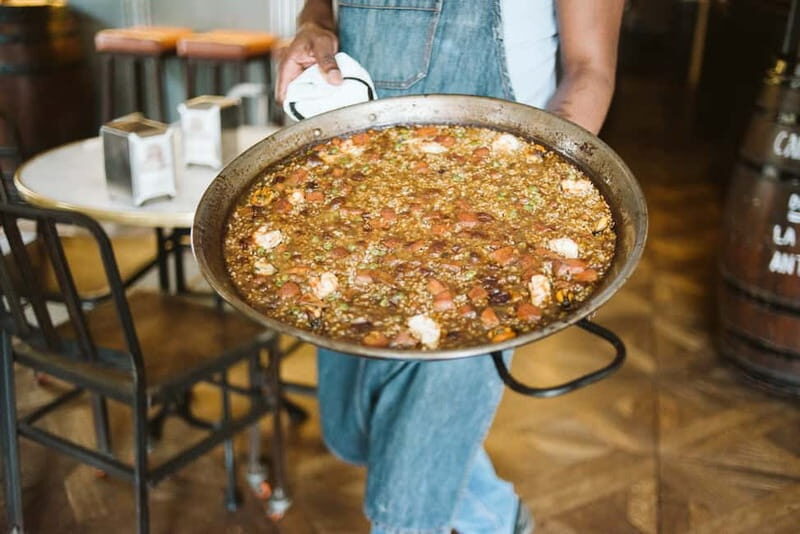
At Restaurante Can Ramonet | Paella y Marisco en la Barceloneta, you’ll sit down for traditional seafood paella, served as a feast—not a tiny tasting portion. It’s paired with local wine, which is part of why this stop feels like a celebration rather than a checkpoint.
What makes this finish land well is the setup earlier in the tour. You’ve already tasted cured meats, cheeses, sweets, and snack-style bites. By the time you reach paella, you’re not wandering in blind. You know the difference between flavors that work together and flavors that are just salty because they can be.
Also, paella is one of those dishes that people argue about. Here, you’re getting the neighborhood version that locals come for—food that fits the culture of Barceloneta. If you care about eating like a local, this is one of the best ways to do it: not by chasing a “best of” list, but by showing up with a guide who understands what matters.
One more practical note: this is the end of a walking tour. Eat at a pace you can sustain, and save your strongest appetite for the paella itself. You’ll already have plenty in your stomach.
How Much You Eat and Drink (So You Can Plan Your Day)
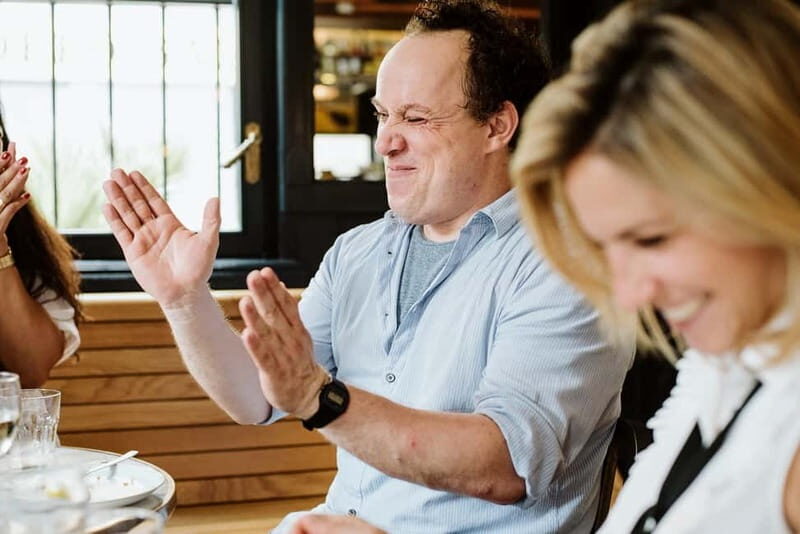
This tour covers breakfast-and-lunch style eating, and it’s not shy about portions. You’ll get 11+ samples, plus 3 different local drinks. In other words, you should plan around the tour. Don’t schedule a big dinner right after, unless you’re the “walk equals calories” kind of person.
A few practical pacing tips:
- Drink water between stops. It’s an easy way to keep your appetite sharp.
- If you’re sensitive to spice or strong flavors, tell the guide early. You’ll still get choices, but it’s easier when you start the conversation sooner.
- Expect a mix of savory and sweet along the way. That sweet stop is short, but it can change how you feel when you hit vermouth and then paella.
From the guide styles praised in English-language tours, the best part isn’t only the food. It’s the small coaching moments that help you know what to expect and how to order when you’re hungry later.
You can also read our reviews of more tours and experiences in Barcelona
Price and Logistics: Why It Feels Like Good Value
At $101 per person for about 3.5 hours, this tour costs about what you’d expect for a structured food experience in central Barcelona. The “value” angle isn’t just the number of stops. It’s the amount of food and drink you’re getting, plus the fact that the route is intentionally designed to skip the most crowded tourist path.
You’re also paying for time saved. Instead of figuring out which counters are worth it and when to go, you follow a plan with family-run stops and a sit-down paella meal at the end. And since the group is limited to 9, you’re not just paying for food—you’re paying for smoother interactions and better guidance.
Logistics matter, too. You’ll be asked to arrive 15 minutes early at the main entrance of Mercat Santa Caterina (Av. de Francesc Cambó, 16). Your guide will be holding a red bag or a Devour Tours sign. Build in time to find them without rushing.
Finally, it’s an on-foot tour. Bring comfortable shoes and water. This isn’t a “quick bites then taxi” plan.
Diet Options: What’s Possible and What Might Take Extra Work
If you have dietary needs, this tour can still work, but you should plan for limits. Here’s what you’re told is adaptable:
- Vegetarian
- Pescatarian
- Gluten free (not celiac)
- Non-alcoholic options
- Pregnant women
Two important caveats:
- You may not have a replacement food option at every stop, so flexibility helps.
- It’s not suitable for vegans, and it’s not recommended for people with gluten intolerance (and celiac is specifically called out as a concern in the gluten-free note).
If you’re strict about allergies or celiac-level needs, I’d treat this as a “check carefully” situation. Contact the operator before booking when possible, and mention your needs clearly. This is the safest way to avoid a day of disappointment.
Guides Matter: Alex, Arianna, and Hector’s Shared Strength
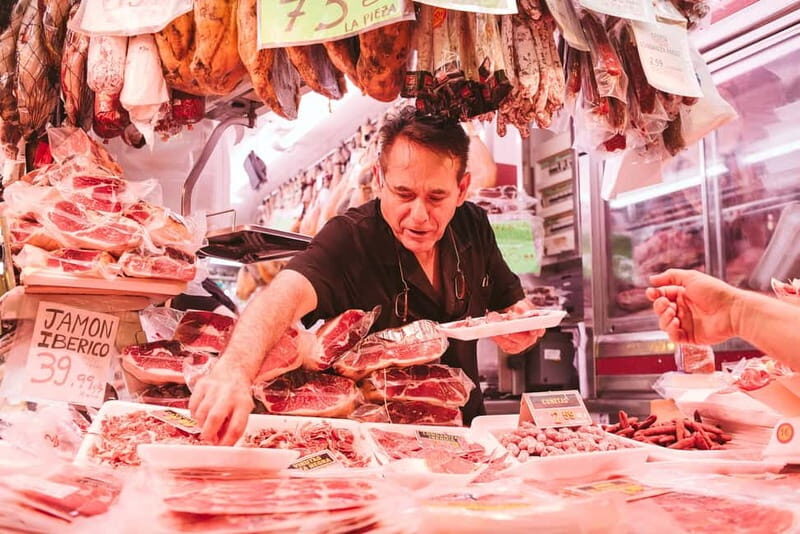
One reason this tour gets high marks is the guides. Names that come up with particular praise include Alex, Arianna, and Hector. While guides differ in personality, the common thread is the mix of food and city context—plus the ability to keep things fun without turning it into noise.
The best guides do two things at once:
- They explain what you’re tasting and how it fits local life.
- They teach you practical habits: what to look for, and even how to order once you’re out on your own.
If that’s the kind of learning you like—useful and not academic—this tour is a good match.
Who This Food Tour Is Best For
This is a smart choice if you:
- Want to see Born and Barceloneta on foot without planning every stop yourself
- Like eating multiple small tastes rather than one big meal only
- Enjoy market culture and family-run spots more than polished, identical tourist restaurants
- Want an English-speaking guide who adds context and helps you navigate food choices
It’s also a good fit for a first-time Barcelona trip, because you’ll leave with a clearer picture of where food culture comes from and how to order it.
Skip it if:
- You use a wheelchair or need stroller-friendly routes
- You don’t do well with moderate walking
- You’re vegan or need strict celiac-level gluten controls
Should You Book This Barcelona Hidden Markets, Tapas & Paella Food Tour?
I’d book this if your main goal is authentic Barcelona eating with less tourist noise. The Santa Caterina start, the neighborhood switch to Barceloneta, and the homemade seafood paella finish create a full arc that actually feels like a day out—not a hurried sampler.
If you’re sensitive about pacing, be aware the bomba tasting stop can run fast. And if you have strict dietary rules, confirm needs ahead of time, because replacement options aren’t guaranteed at every stop.
If your feet work and you like markets plus a real sit-down meal, this is one of the more solid ways to spend a half day in Barcelona.
FAQ
How long is the food tour?
The tour lasts about 3.5 hours.
How much does it cost?
The price is $101 per person.
How big is the group?
It’s a small group limited to 9 participants.
Where does the tour start?
Meet at Mercat Santa Caterina, Av. de Francesc Cambó, 16, 08003 Barcelona, at the main entrance.
What language is the tour guide?
The live tour guide speaks English.
What’s included in the price?
You get 11+ delicious samples (enough for breakfast and lunch), 3 different local drinks, and a Barcelona food guide.
Is it suitable for vegetarians or pescatarians?
Yes, it’s adaptable for vegetarians and pescatarians.
Is it suitable for vegans or celiac?
No. It’s not suitable for vegans, and gluten free is noted as not celiac.
Do I need to be able to walk?
Yes. It’s a walking tour with a moderate pace, and it is not suitable for people with mobility impairments or wheelchairs, or for strollers.