REVIEW · BARCELONA
Barcelona: Highlights & Gems Private Tour with Tapa & Drink
Book on GetYourGuide →Operated by LocalCoolTour · Bookable on GetYourGuide
Old Barcelona is close enough to touch.
This private walking tour strings together the city’s key medieval streets and squares with a few Gaudí stops and a market visit, then tops it off with food and stories. You’ll start near Plaça del Teatre and move through the Gothic Quarter, Raval area, and Born Quarter, with photo moments and guided context along the way.
I especially like two parts: first, the route makes sense geographically, so you’re not hopping across town just to see postcards. You’ll get Palau Güell as an early anchor, then land at La Boqueria for a proper sense of everyday Barcelona. Second, the food is built in as a tapa-and-drink pause, with a veggie option, so you’re not stuck planning meals mid-walk.
One thing to consider: because it’s private, your experience depends on how well your guide listens and adjusts. One person noted their guide didn’t ask about interests and shared info while walking, so if you want a specific pace or focus, speak up early and request it at the start.
In This Review
- Key Highlights to Expect
- Starting at Plaça del Teatre: getting your bearings on La Rambla
- Palau Güell and Plaça Reial: Gaudí meets an elegant square
- La Boqueria: the market stop that actually helps you snack like a local
- Gothic Quarter essentials: Roman walls, old streets, and the Cathedral area
- From Sant Felip Neri to La Plata: this is where the tapa becomes a story
- Santa Maria del Mar and El Born: medieval Barcelona underfoot
- Private by default: customization, and why your guide choice matters
- Price and value: what $93 per person buys you in 3 hours
- What to wear and how to manage a short walking day
- Final call: who should book this Barcelona highlights and tapa tour
- FAQ
- What’s the duration of the Barcelona Highlights & Gems Private Tour with Tapa & Drink?
- Where do I meet the guide?
- Is this tour private?
- What’s included in the tour besides the walking and guide?
- Do I need to plan lunch?
- What areas of Barcelona does the tour cover?
- What languages are available for the guide?
Key Highlights to Expect
- Palau Güell + Plaça Reial early on, for quick contrast between Gaudí-era Barcelona and classic squares
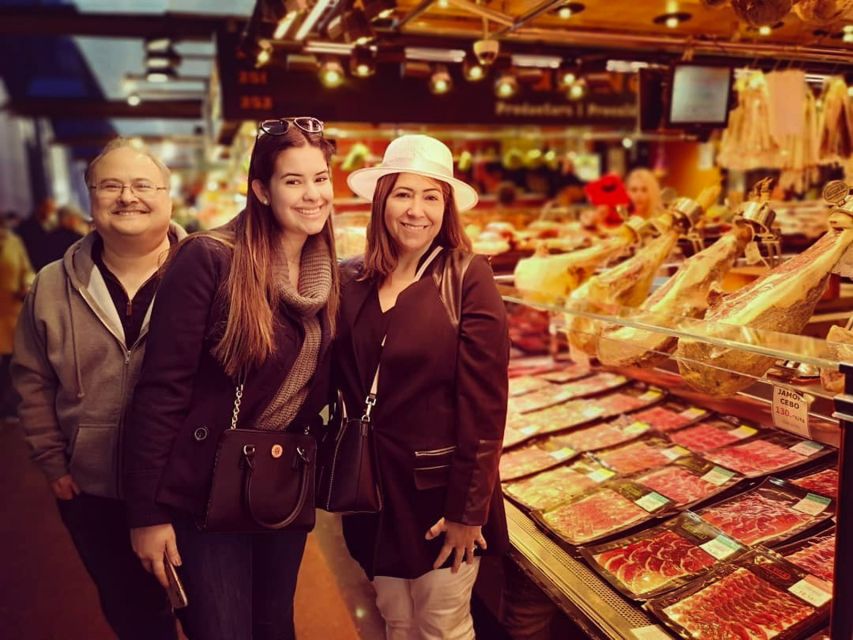
- La Boqueria market visit with time to browse and understand what makes the area food-famous
- Gothic Quarter landmarks like Barcelona Cathedral and Roman walls in a walking-friendly order
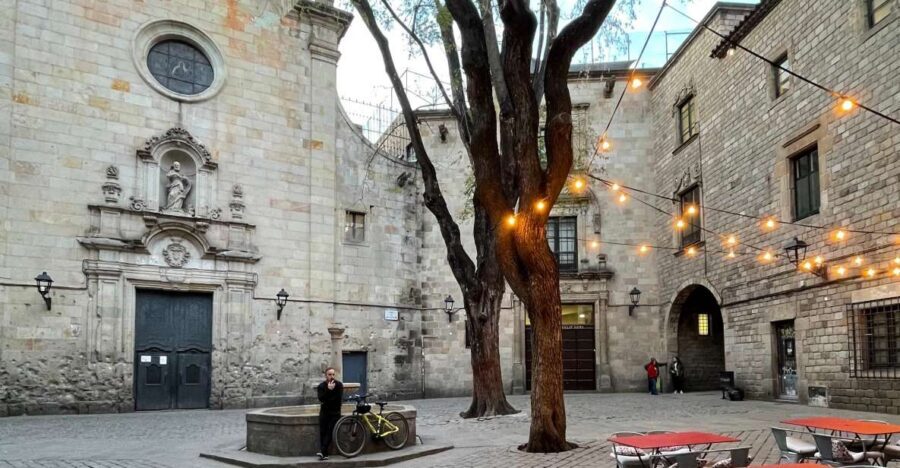
- Sant Felip Neri Square and the surrounding old-stone atmosphere that helps everything click
- Santa Maria del Mar + Born Centre Cultural to connect medieval Barcelona with what’s still visible today
- One tapa and one drink included, with a veggie option and a clear expectation: it’s not a full meal
Starting at Plaça del Teatre: getting your bearings on La Rambla
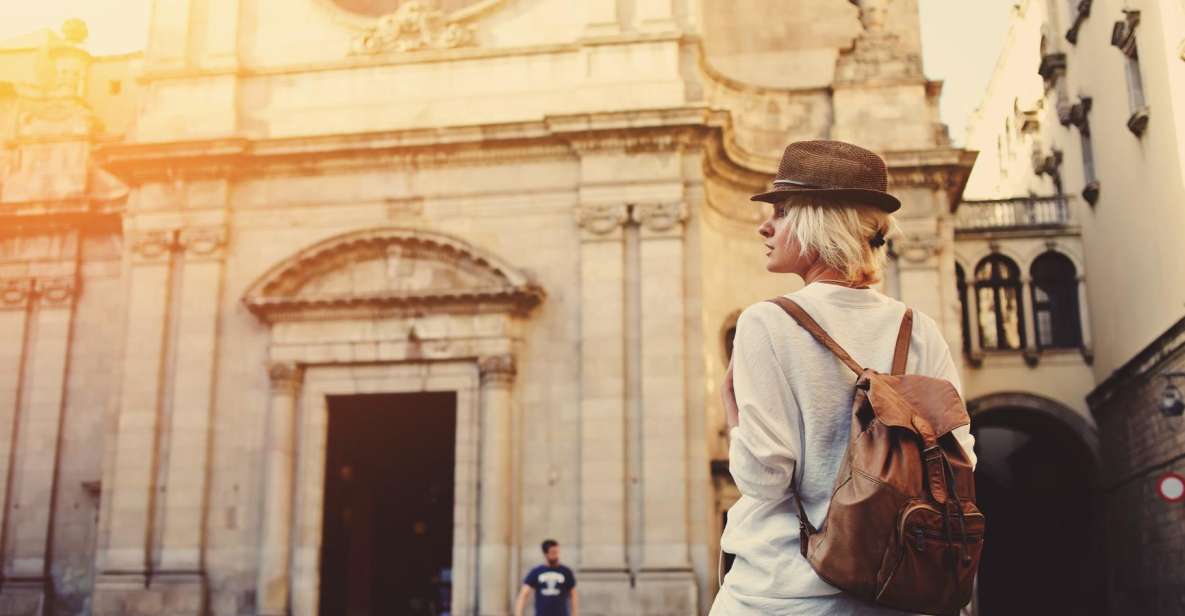
You meet at the statue of Frederic Soler (Pitarra), at Plaça del Teatre, which is a smart place to begin because it’s central and easy to find. From there, the tour heads onto La Rambla for a photo stop and guided walk. Expect this segment to feel like Barcelona’s “front door”: street noise, people-watching, and that classic mix of grand streets and side alleys.
The practical upside here is orientation. La Rambla sits next to neighborhoods that can feel confusing at first, so getting a guided pass while you’re fresh helps you understand what you’ll see later in the Gothic and Born areas. The one drawback: because La Rambla is busy, your photos and sound bites work best when you’re patient. If you’re prone to sensory overload, bring that calming mindset—think of this part as the warm-up, not the main event.
You can also read our reviews of more tours and experiences in Barcelona.
Palau Güell and Plaça Reial: Gaudí meets an elegant square
Next comes Palau Güell, described as the first great work of Antoni Gaudí. Even if you’re not the type to memorize architectural dates, this stop gives you a concrete thread to follow: Gaudí’s influence in a city of older stone. You’ll have a short photo stop and visit, then you’ll move on quickly, which is good for keeping energy up without turning the whole tour into a museum day.
Then you reach Plaça Reial, a palace-like square surrounded by arcades and palm trees. There’s even a break time here, which matters because Barcelona walking tours can otherwise steamroll your stamina. I like this placement: you see the Gaudí connection, you get a breather, and you’re ready for the market portion without feeling rushed.
If you’re the kind of traveler who loves “what am I seeing and why?” this is a solid setup. Your guide’s job here is to connect places to the way Barcelona works—tradition in public spaces, and how new styles show up beside older ones.
La Boqueria: the market stop that actually helps you snack like a local
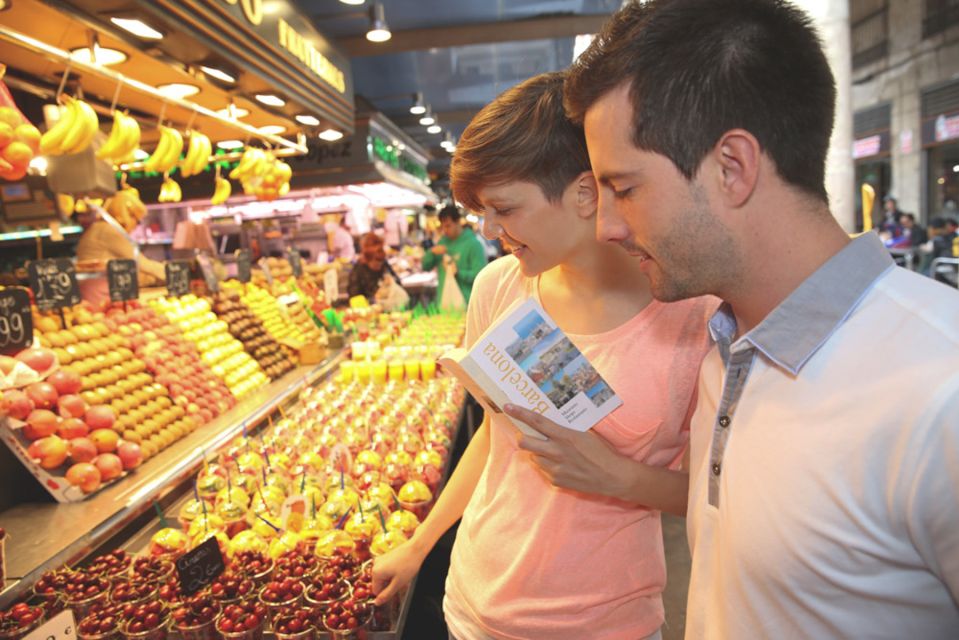
One of the most useful parts of the tour is the La Boqueria visit. It’s timed with a break period, so you can browse instead of just passing through. The market is described as colorful and historical, and it’s one of those places where the food stands, the smells, and the chatter teach you faster than any explanation.
You’ll get time for photo stops, a guided look, and then time to shop and explore the market area. That’s a big deal if you care about tasting later, because you’ll see what’s local and what looks worth buying. After that, you’ll move on toward the Gothic Quarter, so your market stop works like a palate primer.
Important expectation check: this isn’t a full lunch. You’re getting a tapa later, plus a drink, so treat La Boqueria as a guided market experience and not a meal plan replacement unless you already know you’ll be satisfied with just the included tasting.
Gothic Quarter essentials: Roman walls, old streets, and the Cathedral area
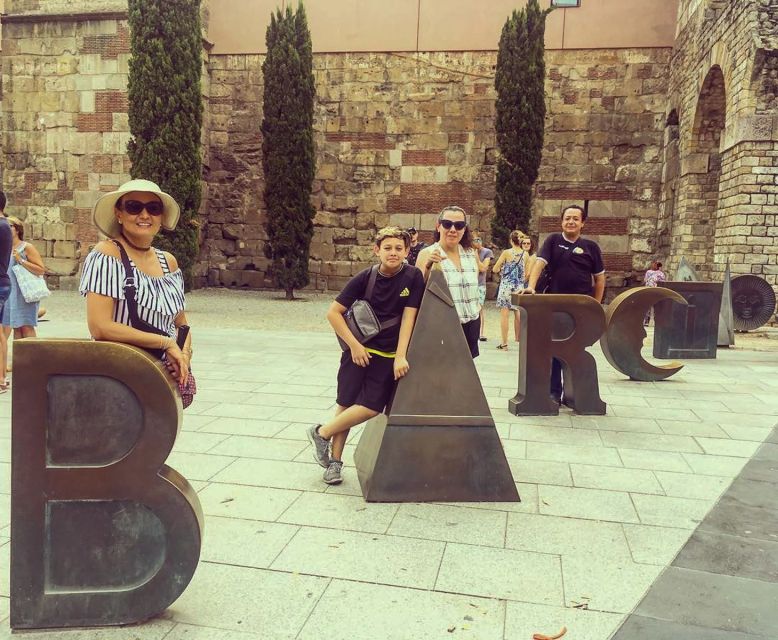
The tour then settles into the Gothic Quarter, which is where you start feeling the medieval layout. You’ll see a chain of landmarks that are close enough to walk in a reasonable order: Roman walls, the Old Cathedral area, and the Jewish Quarter, plus Sant Felip Neri Square.
A key thing I like about this design is pacing. Instead of making every stop a long stop, it uses short photo moments and guided snippets throughout, then ties them together with explanation while you’re moving between them. That helps you remember what belongs where. If you only visit Gothic areas on your own, it’s easy to get lost in stone textures and lose the bigger story.
Barcelona Cathedral comes up in the middle of this stretch, with a photo stop and guided time. The point isn’t to rush inside or treat this like a checklist—it’s to help you “read” the area as you walk. You’ll also get more context around the Jewish Quarter and why certain squares matter for daily life in older parts of the city.
If you prefer slower sightseeing, this is the one section where you might want extra questions. The walking pace is the reality of a 3-hour tour, so ask for one or two specifics about what you’re seeing before you move on—your guide can usually point you toward what’s most meaningful.
From Sant Felip Neri to La Plata: this is where the tapa becomes a story
After the Cathedral-and-square run, you move toward Sant Felip Neri and then to a stop called La Plata, where the food moment happens. This segment includes local snacks, regional food, and tapas, with a 30-minute block that’s long enough to actually sit, taste, and listen.
Here’s what’s included: 1 tapa to share and 1 traditional drink, and the tour notes a veggie option. In practice, that means you’ll get one proper tasting moment rather than a walking buffet of small bites. Your guide will also share stories while you eat, focused on Barcelona’s history, culture, traditions, and everyday way of life.
This is a great part of the tour if you like travel with context. Food is a language all by itself, and when your guide ties it to the street-level Barcelona you’re standing in, the old neighborhoods feel less like scenery and more like living places.
One consideration: because it’s not a gastronomic tour, you shouldn’t expect multiple tastings or a full meal. Plan to treat this like a “taste and stop,” then figure out dinner later.


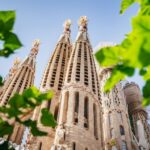


Santa Maria del Mar and El Born: medieval Barcelona underfoot
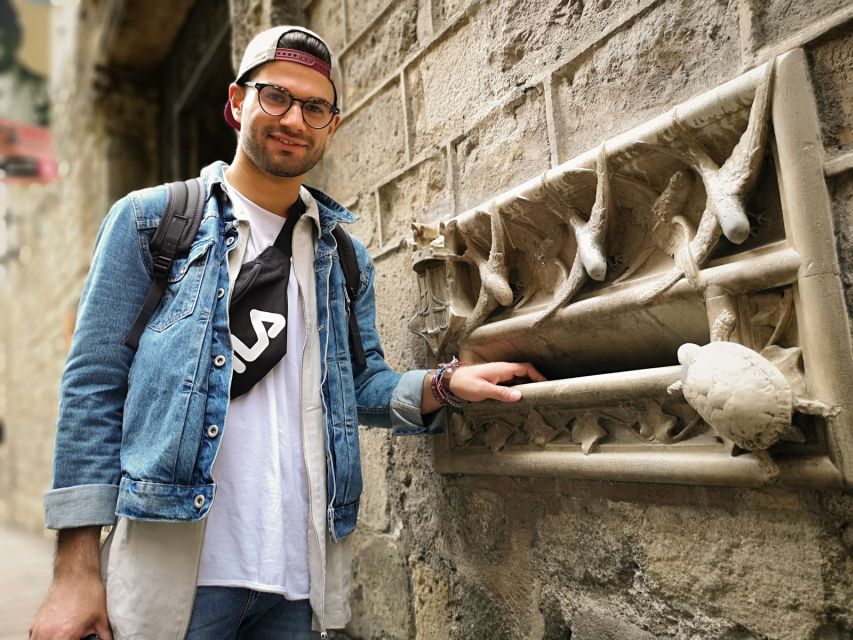
Finally, the route shifts into the Born Quarter, aiming for one of the emotional highlights of old Barcelona: St. Mary of the Sea Cathedral (Santa Maria del Mar). You’ll have photo time, guided viewing, and walking moments around the area.
This part of the itinerary feels like a payoff. Gothic Quarter sites give you the broad medieval backdrop, but Santa Maria del Mar and the Born area are the section where the mood tightens: stone, squares, and that sense of a city that still remembers itself. The guide’s job here is usually to connect the architecture and neighborhood identity to real community life and long-standing traditions.
You then arrive at the El Born Centre Cultural, described as a cultural center where you can see medieval ruins recently found beneath the city. That underground element is a special kind of thrill, because it reminds you Barcelona doesn’t just look old—it has layers. The tour includes photo stops and a longer walking/visit time here (about 30 minutes), and the tour ends near the Mercat del Born area.
If you’re the kind of traveler who likes to end tours where you can keep exploring, this finish is practical. Mercat del Born and the surrounding streets are a natural next step after the guided portion ends.
Private by default: customization, and why your guide choice matters
Because it’s a private group tour, you should be able to steer it a bit. The operator explicitly says you can request customization, and it’s also noted that the guide can cater to children’s interests if needed. That’s exactly the kind of flexibility that makes a short tour work.
Still, a private tour only delivers when the guide actually engages with your needs. One experience described a guide who didn’t ask about interests or background, and instead shared information while walking without enough stopping so everyone could hear. Another guide experience credited a guide named Raphaël for taking people to unusual spots and sharing how the city’s social fabric has changed over time.
So here’s my practical advice: at the very start, tell your guide what you care about most—architecture, food, local life, Jewish history in the area, or simply great photo angles. If you don’t, you might get a perfectly accurate tour that doesn’t match your style. And since this is only 3 hours, “tuning” early is how you get the best version of the day.
Price and value: what $93 per person buys you in 3 hours
At $93 per person for a 3-hour private walking tour, you’re paying for three things: a guide’s time, a focused route, and the fact that key stops (like La Boqueria and the tapa moment) are built into the plan.
Is it worth it? Often, yes—especially if:
- You want a guided route through several neighborhoods without planning.
- You like history and culture explained while you walk.
- You don’t want to guess where to pause for food.
It can be less of a bargain if you’re traveling on a tight schedule and you’re already comfortable self-guiding with a map. You’d miss the “how it all connects” stories that make this tour feel like more than sightseeing.
Also, remember what you’re getting food-wise: 1 tapa and 1 traditional drink. That’s good for a taste, but you should budget for more later if you’re hungry.
If you’re deciding between this and a group tour, the private format is the advantage. You get the chance to ask questions, set your own pace within reason, and request custom attention—assuming your guide uses that flexibility.
What to wear and how to manage a short walking day
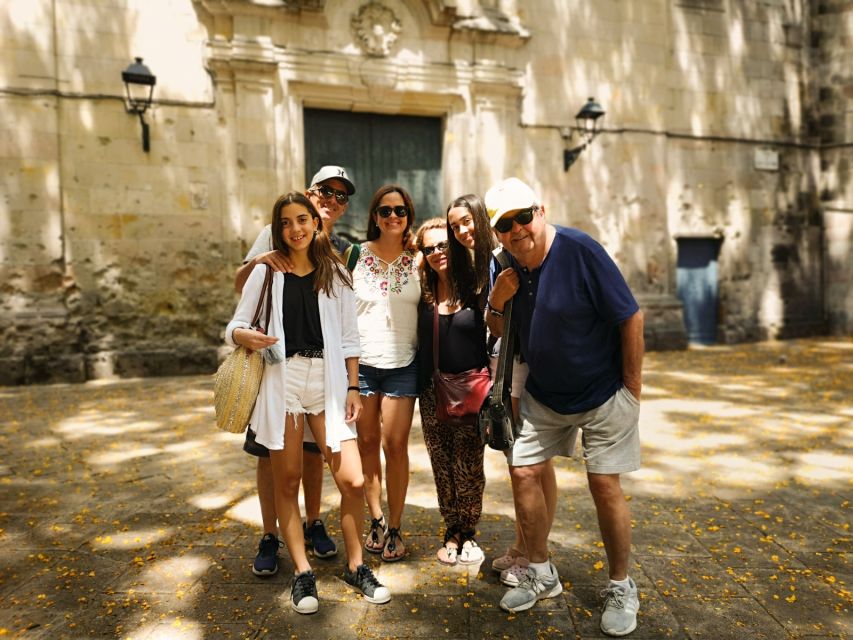
This is a city walking tour through three neighborhoods, and the total time is about 3 hours. The tour includes walking and photo stops, plus a couple break periods (Plaça Reial and La Boqueria), so it’s not nonstop. Still, the “comfortable shoes” advice is real. You’ll be on your feet across uneven old streets.
If you’re wearing new shoes or fancy footwear, do yourself a favor: break them in first. This isn’t about suffering for travel photos—it’s about enjoying the walk and keeping your feet happy so you can actually take in each stop.
Final call: who should book this Barcelona highlights and tapa tour
Book this tour if you want a clear route that mixes major sights with neighborhoods that feel real, not staged. It’s especially good for first-time visitors who want orientation fast and for repeat visitors who like seeing Barcelona through guided connections: Gaudí’s influence, Gothic Quarter landmarks, market culture, and the Born area’s story from above and below ground.
Skip it (or consider a different option) if:
- You want a full meal or lots of food tastings.
- You prefer long stops at a single site.
- You don’t want a walking-focused day and would rather use transport.
If you do book, set yourself up for success by telling your guide what you want from the day at the start. Then you’ll get the best of a short tour: landmarks plus meaning, tapa plus stories, and a finishing point that leaves you ready to keep exploring on your own.
FAQ
What’s the duration of the Barcelona Highlights & Gems Private Tour with Tapa & Drink?
It lasts 3 hours.
Where do I meet the guide?
You meet at the Statue of Frederic Soler (Pitarra), at Plaça del Teatre (Theater Square).
Is this tour private?
Yes. It’s a private group tour.
What’s included in the tour besides the walking and guide?
You get 1 tapa to share and 1 traditional drink. A veggie option is available.
Do I need to plan lunch?
No full lunch is included. The food portion is just a tapa tasting (plus the drink).
What areas of Barcelona does the tour cover?
You’ll walk through parts of the Gothic Quarter, Raval, and Born Quarters.
What languages are available for the guide?
The tour guide is available in English, French, Italian, and Spanish.