REVIEW · BARCELONA
Barcelona in One Day: Gaudí, Gothic Quarter &Tapas (Private Tour)
Book on Viator →Operated by Icono Spain Tours · Bookable on Viator
Barcelona turns into a whole show fast. This private 5-hour day plan strings together the places that explain why the city feels both old-school Roman and wildly modernist. I like that it goes beyond the biggest photo spots by adding medieval squares, a major synagogue, and a few architectural side stops in the Gothic Quarter before you move into Gaudí country.
Two things I really like: first, the Sagrada Família timing (starting at 4 pm) is built for fewer crowds and a calmer interior visit. Second, it mixes architecture with real street-level Barcelona—think La Rambla and the Mercat de la Boqueria—and then finishes with tapas-style local food. One consideration: this is a walking-heavy day with short stops, so if you’re hoping for long, slow museum-style pacing, you may find the tempo a bit brisk.
In This Review
- Key highlights at a glance
- How the day flows: Gothic Quarter, Eixample, then Sagrada Família
- Plaça Nova’s Barcino letters: a fun Roman-start in the Gothic Quarter
- Cathedral de Barcelona and the medieval power squares
- Casa de l’Ardiaca: the Gothic building that got a balcony upgrade
- Sinagoga Major and the medieval Jewish Quarter (calls and community)
- La Rambla and Mercat de la Boqueria: market energy with a guide’s route
- Tapas-style food stops: sweet bite, then pintxos/tapas energy
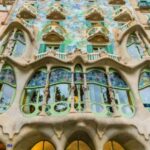
- Casa Batlló: dragon-roof drama and the House of Bones vibe
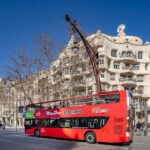
- La Pedrera (Casa Milà): stone quarry name, roof terrace payoff
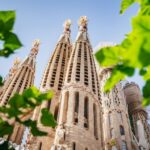
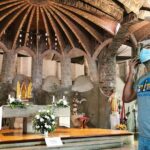
- Sagrada Família at 4 pm: see the inside without the full-on lines
- Guides, pacing, and what private really changes
- Price and value: what you’re paying for and where you might spend extra
- Who should book this one-day Barcelona plan
- Should you book this Barcelona in One Day tour?
- FAQ
- How long is the Barcelona private one-day tour?
- What does the price include?
- Is this tour private or group-based?
- Where do I meet the guide?
- What time is the Sagrada Família visit?
- What if the weather is bad?
Key highlights at a glance
- Sagrada Família at 4 pm for a more peaceful interior visit after the worst of the lines fade
- Private tour for your group only, with your guide adjusting the pace to your arrival and energy
- Gothic Quarter medieval hits plus Roman-era Barcelona details in the Plaça Nova area
- La Rambla and Boqueria for people-watching and market atmosphere without getting lost
- Gaudí power couple views at Casa Batlló and La Pedrera, with the option to pay entry if you want inside
How the day flows: Gothic Quarter, Eixample, then Sagrada Família
This is the kind of one-day Barcelona plan you do when you know you’re limited on time but still want the “why” behind the city. You start in Ciutat Vella (Old Town) and work your way through the Gothic Quarter’s medieval spine. Then you slide into the Eixample district for two of Gaudí’s major residential masterpieces. Finally, you end at Sagrada Família at 4 pm, when visitor flow tends to ease.
The big advantage is sequencing. If you do Sagrada Família early in the day, you’re often fighting the biggest waves. Here, the schedule is designed so you can see the interior with more breathing room. You also get built-in pauses for restrooms and refreshments, which matters when you’re stacking landmark stops back-to-back.
One more practical note: it’s private, but it’s still a walking day. One past guest noted covering about 12,000 steps in roughly 5 hours, so plan on comfortable shoes and a light daypack.
You can also read our reviews of more private tours in Barcelona


Plaça Nova’s Barcino letters: a fun Roman-start in the Gothic Quarter
You kick off at Plaça Nova, right in the Gothic Quarter, where modern art playfully anchors you to the Roman origin of Barcelona. The star of the stop is a set of giant letters spelling Barcino, created by Catalan artist Joan Brossa. The letters aren’t just decorative—they’re part bronze and part aluminium, bolted into the ground so you get that literal “read the city” feeling.
The detail that makes this stop work is the context. The word Barcino connects to Colonia Iulia Augusta Faventia Paterna Barcino, the original name for the settlement that became today’s Barcelona. It’s a smart warm-up: you’re not only looking at buildings; you’re learning how the city layers itself.
This stop is free and quick, so it’s also a good way to settle in at the start without burning ticket time.
Cathedral de Barcelona and the medieval power squares
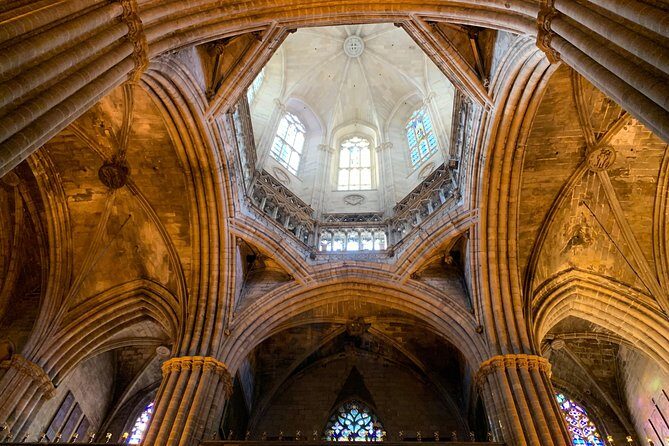
Next comes Catedral de Barcelona. Even if you only have about ten minutes here, the payoff is being inside. The cathedral’s Gothic architecture shows up in its nave and chapels, and you also get the calm contrast of the cloister with its fountain. The long story behind the building—constructed over centuries—helps you understand why Gothic here feels both grand and slightly human in scale.
A heads-up: the cathedral interior ticket isn’t included, so if you want entry, you’ll pay separately.
Then you move through the medieval political and royal-feeling spaces:
- Plaça del Rei: an enclosed ensemble of Gothic-era buildings surrounding the royal palace, with the square feeling peaceful and staged, like medieval Barcelona taking a quiet breath.
- Plaça Sant Jaume: the city’s political centre for ages, anchored by Barcelona City Hall and the Palau de la Generalitat.
These stops are short, but they’re important because they show Barcelona isn’t only Gaudí. It’s also a city that has long treated power—civil and civic—as something built into the streets.
Casa de l’Ardiaca: the Gothic building that got a balcony upgrade
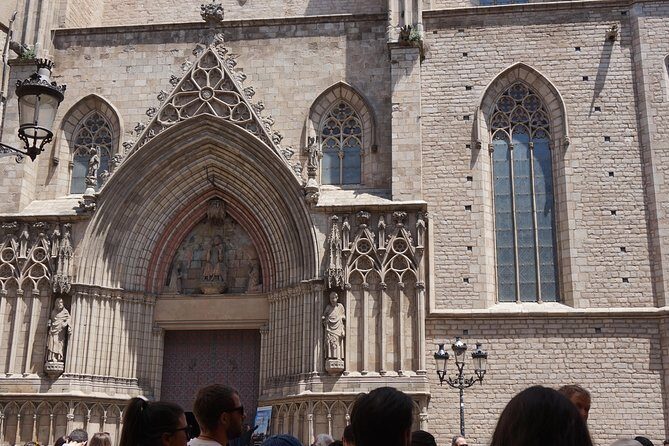
If you like architecture details, you’ll probably enjoy Casa de l’Ardiaca. This historic residence served the ecclesiastical hierarchy from the 12th century onward, then changed over time—especially with early 16th-century alterations that connected areas of the building.
The stop’s charm is the blend: Renaissance-style decorations work alongside a style that stays flamboyant and Gothic. There’s also a staircase leading toward an upper terrace, with a balcony described as Romeo and Juliet style. It’s the kind of place where even a brief look helps you spot how Barcelona’s historic buildings weren’t frozen—they were edited as tastes changed.
This one is free and typically doesn’t require tickets, so it’s an efficient stop for the price of a few minutes.
Sinagoga Major and the medieval Jewish Quarter (calls and community)
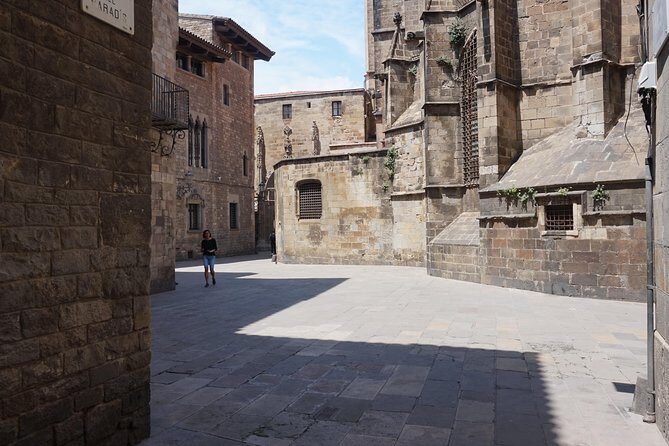
One of the most meaningful moments in this route is the stop at the Sinagoga Major de Barcelona in the medieval Jewish Quarter. This synagogue is among the oldest in Europe, and it’s been restored and opened to the public.
The context matters: between the 9th and 14th centuries, Barcelona had a significant Jewish community, thought to number around 4,000 people. The neighbourhood was shaped by two areas of narrow streets called calls, derived from the Hebrew word meaning community or congregation. In other words, this is not just a building—it’s a map of a community that once organized daily life nearby.
This stop is free, and even when you’re moving quickly, it gives the day more depth than just “cathedrals and big squares.”
You can also read our reviews of more tours and experiences in Barcelona




La Rambla and Mercat de la Boqueria: market energy with a guide’s route
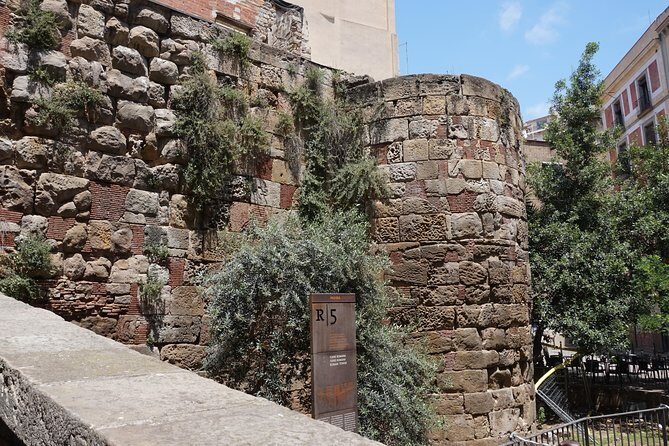
No Barcelona one-day plan is complete without La Rambla. In this case, you walk a section of it—about 1.2 kilometers—and you get the bigger picture of why locals adopted it quickly. La Rambla was laid out in 1766 along the contours of older city walls from the 13th century. It became the place where people of different social classes could stroll and meet, which helps explain why it feels like a long public living room.
After that comes Mercat de la Boqueria. The market is free to enter, and it’s easy to see why people treat it like a living documentary. The story here runs from old-school peddlers to a modern market full of color and constant motion.
This is also where your food side of the day starts to pay off. A couple of practical tips that come with doing this with a guide:
- You’ll know where to pause so you can watch and taste without getting pulled into the tourist traps by pure momentum.
- You can keep snack and drink decisions realistic, so you don’t blow your energy budget before Gaudí.
Tapas-style food stops: sweet bite, then pintxos/tapas energy
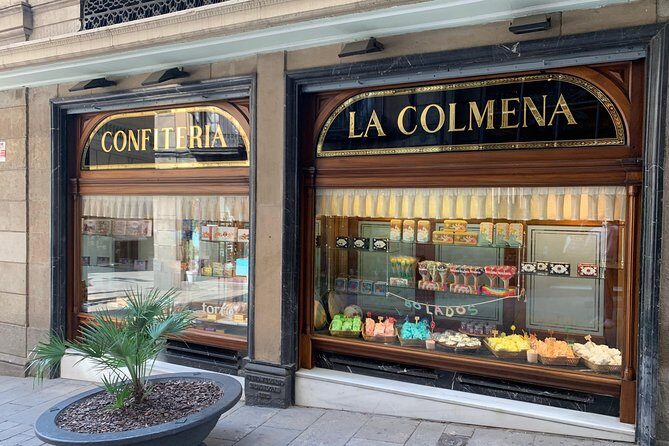
The tour is marketed around tapas, and the way it shows up is a mix of a sweet stop and a more savoury finish. In the run of this route, you may taste traditional nougat at Planelles Donat, then end with tapas at Orio, a well-known chain for pintxos-style eating, plus a glass of wine or a drink depending on what’s included that day.
I like this format because it respects the pace. You’re not stuck in a restaurant for an hour and a half when you still have Gaudí and Sagrada Família left. You get to taste, ask questions, and keep walking.
If you’re the type who wants a full sit-down lunch, you might also want to plan a separate meal later. This is more about sampling and momentum than a long dining service.
Casa Batlló: dragon-roof drama and the House of Bones vibe
Now you shift into Gaudí territory with Casa Batlló, one of the most recognizable Modernista buildings in the city. The big visual hook is the nickname Casa dels ossos—House of Bones—because of the organic, skeletal feel of parts of the façade and interior styling.
Casa Batlló is located on Passeig de Gràcia and is part of the famous “Block of Discord,” a row of four buildings designed by major Modernista architects. The building’s identity comes from the lack of straight lines and the way the façade flows.
Look for:
- the colourful ceramic mosaic called trencadís (broken tile work)
- irregular oval windows
- the arched roof that’s often compared to a dragon or dinosaur back
- a common theory linking a lance-like feature to Saint George, patron saint of Catalonia, plunged into the dragon’s back
Timing note: the scheduled time at Casa Batlló is short, and the admission ticket is not included. If you want to go inside, you’ll likely pay extra. Even from outside, you can still appreciate the design language, but inside is where the full effect lands.
La Pedrera (Casa Milà): stone quarry name, roof terrace payoff
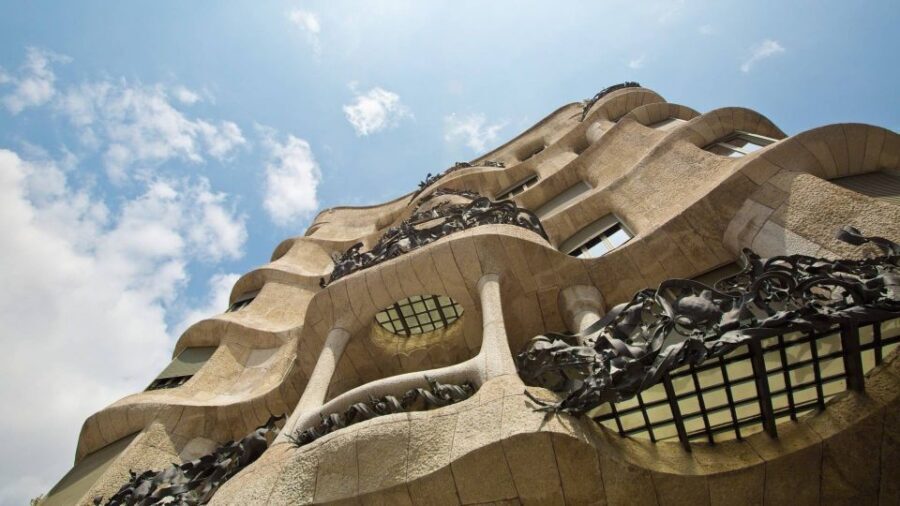
Next up is La Pedrera, also called Casa Milà, built between 1906 and 1912. This one earned its nickname “The stone quarry” because of its unconventional, rugged appearance. It was commissioned by Pere Milà and Roser Segimon, and at the time it caused controversy for its undulating stone façade and the twisted wrought-iron balconies.
What I like about this stop is how it helps you see Gaudí as an engineer, not just a decorator. The building used innovations like:
- a self-supporting stone façade
- a free-plan floor approach
- an underground garage
- a famous spectacular rooftop terrace
La Pedrera is also a UNESCO World Heritage Site (since 1984). And since 2013, it has managed visits and exhibitions through the Fundació Catalunya La Pedrera.
Like Casa Batlló, the admission ticket isn’t included, so you’ll decide whether you want the extra expense for interior time. If you do, you’ll likely find the rooftop and structural details are the main reasons.
Sagrada Família at 4 pm: see the inside without the full-on lines
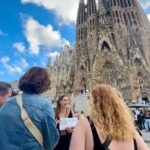
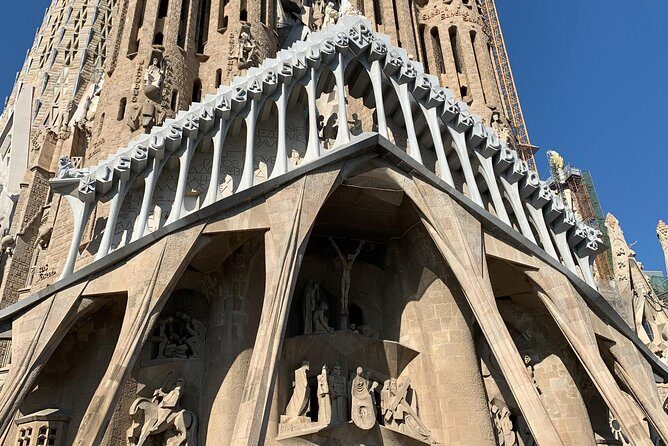
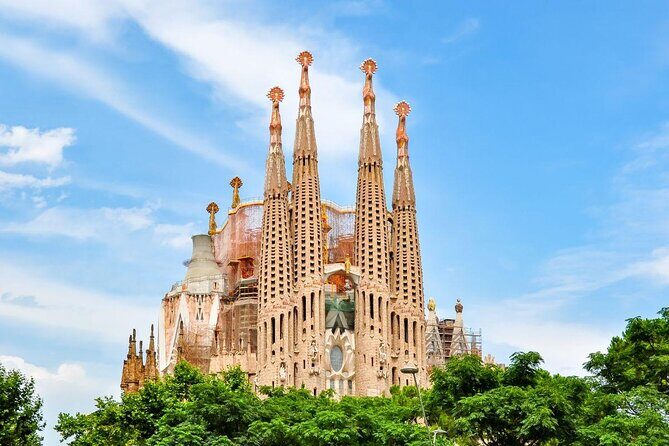
This is the finish that sells the whole day. The tour ends at the Basilica de la Sagrada Família, and the schedule is specifically built around the idea that visitor flow decreases after 4 pm. The goal is simple: get the chance to visit at your own pace, without spending the time you have fighting crowds.
Inside, it’s the details that do the damage—in the best way. Even in a short window, you get that jaw-drop effect from the interior design and the way the space feels alive with light and structure. The guide also chooses a time slot that aims to keep the visit calmer.
The big practical upside: Sagrada Família admission is included, and the stop runs about one hour. That’s enough time to see, absorb, and not feel like you got rushed into a checklist.
Guides, pacing, and what private really changes
A private tour is more than a bigger price tag. It’s about control. In examples from past days, guides like Olga, Carla, Valentina, Anna, Pol, and Viggo are described as flexible, friendly, and able to keep the day moving without losing the story.
In particular, the pace can adjust to real-life factors: late arrival, jet lag, mobility needs, and the reality of how quickly crowds form that day. One important takeaway: if something throws off timing, your guide may shift the order or slow the walk to prioritize your comfort. That’s the trade-off with a 5-hour pack-your-feet plan.
If you want maximum certainty on every single stop, communicate needs clearly at the start and confirm how you want to handle tickets you have to pay for separately (like the cathedral interior and Gaudí private-residence interiors).
Price and value: what you’re paying for and where you might spend extra
At $264.34 per person for a private about 5 hours experience, the value depends on how you handle tickets. Here’s the money logic:
What you’re likely getting:
- A dedicated guide for the full stretch of the day
- Mobile tickets
- Many stops where admission is free
- Sagrada Família admission included
Where you may pay extra:
- Cathedral de Barcelona interior is listed as not included
- Casa Batlló admission is not included
- La Pedrera admission is not included
So this tour is best if you’re happy to enjoy the buildings from the outside for some stops, and then invest your money/time for the interiors that matter most to you. If you plan to go inside every ticketed building on the route, budget extra in advance.
Is it expensive? Yes. Is it wasteful? Usually no—because you’re buying time, guidance, and a schedule that tries to reduce the Sagrada Família crowd problem.
Who should book this one-day Barcelona plan
This works well for you if:
- you want a high-coverage day without losing your mind to navigation
- you care about the link between Barcelona’s Gothic Quarter and Gaudí’s Modernista designs
- you like food sampling more than long restaurant meals
- you’re comfortable walking several hours
It’s also a strong match for first-timers. But it’s not perfect if:
- you get tired fast and need long museum-style pauses
- you hate stepping between multiple neighbourhood spots in one day
- you want to do lots of paid interior tickets beyond Sagrada Família
Should you book this Barcelona in One Day tour?
If your goal is seeing the headline Barcelona highlights—Gothic Quarter, Gaudí major works, La Rambla, and Sagrada Família—in one smooth private day, this is a solid choice. The 4 pm Sagrada Família timing is the biggest reason to book, because it helps you avoid the worst crush and actually enjoy the interior.
I would book it if you can handle a brisk walking pace and you’re okay with paying separate tickets for some buildings. If you want a slow, no-rush style day or you strongly prefer every site to include interior access, you might consider a different plan with fewer stops.
FAQ
How long is the Barcelona private one-day tour?
It runs about 5 hours.
What does the price include?
Sagrada Família admission is included, and the tour provides mobile tickets. Many stops are free, but some attractions list admission tickets as not included.
Is this tour private or group-based?
It’s a private tour for your group only.
Where do I meet the guide?
The start point is Av. de la Catedral, 7, Ciutat Vella, 08002 Barcelona, Spain.
What time is the Sagrada Família visit?
The plan focuses on the evening starting at 4 pm to visit after the crowds have left.
What if the weather is bad?
This experience requires good weather. If it’s canceled due to poor weather, you’ll be offered a different date or a full refund. You can cancel up to 24 hours in advance for a full refund.