REVIEW · BARCELONA
Barcelona Market Food Tour, Local & Artisanal Tastings
Book on GetYourGuide →Operated by FOOD LOVER TOUR · Bookable on GetYourGuide
Markets teach you fast.
This Barcelona market food tour is built around real vendors and the stories behind the bites. You’ll walk a local food market with a small group and sample 10 to 12 tapas-style tastings, plus vermouth and wine. It’s a tight 2.5 hours, so you get flavor fast without spending the whole day chasing recommendations.
I especially like the bacallaneria stop where you taste Mediterranean esqueixada, and I like the family-run Catalan ham stall where the guide connects what you taste to how locals shop. One possible drawback: if you don’t eat fish, some tastings may feel limited because at least one stop is centered on fish.
In This Review
- Key highlights worth planning around
- Why This Barcelona Market Tour Feels Like a Local Errand
- Meet at 133 Calle Mallorca and Plan Your 2.5 Hours
- Entering the Market: How the Guide Helps You Shop Like Locals
- Bacallaneria and Mediterranean Esqueixada: Fish Without the Guesswork
- Catalan Ham at a Family-Run Stall: The Cure Story Behind the Bite
- The Tapas and Drinks Plan: What Included Means in Real Life
- What You Learn About Eating and Buying in Barcelona
- Small Group Size, Spanish/English, and Pacing You Can Actually Follow
- Price and Value: Is $77 a Smart Spend?
- Who Should Book This Barcelona Market Food Tour
- A Practical Heads-Up About Dates
- Should You Book This Tour?
- FAQ
- How long is the Barcelona Market Food Tour?
- What is the price per person?
- How many tastings are included?
- What drinks are included?
- Where is the meeting point?
- What languages is the tour offered in?
- Is the tour wheelchair accessible?
- How many people are in the group?
- Final verdict
Key highlights worth planning around
- Bacallaneria tasting tied to Mediterranean esqueixada
- Family-run Catalan ham stall with hands-on context
- 10–12 tapas servings plus drinks like vermouth and wine
- Market heritage passed down through generations of vendors
- Small group limit of 8 for easier questions and pacing
- Spanish and English tour guide (so you won’t be stuck reading menus alone)
Why This Barcelona Market Tour Feels Like a Local Errand
A good food tour in Barcelona doesn’t just hand you food. It explains how locals decide what’s worth buying, eating, and sharing. This one is designed for that kind of street-level understanding: you’re moving through a market, meeting small businesses, and getting the background that makes each plate make sense.
The structure is also practical for first-time visitors. In 2.5 hours, you’ll cover a lot of ground on foot and still leave time for your own wandering after. You also get a guide service included, which matters because markets can look like a maze if you don’t know what to look for.
And at $77 for about 10–12 tastings, you’re paying for convenience plus storytelling, not just food. If you’ve ever spent a day sampling bites that cost you more than expected, the math here is much easier to handle.
You can also read our reviews of more tours and experiences in Barcelona.


Meet at 133 Calle Mallorca and Plan Your 2.5 Hours
Your meeting point is right in front of 133 Calle Mallorca. That’s close enough to be simple to find, and it also sets you up to spend the rest of your time in the market area without a long transfer.
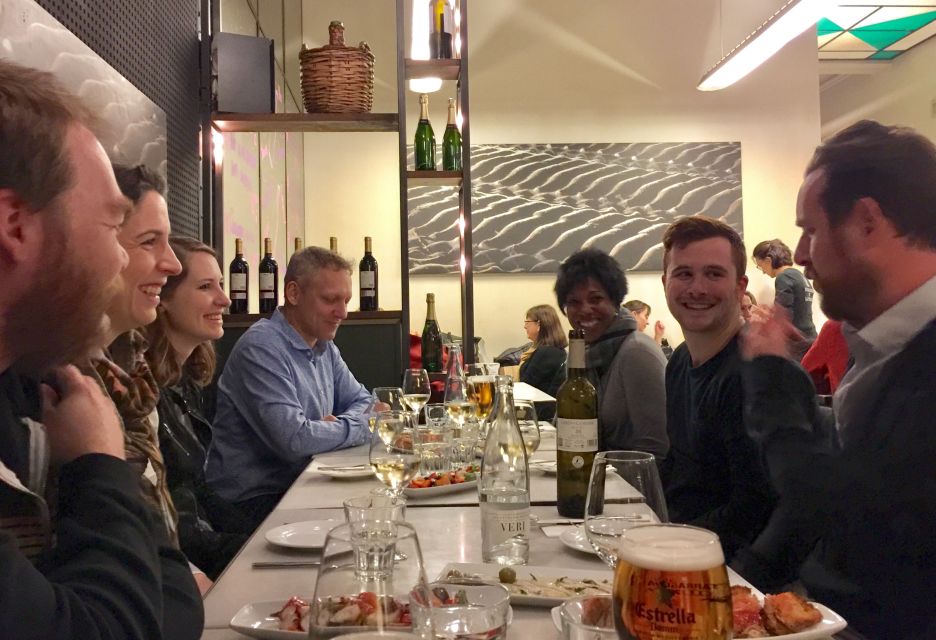
The tour is 2.5 hours with a small group capped at 8. That group size is not just a comfort detail. It changes the feel of the stops. You can ask questions, you’re more likely to understand what the guide is emphasizing, and the pacing doesn’t get stuck behind a crowd.
Come hungry. The tour is built around multiple tastings, and it also includes fresh drinks: vermouth, white wine, red wine, and water. If you show up underfed, you’ll actually enjoy the whole sequence instead of playing catch-up.
Entering the Market: How the Guide Helps You Shop Like Locals
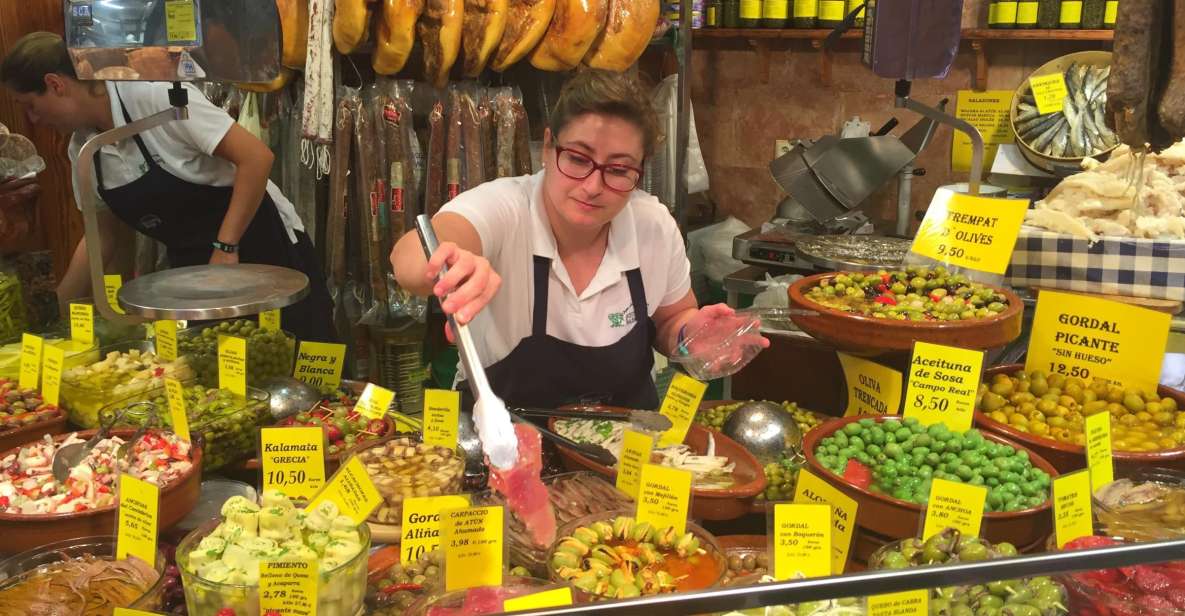
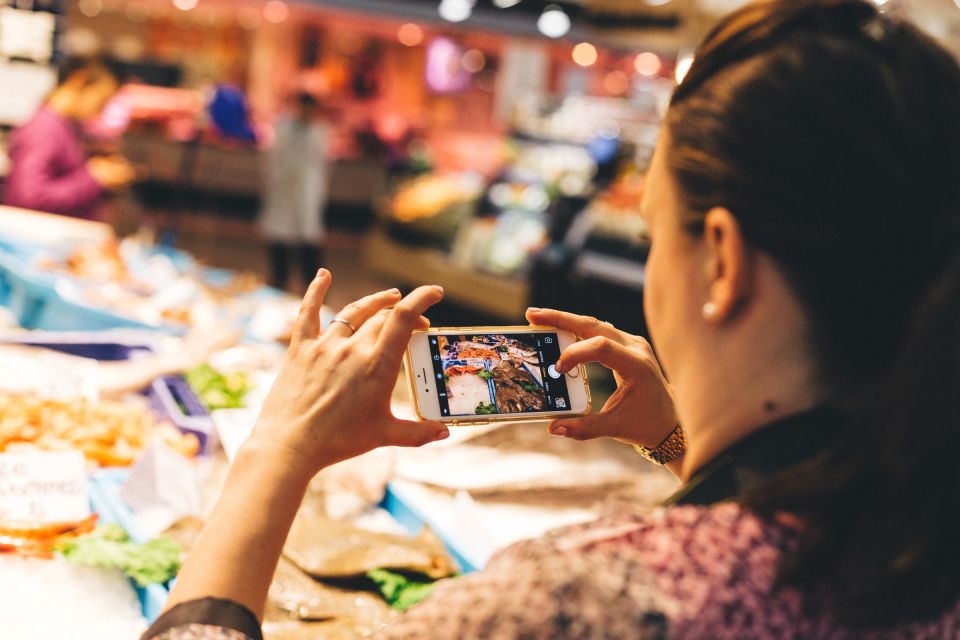
You’ll spend time walking through a lively local market, stopping at stalls that the guide connects to Catalan food traditions. The key here is what you’re learning while you walk: how ingredients move from vendor to plate and how people judge quality in real time.
The guide’s job isn’t just to list what you’re eating. You’ll get practical explanations of what to look for, how ingredients are chosen, and the cultural history behind what’s on offer. That matters because markets aren’t only about taste. They’re also about trust—who makes it, how it’s stored, and why a stall keeps its customer base generation after generation.
There’s also a heritage angle built into the market visit. Vendors here have traditions passed down through generations, so the stalls feel like living businesses, not museum displays. That’s a big reason this kind of tour can be more satisfying than a restaurant meal: it shows you the supply chain of flavor.
Bacallaneria and Mediterranean Esqueixada: Fish Without the Guesswork
One of the tour’s most specific highlights is a visit to a bacallaneria—then tasting Mediterranean esqueixada. This stop gives you a clear lesson on how a market can specialize while still feeding everyday local tastes.
The big practical takeaway: this is a fish-forward part of the experience. One booking noted that skipping fish meant fewer options, and that tracks with the nature of the stop. If you don’t eat fish, plan ahead. You may end up with reduced tastings or wait for the other stops to do the heavy lifting.
If you do eat fish, this is the kind of tasting that makes Barcelona’s market culture click. You’re not just sampling something you found on a menu. You’re tasting a dish connected to a specific market trade, then learning how that ingredient shows up in regional eating.
Catalan Ham at a Family-Run Stall: The Cure Story Behind the Bite
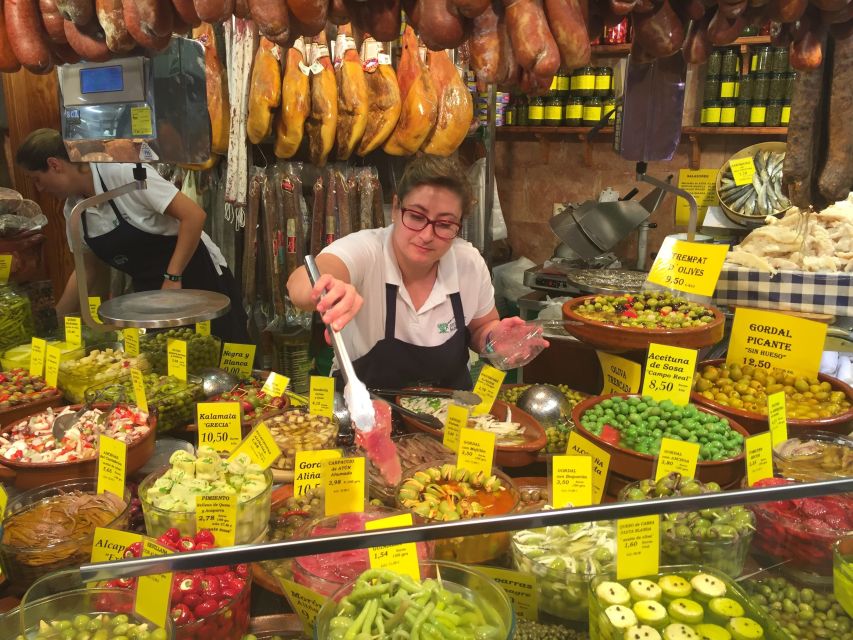
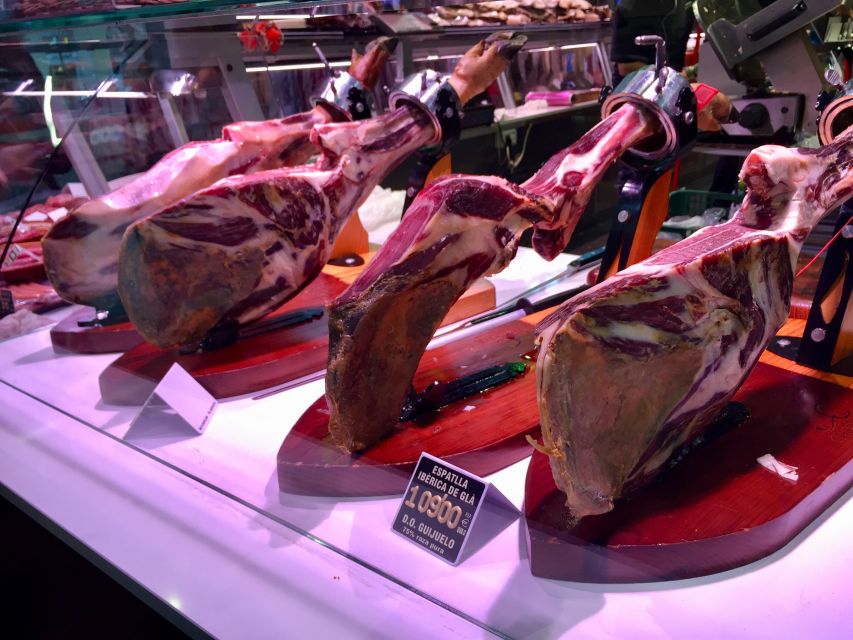
The other highlight is a stop at a family-run stall focused on Catalan ham. This is where the tour shifts from “what does it taste like” to “why does it taste like this,” and that’s where you get real value from a guided format.
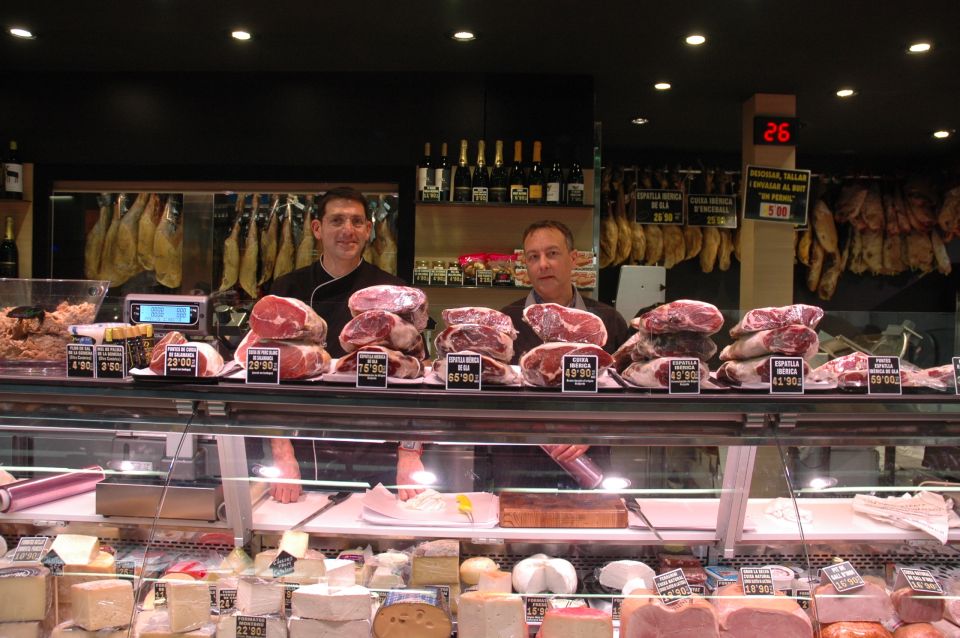
Ham in Catalonia isn’t just a snack. It’s part of an ingredient culture, and the guide connects what you’re tasting to how locals think about quality and sourcing. You’ll also get to hear vendor perspectives—how the business works, what they’re proud of, and what makes their cured ham different.
This stop is especially worth paying attention to because it’s hands-on and story-driven. If you want to leave with more than a food memory, ham is a strong anchor: once you learn what matters, you’ll recognize it later when you see similar products in stores.





The Tapas and Drinks Plan: What Included Means in Real Life
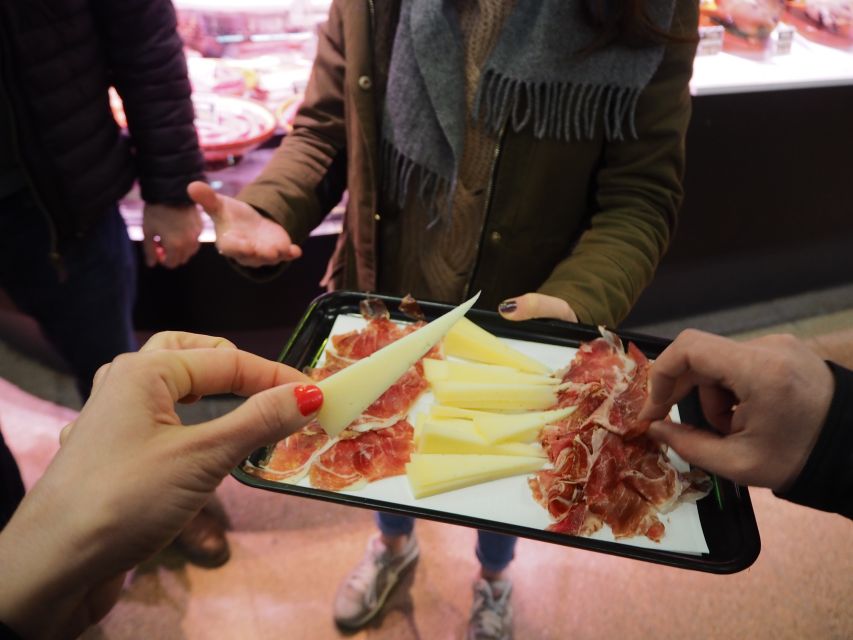
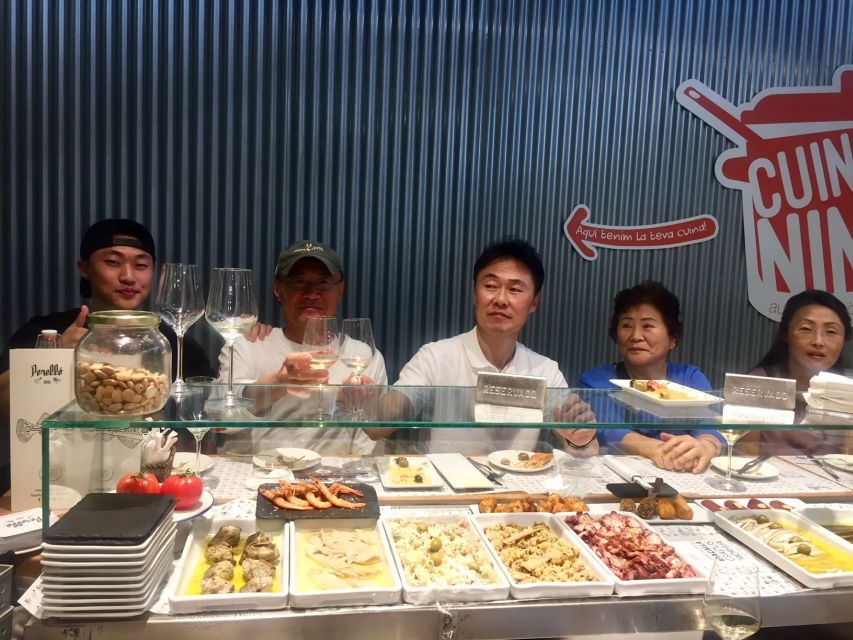
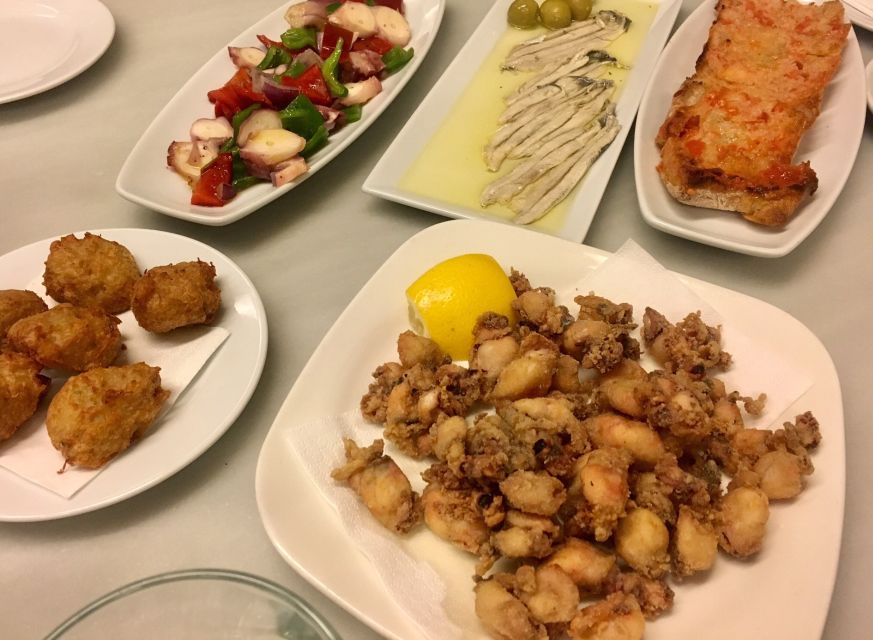
The tour includes 10–12 tapas servings plus fresh drinks. You can expect a mix that typically covers the Catalan spectrum: savory bites like cheeses and cured meats, along with freshly baked goods and olives. The exact lineup can vary by stop and timing, but the overall direction stays consistent.
Drinks are part of the deal. You’ll have vermouth and white wine and red wine, plus water. That’s important for value because wine and vermouth at markets and small stalls can add up fast when you’re ordering à la carte.
One practical tip: treat this as a meal experience, not a snack. With 10–12 servings, you’re likely to feel satisfied by the end, especially if you pace yourself and don’t rush every stop for the first 30 minutes.
Also note what’s not included: if you want extra orders beyond the tastings, you pay separately. That’s normal, but it’s good to know so you don’t accidentally build a bigger bill while you’re in a food mood.
What You Learn About Eating and Buying in Barcelona
A market tour earns its keep when it teaches you how to choose food after the guide is gone. Here, the learning is built into the stops. Your guide explains how Barcelona residents select ingredients, and how the market experience fits into everyday habits.
You’ll also hear the stories behind each bite. That sounds soft, but it has a practical effect: you learn what to ask for, what to look for, and why certain flavors pair well with how locals eat. You’ll leave with a mental map of Catalan tastes: cured meats, regional cheeses, olives, and baked items—plus one fish-focused tasting at the bacallaneria stop.
There’s also an obvious cultural benefit. Markets are where people talk to vendors and where trust is earned by consistency. Hearing about generational vendor heritage helps you understand why some stalls feel “the way they are” year after year.
Small Group Size, Spanish/English, and Pacing You Can Actually Follow
This is a small group limited to 8 participants, and it shows in the flow. Fewer people means shorter lines at tastings, fewer bottlenecks at stalls, and more time for the guide to answer questions.
Language support matters too. Tours run with a live guide in Spanish and English. If you’re not fluent, this prevents the common problem where you end up tasting but missing the meaning behind what you’re eating.
Duration is tight at 2.5 hours. That’s a sweet spot: long enough for multiple stops and a real mix of foods, short enough that you don’t feel trapped. You can still do your own exploring afterward, which is the best part of a market day.
Price and Value: Is $77 a Smart Spend?
Let’s do the simple math. At $77 for 10–12 tapas servings, you’re roughly in the neighborhood of about $6–$8 per included tasting before drinks. Add vermouth and wine into the mix, and it stops looking like a “cheap snack tour” and starts looking like a structured meal.
The real value isn’t only quantity. It’s also guidance. Without a guide, markets can be hit-or-miss: you might miss the stalls that explain what you’re eating, or you might overpay for the version that’s just good, not special.
So when is it worth it? If you want a guided way to taste a wide slice of Catalan foods—especially cured meats and market staples—this price makes sense. If you already know exactly what stalls you want and you’re comfortable ordering, you might get by on your own. But if you want the stories and the tasting flow, the tour price is easier to justify.
Who Should Book This Barcelona Market Food Tour
This experience fits best if you like food that has a local backbone: cured meats, cheeses, olives, baked bites, and market traditions. It’s also a strong choice for people who want a guided introduction to Catalonia’s food culture without sitting in one place.
It’s also a good match if you appreciate small-group pacing. With a cap of 8, you’ll get more direct attention and better chances to ask questions in either Spanish or English.
The main group to think twice: people who don’t eat fish. One report noted that tastings were limited for non-fish eaters, and since the tour includes a bacallaneria stop with esqueixada, you should expect fish to be part of the plan.
A Practical Heads-Up About Dates
One booking issue stood out: a tour cancellation happened due to insufficient registrations. That doesn’t mean it happens all the time, but it’s a real consideration for planning. If your schedule is fixed, double-check availability before you anchor other plans around this tour date.
If you’re flexible, the good news is that this kind of market tour usually fits well into a food-focused itinerary. You’re not committing to half a day of travel, and you’ll still have time to explore on your own after.
Should You Book This Tour?
I’d book it if you want a structured Barcelona market experience with multiple tastings, vermouth and wine, and stop-by-stop context about Catalan foods. The bacallaneria and Catalan ham focus are strong anchors, and the small group size makes it easier to get meaning from the meal.
Skip it or plan carefully if you avoid fish, because the tour includes a fish-centered stop. If that limitation would change your enjoyment a lot, you might prefer a different food tour with a more flexible tasting menu.
If your goal is to leave Barcelona knowing what to look for in a market—who to buy from, what tastes pair well, and why the vendors matter—this is a solid way to get there in 2.5 hours.
FAQ
How long is the Barcelona Market Food Tour?
The tour lasts about 2.5 hours.
What is the price per person?
It costs $77 per person.
How many tastings are included?
You’ll get 10–12 tapas servings.
What drinks are included?
Fresh drinks included are vermouth, white wine, red wine, and water.
Where is the meeting point?
Meet in front of 133 Calle Mallorca street.
What languages is the tour offered in?
The live tour guide speaks Spanish and English.
Is the tour wheelchair accessible?
Yes, it is listed as wheelchair accessible.
How many people are in the group?
The group is small, limited to 8 participants.
Final verdict
Book this if you want a market-led food tour in Barcelona with enough tastings to feel like a real meal and enough guidance to understand what you’re eating. Just account for the fish component if you don’t eat fish, and keep an eye on your date in case registration is low.