REVIEW · BARCELONA
Barcelona El Raval Dark History Walking Tour
Book on Viator →Operated by ExperienceFirst · Bookable on Viator
Want Barcelona’s darker side?
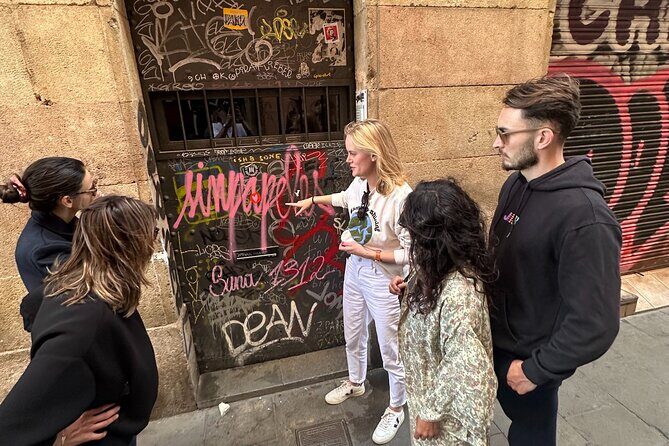
The Barcelona El Raval Dark History Walking Tour takes you off the postcard route and into Ciutat Vella’s Raval neighborhood, where stories of foundlings, hospitals, and nightlife sit right beside working streets and old churches. I love the small group size (up to 15) and the story-driven way the guide connects buildings to the people who lived there.
You also get a practical win: several stops come with free admission tickets tied to places you’d likely walk past without a clue. The mix is strong—churches like Sant Pau del Camp, an older medical institution tied to the Hospital of la Santa Creu, and a finish in the Jardins de les Tres Xemeneies area where industrial Barcelona has been repurposed for art.
One note to think about first: El Raval has a gritty, street-level feel. If you want only pretty facades and polished views, the tour’s tone and some of the surrounding streets may feel more raw than you expected.
In This Review
- Quick hits before you go
- Entering El Raval’s Dark Stories on Foot
- Price and Time: Two Hours That Don’t Feel Rushed
- Meeting at Sant Pere Nolasc Mercedaris, Ending by the Chimneys
- What the Mobile Ticket Actually Means for Your Day
- Stop-by-Stop: Foundlings, Autopsies, Old Monastery Walls
- Stop 1: Fundació Privada Casa de Misericòrdia de Barcelona
- Stop 2: Carrer de Joaquín Costa
- Stop 3: Real Academia de Medicina de Cataluña (Hospital of la Santa Creu link)
- Stop 4: Sant Pau del Camp
- Stop 5: Avenida del Paralelo
- Stop 6: Jardins de les Tres Xemeneies
- Guides and Storytelling: Where the Best Reviews Point
- Who This Tour Fits Best (and Who Might Skip It)
- Should You Book the Barcelona El Raval Dark History Walking Tour?
- FAQ
- FAQ
- How long is the Barcelona El Raval Dark History Walking Tour?
- How much does the tour cost?
- What is the group size limit?
- Where does the tour start and where does it end?
- Are there admission fees for the places you visit?
- Is lunch included in the tour price?
- Do I get a mobile ticket?
- Are service animals allowed?
- What is the cancellation policy for a full refund?
Quick hits before you go
- Up to 15 people keeps the pace human and the stories easier to follow.
- Free admission tickets are built into multiple stops, so you’re not paying extra at each location.
- You’ll visit Sant Pau del Camp, Barcelona’s oldest church, with a history tied to monastery violence.
- The walk includes the area’s nightlife past, including Avenida del Paralelo and its 20th-century seedier reputation.
- It ends at Jardins de les Tres Xemeneies, a great spot for graffiti lovers and a visual “last scene.”
- Expect plenty of guide talk, not a museum crawl, so you’ll learn by walking street-to-street.
Entering El Raval’s Dark Stories on Foot
El Raval can be one of those neighborhoods you either rush through or actually learn from. This tour is built for the second option. Instead of treating history like a textbook, it uses real addresses—corners, churches, and institutional buildings—to explain why the area earned its reputation.
The “dark history” label is doing real work here, but it’s not just cheap scares. The tour frames the neighborhood’s past through things like foundling care, medicine and autopsies, and the way nightlife clusters around certain streets. It also leans into the spooky side of Barcelona’s storytelling, including the legendary idea of the Vampire of the Raval, often compared to the city’s own Jack the Ripper.
I like that the focus stays practical. You’re not just hearing facts; you’re seeing why those facts belong to those exact buildings. And because the group is capped at 15, it tends to feel conversational rather than like a lecture you endure while checking your watch.
You can also read our reviews of more walking tours in Barcelona



Price and Time: Two Hours That Don’t Feel Rushed
The tour costs $33.42 per person and runs about 2 hours. For Barcelona, that’s a reasonable spend when you look at what’s included: an experienced local guide plus free admission tickets at multiple stops.
The value is in the combination. You’re paying for:
- a guided route through places you might not find alone,
- context that makes the architecture and street layout “click,” and
- access to specific sites where entry tickets are listed as free.
Also, the tour is often booked about 21 days in advance on average. That doesn’t mean you must panic book. But if your dates are tight, it’s smart to lock it earlier rather than later.
Meeting at Sant Pere Nolasc Mercedaris, Ending by the Chimneys
The tour starts at Parròquia de Sant Pere Nolasc Mercedaris, Pl. de Castella, 6, in Ciutat Vella. It ends at Plaça de Les Tres Xemeneies, Av. del Paral·lel, 49, and specifically notes that the walk finishes in the Jardins de las Tres Chimeneies area.
That end point matters. You’re not dumped back at the starting neighborhood. You’re left near a place that’s tied to industrial history and street art, which gives you a natural “after the tour” option for wandering and photos—especially if you like graffiti-style visuals.
Because it’s near public transportation, it’s also easier to fit into a day that already includes main sights. I’d treat it like your “second layer” of Barcelona. First, you see the famous stuff. Then you understand the city that formed around it.
What the Mobile Ticket Actually Means for Your Day
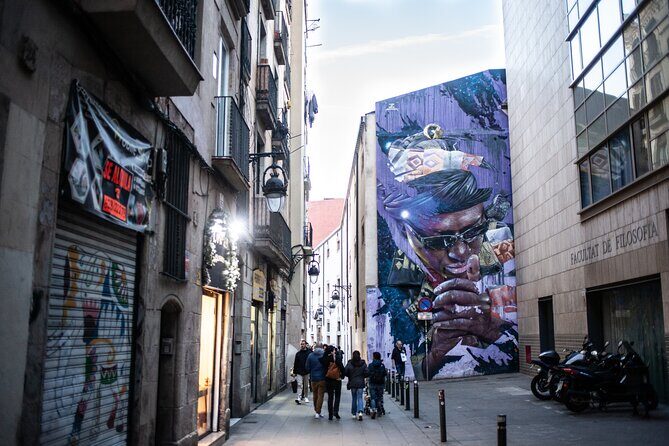
You get a mobile ticket, and the tour confirmation is received at booking. That’s good news if you hate printing stuff. It also tends to reduce the friction of arriving, finding the group, and getting started.
One small practical mindset shift: come ready to walk and listen. This is not a sit-down show. The story pacing is part of the experience, and it’s tied to stops that are roughly 20 minutes each.
Stop-by-Stop: Foundlings, Autopsies, Old Monastery Walls

Below is what you can expect at each stop, and why it’s worth paying attention. The big theme is how everyday architecture can hide serious stories.
You can also read our reviews of more historical tours in Barcelona



Stop 1: Fundació Privada Casa de Misericòrdia de Barcelona
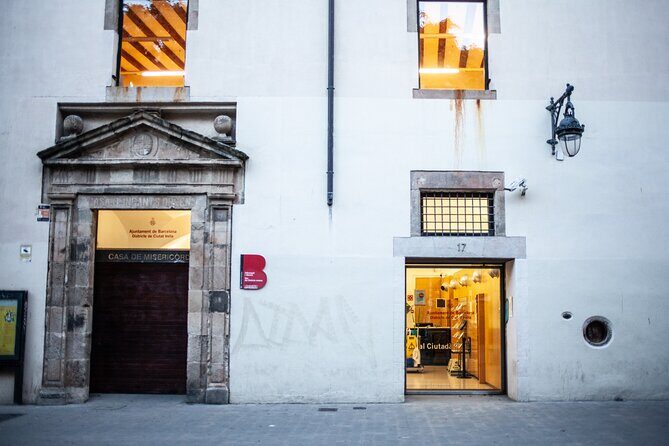
This is where Barcelona’s foundling wheel for unwanted infants is hidden in plain sight. That detail alone tells you the tour won’t be polite, modern “history class.” It turns a physical object into a doorway for social history—how society handled people it didn’t know what to do with.
Even if you don’t know the backstory yet, you’ll likely leave understanding how institutions shaped lives. This stop also includes a free admission ticket, so you’re not paying to get the story.
What to watch for: the guide will help you read the location like a clue. Don’t just take photos—look at how the space sits in the neighborhood and how something so specific could be right there.
Stop 2: Carrer de Joaquín Costa
Next up is Carrer de Joaquín Costa, framed as once home to a villain whose crimes are meant to chill you. This is the tour’s storytelling bridge: it shows how a street name can carry legend, fear, and reputation.
If you’re worried the “dark” tag means pure sensationalism, this stop is where you’ll feel the difference between shock and context. The guide’s job here is to connect the legend to the real Raval world that produced it.
Practical tip: this is a good moment to ask yourself what’s normal in a street scene. Then you’ll understand why a neighborhood can have both public life and darker chapters.
Stop 3: Real Academia de Medicina de Cataluña (Hospital of la Santa Creu link)
This stop is tied to the former Hospital of la Santa Creu, described as infamous for autopsies. The point isn’t gore for its own sake. It’s about institutions, science, and what “progress” can cost when human bodies become data.
This is valuable for two reasons. First, it broadens your Barcelona view beyond art and architecture. Second, it gives you a more honest sense of how medical history is part of city history—built into the same streets and buildings as everything else.
Free admission ticket here means you’re getting access without extra entry fees stacking up.
Stop 4: Sant Pau del Camp
Sant Pau del Camp is Barcelona’s oldest church, previously a monastery with a history marked by violence. That pairing matters: oldest doesn’t mean gentle, and religious space doesn’t always mean peaceful.
This stop shifts the mood in a good way. You go from institutions and crime legends to a place that feels older in your bones. The guide helps you notice how the building’s age and purpose shaped its role in the neighborhood.
Even if you’re not a church-detail person, it’s worth treating this as a moment to slow down. Short, respectful time here makes the later street stops land better.
Stop 5: Avenida del Paralelo
Then the tour moves into Avenida del Paralelo, described as tied to the Chinese district and the hub of 20th-century nightlife with a seedier reputation. This is where the tour stops pretending the city is one thing.
You’ll learn how entertainment districts form, how reputations travel along streets, and how communities—some mainstream, some overlooked—leave traces in the urban fabric.
Tone check: this part can feel more intense because it’s tied to nightlife. It’s not about you having to “like” any of that. It’s about understanding how the Raval of the 1900s worked socially.
Stop 6: Jardins de les Tres Xemeneies
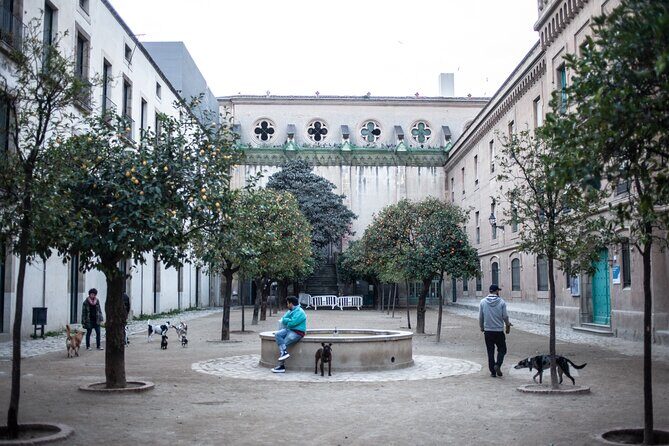
The walk ends at Jardins de les Tres Chimeneies (listed as the end at Plaça de Les Tres Xemeneies and the tour notes it ends in the gardens). This area was once the center of industrial Barcelona and now’s a go-to for graffiti art lovers.
It’s a smart finish. You end with transformation: old industry repurposed for expression. After hearing about hospitals, violence, and legends, it feels like a release valve—less heavy than the middle, still real.
If street art is your thing, hang around for a bit after the tour. If it’s not, you’ll still get a strong sense of how the neighborhood has changed and why it keeps pulling people in.
Guides and Storytelling: Where the Best Reviews Point
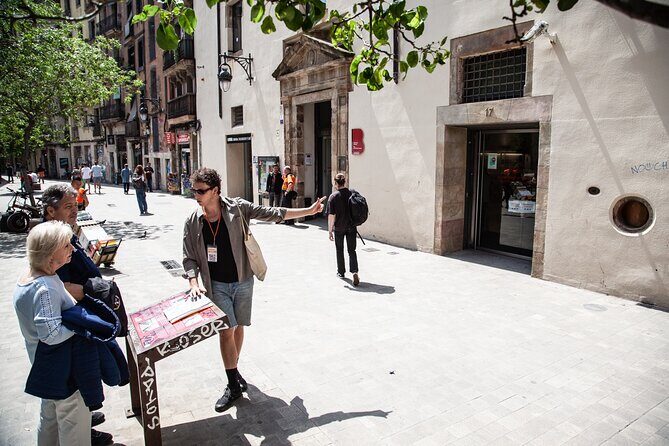
The standout theme from feedback is that the guide makes the difference. Names that show up often include Eoghan, Zeynep, Callum, Cal, Albert, and Andres. The common thread is strong storytelling energy and clear explanations that help you understand how the Raval’s past connects to what you see today.
What I’d aim for, as a traveler, is to match your expectations to the style. This tour is about narration plus walking. If you love hearing how a city works at street level—social rights, institutions, and neighborhood change—you’ll probably have a great time.
Who This Tour Fits Best (and Who Might Skip It)
This is a good fit if you:
- want more than the main sights and want Barcelona’s real edges,
- like history that’s tied to specific streets and buildings,
- can handle a darker tone and enjoy the spooky-legends angle, and
- enjoy guided walks more than museum-only days.
You might be less happy if you:
- prefer only polished, postcard neighborhoods,
- dislike the idea of crime or violent historical context in a tour setting, or
- don’t like walking and listening for two hours straight.
Should You Book the Barcelona El Raval Dark History Walking Tour?
I think you should book this if you’re the type who likes to understand a city beyond its famous highlights. For the money, you’re paying for a guided route, free entry stops, and a focused look at El Raval’s social history. The small group helps keep it personal, and the end location near Jardins de les Tres Xemeneies gives you a satisfying finish.
If you’re unsure, here’s the simplest decision rule: if Barcelona’s grittier side sounds interesting to you, not scary in a bad way, this tour is worth it. If you only want “pretty Barcelona,” it may feel like the wrong key.
FAQ
FAQ
How long is the Barcelona El Raval Dark History Walking Tour?
It lasts about 2 hours.
How much does the tour cost?
The price is $33.42 per person.
What is the group size limit?
The tour has a maximum of 15 travelers.
Where does the tour start and where does it end?
It starts at Parròquia de Sant Pere Nolasc Mercedaris, Pl. de Castella, 6, Ciutat Vella, and ends at Plaça de Les Tres Xemeneies, Av. del Paral·lel, 49, with the tour finishing in the Jardins de las Tres Chimeneies area.
Are there admission fees for the places you visit?
The listed stops include admission tickets marked as free, and the tour includes these site visits as part of the experience.
Is lunch included in the tour price?
No, lunch is not included.
Do I get a mobile ticket?
Yes, the tour uses a mobile ticket.
Are service animals allowed?
Yes, service animals are allowed.
What is the cancellation policy for a full refund?
You can cancel for a full refund if you cancel up to 24 hours in advance of the experience start time.