REVIEW · BARCELONA
Barcelona: Museu Nacional d’Art de Catalunya Entrance Ticket
Book on GetYourGuide →Operated by Museu Nacional d'Art de Catalunya · Bookable on GetYourGuide
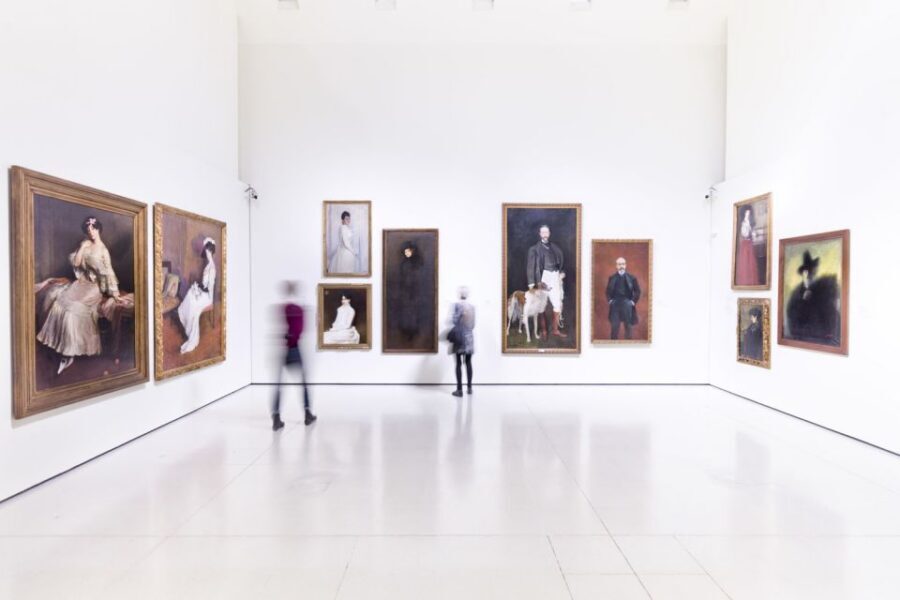
Art and views in one stop. The museum lives inside Palau Nacional, built for the 1929 Expo, so the building itself hits first. I especially love the Romanesque mural paintings and how MNAC makes Catalonia’s story feel tied to big European art movements. One catch: the terraces and rooftop are temporarily out of service right now, so some skyline time may be limited.
For around $14, you get entry to the permanent collection plus a temporary exhibition, and an audio guide app for your phone in a lot of languages. I like that it helps you pace a visit through two floors without turning your day into a guessing game, even if you’re not an art expert.
In This Review
- MNAC highlights you should actually plan around
- Palau Nacional on Montjuïc: the building is the warm-up
- Romanesque mural paintings: the art that makes MNAC feel special
- Catalan Modernism upstairs: Gaudí and Casas in museum context
- European Renaissance and Baroque: Tiziano and Velázquez up close
- Photography and the museum-building history: more than just paintings
- Your 1-day pacing: how to handle two floors without burning out
- Skip-the-line entry and the timing details that matter
- Rooftop views and Montjuïc photo plans (terraces are currently out)
- Using the smartphone audio guide app the smart way
- Where to rest: cafés, snacks, and real breaks on Montjuïc
- Price and value for a major museum day
- Who MNAC is best for
- Should you book MNAC tickets?
- FAQ
- Where is the meeting point for MNAC?
- How long should I plan for the museum?
- What does the ticket include?
- What do I need to bring for the audio guide?
- Are the terraces or rooftop available?
- When is museum entry free?
MNAC highlights you should actually plan around
- Palau Nacional (1929 Expo building): grand interiors and museum space that feels like part of the exhibit
- Romanesque mural paintings: some of the finest examples in the world, presented in a museum setting you can take your time with
- Catalan Modernism names you’ll recognize: including Gaudí and Casas
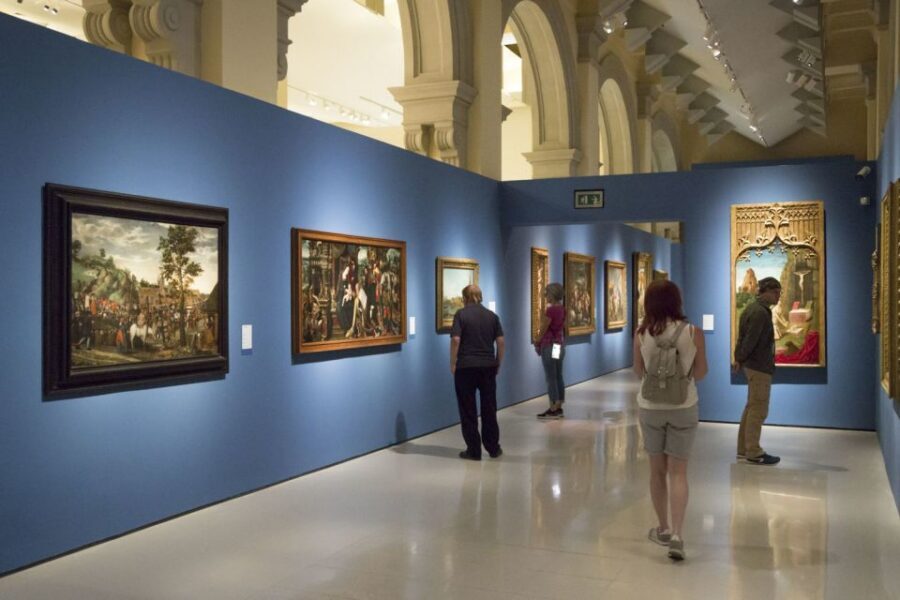
- Renaissance and Baroque masterpieces: with major artists like Tiziano and Velázquez
- Frescos and preservation story: you’ll see how artworks were rescued and kept alive for modern audiences
Palau Nacional on Montjuïc: the building is the warm-up
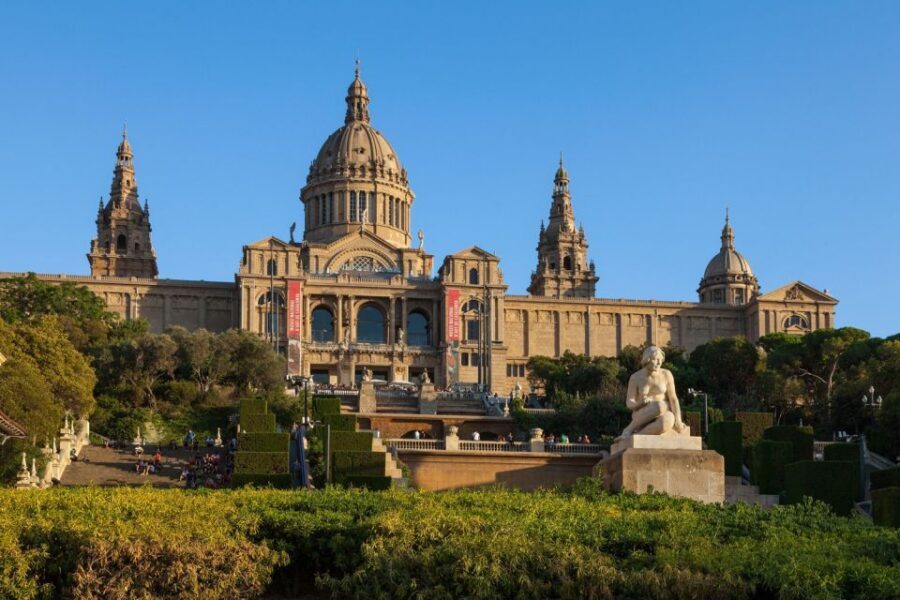
MNAC is set in Palau Nacional on Montjuïc, one of those Barcelona locations where you feel like you’ve already walked into a different era. The building was created for the International Exposition of 1929, and it shows. Even before you reach the galleries, you’re in a space built to impress.
Inside, the museum keeps things organized across two floors. That matters because art museums can easily become a “stand, read a plaque, move on” marathon. Here, the layout helps you settle into a rhythm: look closely, step back, and then continue.
This is also a strong pick if you want a break from the city center’s constant traffic of sights. Montjuïc has its own energy, and it feels calmer once you’re inside the museum walls.
You can also read our reviews of more tours and experiences in Barcelona


Romanesque mural paintings: the art that makes MNAC feel special
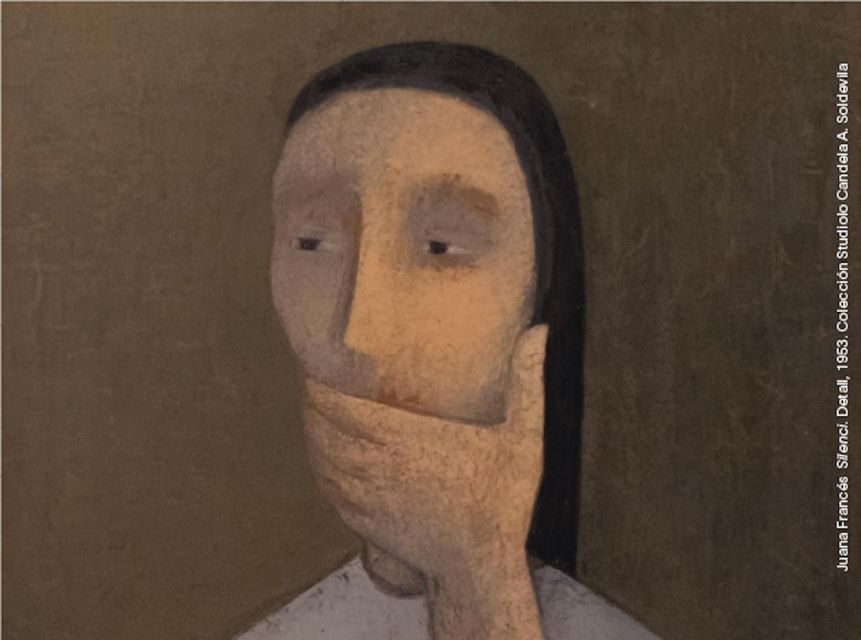
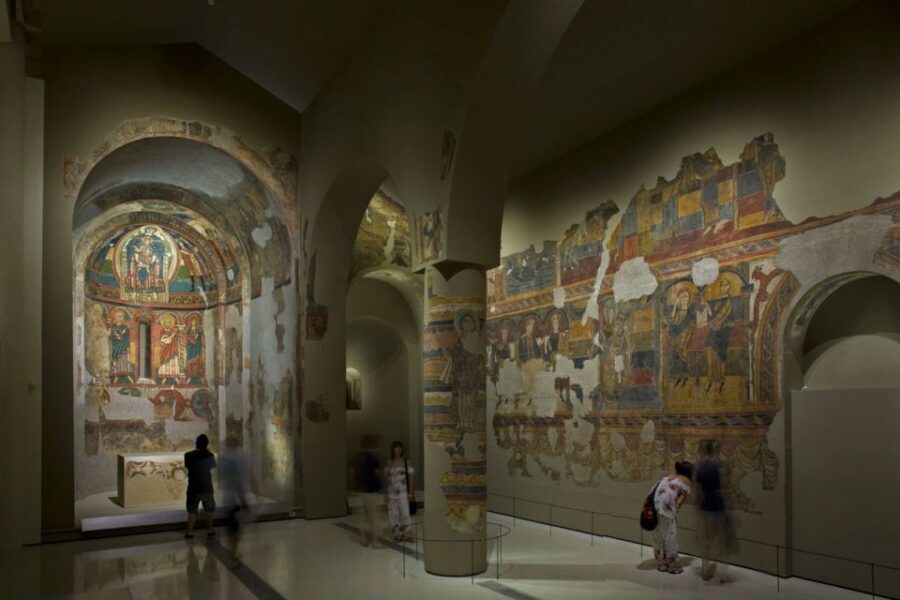
The main reason people make time for MNAC is simple: the museum is world-famous for its Romanesque mural paintings. This is not the kind of art where you can just glance and move on. The scale and detail reward slow looking.
You’ll also get the rare experience of seeing murals presented as art objects, not just fragments. The museum’s approach helps you understand what you’re looking at—composition, color, and narrative—without needing to know how the work started its life elsewhere. One thing I found compelling is the preservation angle: the museum displays frescos that were removed and saved from ruined churches, so you can appreciate both the artwork and the effort behind keeping it intact.
If you’ve ever wondered how religious art, local Catalan identity, and broader European styles connect, MNAC gives you that thread. It’s one of those museums where the “wow” factor isn’t only about famous names. It’s about how the paintings were saved and staged for you.
Catalan Modernism upstairs: Gaudí and Casas in museum context
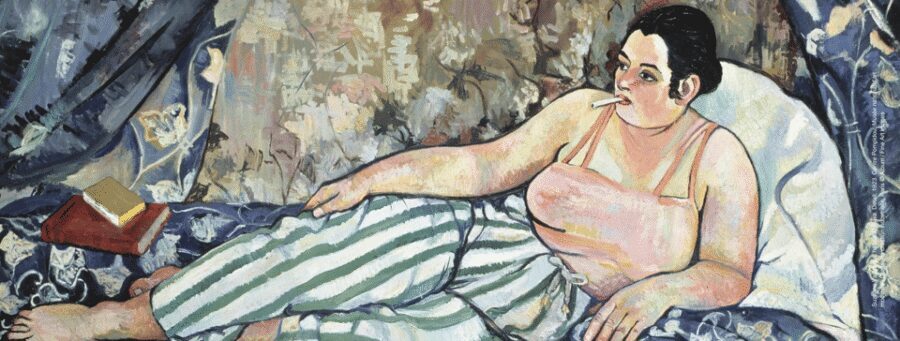
MNAC also shines when you shift from medieval art into Catalan Modernism. The museum offers you a clear path into 19th- and early-20th-century ideas, with major artists including Gaudí and Casas.
What I like about seeing Modernism here is the pacing. You’re not only chasing a single movement. You’re watching the ideas evolve in the same building, so the jump from older traditions to newer styles feels less random.
And because the museum includes both permanent and temporary displays, you can get a wider “snapshot” of what MNAC is thinking about during your visit. That’s helpful if you’re squeezing this into one day and don’t want to guess which galleries are worth your time.
European Renaissance and Baroque: Tiziano and Velázquez up close
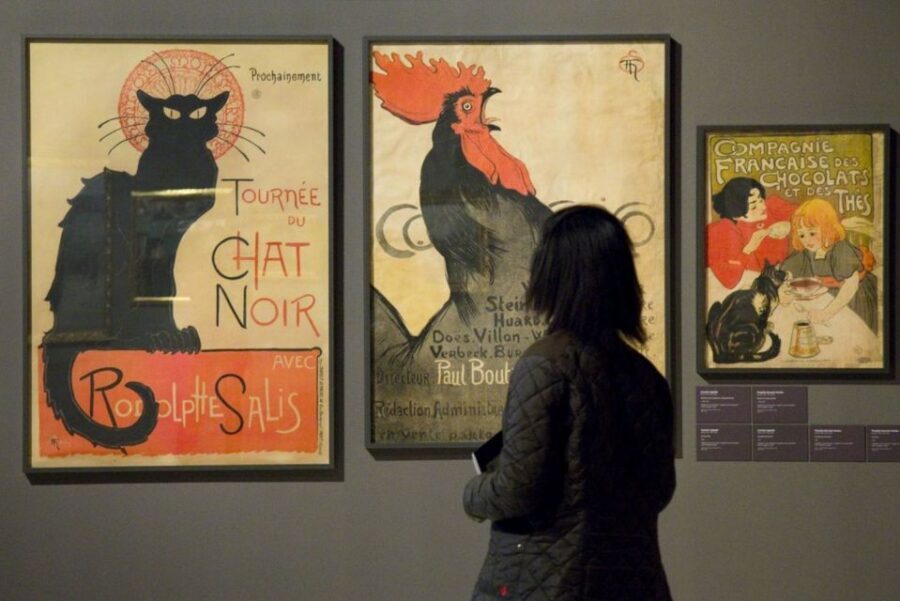
MNAC doesn’t limit itself to Catalan art. You’ll also find major European masters, including Tiziano and Velázquez, along with Renaissance and Baroque works.
This section is a big deal for value. A lot of museums in Europe either specialize deeply in one local story or spread themselves thin across everything. MNAC manages to offer variety while still feeling connected. The result is that you can compare how different periods handled drama, light, and subject matter.
Even if you only have a few hours, these rooms tend to create memorable moments. You can look for yourself at how Baroque intensity differs from earlier styles, and how European painting language influenced (and contrasted with) Catalonia’s own artistic identity.
If you’re the kind of traveler who likes to leave a museum with a mental list of what mattered, this is where you start building that list.
Photography and the museum-building history: more than just paintings
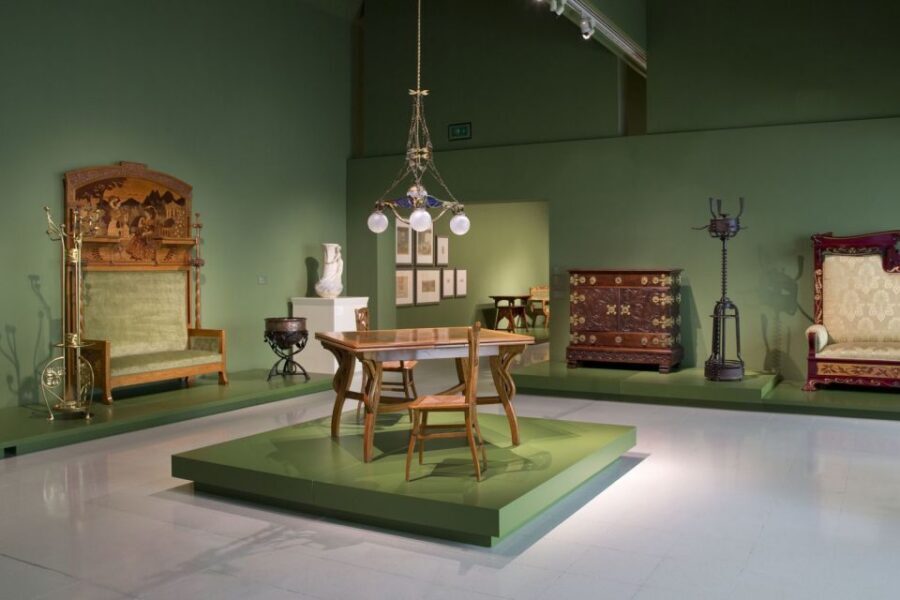
MNAC isn’t only paintings. You can also explore the museum’s collection of photography, which adds another lens to the story of art and preservation.
You’ll also learn about the history of the building during your visit. That’s important because Palau Nacional isn’t just a container. It’s part of the experience—how the space was built, how it has been used, and how it became a museum setting.
This is one of those touches that makes your visit feel grounded. You’re not only consuming artworks. You’re also understanding how and why the museum exists in its current form.

Your 1-day pacing: how to handle two floors without burning out
The museum is spread across two floors, so plan on more than a quick “check the boxes.” A couple of hours is a good target if you want to see a lot and still breathe.
Here’s how I’d pace it so it doesn’t turn exhausting:
First, decide what you’re chasing. If you came for the Romanesque murals, start there and then follow the flow to Modernism. If you’re more interested in European painting, you’ll likely spend extra time in the Renaissance and Baroque sections.
Then, use the audio guide as a filter. Don’t try to listen to everything back-to-back. Instead, pick a few works per room that catch your attention, and let the rest be visual discovery. You’ll retain more, and you won’t end up rushing because you feel behind.
Finally, build in a small break. The museum environment is the kind where you can stand up, reset your feet, and return without losing the thread of your visit.
Skip-the-line entry and the timing details that matter
You’re buying an entrance ticket that includes skip-the-ticket-line access. That’s a practical advantage in a popular city sight, especially on peak days when you don’t want your day hijacked by waiting.
Timing is also worth respecting. The ticket offices close 30 minutes before the museum closes. Rooms are emptied 15 minutes before closing time. Those last windows can feel tight, so if you want a calm visit, arrive with buffer time rather than banking on a late sprint.
Also, ticket offices closing early affects your “last gallery” strategy. If you’re chasing a specific section, prioritize it earlier. You can still explore less-urgent rooms later, but don’t count on lingering right up to the closing bell.
If you prefer a relaxed pace, mid-morning often feels best. If you prefer shorter lines, later slots can work, but you’ll need to stay aware of closing time.
Rooftop views and Montjuïc photo plans (terraces are currently out)
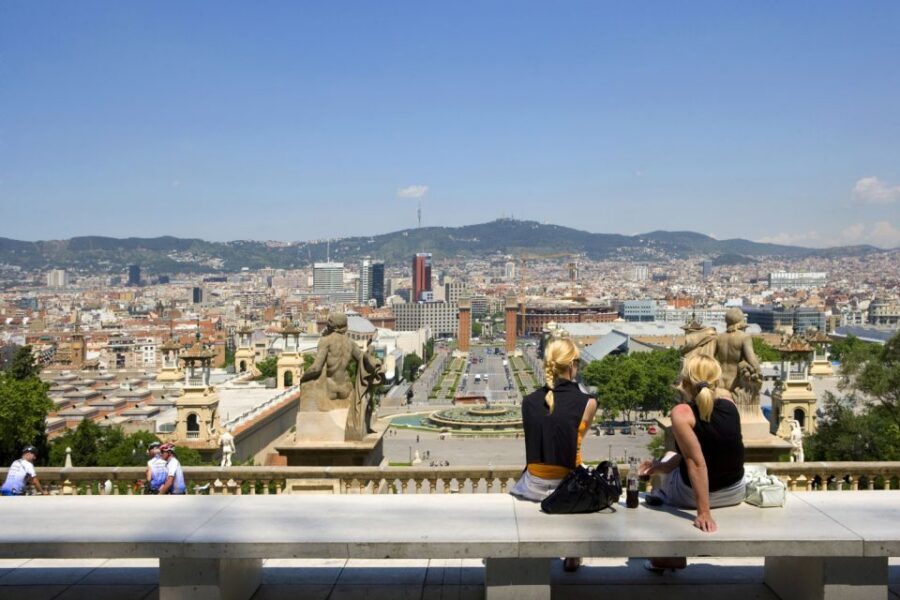
One of MNAC’s signature perks is the view over Barcelona from Montjuïc. Under normal circumstances, the rooftop and terraces help sell that “this is why we came” feeling.
Right now, terraces and the rooftop are temporarily out of service due to health regulation requirements. That changes your photo plan. Instead of expecting the full skyline payoff from above, you’ll need to lean on what you can see from ground level and around the building.
The good news is that Palau Nacional’s setting still provides strong viewpoints. You’re not arriving at a box in the city. You’re on Montjuïc, with angles that make Barcelona look spread out and dramatic.
If views are the whole reason you came, you might consider flexibility. With the rooftop unavailable, this becomes more of an art-first museum visit than a combined art-and-skyline day.
Using the smartphone audio guide app the smart way
Your ticket includes an audio guide app for your smartphone, with languages listed as Catalan, Spanish, English, French, German, Italian, Russian, Japanese, and Chinese.
What to bring is simple and easy to forget: headphones and a charged smartphone. The audio guide is only useful if your phone isn’t gasping for battery at minute 40.
I’d treat the audio guide like training wheels, not a script. Use it to unlock context for works you’re naturally drawn to. If a particular painting or section catches your eye, listening there can turn a “nice” moment into a “now I get it” moment.
And because the museum spans two floors, audio helps you build a coherent story as you move. It’s especially handy if you don’t want to rely on written labels alone.
Where to rest: cafés, snacks, and real breaks on Montjuïc
Meals aren’t included with the ticket. That said, you’ll find opportunities to pause during your visit.
Many people use the museum area as a rest stop, including time to grab a snack or drink after seeing the galleries. That’s especially useful if you’re combining MNAC with other Montjuïc sights. Even small breaks matter when you’re walking around a hillside area.
Plan for warmth, too. In summer, moving between outdoor points and indoor galleries can feel like two different climates. If it gets hot, prioritize indoor sections where the pacing works better.
Bathrooms are available, but size and cleanliness can vary depending on when you go. If you’re sensitive to cramped spaces, build in a “bathroom check” earlier in the day rather than relying on a last-minute sprint.
Price and value for a major museum day
At $14 per person, MNAC sits in a sweet spot for a big cultural stop. You’re not only paying for access to the permanent collection. Your ticket also includes admission to a temporary exhibition, plus the audio guide app.
That combination is what makes it good value. Many museum tickets only cover one component. Here, you can spend your time both exploring the core collection and sampling what’s special in the temporary galleries during your dates.
Is it expensive compared to a small local museum? Yes. Is it a bargain compared to a larger “blockbuster” attraction price tag? Also yes. For most visitors, $14 feels reasonable for the amount of art and the building you’re stepping into.
Wheelchair access is noted as available, which is helpful for planning.
Who MNAC is best for
MNAC is a great match for you if you want art that feels grounded and specific, not just trendy. The museum does especially well if you care about Romanesque art, preserved frescos, and the bridge into later Catalan Modernism.
It’s also a strong choice for travelers who already saw Barcelona’s most famous landmarks and now want something that slows the pace down. The museum gives you a different side of the city, with a “bigger picture” feeling because you can compare periods and styles in one building.
If your group includes someone who gets bored by art fast, try setting a simple mission: pick one section they want most, then pick one “must-see” artwork you care about. The museum’s two-floor structure helps you split your time without feeling like you wasted the day.
Should you book MNAC tickets?
I’d book this MNAC entrance ticket if you want a high-value art day with major periods covered, plus an audio guide that keeps you from feeling lost. The skip-the-line feature helps, and the fact that it includes both permanent and temporary exhibitions means you’ll get more out of limited time.
I’d hesitate only if your top priority is rooftop skyline views. Since the terraces and rooftop are temporarily out of service, you may not get the full “Montjuïc wow” you planned for. In that case, treat MNAC as an art-first experience, and plan your view moments elsewhere.
If you’re flexible, go earlier in the day, bring headphones, and set aside at least a couple of hours. This is the kind of museum where time pays back in attention.
FAQ
Where is the meeting point for MNAC?
The meeting point is Palau Nacional s/n, Parc de Montjuïc, 08038 Barcelona.
How long should I plan for the museum?
Plan on spending a couple of hours to see the museum’s collections on two floors.
What does the ticket include?
Your ticket includes admission to the permanent collection and a temporary exhibition, plus an audio guide app for your smartphone.
What do I need to bring for the audio guide?
Bring headphones and a charged smartphone.
Are the terraces or rooftop available?
The terraces and rooftop are temporarily out of service due to current health regulation requirements.
When is museum entry free?
Entry is free on Saturdays from 15:00 onwards, the first Sunday of each month, 12 February (Santa Eulàlia), 18 May (International Day of Museums), 11 September (national day of Catalonia), and 24 September (Day of la Mercè).