REVIEW · BARCELONA
Online Experience: Zoom around panoramic Barcelona
Book on Viator →Operated by The Barcelona Feeling · Bookable on Viator
A Zoom tour can still feel like travel. This one gives you a structured day in Barcelona through interactive Q&A and a guided photo-and-story walkthrough that hits big-name sights plus quieter ones. I especially like the 3D flight around Sagrada Família and the way the route mixes architecture with everyday scenes.
One drawback to keep in mind: you get the sights, stories, and city layout, but you won’t get the real street sounds, smells, and walking time that make Barcelona feel like Barcelona.
The host keeps things lively on Zoom, and the name Christian comes up for delivering a tour that feels personal—answering questions and adjusting the pace to what the group wants. If you’re short on mobility, short on time, or not yet in Barcelona, this is a smart way to get your bearings before you buy tickets for the real-world version.
In This Review
- Key things to know before you log on
- A Barcelona day from your screen: what makes this Zoom tour fun
- Price and value: what $53 covers for this virtual route
- Mercat de Sants to Montjuïc: the city’s layout in one sweep
- Casa Batlló to Barceloneta: Gaudí meets seaside snack culture
- Sagrada Família and Sant Pau in Google Earth 3D
- Gothic Quarter to El Raval live music ending
- How to get the best out of a live Zoom sightseeing session
- Who should book this Barcelona Feeling virtual tour
- Should you book this Barcelona Zoom sightseeing tour?
- FAQ
- How long is the Zoom sightseeing experience?
- What places in Barcelona does the tour cover?
- Do I need tickets for the sights?
- Can I ask questions during the tour?
- What do I need to join the tour?
- How do the time zones work for booking?
- What is the cancellation policy?
Key things to know before you log on
- A tight 75-minute route that still visits markets, hilltop views, Gaudí, and neighborhoods
- Google Earth-style 3D around Sagrada Família so you can understand the design fast
- Mercat de Sants and Barceloneta bring everyday Barcelona into the same day as the famous landmarks
- Recinte Modernista de Sant Pau gets real attention as a less-visited modernist stop near Sagrada Família
- Gothic Quarter + El Raval adds atmosphere, including a live-music bar ending
- You can ask questions during the tour, not just watch slides
A Barcelona day from your screen: what makes this Zoom tour fun
Barcelona is visual. It’s curves, mosaics, towers, and angles that make sense only when you see how everything lines up. This Zoom experience leans into that. Instead of trying to replicate a walking tour inch by inch, it gives you something more useful for many first-time visitors: orientation.
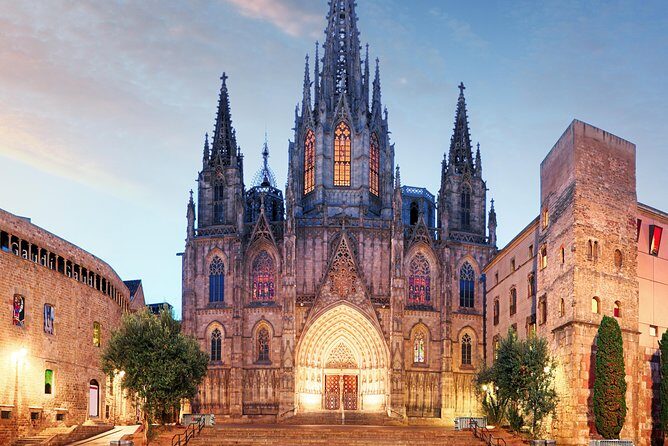
You’re guided past major highlights like Montjuïc, Casa Batlló, Barceloneta, the Sagrada Família area, the Gothic Quarter, and ends with a look at El Raval’s live-music scene. The guide uses photos and explanations so you understand what you’re looking at—not just that a building exists.
The big win here is how interactive it feels. You’re not stuck with a one-way lecture. You can ask questions throughout, and that changes the whole experience if you care about specific details like Gaudí’s style, what to prioritize first, or why Barcelona’s neighborhoods look the way they do.
You can also read our reviews of more tours and experiences in Barcelona.

Price and value: what $53 covers for this virtual route
$53 sounds low for a “day of sightseeing,” and that’s the point: you’re paying for guided interpretation, not for transport, museums, or timed-entry tickets. The tour is about 1 hour 15 minutes, and many of the stops are described with free admission in the virtual context—so your cost stays stable and predictable.
Here’s the value math that matters:
- You’re buying clarity. The guide explains design and layout so you don’t leave Barcelona-looking material feeling like a blur of names.
- You’re buying convenience. No jet lag logistics, no weather issues, no long transfers.
- You’re buying access to hard-to-time places. Sagrada Família, for example, is easier to grasp when someone frames what you’re seeing.
Two practical add-ons can help your budget: group discounts and the mobile ticket format. Also, the group cap is 100 travelers, which matters on Zoom because smaller groups usually feel easier to manage when you have questions.
Mercat de Sants to Montjuïc: the city’s layout in one sweep
The session starts at Mercat de Sants. Markets are where Barcelona shows its daily rhythm—what people eat, buy, and talk about. Even through a screen, the market theme works because it grounds you. You’re not only studying monuments; you’re learning what locals do before turning toward the big architectural icons.
Why this stop is a smart opener: It’s traditional and real. You get a sense that Barcelona isn’t just postcards. And once you’ve got that mindset, the rest of the day clicks better.
Potential drawback: a virtual market can’t replace the sensory experience—no smells, no soundscape, no browsing with your feet. Still, the guide uses the idea of “market halls” to explain how these spaces fit into city life, which is a useful mental model.
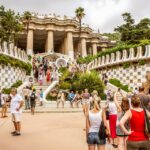
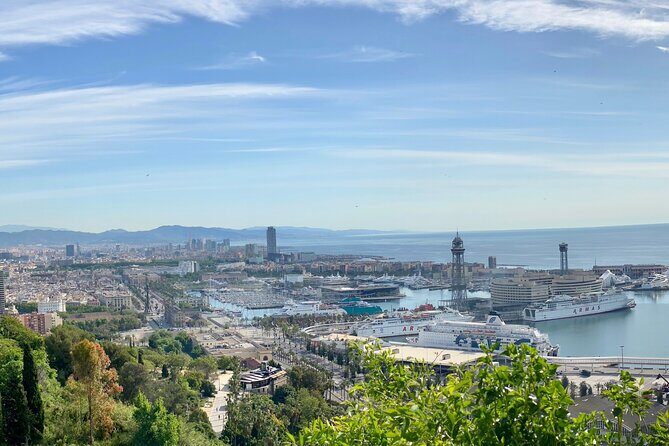
Next comes Montjuïc, where the tour climbs (virtually) via the hill’s stair approach to build a stronger picture of Barcelona’s layout. Hilltop viewpoints are the quickest way to understand a city’s geometry, and Montjuïc is ideal for that.
What you’ll get here:
- A sense of the city spread and how neighborhoods relate
- Panoramic orientation that helps later when you’re reading maps
Possible consideration: you don’t get the physical exertion of climbing the real steps. If your goal is exercise, this won’t do it. If your goal is orientation—and you want a break from walking—this is exactly the kind of swap that works.
Casa Batlló to Barceloneta: Gaudí meets seaside snack culture
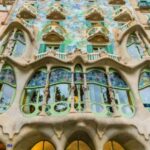
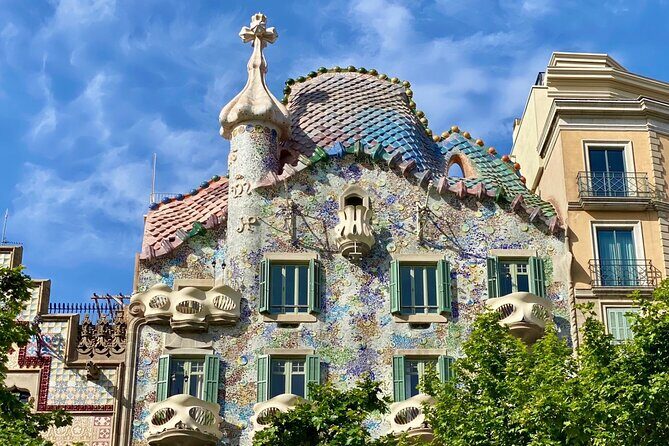
Then the tour swings into Casa Batlló, the kind of building that makes you stop asking what year it is and start asking how someone designed it. You’ll learn about Gaudí and the Modernism style through this specific example, with the emphasis on what makes the architecture distinctive rather than only pointing at pretty features.
Why this stop works in a virtual format: architectural details can be explained more clearly than in a quick in-person glance. The guide can slow down the “look here” moments and tie design choices to style—helpful if you don’t know what Modernism means yet.
A drawback to watch: 20 minutes goes fast. You’ll get a strong overview, but if you want to study the building the way you would in person—standing close, noticing texture changes at eye level—this format can’t fully replace that.
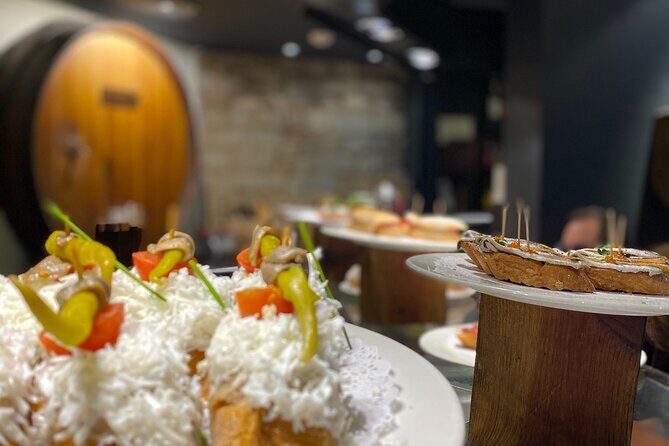
After Casa Batlló, you’ll head to Playa de la Barceloneta for a “virtual lunch at the beach.” The guide uses this to talk about lunch menus and Spanish tapas—how people think about ordering, sharing, and timing around a day outdoors.
This is a surprisingly valuable angle. Many Barcelona tours focus only on architecture. Here, the beach segment gives you cultural context: what a casual meal could look like, and how to approach tapas without overthinking it.
Possible consideration: you won’t taste the food. If your goal is a culinary experience, this portion is still useful because it helps you plan a real meal later with better expectations.
Sagrada Família and Sant Pau in Google Earth 3D
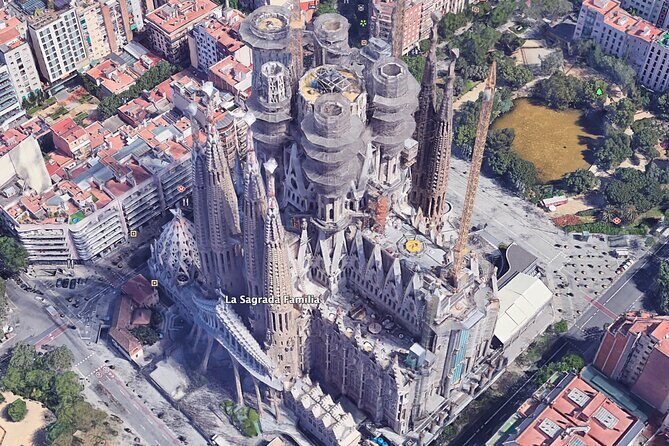
The highlight many people want next is Basilica de la Sagrada Família. This session uses a 3D-style “fly around” approach via Google Earth to explain the church design.
That’s the big takeaway: with Sagrada Família, the hardest part is often understanding how the structure works—especially if you’re seeing it in photos first. A simulated glide around the building helps you follow shapes and layout in a way a single front façade image can’t.
What you can expect from this segment:
- A clearer picture of the design from multiple angles
- A guide-focused explanation of what you’re seeing in the form
Potential drawback: 3D tours depend on your internet quality. If your connection stutters, you’ll feel it more during movement-based viewing. Still, the advantage is time: you get the “walk-around” comprehension in just about 10 minutes.
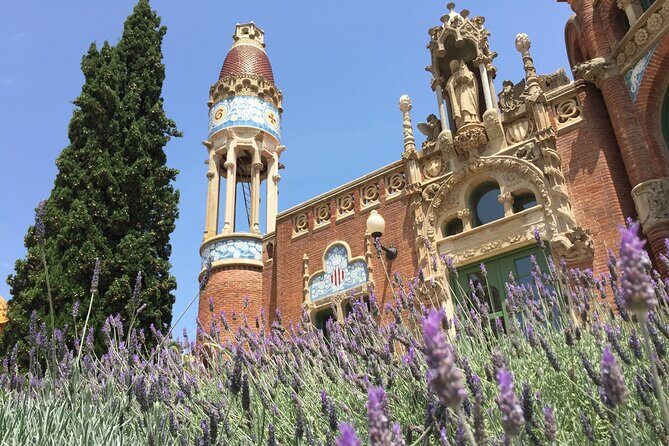
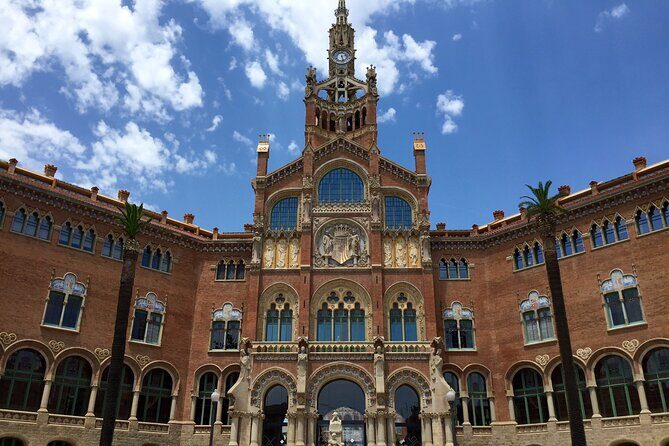
Right after that, the tour moves to Recinte Modernista de Sant Pau. This is a big deal because it’s not as “obvious” as the Sagrada Família stop for many first-timers. You’ll get a quick look at a stunning modernist complex near where you’ll likely already want to be.
Why it’s worth including:
- It broadens your Gaudí-area experience into broader Modernism
- It helps you understand Barcelona isn’t a one-style city
Trade-off: with only about 10 minutes there, you won’t get deep study. But for orientation and for deciding what to visit later in person, this quick stop can be more helpful than you’d think.





Gothic Quarter to El Raval live music ending
After Sant Pau, the guide takes you through the Gothic Quarter. The “slender through” wording may sound light, but the purpose is clear: give you that maze-like feel and historical neighborhood vibe so you know where the mood of Barcelona comes from.
Then the tour finishes in El Raval. This part leans into nightlife culture. You’ll visit a bar with a live music concept and learn about a Flamenco show.
What you gain here is momentum. After the architecture, you end with something sensory in concept—music and a traditional performance style. Even virtually, it keeps the day from feeling like only monuments.
Possible consideration: audio quality matters. If you’re watching from a laptop with weak speakers, you may want headphones so you can catch the live music angle clearly.
How to get the best out of a live Zoom sightseeing session
Zoom tours work best when you treat them like a guided lecture with visuals—because you’ll remember far more if you’re actively watching and asking.
Here are a few practical moves that fit this specific Barcelona format:
- Have a map open. Even a simple one helps. When the guide mentions areas like Montjuïc or the Gothic Quarter, you’ll connect the geography faster.
- Ask one question early. This isn’t passive viewing. If you know you care about Gaudí, Modernisme, or which stop to prioritize later, ask upfront so the guide can tailor the pace.
- Use headphones for the El Raval segment. The live music ending is one of the more atmosphere-heavy parts of the tour, so it deserves your attention.
- Plan for screen fatigue. The session is 75 minutes, but that’s still long. Take one quick stretch break if you need it.
Also, keep an eye on timing. The tour follows Spanish time slots, so if you’re booking from the US, you need to account for the difference: add 6 hours if you’re using EST, and add 9 hours if you’re using PST. Getting the time right is the easiest way to avoid missing the opening moments at Mercat de Sants or the Montjuïc orientation piece.
Who should book this Barcelona Feeling virtual tour
This tour is a great fit if:
- You want a fast, guided overview of Barcelona’s top highlights
- You’re traveling from elsewhere and can’t yet be in Spain
- You prefer to reduce walking time due to mobility concerns
- You want a tour with questions and real interaction, not just a video loop
- You’re planning a future trip and want a head start on priorities
It’s less ideal if:
- You want an in-person substitute for museums and long walks
- You need hands-on food experience beyond “how tapas and menus work”
- You have unreliable internet and you’re worried about the 3D Sagrada Família segment
Should you book this Barcelona Zoom sightseeing tour?
If your main goal is to understand Barcelona quickly—where everything is, what matters, and how the styles connect—this is a strong buy for $53. The format is efficient: markets to set the context, Montjuïc to understand layout, Casa Batlló and Modernism to build architectural literacy, then Sagrada Família and Sant Pau to deepen what you’ll see later, and a Gothic Quarter plus El Raval finish to wrap the day with local atmosphere.
Add in the interactive Zoom approach and the fact that the guide experience has earned praise for being responsive and customer-friendly, and you’ve got a virtual tour that feels like more than a slideshow. Book it if you want orientation and storytelling. If you’re chasing only the physical thrill of being out in the city, you’ll still want the real streets next.
FAQ
How long is the Zoom sightseeing experience?
It runs for about 1 hour 15 minutes.
What places in Barcelona does the tour cover?
You’ll pass by Mercat de Sants, Montjuïc, Casa Batlló, Barceloneta, the Sagrada Família area (including a 3D segment), Recinte Modernista de Sant Pau, the Gothic Quarter, and finish with an El Raval live-music bar stop.
Do I need tickets for the sights?
The tour includes stops marked as free admission, and it’s a virtual experience. You’ll use the mobile ticket format provided with your booking.
Can I ask questions during the tour?
Yes. The experience is described as interactive, and you can ask questions throughout.
What do I need to join the tour?
You need an internet connection and the ability to join via Zoom.
How do the time zones work for booking?
If you’re booking using EST, add 6 hours to match the Spanish time slot. If you’re booking using PST, add 9 hours.
What is the cancellation policy?
You can cancel for a full refund up to 24 hours before the experience’s start time. Canceling within 24 hours does not provide a refund.