REVIEW · BARCELONA
Barcelona: Museum of Forbidden Art Entry Ticket
Book on GetYourGuide →Operated by Museu de l'Art Prohibit · Bookable on GetYourGuide
Forbidden art can change how you see art.
At the Museu de l’Art Prohibit in Barcelona, the ticket is basically a key to the world’s only museum collection focused on censored and prohibited works. I love the idea of seeing famous names in a new light—works tied to bans, controversy, and public pushback. I also like that your visit isn’t just “shock value”: you get context through a free digital guide and multimedia info, with the museum set in a beautiful early-20th-century building on Passeig de Gràcia.
The main catch is planning: you need to check opening days and starting times before you go, since availability can vary and the museum isn’t always open every day.
In This Review
- Key highlights worth your attention
- Museu de l’Art Prohibit: what this forbidden-art concept really means
- Casa Garriga Nogués and Passeig de Gràcia: the best pre- and post-museum location
- Your self-guided format: using the digital guide like a pro
- What you’ll actually see: 200+ censored artworks and the artist roll call
- Terrace time: a small pause with a real payoff
- Price and value: why $14 can feel fair (or not)
- Practicalities that can make or break your visit
- How to pair it with Barcelona for a smooth day
- Who should book this ticket
- Should you book the Museum of Forbidden Art ticket?
- FAQ
- What does the Barcelona Museum of Forbidden Art ticket include?
- How much is the ticket?
- How long is the ticket valid?
- Is the museum wheelchair accessible?
- Do I need a guided tour?
- What language is the digital guide available in?
- What are the main rules about what I can bring?
Key highlights worth your attention
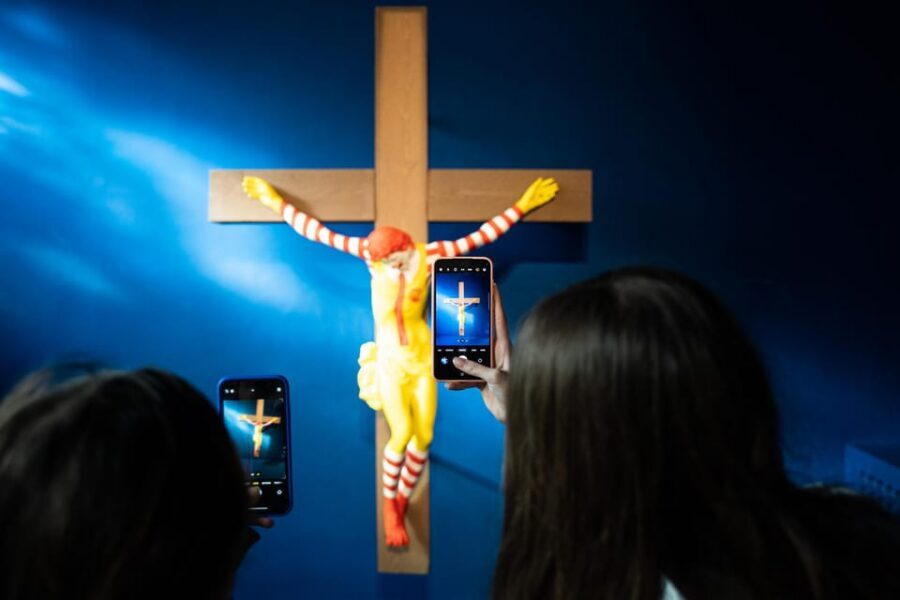
- 200+ censored works focused on what got banned and why
- A real mix of big names like Picasso, Warhol, Goya, Banksy, and Ai Weiwei
- Self-guided visit with a free digital guide in Catalan, Spanish, and English
- Casa Garriga Nogués setting: modernist atmosphere right by Passeig de Gràcia
- Terrace access to slow down after reading the stories behind the art
Museu de l’Art Prohibit: what this forbidden-art concept really means
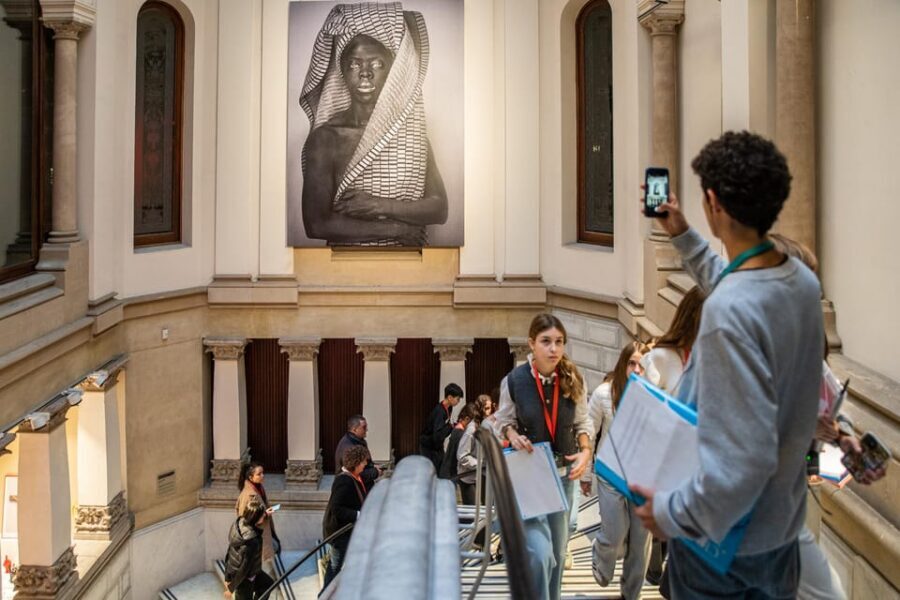
This museum is built around a simple, slightly uncomfortable question: who gets to decide what art is allowed?
The collection centers on censored and prohibited artworks from a wide range of artists—some global superstars, some more niche but still major voices. You’ll see pieces connected to political pressure, moral panic, religious conflict, and cultural control. The point isn’t just to label works as forbidden. It’s to show how censorship works in real life: it often targets ideas, not just images.
I like how the museum frames the material as history plus impact. It’s not only “look what they banned.” It’s “look what the ban tried to stop,” and how artists responded.
A word to the wise: this is not a museum where you’ll stroll through in five minutes. The best experience comes when you pause, read, and let the context land.
You can also read our reviews of more tours and experiences in Barcelona


Casa Garriga Nogués and Passeig de Gràcia: the best pre- and post-museum location
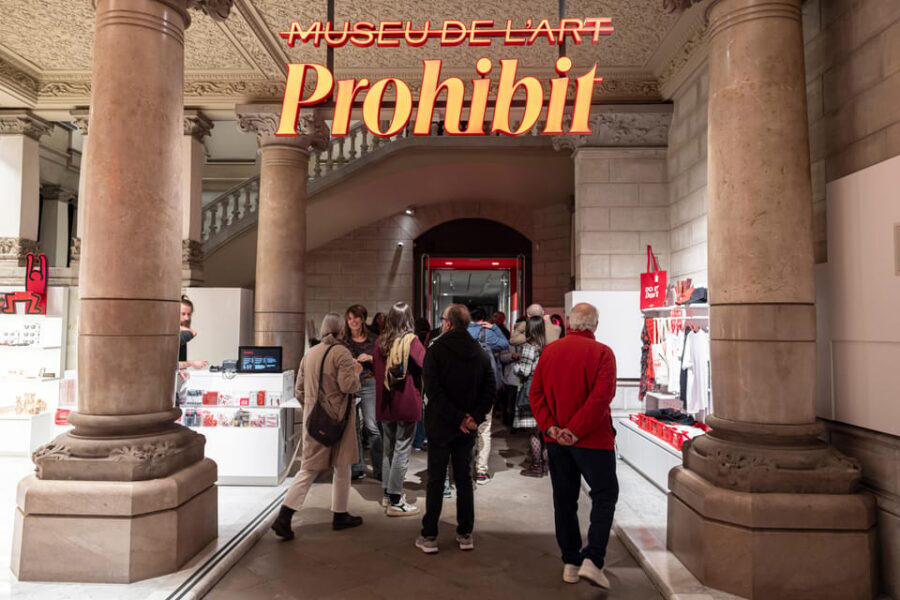
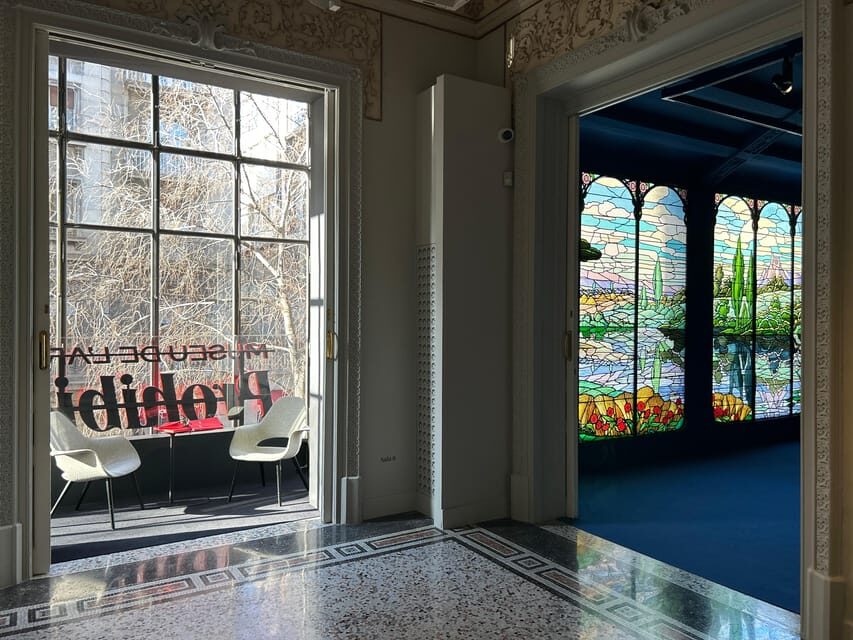
The museum is inside Casa Garriga Nogués, a modernist building from the early 1900s. That matters more than you might think. You’re not tucked in a random back street—you’re in a real Barcelona landmark area, so the building itself sets the tone: art, design, and debate all in one place.
It’s also a one-minute walk from Passeig de Gràcia, one of the city’s most convenient corridors for walking. You can easily turn this visit into part of a broader Barcelona day without losing time to logistics.
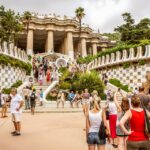
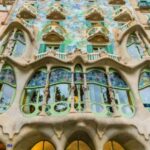
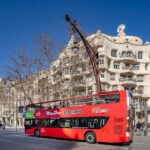
And because you’re close to major sights like Casa Batlló and La Pedrera, you can pair the “forbidden art” theme with the neighborhood’s bigger cultural story: modernism, provocation, and creative risk. Even if you don’t go inside those buildings, the area helps you feel how seriously Barcelona takes art.
Your self-guided format: using the digital guide like a pro
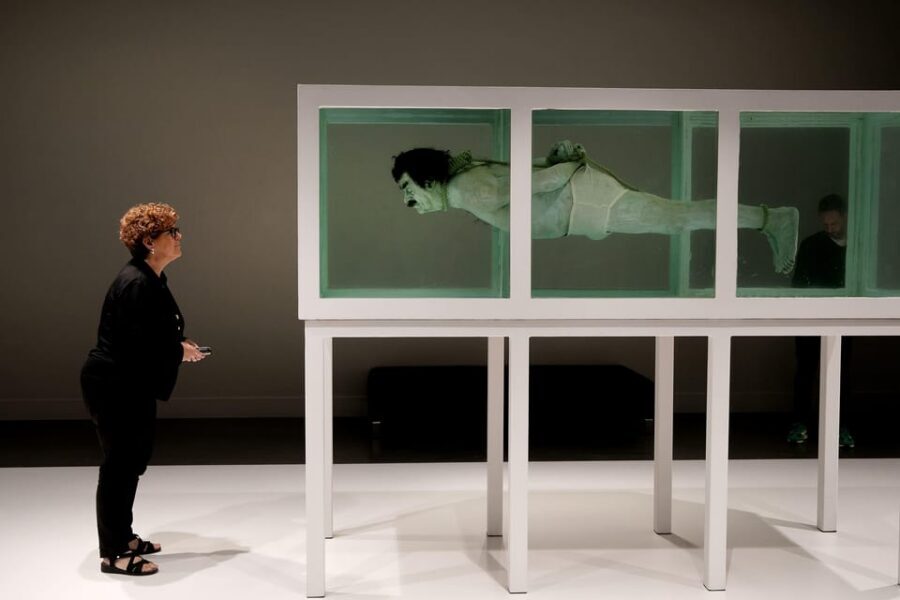
No guided tour is included, so your experience lives and dies by how you use the free digital guide. The good news: it’s available in Catalan, Spanish, and English, and it uses multimedia plus background info so you can understand the stakes behind each work.
Here’s how to make it work for you:
- When you enter, take a minute to open the guide and get oriented.
- For each major artist, pause long enough to read what censorship was responding to. The “why” is the whole point here.
- If you’re traveling with someone, compare reactions after a few rooms. You’ll notice how censorship changes meaning depending on what you already know about an artist.
The museum also offers free Wi-Fi, so you’re not stuck scrambling for connectivity. Still, bring a charged phone or device, since your guide lives on your personal screen.
If you want a simple rule: don’t rush the first half. The first rooms set the museum’s logic, and then the rest clicks faster.
What you’ll actually see: 200+ censored artworks and the artist roll call
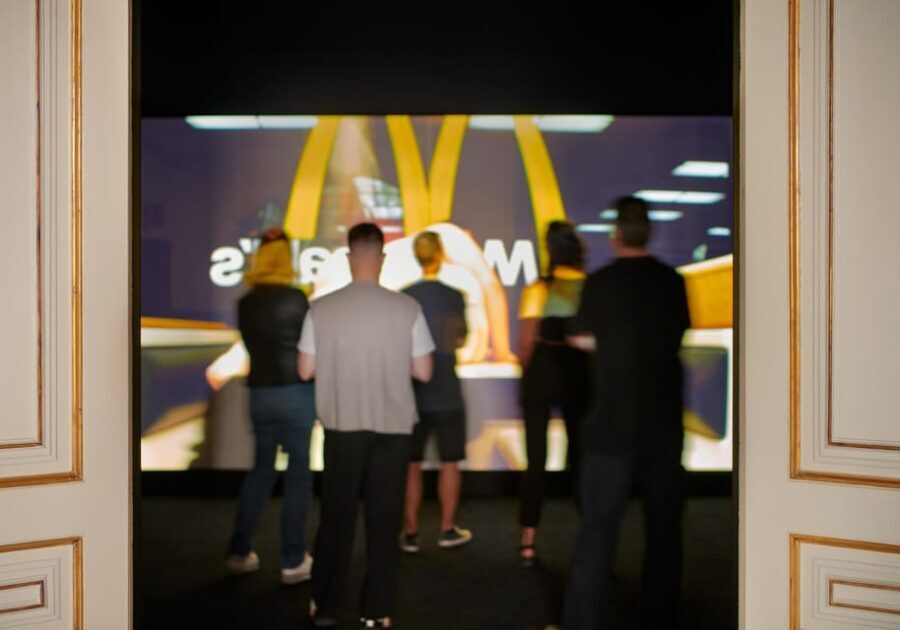
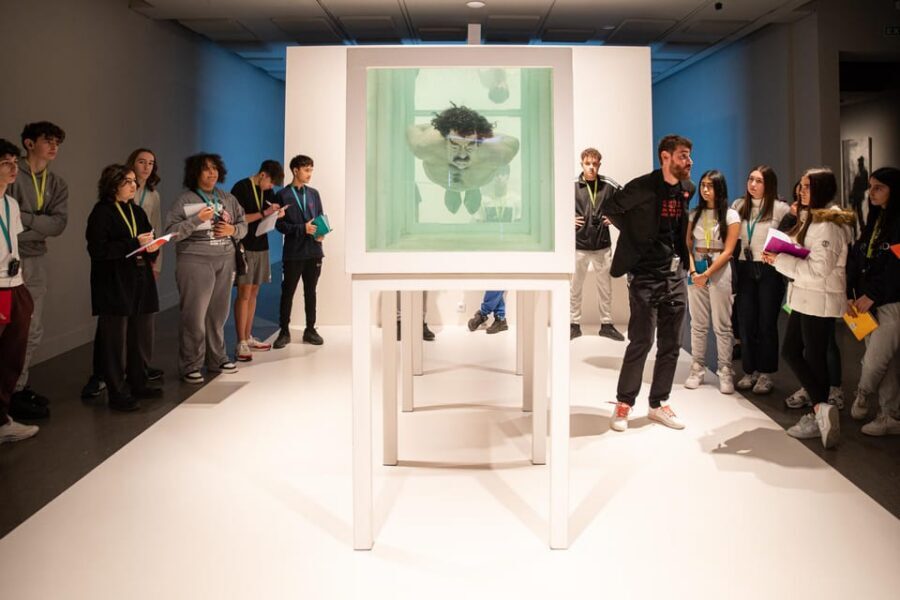
The ticket gets you admission to the exhibition spaces and the terrace area. Inside, you’ll encounter a collection of 200+ artworks that have faced censorship. The emphasis is on works that were challenged, banned, or restricted—so the “story” is as important as the artwork itself.
The museum highlights major artists such as:
- Pablo Picasso
- Andy Warhol
- Banksy
- Ai Weiwei
- Tania Bruguera
- Abel Azcona
- Ines Doujak
- Robert Mapplethorpe
- Goya
- Gustav Klimt
- Miquel Barceló
- Keith Haring
Seeing these names together is part of the value. You’re not just learning about censorship in the abstract—you’re watching it repeat across eras and art styles. Pop art, political art, photography, graffiti/street culture, and classical painting all get folded into the same theme.
What I find especially useful is that the museum doesn’t treat censorship as a distant past event. Even with different time periods, you’ll start to recognize the patterns: controversy tied to power, fear of new ideas, and moral arguments used to shut down expression.
This is also where you decide what kind of visitor you want to be. If you’re the type who loves art history footnotes, you’ll likely enjoy the context material. If you prefer visual impact only, you can still enjoy it—but you’ll get the most out of the guide’s background notes.
Terrace time: a small pause with a real payoff
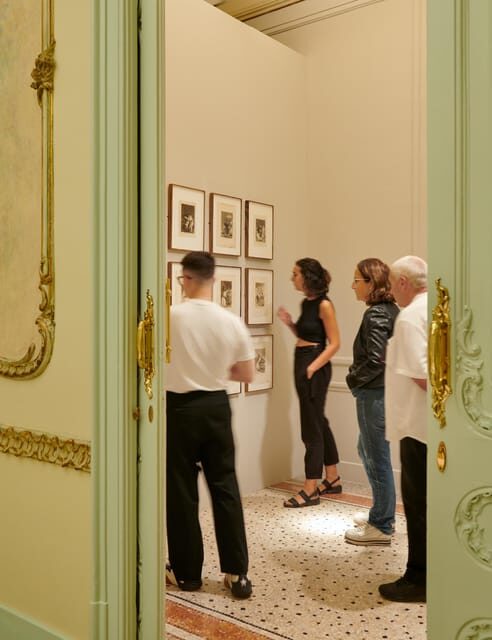
Your admission also includes access to the terrace area. It’s a nice change of pace after you’ve spent time reading and looking closely. Even if you don’t linger long, the terrace helps you reset your mind so the museum doesn’t blur into one continuous room-by-room experience.
Think of it as a built-in breather. You’ll walk in, get hit with the idea of censorship, then step outside and regain your bearings. In a city where you might otherwise just power-walk from one sight to the next, this small stop can make the visit feel more complete.
You can also read our reviews of more museum experiences in Barcelona


Price and value: why $14 can feel fair (or not)
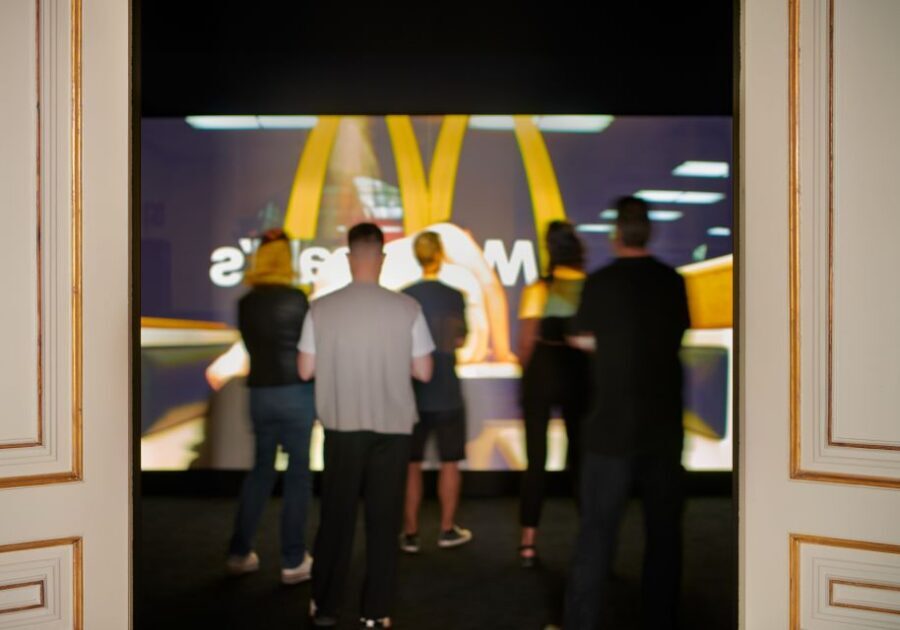
The price is listed at $14 per person. For that, you’re getting general admission plus a free digital guide in multiple languages, plus access to the terrace area and museum Wi-Fi.
In practical value terms:
- You’re not paying extra for a formal guided tour.
- The guide is built in, so you’re not reliant on your own prior knowledge.
- The museum delivers more than a quick “look around” visit because the theme is tied to context and reading.
It may not feel like a bargain if you hate museums where you read a lot. But if you enjoy learning why art became controversial, this pricing is pretty reasonable for a one-session experience.
Also, the location helps value your day. Being near Passeig de Gràcia means you’re less likely to spend money or time on detours just to fit the museum in.
Practicalities that can make or break your visit
This is a ticketed museum with a few rules that are easy to miss if you skim.
First, plan for security control. All visitors must go through it, so build in a little time rather than arriving at the absolute last second.
Second, make sure you bring the right ID: passport or ID card, and the same for children.
Third, note what you can’t bring. Pets, food and drinks, and bags are not allowed. If you’re carrying a tote or small backpack, assume it may be an issue and plan to travel light.
A couple more points you’ll want to know:
- Wheelchair accessibility is listed.
- The museum is not suitable for children under 13. If you’re traveling with kids, this one may be a mismatch for their attention span, even if they technically can visit.
Timing matters too. Your ticket is valid for 1–180 days, but you should check availability for starting times so you match your schedule.
One final planning tip: double-check opening days before you go. There are real-world reports of closure on certain weekdays, including Tuesdays, so confirm before you make the walk.
How to pair it with Barcelona for a smooth day
Since the museum is just a short walk from Passeig de Gràcia and near Casa Batlló and La Pedrera, it’s easy to build a logical route. Here’s a simple way to make it feel like a theme-driven day instead of “random museum hopping”:
- Start on Passeig de Gràcia, get your bearings, and then walk into the Museu de l’Art Prohibit.
- After the museum, take a slow route toward the nearby modernist sights. Even looking from the outside helps you connect Barcelona’s style with the museum’s theme of provocation and control.
- If you want a souvenir, there’s a gift shop at the entrance according to visitor feedback.
The “why it works” is that the neighborhood adds a second layer: you’re in a place famous for visual boldness, and then you immediately step into a museum about what happens when bold ideas meet resistance.
Who should book this ticket
Book it if you:
- Like art with context and politics, not just aesthetics
- Want a museum experience that challenges your opinions about expression
- Enjoy self-guided learning where you control pacing
- Are in Barcelona and want something more unusual than the standard top attractions
I’d skip it if you:
- Want an art experience that’s mostly visual and fast
- Don’t want to read explanations or use a phone-based guide
- Are traveling with children under 13 (it’s listed as not suitable)
Should you book the Museum of Forbidden Art ticket?
Yes, if your definition of fun includes ideas, discomfort, and learning something you didn’t expect. For $14, you get a focused collection of censorship-related works, a free digital guide in multiple languages, and terrace access, all in a prime location near major Barcelona sights.
If you’re the type who wants a loud, guided show with zero reading, you might find it slower than you’d like. But if you’re curious about how power shapes art, this is the kind of museum that sticks with you long after you leave the building.
FAQ
What does the Barcelona Museum of Forbidden Art ticket include?
Your general admission ticket includes access to the Museu de l’Art Prohibit exhibition and the terrace area, plus a free digital guide with multimedia content. It also includes free Wi-Fi.
How much is the ticket?
The price is listed as $14 per person.
How long is the ticket valid?
The ticket validity is listed as 1–180 days. You should check availability to see starting times.
Is the museum wheelchair accessible?
Yes, wheelchair accessibility is listed.
Do I need a guided tour?
No guided tour is included. You’ll visit with the free digital guide on your own device.
What language is the digital guide available in?
The digital guide is available in Catalan, Spanish, and English.
What are the main rules about what I can bring?
You should bring a passport or ID card (and ID for children). Pets, food and drinks, and bags are not allowed. All visitors must pass through security control. The museum is listed as not suitable for children under 13.