REVIEW · BARCELONA
Barcelona Wine Tasting: Catalan and Spanish Wines
Book on GetYourGuide →Operated by Vivinos Barcelona Tastings · Bookable on GetYourGuide
A good Barcelona night starts with a glass. This Catalan and Spanish wine tasting in the Old Town turns wine into something you can actually talk about, with a sommelier guiding you through grapes, regions, and simple tasting technique. I love the fact that you taste a full lineup—one sparkling, two whites, and two reds—instead of just sipping one safe bottle. I also like how the tasting is built for both beginners and wine nerds, with hands-on guidance on how to taste. One thing to consider: you’ll get the most out of it if you enjoy conversation and asking questions, since this is less about a silent, formal wine lecture and more about learning by doing.
The group feel is small and chatty, but it’s still a structured 1.5 hours. If you’re the kind of person who wants a slow, roam-at-your-own-pace experience, this may feel a bit “guided” rather than freeform.
In This Review
- Key Highlights You’ll Care About
- Barcelona Wine Tasting in the Old Town: What You’ll Actually Do
- The Lineup: One Sparkling, Two Whites, Two Reds
- Meet the Sommelier Energy: Learning Without the Wine Snob Vibe
- How the Tasting Techniques Actually Help (Look, Smell, Sip)
- Snacks and Cheese Pairings: The Easiest Way to Learn What Works
- Spanish Wine Regions Explained Without the Confusion
- Price and Value: Why $41 for 1.5 Hours Works
- Practical Stuff That Makes or Breaks It
- What Could Be a Downside for Some People?
- Should You Book This Barcelona Wine Tasting?
- FAQ
- How long is the Barcelona wine tasting?
- What is the price per person?
- How many wines will I taste?
- What food pairing is included?
- Is water included?
- Where do I meet the group?
- Is the tour conducted in English?
- Is there free cancellation?
- Can I reserve without paying right away?
- Is it suitable for children or pregnant women?
Key Highlights You’ll Care About
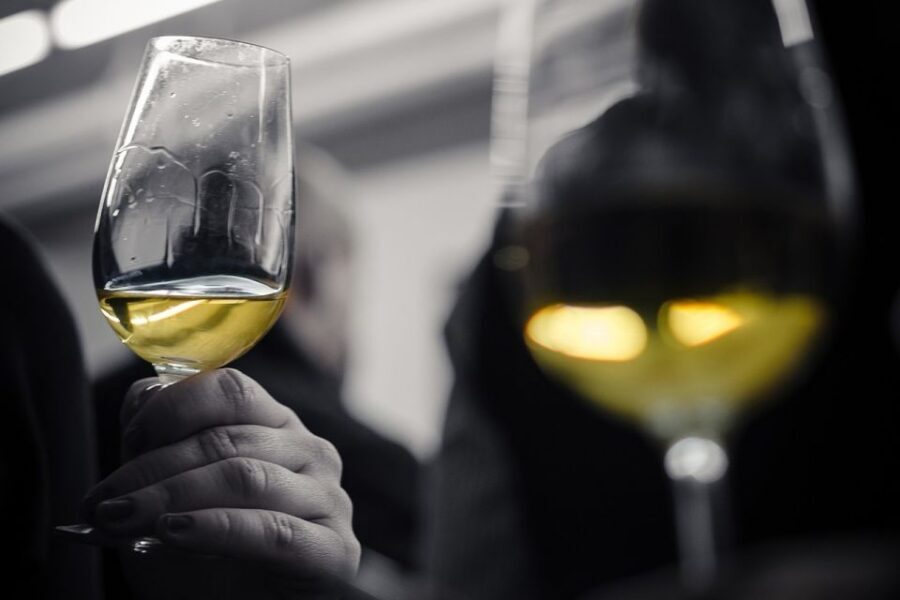
- A focused tasting lineup: one sparkling wine plus two whites and two reds
- Sommelier-led learning: tips on reading aromas, flavors, and balance
- Food pairing support: snacks or cheese pairing tips (depending on option booked)
- Spanish wine regions made practical: learn the basics without getting lost in jargon
- Central Old Town location: quick to fit into a Barcelona schedule
Barcelona Wine Tasting in the Old Town: What You’ll Actually Do
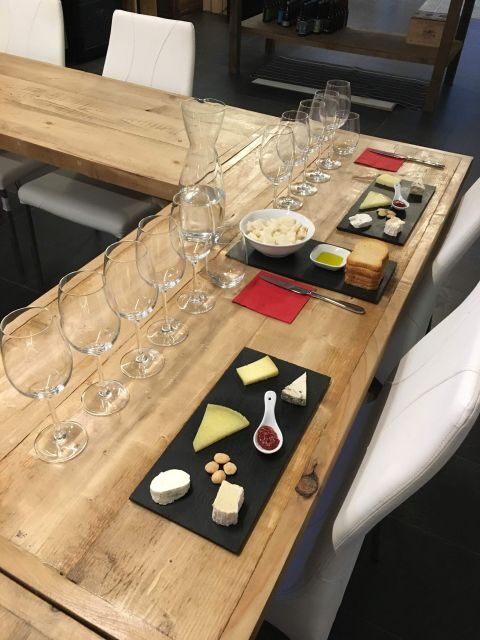
If you’ve ever stared at a wine list in Barcelona and thought, I have no idea what I’m choosing, this tasting is a fast fix. You sit down in the Old Town and taste your way across Catalonia and Spain, with an expert sommelier keeping the pace friendly and the explanations clear.
The format is built around three things: what’s in the glass, how to taste it, and how food changes what you notice. You get tasting tips before each pour so you’re not just drinking. You also get pairings—snacks or cheese pairing tips, depending on what you book—so you learn how to connect wine to real flavor, not just theory.
I like that it doesn’t try to be pretentious. It’s casual enough that you can relax, but structured enough that you’ll leave with new habits: how to smell on purpose, how to notice acidity and tannins, and how to say what you like without guessing.
You can also read our reviews of more food & drink experiences in Barcelona


The Lineup: One Sparkling, Two Whites, Two Reds
This is not a random sampler. It’s a deliberate lineup: five regional wines made up of one sparkling, two white wines, and two red wines. That mix matters, because it forces you to compare styles instead of treating everything like it’s the same drink.
- Sparkling wine: Great for teaching you how carbonation affects aroma and taste. It tends to feel crisp and “lifted,” and that helps you recognize freshness right away.
- White wines (2): You get a chance to compare flavors like fruit, herbs, and texture. Whites are also where acidity shows up fast, so you can start thinking in terms of balance.
- Red wines (2): You’ll notice how tannins change the experience—how red wine can feel drying or structured—and how that connects to food pairings.
This lineup is also good value. At $41 per person for a 1.5-hour guided tasting with water included, you’re basically paying for access to an expert, plus the wines you’d otherwise have to buy one by one. And since you taste multiple styles, you’re much more likely to remember what you like later when you’re picking bottles on your own.
Meet the Sommelier Energy: Learning Without the Wine Snob Vibe
A big reason these tastings work is the person leading them. In the past, hosts such as Omar and Vivien have been praised for staying warm and approachable while still knowing their stuff. You’ll usually see a pattern: lots of questions invited, explanations paced for real humans, and a guide who keeps the conversation moving so nobody’s stuck silently swirling a glass.
Here’s what I’d watch for, based on how the tastings are described: the sommelier isn’t just naming grapes. They’re helping you taste. That means you’ll get practical instruction on things like:
- what to look for in the glass
- what to smell first (and what to ignore)
- how to taste for balance rather than just sweetness or strength
You don’t need a wine vocabulary. You just need curiosity. One reason this works for novices: you’re taught a simple method. One reason it works for wine lovers: you still get grape and regional context that makes the pours feel connected.
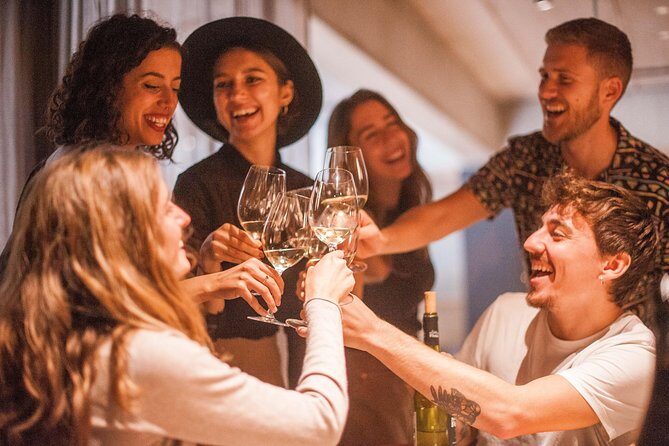
And yes, conversation is part of the deal. Some groups note how relaxed it feels, with people chatting while they taste. That’s a plus if you want your evening to be social, not just educational.
How the Tasting Techniques Actually Help (Look, Smell, Sip)
Wine tasting sounds fancy until you try it. Most of us have tasted wine without a plan. This tasting gives you a plan, and that’s where the learning happens fast.
Expect tips that guide you through the same basic steps, with the sommelier pointing out what to notice as you go. The “method” is what sticks, because you can use it later in a shop or at dinner.
A good example of what this helps with: aromas. People often confuse strong smell with quality. In this tasting, you’re taught to think more carefully—how to pick out fruit, spice, or floral notes, and how those notes connect to what you taste.
Then comes the sip. You’re not just asked if it tastes good. You’re encouraged to notice how the wine feels in the mouth and how it changes as it warms slightly. That’s how you start to understand why a wine can taste amazing on its own and then suddenly feel flat with the wrong snack.
This is also why the pours don’t feel like a rushed checklist. You’re given enough time to actually register differences between wines, and that makes the lesson sink in.
Snacks and Cheese Pairings: The Easiest Way to Learn What Works
If you remember one thing from the tasting, make it this: pairing isn’t about rules. It’s about match and contrast. This experience gives you exactly that through snacks pairing or cheese wine pairing tips, depending on the option booked.
Pairings are where theory becomes personal. A sparkling wine might suddenly feel even brighter with salty bites. A white wine might show more fruit when matched with something neutral. Reds often make more sense once you have a pairing that can handle tannins without tasting harsh.
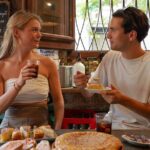
I like that the pairing support is included as part of the experience structure. You’re tasting and learning at the same time, which makes it easier to remember what you liked and why. And it helps you avoid the classic mistake of ordering a random cheese plate with a random bottle and hoping for the best.
One more practical benefit: you’ll likely leave with a few pairing ideas you can use immediately at a Barcelona restaurant. Even simple pairings—salty with crisp, fatty with structured, fresh with fruity—become easier to recognize once you’ve practiced them in a guided setting.
You can also read our reviews of more wine tours in Barcelona



Spanish Wine Regions Explained Without the Confusion
Spain can feel like a giant wine universe. You hear names like Catalonia, Rioja, and more, and it turns into a blur. This tasting tackles that by focusing on regions and grapes in a way you can keep straight.
The big value isn’t that you memorize a map. It’s that you learn what regional identity tends to show up as in the glass: the style, the fruit profile, the acidity, and the overall feel. That’s what helps you order better bottles later.
Catalonia is a key focus here, and it makes sense because it’s both its own wine identity and part of Spain’s broader story. You’re tasting regional wines from Spain alongside Catalan wines, so you can start comparing how climate and grape choices shape flavor.
This is also why the tasting is a good first wine activity in Barcelona. Before you spend money on bottles, you learn the “why” behind what you’re drinking. Once you get that connection, the rest of your trip becomes easier.
Price and Value: Why $41 for 1.5 Hours Works
Let’s talk value in plain terms.
At $41 per person for a 1.5-hour tasting, you’re not just paying for five pours. You’re paying for:
- a sommelier guide
- water included
- structured tasting technique tips
- pairing support (snacks pairing or cheese pairing tips)
- practical restaurant and wine bar tips
If you’re used to buying wine by the bottle, the price sounds modest. If you’ve done tastings elsewhere that charge more for fewer wines, this lineup feels like a fair deal—especially because you taste multiple styles across sparkling, whites, and reds.
The smartest way to think about the cost: you’re buying time with an expert plus the chance to find what you like. That’s money well spent if you want to take the guesswork out of your next dinner order.
Also, the rating and volume of feedback—strong overall—suggest the experience is consistent and that the guide quality matters. In practice, that means you’re likely to get both the learning and the enjoyment.
Practical Stuff That Makes or Breaks It
Meeting point: look for the big wooden doors. It’s simple, but easy to miss if you’re rushing, so give yourself a few extra minutes.
Language: instruction is in English, which makes the tasting feel welcoming even if your Spanish is limited.
Duration: the tasting is 1.5 hours. That’s long enough to teach technique and taste across styles, but short enough to fit before dinner plans.
Who it’s best for: if you’re a complete novice, you’ll still get a method you can use right away. If you’re a wine lover, you’ll likely enjoy the grape and region context and the pairing ideas.
Not suitable: it’s listed as not suitable for pregnant women and children under 18. If that applies to anyone in your group, you’ll need a different plan.
What Could Be a Downside for Some People?
This experience is structured around tasting and instruction, so it won’t feel like a freeform wine crawl. If you prefer to roam and graze at your own pace, you may feel a little “stuck on schedule.”
Also, it’s likely to be more conversation-friendly than silent. If your ideal evening is quiet, you might want to choose a different style of activity.
Finally, since the tasting includes food pairing support based on your option, check which pairing style you booked—snacks or cheese pairing tips—so you know what to expect with the wine lineup.
Should You Book This Barcelona Wine Tasting?
I think you should book it if you want a smart, social, and high-utility wine experience. It’s especially worth it when you’re short on time and want to understand Spanish and Catalan wine quickly—without drowning in jargon.
Book it if:
- you like learning by doing
- you want wine + pairing ideas you can use for dinner right away
- you want a guided tasting that feels relaxed, not stuffy
- you’re trying to figure out what kind of Spanish bottle you’ll actually enjoy
Skip it if:
- you hate guided activities
- you only want to drink one style of wine and move on
- you’re looking for a quiet, self-paced tour
For most people visiting Barcelona, this is one of the best ways to turn wine from a confusing menu into something you can confidently order.
FAQ
How long is the Barcelona wine tasting?
It lasts 1.5 hours.
What is the price per person?
The price is $41 per person.
How many wines will I taste?
You’ll taste five wines total: 1 sparkling wine, 2 white wines, and 2 red wines.
What food pairing is included?
Included pairing is either snacks pairing or cheese pairing tips, depending on the option you booked.
Is water included?
Yes, water is included.
Where do I meet the group?
Meet at the big wooden doors.
Is the tour conducted in English?
Yes, the instructor is in English.
Is there free cancellation?
Yes. You can cancel up to 24 hours in advance for a full refund.
Can I reserve without paying right away?
Yes. The experience offers reserve now & pay later.
Is it suitable for children or pregnant women?
No. It is not suitable for children under 18 years or pregnant women.